

Domaine Auguste Clape
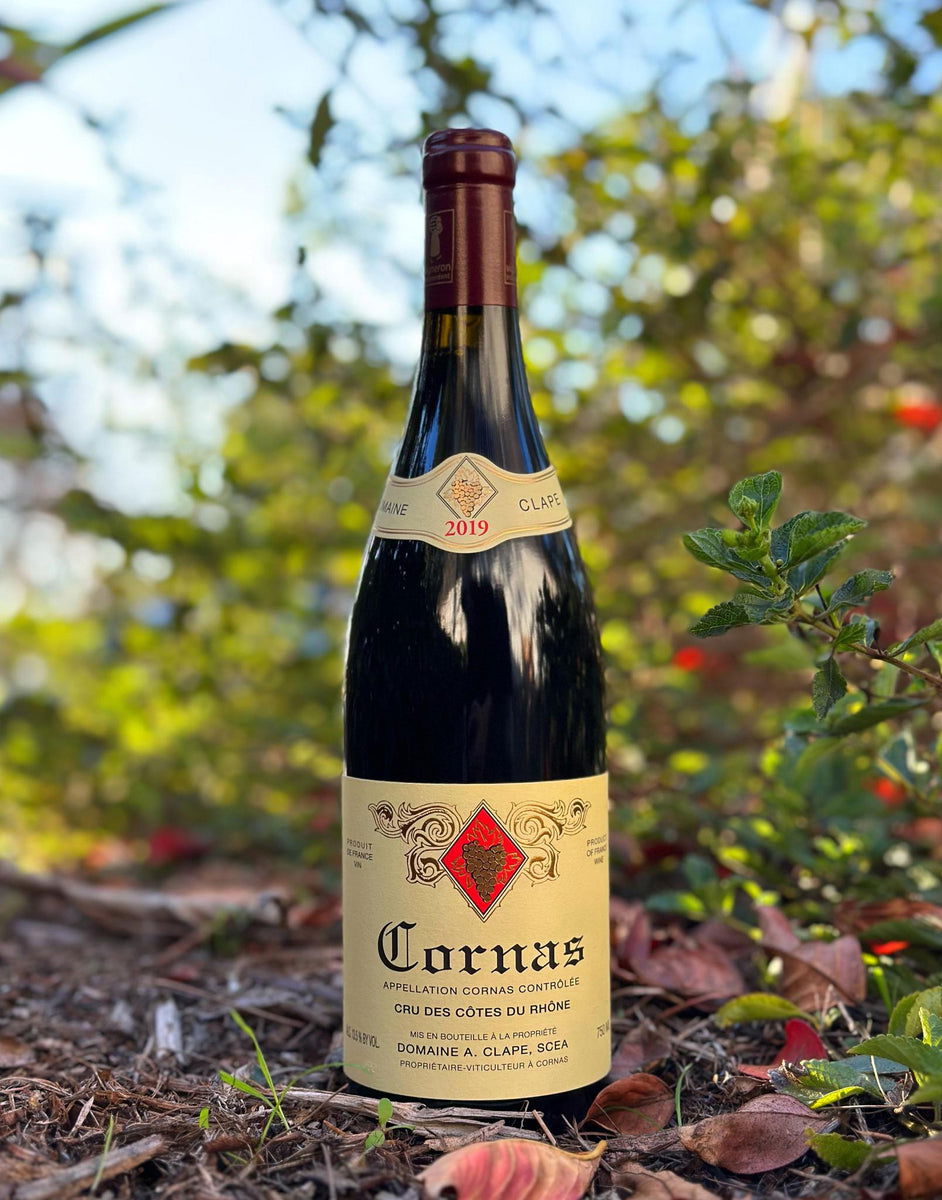
Cornas
Winery in Cornas, France
 Book with Pearl
The Read
Granite-Rooted Cornas Syrah
Why go
A high-priority Cornas stop for serious northern Rhône drinkers, not a casual drop-in tasting. Plan it as the anchor of the day, with backup options in place, because access is difficult and the reward is strongest for travelers already focused on Syrah and producer context.
About Domaine Auguste Clape
Domaine Auguste Clape is a venue in Cornas. Olivier Clape is the winemaker, the dress code is smart casual, and the venue holds Pearl 4 Star Prestige recognition for 2025.
For a visit plan, avoid assuming a particular service format, menu, tasting structure, purchase policy, or opening schedule. If you are considering Domaine Auguste Clape, confirm all practical details directly with the venue before making the trip to Cornas.
Plan Cornas around confirmed details
The key planning points are the Cornas location, Olivier Clape's association with the venue, smart casual dress, and Pearl 4 Star Prestige recognition for 2025.
That makes Domaine Auguste Clape a venue to plan carefully rather than casually. Use Cornas as the location reference, avoid relying on assumptions, and confirm current arrangements before you build the rest of your day around the stop.
Who should make the effort, and who should cross-shop
Choose Domaine Auguste Clape if you are specifically planning time in Cornas and want to prioritize a Pearl 4 Star Prestige venue with smart casual expectations. If your itinerary depends on set hours, a defined format, or a specific purchasing arrangement, check those details before committing.
For broader context, compare Domaine Auguste Clape with Chapoutier, Delas Freres, Domaine Jean-Louis Chave, E. Guigal, and Paul Jaboulet Aîné. Those comparisons can help frame the trip without assuming that each venue offers the same format, access, or visitor experience.
Bottom line: Domaine Auguste Clape is a Pearl 4 Star Prestige venue in Cornas. Treat it as a focused stop to check in advance, especially if your plans depend on hours, service style, food, purchasing, or other practical details.
Planning details
- Location
- 146 Av. du Colonel Rousset, 07130 Cornas
- Website
- domaineclape.fr
- Phone
- +33 4 75 40 33 64
The take
The Take
The Vibe
Domaine Auguste Clape presents a disciplined, terroir-forward presence at the heart of Cornas. The copy emphasizes granite and gneiss soils, the amphitheatre of slopes and a single-minded focus on Syrah that yields dense, reticent wines. The estate’s multi-decade continuity is foregrounded as part of its character: winemaking that accumulates knowledge of how individual sites behave across vintages. Expect wines that are mineral, muscular and slow to unfurl; the writing frames the domaine as a thoughtful, rigorous producer rather than a showy one, with a quiet authority rooted in place and history.
Best For
This domaine is especially well suited to wine-focused visits and study. The text positions Clape as a touchstone for understanding Cornas — its soils, microclimate and varietal expression — so it's a strong pick for anyone seeking a deeper, comparative grasp of northern Rhône Syrah. The wines’ pronounced structure and long aging potential also make purchases here appealing for special occasions: bottles are made to evolve over years, rewarding collectors and celebratory cellaring rather than immediate, casual drinking.
Tasting Tips
Treat bottles from Domaine Auguste Clape as wines that demand patience. The profile is described as dense and reticent, with tannins that often require years to soften, so consider buying with cellaring in mind or seeking older vintages if you want more immediate accessibility. If you open a younger bottle, allow extended time for it to breathe in the glass; the text underlines flavors of iron, black olive and smoked meat, so expect a savory, mineral-driven palate rather than flamboyant fruit. Approach purchases as long-term investments in Cornas expression.
Venue details
Ambiance
Traditional and rustic with powerful, structured wines evoking dark fruits, spice, and minerality in a historic family setting.
Tags
Vibe
Best For
Experience
Sourcing
View
At the Vineyard
- Appellation
- Cornas AOC
- Varietals
- Syrah, Marsanne
- Tour Duration
- 60-90 minutes
- Visits
- By appointment only
- Farming
- Sustainable
- Production
- Small producer
- Wine Styles
- Still Red
- Wine Club
- Not available
Know before you go
Know Before You Go
- Getting there
- 146 Av. du Colonel Rousset, 07130 Cornas
Planning details
Location
Recognition and awards

Also consider
Also Consider
- Domaine Jean-Louis Chave, Notable alternative
- Delas Freres, Notable alternative
- Paul Jaboulet Aîné, Notable alternative
- Chapoutier, Notable alternative
- E. Guigal, Notable alternative
Winery context
How it compares in Cornas and the northern Rhône
Domaine Jean-Louis Chave is the closest peer for travelers chasing a high-conviction, difficult-access Rhône appointment. Choose Domaine Auguste Clape if Cornas is the point of the trip; choose Chave if Hermitage context matters more. Both are poor fits for a casual tasting day, so do not rely on either as an easy backup.
Delas Freres, Paul Jaboulet Aîné, Chapoutier, and E. Guigal are better cross-shops if the group wants a broader Rhône frame, a larger-name setting, or a more predictable hospitality experience. They make more sense for mixed-interest travelers and for itineraries where timing matters as much as bottle focus.
Value depends on what you want from the stop. Domaine Auguste Clape is the stronger pick for a narrow, producer-led Cornas day; the larger peers are safer for visitors who want breadth, scale, and easier planning. If only one appointment can be secured, prioritize Clape for Syrah depth and use Delas Freres, Paul Jaboulet Aîné, Chapoutier, or E. Guigal as practical alternatives.
Explore Cornas
Around this place
Discover more on Pearl
Unlock the full Domaine Auguste Clape guide in Pearl, including awards, comparisons, FAQs, planning details, and nearby places.
Compare Domaine Auguste Clape
| Venue | Location | Awards |
|---|---|---|
| Domaine Auguste Clape | Cornas | 2026 Falstaff Winery Guide2025 Pearl 4 Star Prestige |
| Domaine Jean-Louis Chave | Mauves | 2026 Falstaff Winery Guide2025 Pearl 5 Star Prestige |
| Delas Freres | Tain-l'Hermitage | 2026 Falstaff Winery Guide2025 Pearl 3 Star Prestige |
| Paul Jaboulet Aîné | Tain-l'Hermitage | 2026 Falstaff Winery Guide2025 Pearl 4 Star Prestige |
| Chapoutier | Tain-l'Hermitage | 2025 World's 50 Best Vineyards · #772025 Pearl 4 Star Prestige2024 World's 50 Best Vineyards · #42 |
| E. Guigal | Ampuis | 2026 Falstaff Winery Guide2025 Pearl 4 Star Prestige2019 World's 50 Best Vineyards · #42 |

How Domaine Auguste Clape Cornas compares with similar nearby venues.
FAQ
Frequently Asked Questions
Does Domaine Auguste Clape offer purchase or shipping options?
How long should I plan for a visit to Domaine Auguste Clape?
Does Domaine Auguste Clape serve food?
Do not assume a meal, menu, or dining format is available unless Domaine Auguste Clape confirms it directly.
What should I know before visiting Domaine Auguste Clape?
The key planning points are the Cornas location, Olivier Clape as chef/owner, smart casual dress, and Pearl 4 Star Prestige recognition for 2025. Verify any hours, access, purchasing, or visitor arrangements directly before making a decision.
What other venues can I compare with Domaine Auguste Clape?
For broader context, compare Domaine Auguste Clape with Domaine Jean-Louis Chave, Delas Freres, Paul Jaboulet Aîné, Chapoutier, and E. Guigal. Confirm each venue's location, access, and visit format directly before planning an itinerary.