

Agrapart & Fils
Avize
Winery in Avize, France
 Book with Pearl
The Read
Chalk-Rooted Blanc de Blancs
Why go
Book Agrapart & Fils if the point of the trip is serious grower Champagne rather than a broad visitor-center experience. It is a strong fit for a wine-led celebration in Avize, especially for drinkers comparing it with Jacques Selosse, Delamotte, Champagne Salon, Pierre Peters, and Pierre Gimonnet & Fils.
About Agrapart & Fils
Agrapart & Fils is a Pearl 4 Star Prestige (2025) venue in Avize with chef/owner Pascal Agrapart. Beyond that core profile, the public details here are limited, so the safest planning approach is to treat the page as a concise decision aid rather than a full service, menu, or visit-format brief. In practical terms, that means the strongest information is the identity of the place, its location, its named chef/owner, and its current Pearl distinction. The page should be read as a careful starting point: useful for deciding whether the venue belongs on a shortlist, but not detailed enough to support assumptions about what a visit will include.
Book or prioritize Agrapart & Fils if the name itself is the reason for the Avize stop and if your plans can accommodate confirmation directly with the venue. Do not rely on assumptions about format, availability, group capacity, purchases, or appointment rules. Those details can materially change how a day in Avize works, especially if you are coordinating transport, meals, or multiple addresses. For attire, smart casual is the dress code, which gives a straightforward baseline without implying a more formal or more casual service style than has been confirmed.
Book for the confirmed name, not for extras
The grounded appeal is direct: Agrapart & Fils in Avize, Pascal Agrapart, and Pearl 4 Star Prestige recognition for 2025. Those are the confirmed reasons to keep it on a premium itinerary. Anything more specific should be checked directly before you build a day around it. This is especially important because well-known names can encourage travelers to fill in blanks from expectation, reputation, or experiences elsewhere. Here, the more disciplined approach is to separate what is from what is merely plausible, and to let the venue confirm the operational details that matter for the actual visit.
If you are planning the wider trip, avoid making Agrapart & Fils the only fixed point until details are confirmed with the venue. Use Avize as the location anchor, then add surrounding planning through current resources for the area. That structure keeps the itinerary flexible: Agrapart & Fils can remain a priority, while meals and surrounding plans can be arranged around confirmed timing rather than around guesses. It also helps prevent overcommitting to an afternoon or evening before you know whether the practical pieces align.
Where it sits among other notable names
For comparison planning, Agrapart & Fils can be considered alongside Champagne Salon, Delamotte, Jacques Selosse, Pierre Gimonnet & Fils, and Pierre Peters. The most reliable way to use those names is not to assume identical access, format, or hospitality, but to treat them as separate options to verify one by one. Their usefulness in this context is comparative rather than interchangeable: they help frame the level of interest around Avize and nearby planning, but they should not be used as evidence for what Agrapart & Fils itself offers to visitors.
If Agrapart & Fils is central to the trip, confirm the practical details directly before travel. If it is one part of a broader Avize plan, keep other dining and related options in mind without assuming they offer the same experience, availability, or visitor setup. The best version of the plan is therefore cautious but not tentative: place Agrapart & Fils high on the list for the confirmed name and recognition, then allow the final shape of the visit to depend on direct confirmation rather than unsupported detail.
Planning details
- Location
- 57 Av. Jean Jaurès, 51190 Avize
- Website
- champagne-agrapart.com
- Phone
- +33 3 26 57 51 38
The take
The Take
The Vibe
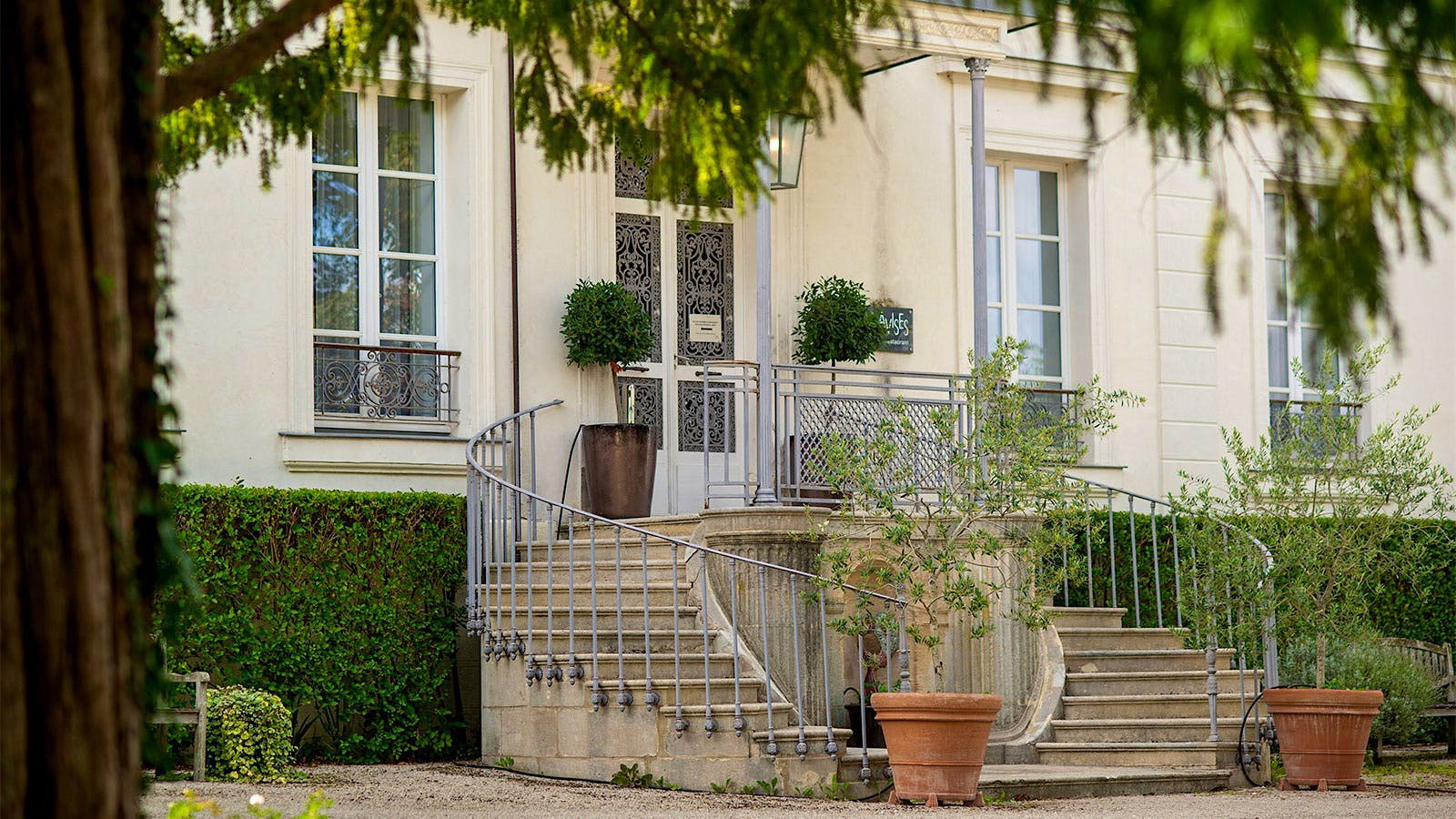
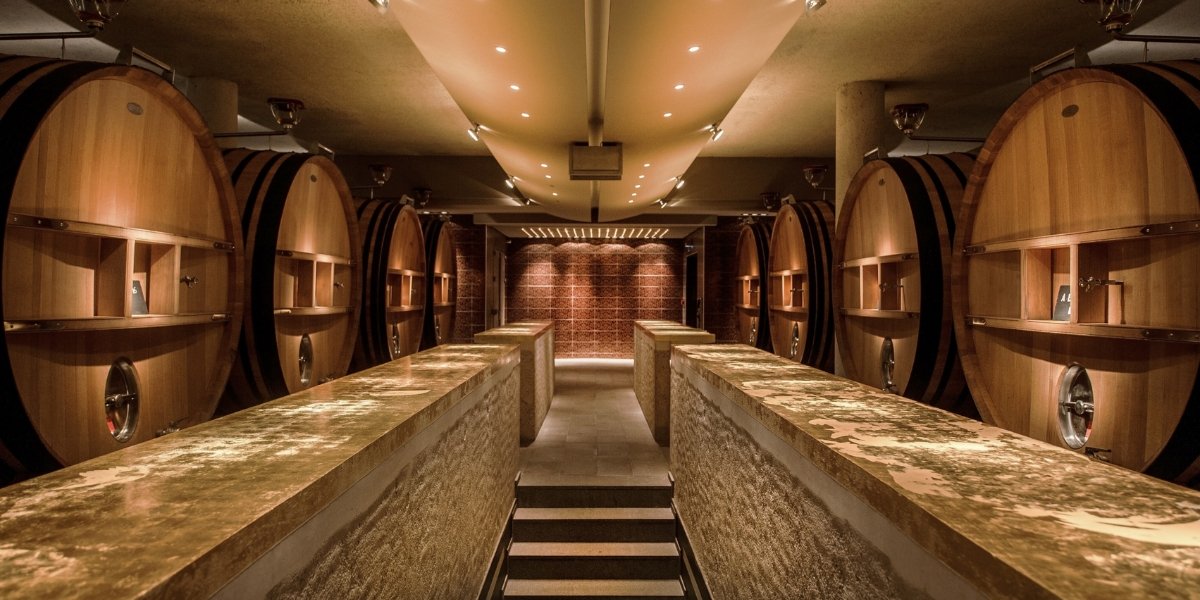
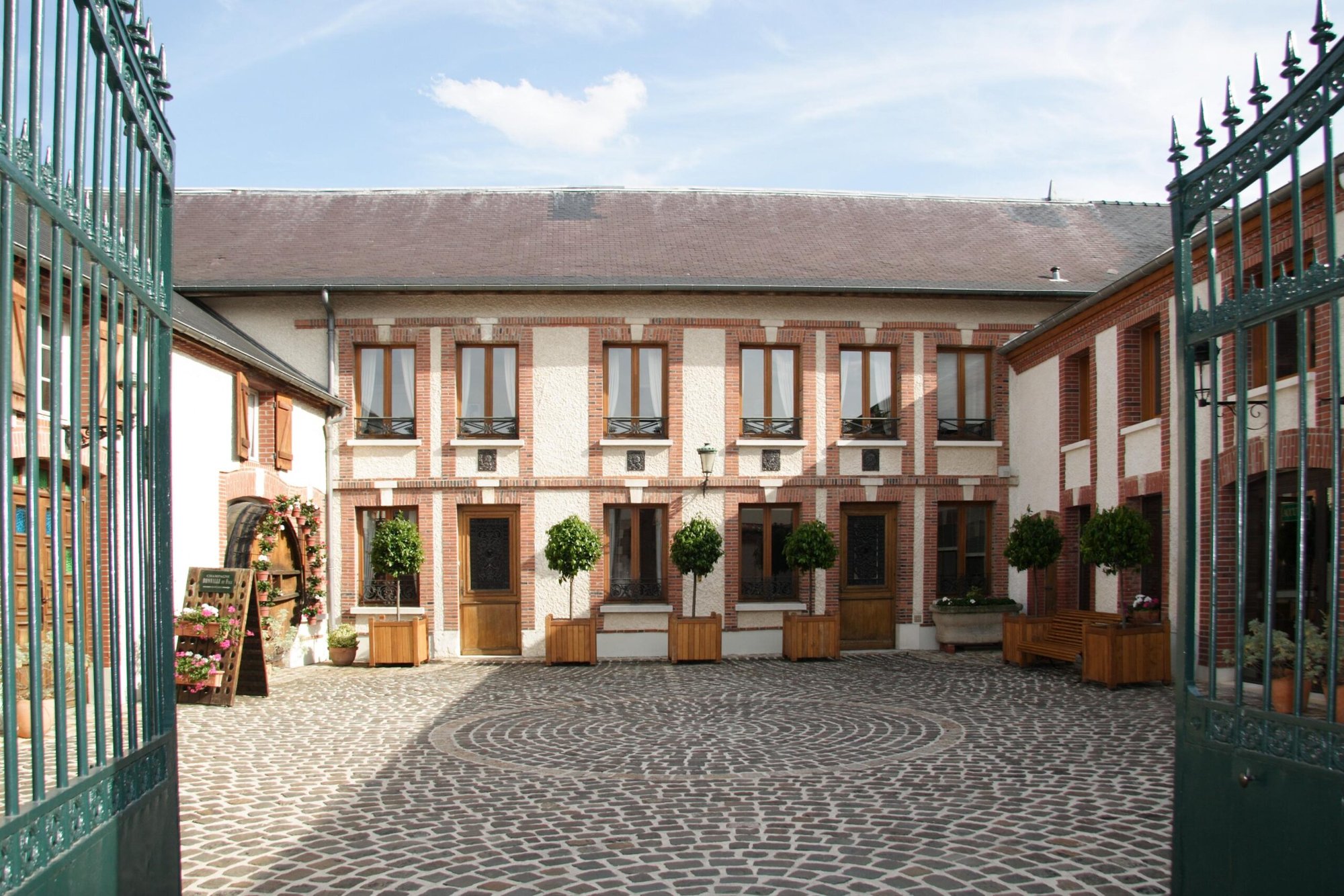
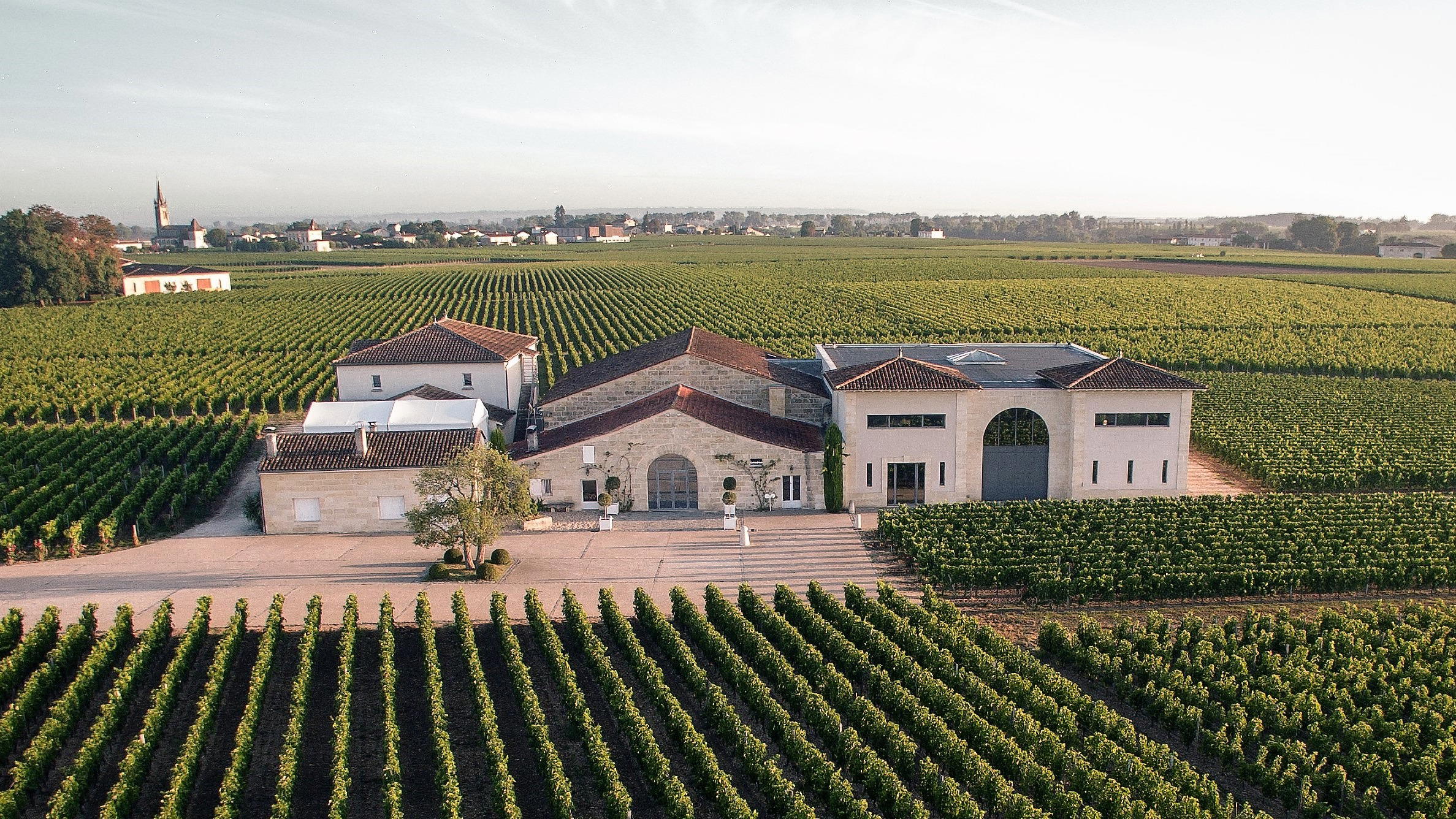
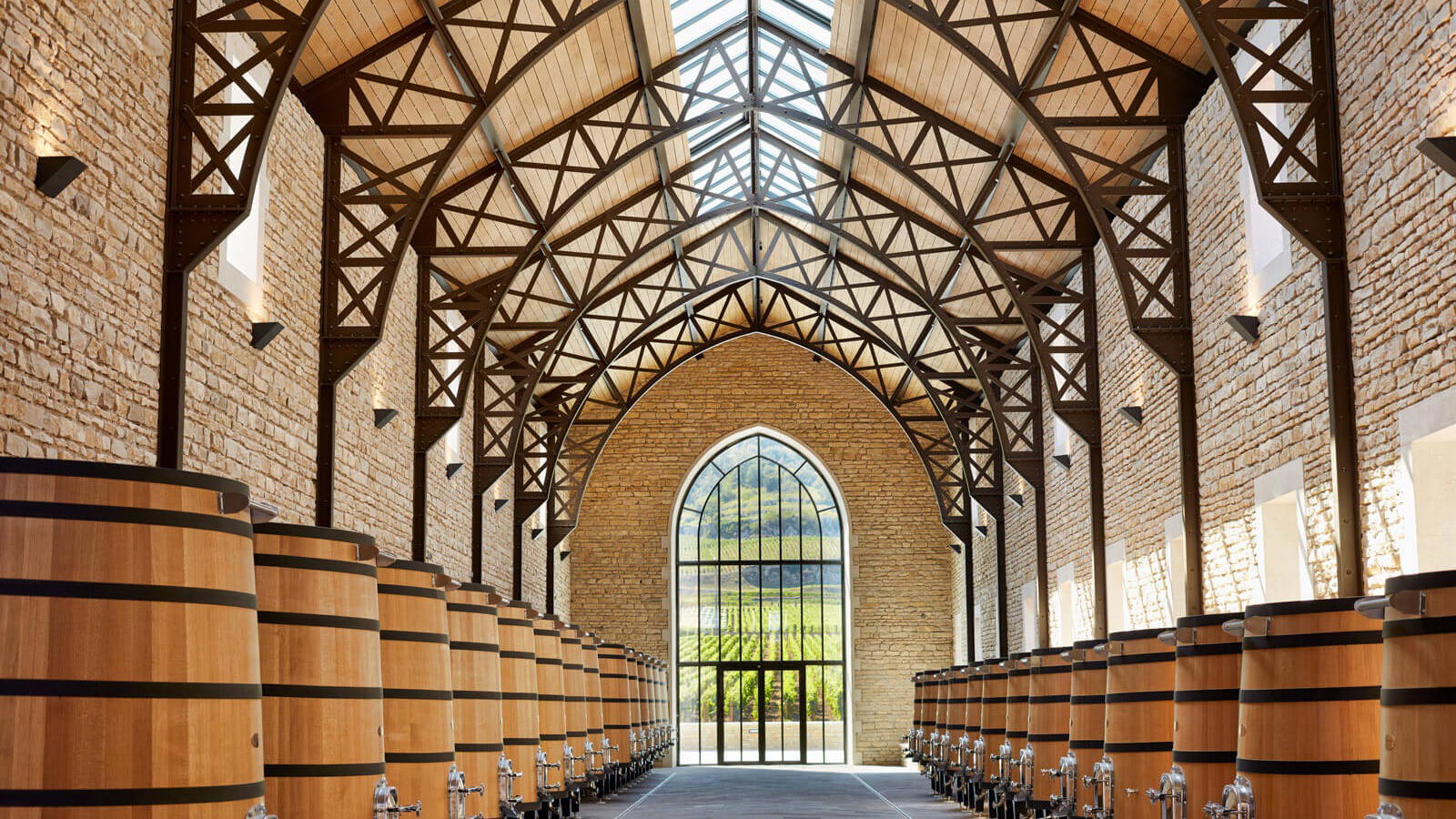
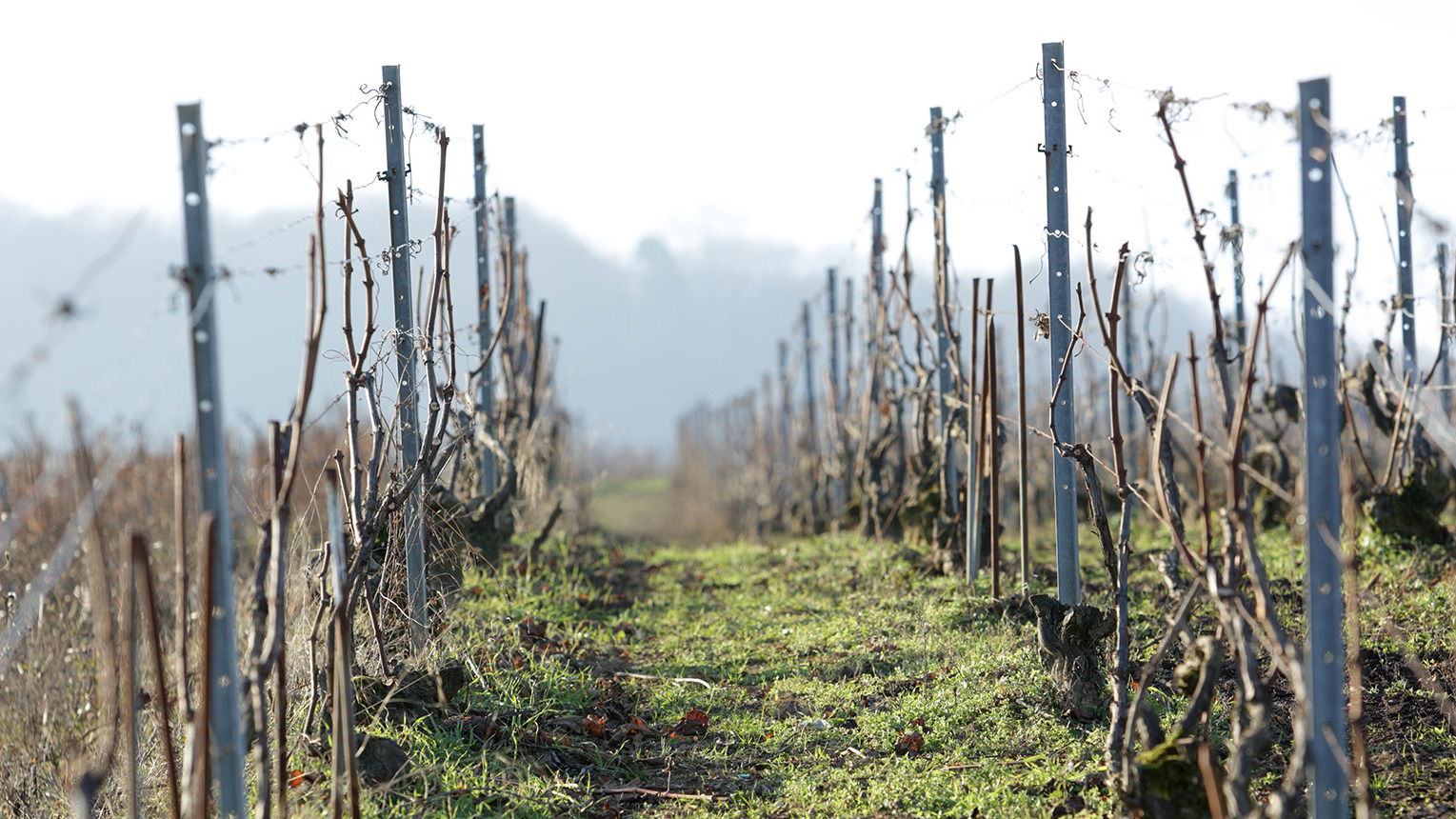
Agrapart & Fils reads as a quietly focused, terroir-first domaine rather than a theatrical visitor destination. The prose emphasizes chalky Côte des Blancs slopes and southeast-facing parcels, and the property presents as a working farm with visible cellar activity — austere and rigorous rather than flashy. The experience feels studied and agricultural: wines and place take center stage, and the mood is restrained, serious, and scenic. Collectors and students of terroir encounter an unvarnished, craft-focused environment where geology and vineyard practice shape a measured, contemplative atmosphere.
Best For
This is best for people interested in terroir, Chardonnay-driven Champagne and for serious collectors who follow vintages and vineyard expression. The writing frames Agrapart as a producer whose wines demand attention over time — tight at release, mineral and tensile, and rewarding patience — so it's ideal for tasters who appreciate structural precision, vineyard specificity, and long-term evolution in bottle. It is less suited to casual sightseers seeking entertainment and more suited to focused visits that prioritize tasting, study, and comparison of parcel-driven bottlings.
Tasting Tips
Approach tastings and purchases with a collector’s mindset: ask directly about single-parcel and grand cru Avize bottlings and inquire how particular vintages are shaping up. The estate’s emphasis on deep chalk soils and a restrained Chardonnay profile means young wines can read austere, so probe aging windows and cellar recommendations. Because Agrapart operates at a serious, small-producer level, availability can be allocation-driven; prioritize vintages or parcels you want and clarify release or allocation details with the domaine or your merchant.
Venue details
Ambiance
Refined and mineral-driven atmosphere reflecting the chalky terroir, with elegant, precise Champagnes showcasing density, salinity, and complexity from ancestral practices.
Tags
Vibe
Best For
Experience
Sourcing
View
At the Vineyard
- Appellation
- Champagne Grand Cru Côte des Blancs
- Varietals
- Chardonnay, Pinot Noir
- Tour Duration
- 60-90 minutes
- Tour Languages
- French
- Visits
- By appointment only
- Farming
- Natural wine
- Wine Styles
- Sparkling, Still White
- Wine Club
- Not available
Know before you go
Know Before You Go
- Getting there
- 57 Av. Jean Jaurès, 51190 Avize
Planning details
Location
Recognition and awards

Also consider
Where to Try If This Is Full
Start with Pierre Peters or Pierre Gimonnet & Fils if the goal is still a Chardonnay-led Champagne visit. Choose Delamotte if the group needs a more classic house experience, and keep Champagne Salon for collector-led plans rather than casual backup scheduling.
Winery context
How It Compares
Jacques Selosse is the higher-drama Avize comparison: harder to access, more collector-coded, and better for travelers who want the trip to revolve around one cult producer. Agrapart & Fils is the more balanced pick for serious Champagne drinkers who want grower identity without turning the appointment into a status exercise.
Delamotte is the safer choice for visitors who prefer a more classic house feel, while Champagne Salon is the prestige play for collectors. Choose Agrapart & Fils when the occasion is wine-led but not purely trophy-led.
Pierre Peters and Pierre Gimonnet & Fils are the cleanest cross-shops for Chardonnay-focused drinkers. If availability here fails, those are the peer bookings to chase before widening the itinerary outside the Côte des Blancs.
Explore Avize
Around this place
Discover more on Pearl
Unlock the full Agrapart & Fils guide in Pearl, including awards, comparisons, FAQs, planning details, and nearby places.
Compare Agrapart & Fils
| Venue | Location | Awards |
|---|---|---|
| Agrapart & Fils | Avize | 2026 Falstaff Winery Guide2025 Pearl 4 Star Prestige |
| Jacques Selosse | Avize | 2026 Falstaff Winery Guide2025 Pearl 5 Star Prestige |
| Delamotte | Le Mesnil-sur-Oger | 2026 Falstaff Winery Guide2025 Pearl 4 Star Prestige |
| Champagne Salon | Le Mesnil-sur-Oger | 2026 Falstaff Winery Guide2025 Pearl 5 Star Prestige |
| Pierre Peters | Le Mesnil-sur-Oger | 2026 Falstaff Winery Guide2025 Pearl 4 Star Prestige |
| Pierre Gimonnet & Fils | Cuis | 2026 Falstaff Winery Guide2025 Pearl 4 Star Prestige |
How Agrapart & Fils Avize compares with similar nearby venues.