

Château Filhot
Sauternes
Winery in Sauternes, France
 Book with Pearl
The Read
Southern Plateau Botrytis
Why go
Château Filhot is worth targeting for a Sauternes itinerary built around history and estate context, with a first vintage dating to 1779. Treat booking as difficult and plan it alongside nearby Sauternes wineries rather than as a loose same-day stop.
About Château Filhot
Is Château Filhot worth planning into a Sauternes itinerary? It can be, if you are looking for a Sauternes venue with a smart casual dress code, Gabriel de Vaucelles as chef/owner, and Pearl 4 Star Prestige recognition for 2025.
The practical case is simple. Consider it as part of a Sauternes-focused day. For comparison, look at Château Filhot alongside Château Guiraud, Château d'Arche, and Château d'Yquem before deciding how to structure the day.
Plan it as a Sauternes stop with confirmed basics
The reason to keep Château Filhot on the shortlist is its place in Sauternes and its Pearl 4 Star Prestige recognition for 2025. Gabriel de Vaucelles is the named chef/owner, and smart casual is the stated dress code.
For detailed visit format, timing, group capacity, and on-site specifics, check directly with the venue before building the day around assumptions. If Château Filhot is not the right fit for your schedule, keep the itinerary focused by considering other comparison venues. Our full Sauternes wineries guide is a useful way to review alternatives without overcomplicating transport.
How to fit it into a Sauternes day
For most travelers, Château Filhot works best as one part of a carefully planned itinerary. Pair it with one or two other venues only after checking current arrangements directly, leave buffer time between plans, and avoid assuming a visit format that does not suit your schedule. If the day needs meals or overnight logistics, use Our full Sauternes restaurants guide and Our full Sauternes hotels guide to keep the plan simple.
The verdict: consider Château Filhot if you are building a Sauternes itinerary and want a Pearl 4 Star Prestige venue in the mix. If the priority is the most famous name in the appellation, compare it with Château d'Yquem. If the priority is reviewing several relevant options, also look at Château Guiraud, Château d'Arche, Château La Tour Blanche, and Clos Haut-Peyraguey.
Planning details
- Location
- Rte de Filhot, 33210 Sauternes
- Website
- filhot.com
- Phone
- +33 5 56 76 61 09
The take
The Take
The Vibe
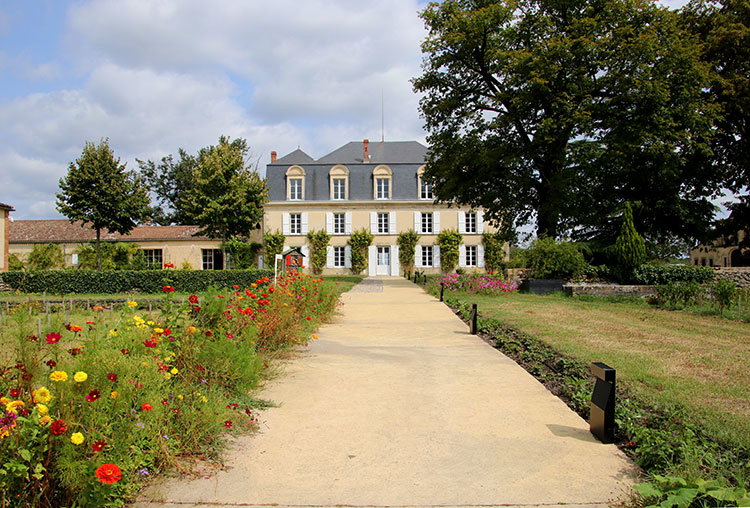
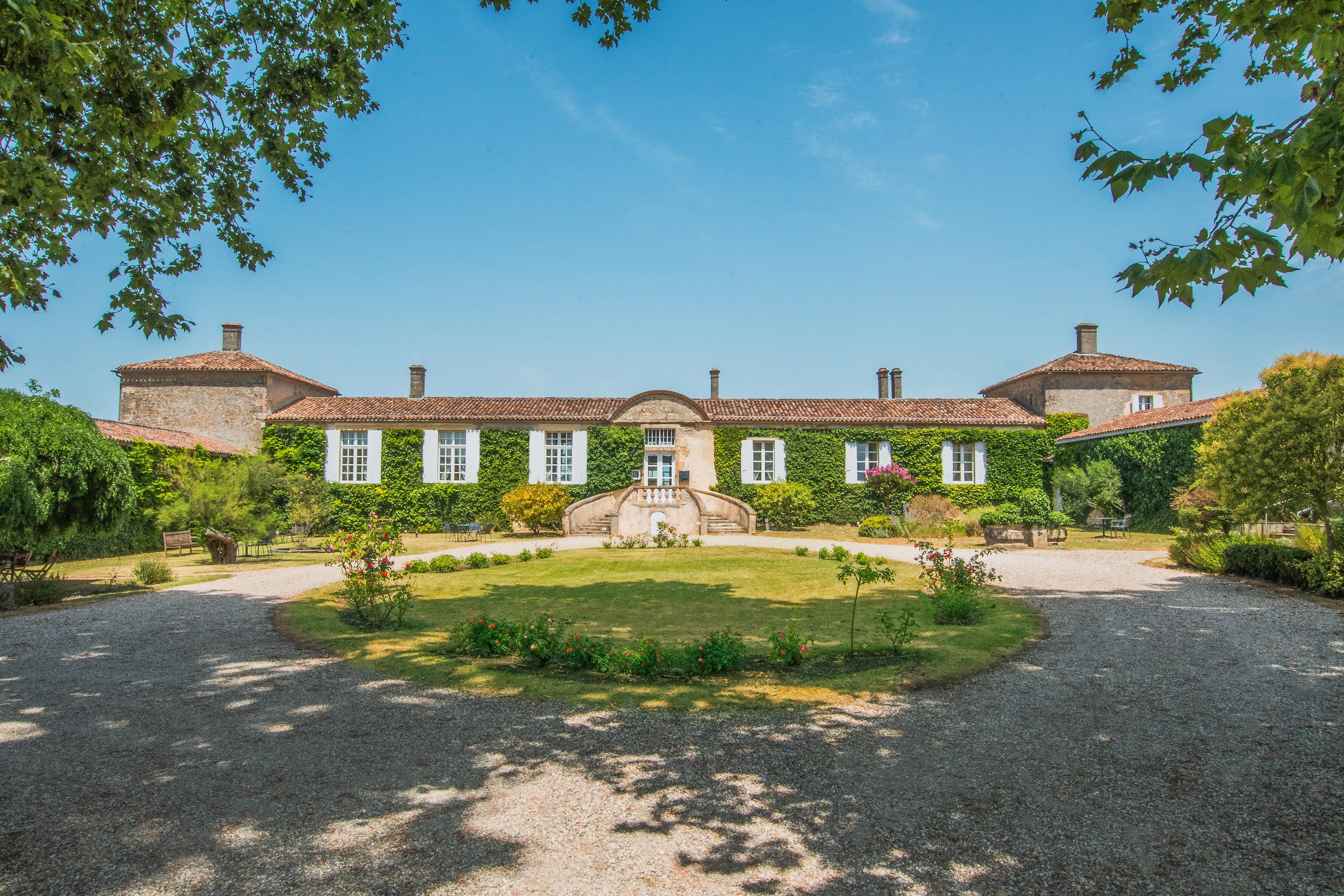
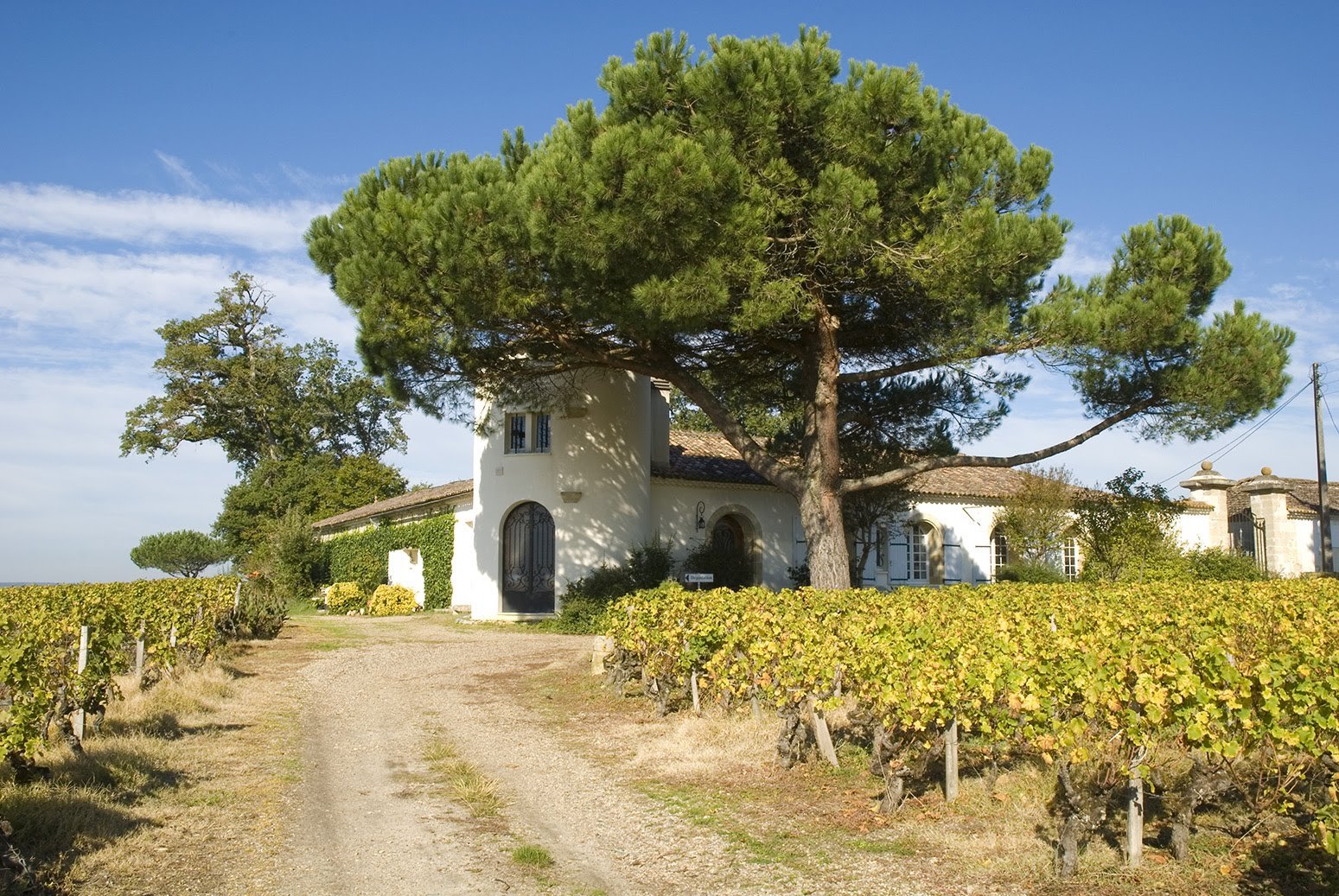
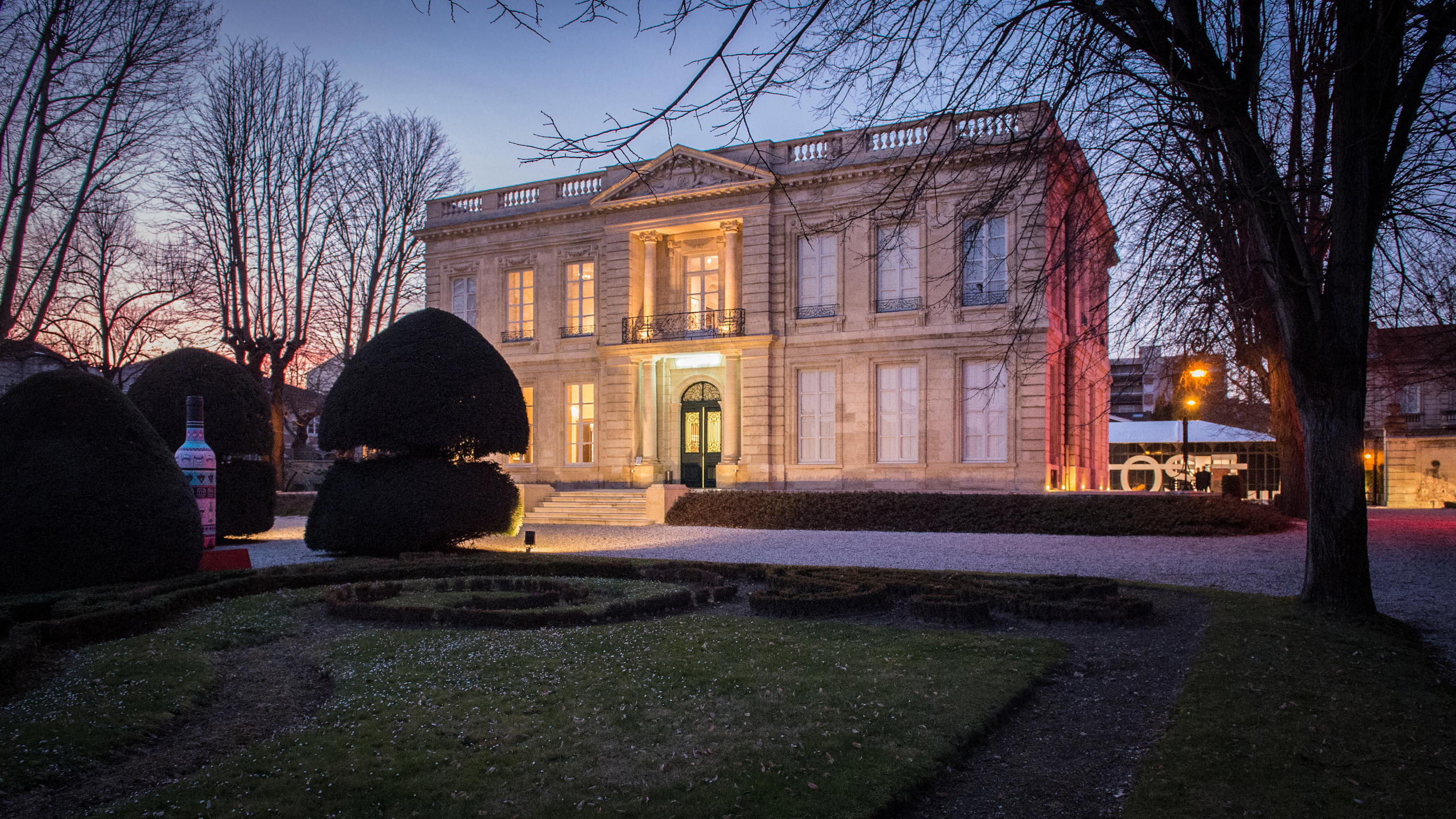
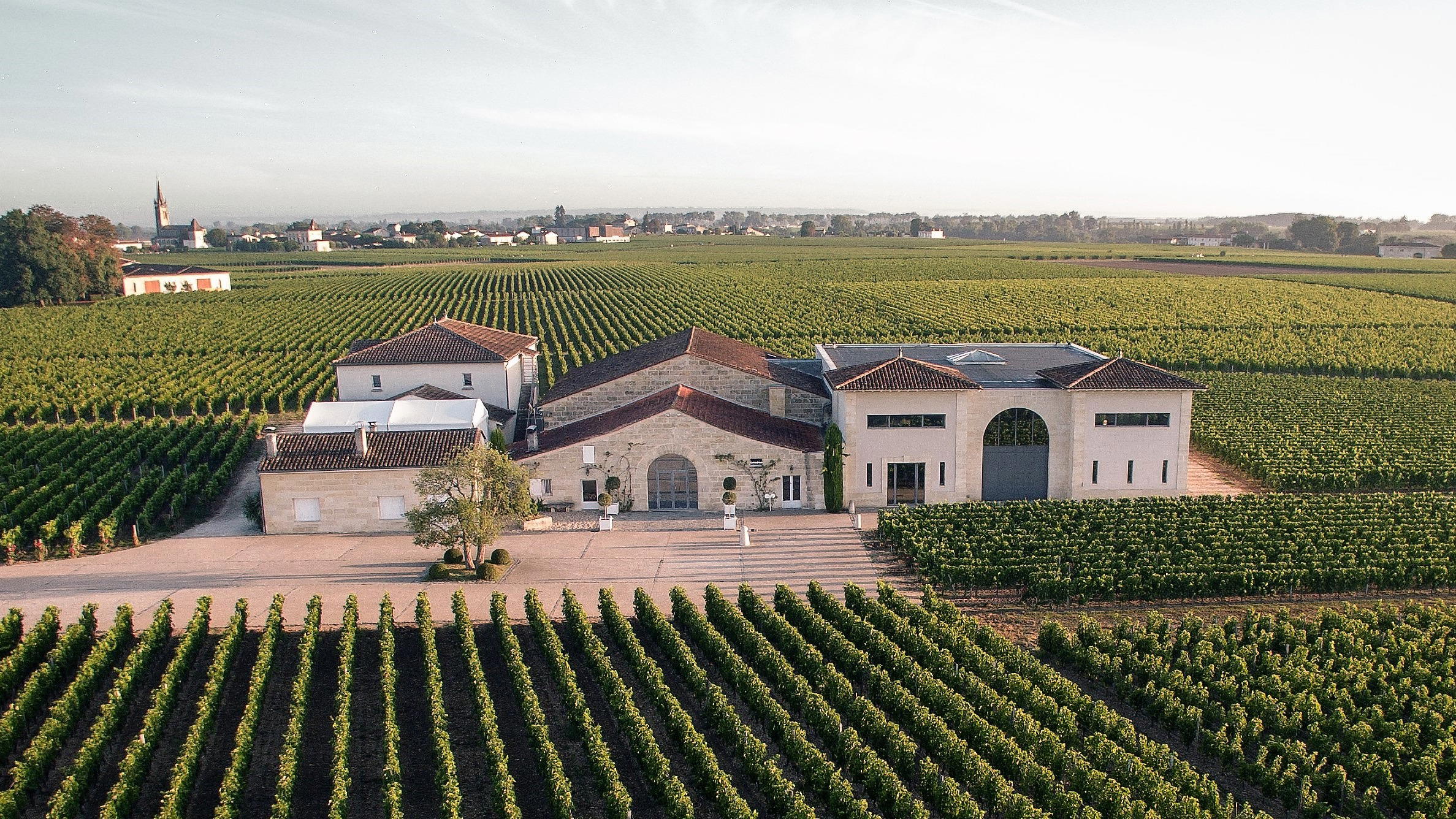
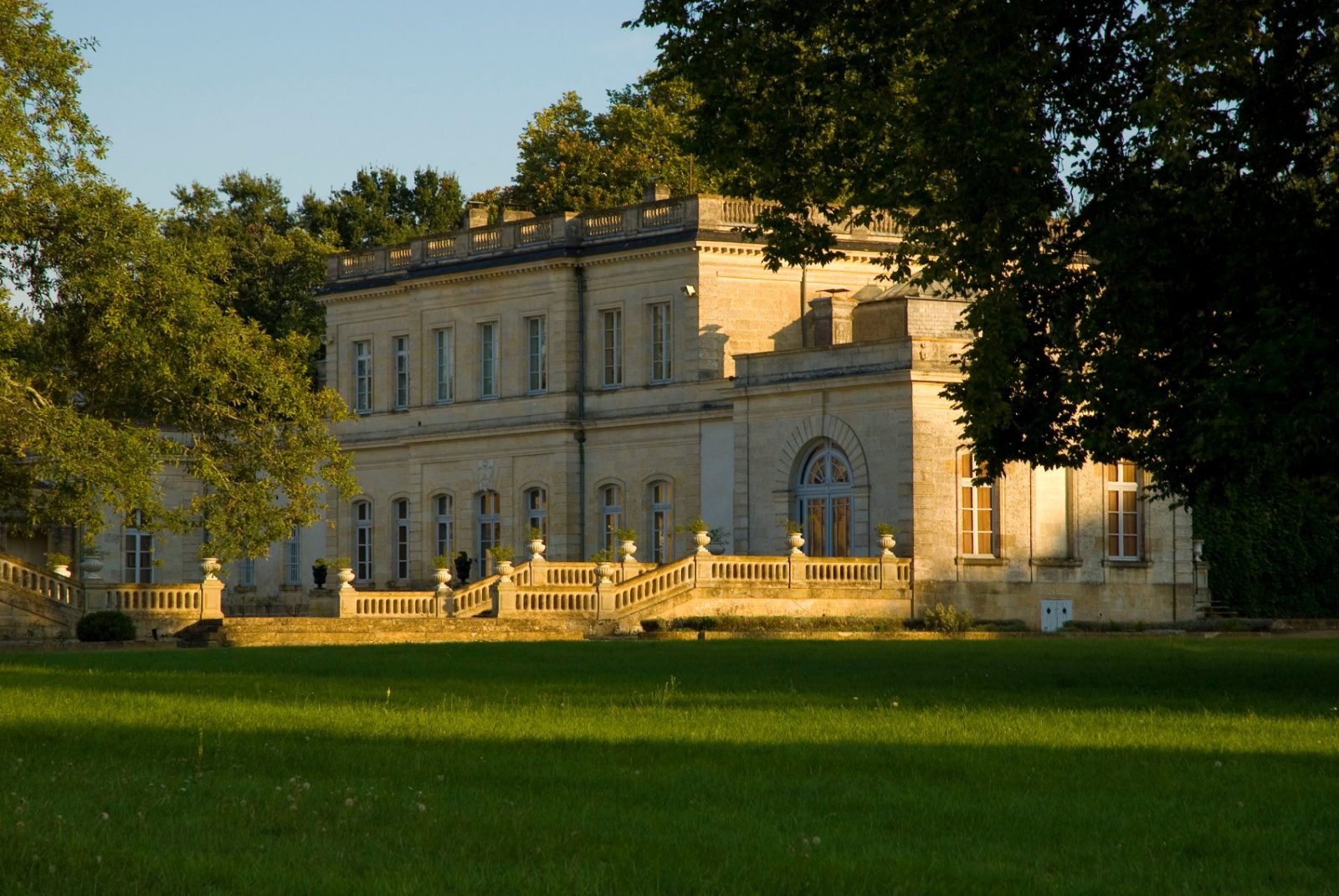
Château Filhot presents itself as a quietly historic Sauternes estate: an 18th-century façade set back from the road, vines stretching into the surrounding gravel, and a temperament that favors restraint over show. The writing emphasizes age and place—the Ciron and Garonne mists that usher in noble rot—so the mood is scholarly and meditative rather than theatrical. Visitors encounter an estate that reads like a lesson in terroir: understated architecture, measured pace, and an overall serenity that foregrounds the vineyard’s long relationship to botrytis-driven sweet wines.
Best For
Filhot is best for visitors who want a contemplative, education-focused winery visit rather than a bustling tasting-room experience. The description’s focus on centuries of production, its classification as a deuxième cru classé, and the technical explanation of Botrytis and successive harvests make it ideal for wine students, collectors, and curious travelers who value history and technique. The quieter setting also suits couples or small groups seeking a peaceful escape centered on classic Sauternes rather than a high-energy tourist stop.
Tasting Tips
When you visit or taste Château Filhot, steer conversation toward the vineyard’s role in producing botrytized Sémillon: ask how the Ciron-Garonne morning fogs affect each harvest and how the team manages successive picks over weeks. Request wines that illustrate different pick dates or vintages to hear how concentration and aromatic profile evolve with noble rot. Given the estate’s long history and deuxième cru classé status, it’s also worth asking about older bottlings or library vintages to understand how Filhot’s Sauternes ages in bottle.
Venue details
Ambiance
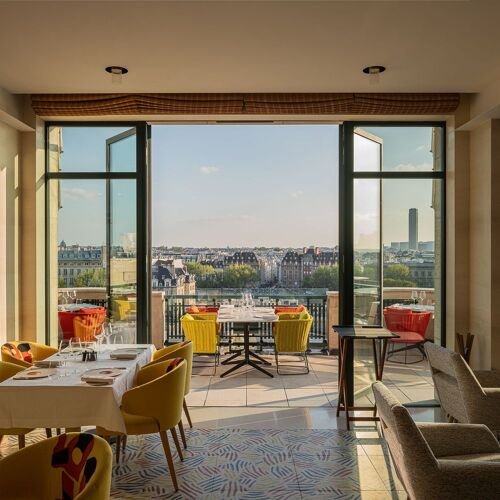
Stately and refined, with the atmosphere of a historic European estate surrounded by forests, parkland, and formal gardens that evoke timeless elegance and heritage.
Tags
Vibe
Best For
Experience
View
At the Vineyard
- Appellation
- Sauternes
- Varietals
- Sémillon, Sauvignon Blanc, Muscadelle
- Tour Duration
- 120 minutes
- Tour Languages
- French, English
- Visits
- By appointment only
- Farming
- Sustainable
- Wine Styles
- Dessert
- Food Pairing
- Offered
- Wine Club
- Not available
Know before you go
Know Before You Go
- Getting there
- Rte de Filhot, 33210 Sauternes
Planning details
Location
Recognition and awards

Also consider
Where to look if this is booked
If Château Filhot is unavailable, try Château Guiraud first for a strong Sauternes alternative that keeps the itinerary focused. Château d'Arche is the more practical second choice when timing matters more than prestige.
Winery context
How Château Filhot compares in Sauternes
Choose Château Filhot for heritage depth: the first vintage dates to 1779, which gives it a strong case for travelers who want the older Sauternes story rather than only a trophy tasting. Château d'Yquem is the splurge-name comparison and the harder emotional target for collectors, while Château Guiraud is the safer cross-shop if the goal is a polished Sauternes visit with broader appeal.
Château d'Arche is the more practical fallback for travelers trying to keep the day easy in Sauternes, while Château La Tour Blanche and Clos Haut-Peyraguey make sense when the itinerary can stretch beyond the village core. If only one appointment can be secured, Filhot is the better pick for historical context; Yquem is the prestige play; Guiraud is the easier recommendation for mixed-interest groups.
Explore Sauternes
Around this place
Discover more on Pearl
Unlock the full Château Filhot guide in Pearl, including awards, comparisons, FAQs, planning details, and nearby places.
Compare Château Filhot
| Venue | Location | Awards |
|---|---|---|
| Château Filhot | Sauternes | 2026 Falstaff Winery Guide2025 Pearl 4 Star Prestige |
| Château Guiraud | Sauternes | 2026 Michelin Grape Main Selection - Bordeaux2026 Falstaff Winery Guide2025 Pearl 4 Star Prestige |
| Château d’Arche | Sauternes | 2026 Falstaff Winery Guide |
| Château La Tour Blanche | Bommes | 2026 Michelin Grape Main Selection - Bordeaux2026 Falstaff Winery Guide2025 Pearl 4 Star Prestige |
| Clos Haut-Peyraguey | Bommes | 2026 Falstaff Winery Guide |
| Château d'Yquem | Sauternes | 2026 Michelin 3 Grapes - Bordeaux2026 Falstaff Winery Guide2025 World's 50 Best Vineyards · #92025 Pearl 5 Star Prestige2024 World's 50 Best Vineyards · #132023 World's 50 Best Vineyards · #182022 World's 50 Best Vineyards · #232020 World's 50 Best Vineyards · #31 |


How Château Filhot Sauternes compares with similar nearby venues.
FAQ
Frequently Asked Questions
What confirmed details are available for Château Filhot?
Château Filhot is in Sauternes, Gabriel de Vaucelles is associated with the venue as chef/owner, the dress code is smart casual, and it holds Pearl 4 Star Prestige recognition for 2025.
What should I confirm before visiting Château Filhot?
Is Château Filhot suitable for a Sauternes itinerary?
It can be considered as part of a Sauternes itinerary, especially if you are comparing confirmed options carefully. If specific logistics matter to you, confirm them directly with Château Filhot before committing.
What other venues are relevant comparisons for Château Filhot?
Relevant comparisons include Château Guiraud, Château d'Arche, Château La Tour Blanche, Clos Haut-Peyraguey, and Château d'Yquem. That makes Château Filhot useful to consider alongside other options rather than treating it as a standalone decision.
Can Château Filhot handle large groups?
Confirm group logistics directly with Château Filhot before you go, especially if you are coordinating a broader day with venues such as Château d'Arche or Château La Tour Blanche.
Do I need a reservation at Château Filhot?
Check directly with Château Filhot before visiting. The confirmed planning details are its Sauternes location, smart casual dress code, Gabriel de Vaucelles as chef/owner, and Pearl 4 Star Prestige recognition for 2025.
How long should I plan for a visit to Château Filhot?
If you are arranging a route with Château Filhot and additional stops such as Château Guiraud or Clos Haut-Peyraguey, confirm timings directly and leave buffer time.