


Château Léoville Barton
Saint-Julien, Saint-Julien-Beychevelle
Winery in Saint-Julien-Beychevelle, France
 Book with Pearl
The Read
Médoc Classified Continuity
Why go
Book Château Léoville Barton if the goal is a serious Saint-Julien wine stop with historical weight, not a casual tasting-room visit. Its first vintage dates to 1821, and the decision comes down to access: plan well ahead, build a flexible Médoc day, and compare it with nearby peers if availability is limited.
About Château Léoville Barton
Château Léoville Barton is a Saint-Julien-Beychevelle venue for travelers who want to plan around essential details rather than rely on assumptions. Damien Barton-Sartorius is listed as chef/owner, the dress code is smart casual, and the venue carries Pearl 4 Star Prestige recognition for 2025. For anything beyond those points, confirm directly before arranging your day, especially if the stop is meant to shape the timing, pacing, or expectations of a wider itinerary.
A Saint-Julien-Beychevelle stop to plan carefully
The right reason to prioritize Château Léoville Barton is its Saint-Julien-Beychevelle context. In a destination where travelers may build routes around important venues, location alone can make a venue feel like an obvious inclusion. Smart casual dress is the practical baseline to follow if you are arranging a visit and want to avoid being either underdressed or unnecessarily formal.
If you are comparing the venue with other notable names, Château Langoa-Barton, Chateau Leoville Las Cases, Château Ducru-Beaucaillou, and Château Leoville Poyferre are natural reference points for planning. Those comparisons are most useful for orientation and itinerary structure. For a broader contrast, Chateau Le Pin offers another comparison, helping travelers think about how far they want to stretch the day beyond the immediate Saint-Julien-Beychevelle focus.
What to confirm before you go
Before making plans, confirm directly whether public access or any visitor services are available. It is also worth clarifying the practical basics in the same exchange, because those small details often determine whether a stop fits comfortably into the day or creates pressure around arrival, departure, or onward travel. The confirmed Pearl 4 Star Prestige 2025 recognition is useful as a quality signal, but it should not be read as a guarantee of any particular service format, hospitality style, or public access arrangement.
Build the day with flexibility. Avoid assuming lunch, a package, a tour length, or a specific hospitality setup. A careful plan can still feel polished without filling in blanks. Use Château Léoville Barton as the anchor, then confirm each surrounding stop separately, leaving enough space between commitments for the realities of local travel, check-ins, and any instructions the venue provides directly.
For Saint-Julien-Beychevelle planning, compare Château Léoville Barton with other named options only where the itinerary makes sense, and use unnamed local dining or lodging choices as needed. The goal is not to overbuild the schedule, but to make the confirmed elements work well together. Keep the plan simple until the venue has confirmed the details that matter for your visit, then adjust the rest of the day around those confirmed points rather than around assumptions.
Quick reference: Château Léoville Barton is in Saint-Julien-Beychevelle, lists Damien Barton-Sartorius as chef/owner, has a smart casual dress code, and holds Pearl 4 Star Prestige recognition for 2025.
Planning details
- Location
- Chateau Langoa Barton, 33250 Saint-Julien-Beychevelle
- Website
- barton-family-wines.com
- Phone
- +33 5 56 59 06 05
The take
The Take
The Vibe
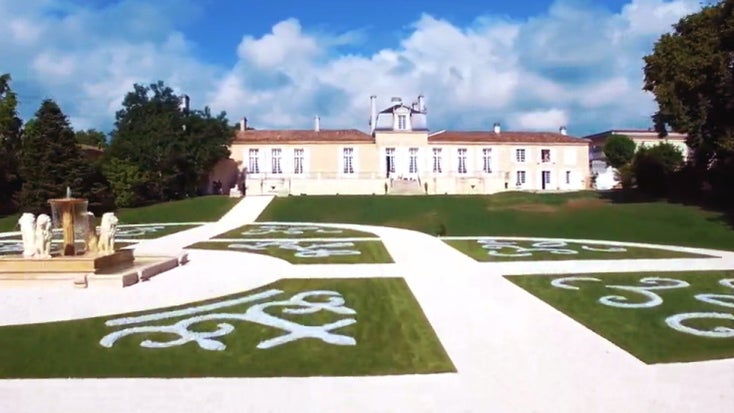
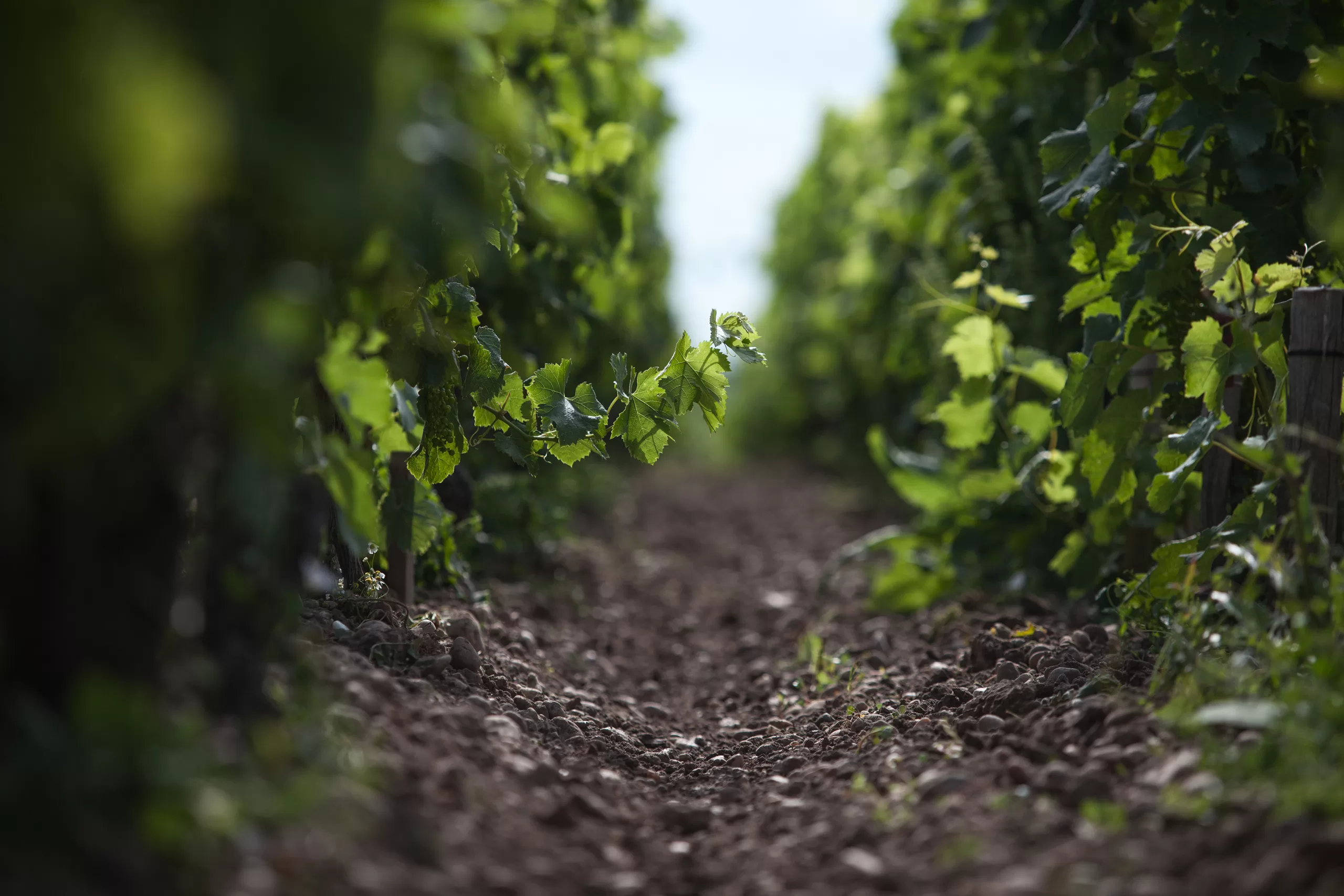
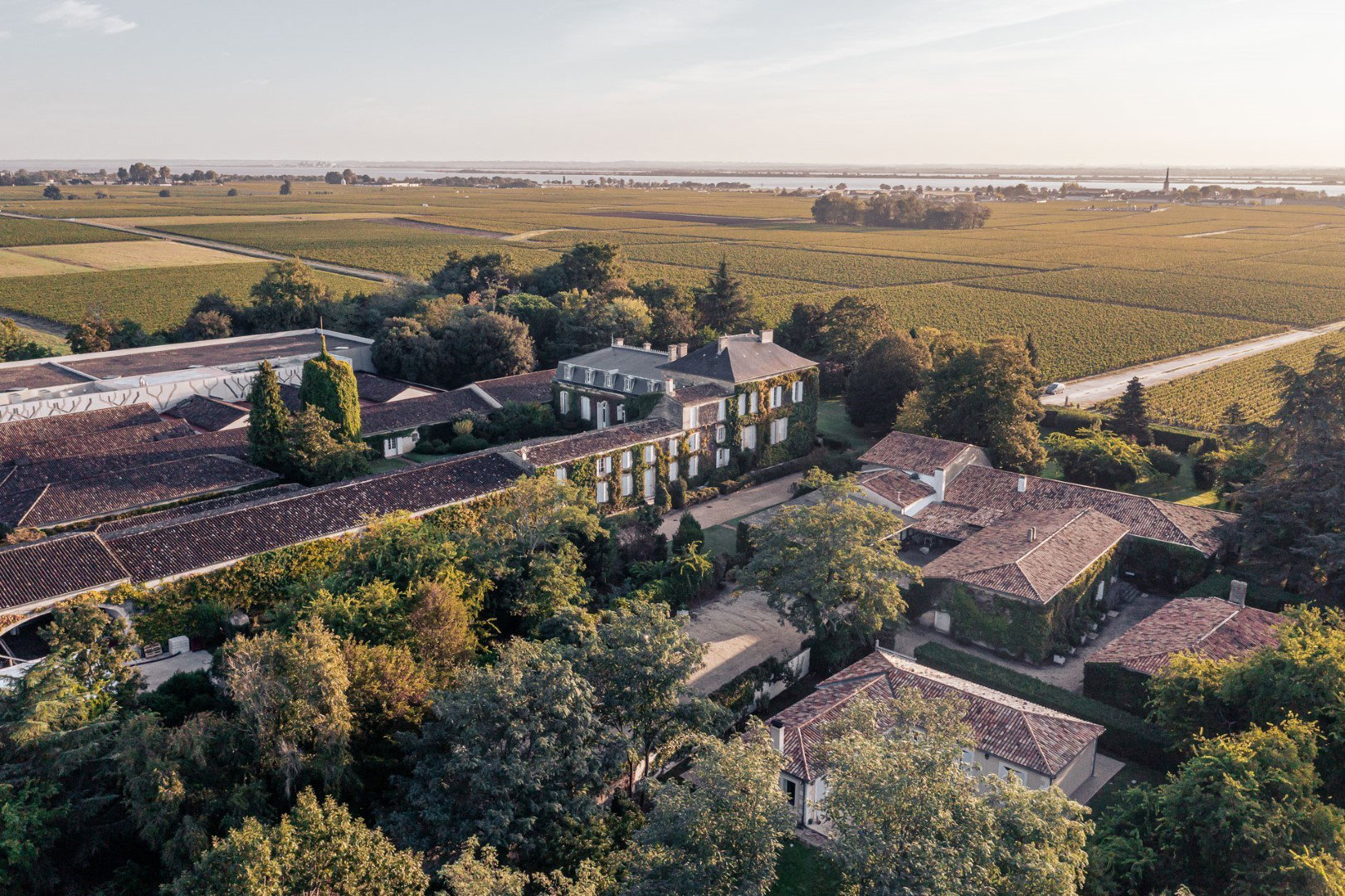
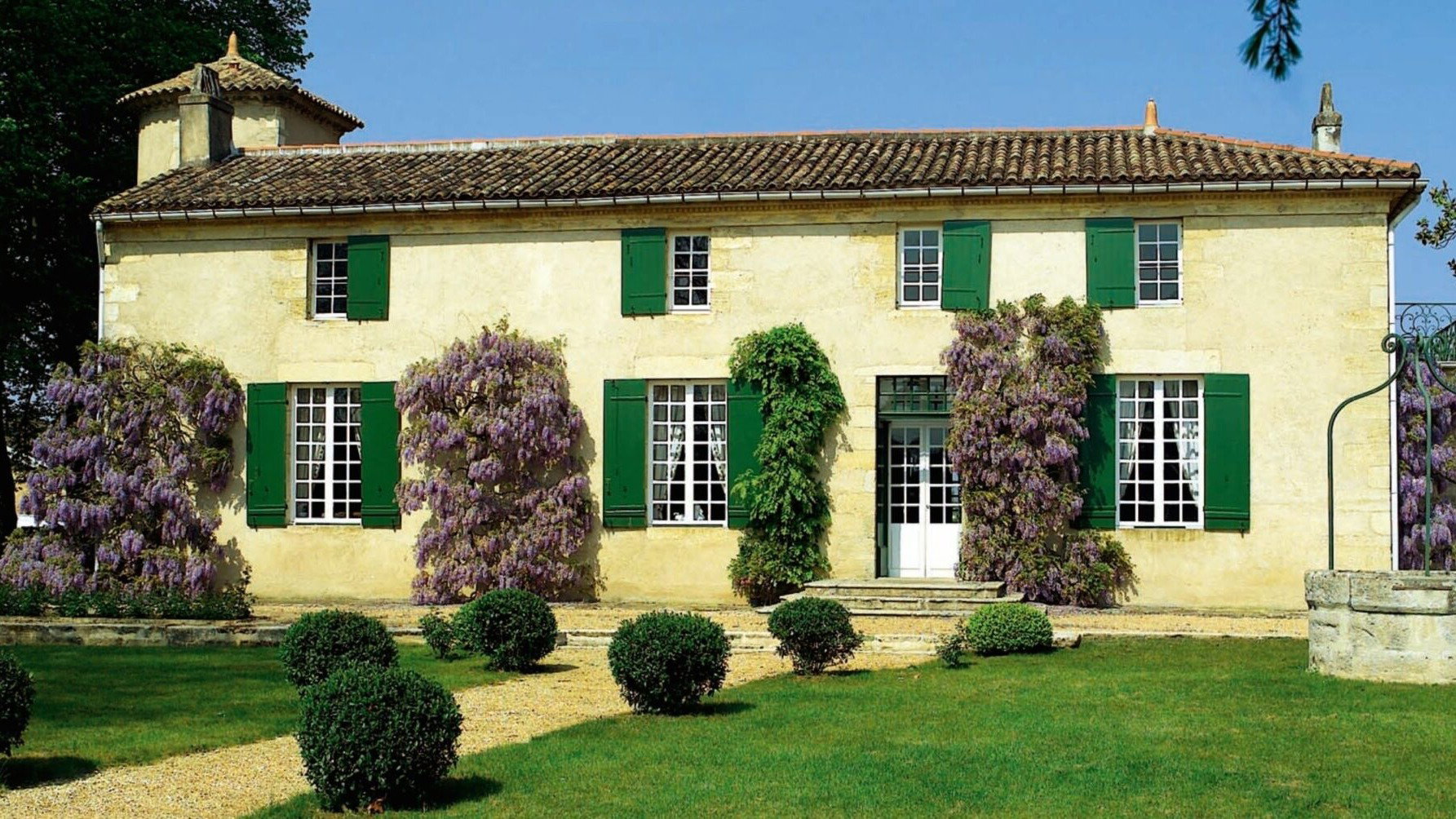
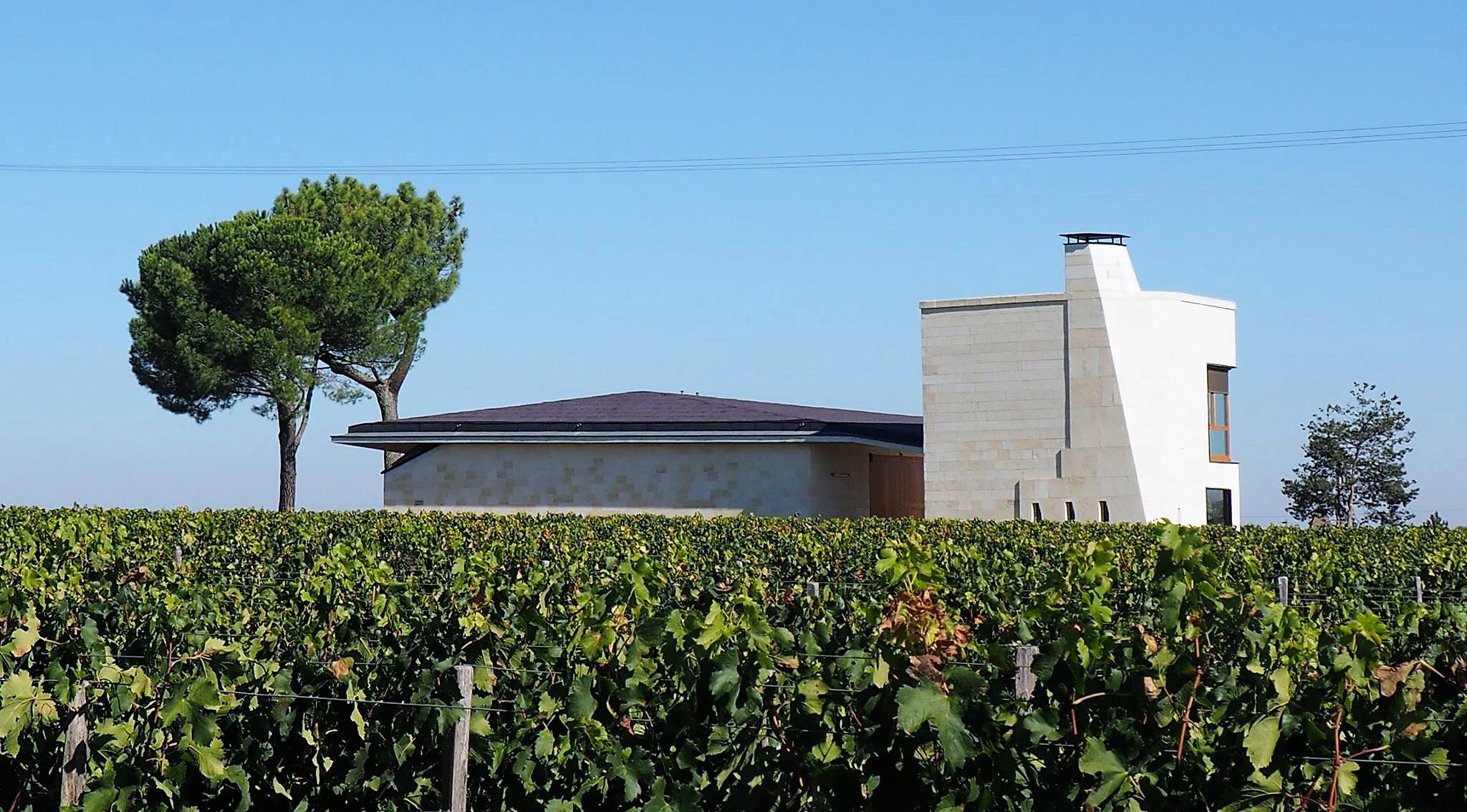
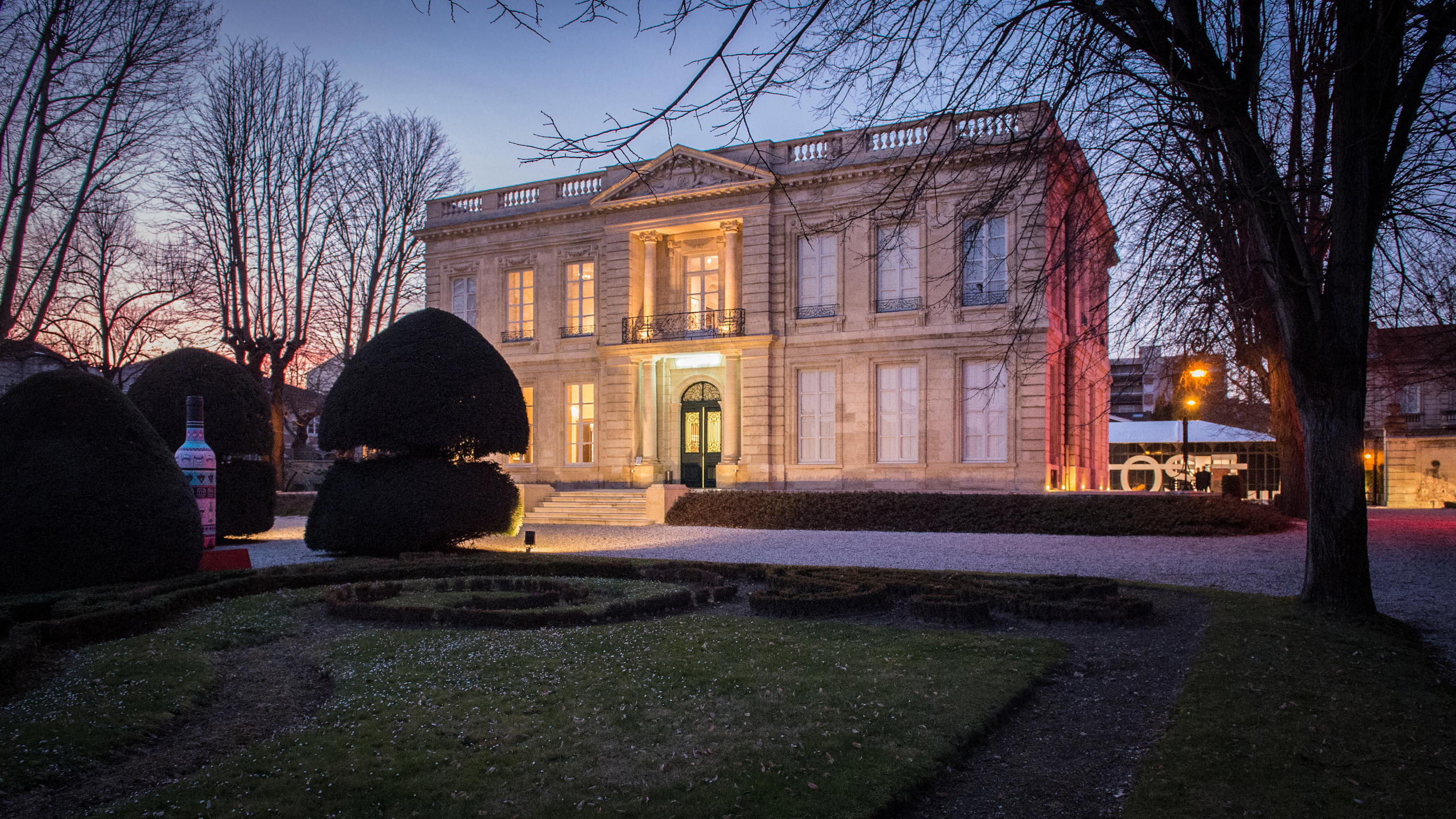
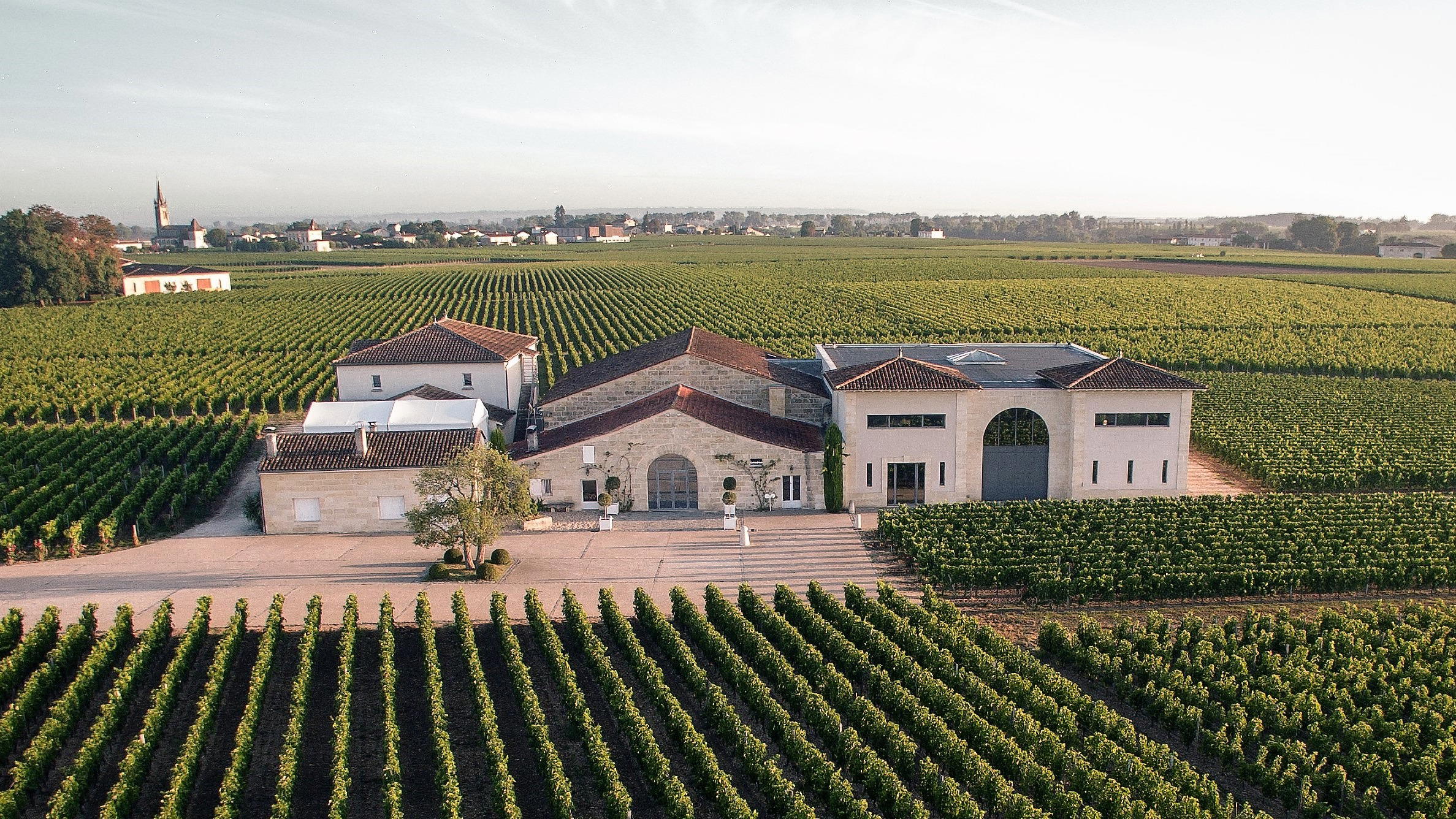
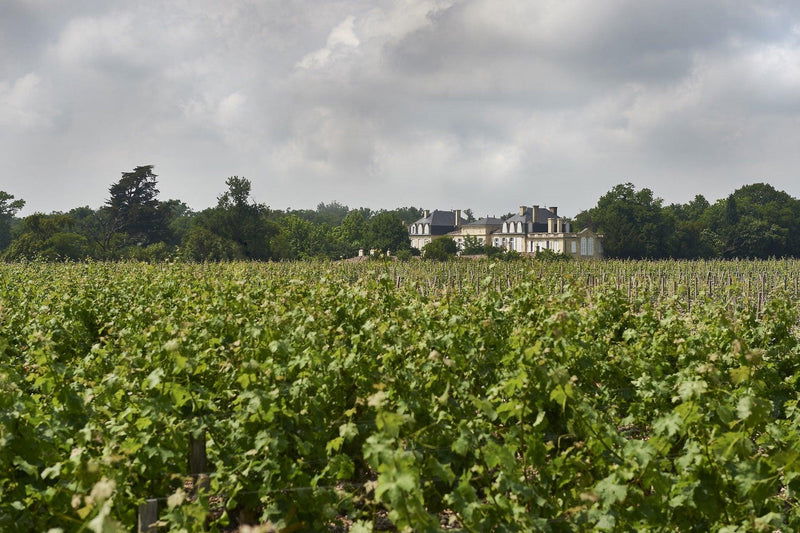
Château Léoville Barton presents a quietly majestic presence rooted in centuries of family stewardship. The approach through Saint-Julien’s gravel-lined corridors and the regimented vine rows gives the estate a scenic, composed character: everything feels deliberate and calm rather than flashy. Its long, unbroken tenure and historic château facades lend a sense of institutional gravitas, while the orderly vineyards and measured language of the estate convey a serene, almost contemplative mood. Visitors encounter an atmosphere that rewards slow appreciation—landscape, architecture and winemaking all emphasize continuity and understated elegance.
Best For
This estate is ideal for those seeking a deep, terroir-focused wine experience and for milestone moments that call for a classic Bordeaux setting. As a classified second growth with continuous family ownership since the early 19th century, Léoville Barton is a useful reference point for learning about Médoc soils, grape selection and long-term cellar potential. The property’s reputation for value relative to nearby Pauillac châteaux also makes it appealing to collectors and enthusiasts who want to study comparative styles within classified Bordeaux or mark a special occasion in a historic estate environment.
Tasting Tips
When engaging with Léoville Barton, center conversations on the estate’s viticultural philosophy: the text highlights a priority on soil understanding over trend-following, so ask hosts how terroir informs vineyard decisions and wine style. Given the château’s place between Pauillac and Margaux and its noted value among classified properties, consider framing tastings to compare stylistic differences with neighboring appellations. If you want context, request commentary on the estate’s generational practices and how they influence blending and aging—those themes are emphasized throughout the description.
Venue details
Ambiance
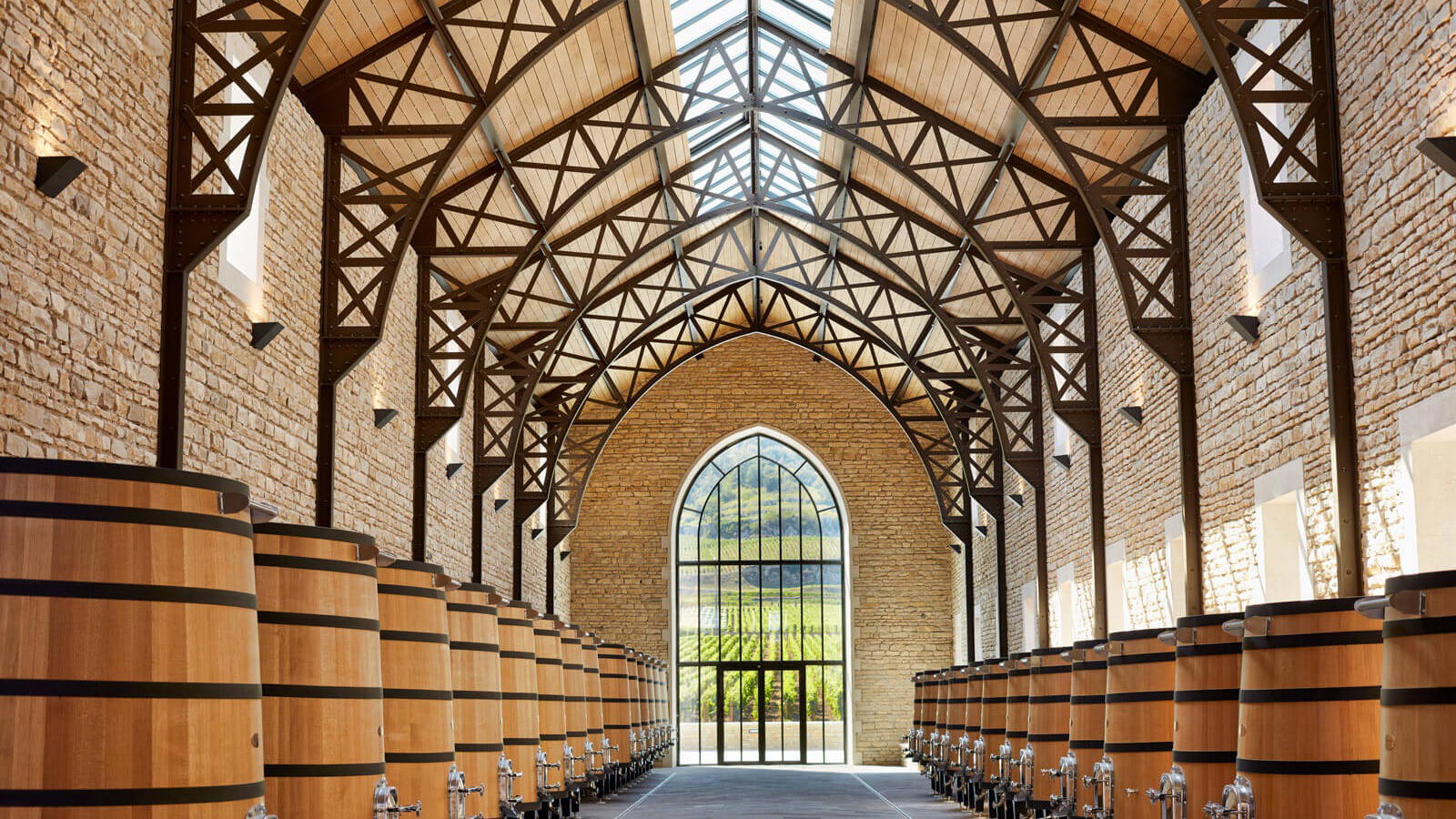
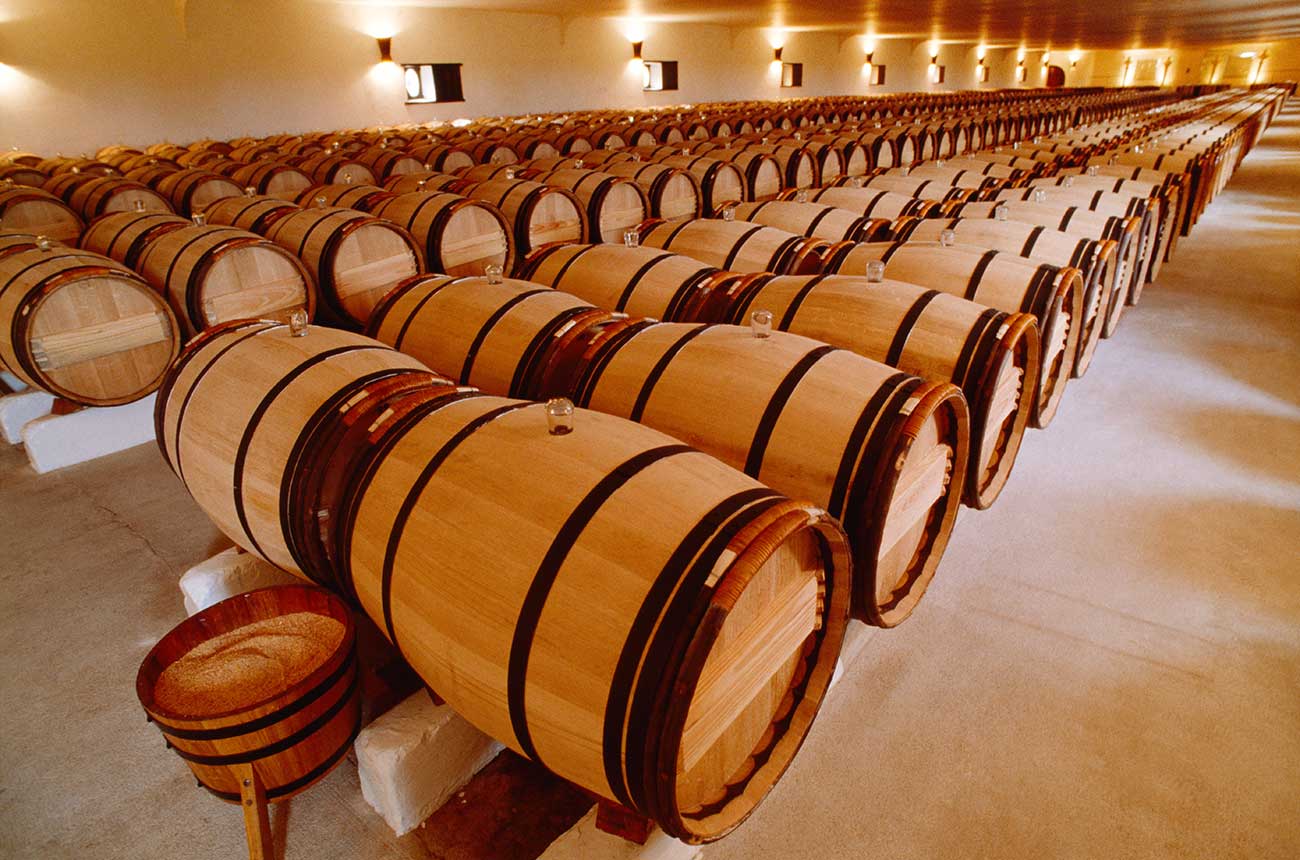
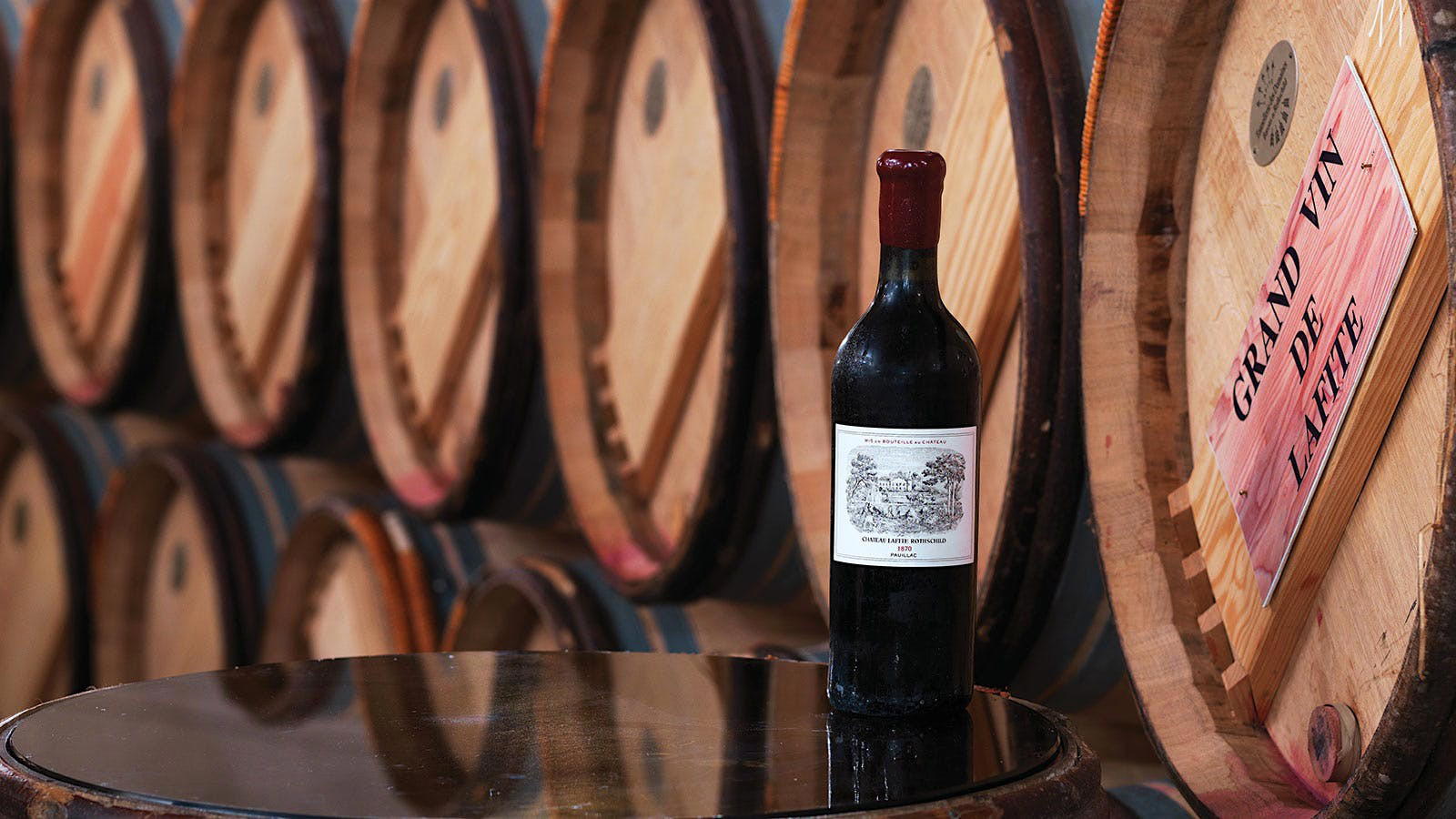
Classic and elegant with traditional winemaking atmosphere featuring wooden vats and barrel aging cellars.
Tags
Vibe
Best For
Experience
Sourcing
View
At the Vineyard
- Appellation
- Saint-Julien AOC
- Varietals
- Cabernet Sauvignon, Merlot, Cabernet Franc
- Visits
- By appointment only
- Farming
- Sustainable
- Wine Styles
- Still Red
- Wine Club
- Available
Know before you go
Know Before You Go
- Getting there
- Chateau Langoa Barton, 33250 Saint-Julien-Beychevelle
Planning details
Location
Chateau Langoa Barton, 33250 Saint-Julien-Beychevelle · Directions
Recognition and awards

Also consider
Also Consider
- Château Langoa-Barton, Notable alternative
- Chateau Le Pin, Notable alternative
- Chateau Leoville Las Cases, Notable alternative
- Château Ducru-Beaucaillou, Notable alternative
- Château Leoville Poyferre, Notable alternative
Winery context
How Château Léoville Barton compares in Saint-Julien
Choose Château Léoville Barton over Château Langoa-Barton if the priority is the deeper Saint-Julien reference point and a more collector-minded visit. Château Langoa-Barton is the more natural fallback when logistics matter because the address context is closely linked, making it a practical cross-shop for travelers trying to keep the day efficient.
Chateau Leoville Las Cases, Château Ducru-Beaucaillou, and Château Leoville Poyferre are the stronger comparison set for visitors who want to understand Saint-Julien through multiple classified-growth lenses. If access is the constraint, cross-shop all three early rather than waiting on one estate; the quality of the day improves when the schedule is built around confirmed appointments.
Chateau Le Pin is the outlier comparison: useful if the trip is about high-demand Bordeaux names broadly, less useful if the goal is a tight Saint-Julien study. For ambiance, Château Léoville Barton suits a quieter, wine-led itinerary; for maximum regional contrast, pair Saint-Julien with a Right Bank counterpoint only if travel time and appointment windows make sense.
Explore Saint-Julien-Beychevelle
Around this place
Discover more on Pearl
Unlock the full Château Léoville Barton guide in Pearl, including awards, comparisons, FAQs, planning details, and nearby places.
Compare Château Léoville Barton
| Venue | Location | Awards |
|---|---|---|
| Château Léoville Barton | Saint-Julien-Beychevelle | 2026 Michelin 1 Grape - Bordeaux2026 Falstaff Winery Guide2025 Pearl 4 Star Prestige |
| Château Langoa-Barton | Saint-Julien-Beychevelle | 2026 Michelin 1 Grape - Bordeaux2026 Falstaff Winery Guide |
| Chateau Le Pin | Saint-Julien-Beychevelle | 2025 Pearl 4 Star Prestige |
| Chateau Leoville Las Cases | Bordeaux | 2026 Falstaff Winery Guide2026 Michelin 3 Grapes - Bordeaux2025 Pearl 4 Star Prestige |
| Château Ducru-Beaucaillou | Pauillac | 2026 Falstaff Winery Guide2025 Pearl 4 Star Prestige |
| Château Leoville Poyferre | St-Julien | No published awards |

How Château Léoville Barton compares with similar nearby venues.
FAQ
Frequently Asked Questions
When is the best time to visit Château Léoville Barton?
The venue does not list public hours or a visitor schedule, so the best time is whenever the venue confirms availability. If you are building a Saint-Julien-Beychevelle day around Château Léoville Barton, compare the plan with options such as Château Langoa-Barton or Château Ducru-Beaucaillou.
What other venues can I compare with Château Léoville Barton?
Château Langoa-Barton, Chateau Leoville Las Cases, Château Ducru-Beaucaillou, and Château Leoville Poyferre are relevant comparisons for planning. Chateau Le Pin can be considered as a broader comparison rather than a Saint-Julien-Beychevelle stop.