
Domaine de la Janasse
Courthézon
Winery in Courthézon, France
 Book with Pearl
The Read
Grenache Compositional Precision
Price
$20–30tasting
Why go
Domaine de la Janasse is a high-priority Courthézon winery target for serious southern Rhône drinkers, not a casual food stop. Book only if the trip can handle difficult access and limited public logistics; the payoff is a producer with a 1973 first vintage, Isabelle Sabon as winemaker, and Pearl 4 Star Prestige recognition for 2025.
About Domaine de la Janasse
Domaine de la Janasse is a Courthézon venue. Isabelle Sabon is chef/owner, the dress code is smart casual, and Pearl recognizes it as 4 Star Prestige for 2025. Use these facts for your planning, and avoid assumptions about hours, menus, tastings, prices, or group capacity.
Given the limited public details, the safest approach is to plan around what is known and check the operational details directly before committing a schedule. The venue can be a useful Courthézon anchor for travelers who value a clearly identified local name with recognition. Avoid assuming a specific service format or experience.
A Courthézon stop for visitors who want the basics first
Use Domaine de la Janasse as a planned stop only after checking current availability, access, and visit conditions through the venue's official channels. Public hours, phone details, a menu, tasting structure, or a particular booking process are not available, so avoid treating it as a guaranteed walk-in option.
Do not build the day around assumed food service or a specific hospitality format. The details are: Courthézon location, Isabelle Sabon, smart casual dress, and Pearl 4 Star Prestige recognition for 2025. For the rest of the day, compare other Courthézon dining, hotels, bars, and experiences without assuming unlisted services from Domaine de la Janasse.
How to decide whether it deserves the slot
Choose Domaine de la Janasse if a Courthézon venue with Pearl 4 Star Prestige recognition fits the trip and you are comfortable checking the remaining details directly. Skip or postpone it if the group needs hours, a published menu, specific pricing, accessibility details, dietary guidance, or guaranteed large-party arrangements before planning.
If you are comparing the broader area, keep the comparisons natural and specific. Other names that may be useful points of reference include Chateau Rayas, Domaine Pierre Usseglio, Domaine de la Solitude, Domaine du Pegau, and Domaine du Vieux Télégraphe, while other dining in Courthézon can be considered generically for meals or scheduling around the visit.
Planning details
- Location
- 29 Chem. du Moulin, 84350 Courthézon
- Website
- lajanasse.com
- Phone
- +33 4 90 70 86 29
The take
The Take
The Vibe
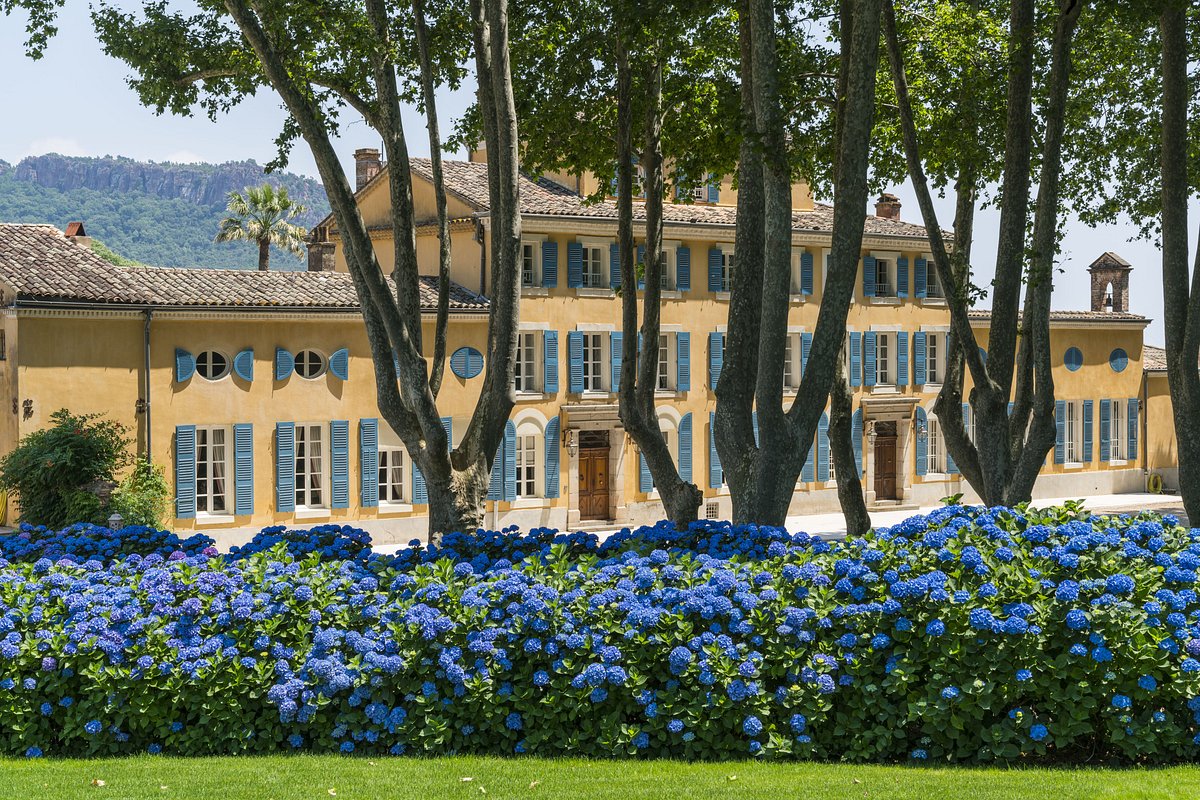
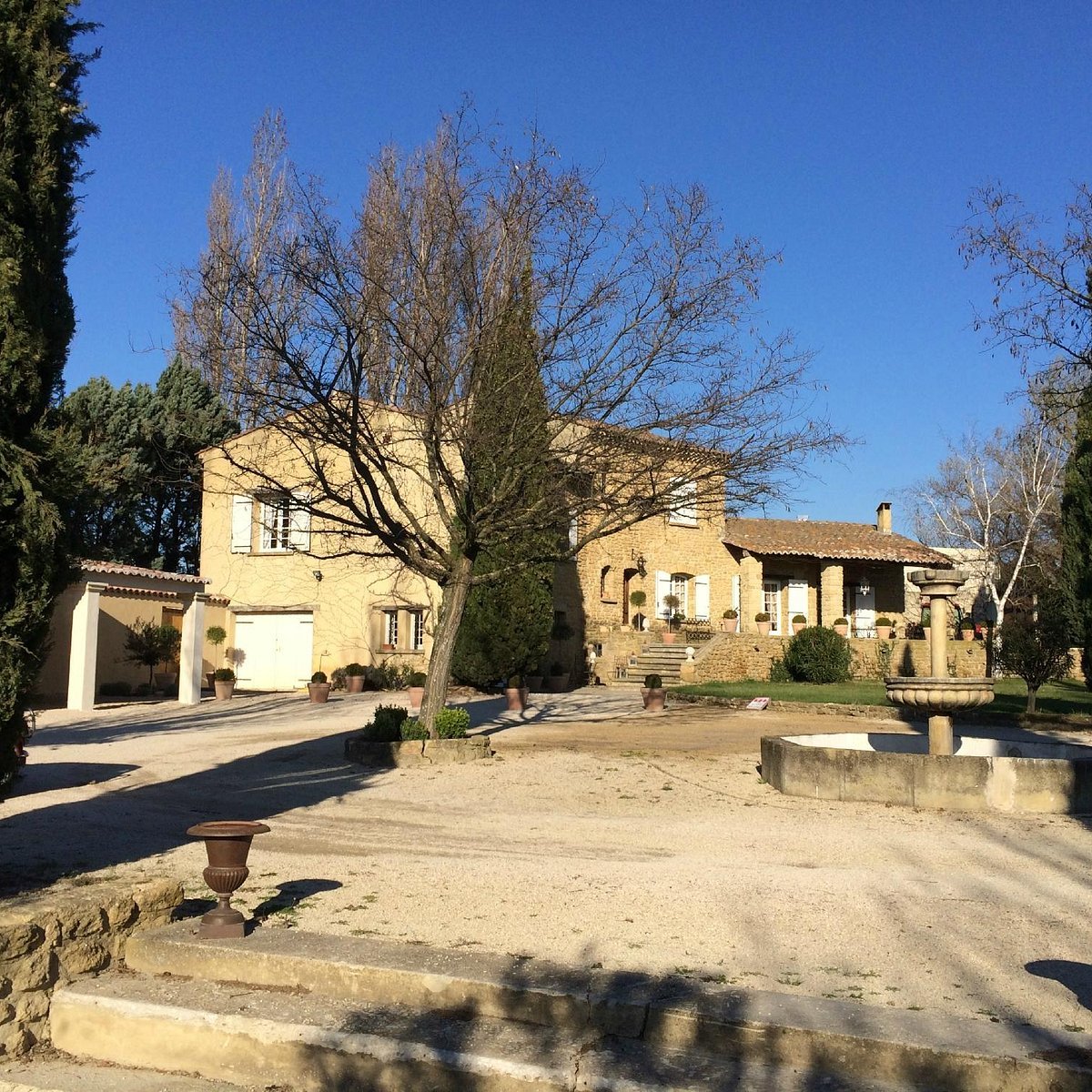
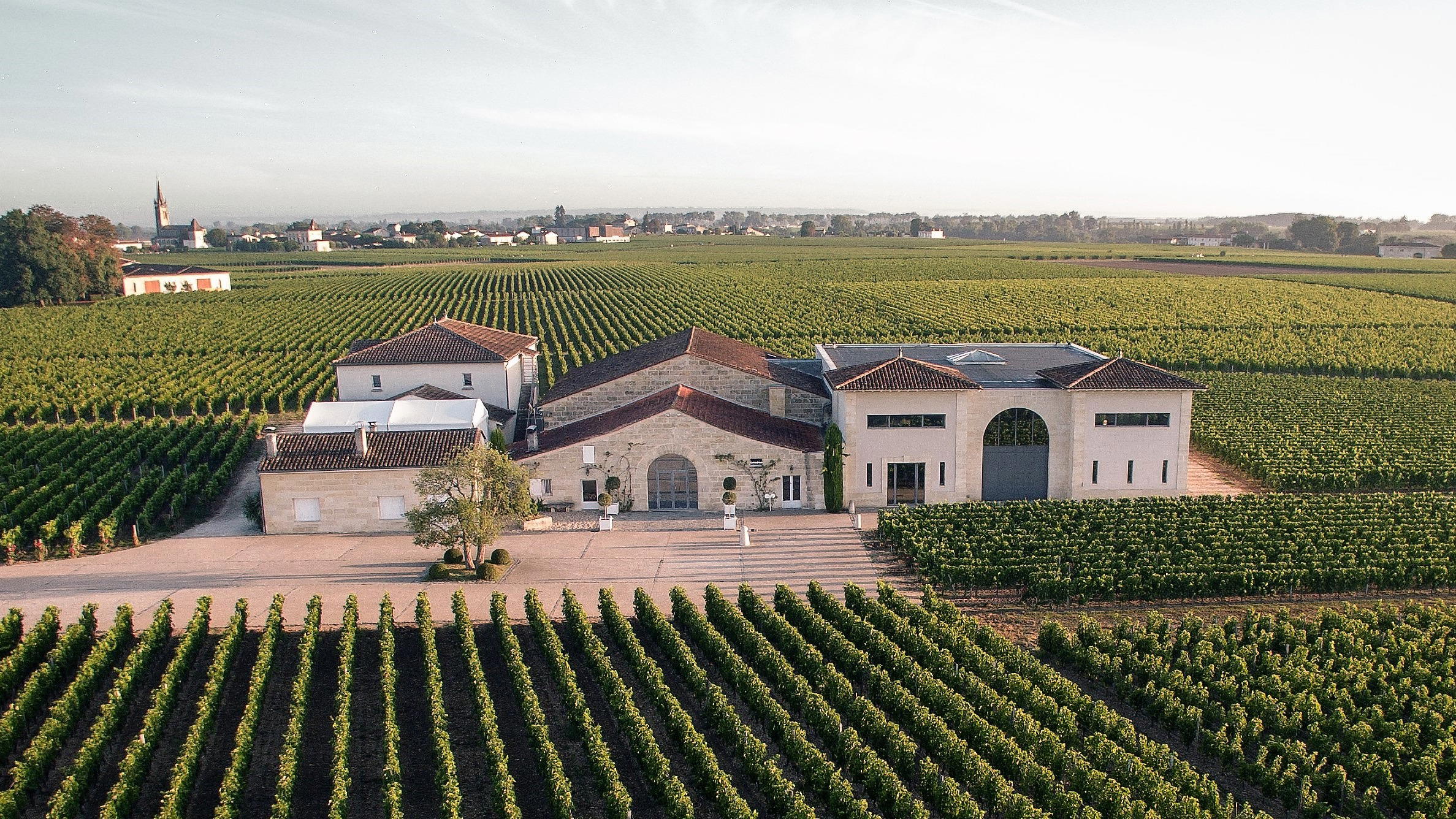
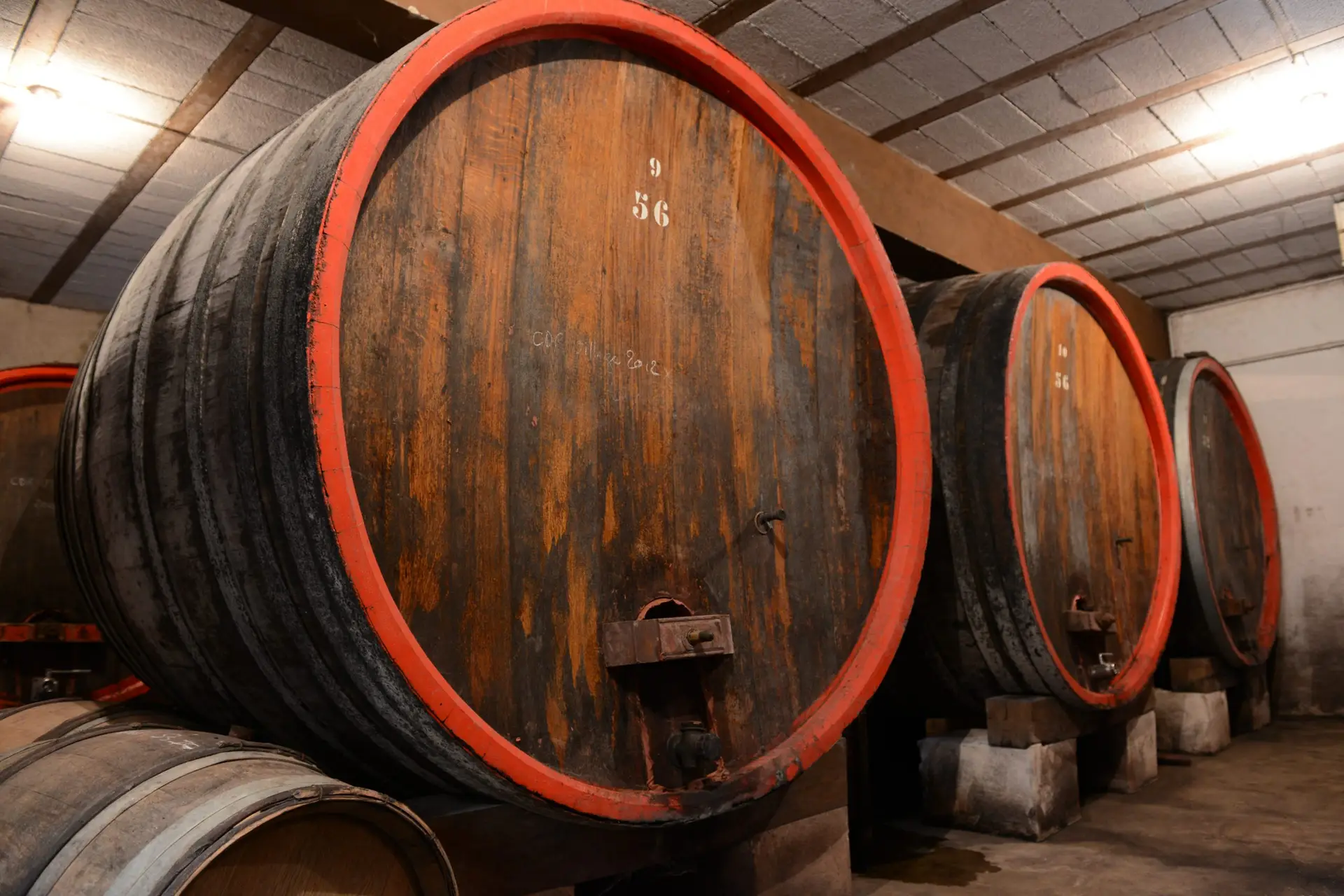
Domaine de la Janasse reads like a considered, old-school southern Rhône estate: half a century of winemaking, a family-rooted institutional memory, and an approach that privileges site expression over flashy manipulation. The writing emphasizes technical discipline, restraint about new oak and extraction, and a sensitivity to the region’s geology — galets roulés, sand and clay-limestone — which produces wines that feel measured rather than ostentatious. That combination of longevity and rigorous craft gives the domaine a historic and sophisticated air, set within the quietly scenic vineyard landscape on the edge of Châteauneuf-du-Pape.
Best For
This domaine is best for visitors who want to learn why terroir and vintage matter in the southern Rhône. The profile highlights consistent quality across vintages and the role of a seasoned winemaker, making it a strong fit for wine-education seekers and thoughtful solo exploration. Rather than a place for flashy one-off bottles, Janasse is rewarding for people interested in tracing how Grenache-led assemblages and parcel-by-parcel work translate into balanced, age-worthy wines under variable climate conditions.
Tasting Tips
Look for wines that showcase the estate’s vineyard-by-vineyard approach and steady technical discipline: Grenache-dominant cuvées and the domaine’s prestige bottlings are logical starting points, since the text emphasizes consistency across multiple vintages and resistance to over-extraction or excessive new oak. When selecting bottles, consider comparing vintages to understand the impact of the Rhône’s heat, mistral winds and uneven rainfall; those contrasts are exactly what this estate’s accumulated experience aims to manage and express.
Venue details
Ambiance
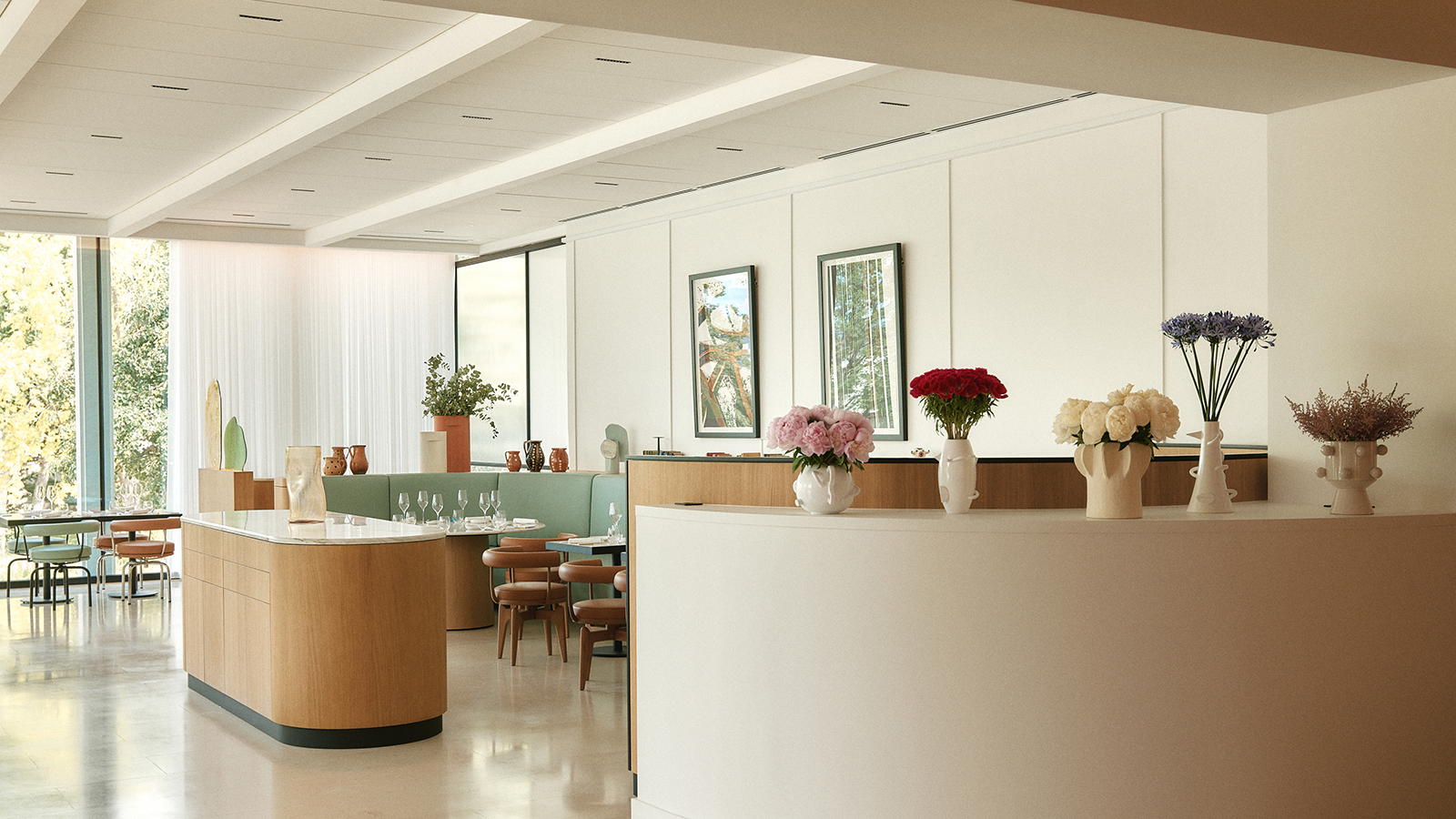
Traditional winery atmosphere focused on terroir expression with meticulous vineyard care and thoughtful vinification.
Tags
Vibe
Best For
Experience
Sourcing
View
At the Vineyard
- Appellation
- Châteauneuf-du-Pape AOC
- Varietals
- Grenache, Syrah, Mourvèdre, Roussanne, Cinsault
- Tour Duration
- 60-90 minutes
- Tour Languages
- French
- Visits
- By reservation
- Farming
- Sustainable
- Wine Styles
- Still Red, Still White
- Wine Club
- Not available
Know before you go
Know Before You Go
- Getting there
- 29 Chem. du Moulin, 84350 Courthézon
Planning details
Location
Recognition and awards
Also consider
If this does not line up
Try Domaine du Vieux Télégraphe if the goal is a broader Châteauneuf-du-Pape reference point, or Domaine du Pegau if the group wants another serious producer-led visit. For a closer backup list, add Domaine de la Solitude and Domaine Pierre Usseglio before widening the search.
Winery context
How it compares in Courthézon and the southern Rhône
Put Domaine de la Janasse near the top of the list if the goal is a serious producer appointment with Courthézon relevance. Chateau Rayas is the more extreme scarcity play, so choose Rayas if access itself is the prize and the trip is built around a trophy visit. Janasse is the more practical first pursuit for travelers who want strong regional credibility without making the whole itinerary hinge on one famously difficult name.
Domaine du Vieux Télégraphe and Domaine du Pegau are better cross-shops for visitors benchmarking established Châteauneuf-du-Pape producers. Pick Vieux Télégraphe if the priority is broad appellation context; choose Pegau if the group wants another cellar-focused comparison. Janasse sits well between those poles for travelers who want Courthézon as the base rather than a pass-through.
Domaine de la Solitude and Domaine Pierre Usseglio are sensible backups if the main appointment does not line up. They keep the day within the same serious Rhône frame, which is better value than switching to a generic tasting room just because it is easier to schedule.
Explore Courthézon
Around this place
Discover more on Pearl
Unlock the full Domaine de la Janasse guide in Pearl, including awards, comparisons, FAQs, planning details, and nearby places.
Compare Domaine de la Janasse
| Venue | Location | Awards |
|---|---|---|
| Domaine de la Janasse | Courthézon | 2025 Pearl 4 Star Prestige |
| Chateau Rayas | Châteauneuf-du-Pape | 2025 Pearl 5 Star Prestige |
| Domaine de la Solitude | Châteauneuf-du-Pape | 2025 Pearl 3 Star Prestige |
| Domaine du Vieux Télégraphe | Bédarrides | 2025 Pearl 4 Star Prestige |
| Domaine du Pegau | Châteauneuf-du-Pape | 2025 Pearl 4 Star Prestige |
| Domaine Pierre Usseglio | Châteauneuf-du-Pape | 2025 Pearl 4 Star Prestige |
How Domaine de la Janasse, Courthézon compares with similar nearby venues.
FAQ
Frequently Asked Questions
Do I need a reservation at Domaine de la Janasse?
Information on reservation requirements is not available. Because operating details are limited, check directly with the venue before visiting and do not assume walk-in access, public hours, or a specific booking process.
Can Domaine de la Janasse handle large groups?
Information on group capacity is not available. If you are planning for several people, check arrangements directly with the venue before making it part of the schedule.
Does Domaine de la Janasse offer memberships or special benefits?
Information on memberships or special benefits is not available. Base any purchase or membership decision on information provided directly by the venue, not on assumptions from the Pearl 4 Star Prestige recognition alone.
When is the best time to visit Domaine de la Janasse?
Specific hours and seasonal timing are not available. The practical approach is to confirm current access, timing, and any visit conditions directly with Domaine de la Janasse before planning your Courthézon itinerary.