
Château d'Esclans
La Motte, Courthézon
Winery in Courthézon, France
 Book with Pearl
The Read
Rosé Quality Pyramid
Why go
Château d'Esclans is worth prioritizing for a Provence rosé-focused itinerary, especially for couples or small celebration groups who want a high-recognition winery stop. Plan ahead and avoid treating it as a casual add-on; the smarter move is to build the day around the appointment, then choose meals, hotels, and other stops separately.
About Château d'Esclans
Château d'Esclans is a La Motte venue with a concise profile: chef/owner Paul Chevalier, a smart casual dress code, and Pearl 3 Star Prestige recognition in 2025. Beyond those confirmed points, do not build plans around assumed services, menus, drinks, visit formats, prices, or hours unless the venue confirms them directly.
The practical approach is simple: treat Château d'Esclans as a premium Courthézon venue to verify in advance. If dress expectations matter to your group, smart casual is the confirmed standard. If you are comparing options, focus on what is actually confirmed rather than relying on assumptions about tastings, meals, walk-ins, or special formats.
Plan this as a Courthézon venue
Because the available confirmed details are limited, the smartest plan is to contact Château d'Esclans directly before finalizing timing, service expectations, or any special requests. The location is Courthézon, and any more specific address or neighborhood detail should be checked through the venue's official channels.
For the rest of the day, use broader Courthézon research rather than assuming additional needs are handled by the venue itself. Keep the Château d'Esclans plan centered on the confirmed essentials: Paul Chevalier, smart casual dress, Courthézon, and Pearl 3 Star Prestige recognition in 2025.
Who should choose it over another venue
Choose Château d'Esclans if your priority is a recognized Courthézon venue with Pearl 3 Star Prestige status and a smart casual standard. If you are comparing other options, consider names such as Château Roubine, Château Sainte-Roseline, Château de Rayne-Vigneau, Château de Roquefort, or Domaine Ott as separate possibilities, while checking each venue's own current details before planning around services or formats.
Planning details
- Location
- 4005 Rte de Callas, 83920 La Motte
- Website
- esclans.com
- Phone
- +33 4 94 60 40 40
The take
The Take
The Vibe
Château d'Esclans reads like a focused, high‑end Provençal estate where terroir and craft drive the experience. The copy frames the property as an intentional producer operating on varied limestone and schist soils in the Var hills, and it foregrounds the winemaker and program that have shaped nearly two decades of rosé production. The tone is serious rather than playful: this is a place arguing for rosé as fine wine, not a seasonal accessory. Visitors encounter an estate defined by geology, elevation and stylistic ambition—an iconic Provençal site for those who care about origin and precision in rosé.
Best For
This estate is best for visitors who come to learn about terroir-driven rosé and to explore a curated program of serious Provençal wines. The writing repeatedly highlights soils, altitude and the estate’s role in elevating rosé, so it suits travelers seeking wine education, special‑occasion tastings and romantic getaways centered on wine. It’s not presented as a casual picnic stop; instead it appeals to people who want context—vintages, winemaking decisions and site-driven expression—making it a smart destination for enthusiasts and collectors alike.
Tasting Tips
When engaging with Château d'Esclans’ lineup, focus on comparative tasting and terroir: ask about the differences driven by soil types (chalk, clay, iron‑rich schist) and how elevation affects acidity and ripeness. Given the estate’s long program dating to 2006, request information about vintages and how the house style has evolved since that starting point. Frame questions around Grenache expressions and the estate’s claim to complexity; the description encourages investigation into how site and climate translate to the bottle rather than treating rosé as a single, uniform category.
Venue details
Ambiance
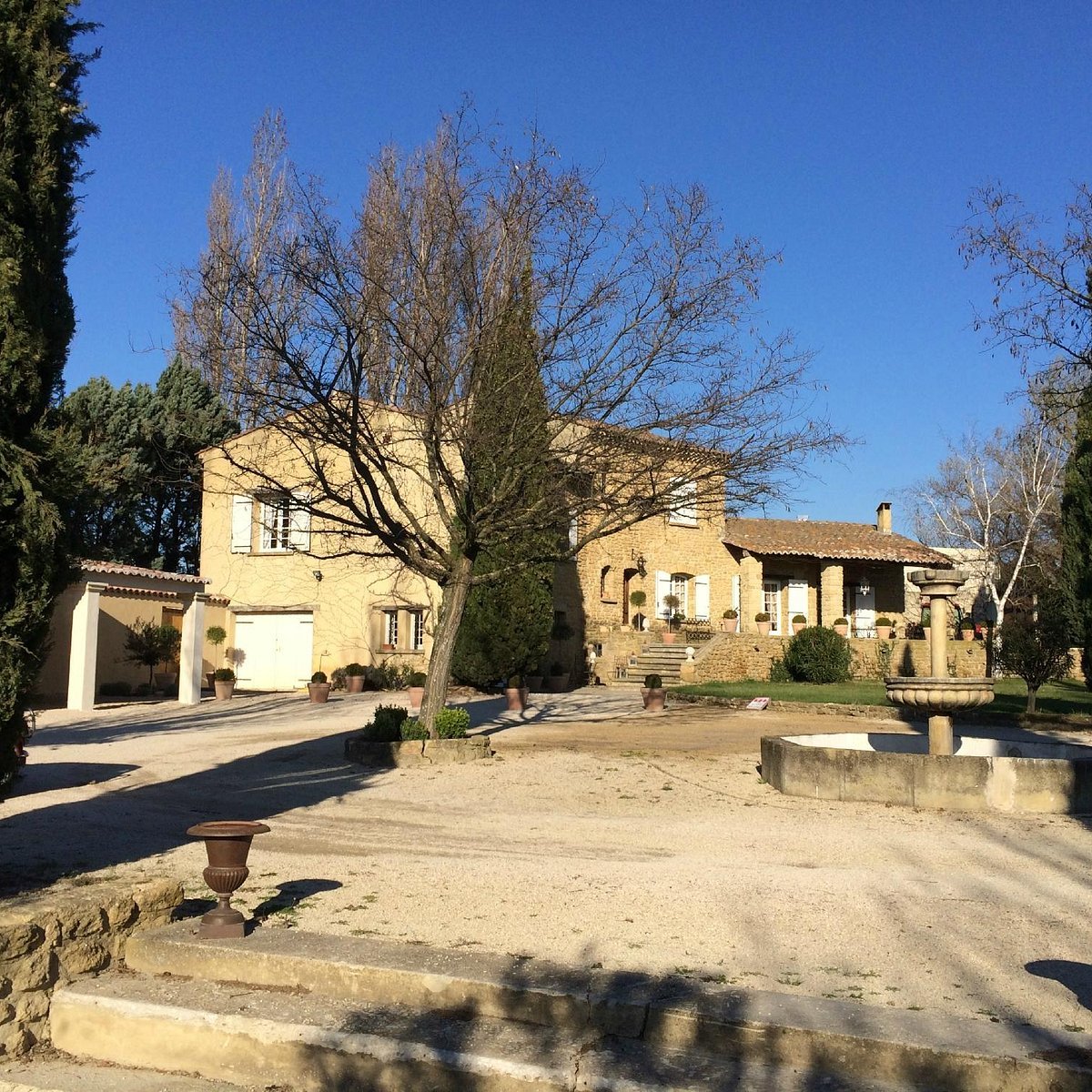
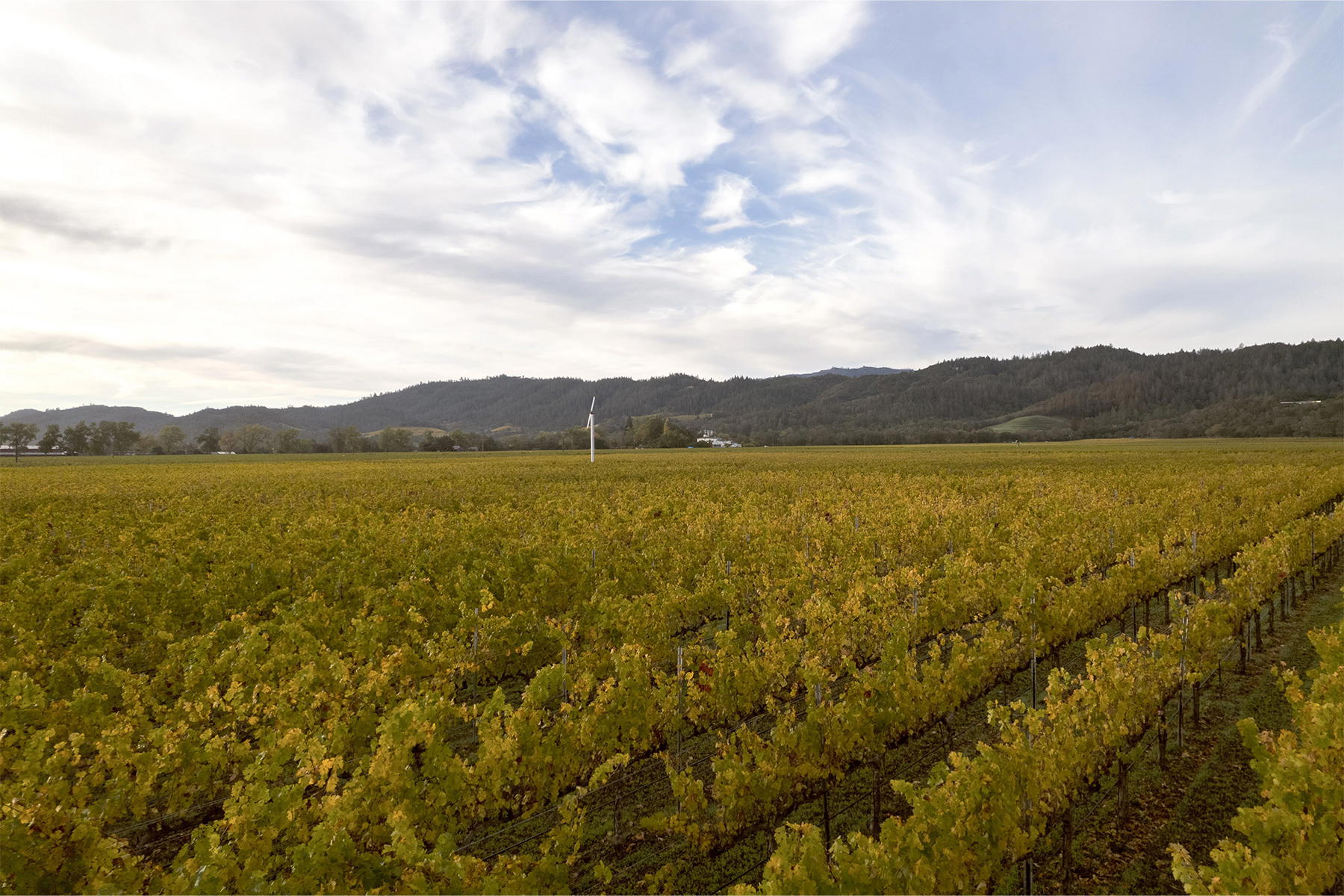
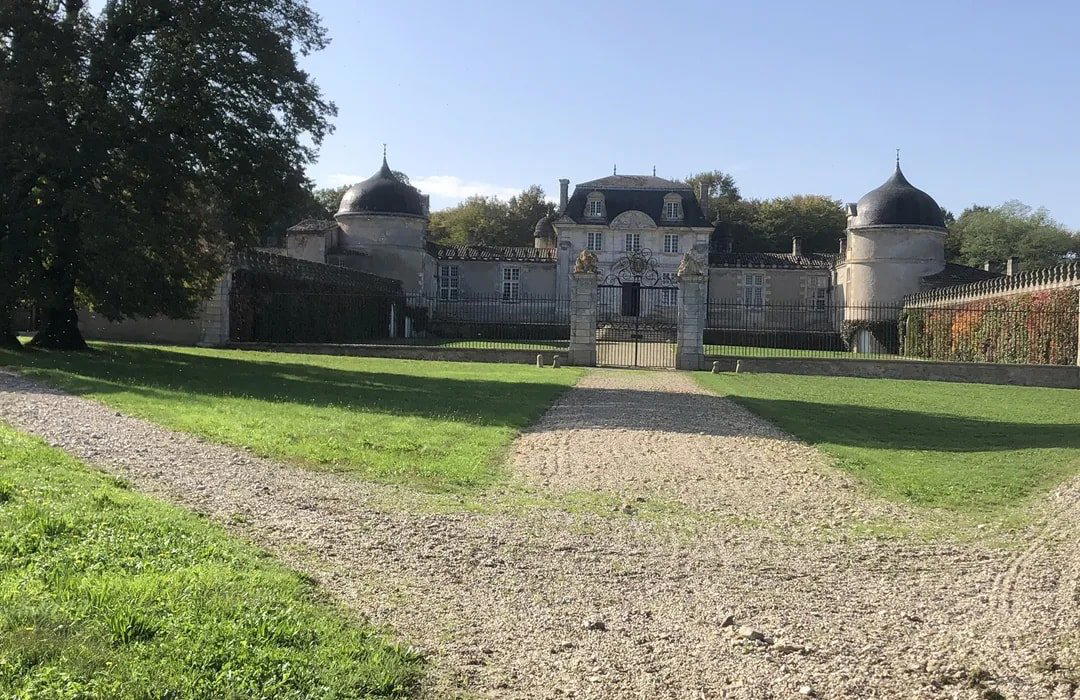
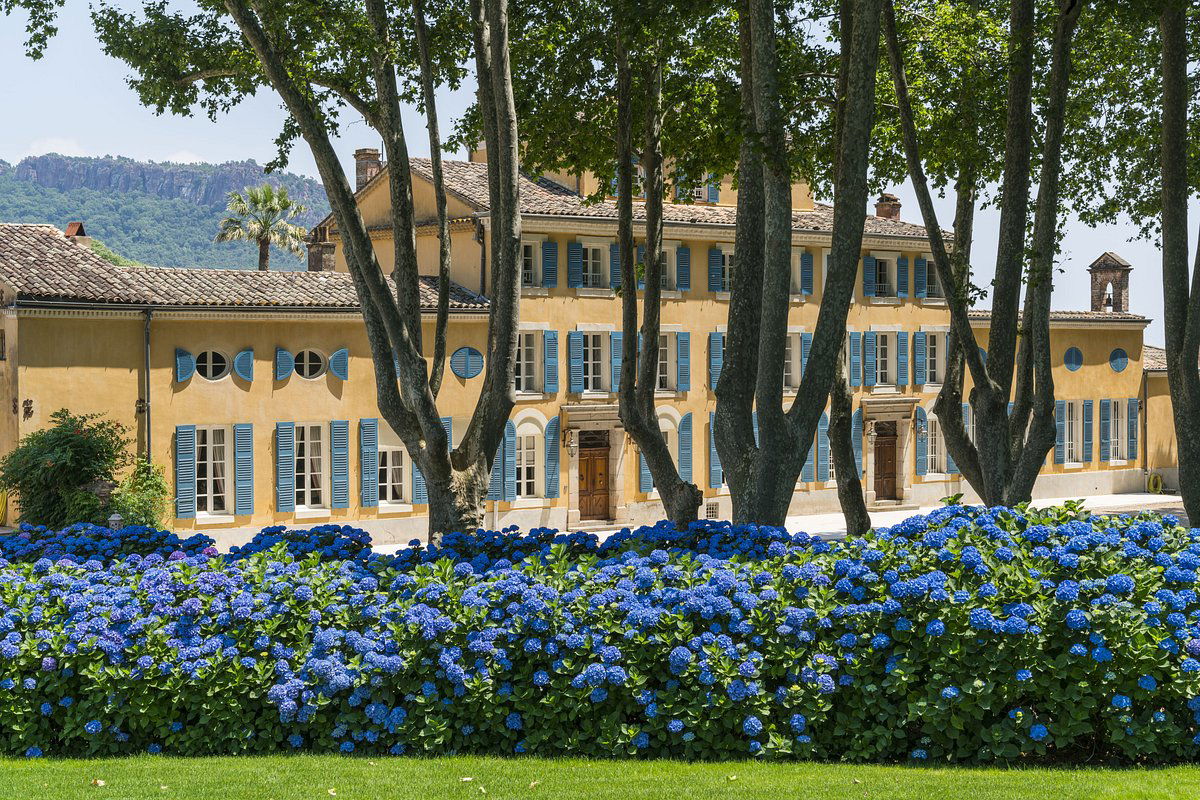
Elegant and romantic with verdant gardens, historic Tuscan-style château, and scenic vineyard views.
Tags
Vibe
Best For
Experience
View
At the Vineyard
- Appellation
- Côtes de Provence
- Varietals
- Grenache, Rolle, Cinsault, Mourvèdre, Syrah
- Tour Duration
- 60-90 minutes
- Visits
- By appointment only
- Wine Styles
- Still Rose
- Food Pairing
- Offered
- Wine Club
- Not available
Know before you go
Know Before You Go
- Getting there
- 4005 Rte de Callas, 83920 La Motte
Planning details
Location
Recognition and awards
Also consider
Also Consider
- Château Sainte-Roseline, Notable alternative
- Domaine Ott, Notable alternative
- Château de Roquefort, Notable alternative
- Château Roubine, Notable alternative
- Château de Rayne-Vigneau, Notable alternative
Winery context
How it compares for a Provence winery day
Choose Château d'Esclans if the priority is a polished rosé-focused stop with strong name recognition and a special-occasion feel. Château Sainte-Roseline is the better cross-shop for travelers who want a more heritage-led estate visit, while Domaine Ott is the obvious peer if your group is comparing Provence rosé producers by prestige rather than ease.
For booking practicality, this is not the easy option. If your schedule is tight or your group needs more flexibility, Château de Roquefort and Château Roubine are more sensible alternatives to check before committing the day around a harder-to-secure appointment. The trade-off is pull: Château d'Esclans has the stronger destination signal for guests who care about the label and the occasion.
Château de Rayne-Vigneau belongs in a different decision set: choose it when the trip is more about Bordeaux sweet-wine heritage than Provence rosé. For a Provence itinerary, the sharper comparison is Domaine Ott for producer prestige, Château Sainte-Roseline for estate atmosphere, and Château Roubine or Château de Roquefort for a potentially less pressured plan.
Explore Courthézon
Around this place
Discover more on Pearl
Unlock the full Château d'Esclans guide in Pearl, including awards, comparisons, FAQs, planning details, and nearby places.
Compare Château d'Esclans
| Venue | Location | Awards |
|---|---|---|
| Château d'Esclans | Courthézon | 2025 Pearl 3 Star Prestige |
| Château Sainte-Roseline | Les Arcs | 2025 Pearl 4 Star Prestige |
| Domaine Ott | Taradeau | 2025 Pearl 3 Star Prestige |
| Château de Roquefort | Taradeau | 2025 Pearl 2 Star Prestige |
| Château Roubine | Lorgues | 2025 Pearl 4 Star Prestige |
| Château de Rayne-Vigneau | Taradeau | 2025 Pearl 4 Star Prestige |
How Château d'Esclans compares with similar nearby venues.