
Domaine du Vieux Télégraphe
Bédarrides
Winery in Bédarrides, France
 Book with Pearl
The Read
Crau Plateau Grenache
Price
$50–100tasting
Why go
Domaine du Vieux Télégraphe is worth prioritizing when the trip is built around serious Châteauneuf-du-Pape rather than casual tasting-room hopping. It suits collectors, celebration travelers, and small groups who want a high-recognition Rhône producer as the anchor stop, with meals and transport planned separately.
About Domaine du Vieux Télégraphe
Domaine du Vieux Télégraphe is a Pearl 4 Star Prestige venue in Bédarrides for 2025. Key details include the venue name, its Bédarrides location, its recognition, its smart casual dress code, and its association with Daniel Brunier and Frédéric Brunier.
As specific opening hours, booking methods, prices, menus, service formats, or visit structures are not specified, confirm these details directly with Domaine du Vieux Télégraphe before arranging a trip, especially if timing, group size, accessibility, food, or purchases matter to your day.
Choose it for a Pearl-recognized Bédarrides stop
The strongest reason to shortlist Domaine du Vieux Télégraphe is its Pearl 4 Star Prestige recognition in 2025. Daniel Brunier and Frédéric Brunier are the chef/owner names attached to the venue, and the dress code is smart casual.
Beyond those points, specific hospitality details like food service, opening hours, tasting availability, public booking channels, prices, and transport logistics should all be checked with the venue before you go.
Worth considering when recognition matters
Domaine du Vieux Télégraphe makes the most sense for readers who are specifically looking for a Pearl-recognized venue in Bédarrides and are comfortable confirming practical details in advance. If your decision depends on a particular service, schedule, price point, or visit format, confirm those details directly.
For comparison planning, you may also look at Clos Des Papes, Domaine André Brunel, Domaine La Barroche, Domaine Saint Préfert, and Domaine de la Solitude, alongside other dining in Bédarrides in general.
Quick reference: choose Domaine du Vieux Télégraphe for its Pearl 4 Star Prestige recognition in Bédarrides, note the smart casual dress code, and verify all practical arrangements directly before visiting.
Planning details
- Location
- 3 Rte de Châteauneuf du Pape, 84370 Bédarrides
- Website
- vieux-telegraphe.fr
- Phone
- +33 4 90 33 00 31
The take
The Take
The Vibe
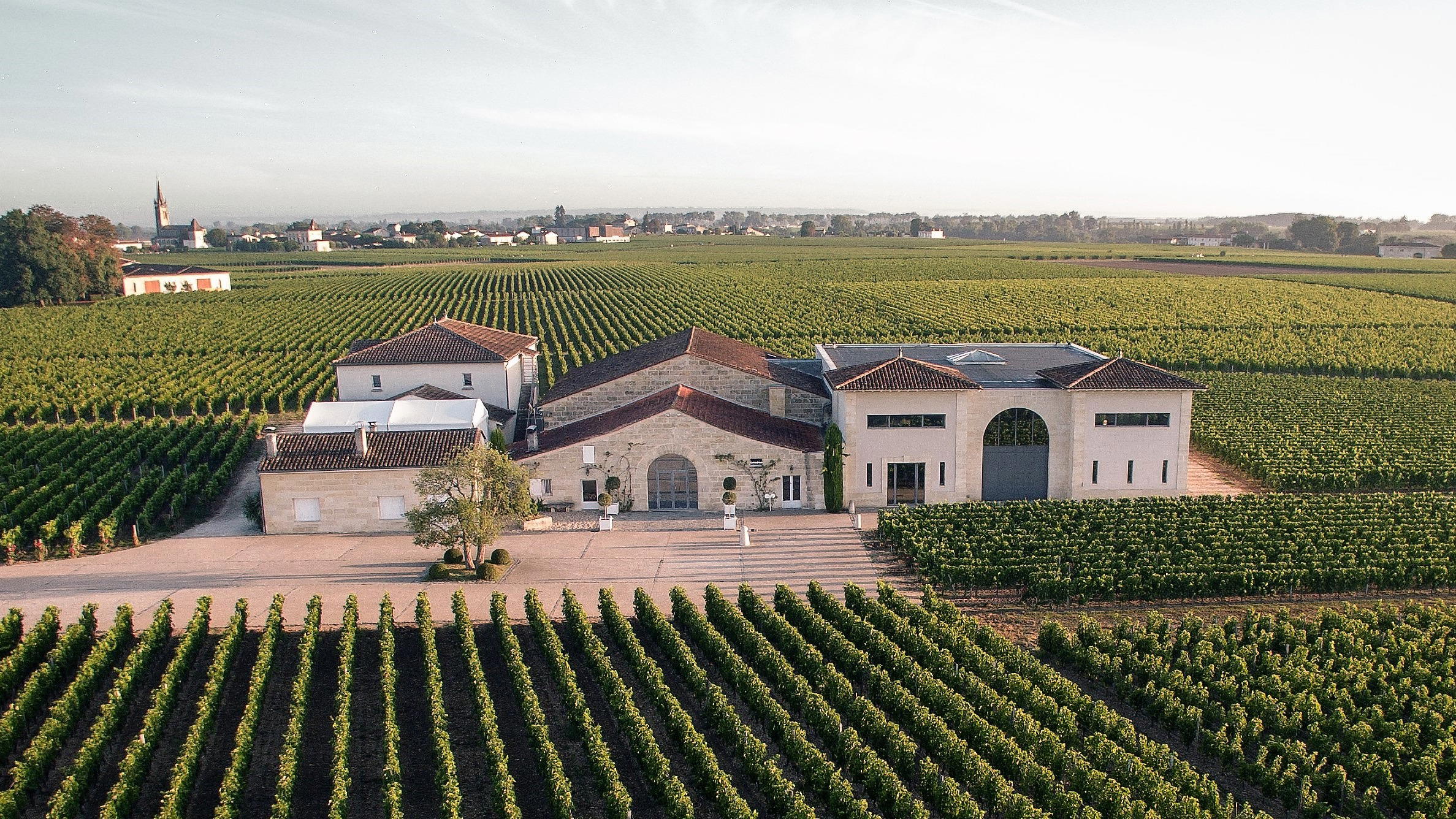
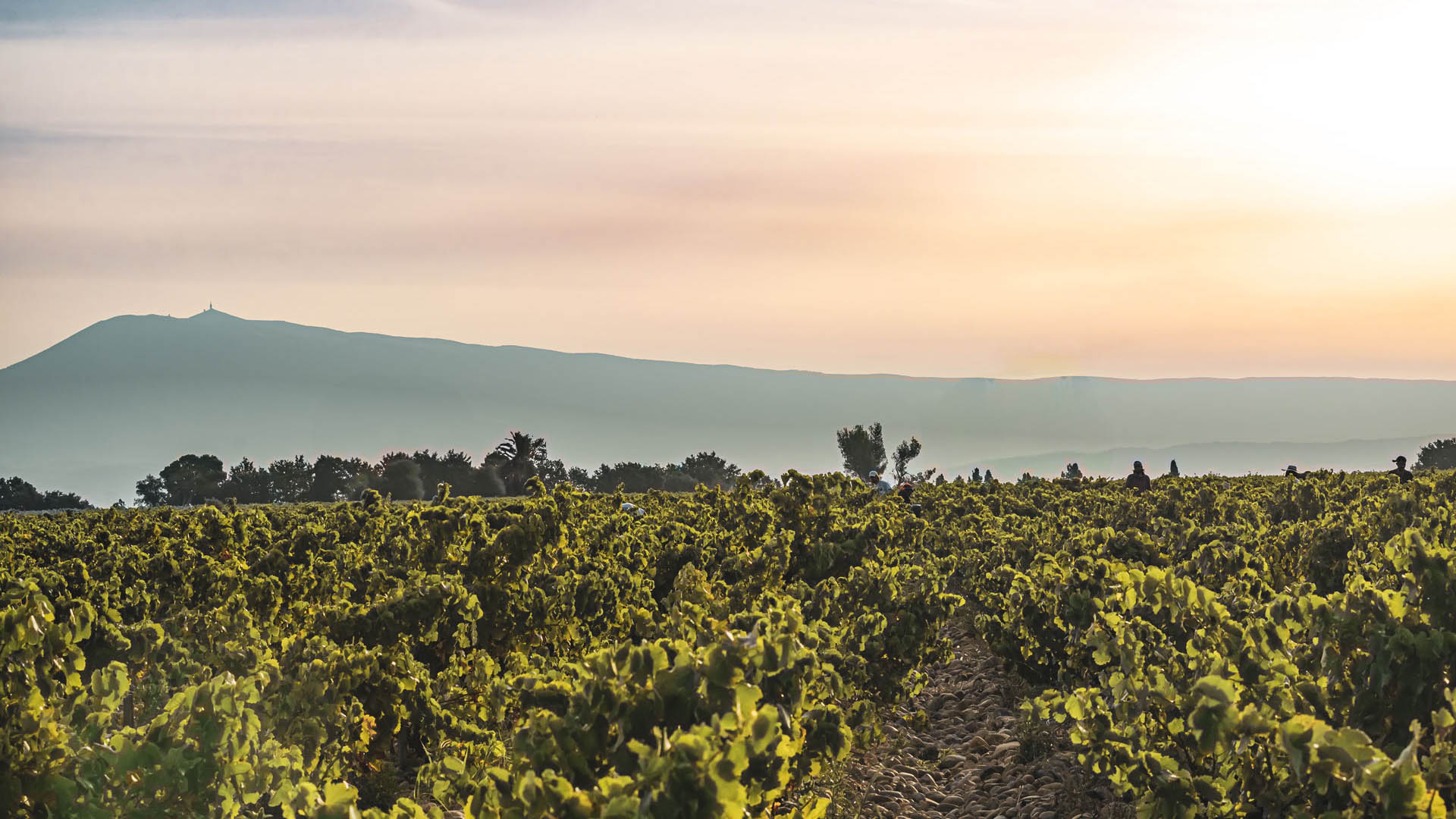
Domaine du Vieux Télégraphe is defined by place: the La Crau plateau’s light, altitude and the iconic galets roulés shape both the landscape and the wines. The writing emphasizes a restrained, sun-warmed character—wines that carry warmth without heaviness and retain aromatic tension thanks to nighttime cooling. That sense of measured intensity extends to the estate itself, where long stewardship by the Brunier family and a focus on terroir give the domaine an unhurried, contemplative quality. Visitors encounter a vineyard-first personality: scenic, quietly authoritative and grounded in decades of viticultural practice.
Best For
This domaine is best for visitors who come to engage with terroir and bottles rather than nightlife or frills. It suits wine students, collectors and anyone interested in how site, soil and climate interact—particularly those focused on Grenache and Châteauneuf-du-Pape verticals. The estate’s long history on La Crau and the discussion of vintages make it a strong pick for educational visits and small celebrations where the landscape and lineage of the wines are central to the experience. It rewards attentive tasting and comparative study.
Tasting Tips
When exploring Vieux Télégraphe, prioritize bottles that highlight La Crau and Grenache, since the plateau is described as Grenache country where the variety finds an ideal balance of power and lift. Look for releases or notes that reference the galets roulés and the clay-and-sand subsoils—those elements are tied to texture and ripeness patterns. Given the domaine’s multi-decade presence on the plateau, seek different vintages to appreciate the site’s vertical structure: compare how warmth, concentration and acidity play out year to year.
Venue details
Ambiance
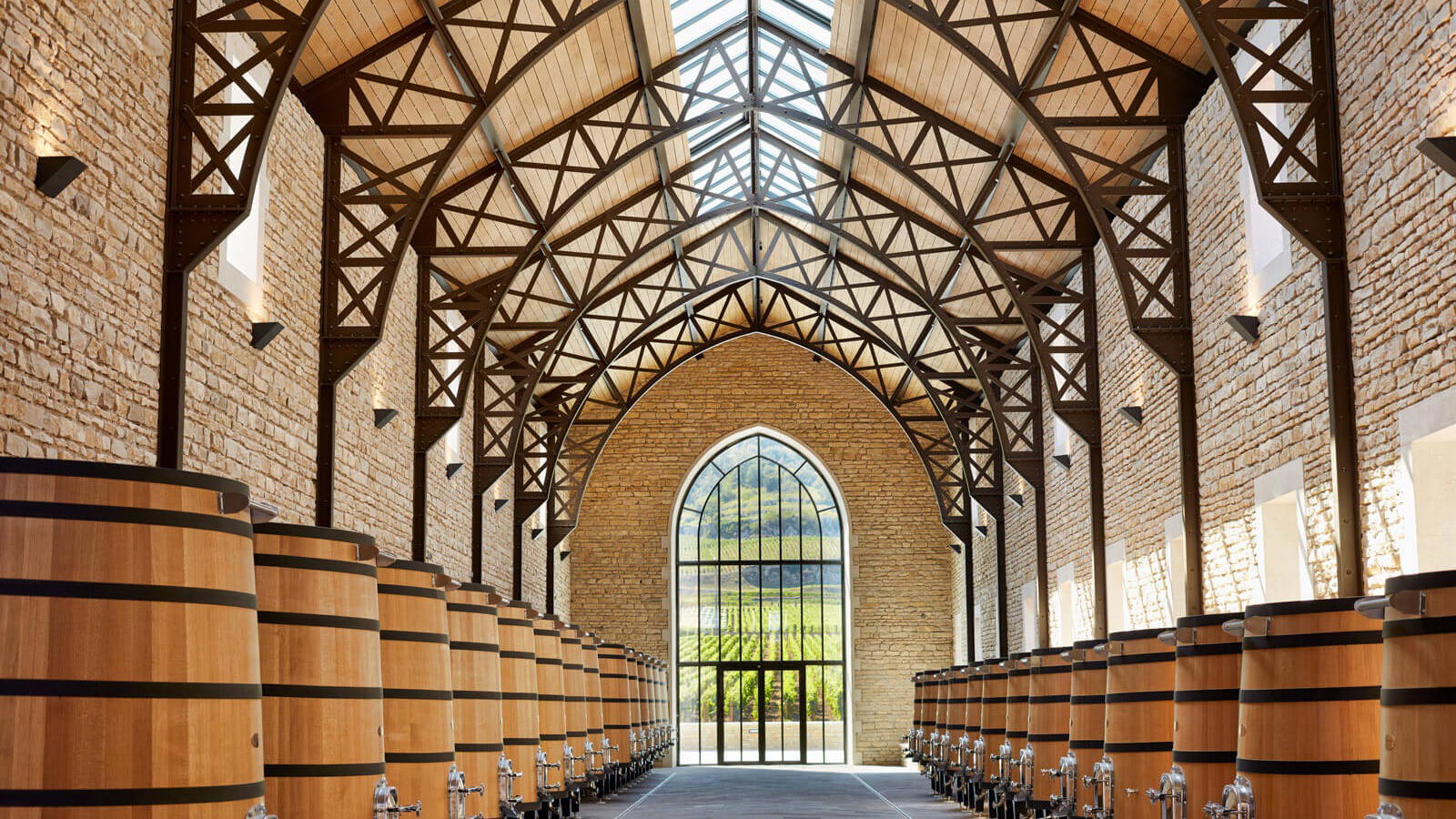
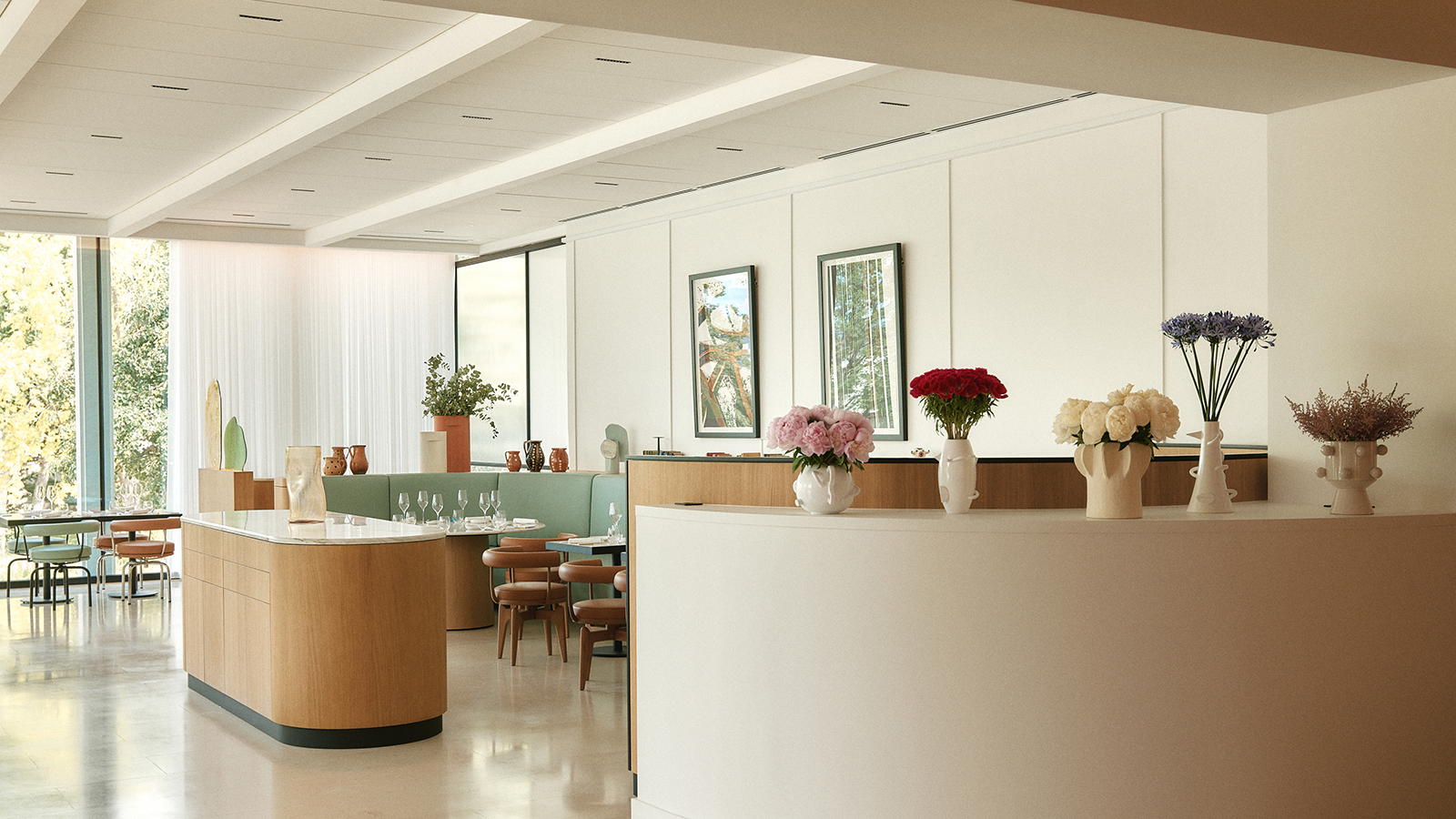
Traditional gravity-fed winery with state-of-the-art facilities; warm, heritage-focused atmosphere reflecting over 125 years of family winemaking tradition.
Tags
Vibe
Best For
Experience
Sourcing
View
At the Vineyard
- Appellation
- Châteauneuf-du-Pape AOC
- Varietals
- Grenache, Syrah, Mourvèdre, Cinsault, Clairette
- Tour Duration
- 90-120 minutes
- Tour Languages
- French, English
- Visits
- By appointment only
- Farming
- Sustainable
- Wine Styles
- Still Red, Still White
- Shipping
- Available
- Wine Club
- Available
Know before you go
Know Before You Go
- Getting there
- 3 Rte de Châteauneuf du Pape, 84370 Bédarrides
Planning details
Location
Recognition and awards
Also consider
Also Consider
- Domaine de la Solitude, Notable alternative
- Domaine André Brunel, Notable alternative
- Clos Des Papes, Notable alternative
- Domaine La Barroche, Notable alternative
- Domaine Saint Préfert, Notable alternative
Winery context
For value, Domaine du Vieux Télégraphe is the serious-booking choice: prioritize it when producer recognition and Rhône depth matter more than convenience. Domaine de la Solitude and Domaine André Brunel are the better cross-shops for travelers who want a comparable Châteauneuf-du-Pape day without putting the whole itinerary around one hard-to-secure target.
For occasion quality, compare it most directly with Clos Des Papes: both make the most sense for drinkers who already know the appellation and want the visit to feel like the centerpiece. Domaine La Barroche is the smarter alternative for readers who want a serious producer but a less formal-feeling plan, while Domaine Saint Préfert is a strong second choice if the target booking does not line up.
The practical recommendation: try Domaine du Vieux Télégraphe first for a collector-led or special-occasion Rhône itinerary, then hold Domaine de la Solitude or Domaine Saint Préfert as backups. For a broader tasting day where ambiance and flexibility matter as much as bottle reputation, spread the plan across two of the peer estates instead of forcing one difficult appointment.
Explore Bédarrides
Around this place
Discover more on Pearl
Unlock the full Domaine du Vieux Télégraphe guide in Pearl, including awards, comparisons, FAQs, planning details, and nearby places.
Compare Domaine du Vieux Télégraphe
| Venue | Location | Awards |
|---|---|---|
| Domaine du Vieux Télégraphe | Bédarrides | 2025 Pearl 4 Star Prestige |
| Domaine de la Solitude | Châteauneuf-du-Pape | 2025 Pearl 3 Star Prestige |
| Domaine André Brunel | Sorgues | 2025 Pearl 4 Star Prestige |
| Clos Des Papes | Châteauneuf-du-Pape | No published awards |
| Domaine La Barroche | Châteauneuf-du-Pape | 2025 Pearl 5 Star Prestige |
| Domaine Saint Préfert | Châteauneuf-du-Pape | 2025 Pearl 4 Star Prestige |
How Domaine du Vieux Télégraphe Bédarrides compares with similar nearby venues.
FAQ
Frequently Asked Questions
Does Domaine du Vieux Télégraphe offer ordering or shipping?
Ordering and shipping information is not specified. If this matters to your plans, confirm directly with Domaine du Vieux Télégraphe before visiting or making arrangements.
How long should I plan for a visit to Domaine du Vieux Télégraphe?
No specific visit length or service format is available. Domaine du Vieux Télégraphe is in Bédarrides and has Pearl 4 Star Prestige recognition for 2025, but timing should be confirmed directly with the venue.
Can Domaine du Vieux Télégraphe handle large groups?
Group capacity is not specified. If you are planning for a group, contact Domaine du Vieux Télégraphe directly before making firm arrangements.
Does Domaine du Vieux Télégraphe offer memberships or special access?
Membership or special-access details are not specified. Base any decision on information confirmed directly by Domaine du Vieux Télégraphe rather than assuming specific access, pricing, or benefits.
What other venues should I compare with Domaine du Vieux Télégraphe?
For comparison planning, consider Clos Des Papes, Domaine André Brunel, Domaine La Barroche, Domaine Saint Préfert, and Domaine de la Solitude, as well as other dining in Bédarrides generally. Confirm locations and visit details directly before building an itinerary.
Does Domaine du Vieux Télégraphe serve food?
Food service is not specified. If a meal is important to your plans, confirm directly with Domaine du Vieux Télégraphe or arrange dining separately in Bédarrides.