
Domaine Pierre Usseglio
Châteauneuf-du-Pape
Winery in Châteauneuf-du-Pape, France
 Book with Pearl
The Read
Old-Vine Appellation Continuity
Price
$30–50tasting
Why go
Prioritize Domaine Pierre Usseglio if the goal is a serious Châteauneuf-du-Pape producer visit rather than a casual tasting-room stop. The draw is continuity, with a first vintage in 1949 and Thierry Usseglio tied to the domaine today; plan ahead and keep backup options nearby.
About Domaine Pierre Usseglio
Use this Châteauneuf-du-Pape listing as a focused planning note rather than a fully detailed visit brief. Pearl has Domaine Pierre Usseglio in Châteauneuf-du-Pape, with Thierry Usseglio identified as chef/owner, a smart casual dress code, and Pearl 4 Star Prestige recognition for 2025. Beyond those points, specific details such as service format, pricing, hours, food service, and visitor logistics should be confirmed directly with the venue.
The case for considering Domaine Pierre Usseglio is strongest for travelers who are already building a Châteauneuf-du-Pape itinerary and want to include the venue by name. Treat it as a stop that needs direct verification before you rely on a specific schedule, service style, or purchase plan.
A serious Châteauneuf-du-Pape stop for travelers who plan carefully
The main decision point is fit. If the itinerary has room for only one or two named stops, Domaine Pierre Usseglio belongs on the shortlist for travelers specifically interested in Châteauneuf-du-Pape. Pearl does not have details for a food program, visit format, posted pricing, or visitor hours, so do not build the day around those assumptions without checking directly.
That makes this a better fit for travelers who are comfortable confirming practical details in advance. For broader trip planning, pair it with Our full Châteauneuf-du-Pape wineries guide, then build the day around meals from Our full Châteauneuf-du-Pape restaurants guide, stays from Our full Châteauneuf-du-Pape hotels guide, evening options from Our full Châteauneuf-du-Pape bars guide, and local add-ons from Our full Châteauneuf-du-Pape experiences guide.
How to think about it against other notable names
Châteauneuf-du-Pape rewards comparison. If the reader wants a day built around named local stops, cross-shop with Clos Des Papes, Domaine La Barroche, Domaine de la Solitude, Domaine du Pegau, and Domaine du Clos Saint Jean. The practical advice is simple: keep Domaine Pierre Usseglio on the request list, then use other nearby options to shape the day if timing or access does not line up.
Quick reference: prioritize Domaine Pierre Usseglio as a Châteauneuf-du-Pape stop, not for extras such as dining, walk-in ease, visit format, shipping, or a broad hospitality setup. Confirm current visitor details directly before making firm plans.
Planning details
- Location
- 10 D68, 84230 Châteauneuf-du-Pape
- Website
- domainepierreusseglio.fr
- Phone
- +33 4 90 83 72 98
The take
The Take
The Vibe
Domaine Pierre Usseglio reads as a quietly serious, historically rooted Châteauneuf-du-Pape estate. Founded in 1949 and still overseen by the Usseglio family, the domaine projects continuity and institutional memory rather than flash. Its placement among the appellation’s more respected addresses and a 2025 Pearl 4 Star Prestige nod signal wines made with gravitas and restraint. Visitors and collectors encounter an understated, well-established house that prizes lineage and terroir expression — a sober, sophisticated presence in a region where reputation and history matter as much as the bottle itself.
Best For
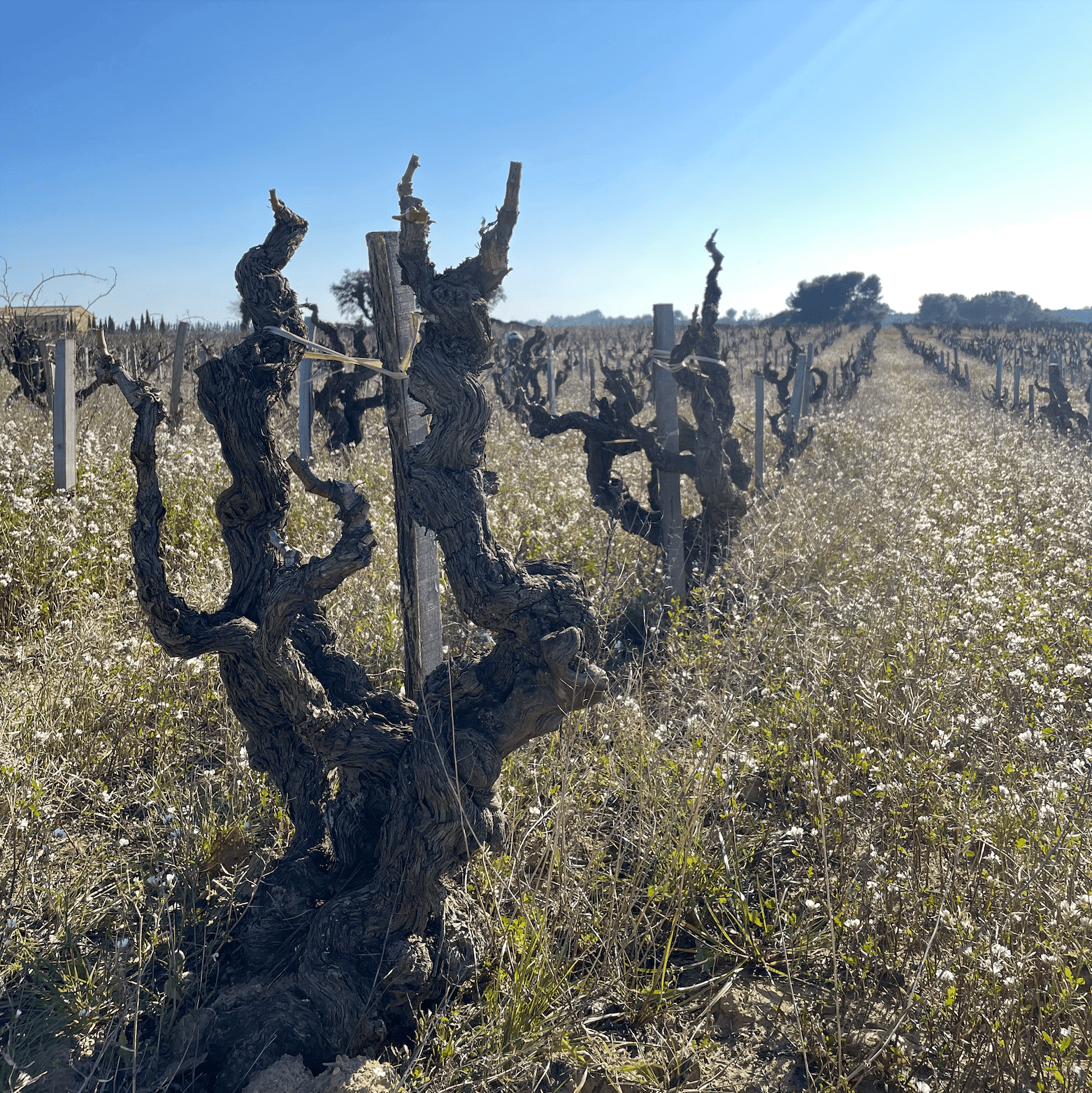
This domaine suits people who are studying Châteauneuf-du-Pape in depth, collectors seeking thoughtfully made southern Rhône wines, and travelers who prefer deliberate, solitary exploration over tourist-oriented stops. Because the estate occupies a mid-to-upper tier of accessibility—recognised and allocated rather than mass-market—it appeals to serious tasters and those buying wine for notable moments. It’s a good stop for anyone wanting to understand long-running family production in the appellation and to taste wines that reflect stony soils and classic Grenache-led blends.
Tasting Tips
Treat Domaine Pierre Usseglio as a producer whose releases are managed and not always widely distributed. The text notes recognition, allocations, and a profile that reaches collectors through direct sales and specialist importers, so look for bottles via the domaine’s direct channels, trusted importers, and curated retailers rather than mass-market shops. Expect limited availability compared with tourist-facing labels; if you’re seeking a particular vintage or prestige cuvée, prioritize specialist sellers and collector-focused outlets that handle allocated Châteauneuf-du-Pape releases.
Venue details
Ambiance
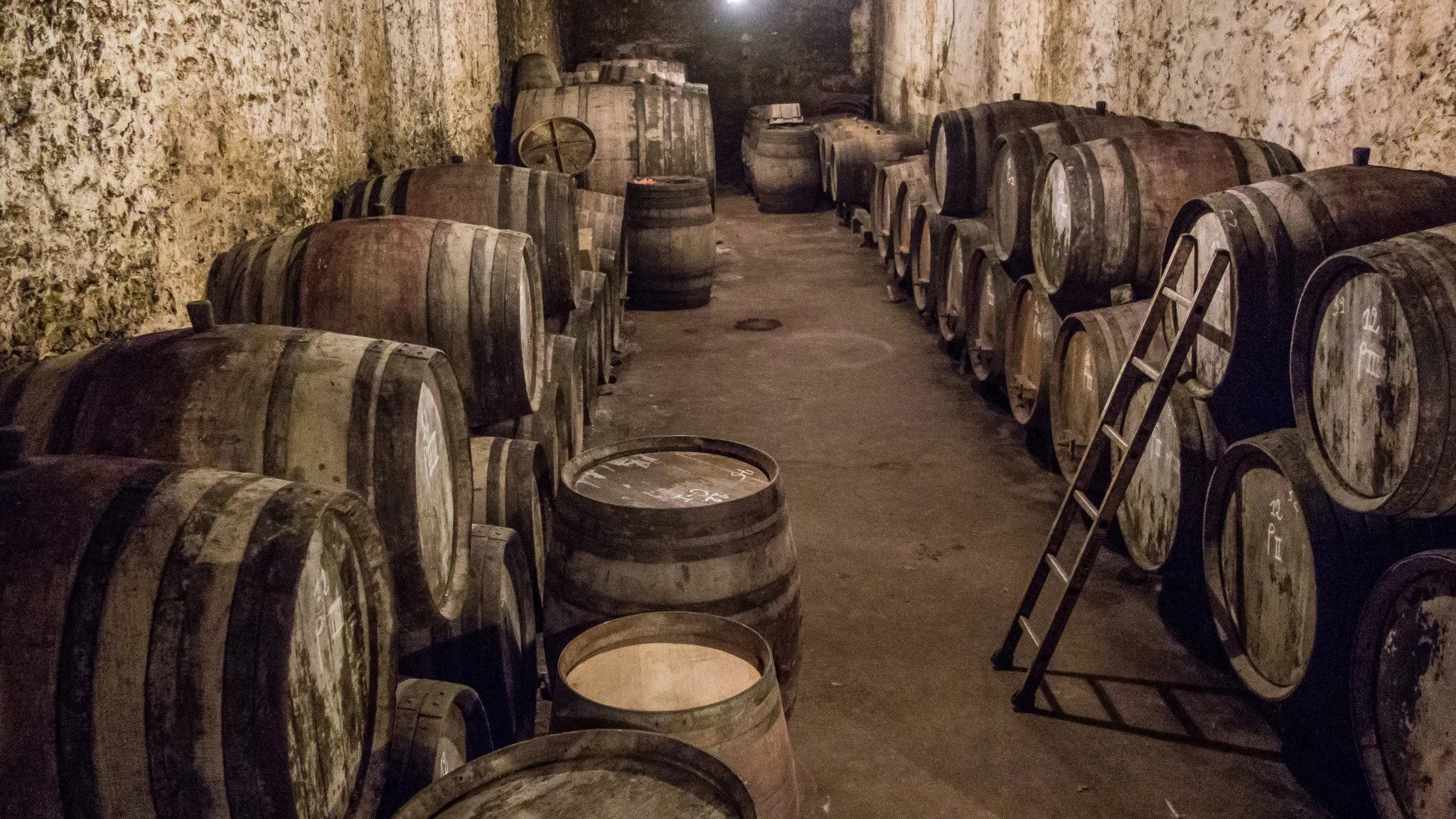
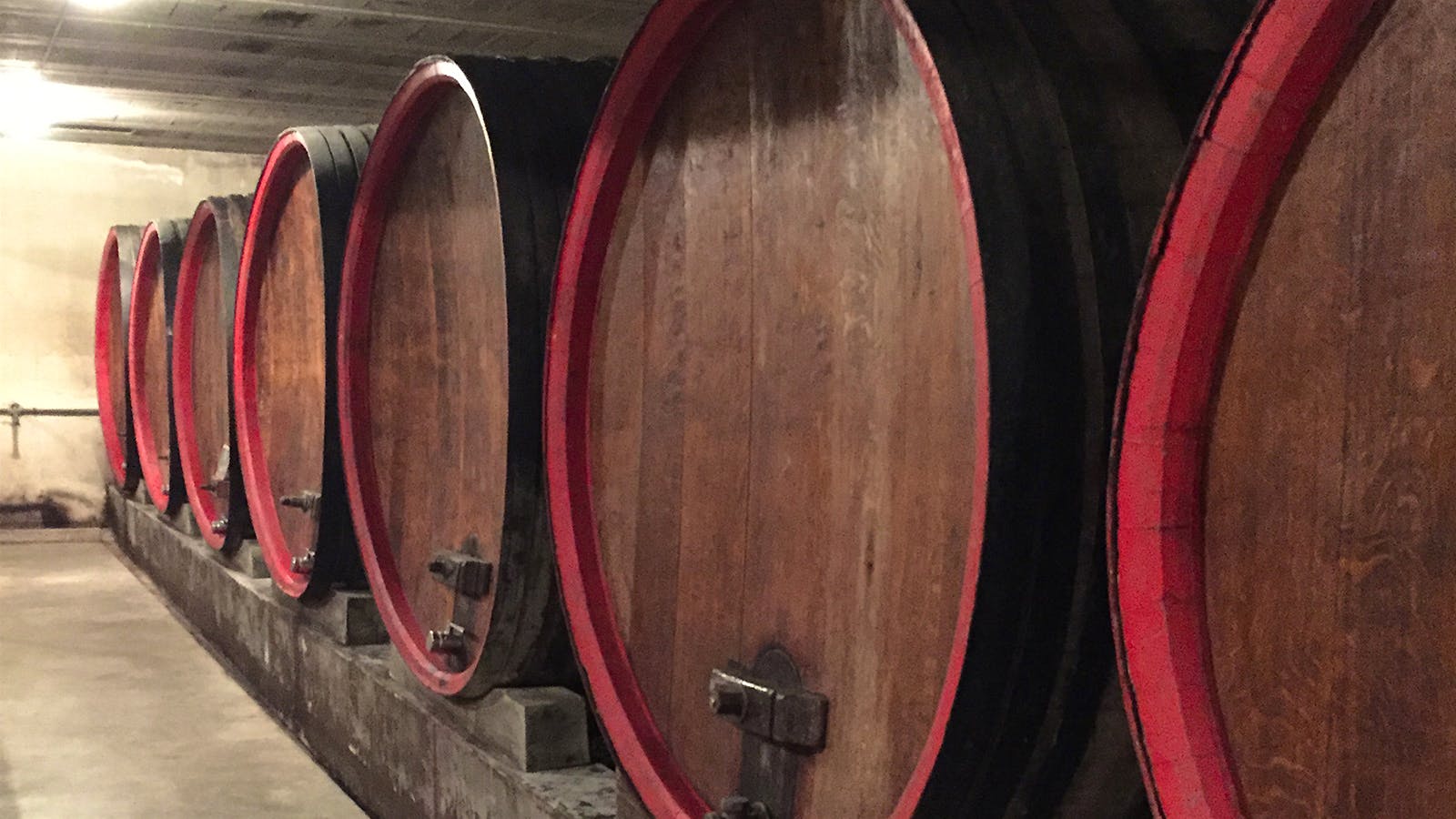
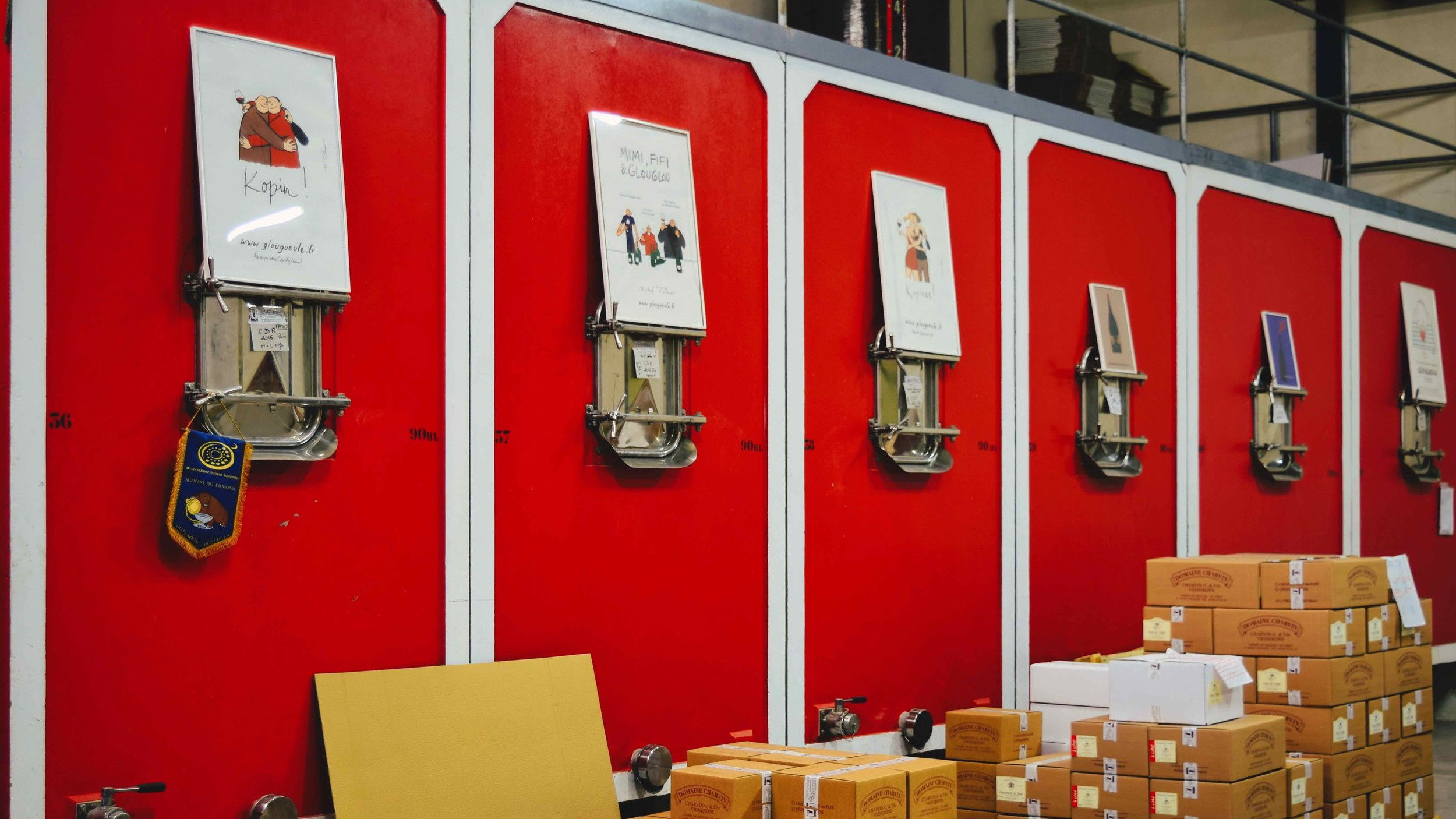
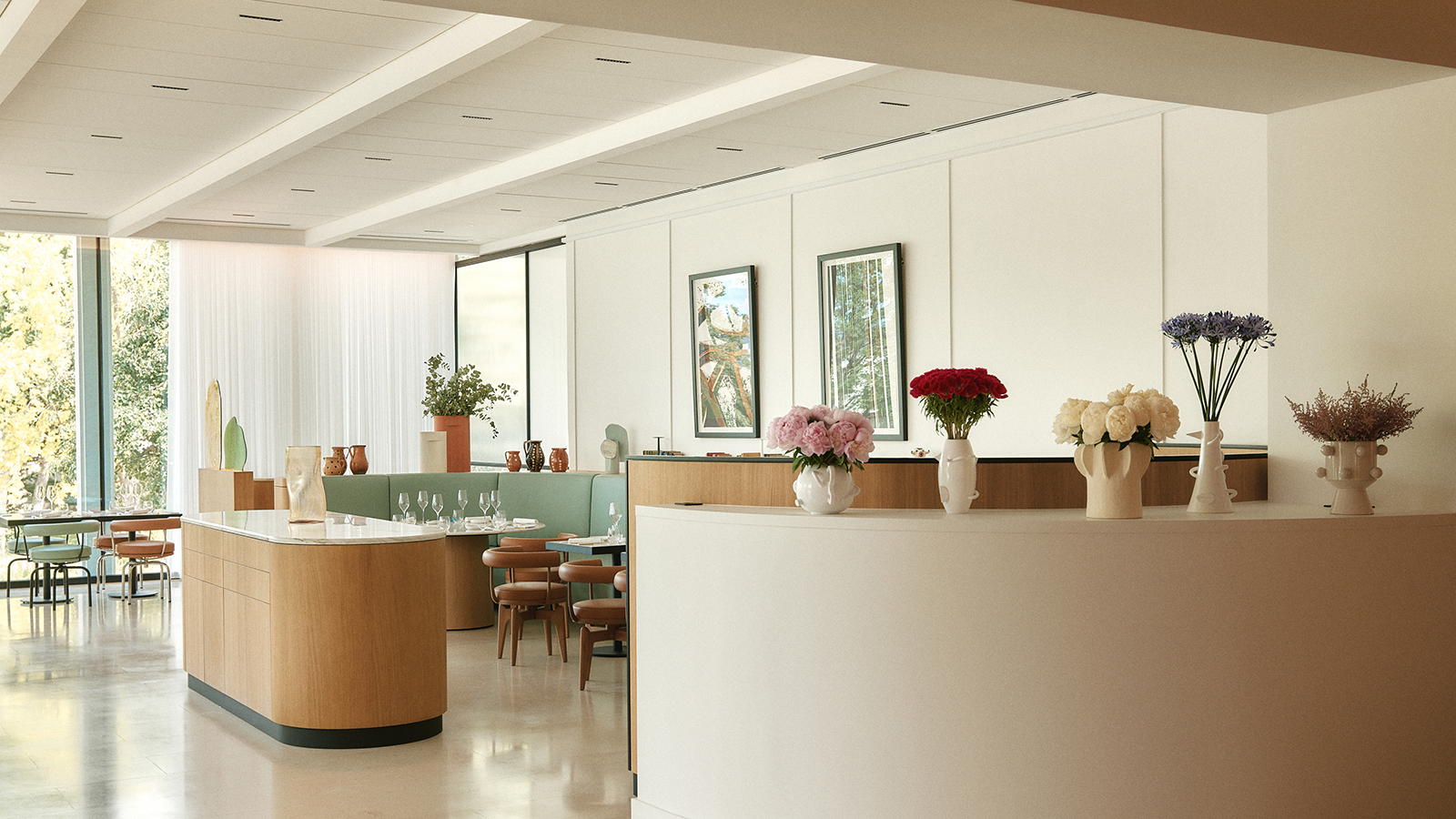
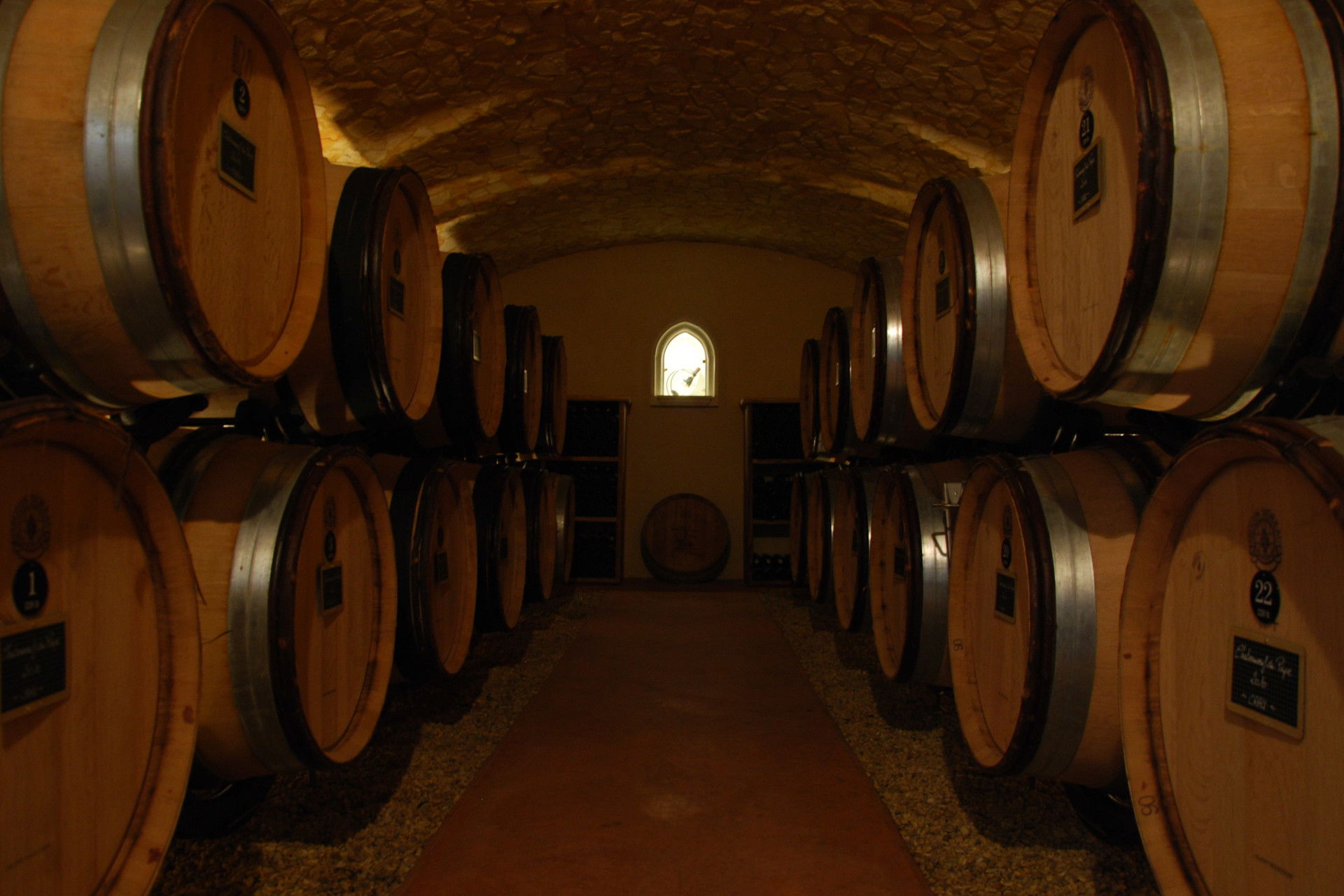
Traditional winery atmosphere with focus on terroir expression and vinification heritage.
Tags
Vibe
Best For
Experience
View
At the Vineyard
- Appellation
- Châteauneuf-du-Pape AOC
- Varietals
- Grenache, Syrah, Mourvèdre, Cinsault, Clairette
- Tour Duration
- 60-90 minutes
- Tour Languages
- French, English
- Visits
- By appointment only
- Production
- Small producer
- Wine Styles
- Still Red, Still White
- Wine Club
- Available
Know before you go
Know Before You Go
- Getting there
- 10 D68, 84230 Châteauneuf-du-Pape
Planning details
Location
Recognition and awards
Also consider
Also Consider
- Domaine du Pegau, Notable alternative
- Domaine du Clos Saint Jean, Notable alternative
- Domaine La Barroche, Notable alternative
- Clos Des Papes, Notable alternative
- Domaine de la Solitude, Notable alternative
Winery context
How It Compares
Domaine Pierre Usseglio is the pick for travelers who want a focused, producer-led Châteauneuf-du-Pape stop and are willing to work around access. Against Domaine du Pegau and Domaine du Clos Saint Jean, it reads as a depth-first choice rather than the safest option for a mixed-interest group. If the day has only one serious wine slot, place it high on the request list and keep another appointment ready.
Clos Des Papes is the sharper cross-shop for collectors who want another high-gravity Châteauneuf name, while Domaine La Barroche makes sense for readers comparing producer character within the same village. Domaine de la Solitude is the more flexible-feeling fallback for travelers who need the day to work logistically.
On value, do not judge this like a tasting room with posted packages and add-ons. The value is in access to a serious domaine context. For ambiance, expect the decision to hinge less on scenery and more on how much the group cares about Châteauneuf-du-Pape itself.
Explore Châteauneuf-du-Pape
Around this place
Discover more on Pearl
Unlock the full Domaine Pierre Usseglio guide in Pearl, including awards, comparisons, FAQs, planning details, and nearby places.
Compare Domaine Pierre Usseglio
| Venue | Location | Awards |
|---|---|---|
| Domaine Pierre Usseglio | Châteauneuf-du-Pape | 2025 Pearl 4 Star Prestige |
| Domaine du Pegau | Châteauneuf-du-Pape | 2025 Pearl 4 Star Prestige |
| Domaine du Clos Saint Jean | Châteauneuf-du-Pape | 2025 Pearl 3 Star Prestige |
| Domaine La Barroche | Châteauneuf-du-Pape | 2025 Pearl 5 Star Prestige |
| Clos Des Papes | Châteauneuf-du-Pape | No published awards |
| Domaine de la Solitude | Châteauneuf-du-Pape | 2025 Pearl 3 Star Prestige |
How Domaine Pierre Usseglio compares with similar nearby venues.
FAQ
Frequently Asked Questions
Where is Domaine Pierre Usseglio?
Domaine Pierre Usseglio is in Châteauneuf-du-Pape.
Who is the chef/owner of Domaine Pierre Usseglio?
Pearl has Thierry Usseglio as chef/owner of Domaine Pierre Usseglio.
What is the dress code at Domaine Pierre Usseglio?
The dress code for Domaine Pierre Usseglio is smart casual.
Has Domaine Pierre Usseglio received recognition?
Yes. Domaine Pierre Usseglio is recognized with Pearl 4 Star Prestige for 2025.
Does Domaine Pierre Usseglio serve food?
Pearl does not have food-service details for Domaine Pierre Usseglio in Châteauneuf-du-Pape. Plan any meal separately unless the venue confirms otherwise through its official channels.