


Château Rayas
northern Châteauneuf-du-Pape, Châteauneuf-du-Pape
Winery in Châteauneuf-du-Pape, France
 Book with Pearl
The Read
Sandy-Soil Grenache Minimalism
Why go
Château Rayas is a wine estate associated with Châteauneuf-du-Pape.
About Château Rayas
Chateau Rayas is a Châteauneuf-du-Pape venue with Emmanuel Reynaud as chef/owner. The safest way to plan is to treat it as a focused Châteauneuf-du-Pape stop and confirm any visit arrangements directly before making it the center of a day.
Chateau Rayas is in Châteauneuf-du-Pape, the dress code is smart casual, and the venue has Pearl 5 Star Prestige recognition for 2025.
Choose Rayas for Châteauneuf-du-Pape context
The case for considering Chateau Rayas is strongest if Châteauneuf-du-Pape is already the reason for the trip. If you are comparing notable names in the area, Domaine du Pegau, Domaine de la Solitude, Domaine du Clos Saint Jean, Domaine La Barroche, and Domaine Pierre Usseglio are natural reference points to research alongside it.
Plan around the village, then confirm the details
Build the day around Châteauneuf-du-Pape. Use Our full Châteauneuf-du-Pape wineries guide to start broader research, then add Our full Châteauneuf-du-Pape restaurants guide, Our full Châteauneuf-du-Pape hotels guide, Our full Châteauneuf-du-Pape bars guide, and Our full Châteauneuf-du-Pape experiences guide around it.
The grounded verdict is direct: Chateau Rayas is a Châteauneuf-du-Pape venue with Emmanuel Reynaud as chef/owner, recognized with Pearl 5 Star Prestige in 2025, and best researched with direct confirmation for any practical plans. If your day needs multiple confirmed stops, compare it with other Châteauneuf-du-Pape options such as Domaine La Barroche, Domaine Pierre Usseglio, Domaine de la Solitude, Domaine du Clos Saint Jean, and Domaine du Pegau.
Planning details
- Location
- 84350 Châteauneuf-du-Pape, France
- Website
- chateaurayas.fr
- Phone
- +33 4 90 83 73 09
The take
The Take
The Vibe
Chateau Rayas reads as a quiet, contemplative counterpoint within Châteauneuf‑du‑Pape. The estate deliberately sits apart from the appellation’s iconic galets roulés, occupying cooler, sandy, iron‑rich soils and shaded sites that produce low yields and concentrated expression. Under Emmanuel Reynaud the house favors non‑intervention and restraint, privileging old‑vine Grenache Noir and Grenache Blanc over broad blending. The result is an understated, meticulous personality: wines that emphasize precision, lift and clarity rather than power. The overall impression is intimate and historically grounded, a place where terroir and continuity matter more than spectacle.
Best For
Rayas is best encountered by people who want to study terroir and winemaking choices rather than chase big fruit or high alcohol. The estate suits wine education, collectors and special‑occasion buying because its old‑vine, single‑variety approach offers a clear lesson in how soil and shade shape Grenache. It also rewards solo exploration and focused tasting: the wines reveal subtlety and restraint that benefit from attentive sipping. Visitors or buyers seeking spectacle or a broad lineup of styles will find Rayas deliberately narrow in scope, but singular and instructive for those invested in the appellation’s finer points.
Tasting Tips
When looking for Rayas, prioritize its core expressions of old‑vine Grenache—both the red Grenache Noir and the rarer Grenache Blanc—because the estate’s reputation rests on those single‑variety statements. Taste or purchase with an ear for lift, precision and restrained ripeness rather than plushness and high alcohol: Rayas typically presents a cooler, schooled profile. If you are tasting multiple Châteauneuf producers, use Rayas as a benchmark for how sandy, low‑fertility soils and low yields affect Grenache. Ask about vine age and parcel origin to understand the site specificity the estate emphasizes.
Venue details
Ambiance
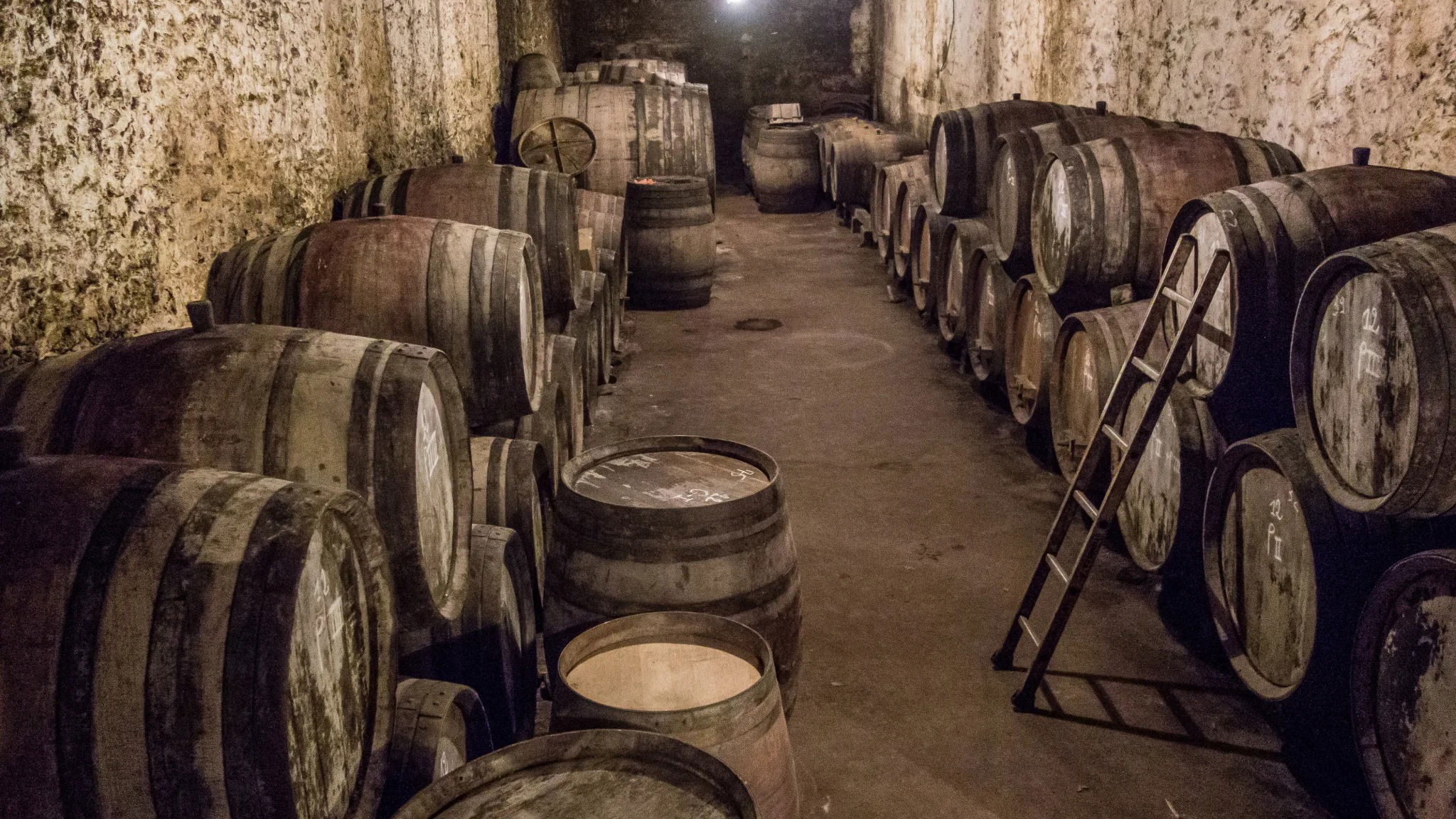
Dim, dusty cellars with primitive stone floors and ancient wooden barrels; austere and minimalist with no modern interventions, creating a mystical and reclusive atmosphere.
Tags
Vibe
Best For
Experience
Sourcing
View
At the Vineyard
- Appellation
- Châteauneuf-du-Pape AOC
- Varietals
- Grenache Noir, Grenache Blanc, Clairette
- Visits
- By appointment only
- Wine Styles
- Still Red, Still White
- Wine Club
- Not available
Know before you go
Know Before You Go
- Getting there
- 84350 Châteauneuf-du-Pape, France
Planning details
Location
Recognition and awards
Also consider
Where to Look If This Does Not Work
For a serious Châteauneuf-du-Pape day with less planning risk, start with Domaine du Pegau or Domaine de la Solitude. For a focused producer alternative, compare Domaine La Barroche and Domaine Pierre Usseglio.
Winery context
How It Compares
Chateau Rayas is the hard target in this Châteauneuf-du-Pape set: strongest for collectors and appellation-focused travelers, weakest for anyone who needs a simple, predictable visit. Domaine du Pegau is the more practical comparison for visitors who want a serious local name without making the whole day depend on one difficult plan.
Domaine Pierre Usseglio, Domaine de la Solitude, and Domaine du Clos Saint Jean make more sense for travelers building a broader tasting route through the village. They are better cross-shops if the goal is quality regional context with less friction.
Domaine La Barroche is the smarter alternative for visitors who still want a focused Châteauneuf-du-Pape producer rather than a general wine-tourism stop. Choose Rayas for the prestige play; choose the others when value, access, and a fuller day in the appellation matter more.
Explore Châteauneuf-du-Pape
Around this place
Discover more on Pearl
Unlock the full Château Rayas guide in Pearl, including awards, comparisons, FAQs, planning details, and nearby places.
Compare Château Rayas
| Venue | Location | Awards |
|---|---|---|
| Chateau Rayas | Châteauneuf-du-Pape | 2025 Pearl 5 Star Prestige |
| Domaine du Pegau | Châteauneuf-du-Pape | 2025 Pearl 4 Star Prestige |
| Domaine Pierre Usseglio | Châteauneuf-du-Pape | 2025 Pearl 4 Star Prestige |
| Domaine de la Solitude | Châteauneuf-du-Pape | 2025 Pearl 3 Star Prestige |
| Domaine du Clos Saint Jean | Châteauneuf-du-Pape | 2025 Pearl 3 Star Prestige |
| Domaine La Barroche | Châteauneuf-du-Pape | 2025 Pearl 5 Star Prestige |
How Chateau Rayas compares with similar nearby venues.
FAQ
Frequently Asked Questions
When is the best time to visit Chateau Rayas?
Can Chateau Rayas handle large groups?
Who is associated with Chateau Rayas?
Emmanuel Reynaud is the chef/owner of Chateau Rayas.
How long should I plan for a visit to Chateau Rayas?
Leave flexibility in the rest of your itinerary.
What other venues are near Chateau Rayas?
Domaine du Pegau, Domaine Pierre Usseglio, Domaine de la Solitude, Domaine du Clos Saint Jean, and Domaine La Barroche are relevant Châteauneuf-du-Pape names to research alongside Chateau Rayas.
What recognition does Chateau Rayas have?
Chateau Rayas has Pearl 5 Star Prestige recognition for 2025.