




Château d'Yquem
Sauternes
Winery in Sauternes, France
 Book with Pearl
The Read
Botrytis Precision at Scale
Why go
Château d'Yquem is a wine estate in Sauternes, France.
About Château d'Yquem
Verdict
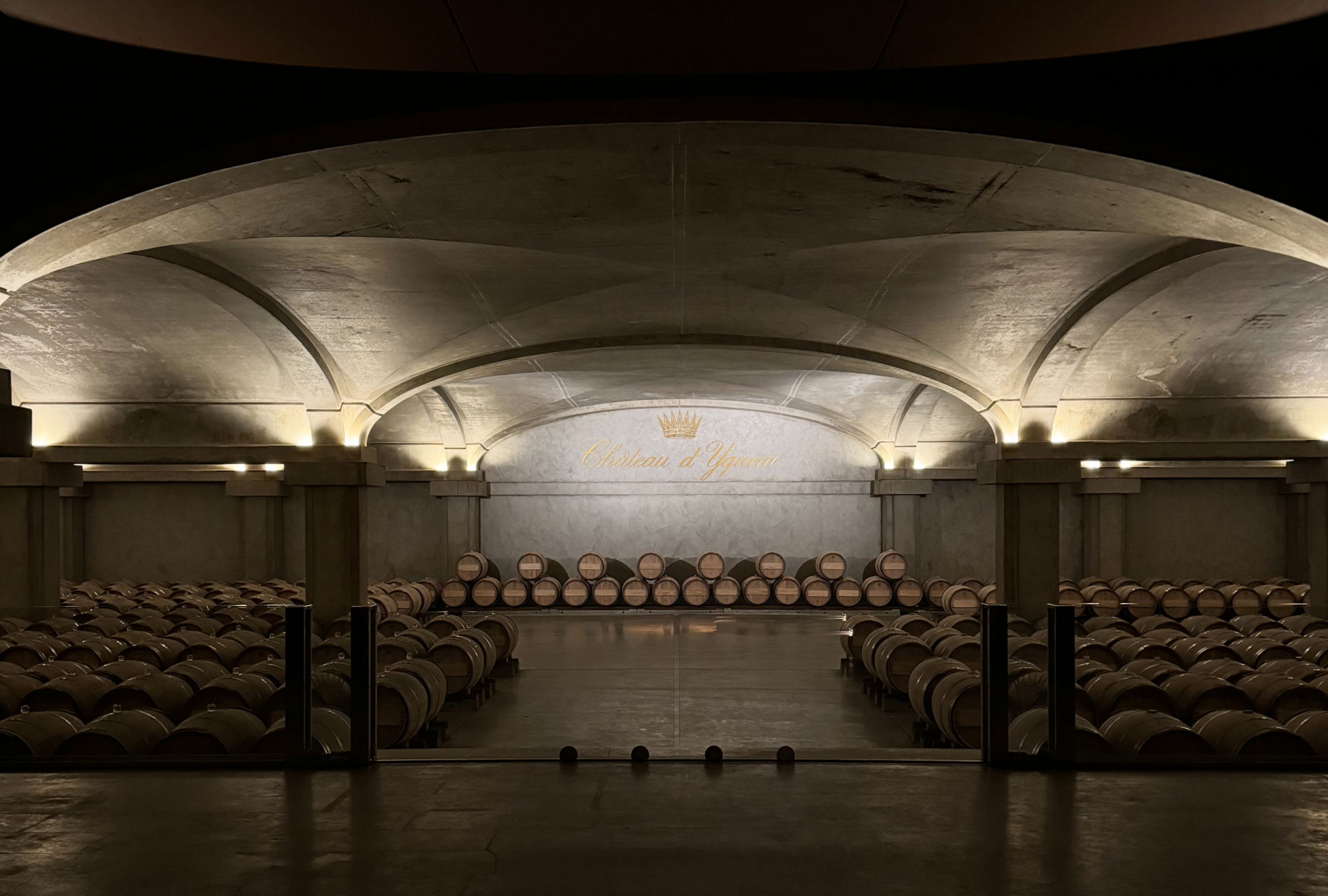
Against other Sauternes estates, Château d'Yquem is the prestige play: book it if the point of the visit is context, rarity, and seeing the address behind one of the world’s defining sweet wines, not if the goal is an easy tasting-room stop. The visual pull matters here: the château setting is part of the decision, because this is less about sampling broadly and more about understanding why Yquem sits in a different tier from nearby names such as Château Guiraud, Château Filhot, and Château d’Arche.
Portrait
Plan around scarcity first. Booking difficulty is near impossible, and the database does not provide public hours, phone details, or an official website, so this is not a casual add-on between lunch and another appointment. For most travelers, the smarter move is to build a Sauternes day around alternatives with clearer visitor access, then treat Yquem as a special-case request if the opportunity appears.
The case for going is strongest for serious wine travelers who care about place as much as label. Sauternes is built on a specific sweet-wine tradition, and Yquem has the rare kind of name recognition that changes the value of seeing the estate grounds in person. Pearl rates it 5 Star Prestige for 2025, which is the key trust signal here: this is not being recommended because it is convenient, inexpensive, or easy to arrange. It is recommended because the estate’s reputation is central to the category.
That reputation also shapes expectations. Do not approach this like a high-volume winery visit with predictable slots, posted tasting formats, and simple logistics. The available record names Sandrine Garbay as winemaker and confirms the address at Château d'Yquem, 33210 Sauternes, but it does not provide tasting prices, group capacity, dress code, or regular opening times. That absence matters: if a trip needs certainty, choose a peer with more visible visitor infrastructure.
For estate-and-grounds value, the setting is not incidental. The point is to connect the wine’s status with its origin, especially for travelers who already know Sauternes and want a reference point for the region. If the priority is breadth, compare it with Château Guiraud for another serious Sauternes address, or add Château Filhot and Château d’Arche to make the day less dependent on one difficult booking.
Ratings
- Pearl rating: 5 Star Prestige (2025).
- Trust signal: Yquem’s name is closely associated with the highest end of sweet wine collecting, with older vintages pursued by committed buyers.
- Use case: Serious wine travelers, collectors, and visitors who want the Sauternes reference point rather than a simple tasting stop.
Booking
Treat access as near impossible unless confirmed through a reliable channel. Because no public phone, website, hours, or booking method is listed in the venue record, do not leave this until arrival in Sauternes. If certainty matters, arrange other winery visits first and make this the stretch target.
Know Before You Go
- Address: Château d'Yquem, 33210 Sauternes, France.
- Booking difficulty: Near Impossible.
- Price range: Not available in the venue record.
- Hours: Not available in the venue record.
- Dress code: Not available in the venue record; smart casual is the safer assumption for major estates.
- Nearby planning: Use our full Sauternes wineries guide for backup options, plus our full Sauternes restaurants guide, our full Sauternes hotels guide, our full Sauternes bars guide, and our full Sauternes experiences guide for the rest of the day.
How It Compares
Yquem is the prestige benchmark in Sauternes, but not the easiest recommendation for every traveler. Château Guiraud is the more practical cross-shop if you want a serious Sauternes estate with a stronger chance of planning a normal visit. Château Filhot and Château d’Arche are better fits when the day needs structure, value, and lower booking stress.
If the question is status, Yquem wins. If the question is ease, it loses to most peers. For a wider French-wine itinerary, compare the access challenge with Château Duhart-Milon, Château Durfort-Vivens in Margaux, Maison Joseph Drouhin in Beaune, and Château Simone in Meyreuil: those comparisons help decide whether this trip should prioritize famous addresses or confirmed experiences.
Pearl Picks
- For a Sauternes backup, start with Château Guiraud.
- For a broader winery trip beyond Bordeaux, compare Domaine François Lamarche in Chablis, Bodegas Ysios in Laguardia, and Cakebread Cellars in Rutherford.
Planning details
- Location
- Château d'Yquem, 33210 Sauternes
- Website
- yquem.fr
- Phone
- +33 5 57 98 07 07
The take
The Take
The Vibe
Château d'Yquem presents a quietly historic, scenic presence in Sauternes. The estate's 113 hectares sit on a plateau above the village, where morning mists and carefully read topography shape a distinct microclimate. The text foregrounds agricultural logic and generational knowledge rather than urban glamour, so the overall atmosphere reads as measured and contemplative: rows of vines, fog drifting in at dawn, and a landscape optimized for botrytis-driven concentration. Visitors who value terroir, provenance, and the slow, weather-driven rhythms of great sweet-wine production will find the setting evocative and serene.
Best For
The estate is best experienced by people who want to understand how terroir and meticulous viticulture produce world-class Sauternes. The description emphasizes the role of morning mists, drainage and yield discipline — each vine yielding almost a glass — and multiple selective harvest passes; those details make d'Yquem a natural fit for wine-focused study, collector interest, and anyone seeking a deep technical appreciation of noble-rot winemaking. The writing positions the property as an exemplar for learning about concentration, botrytis, and the agricultural calculations behind legendary sweet wines.
Venue details
Ambiance
Opulent historic château with preserved 17th-century frescoes, elegant tasting rooms, and a serene, sophisticated atmosphere amid rolling vineyards.
Tags
Vibe
Best For
Experience
View
At the Vineyard
- Appellation
- Sauternes AOC
- Varietals
- Semillon, Sauvignon Blanc
- Tour Duration
- 60-90 minutes
- Wine Club
- Available
Know before you go
Know Before You Go
- Getting there
- Château d'Yquem, 33210 Sauternes
Planning details
Location
Recognition and awards


Winery context
Château d'Yquem is the prestige benchmark in Sauternes, but it is not the practical choice for travelers who need reliable scheduling. Choose it if status, provenance, and estate context are the goal. Choose Château Guiraud instead if you want a serious regional comparison with a better chance of building a normal itinerary.
Château Filhot and Château d’Arche are stronger value-and-logistics plays for most visitors, especially if the day includes restaurants, hotels, or other Sauternes stops. Yquem is the splurge in effort rather than published price, since price details are not listed; the cost is uncertainty, planning time, and the risk of no access.
For collectors and deep wine travelers, that trade can make sense. For first-time visitors to Sauternes, a confirmed appointment at a peer estate will usually deliver more usable context than waiting on a near-impossible booking.
Explore Sauternes
Around this place
Discover more on Pearl
Unlock the full Château d'Yquem guide in Pearl, including awards, comparisons, FAQs, planning details, and nearby places.
FAQ
Frequently Asked Questions
How long should I plan for a visit to Château d'Yquem?
Plan on a short, focused stop rather than a long meal-style visit. Château d'Yquem in Sauternes is a prestige wine estate, so the value is in the context and the bottle discussion, not in lingering for hours.
Is the wine club at Château d'Yquem worth joining?
Join only if you actively track rare Sauternes and older vintages. The venue’s Pearl 5 Star Prestige (2025) signal supports serious collector appeal, but casual drinkers will usually get more value from a broader sweet-wine club or buying by the bottle.
Do I need a reservation at Château d'Yquem?
Yes, treat a reservation as essential. Access is described as near impossible without confirmation, and the listing gives no public phone, website, or hours, so this is not a place to try on a whim.
Does Château d'Yquem ship wine?
Do not assume shipping is easy here; confirm before you plan around it. For a collector purchase, that matters more than the address in Sauternes, because older bottles are the real draw and shipping rules can change by market.
What is the flagship wine at Château d'Yquem?
The flagship is Château d'Yquem itself, the estate’s famous sweet wine from Sauternes. If the goal is to compare formats, look to Château Guiraud for a more practical Sauternes stop, but Yquem is the reference name in the category.