

World's 50 Best Vineyards 2023: The Complete Rankings
A global ranking of the top vineyard destinations, celebrating excellence in wine, hospitality, and visitor experience. The list recognizes wineries that define the pinnacle of wine tourism worldwide.

Venues on this list
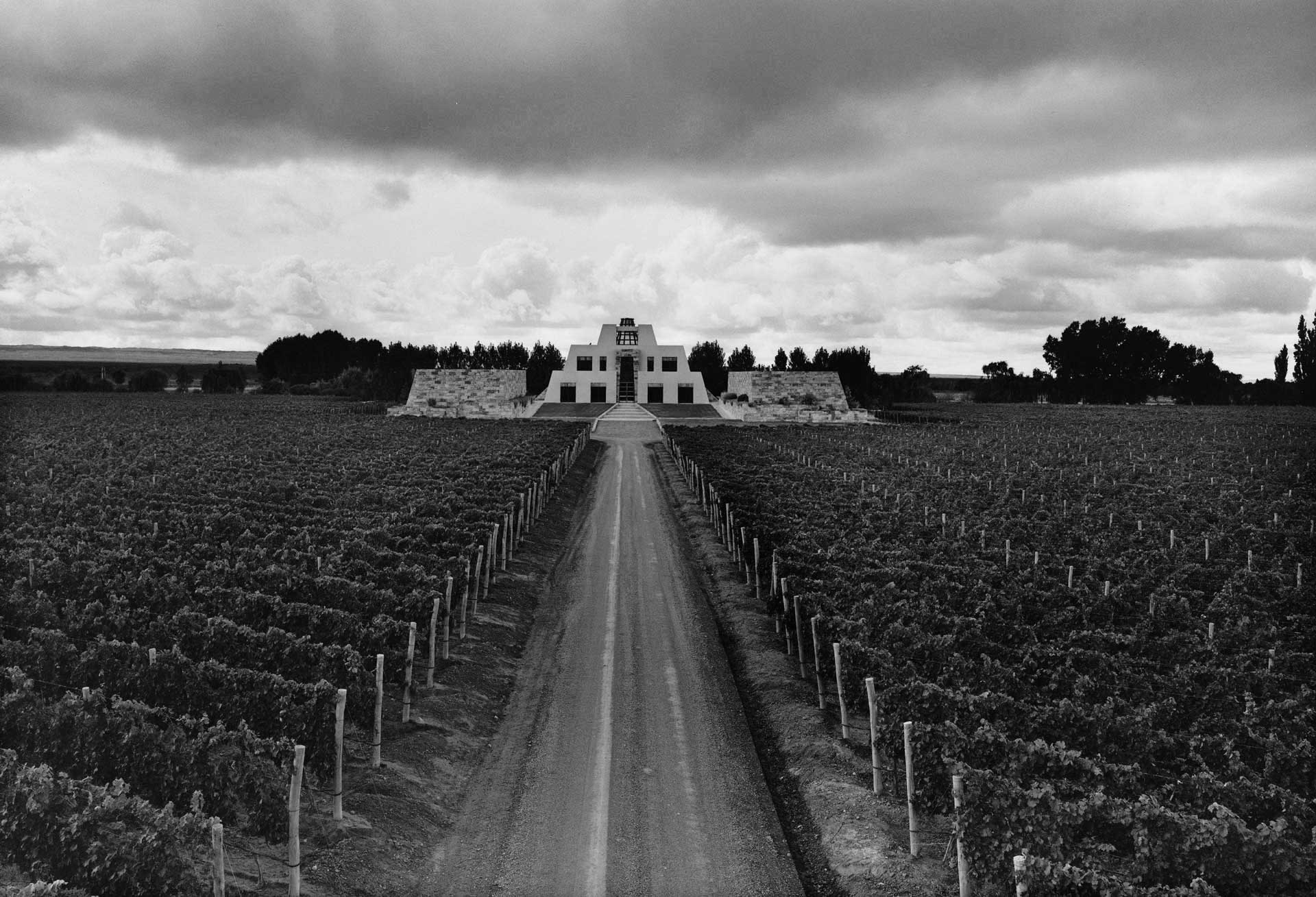
Catena Zapata
Agrelo, Argentina
Catena Zapata is a winery in Agrelo, Mendoza.

Bodegas de los Herederos del Marqués de Riscal
Elciego, Spain
Bodegas de los Herederos del Marqués de Riscal is a winery in Elciego, Rioja Alavesa.
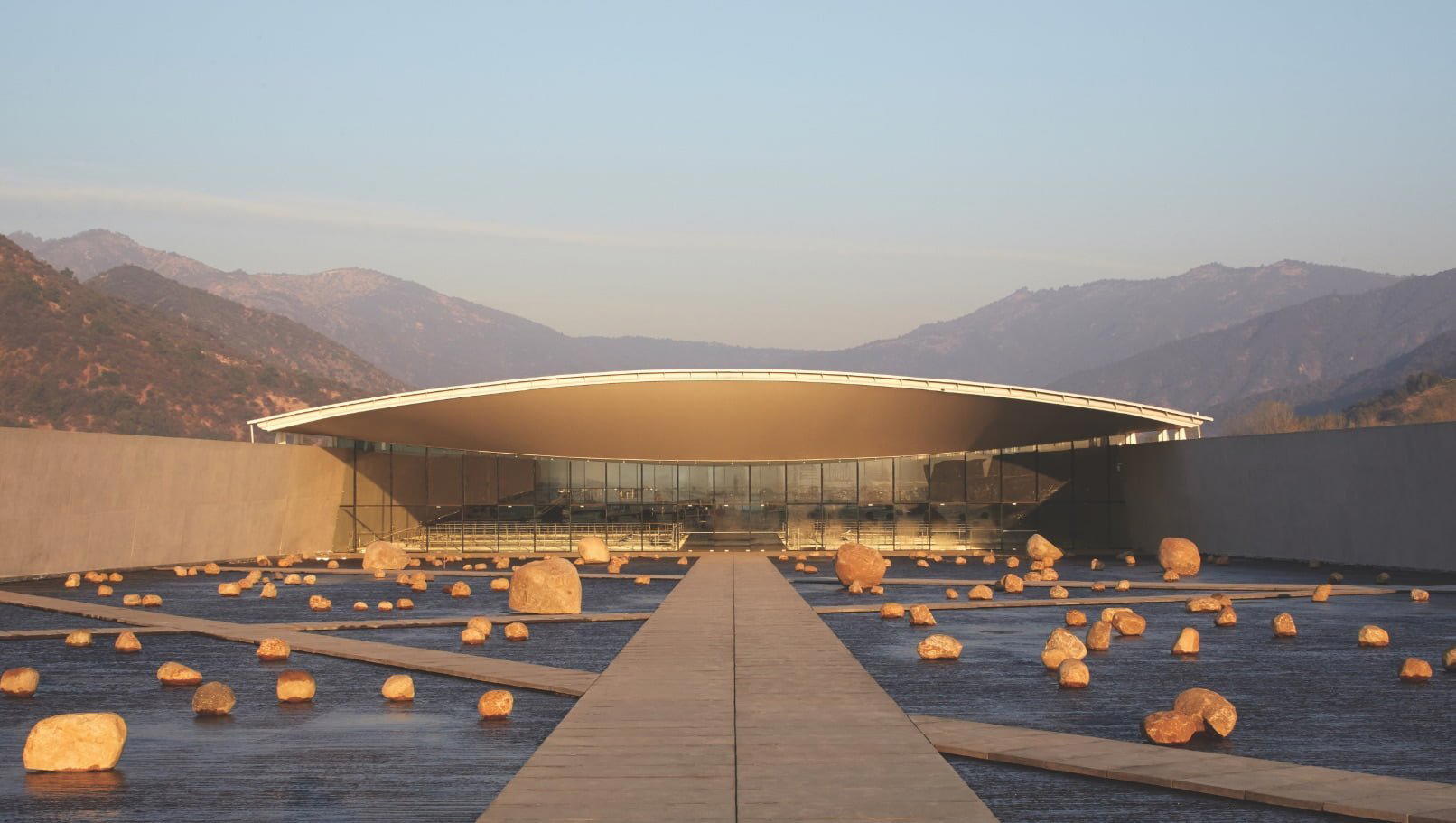
Viña VIK
San Vicente De Tagua Tagua, Chile
Viña VIK is a winery in Chile's Millahue Valley near San Vicente de Tagua Tagua.
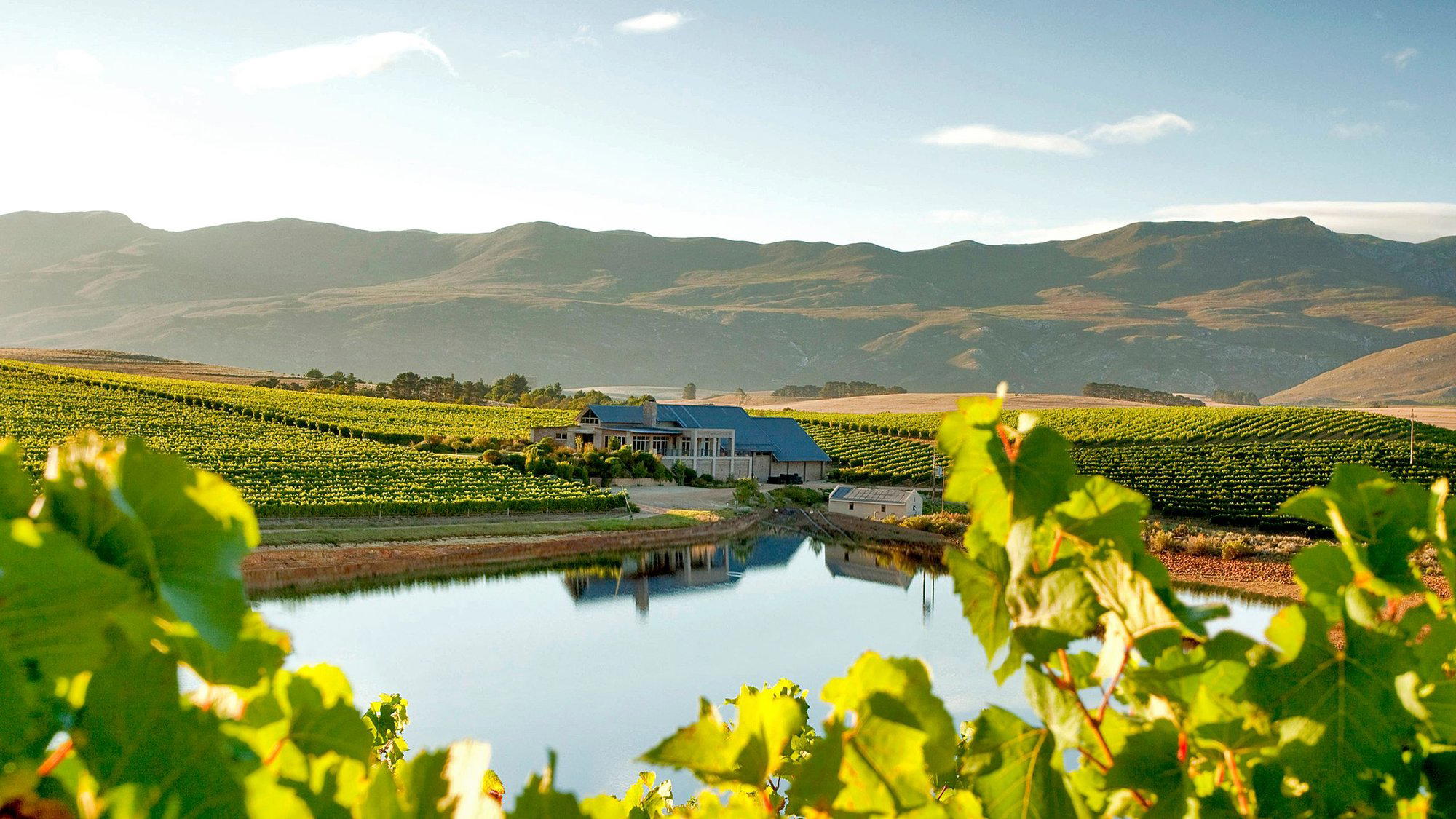
Creation Wines
Hermanus, South Africa
Creation Wines is a winery on Hemel-en-Aarde Road near Hermanus.
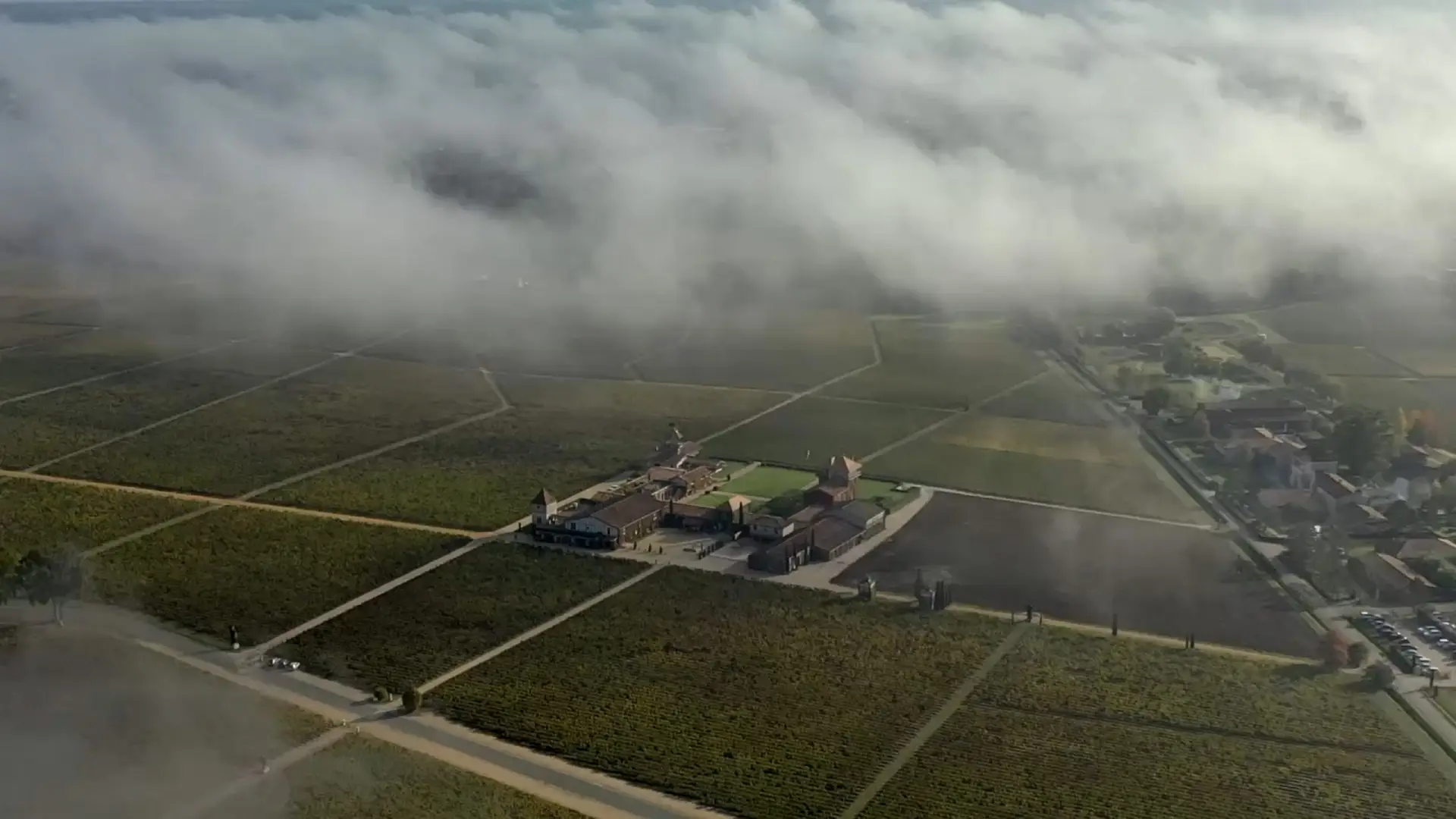
Château Smith Haut Lafitte
Martillac, France
Château Smith Haut Lafitte is a wine estate in Martillac in the Pessac-Léognan appellation.
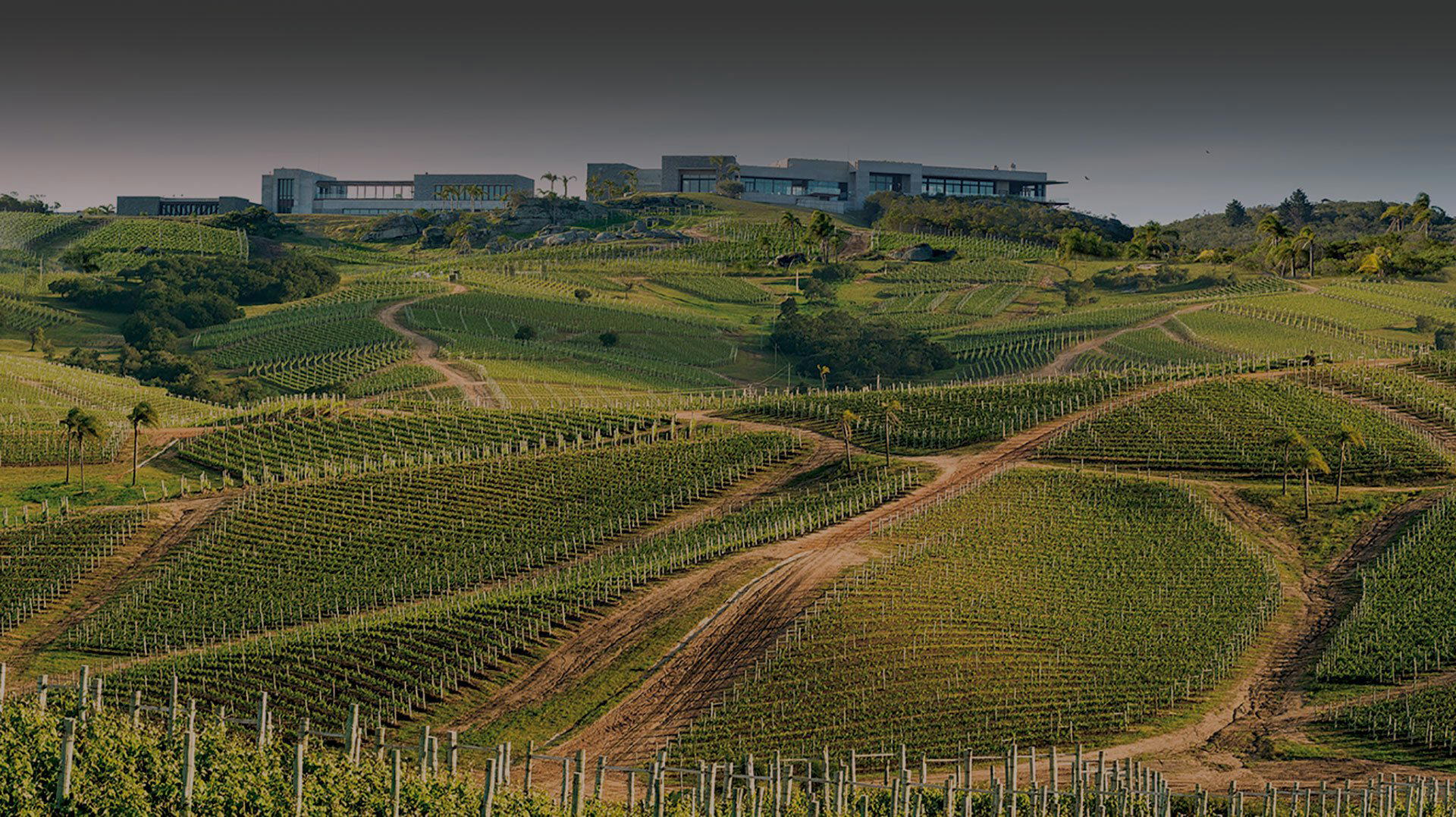
Bodega Garzón
Maldonado, Uruguay
Bodega Garzón is a winery in Uruguay's Maldonado department.
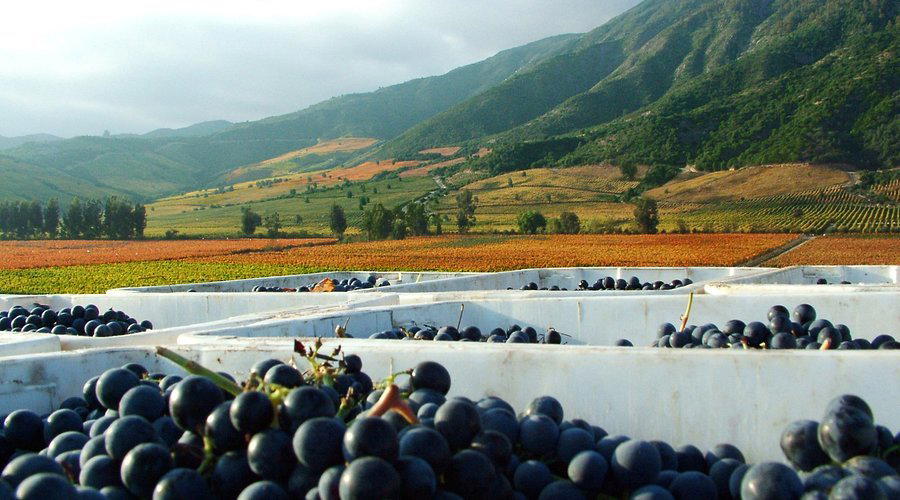
Viña Montes
Santa Cruz, Chile
Viña Montes is a winery in Chile's Colchagua Valley.
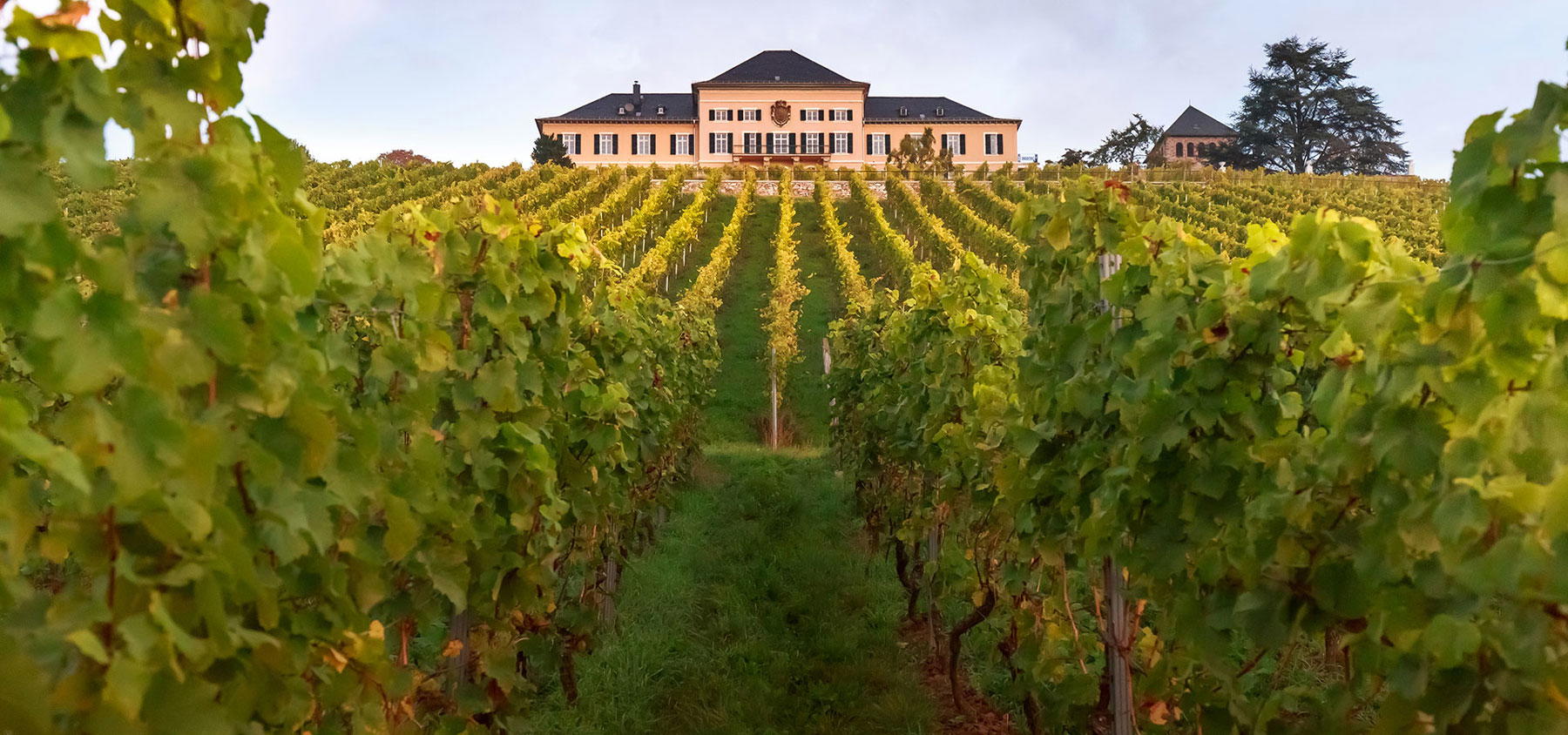
Schloss Johannisberg
Geisenheim-Johannisberg, Germany
Schloss Johannisberg is a Riesling wine estate in Geisenheim-Johannisberg in Germany's Rheingau region.
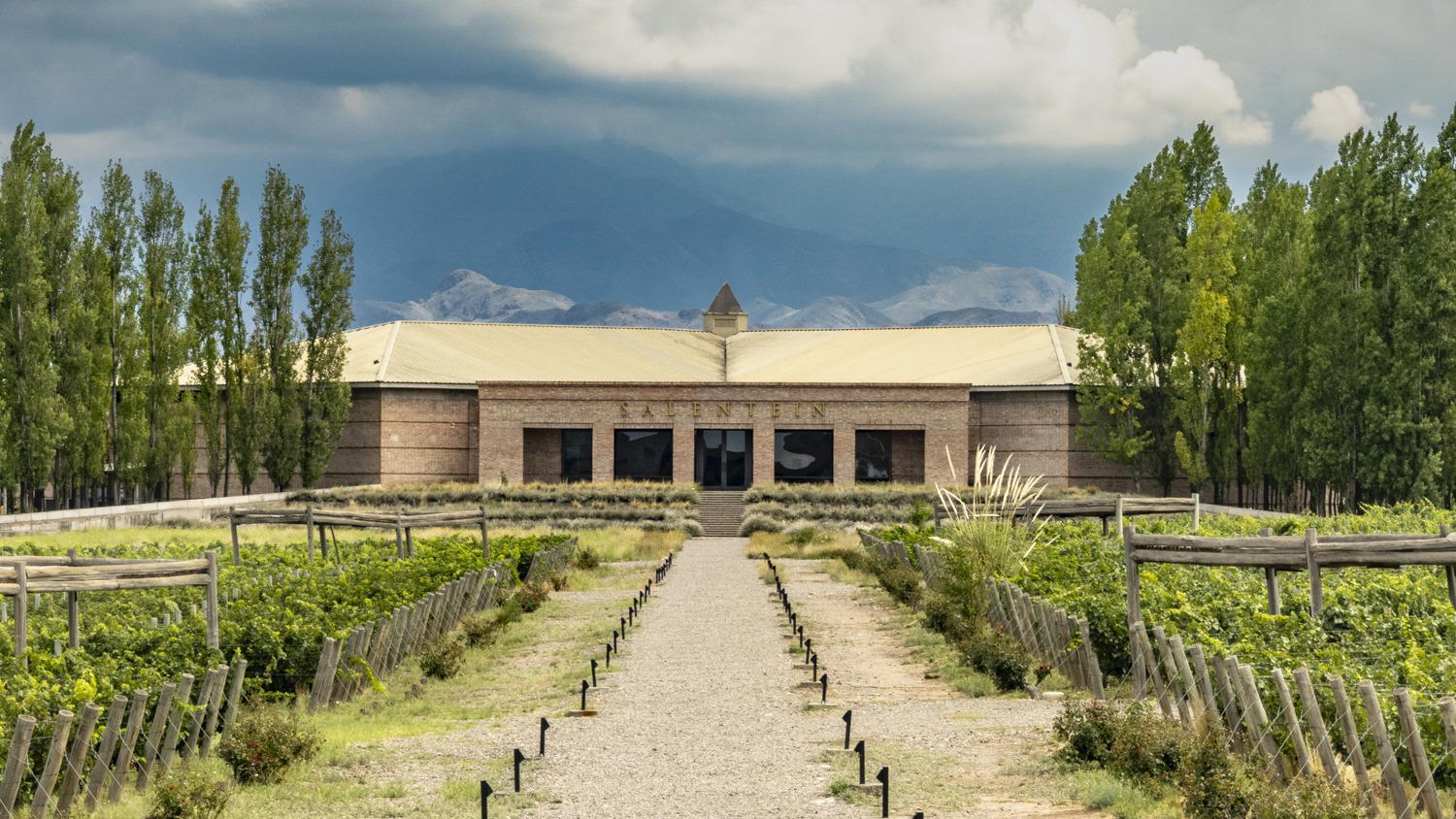
Bodegas Salentein
Tunuyán, Argentina
Bodegas Salentein is a winery near Tunuyán in Mendoza's Uco Valley.
El Enemigo (Casa Vigil)
Maipú, Argentina
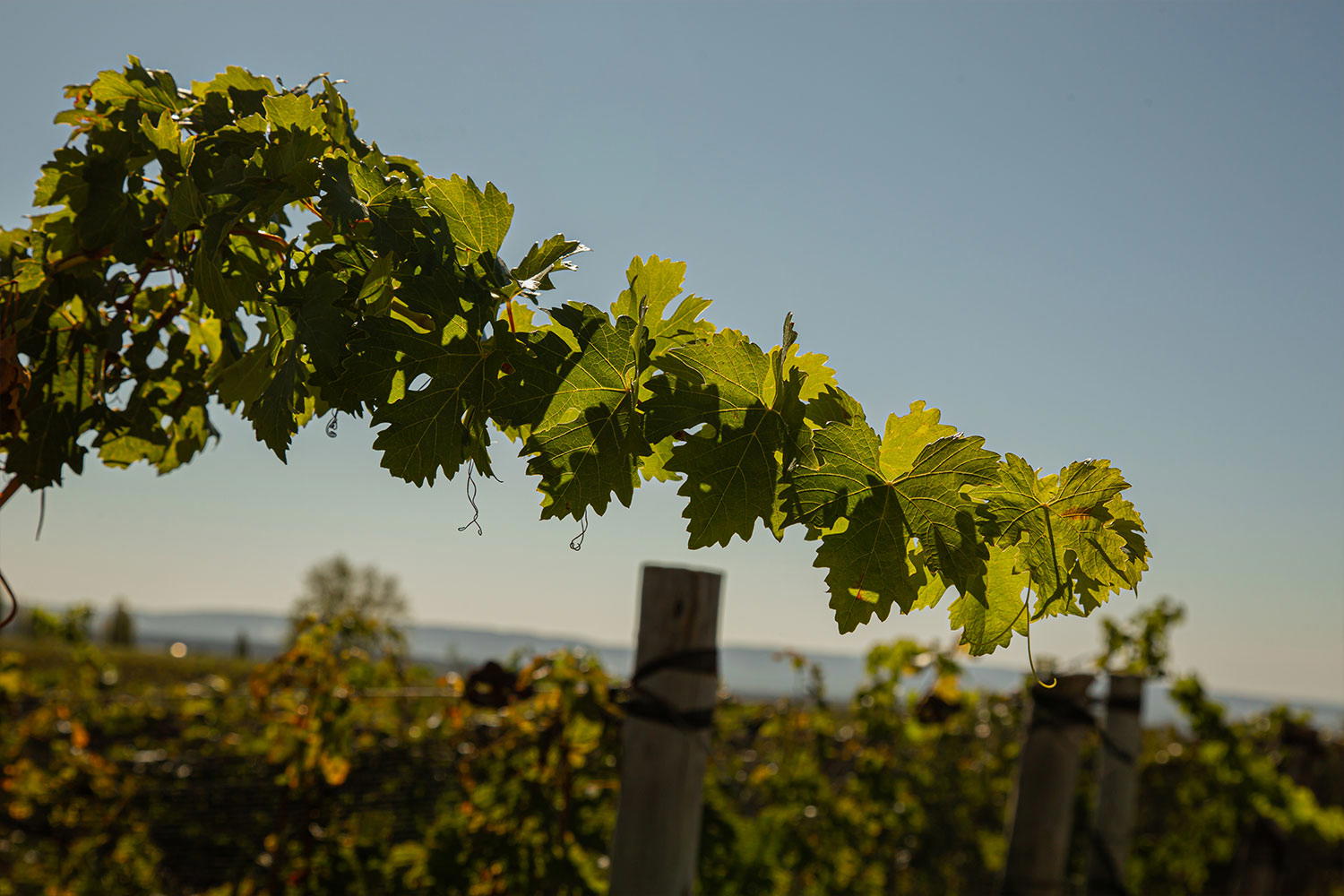
Book El Enemigo (Casa Vigil) if the Mendoza trip needs one high-conviction winery anchor with serious recognition. The World's 50 Best Vineyards #10 ranking in 2023 makes it a stronger choice for wine-focused travelers than for casual, flexible tasting days. Plan early and keep Maipú alternatives ready.
Rippon Vineyard
Wānaka, New Zealand
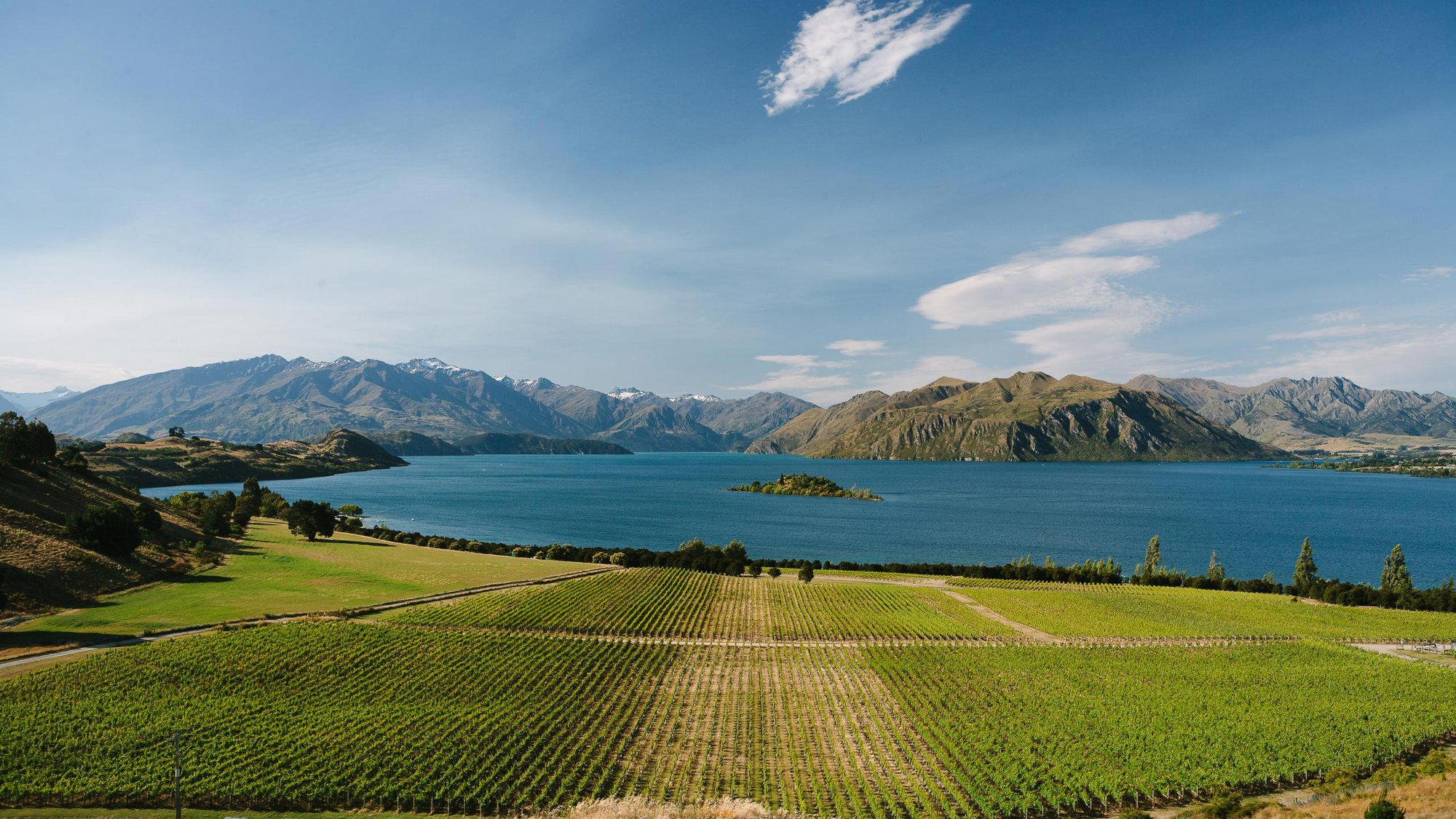
Rippon Vineyard is a winery on Wanaka-Mount Aspiring Road in Wānaka.
Weingut Dr. Loosen
Bernkastel-Kues, Germany
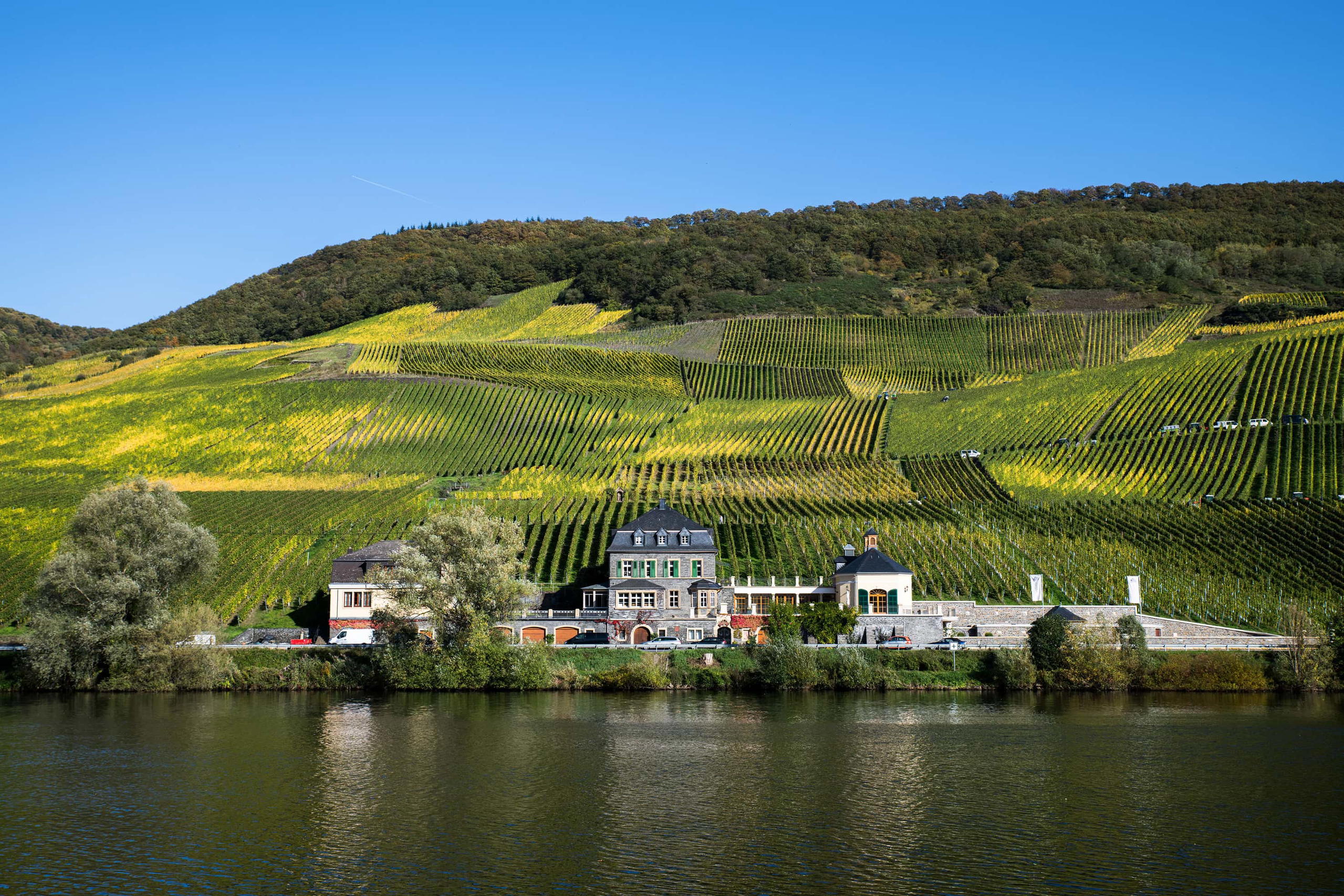
Dr. Loosen is a wine estate in Bernkastel-Kues in Germany's Mosel region.
DURIGUTTI Family Winemakers
Luján de Cuyo, Argentina
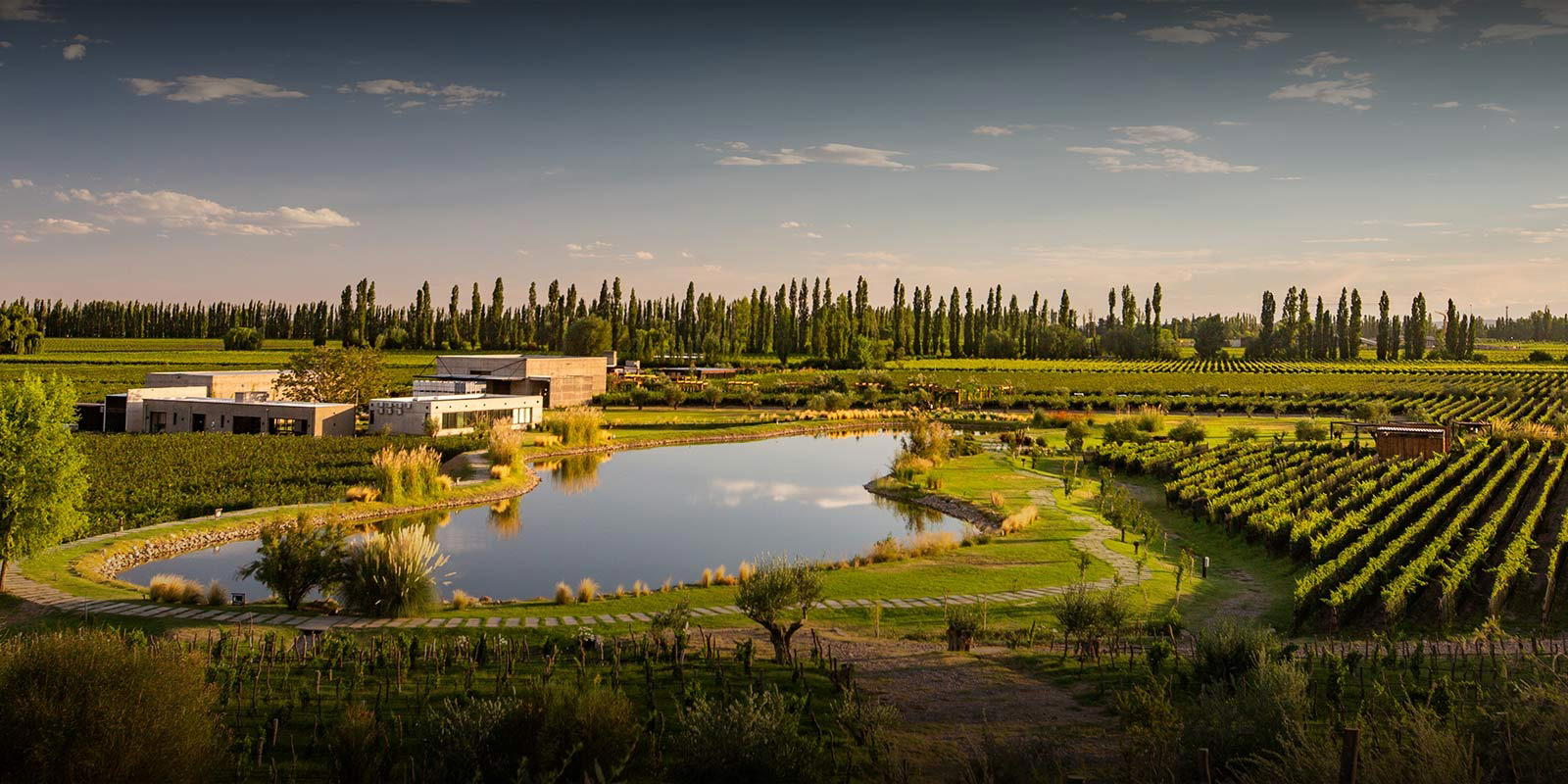
Prioritize Durigutti Winemakers if the goal is a serious Luján de Cuyo winery visit with strong recognition, including World's 50 Best Vineyards #10 in 2024. It is better for travelers building a planned Mendoza wine day than for anyone looking for a casual, flexible drop-in tasting.
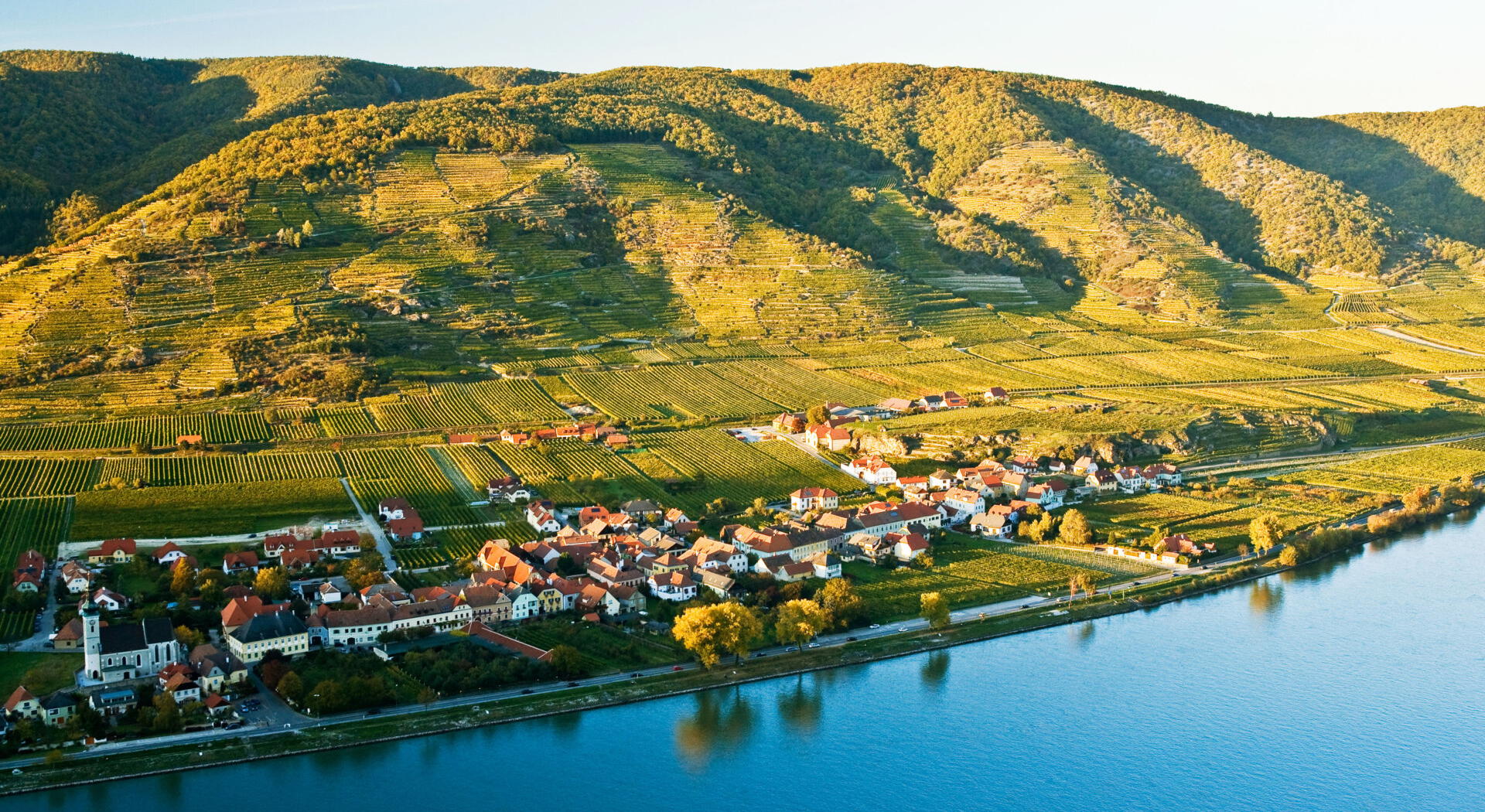
Domäne Wachau
Dürnstein, Austria
Domäne Wachau is a wine estate in Dürnstein, Austria.
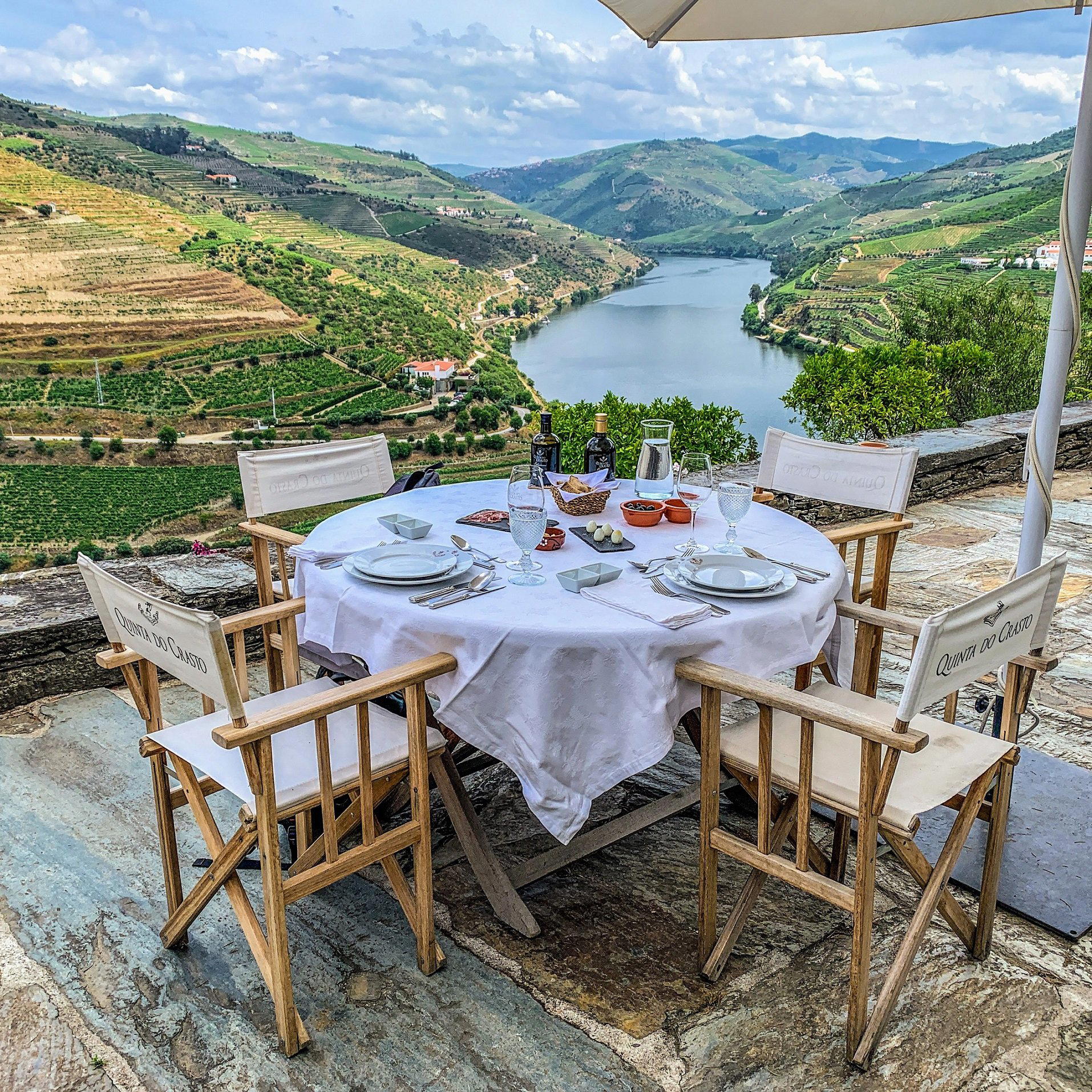
Quinta do Crasto
Sabrosa, Portugal
Quinta do Crasto is a wine estate in Portugal's Douro region near Sabrosa.
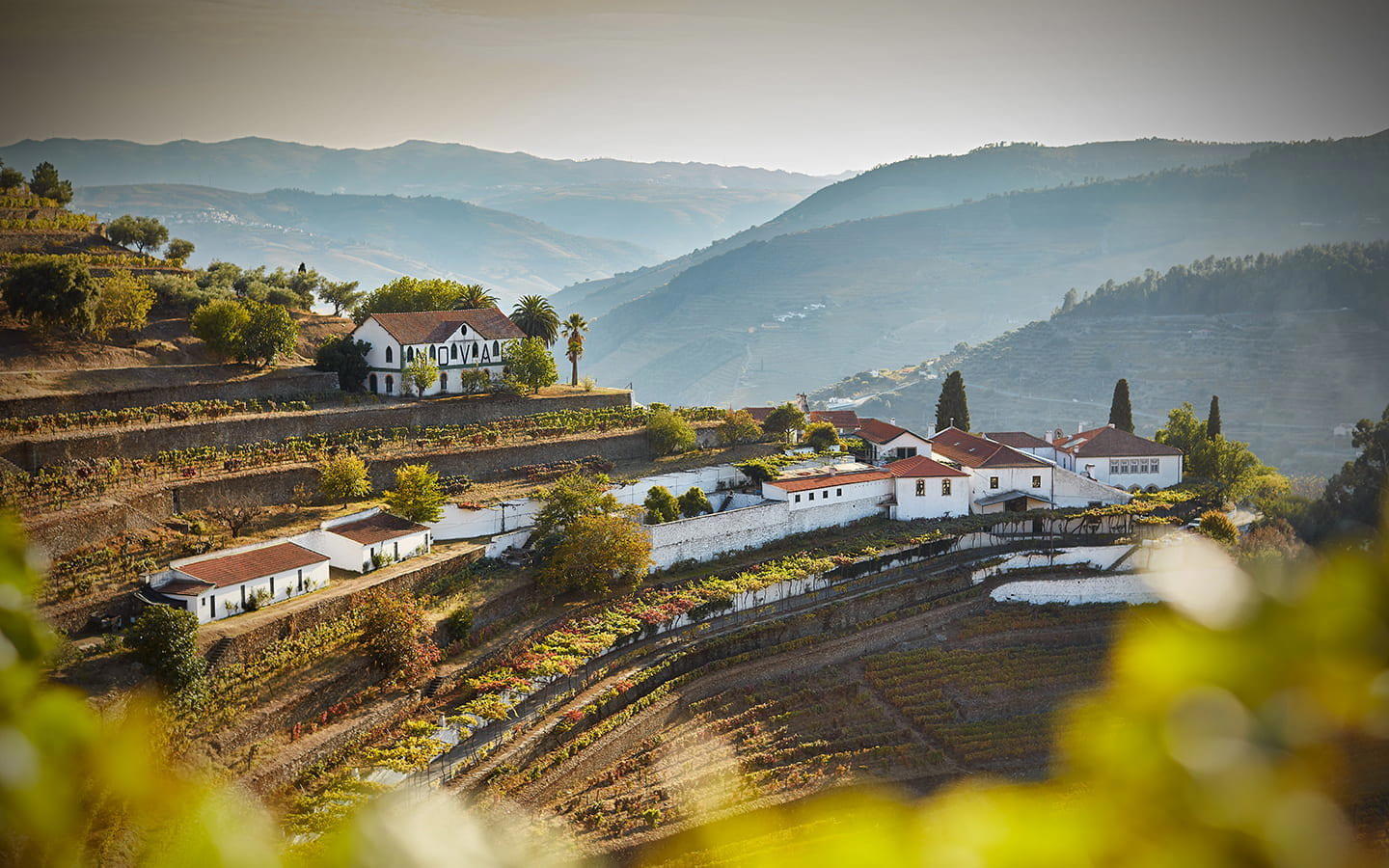
Quinta do Noval
Pinhão, Portugal
Plan Quinta do Noval as a priority Douro visit, not a casual extra between stops. It suits special-occasion travellers and Port-focused groups who care about producer reputation, with Pearl 4 Star Prestige recognition and a World's 50 Best Vineyards #48 placement adding useful trust signals.
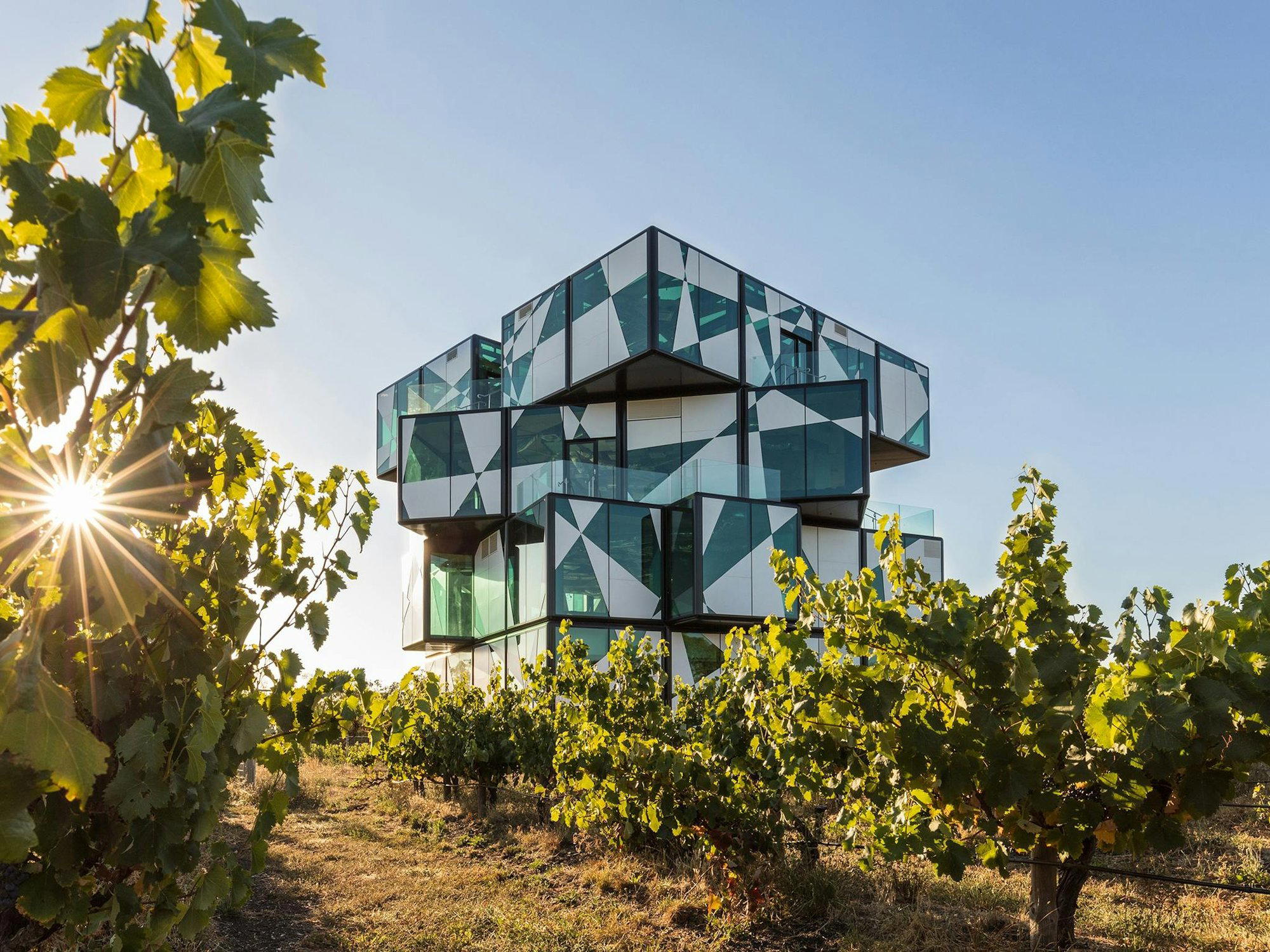
d'Arenberg
McLaren Vale, Australia
d'Arenberg is worth prioritising if you want a recognised McLaren Vale winery to anchor the day, especially for a first visit or wine-focused itinerary. It is less suited to a loose, low-commitment tasting crawl; cross-shop S.C. Pannell, Kay Brothers, Mollydooker, or Oliver's Taranga if flexibility matters more.
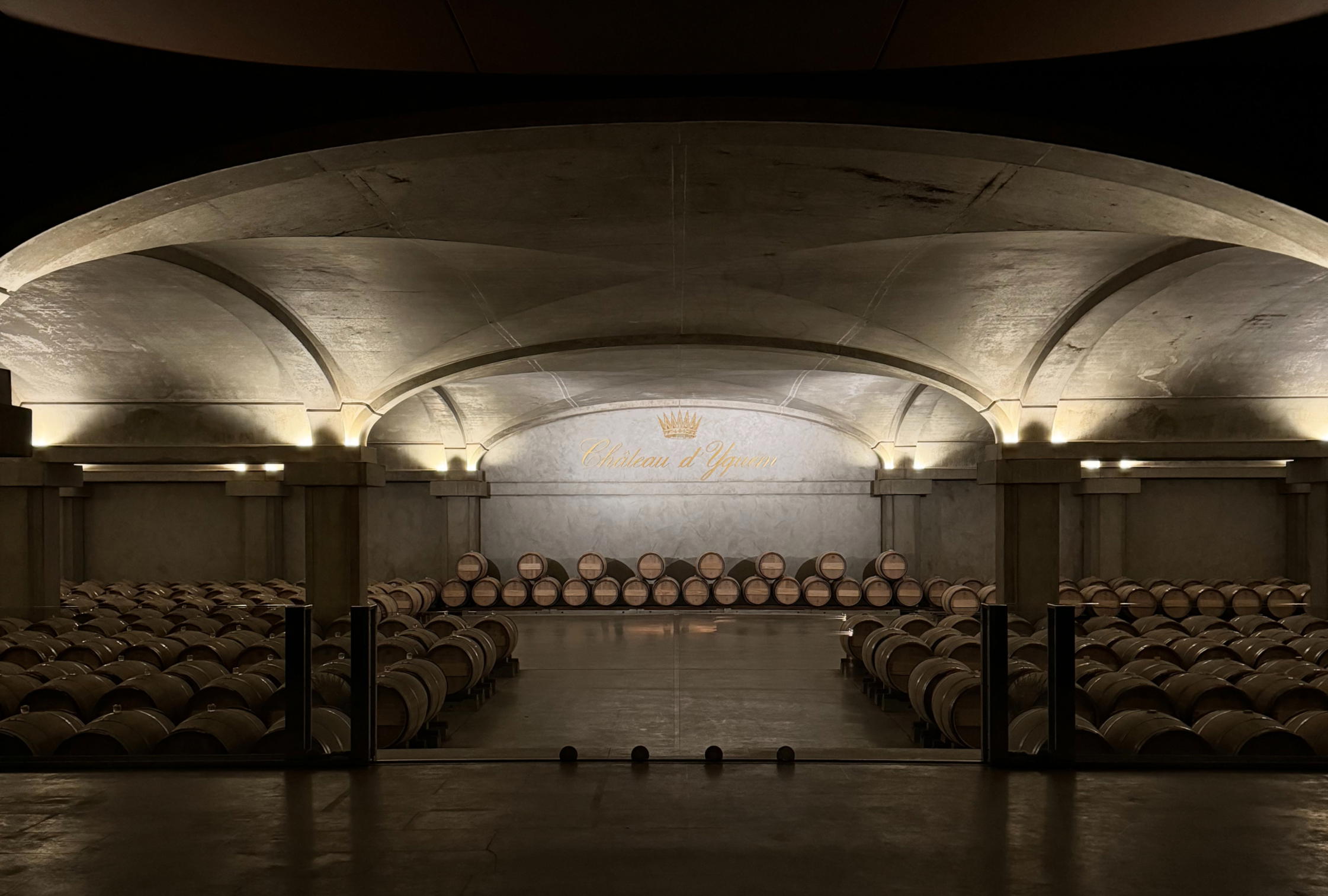
Château d'Yquem
Sauternes, France
Château d'Yquem is a wine estate in Sauternes, France.
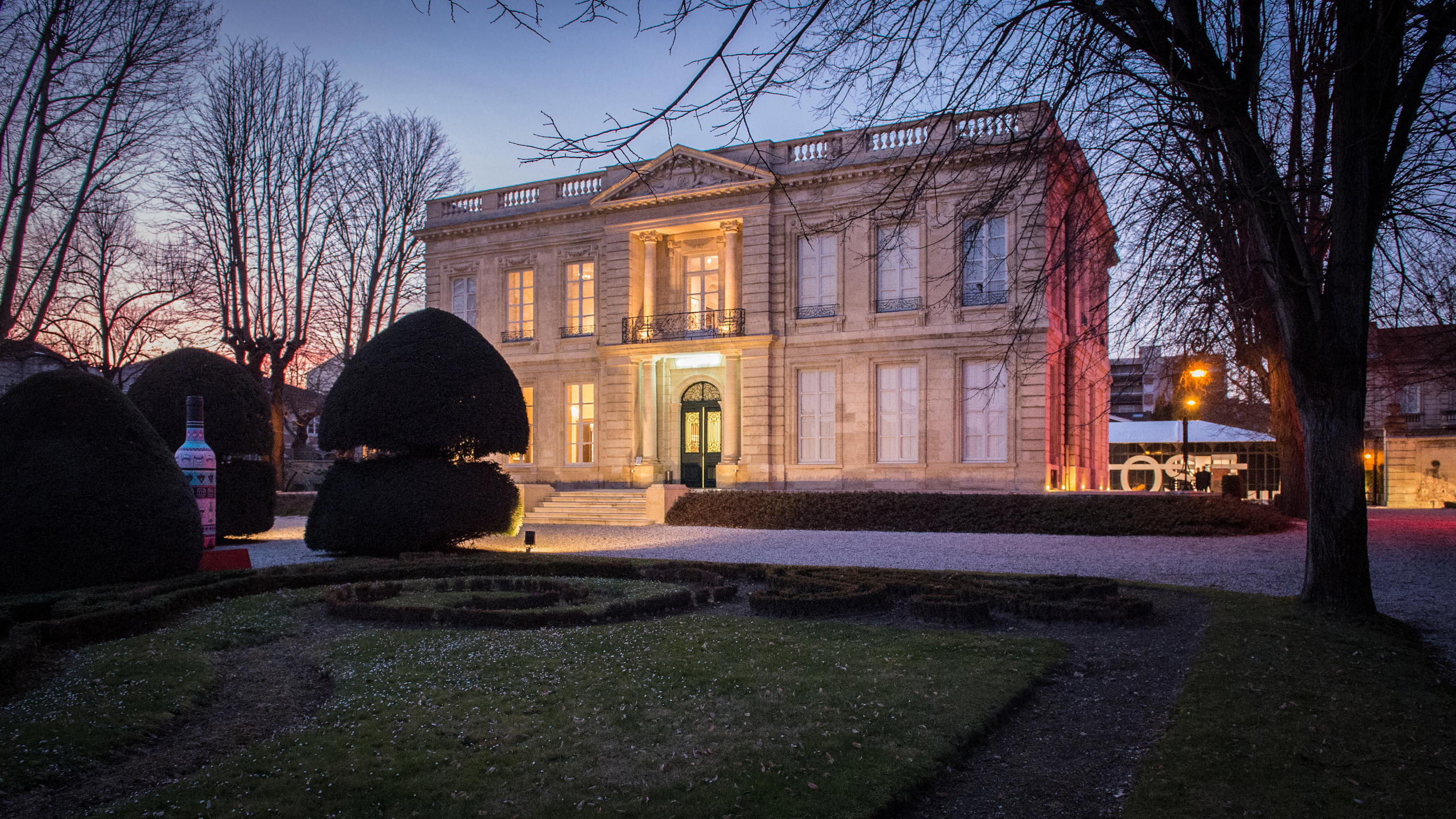
Château Pape Clement
Pessac, France
Château Pape Clément is a wine estate in Pessac, Bordeaux.

Jordan Vineyard & Winery
Healdsburg, United States
Jordan Vineyard & Winery is the Healdsburg pick for travelers who want a polished Alexander Valley estate visit rather than a casual downtown tasting-room stop. Book it when wine context and a food-pairing format matter more than flexibility; choose Banshee Wines or Simi Winery instead if the group needs an easier, lower-friction Healdsburg option.
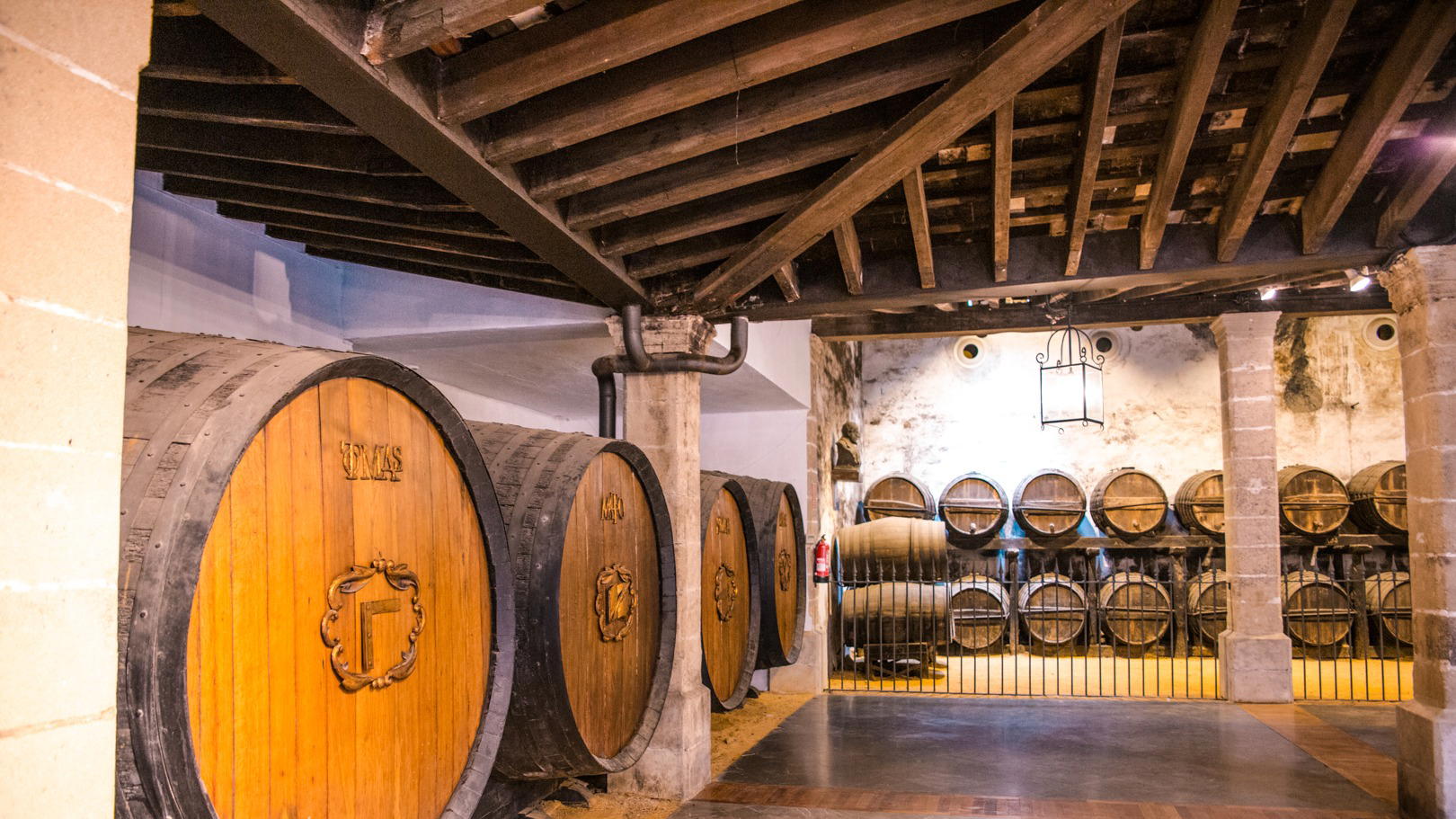
González Byass (Tío Pepe)
Jerez, Spain
González Byass (Tío Pepe) is the Jerez bodega to prioritize when the trip needs a high-recognition sherry anchor rather than a casual tasting stop. It is a stronger fit for planned itineraries, repeat visitors, and mixed-knowledge groups than for anyone trying to improvise a quick visit between meals.
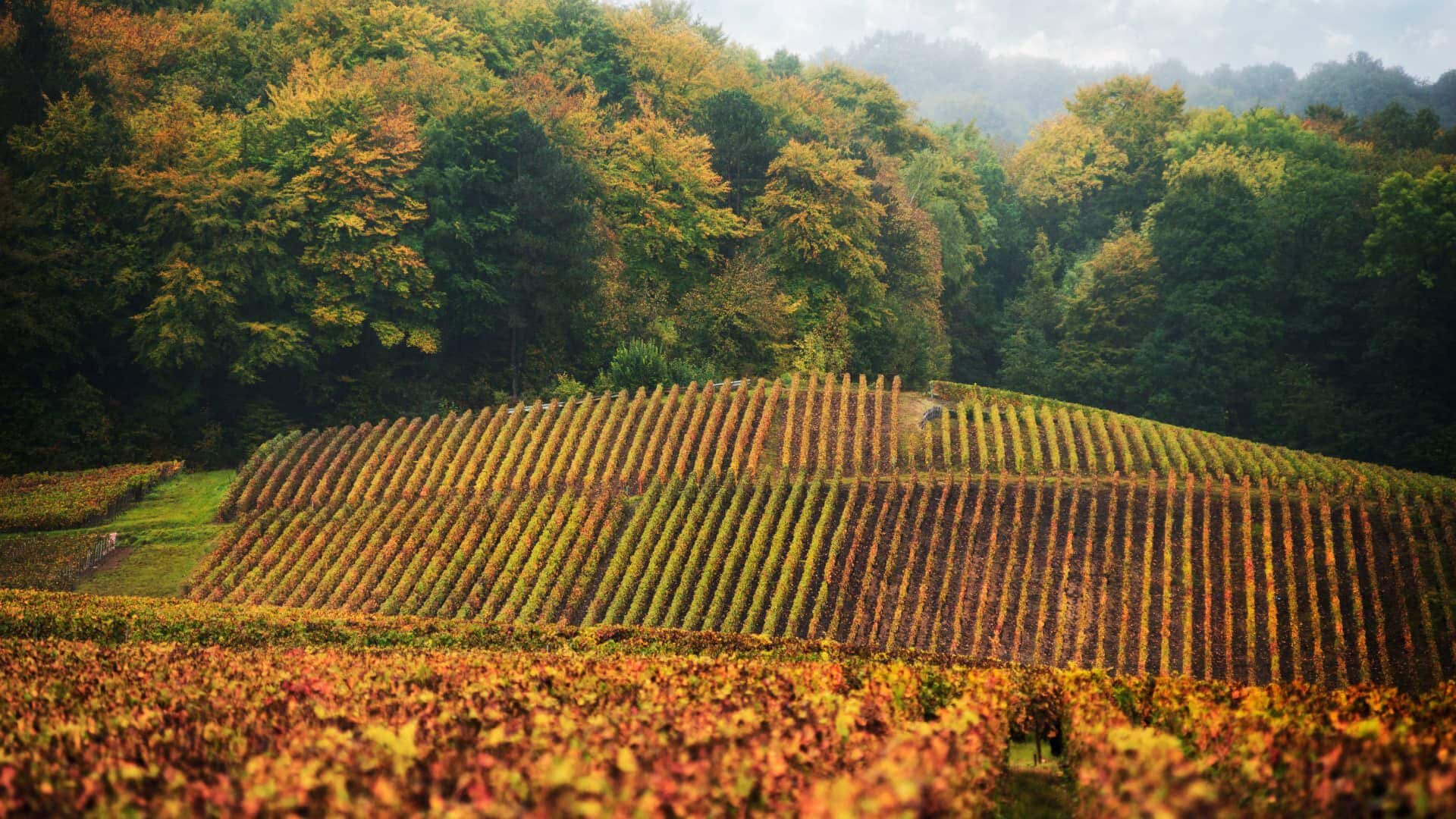
Ruinart
Reims, France
Ruinart is a Champagne house on Rue des Crayères in Reims.
Bollinger
Aÿ, France
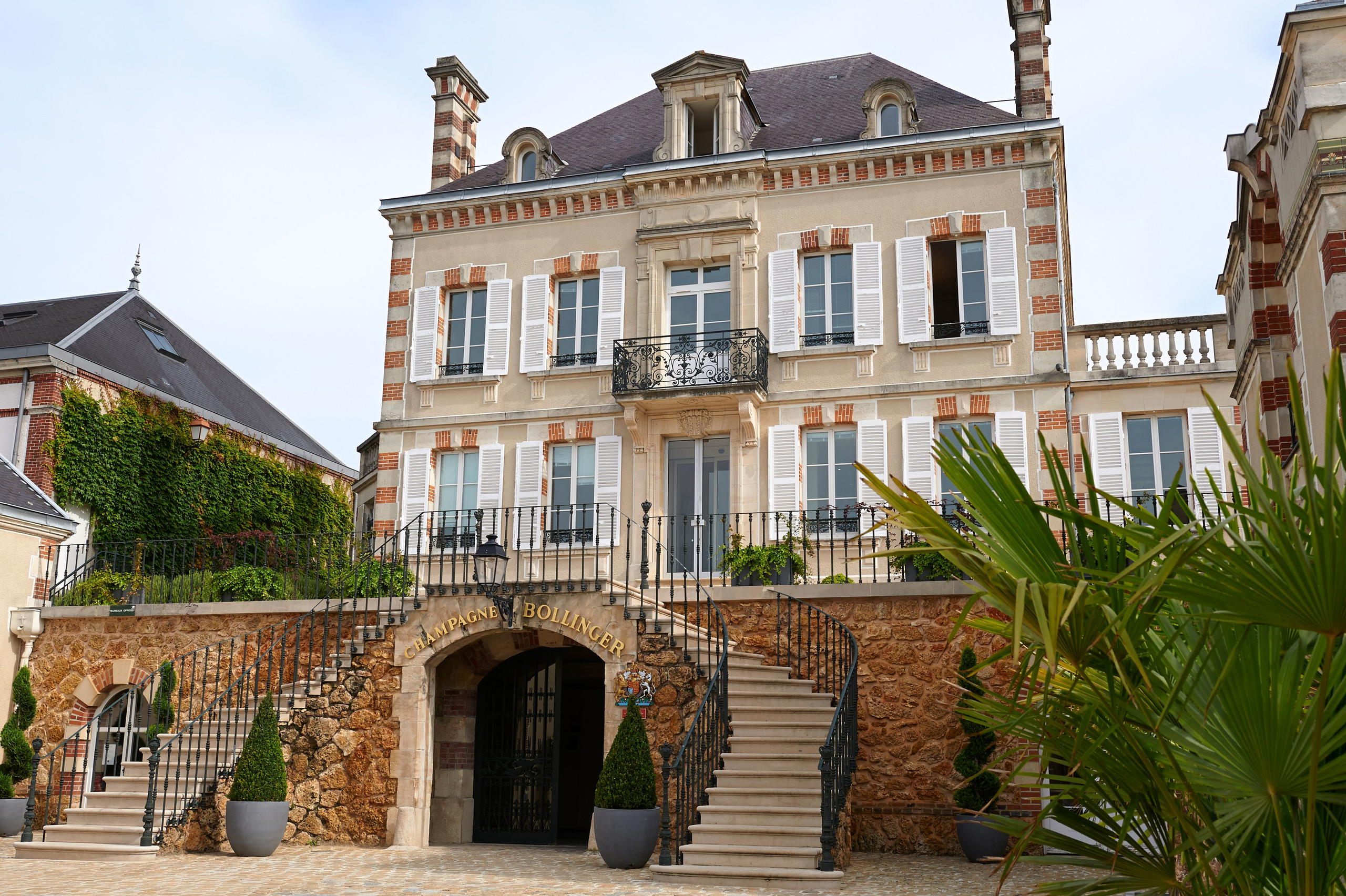
Bollinger offers bookable cellar tours and tastings in Aÿ through its 1829 app. Go for a look at its Pinot Noir-led range, then compare Special Cuvée with a PN edition or a current vintage release.
Bodega Colomé
Molinos, Argentina
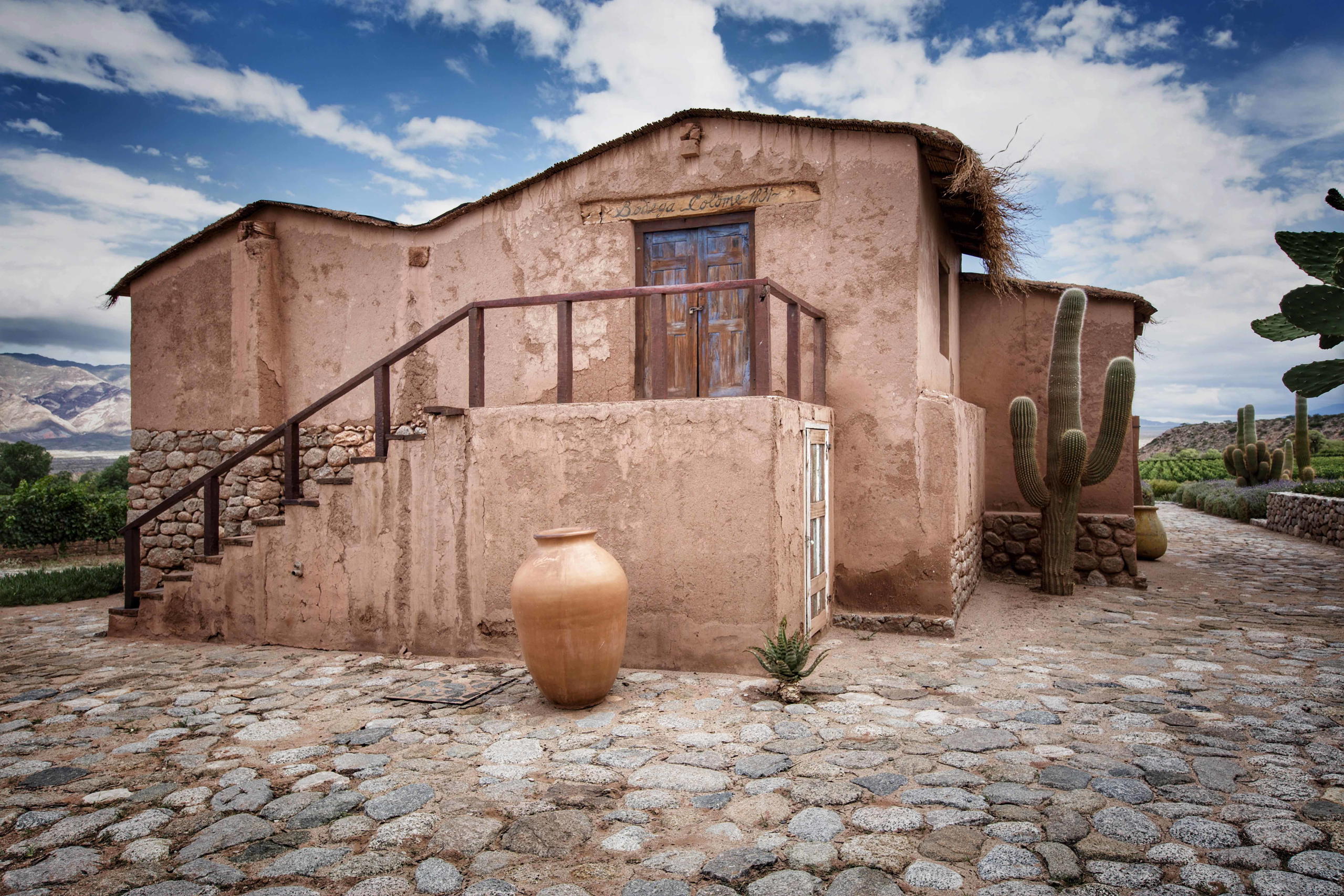
Bodega Colomé is worth targeting if the winery is the point of the day, not a casual add-on. Its international recognition gives serious wine travelers a clear reason to make the Molinos detour, but the rural location and difficult booking profile mean Cafayate alternatives may suit easier tasting itineraries better.
Viñedos de Alcohuaz
Santiago, Chile
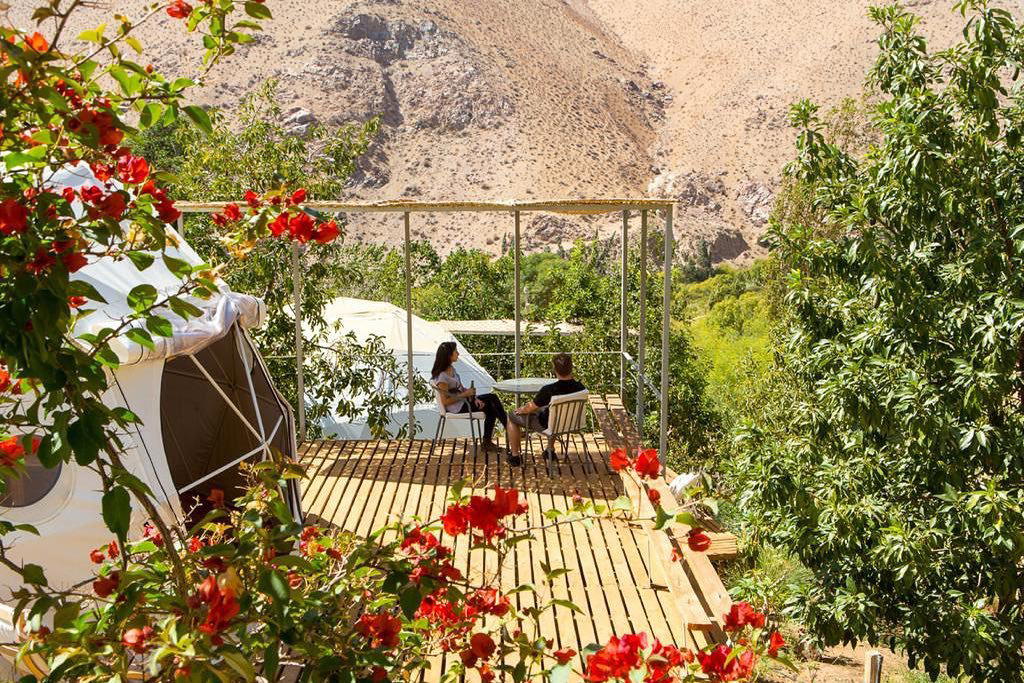
Prioritise Viñedos de Alcohuaz if the trip is wine-led and the Elqui Valley detour is part of the appeal. Its recognition, including World's 50 Best Vineyards #25 in 2023, makes it a stronger choice for serious wine travellers than for groups seeking an easy, food-first day out.
Henschke
Keyneton, Australia
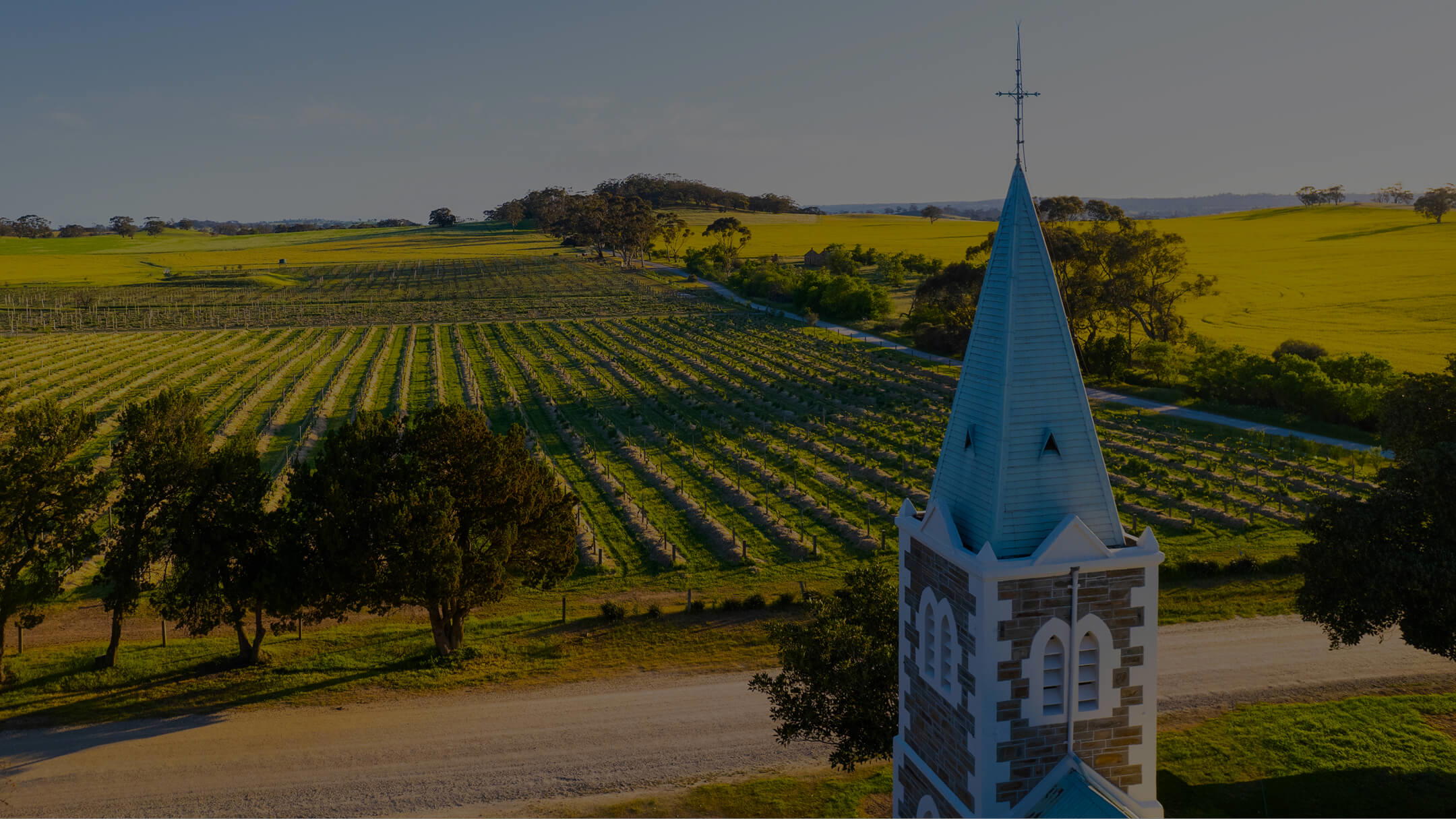
Henschke is the Keyneton pick for a serious wine-led occasion, not the easiest casual winery stop. Prioritise it if access to the producer matters more than flexible logistics; cross-shop Yalumba or Wolf Blass if the group needs a broader, easier day out.
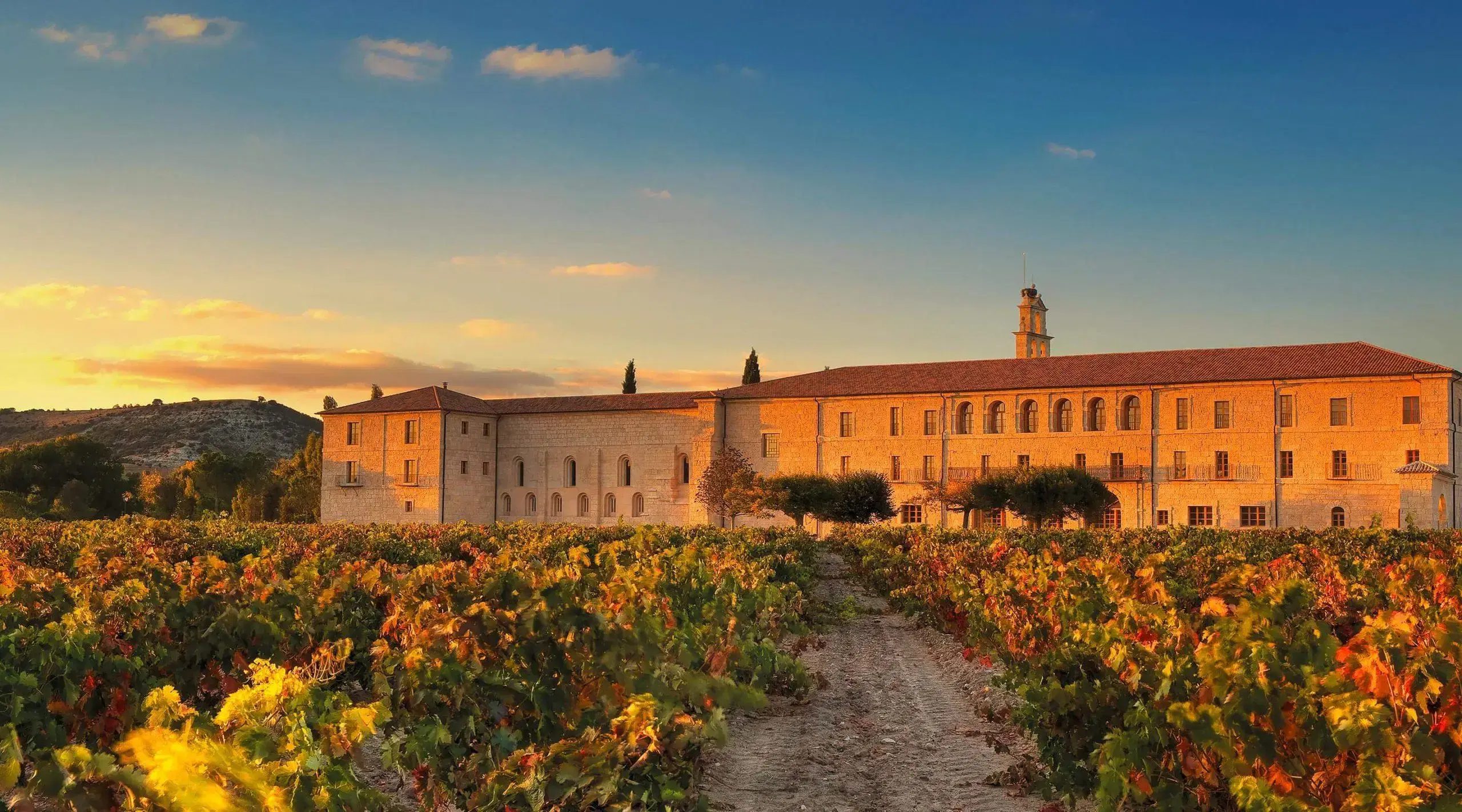
Abadía Retuerta
Sardón de Duero, Spain
Abadía Retuerta is a winery in Sardón de Duero, Spain.
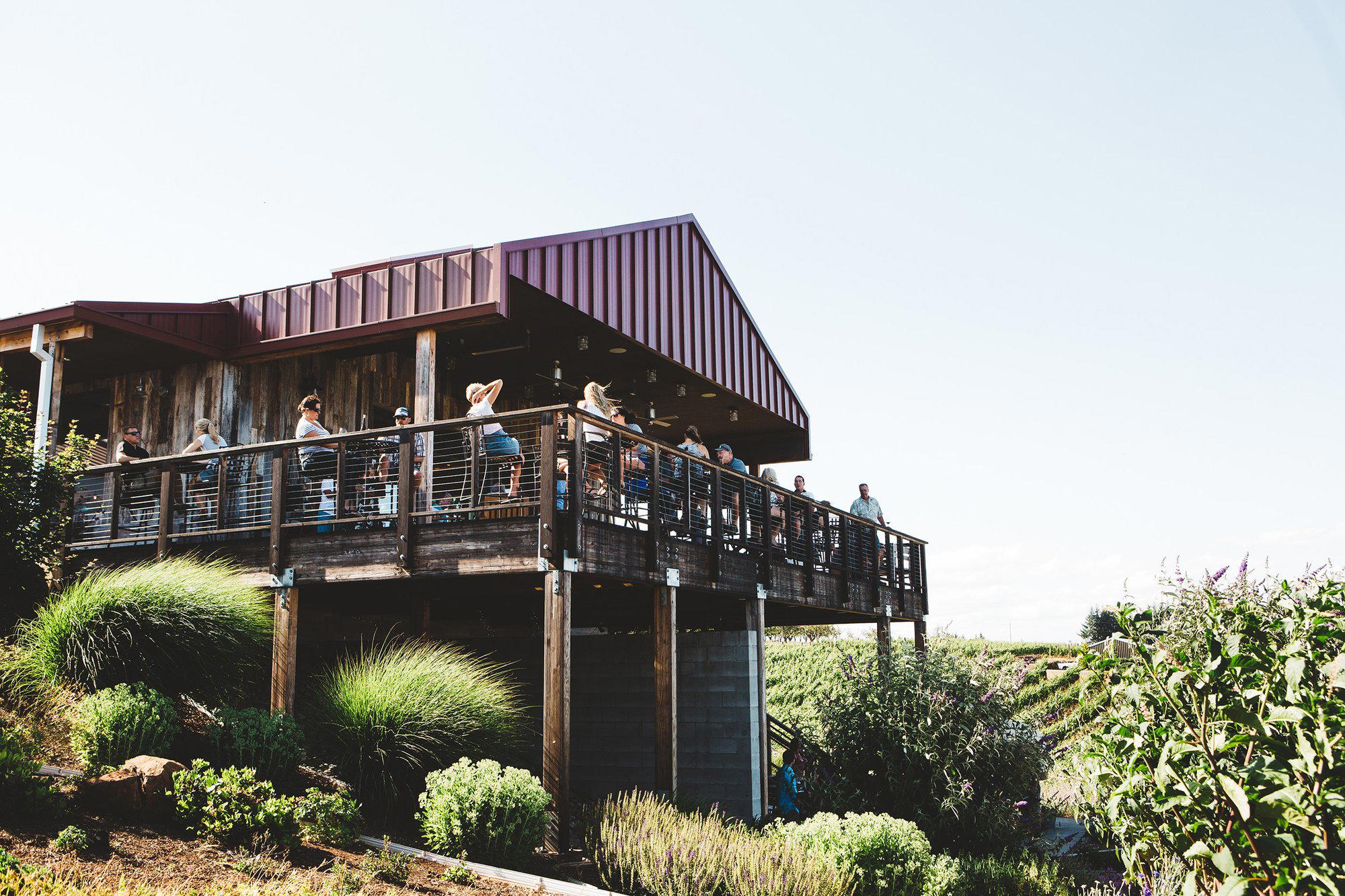
Brooks Winery
Amity, United States
Brooks Winery is worth prioritizing if the estate setting is part of the reason for the visit, not just the wine. In Amity, it suits a slower afternoon and mixed groups better than a rushed tasting-room crawl; cross-shop Antica Terra if the focus is a more intensive wine appointment.
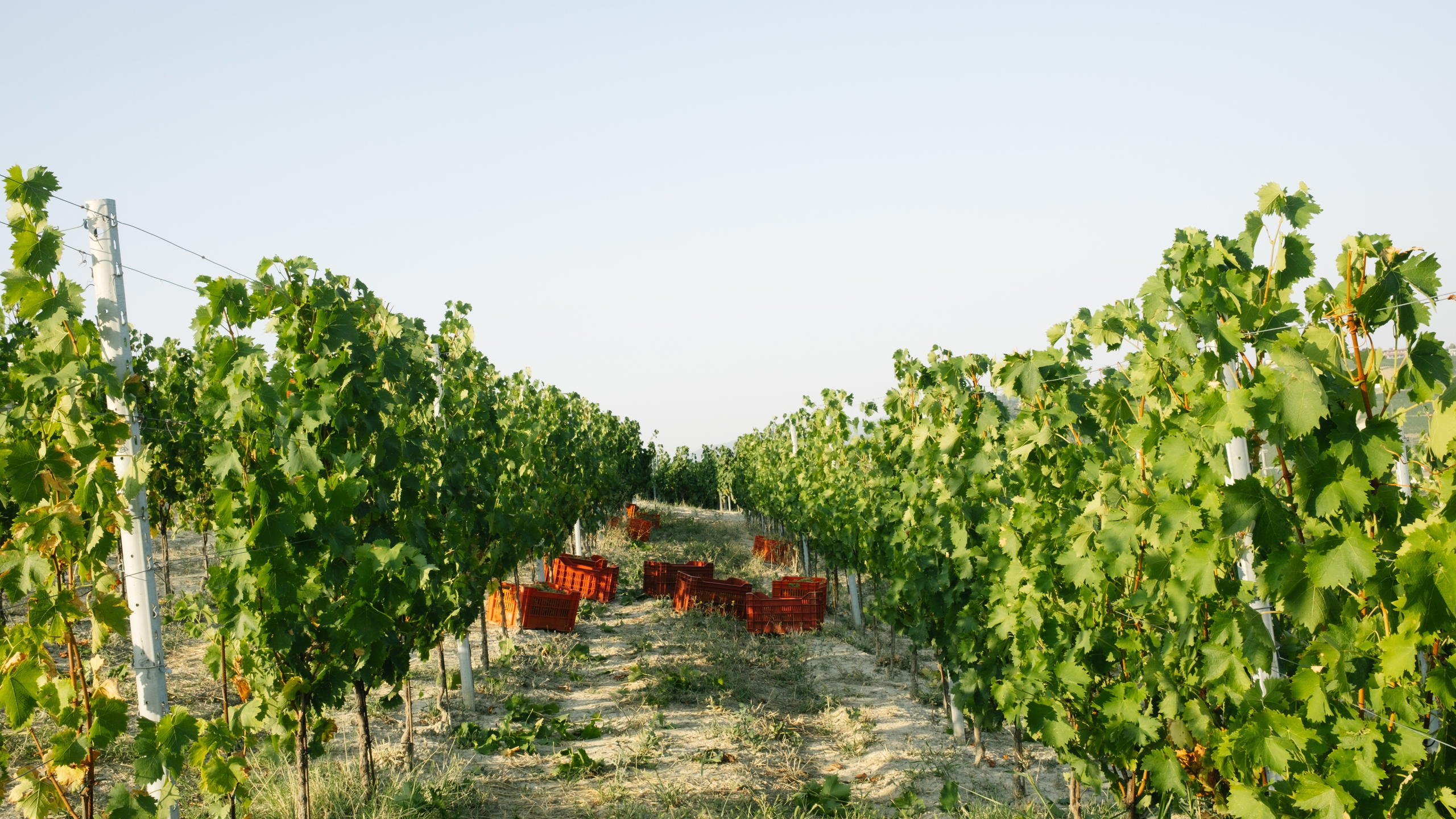
Ceretto
Alba, Italy
Prioritize Ceretto if Alba is a wine-led trip and you want a polished Langhe visit with serious external recognition. It is less suited to casual, last-minute tasting plans; compare Pio Cesare for an Alba-focused alternative or Distilleria Montanaro for a different drinks stop in town.
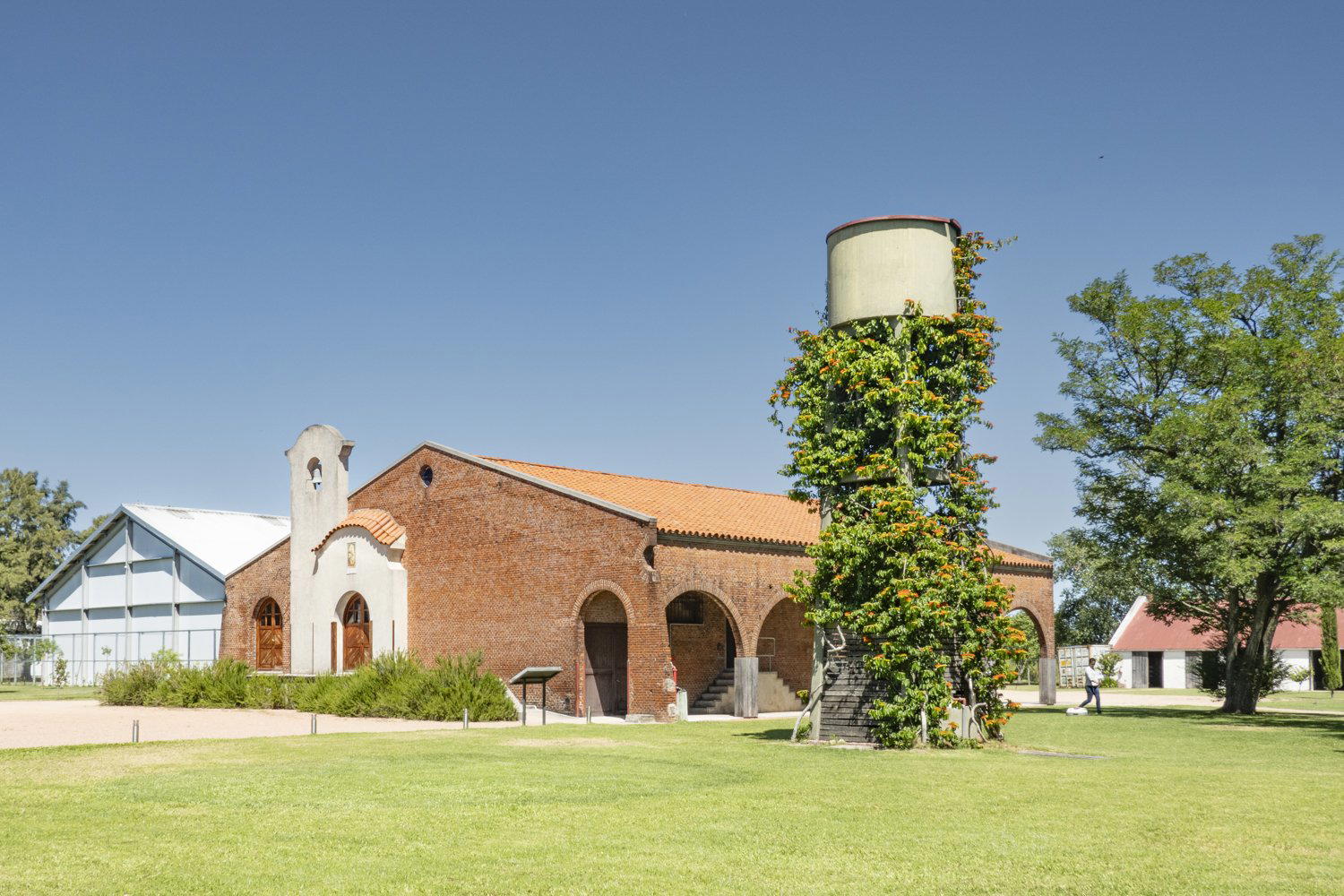
Bodega Bouza
Montevideo, Uruguay
Bodega Bouza is the Montevideo winery to prioritize when the visit itself is the main event, especially for a private or upgraded tasting. Its World's 50 Best Vineyards recognition makes it a safer flagship choice than a casual cellar-door stop, though Bodega Traversa is the easier cross-shop for a lower-commitment plan.
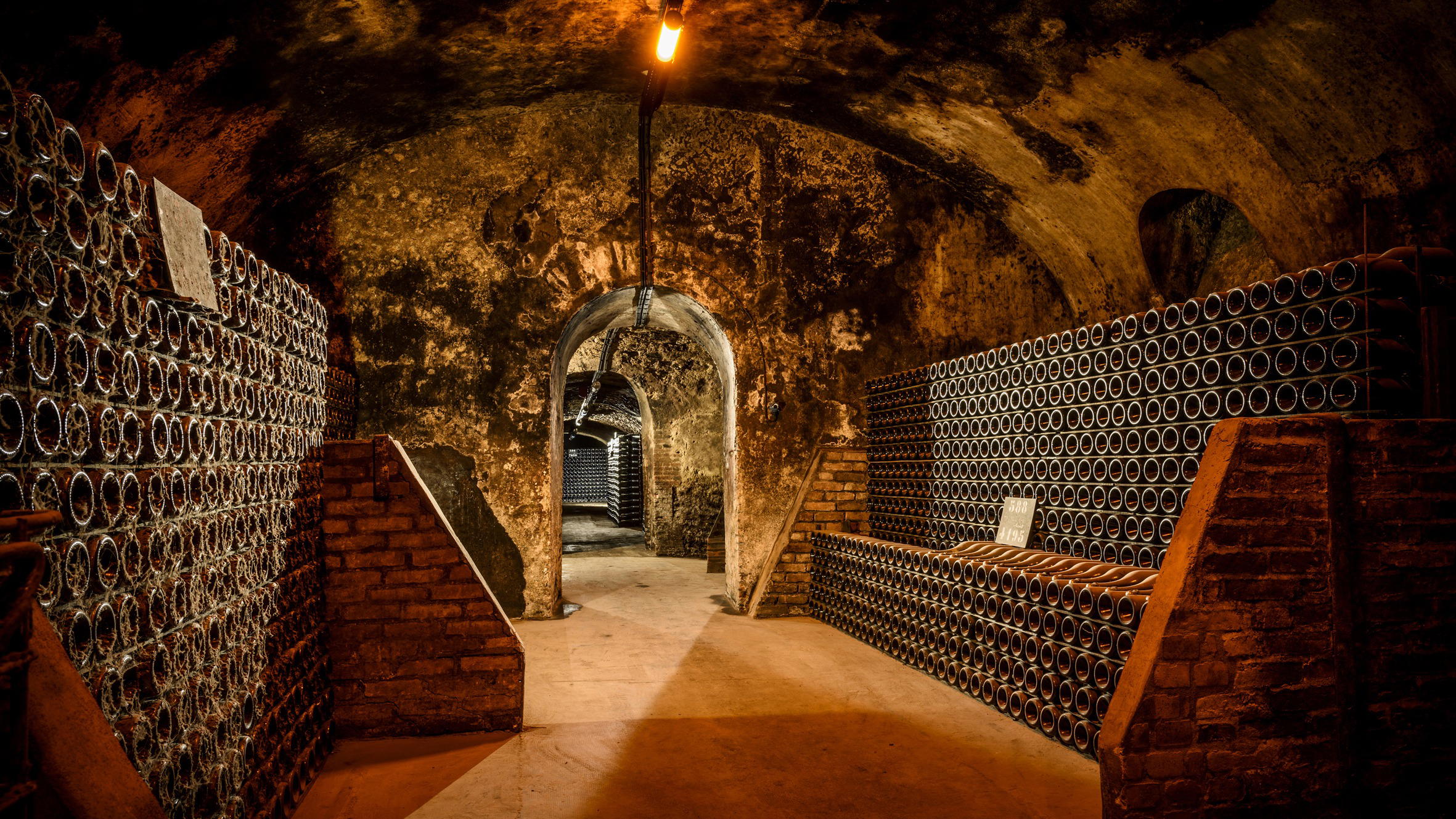
Billecart-Salmon
Aÿ, France
Billecart-Salmon in Mareuil-sur-Aÿ works best as a Champagne house, with Le Rosé, family history and a substantial vineyard footprint. Visits require a direct request and are limited; the house prioritizes trade professionals and loyal clients.
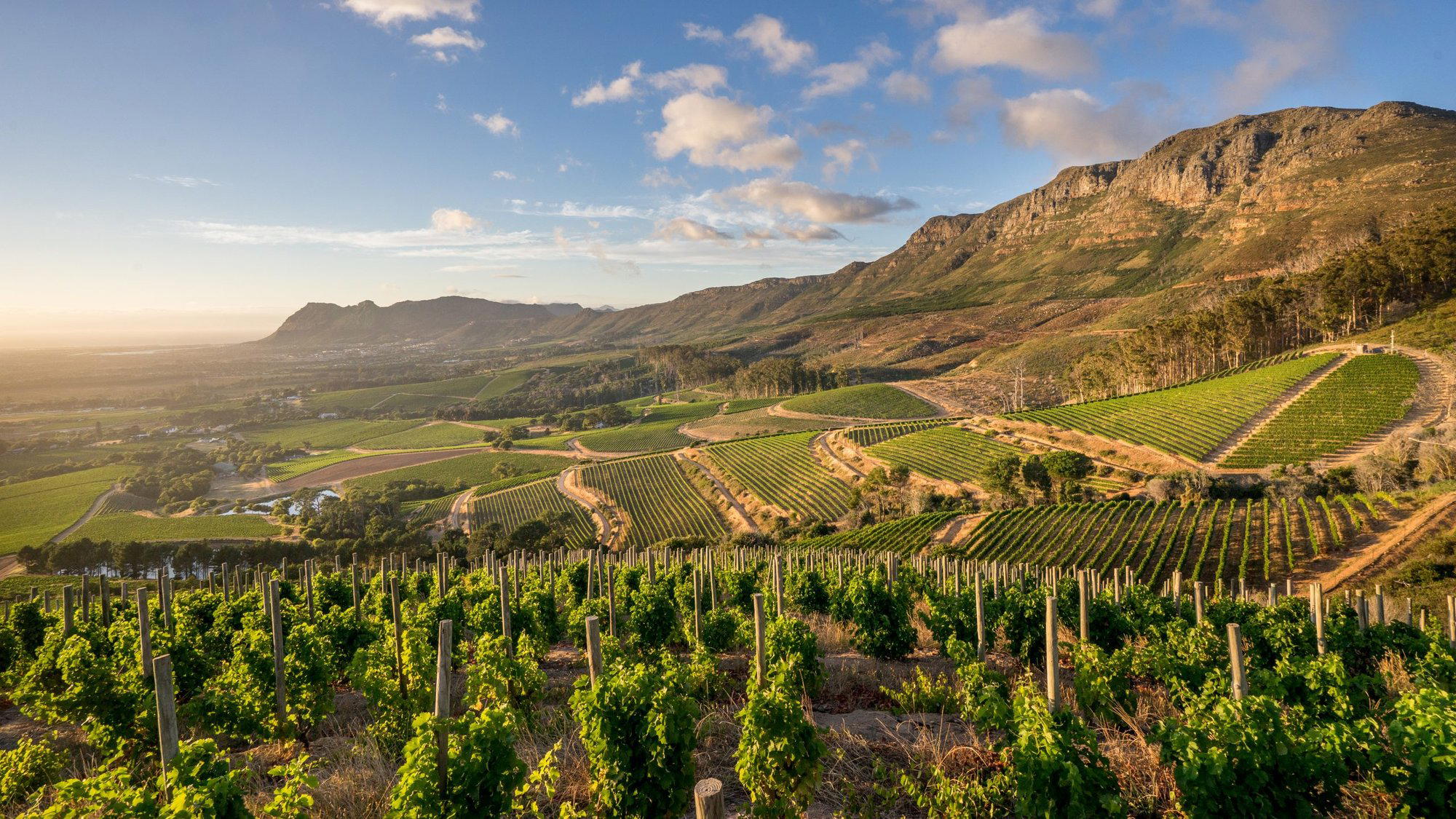
Klein Constantia
Cape Town, South Africa
Klein Constantia is a wine estate in Constantia, Cape Town.
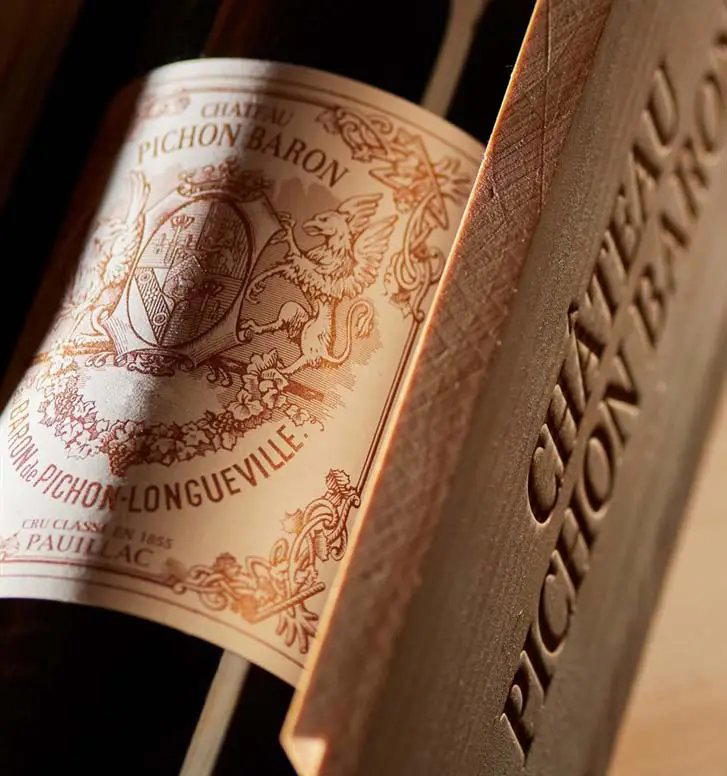
Château Pichon Longueville Baron
Pauillac, France
Château Pichon Longueville Baron is a winery in Pauillac, Bordeaux.
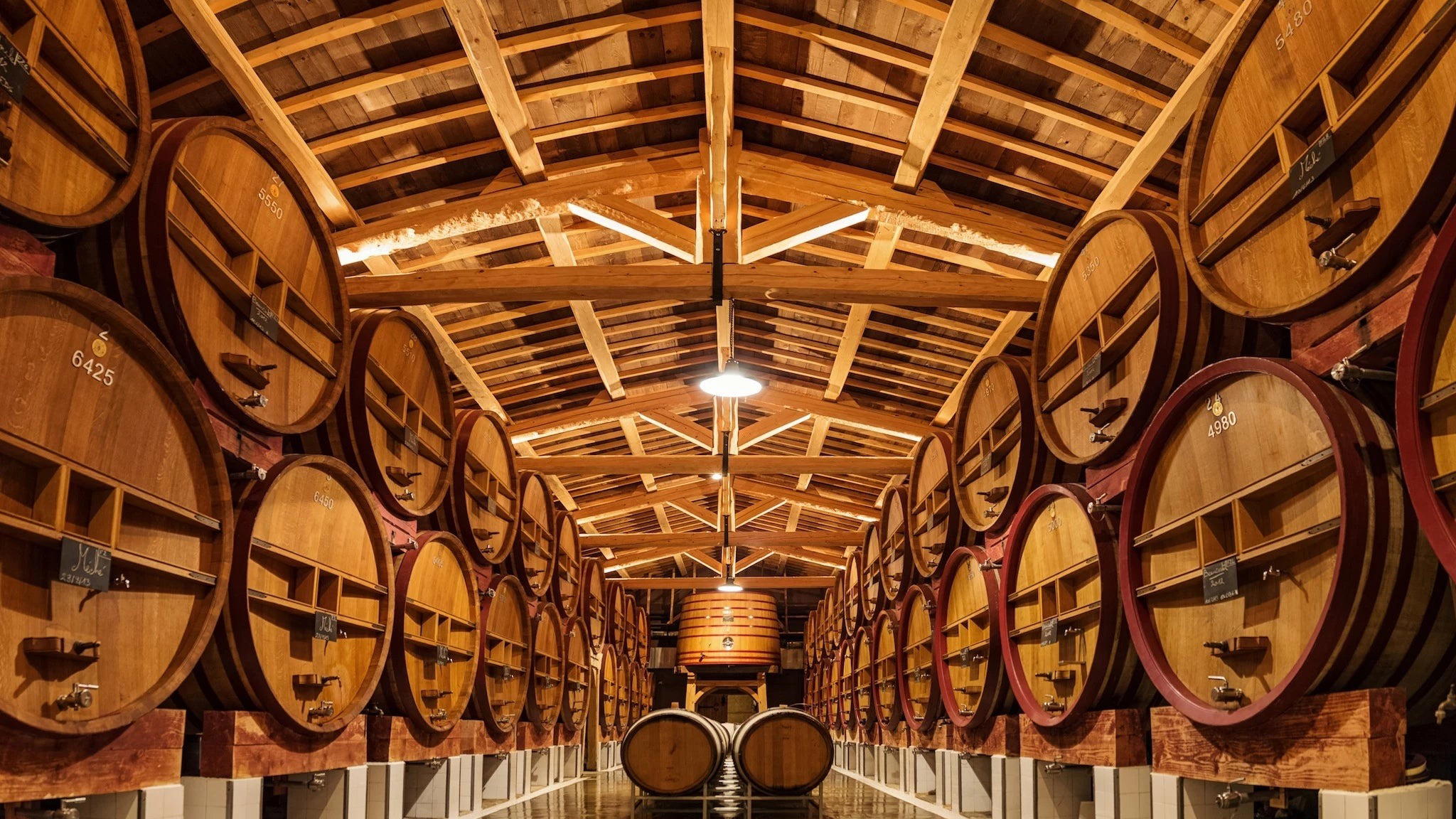
Château de Beaucastel
Flayosc, France
Château de Beaucastel is worth prioritizing for collectors and special-occasion travelers who care more about cellar credibility than easy logistics. The draw is the producer signal: first vintage 1779, winemaker César Perrin, and recognition from World's 50 Best Vineyards in 2023. Casual tasters should compare nearby winery options before building a day around it.
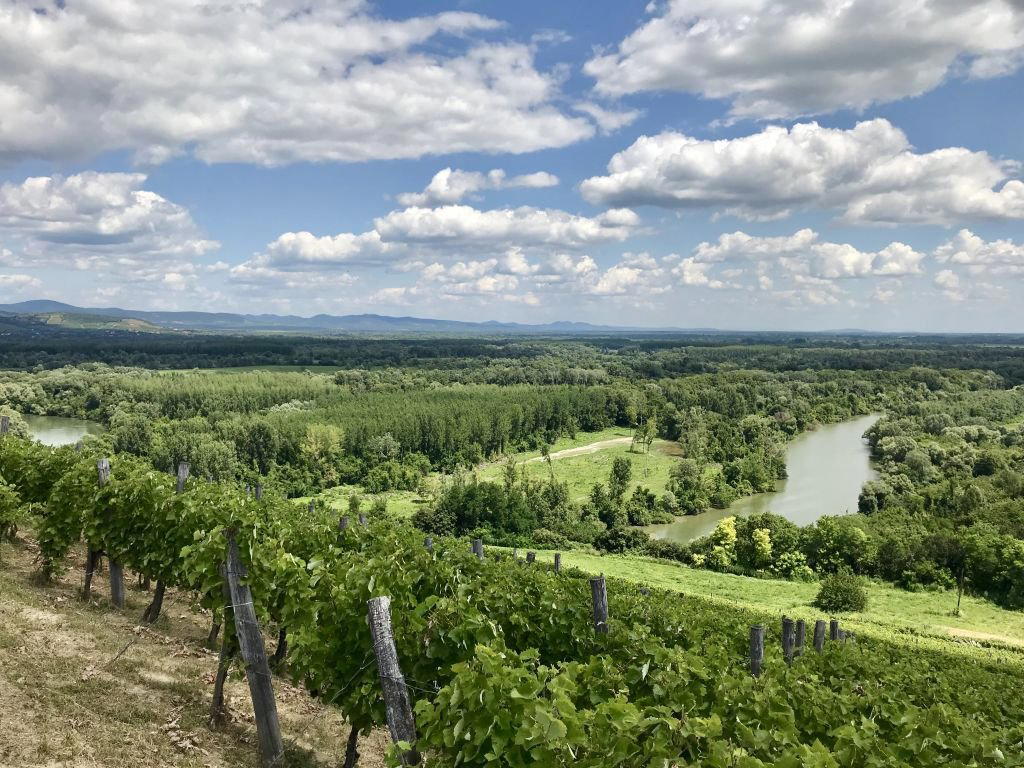
Szepsy
Mád, Hungary
Against Mád peers, Szepsy is the serious wine-lover's anchor rather than the easy casual stop. Prioritize it if Tokaj depth and producer reputation matter more than convenience; cross-shop Holdvölgy, Royal Tokaji, Barta Pince, Szent Tamás Winery, and Zsirai Winery if the day needs a more flexible route.
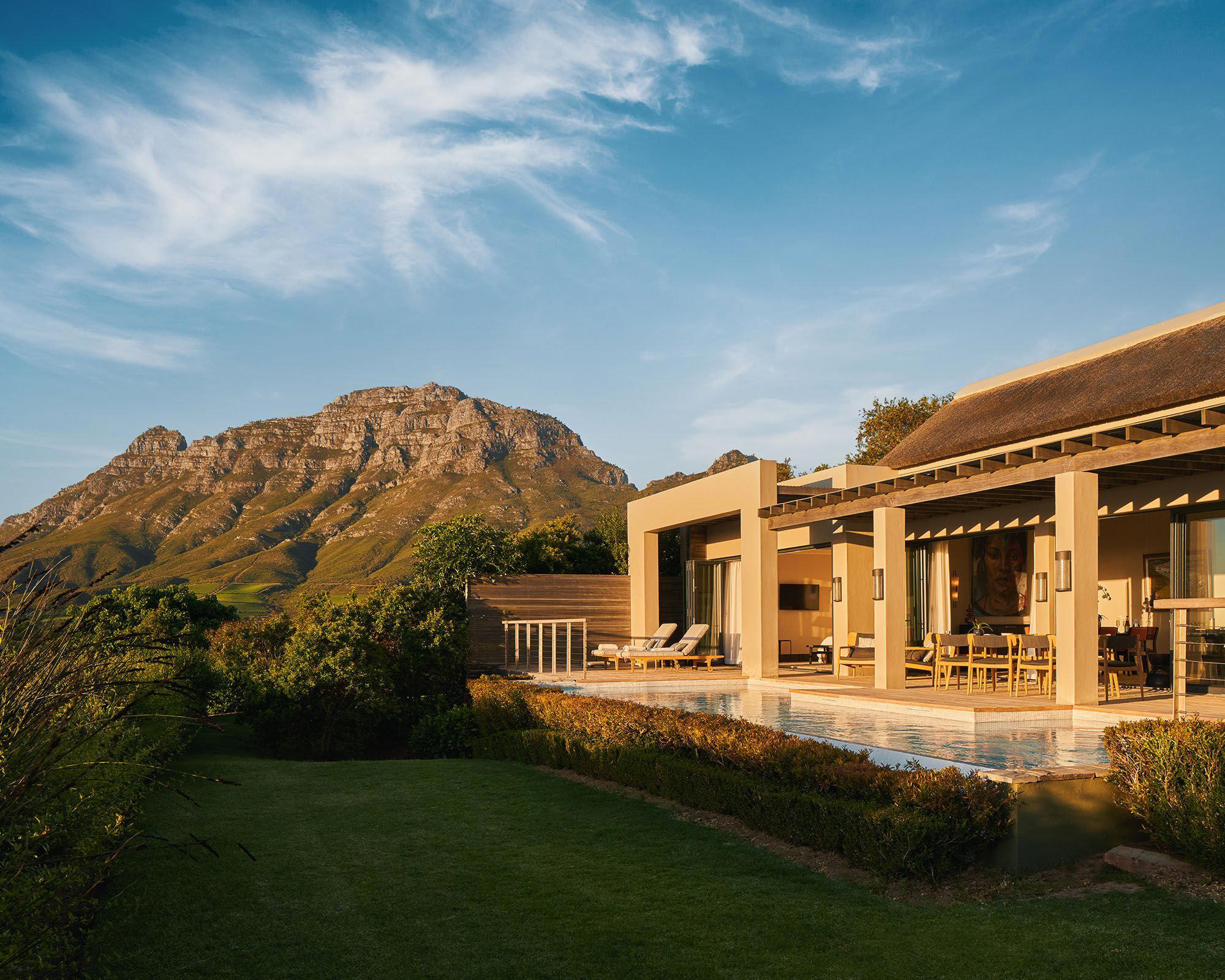
Delaire Graff Estate
Stellenbosch, South Africa
Delaire Graff Estate is worth prioritizing when the Stellenbosch plan calls for a polished, high-recognition wine estate rather than a casual tasting stop. Its World's 50 Best Vineyards and Star Wine List recognition make it a strong anchor for a slower visit, especially if an upgraded or private tasting is available for the occasion.
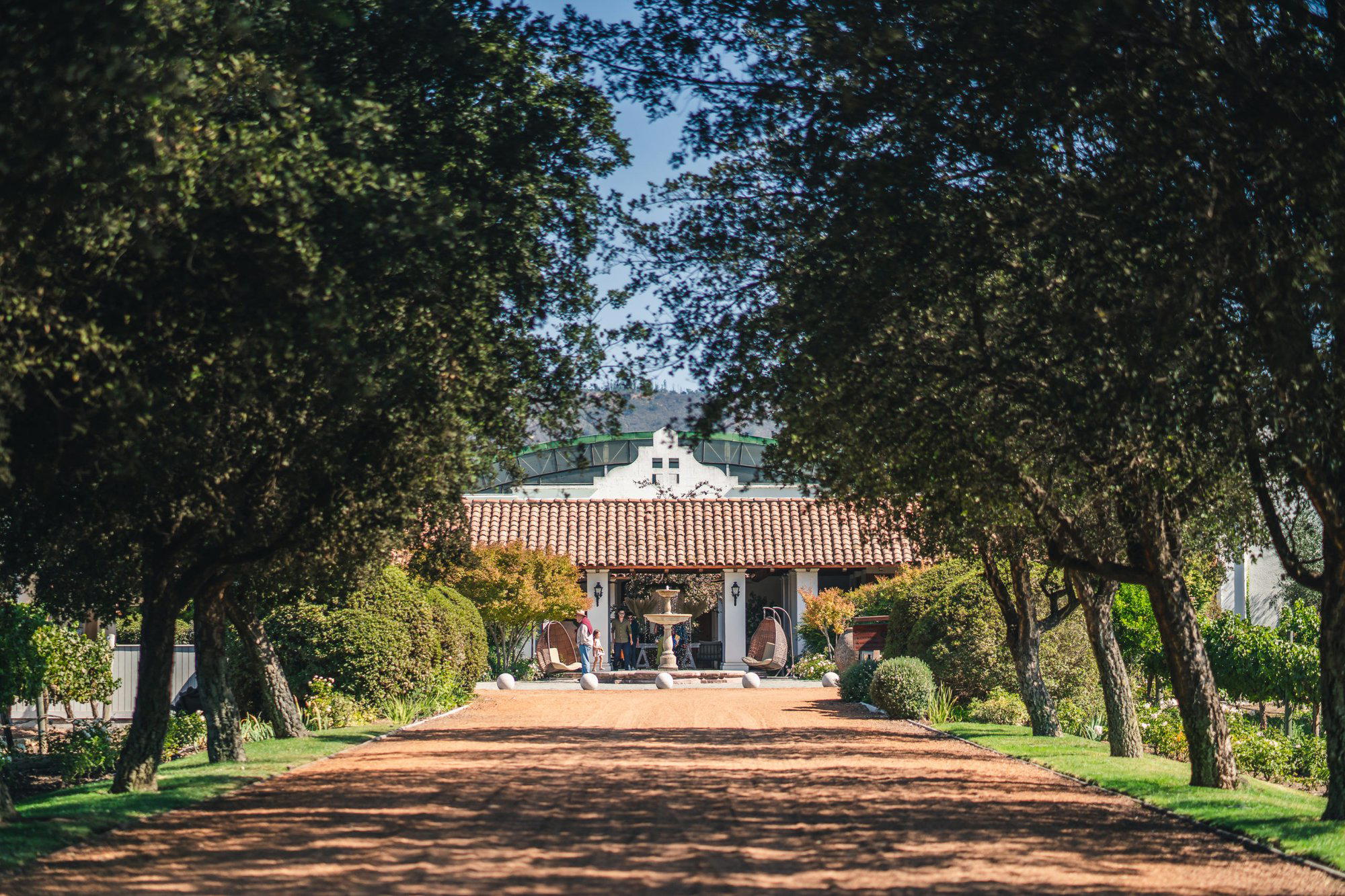
Casas del Bosque
Casablanca, Chile
Casas del Bosque is worth prioritizing if a Casablanca wine day needs one internationally recognized anchor. Its World's 50 Best Vineyards #42 ranking in 2025 gives it stronger decision value than a casual tasting stop, but the booking difficulty means travelers should plan ahead and keep a backup winery in mind.

Château Mercian Mariko Winery
Nagano, Japan
A serious Nagano wine-country pick for travellers who care more about Japanese wine context than a fast tasting stop. Château Mercian Mariko Winery is the one to prioritise over nearby distillery options if the goal is depth, quiet pacing, and producer focus, but access should be planned early.
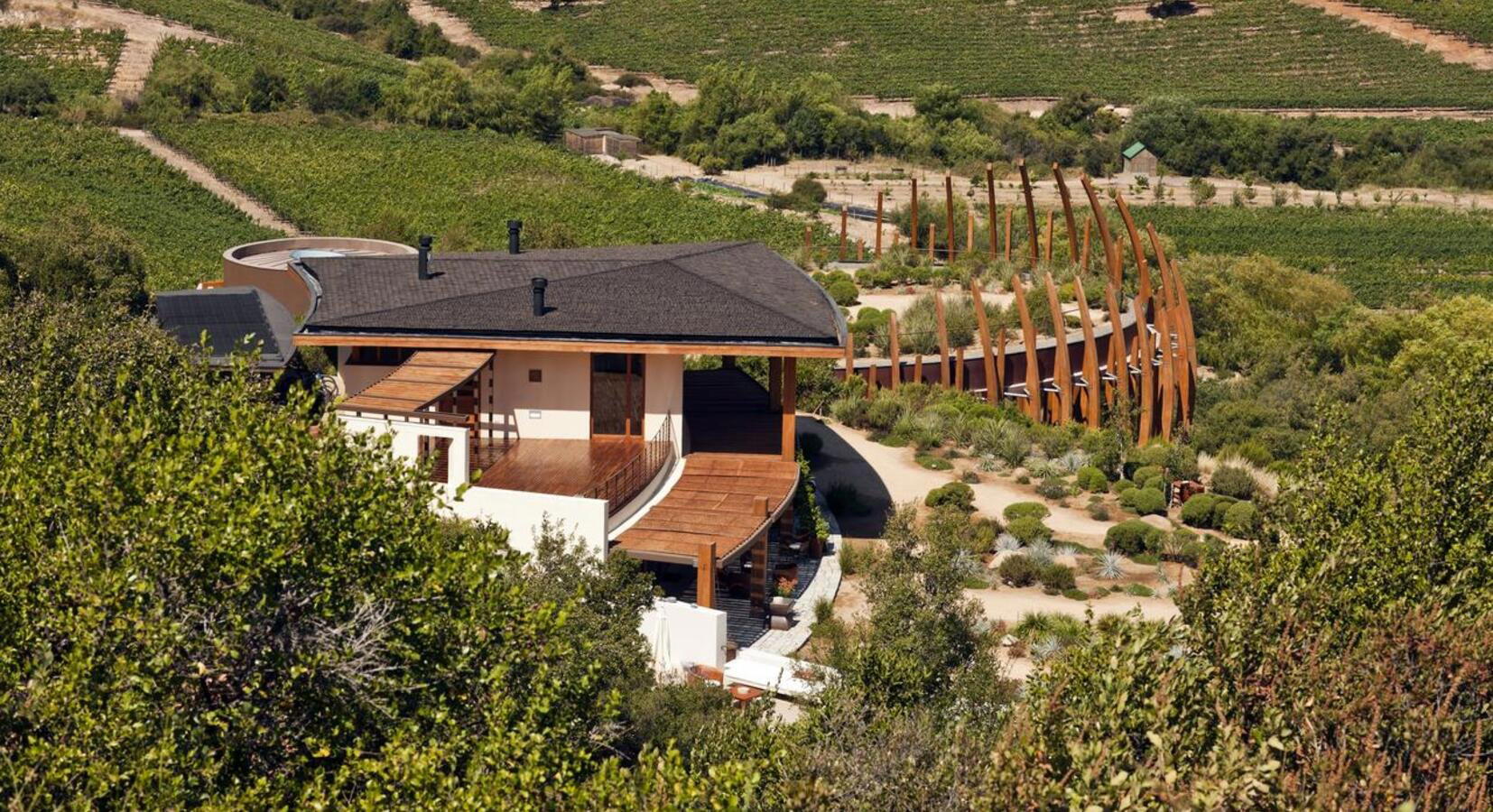
Clos Apalta (Casa Lapostolle)
Santa Cruz, Chile
Clos Apalta (Casa Lapostolle) is a winery near Santa Cruz in Chile's O'Higgins region.
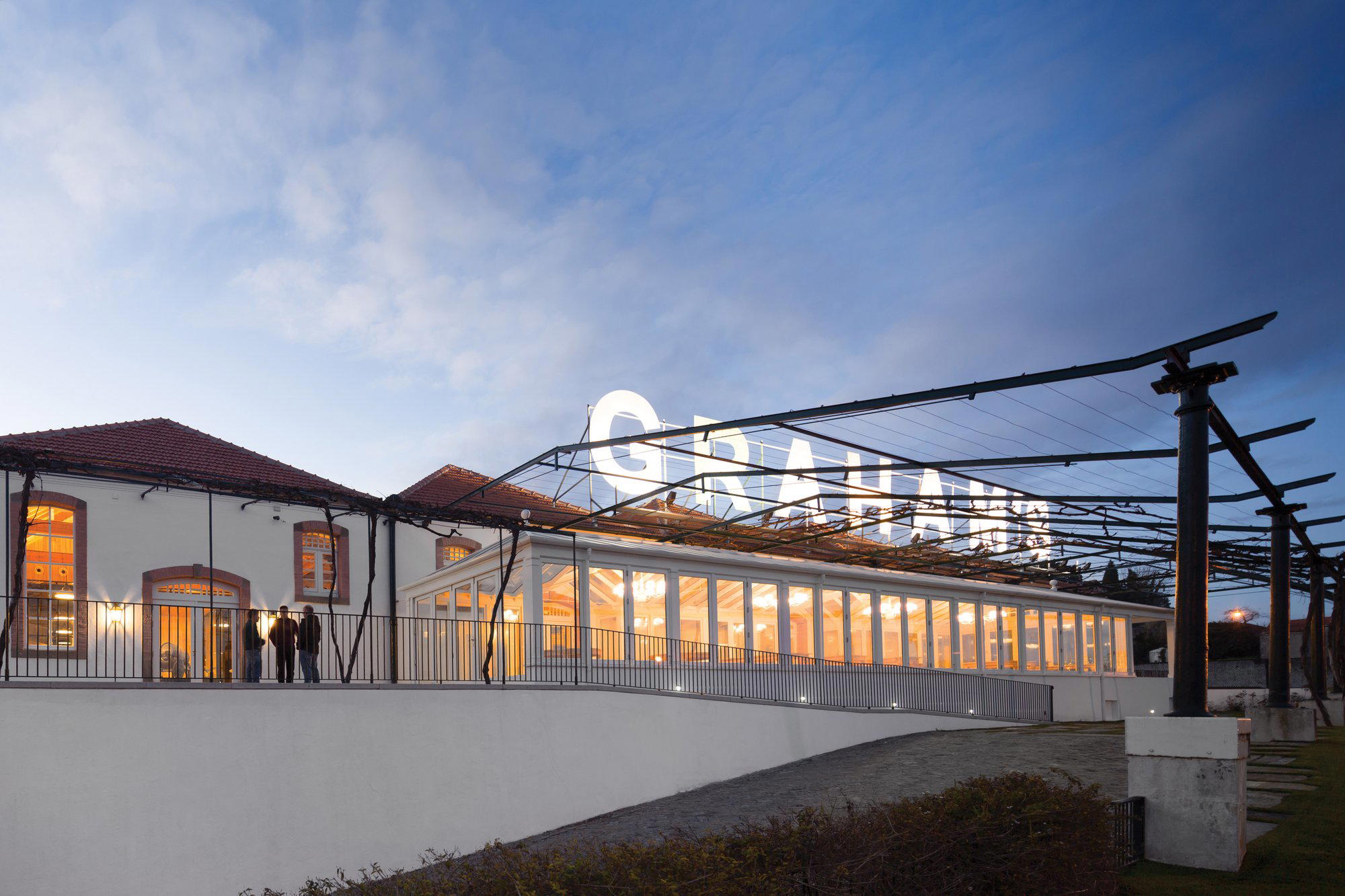
Graham's Port
Vila Nova de Gaia, Portugal
Graham's Port is the Gaia lodge to prioritise if port is the point of the trip, not just a filler tasting between Porto viewpoints. The World's 50 Best Vineyards #40 recognition gives it a stronger trust signal than a generic cellar stop, but casual wine tourists should compare Churchill's, Ferreira, and Cockburn's Port if they want a lighter or easier-feeling visit.
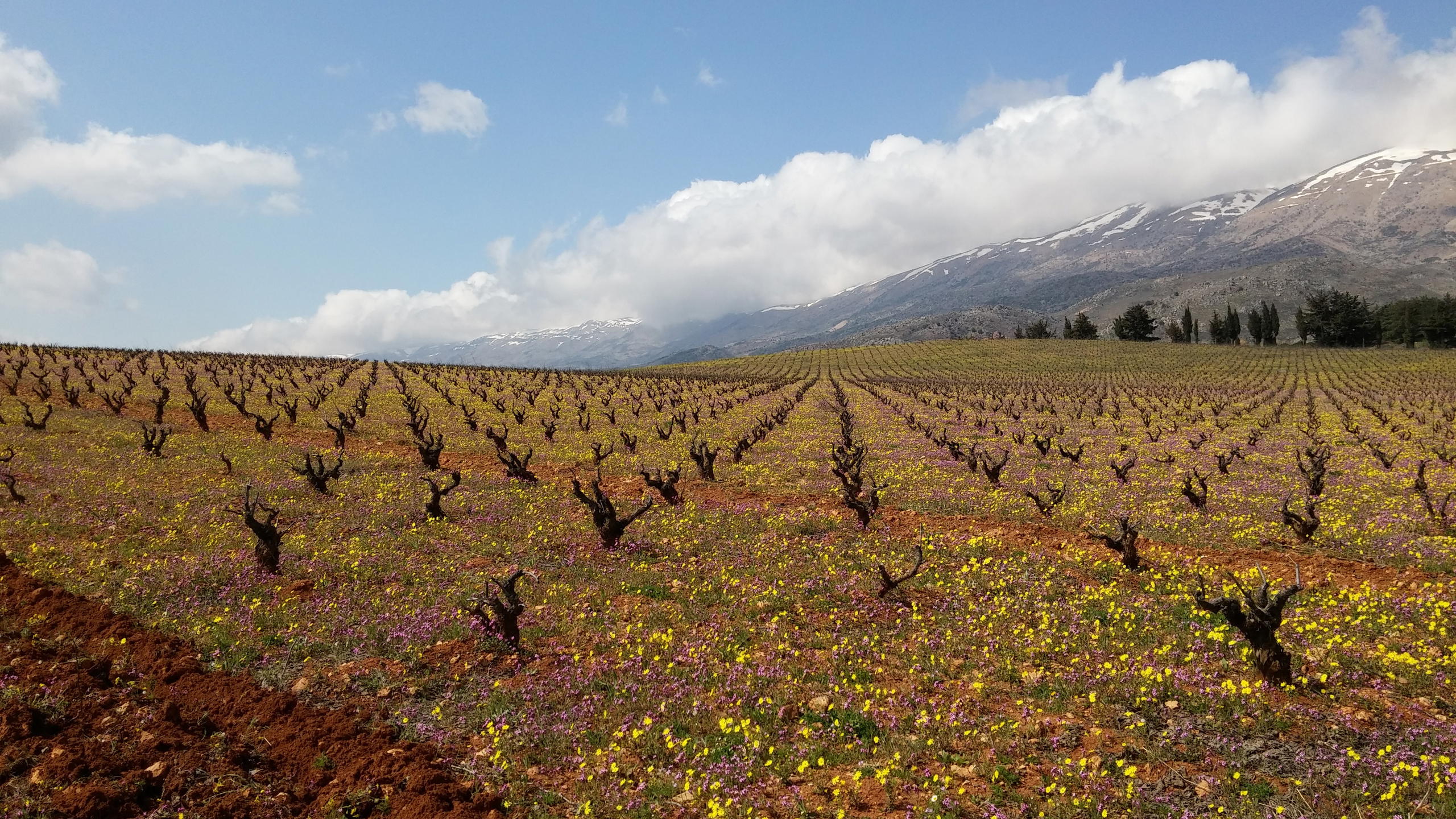
Château Kefraya
Kafraya, Lebanon
Prioritise Château Kefraya for a wine-focused celebration or planned Bekaa Valley winery day, especially if international recognition matters to the group. It is less suited to a casual, low-effort tasting stop; availability and transport planning are the main deciding factors.
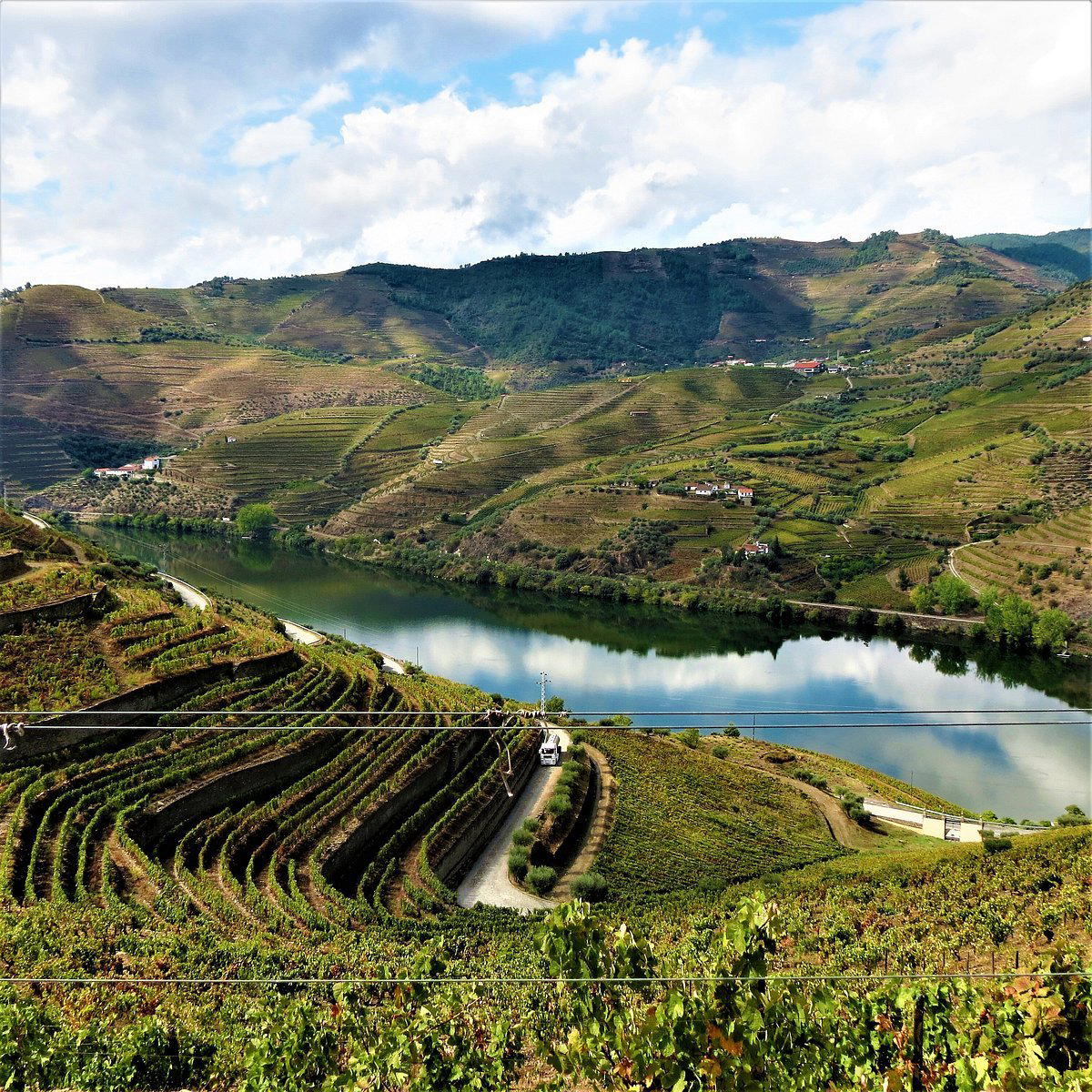
Quinta do Seixo (Sandeman), Douro Valley
Tabuaço, Portugal
Quinta do Seixo (Sandeman), Douro Valley is the right call for a first Douro visit built around a major Port name and a polished tasting format. Prioritise it if recognition, structure, and vineyard setting matter; cross-shop Quinta do Infantado for a smaller-producer feel or Quinta do Bomfim for another classic Port-house itinerary anchor.
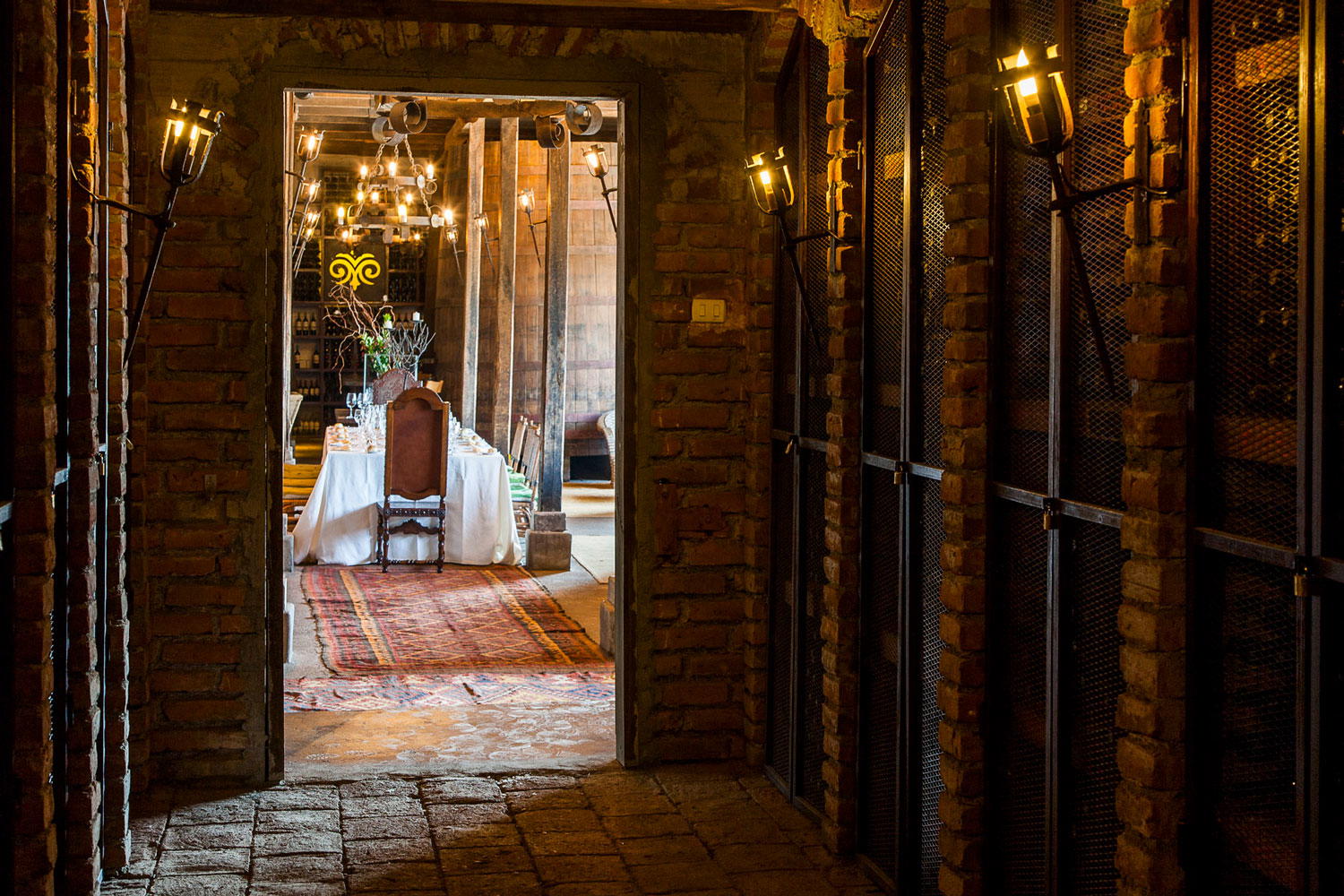
Viña Viu Manent
Santa Cruz, Chile
Book Viña Viu Manent when the Santa Cruz trip is built around wine, not when you need a casual last-minute stop. Its World's 50 Best Vineyards #40 placement gives it real trip-anchor weight, but the booking difficulty means dates should be planned early. Cross-shop Clos Apalta for a bigger prestige play and Viña Montes for another major Santa Cruz winery.
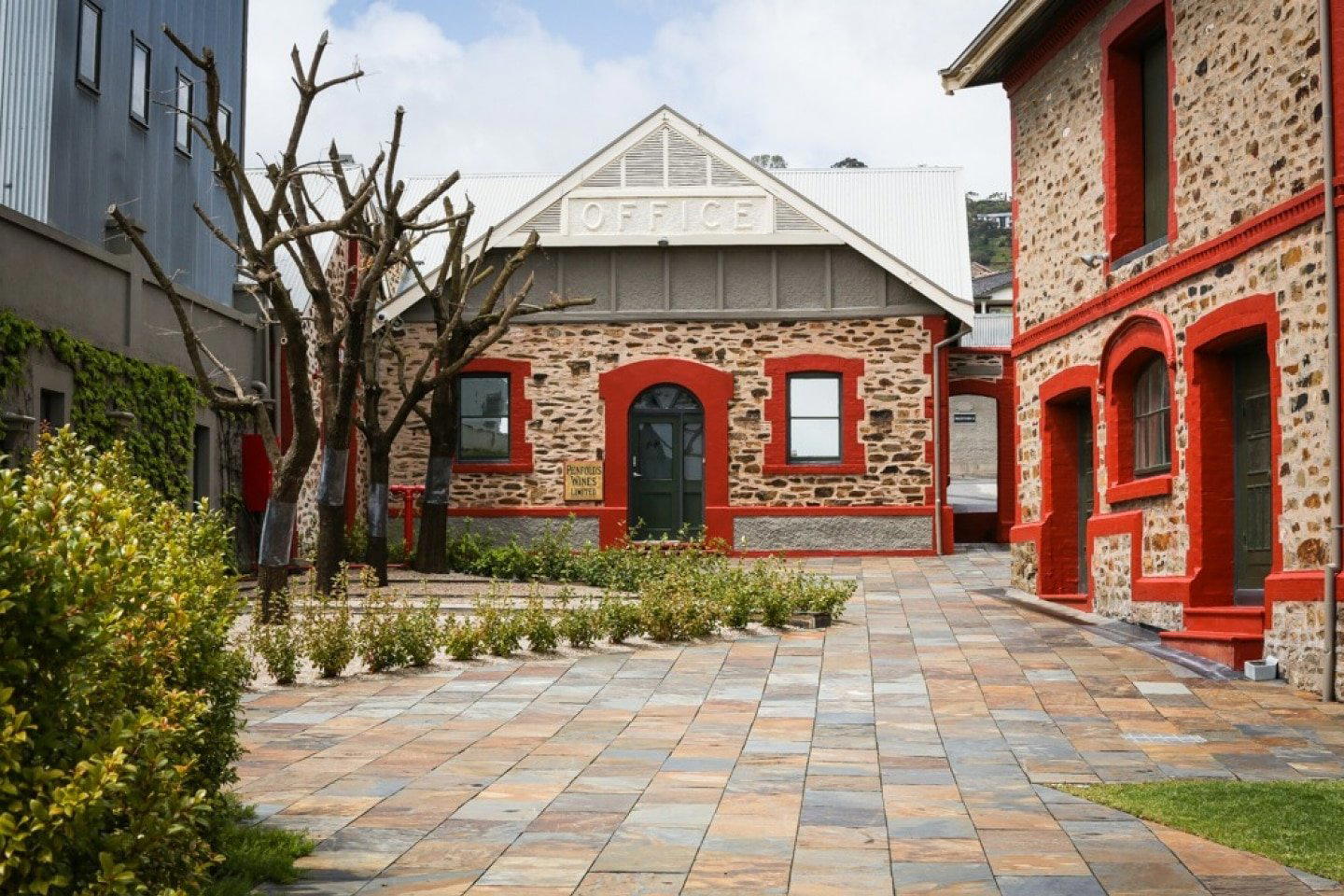
Penfolds Magill Estate
Magill, Australia
Penfolds Magill Estate is a winery and cellar-door destination in Magill, Adelaide.
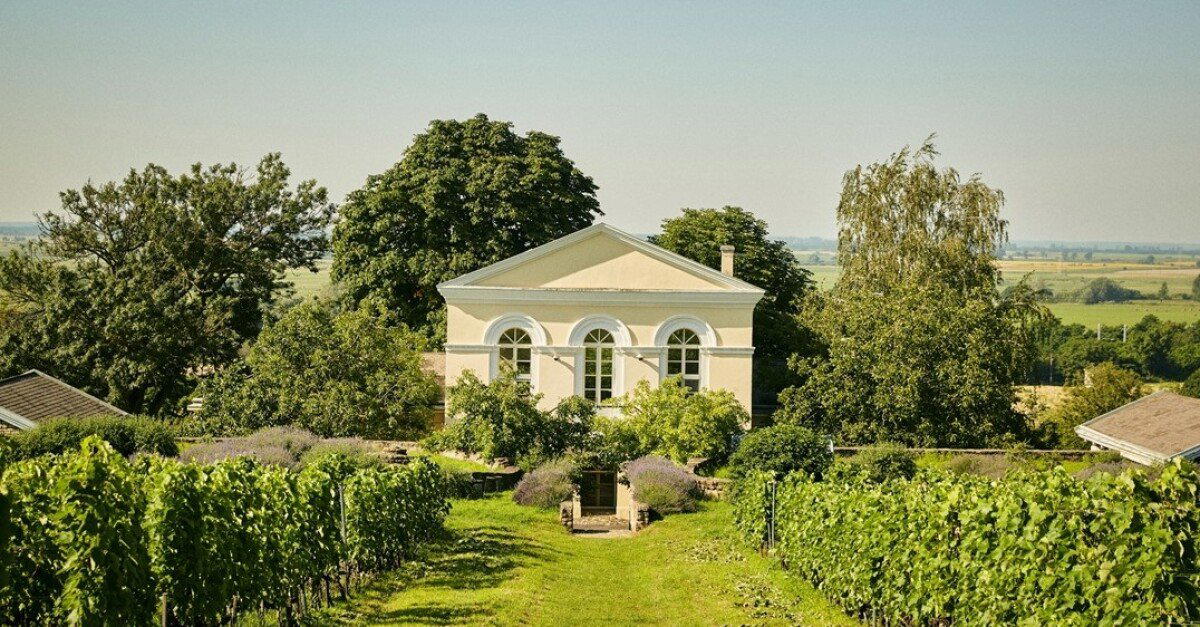
Disznókő
Mezőzombor, Hungary
Prioritize Disznókő if the estate setting matters as much as the tasting. It is better suited to a planned Tokaj wine day than a quick drop-in, with international vineyard recognition and a location outside Mezőzombor that makes the grounds part of the experience.
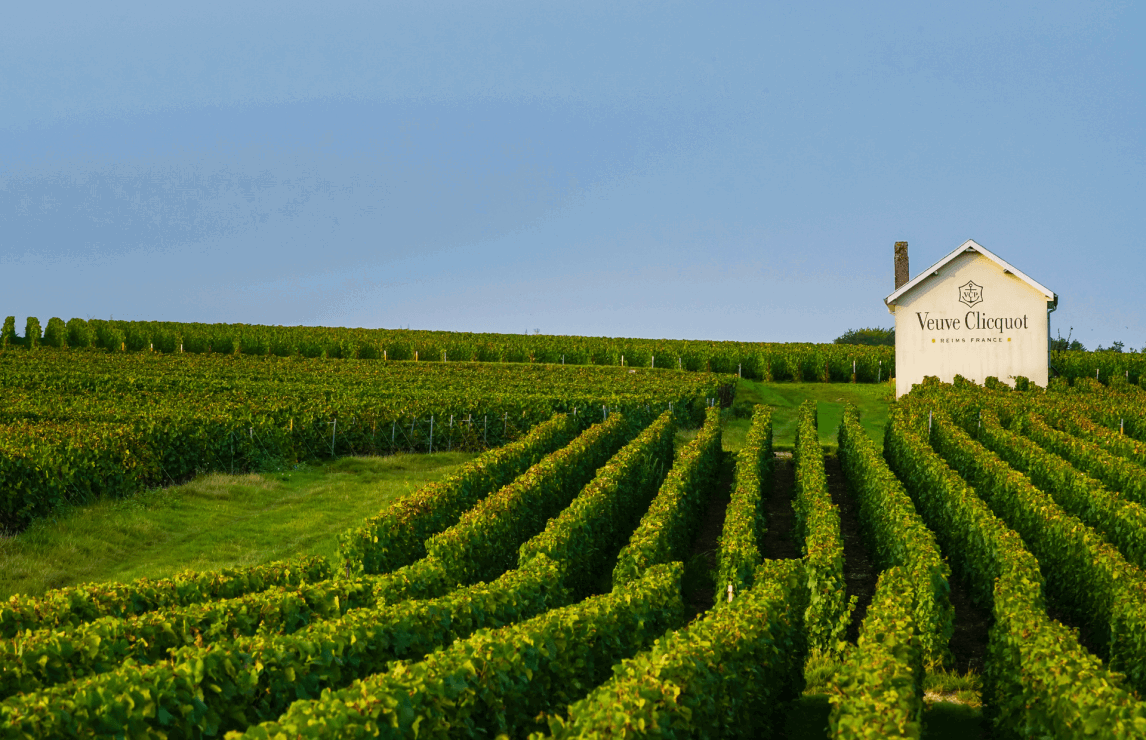
Veuve Clicquot Ponsardin
Reims, France
Prioritize Veuve Clicquot Ponsardin if the trip needs one major Champagne-house anchor in Reims. It is better for first-time visitors who want history, scale, and a polished cellar context than for travelers chasing small-producer discovery; plan early, then pair it with a contrasting Reims or village visit.

Château Mukhrani
Mtskheta, Georgia
Château Mukhrani is worth prioritizing when the estate setting is part of the point: palace address, international vineyard recognition, and enough occasion value for hosted guests or celebrations. It is less suited to a casual, detail-light drop-in unless timing, food, and group logistics are confirmed in advance.

Bodega DiamAndes
Tunuyán, Argentina
Prioritize Bodega DiamAndes if the trip is built around a serious Tunuyán wine day rather than a casual drop-in. It is strongest for travelers who want Vista Flores context, external recognition, and a polished Mendoza winery stop; cross-shop Bodega Monteviejo, Antucura, or Bodega Cuvelier Los Andes if availability is tight.
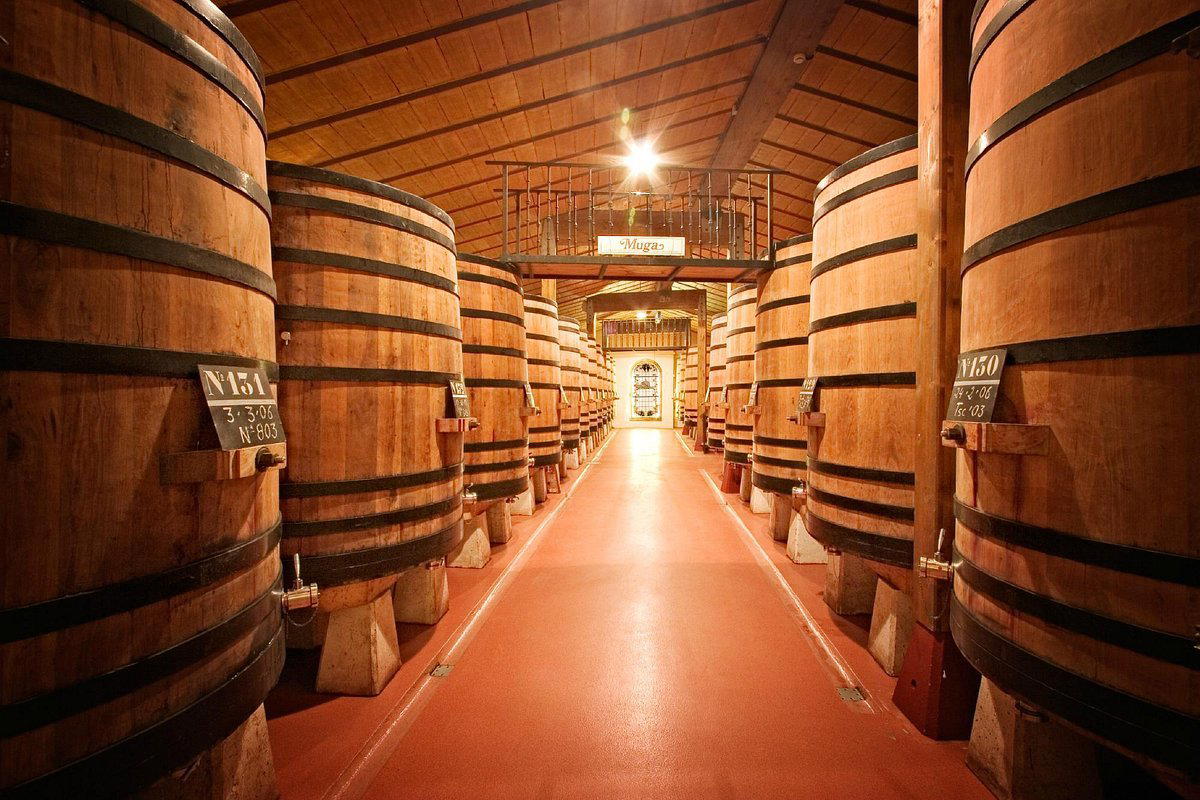
Bodegas Muga
Haro, Spain
Bodegas Muga is a winery on Avenida Vizcaya in Haro, Rioja.
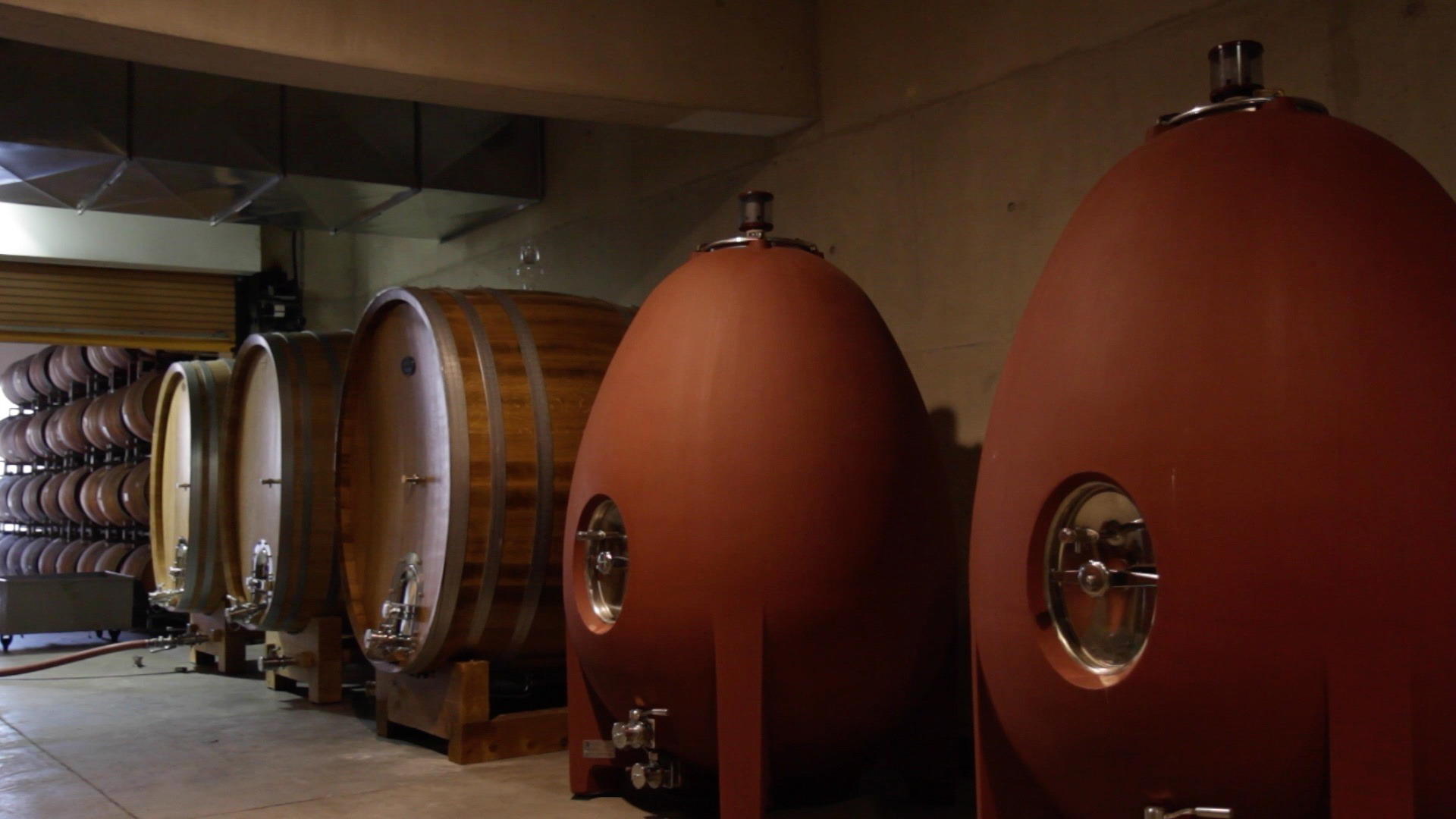
Viña Errázuriz
Panquehue, Chile
Book Viña Errázuriz if the goal is a serious Aconcagua Valley winery visit with international recognition and a quieter, wine-first atmosphere. It is less suited to travelers who need a confirmed food-pairing program, easy group logistics, or a casual drop-in format.
Overview
The 2023 World's 50 Best Vineyards list recognizes wine estates across 17 countries and 46 wine regions. Argentina leads with three properties in the top 10, including winner Catena Zapata in Agrelo. South American wineries dominate the upper rankings, with Chile and Uruguay also placing estates in the top six. Europe accounts for three of the top 10 spots, including Spain's Marqués de Riscal and France's Château Smith Haut Lafitte.
This edition marks a complete reset of the rankings, with all 51 spots going to new entrants compared to the previous edition. The geographic spread spans 17 countries across Europe, the Americas, Africa, and Oceania. Argentina claims three positions in the top 10 (Catena Zapata at #1, Bodegas Salentein at #9, and El Enemigo at #10), while Chile secures two (Viña VIK at #3 and Viña Montes at #7). South Africa's Creation Wines takes the #4 position, making it the highest-ranked African property. The list represents 46 distinct wine-producing cities and regions, from Mendoza's high-altitude Agrelo to Germany's Rheingau and South Africa's Hermanus. European entries include properties from Spain, France, and Germany in the top 10 alone.
Argentina's Catena Zapata tops the 2023 World's 50 Best Vineyards, leading a list that spans 17 countries and 46 wine regions. This edition represents a complete overhaul from the previous year, with all 51 positions going to new or returning properties. South America dominates the upper rankings; Argentina, Chile, and Uruguay combine for six of the top 10 spots. The list recognizes wine estates across four continents, from Mendoza's high-altitude vineyards to Germany's historic Rheingau region. Spain's Marqués de Riscal in Rioja takes second place, while Chile's Viña VIK rounds out the top three.
Quick Facts
- Total Venues
- 51 vineyards
- Countries Represented
- 17 countries
- Wine Regions
- 46 cities
- Top Country (Top 10)
- Argentina (3 entries)
- New Entrants
- 51 (complete refresh)
- Venues Retained
- 0 from previous edition
- Top-Ranked Vineyard
- Catena Zapata (Argentina)
- Highest European Entry
- Marqués de Riscal, #2 (Spain)
About This Edition
The 2023 edition shows a dramatic shift in composition, with zero venues retained from the previous list. This wholesale change reflects either an expanded scope of eligible properties or a revised methodology; the previous top venue, Double Chicken Please, was a bar, while this list focuses exclusively on vineyard estates. The geographic distribution favors wine regions in the Americas and Europe, with Argentina emerging as the most-represented country in the top 10 with three entries. Chile matches Argentina's presence with two properties in the top seven, while Uruguay's Bodega Garzón at #6 represents the country's only top-10 placement. Europe's representation in the upper rankings includes Spain's Bodegas de los Herederos del Marqués de Riscal (#2), France's Château Smith Haut Lafitte (#5), and Germany's Schloss Johannisberg (#8). South Africa's Creation Wines at #4 marks the continent's highest placement. The list extends to 51 total properties, suggesting either a tie at position 50 or an expansion from the standard 50-venue format. All 50 venues that appeared in the previous edition; including bars and cocktail establishments; have dropped out, replaced entirely by wine estates and vineyards.
Frequently Asked Questions
Which vineyard won the 2023 World's 50 Best Vineyards?
How many countries are represented in the 2023 list?
How does the 2023 list compare to the previous edition?
Which countries have the most vineyards in the top 10?
How many of these have you visited?
Find out on Pearl and keep score across every place in 2023 World's 50 Best Vineyards.