

World's 50 Best Vineyards 2024: The Complete Rankings
A global ranking of the top vineyard destinations, celebrating excellence in wine, hospitality, and visitor experience. The list recognizes wineries that define the pinnacle of wine tourism worldwide.

Venues on this list

Bodegas de los Herederos del Marqués de Riscal
Elciego, Spain
Bodegas de los Herederos del Marqués de Riscal is a winery in Elciego, Rioja Alavesa.
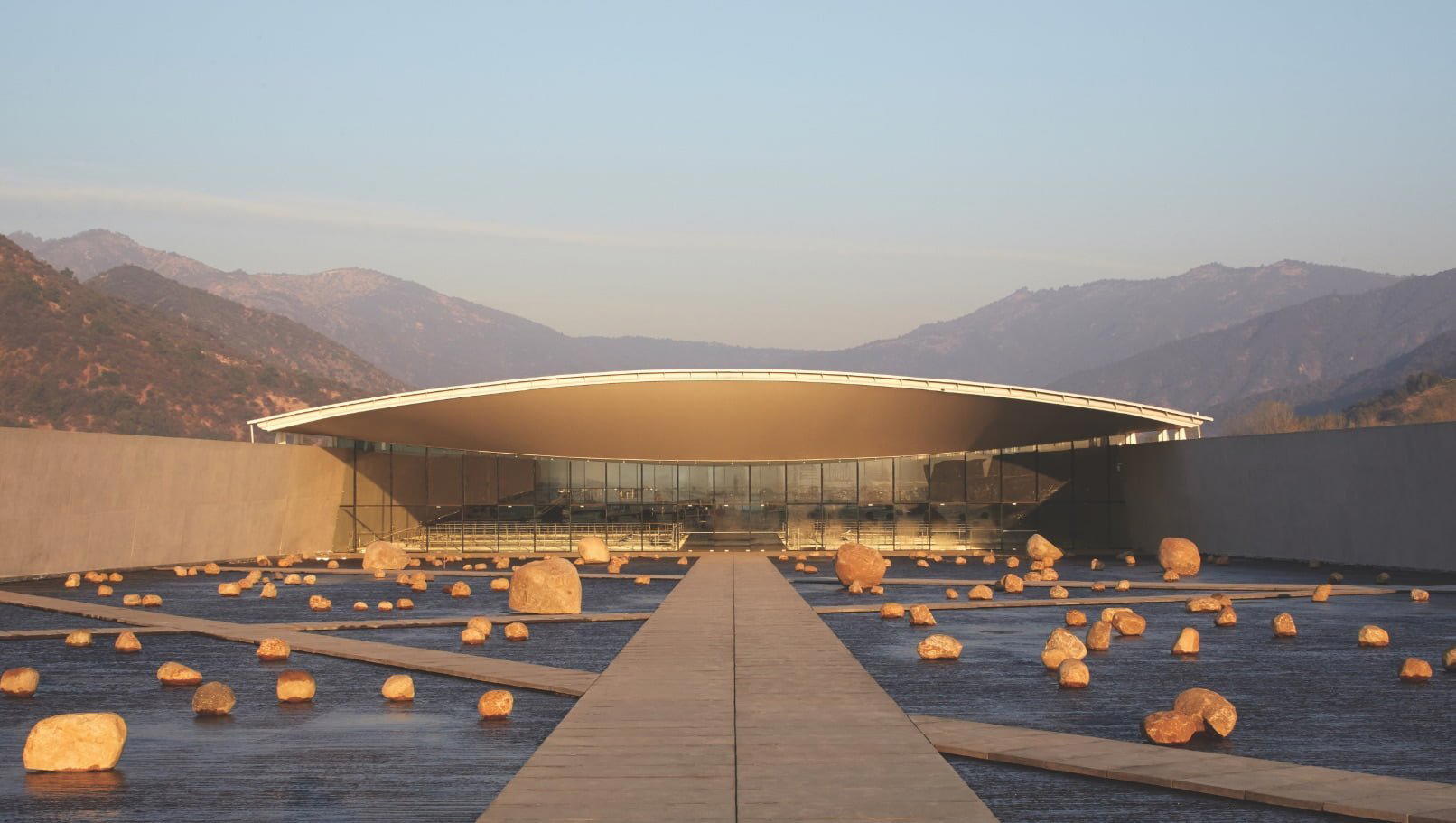
Viña VIK
San Vicente De Tagua Tagua, Chile
Viña VIK is a winery in Chile's Millahue Valley near San Vicente de Tagua Tagua.
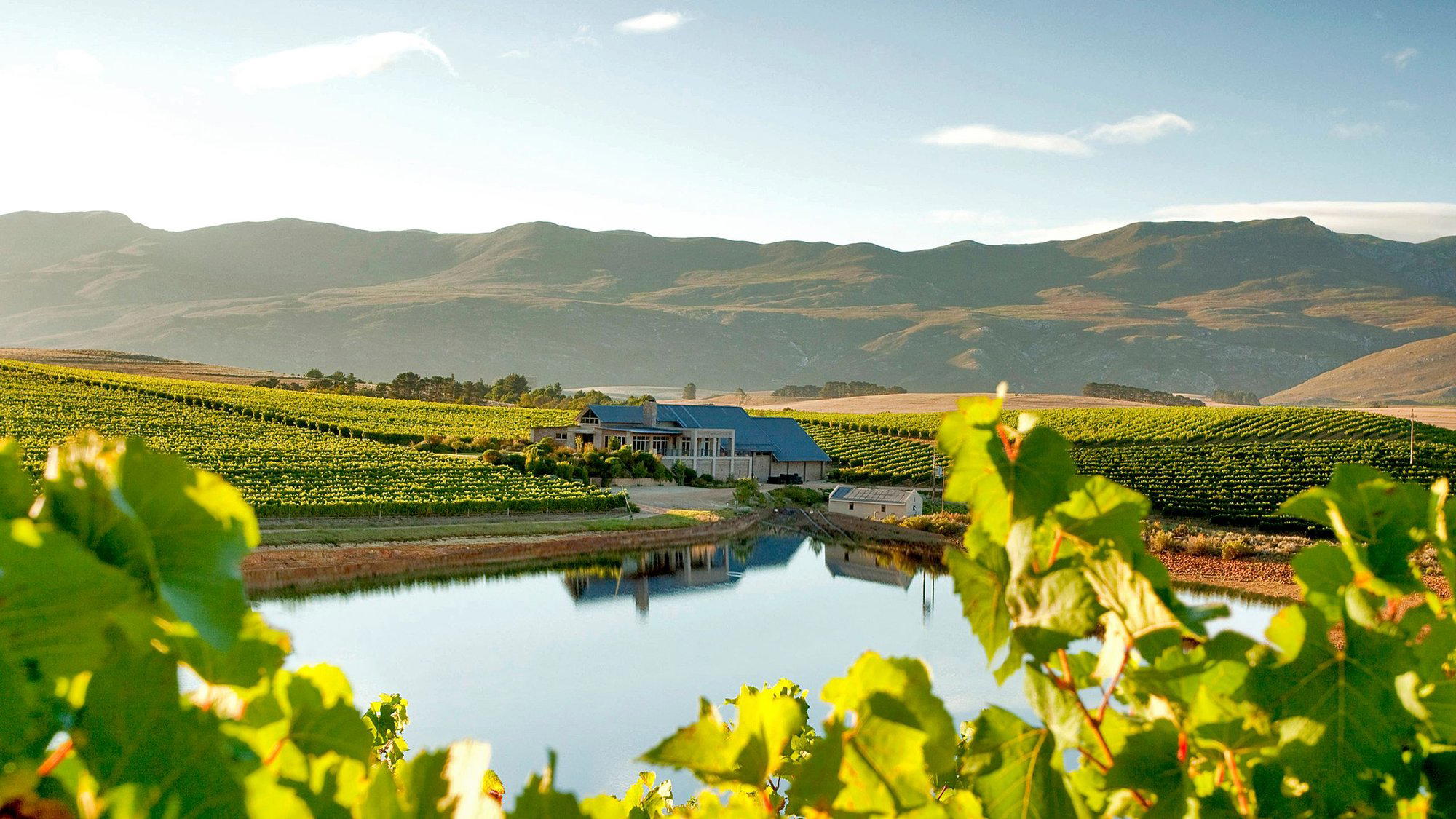
Creation Wines
Hermanus, South Africa
Creation Wines is a winery on Hemel-en-Aarde Road near Hermanus.

Bodegas Ysios
Laguardia, Spain
Bodegas Ysios is worth prioritizing if the winery setting is part of the point, not just the tasting. Treat it as a planned Rioja anchor with high booking pressure; travelers who want a looser day should cross-shop nearby peers before locking hotels, restaurants, or a wider Laguardia itinerary.
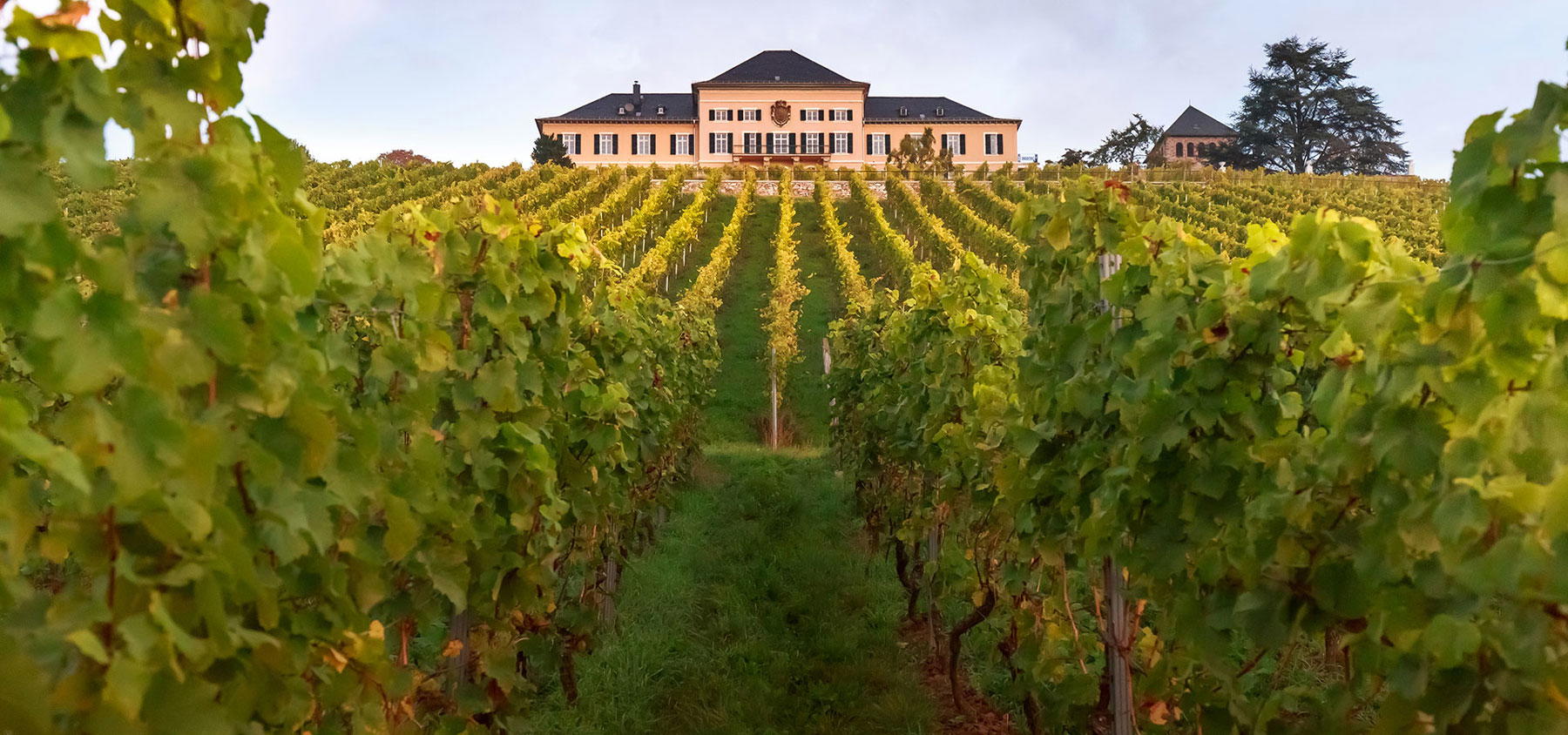
Schloss Johannisberg
Geisenheim-Johannisberg, Germany
Schloss Johannisberg is a Riesling wine estate in Geisenheim-Johannisberg in Germany's Rheingau region.
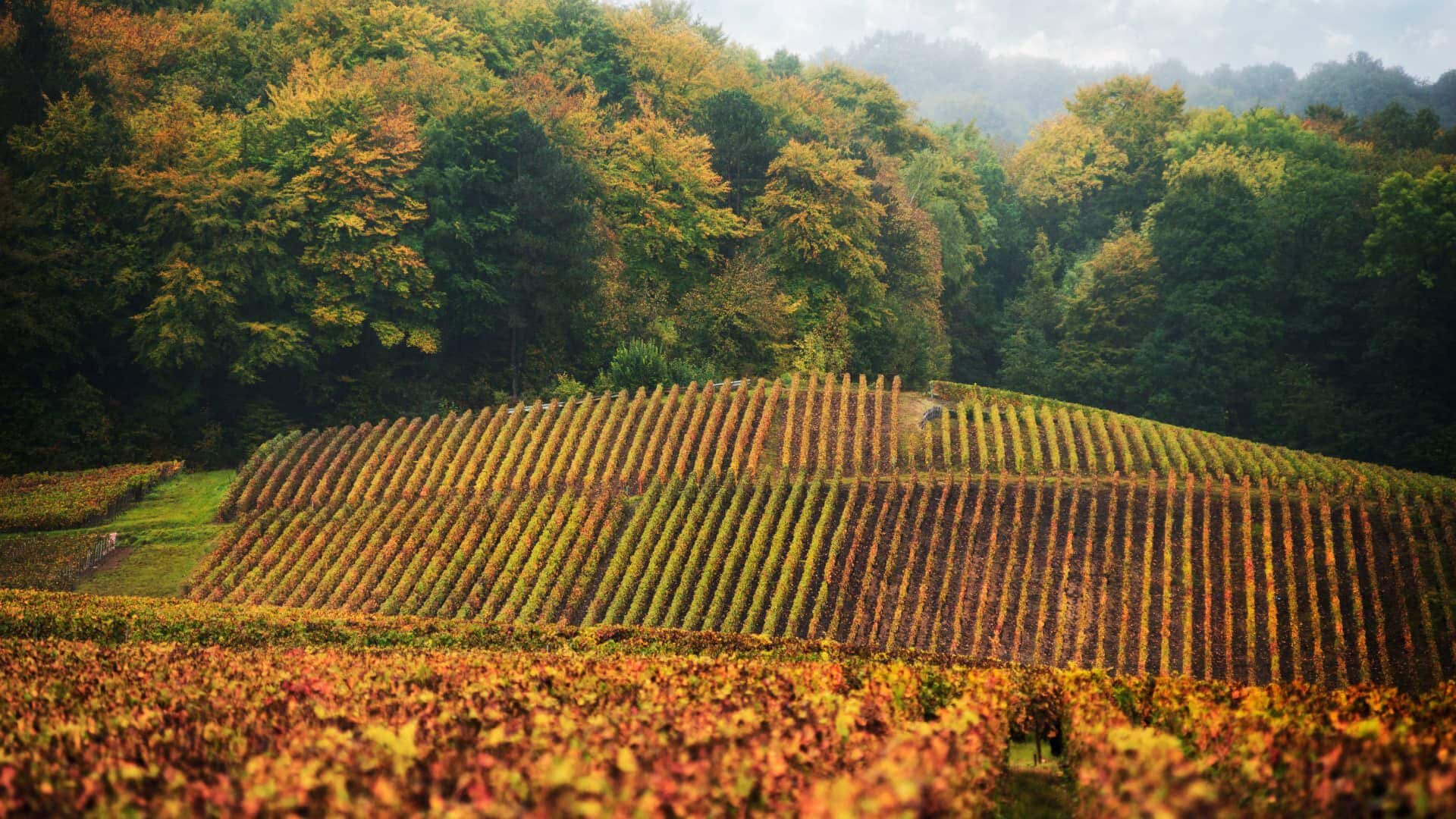
Ruinart
Reims, France
Ruinart is a Champagne house on Rue des Crayères in Reims.
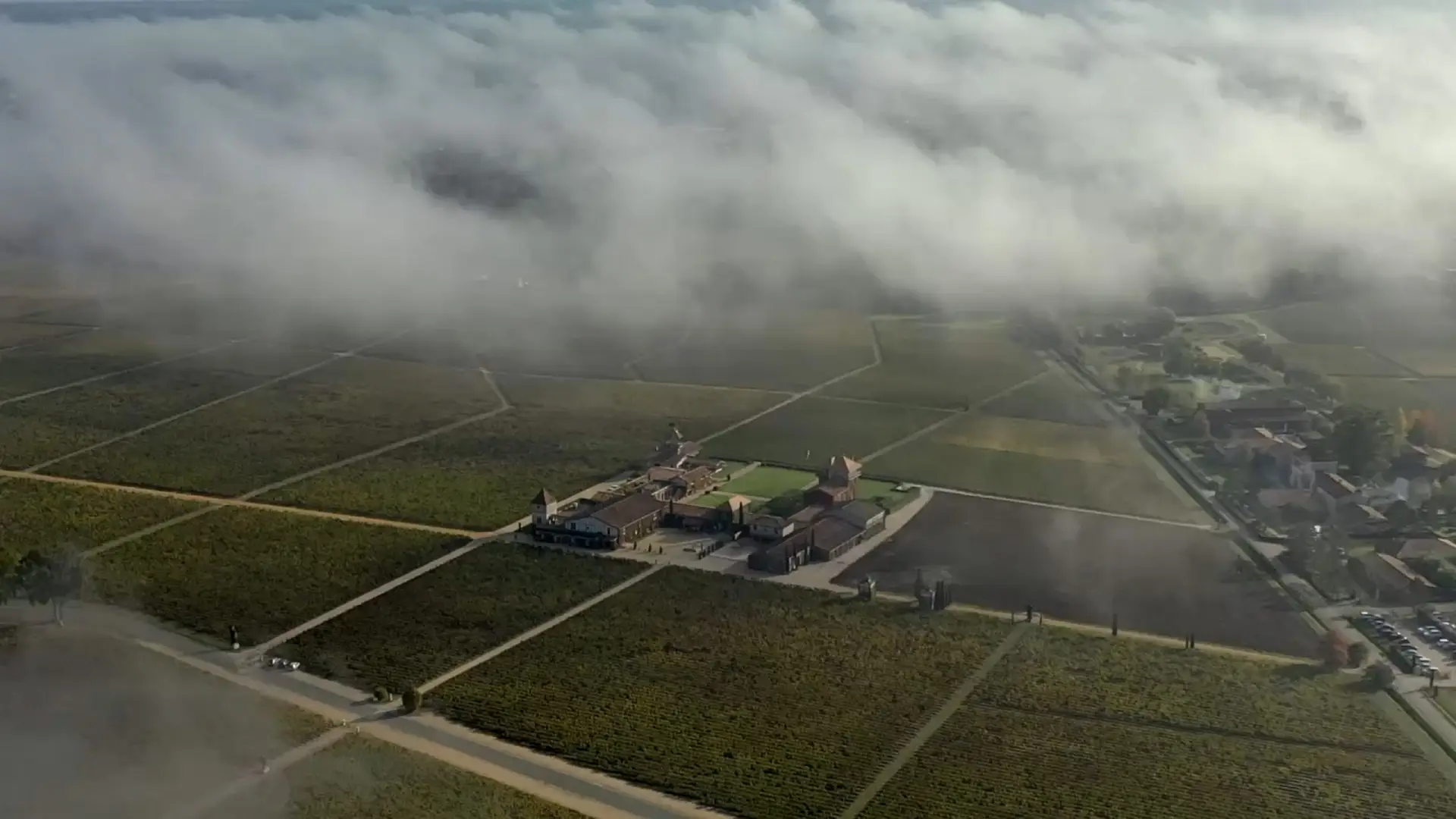
Château Smith Haut Lafitte
Martillac, France
Château Smith Haut Lafitte is a wine estate in Martillac in the Pessac-Léognan appellation.
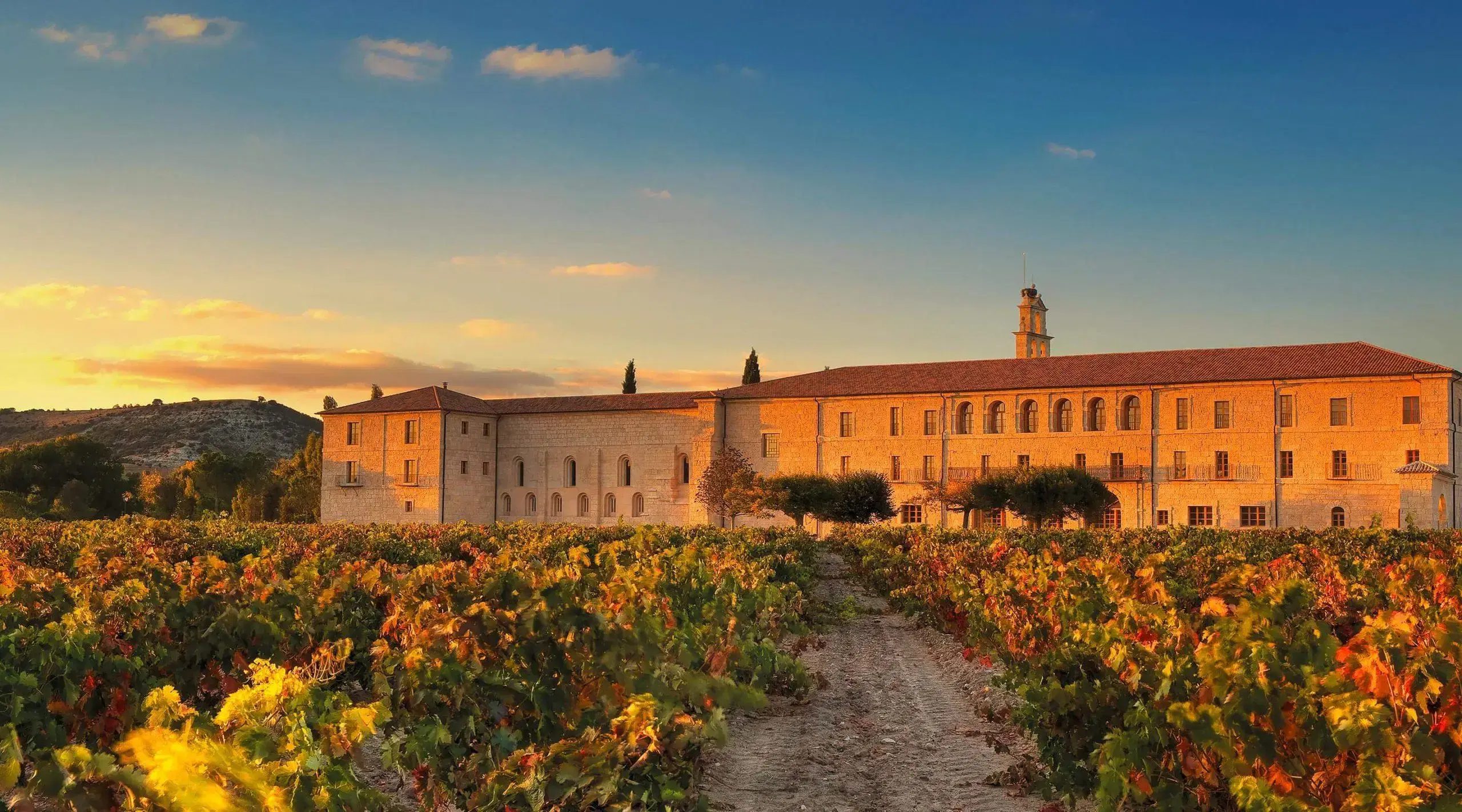
Abadía Retuerta
Sardón de Duero, Spain
Abadía Retuerta is a winery in Sardón de Duero, Spain.
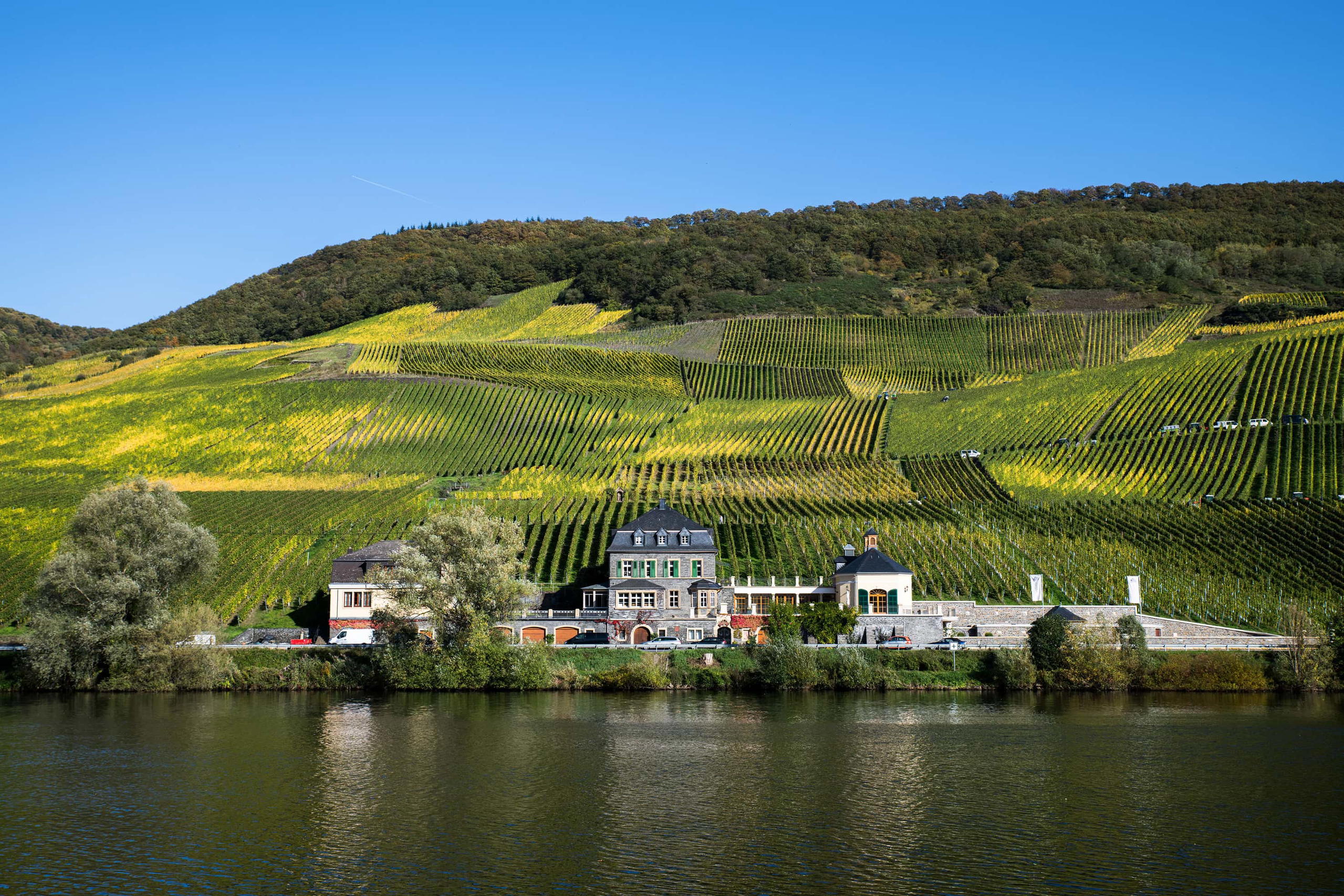
Weingut Dr. Loosen
Bernkastel-Kues, Germany
Dr. Loosen is a wine estate in Bernkastel-Kues in Germany's Mosel region.
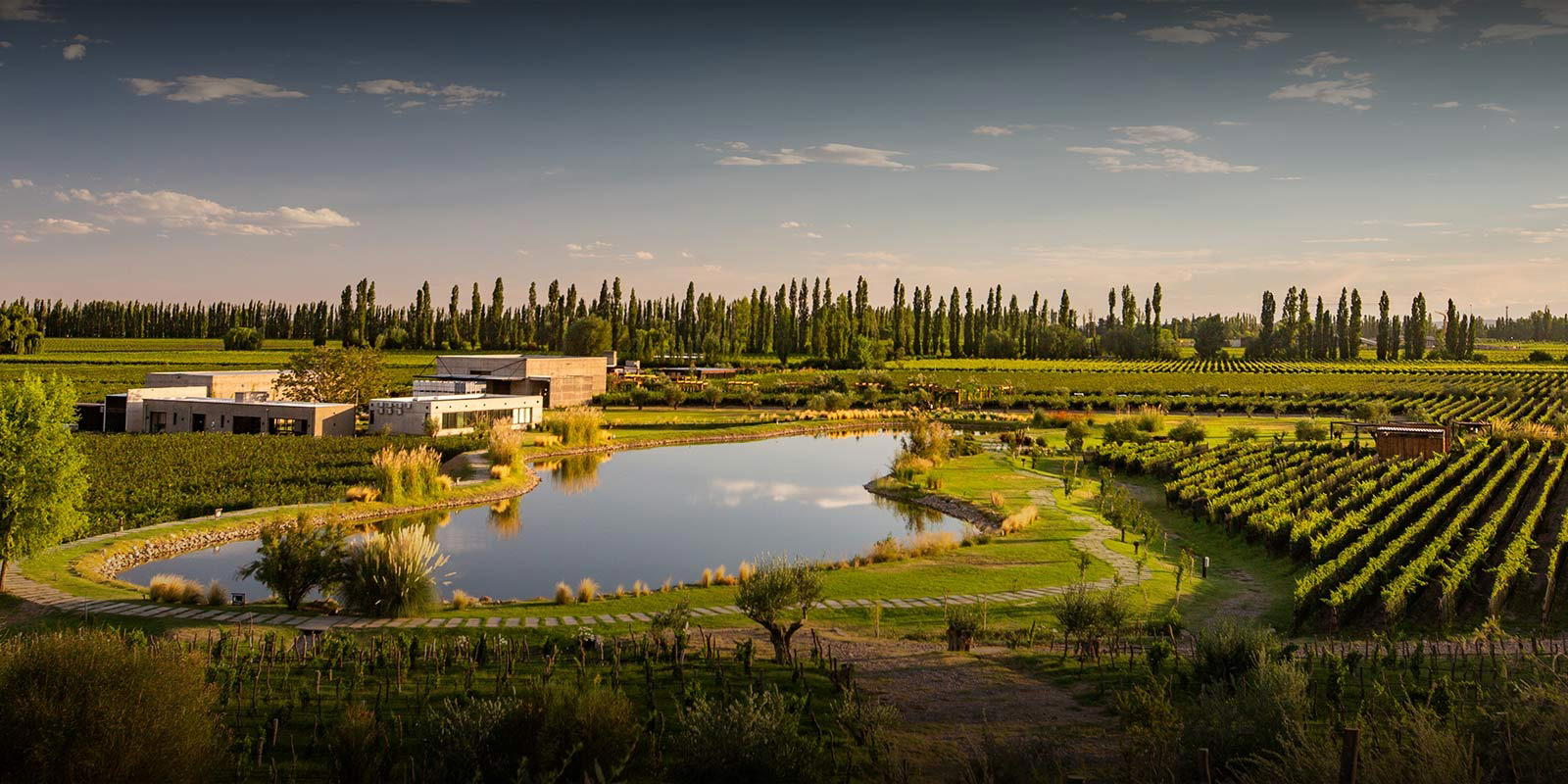
DURIGUTTI Family Winemakers
Luján de Cuyo, Argentina
Prioritize Durigutti Winemakers if the goal is a serious Luján de Cuyo winery visit with strong recognition, including World's 50 Best Vineyards #10 in 2024. It is better for travelers building a planned Mendoza wine day than for anyone looking for a casual, flexible drop-in tasting.
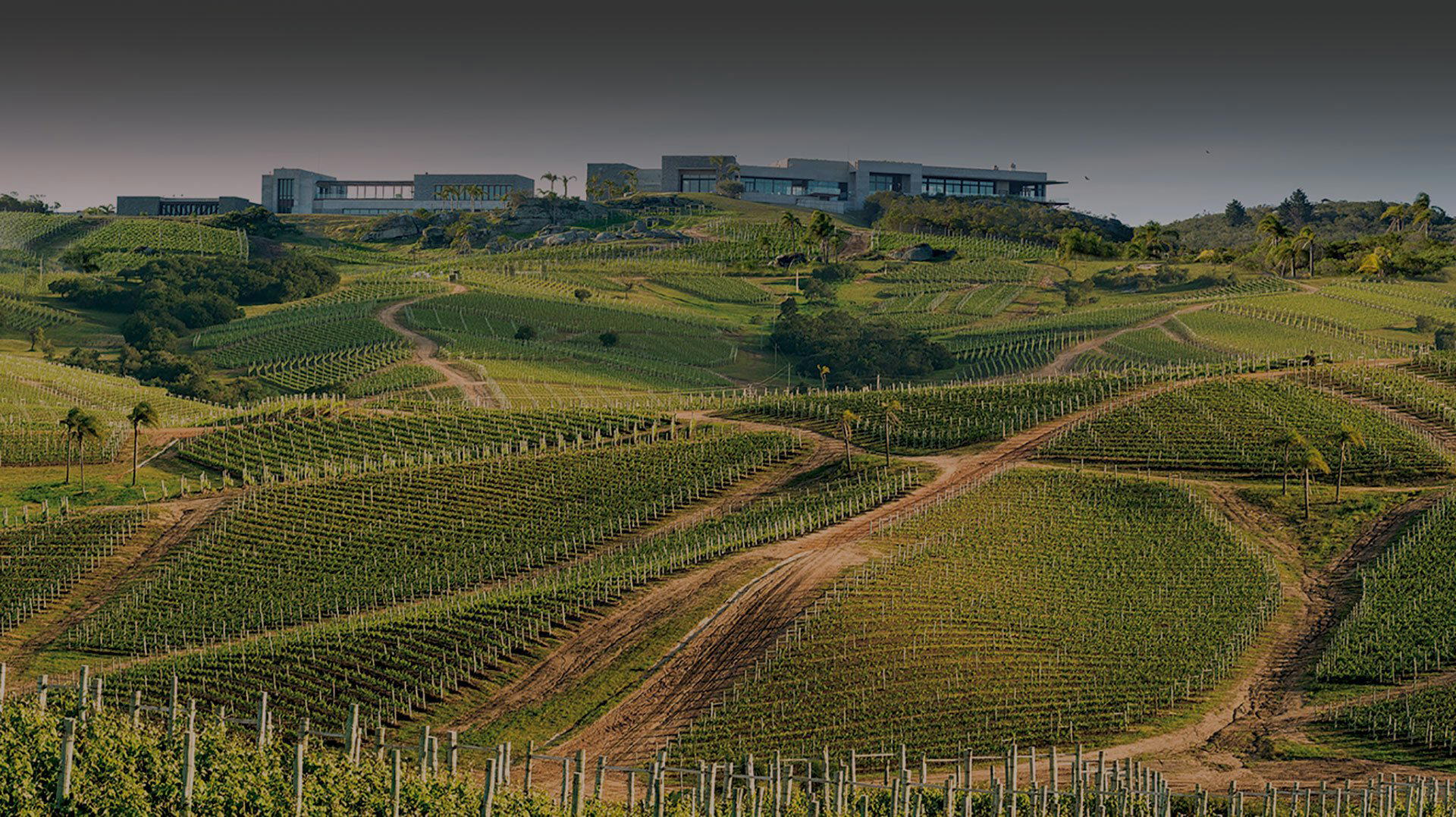
Bodega Garzón
Maldonado, Uruguay
Bodega Garzón is a winery in Uruguay's Maldonado department.
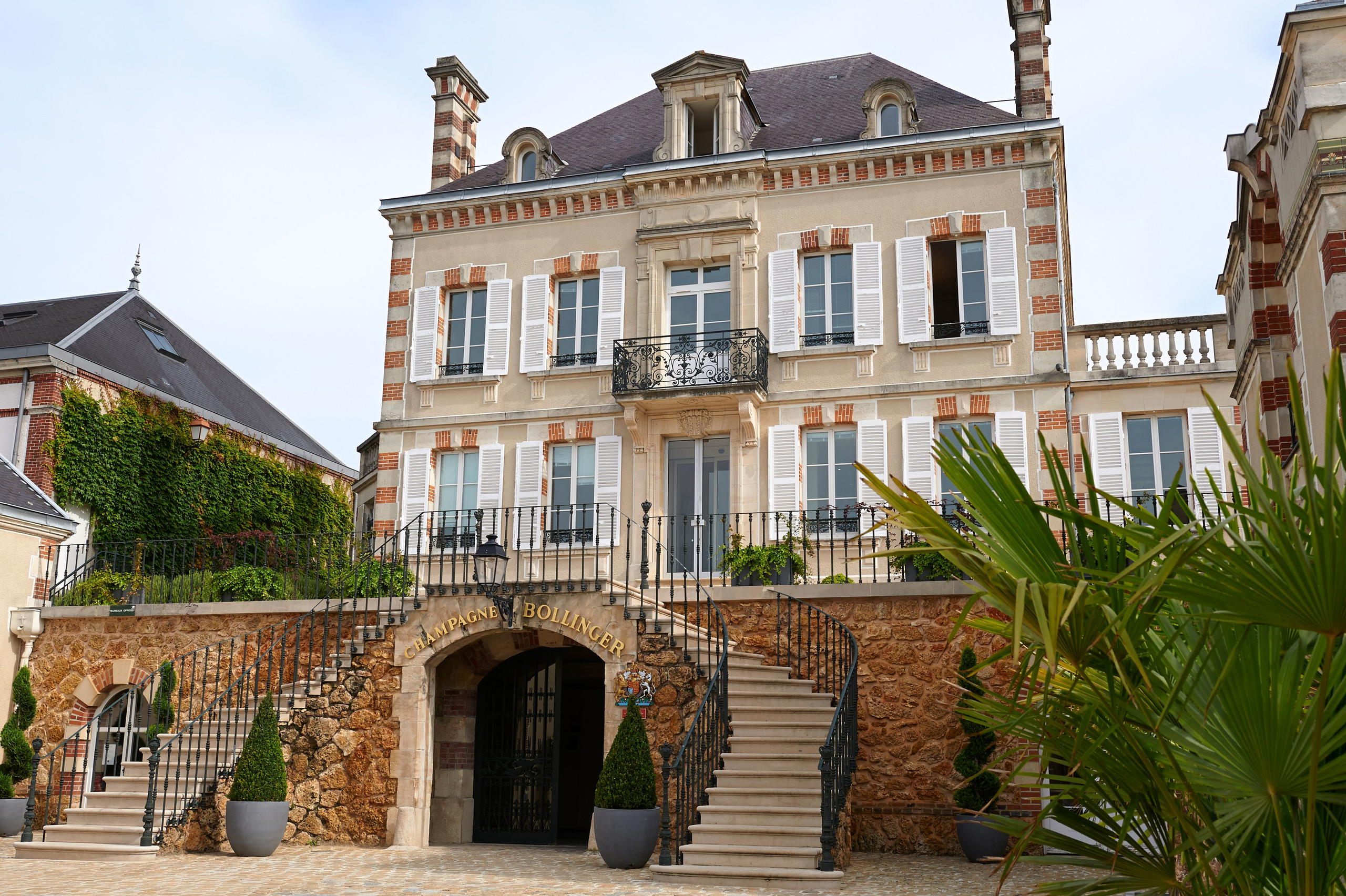
Bollinger
Aÿ, France
Bollinger offers bookable cellar tours and tastings in Aÿ through its 1829 app. Go for a look at its Pinot Noir-led range, then compare Special Cuvée with a PN edition or a current vintage release.
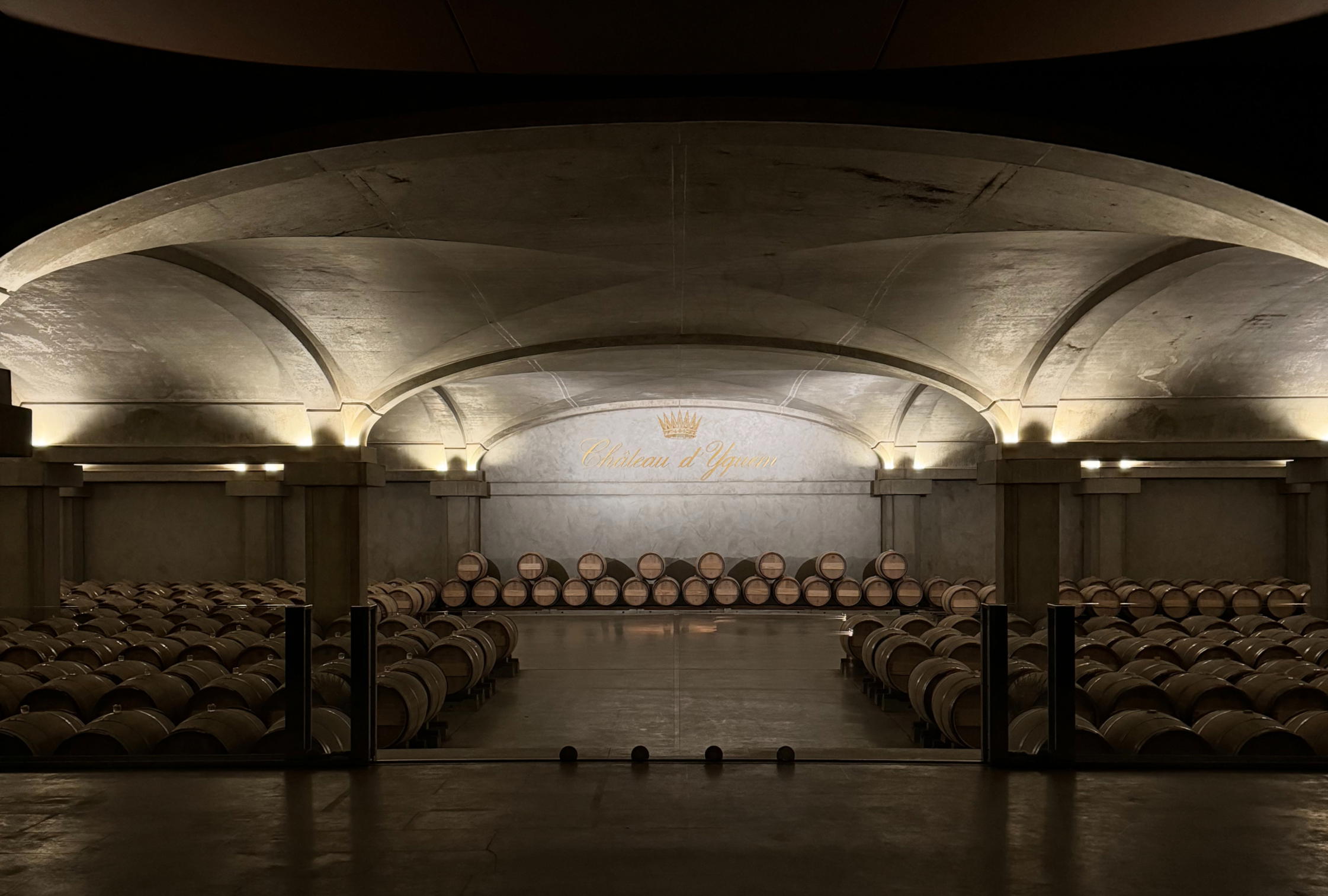
Château d'Yquem
Sauternes, France
Château d'Yquem is a wine estate in Sauternes, France.
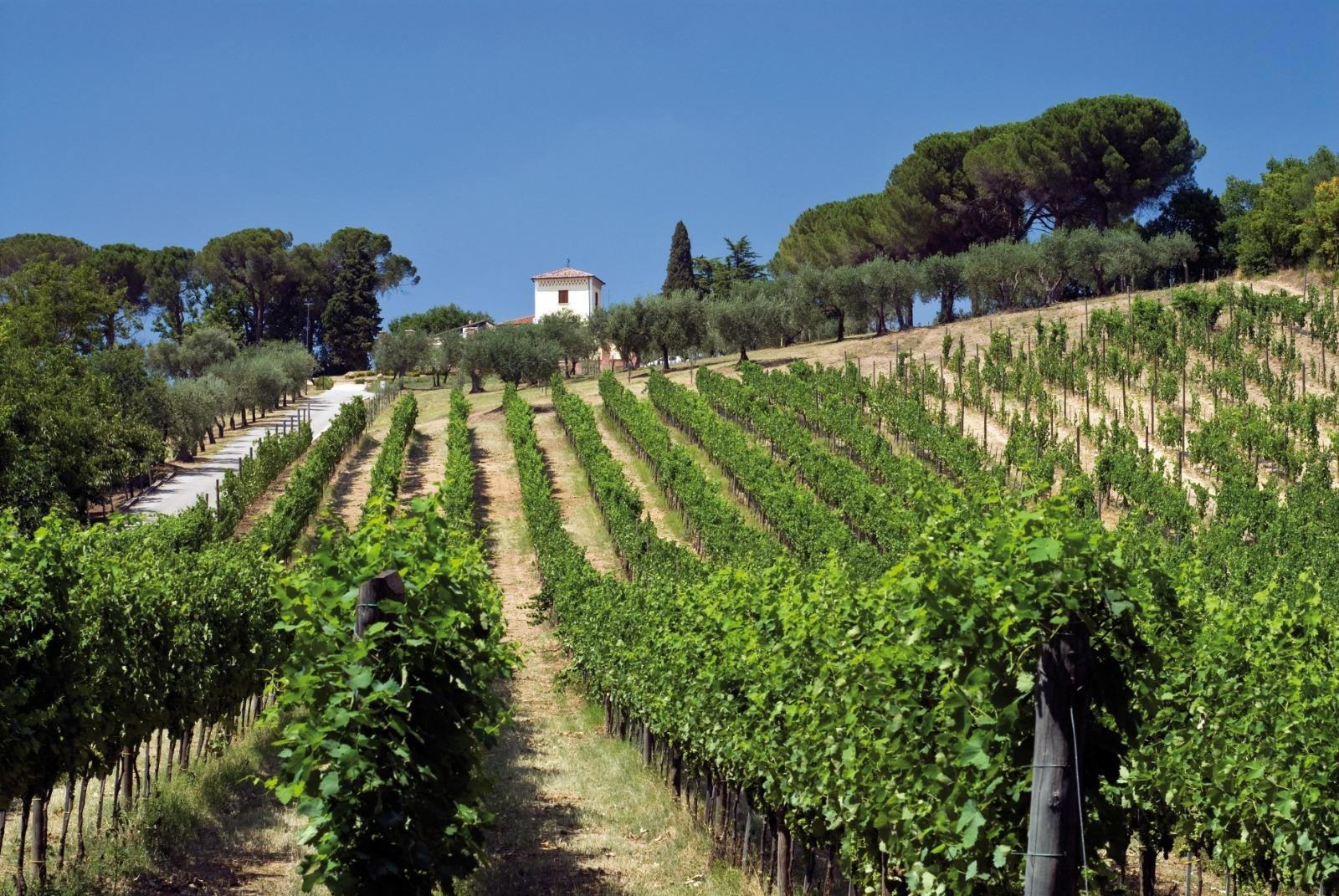
Tenuta Cavalier Pepe
Sant'Angelo All'Esca, Italy
Tenuta Cavalier Pepe is worth prioritising for a special-occasion Irpinia wine stop, especially if a more private or upgraded tasting format is available. The draw is not convenience but reputation: Pearl 2 Star Prestige in 2025 and No. 14 on World's 50 Best Vineyards in 2024 make it a stronger anchor booking than a casual add-on.
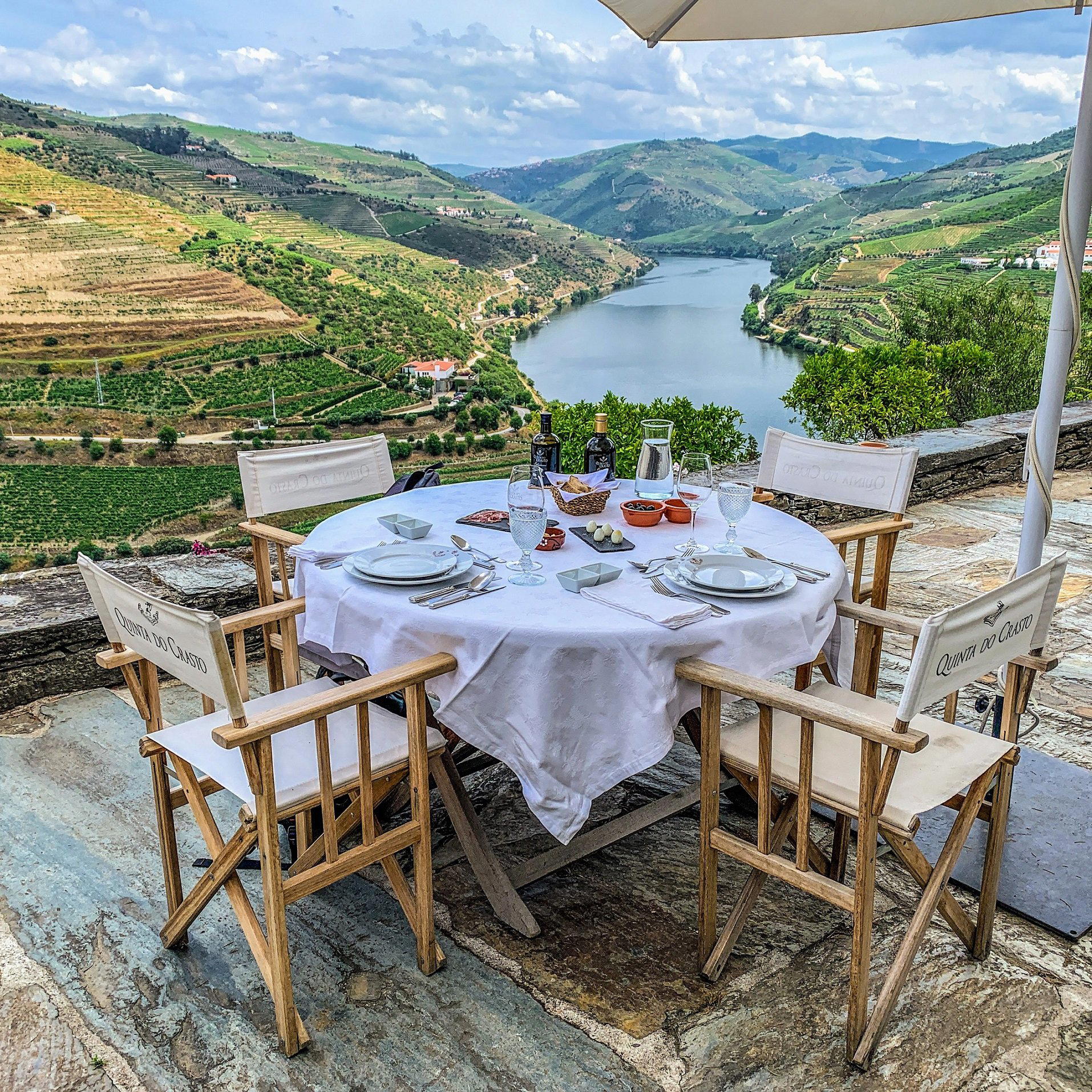
Quinta do Crasto
Sabrosa, Portugal
Quinta do Crasto is a wine estate in Portugal's Douro region near Sabrosa.
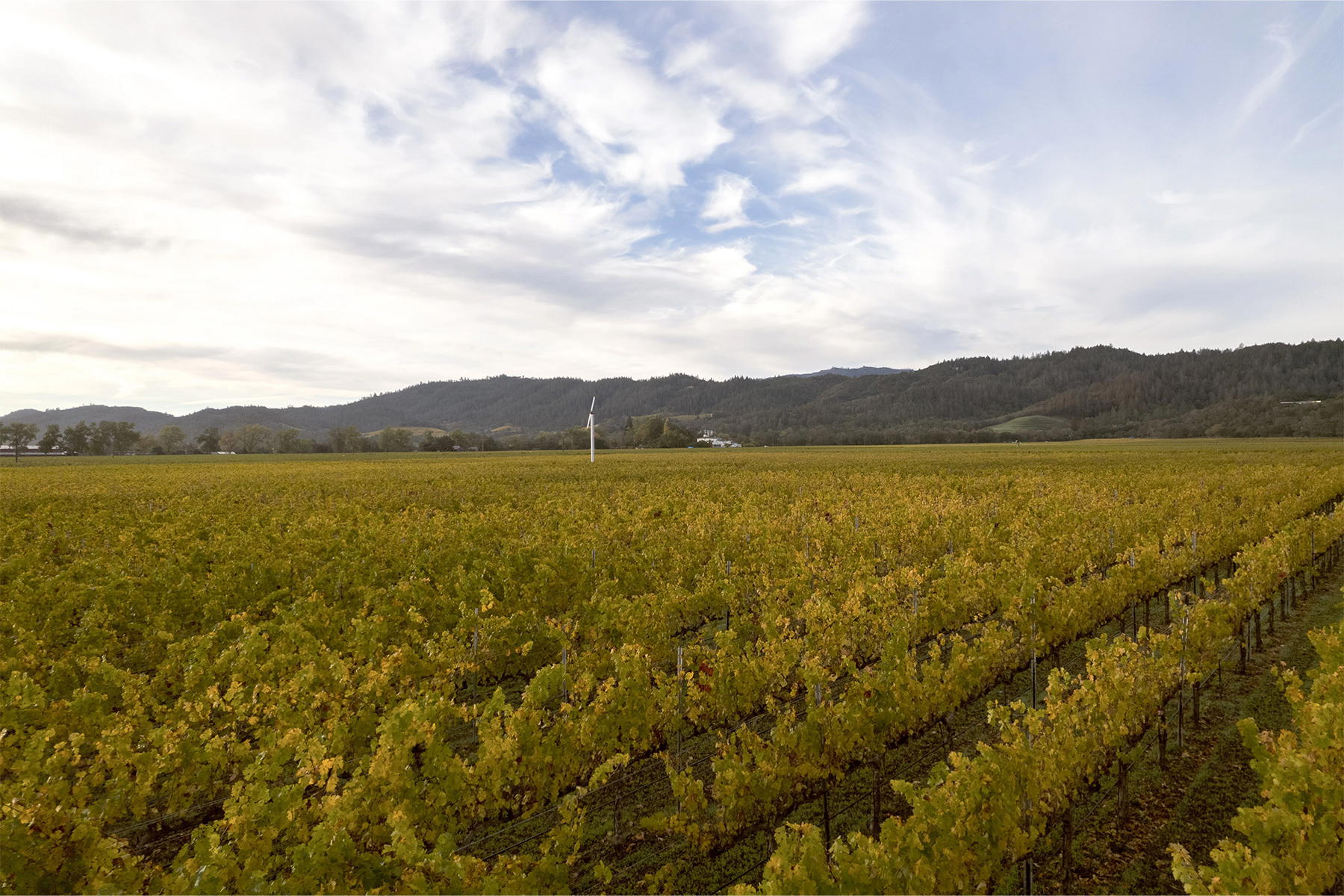
Robert Mondavi Winery
Oakville, United States
Plan Robert Mondavi Winery as the anchor of an Oakville wine day, especially for a celebration or business outing where name recognition and estate scale matter. It is a stronger fit for confident Napa context than for a quiet, discovery-led tasting, and the wine club is mainly worth considering if ongoing access to an established producer matters to the buyer.
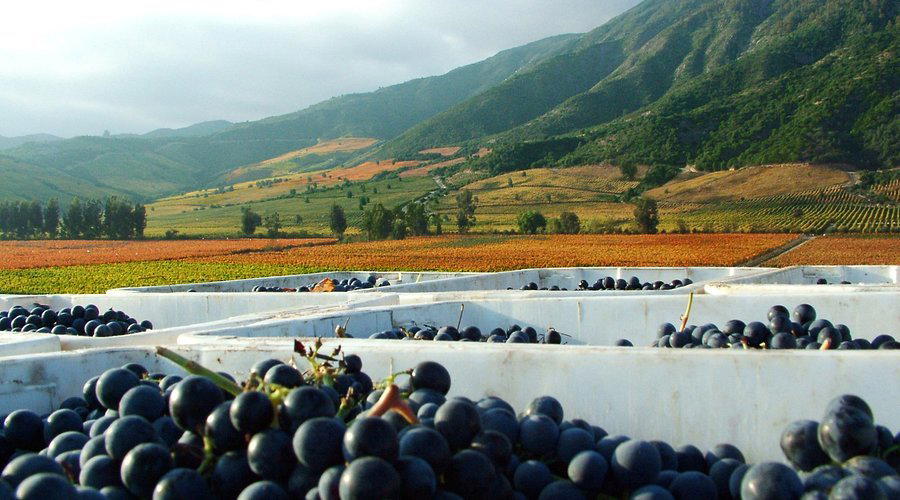
Viña Montes
Santa Cruz, Chile
Viña Montes is a winery in Chile's Colchagua Valley.
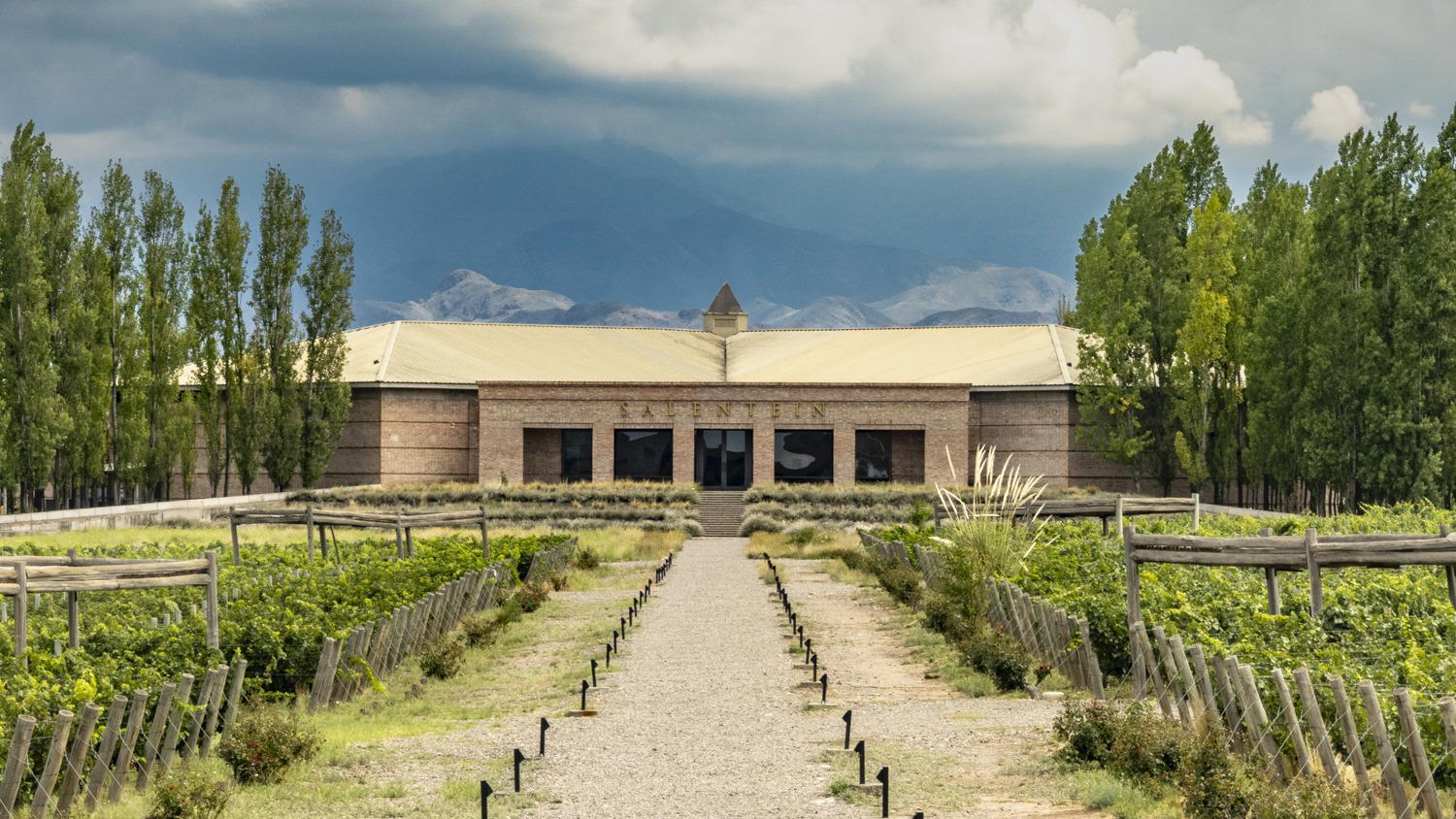
Bodegas Salentein
Tunuyán, Argentina
Bodegas Salentein is a winery near Tunuyán in Mendoza's Uco Valley.
Viña Viu Manent
Santa Cruz, Chile
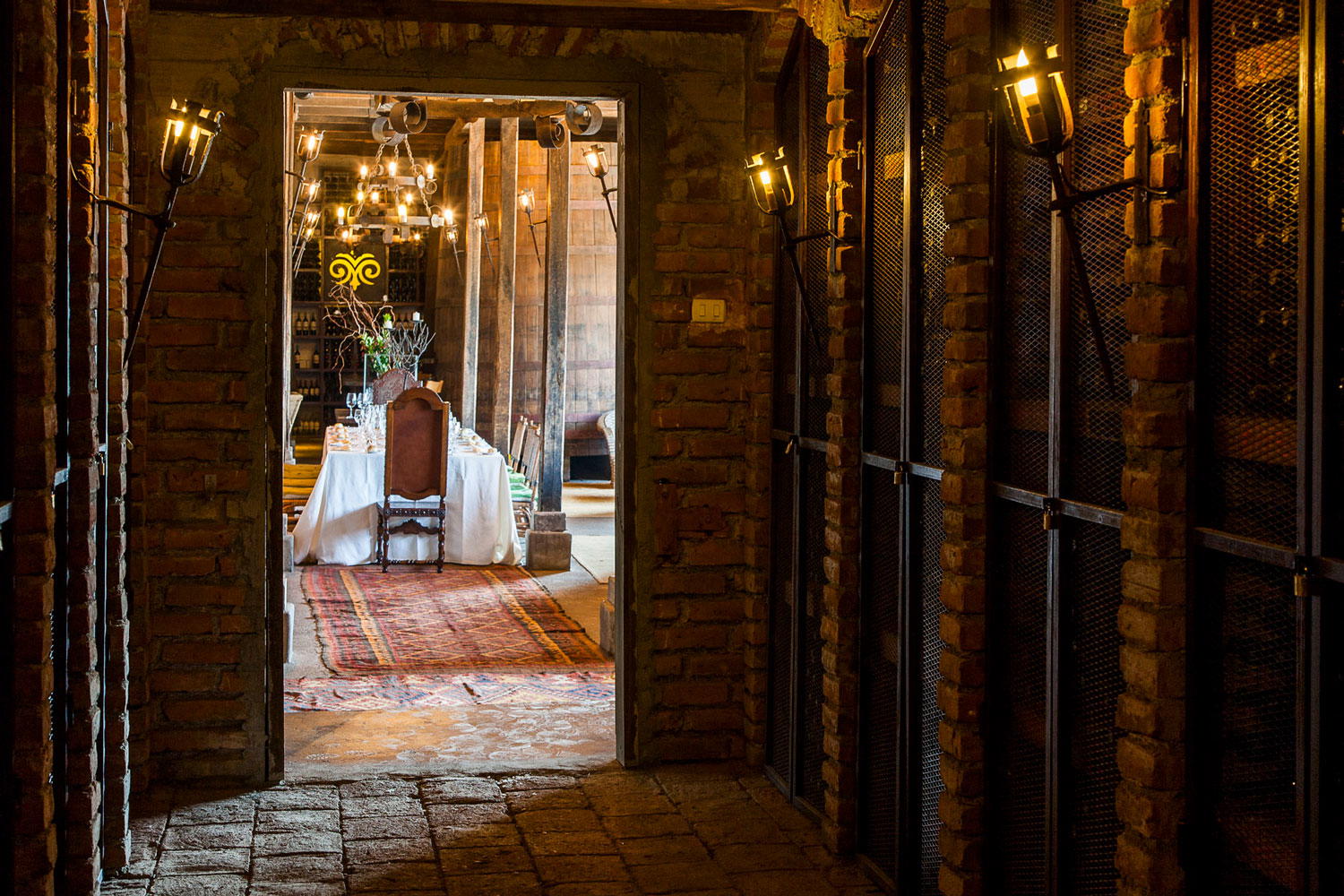
Book Viña Viu Manent when the Santa Cruz trip is built around wine, not when you need a casual last-minute stop. Its World's 50 Best Vineyards #40 placement gives it real trip-anchor weight, but the booking difficulty means dates should be planned early. Cross-shop Clos Apalta for a bigger prestige play and Viña Montes for another major Santa Cruz winery.
Ceretto
Alba, Italy
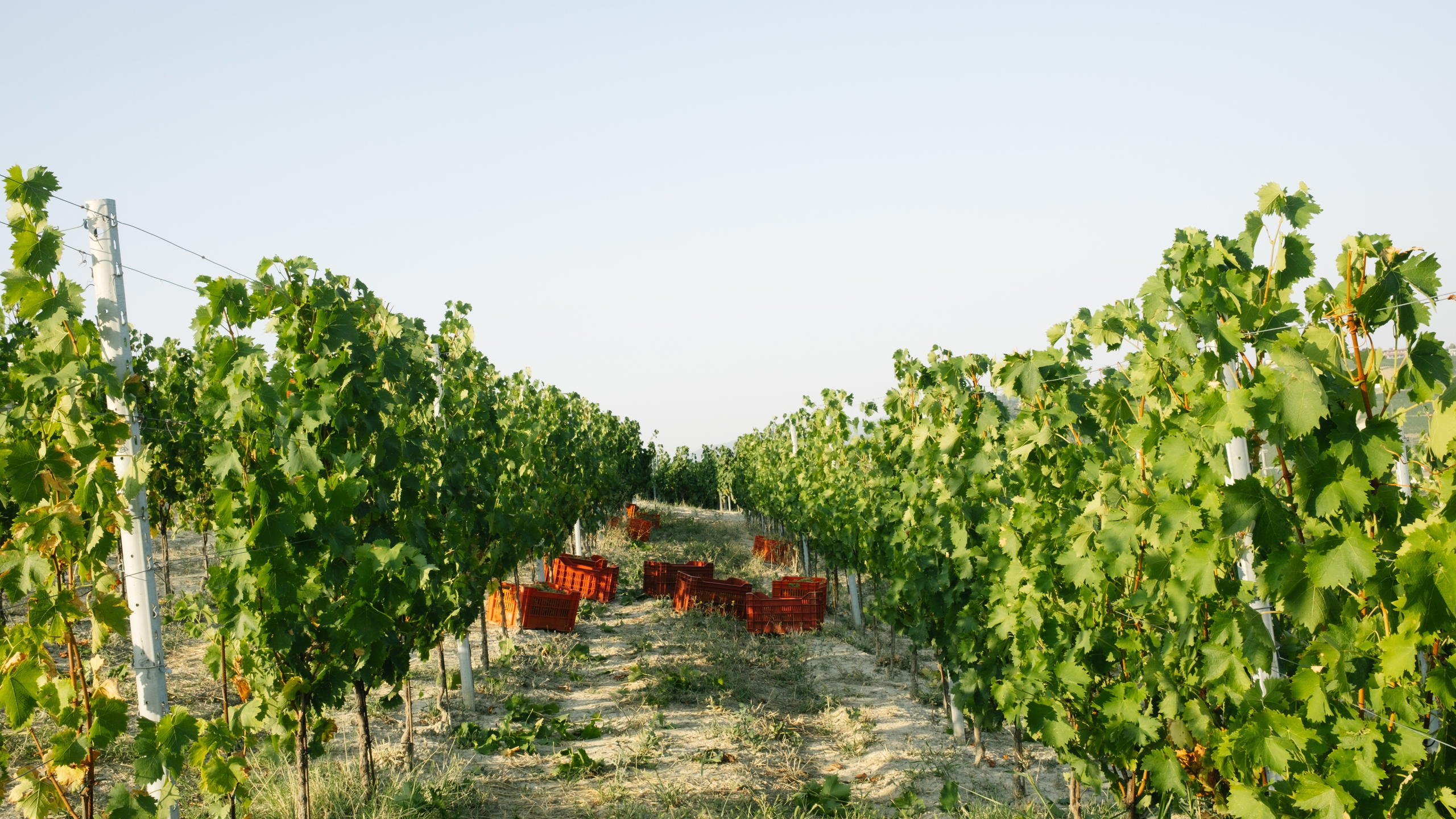
Prioritize Ceretto if Alba is a wine-led trip and you want a polished Langhe visit with serious external recognition. It is less suited to casual, last-minute tasting plans; compare Pio Cesare for an Alba-focused alternative or Distilleria Montanaro for a different drinks stop in town.
Château Pape Clement
Pessac, France
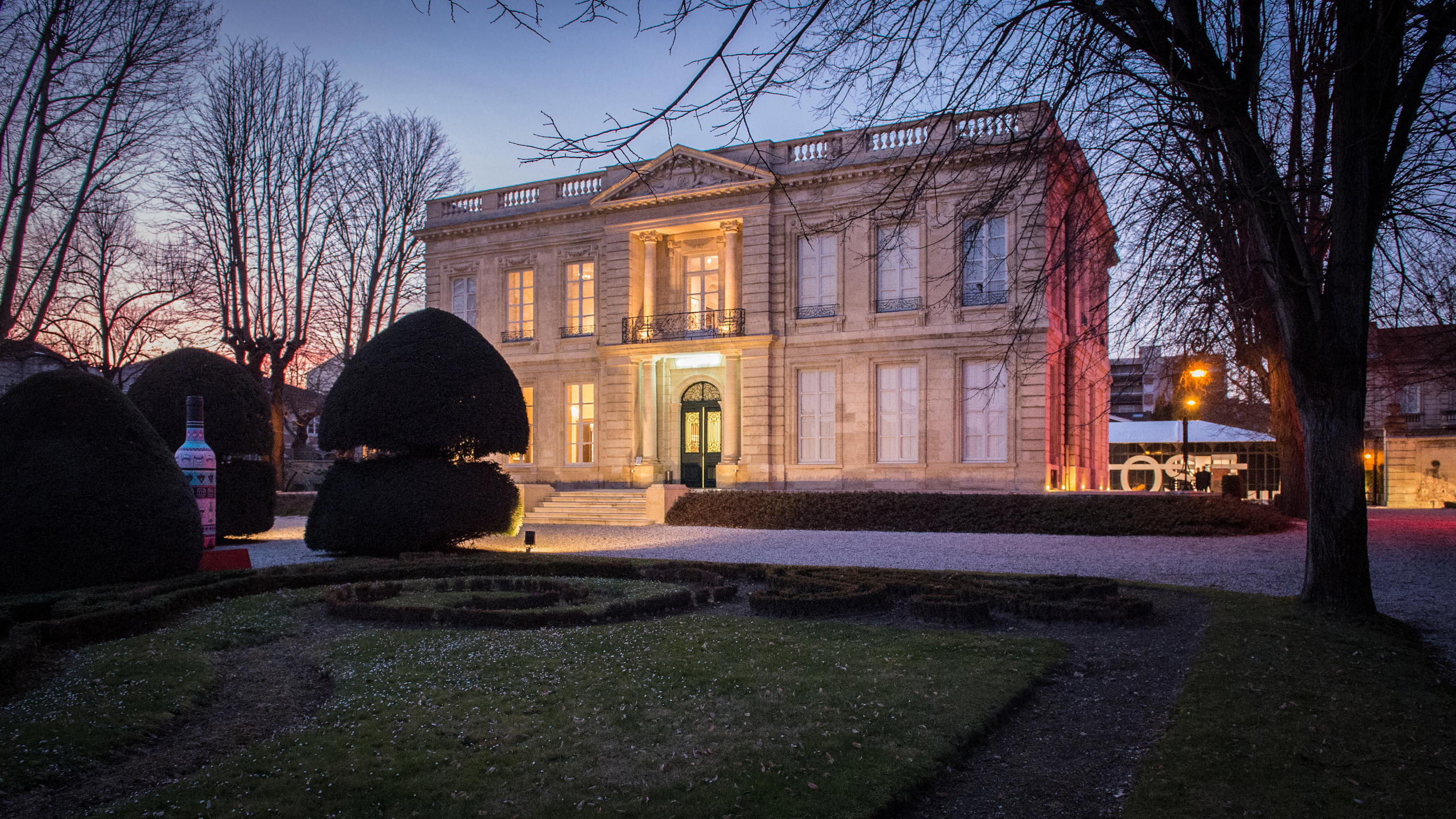
Château Pape Clément is a wine estate in Pessac, Bordeaux.
Castello Banfi
Montalcino, Italy
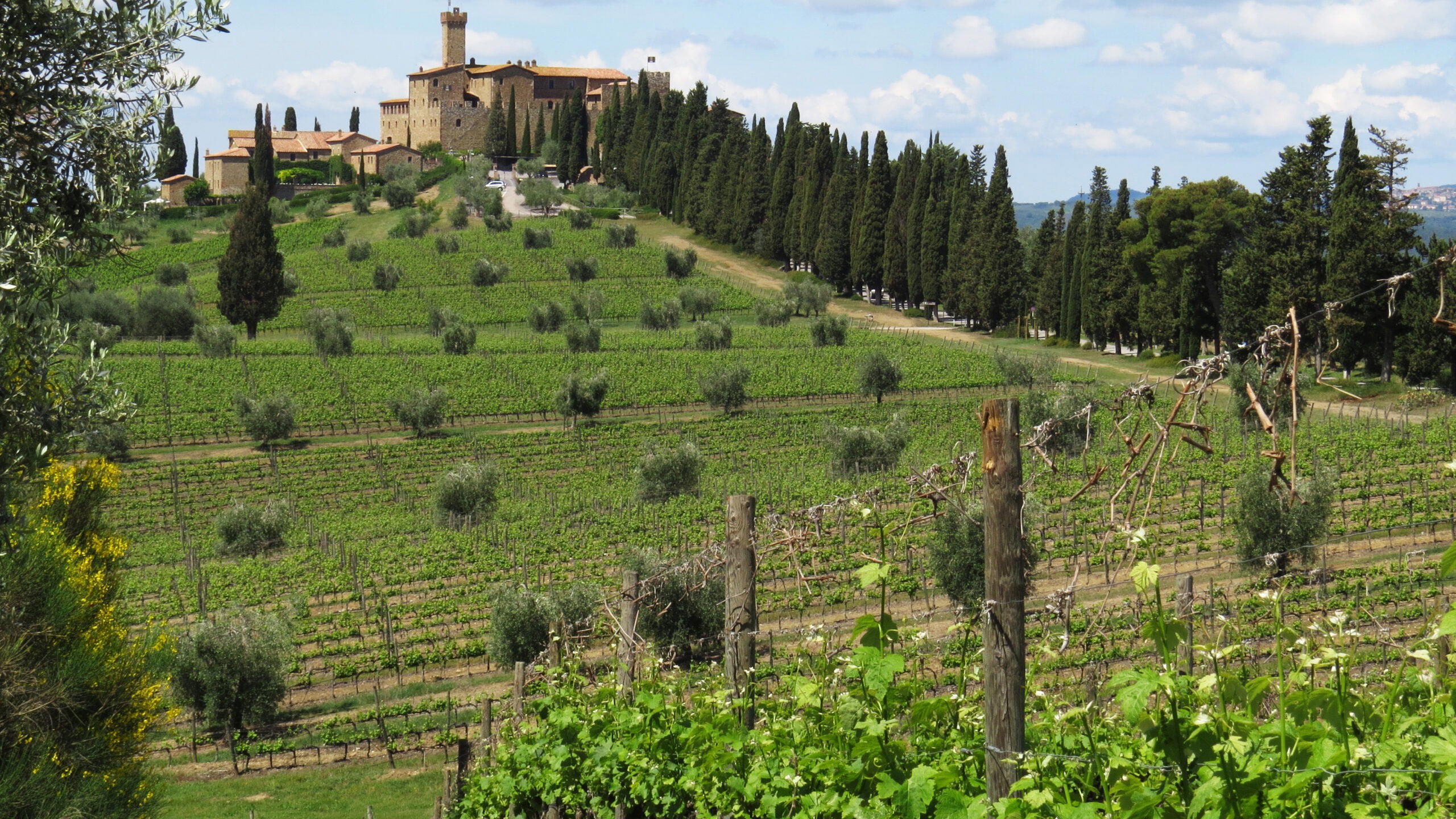
Castello Banfi is a winery at Poggio alle Mura near Montalcino.
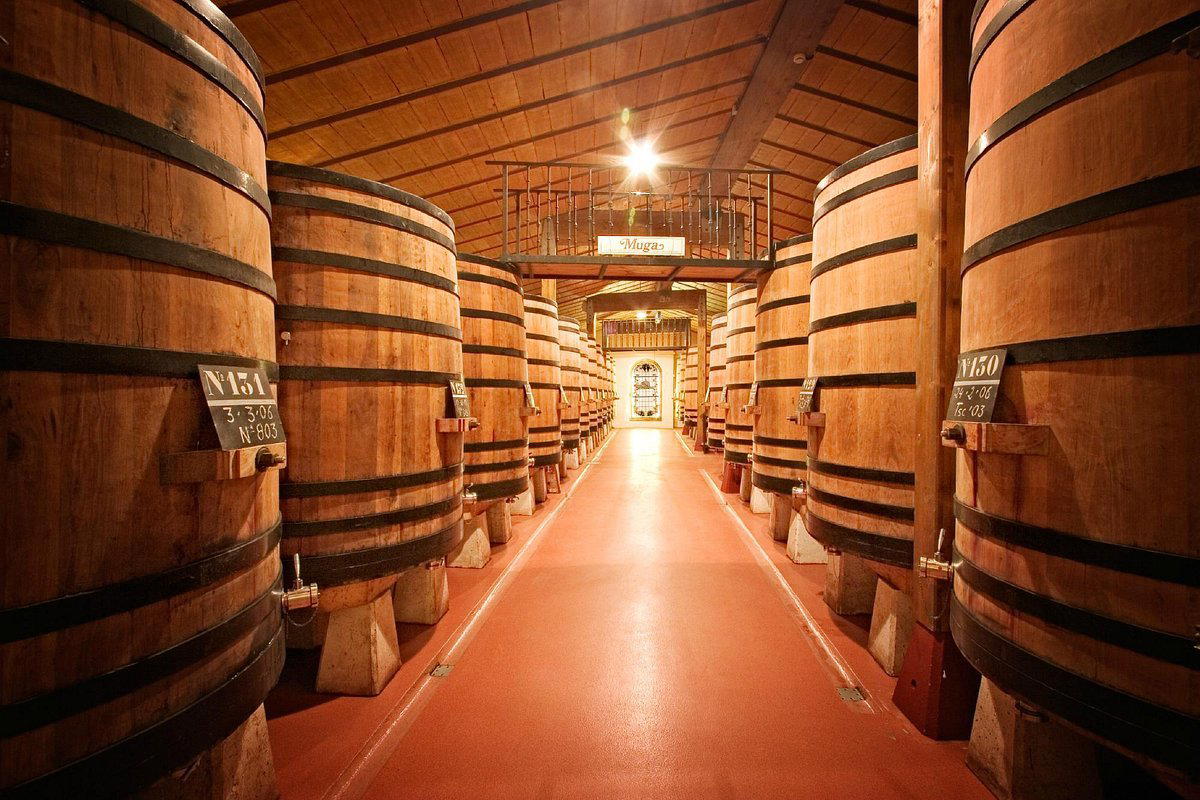
Bodegas Muga
Haro, Spain
Bodegas Muga is a winery on Avenida Vizcaya in Haro, Rioja.

Jordan Vineyard & Winery
Healdsburg, United States
Jordan Vineyard & Winery is the Healdsburg pick for travelers who want a polished Alexander Valley estate visit rather than a casual downtown tasting-room stop. Book it when wine context and a food-pairing format matter more than flexibility; choose Banshee Wines or Simi Winery instead if the group needs an easier, lower-friction Healdsburg option.
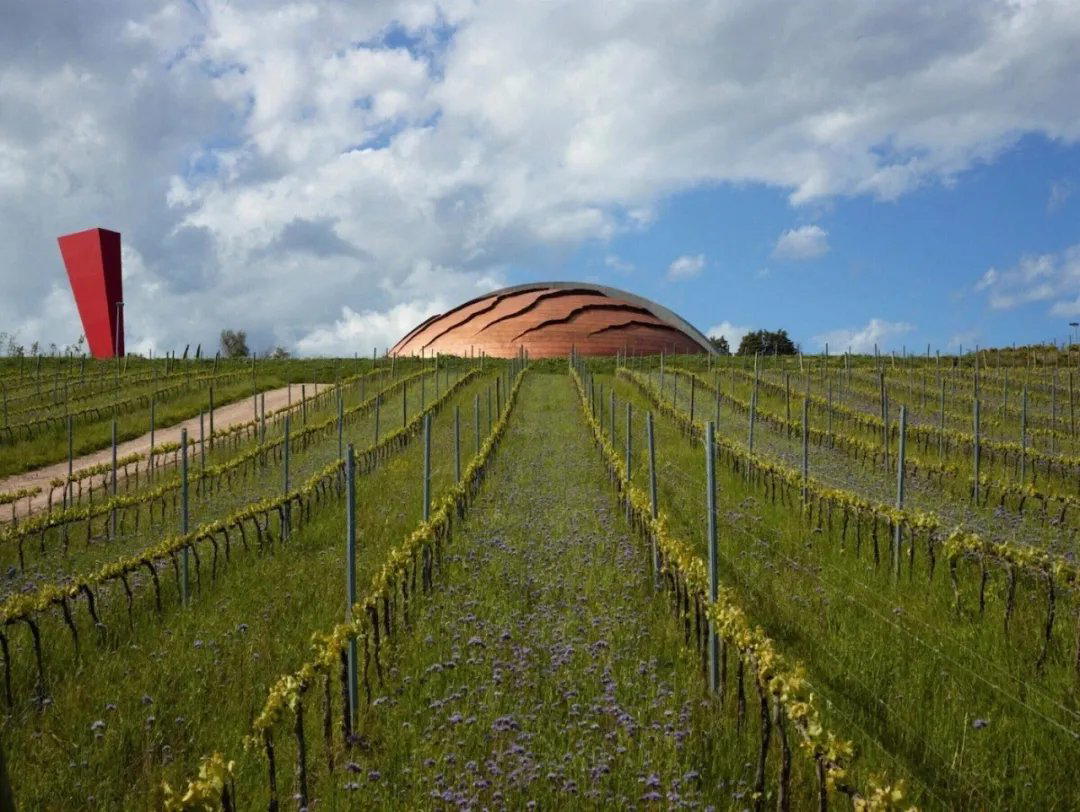
Tenuta Castelbuono (Tenute Lunelli)
Umbria, Italy
Tenuta Castelbuono (Tenute Lunelli) is the Umbria choice for a planned, wine-led occasion rather than a casual tasting stop. Prioritise it if structured regional reds and a serious estate experience justify the planning effort; cross-shop Arnaldo Caprai or Lungarotti if the group wants a more familiar Umbrian winery comparison.
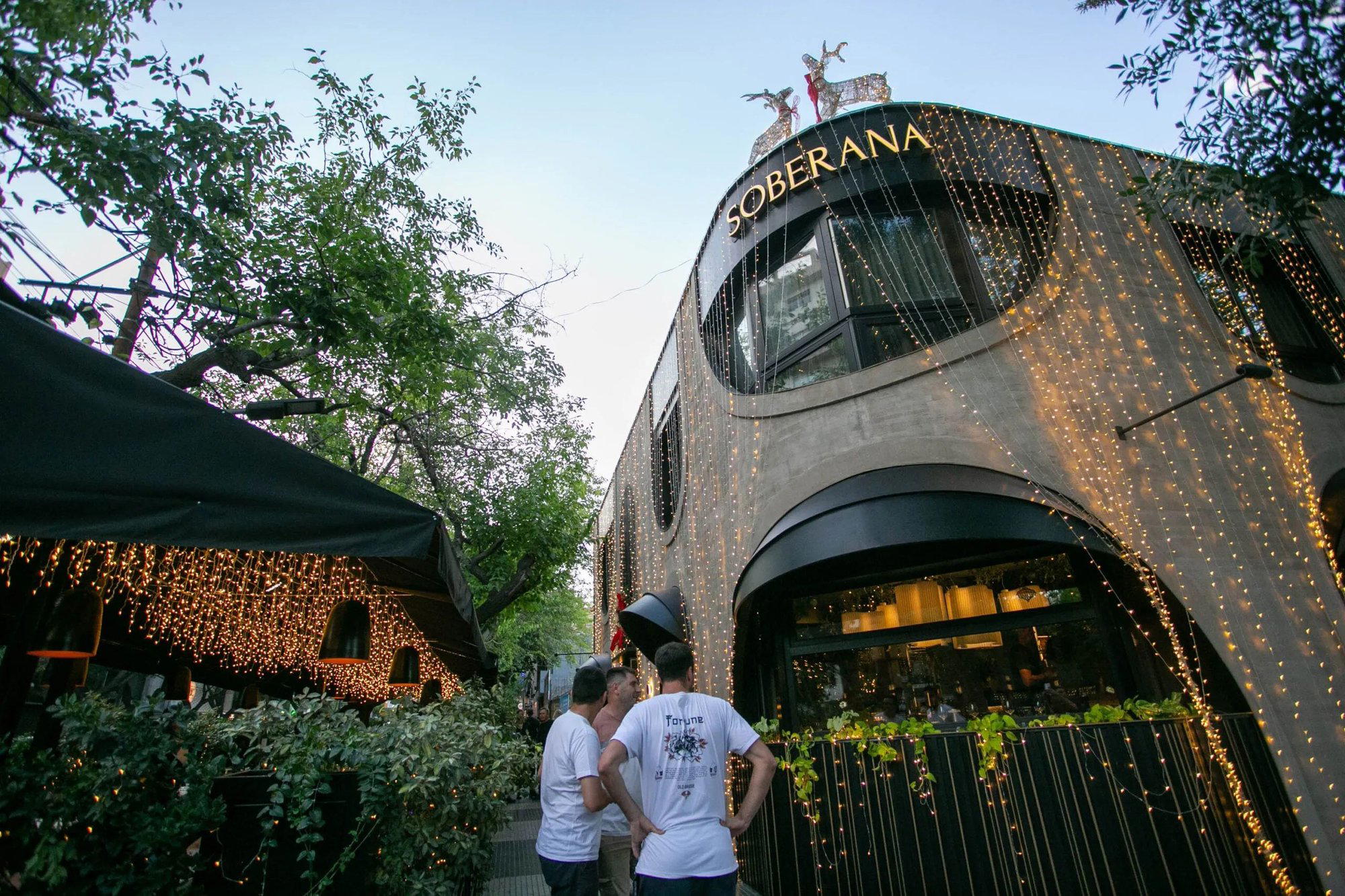
Matias Riccitelli
Distrito Las Compuertas, Argentina
Matias Riccitelli is worth prioritizing for a Mendoza wine itinerary if setting and critical recognition matter more than easy access. The Las Compuertas location gives the visit more context than a simple tasting-room stop, but demand means it should be planned early rather than treated as a backup.
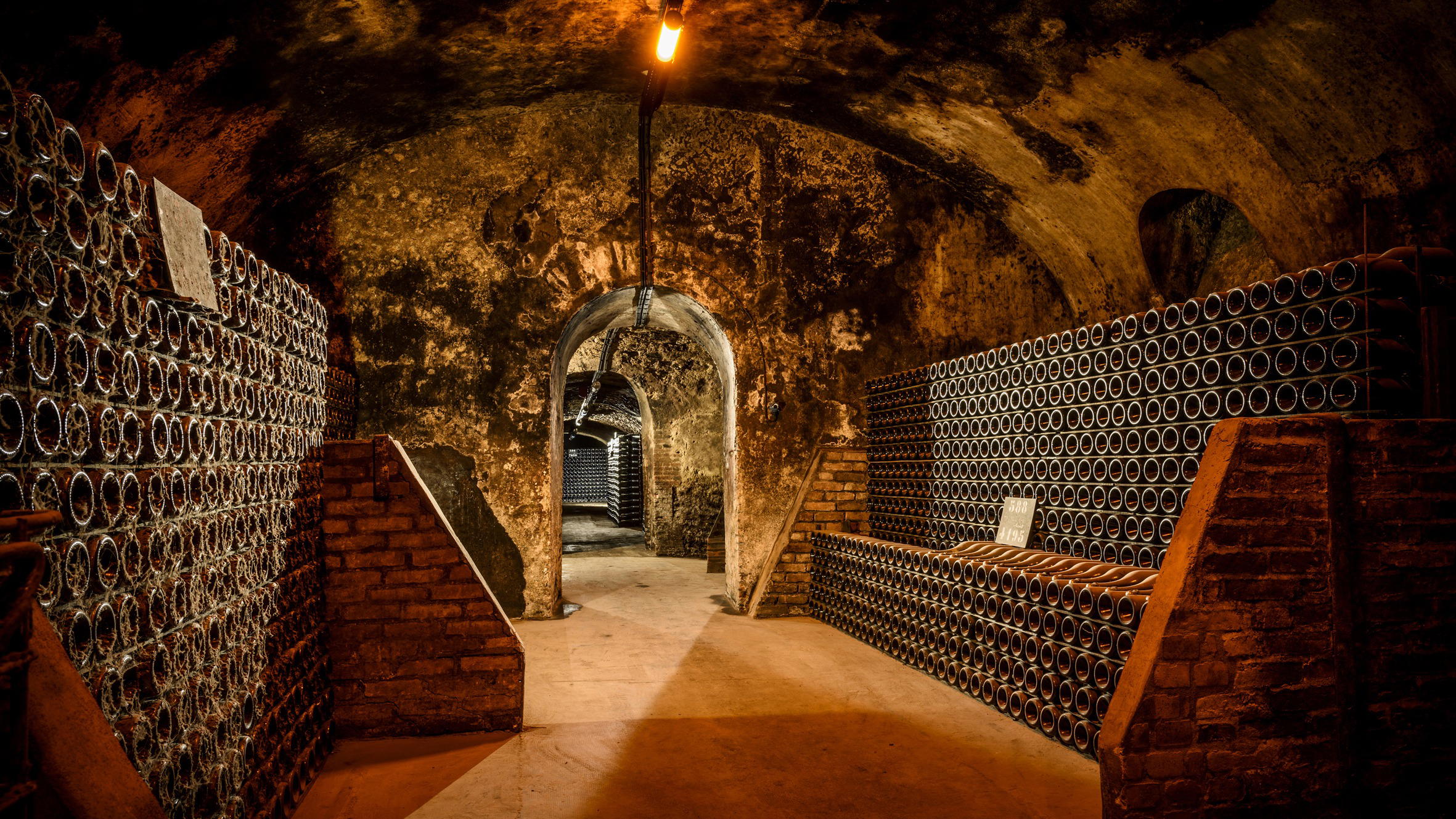
Billecart-Salmon
Aÿ, France
Billecart-Salmon in Mareuil-sur-Aÿ works best as a Champagne house, with Le Rosé, family history and a substantial vineyard footprint. Visits require a direct request and are limited; the house prioritizes trade professionals and loyal clients.
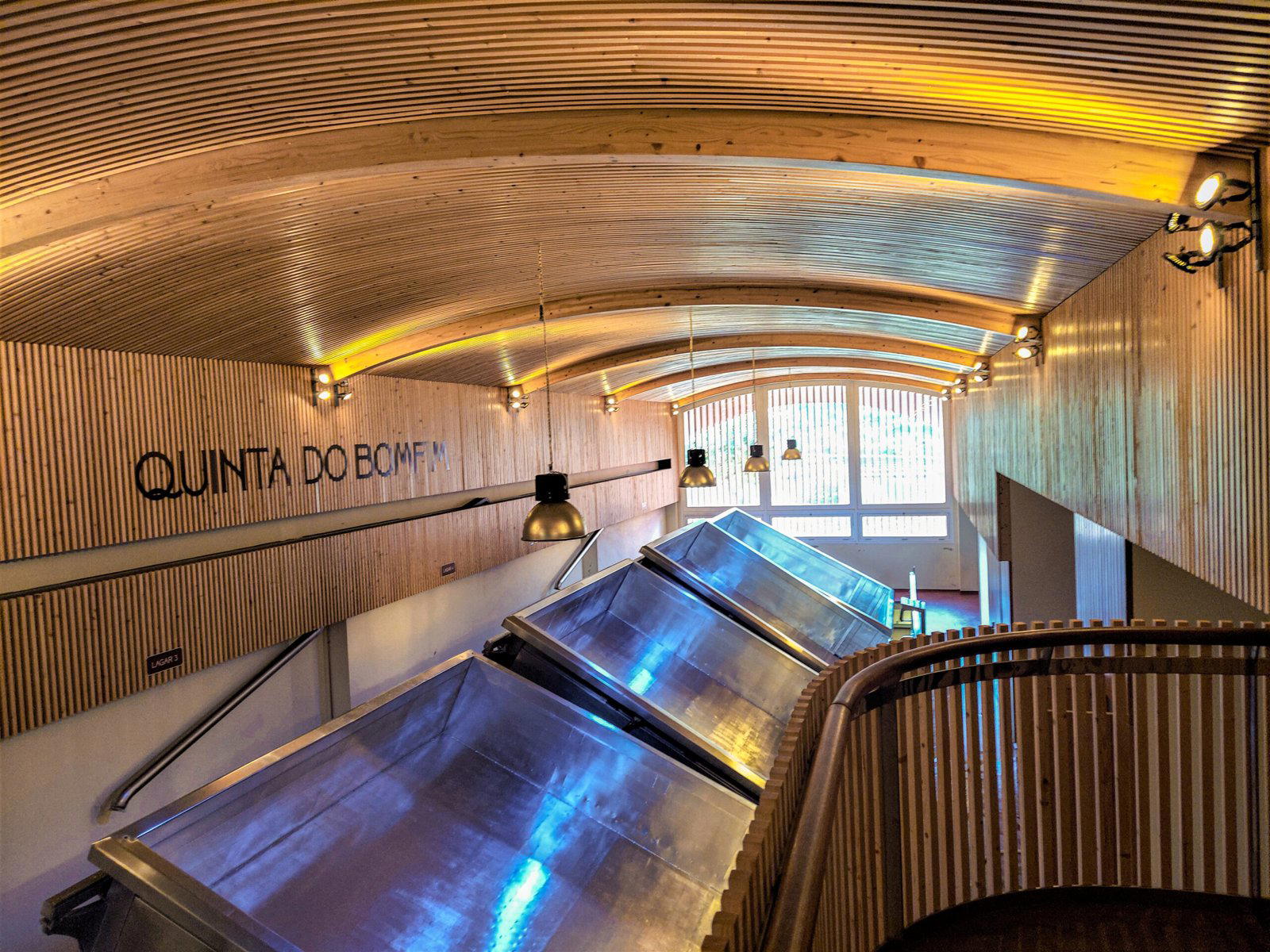
Quinta do Bomfim
Pinhão, Portugal
Book Quinta do Bomfim if the priority is a serious Douro winery visit in Pinhão with recognized vineyard credentials. Its World's 50 Best Vineyards placement gives it more weight than a casual tasting stop, but any wine-club or allocation offer should be judged on access, shipping costs, and commitment terms rather than prestige alone.
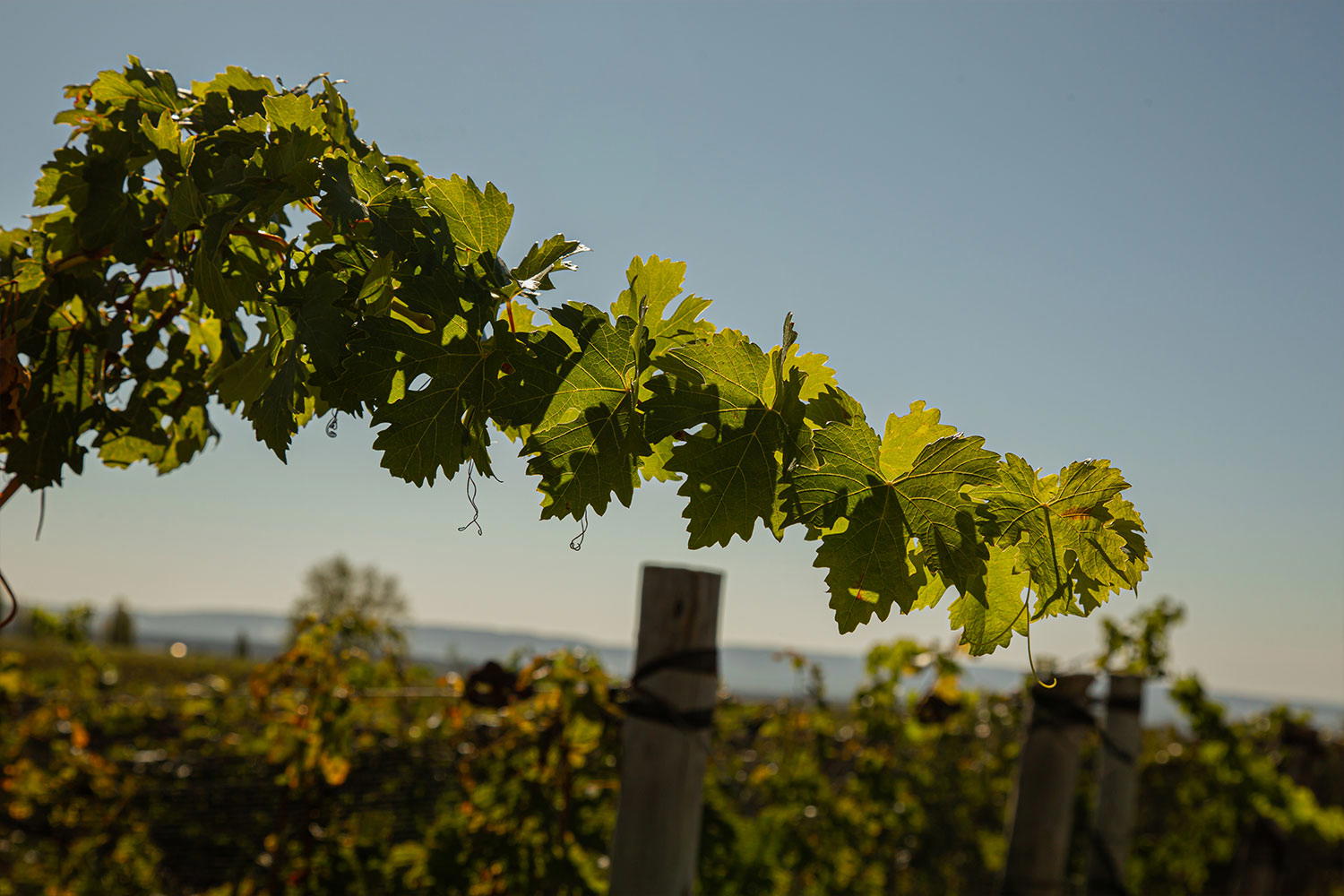
El Enemigo (Casa Vigil)
Maipú, Argentina
Book El Enemigo (Casa Vigil) if the Mendoza trip needs one high-conviction winery anchor with serious recognition. The World's 50 Best Vineyards #10 ranking in 2023 makes it a stronger choice for wine-focused travelers than for casual, flexible tasting days. Plan early and keep Maipú alternatives ready.
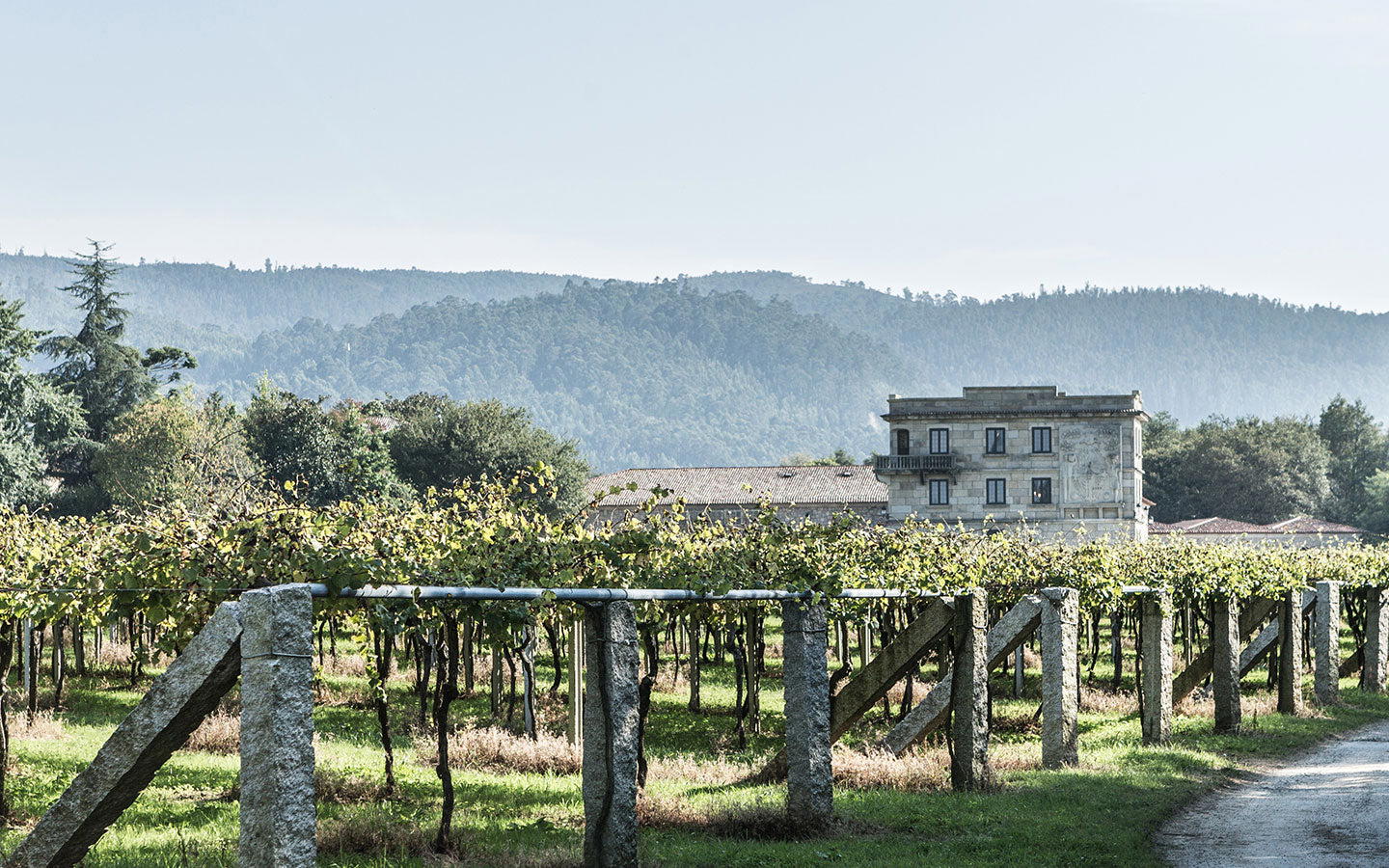
Marqués de Murrieta
Logroño, Spain
Marqués de Murrieta is a winery near Logroño in La Rioja.
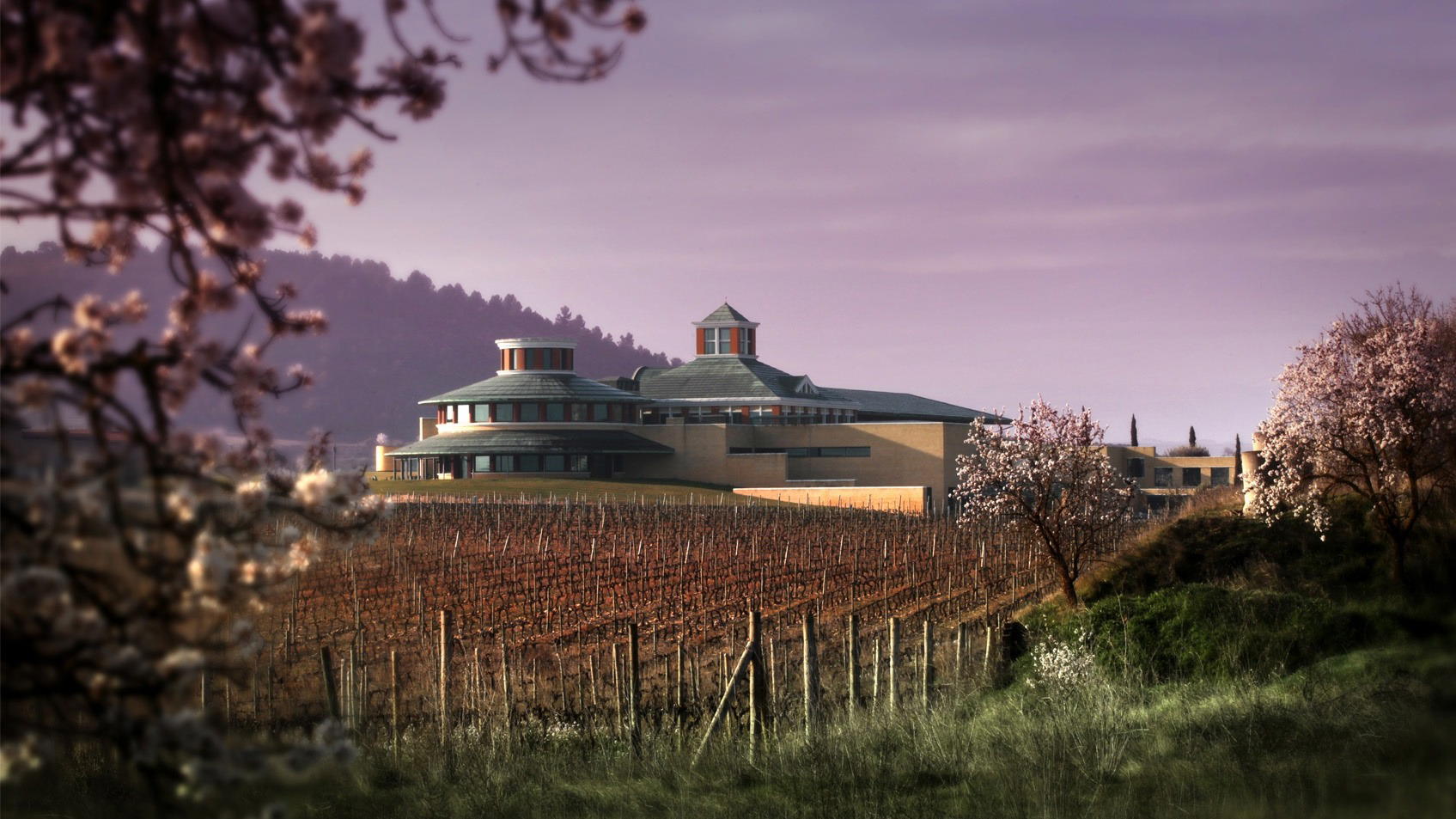
Bodegas Vivanco
Valle de Mena, Spain
Book Bodegas Vivanco when the winery visit itself needs to carry the occasion. Its 2025 World's 50 Best Vineyards #24 recognition makes it a strong Rioja choice for celebrations, client hosting, and mixed groups who want more than a quick tasting. Plan it as the day's anchor stop rather than an add-on.
d'Arenberg
McLaren Vale, Australia
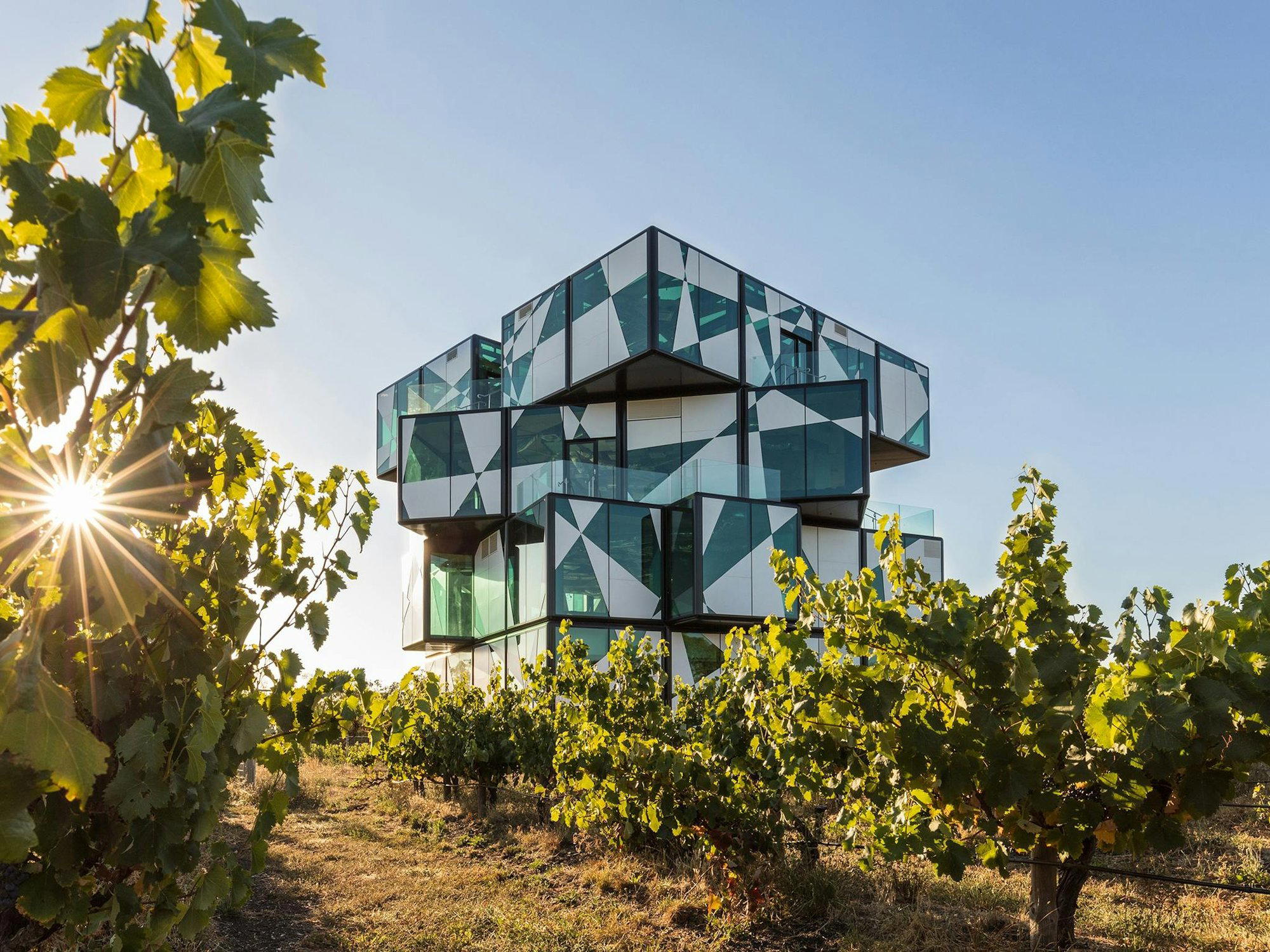
d'Arenberg is worth prioritising if you want a recognised McLaren Vale winery to anchor the day, especially for a first visit or wine-focused itinerary. It is less suited to a loose, low-commitment tasting crawl; cross-shop S.C. Pannell, Kay Brothers, Mollydooker, or Oliver's Taranga if flexibility matters more.
Domäne Wachau
Dürnstein, Austria
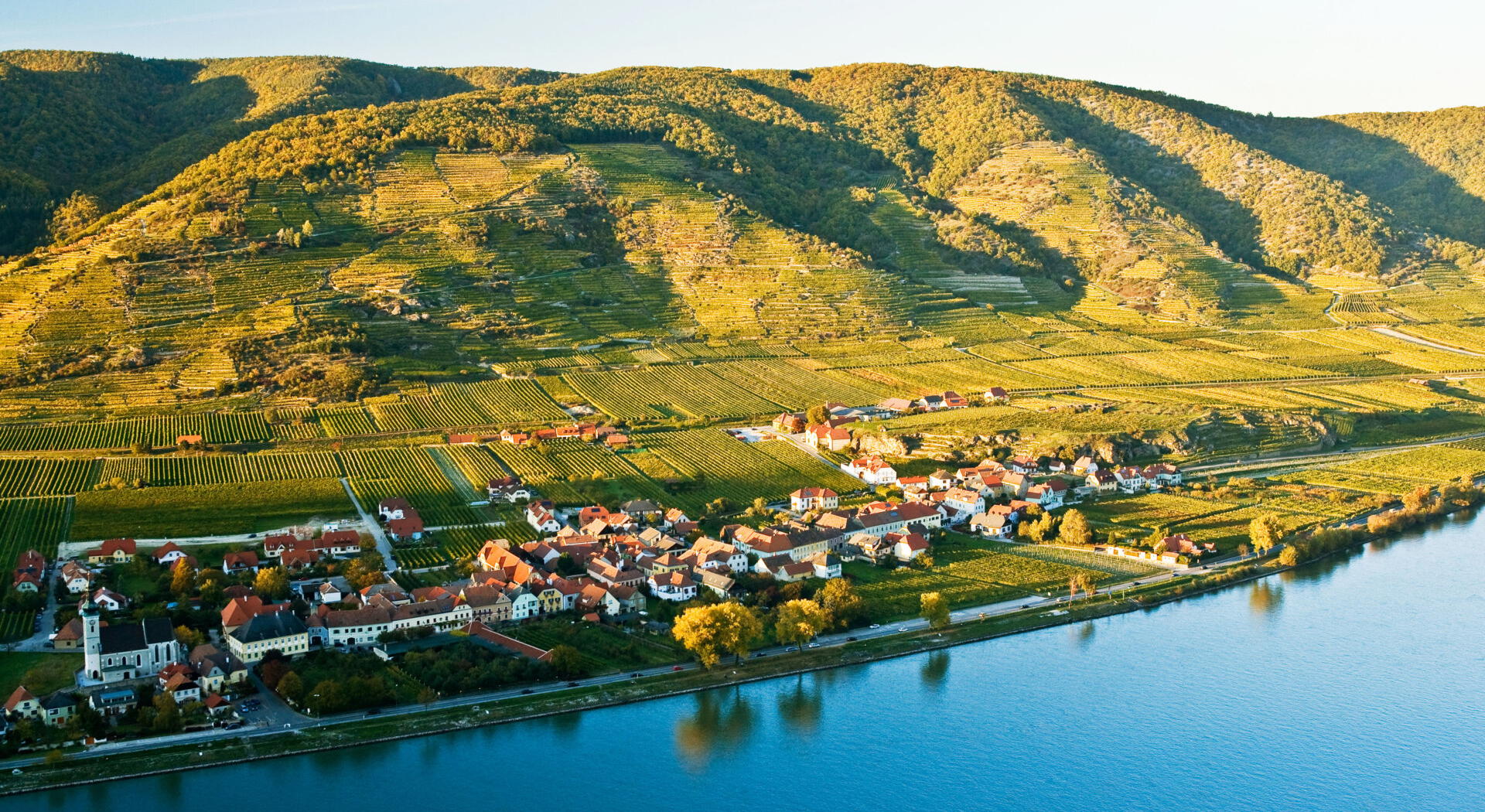
Domäne Wachau is a wine estate in Dürnstein, Austria.
González Byass (Tío Pepe)
Jerez, Spain
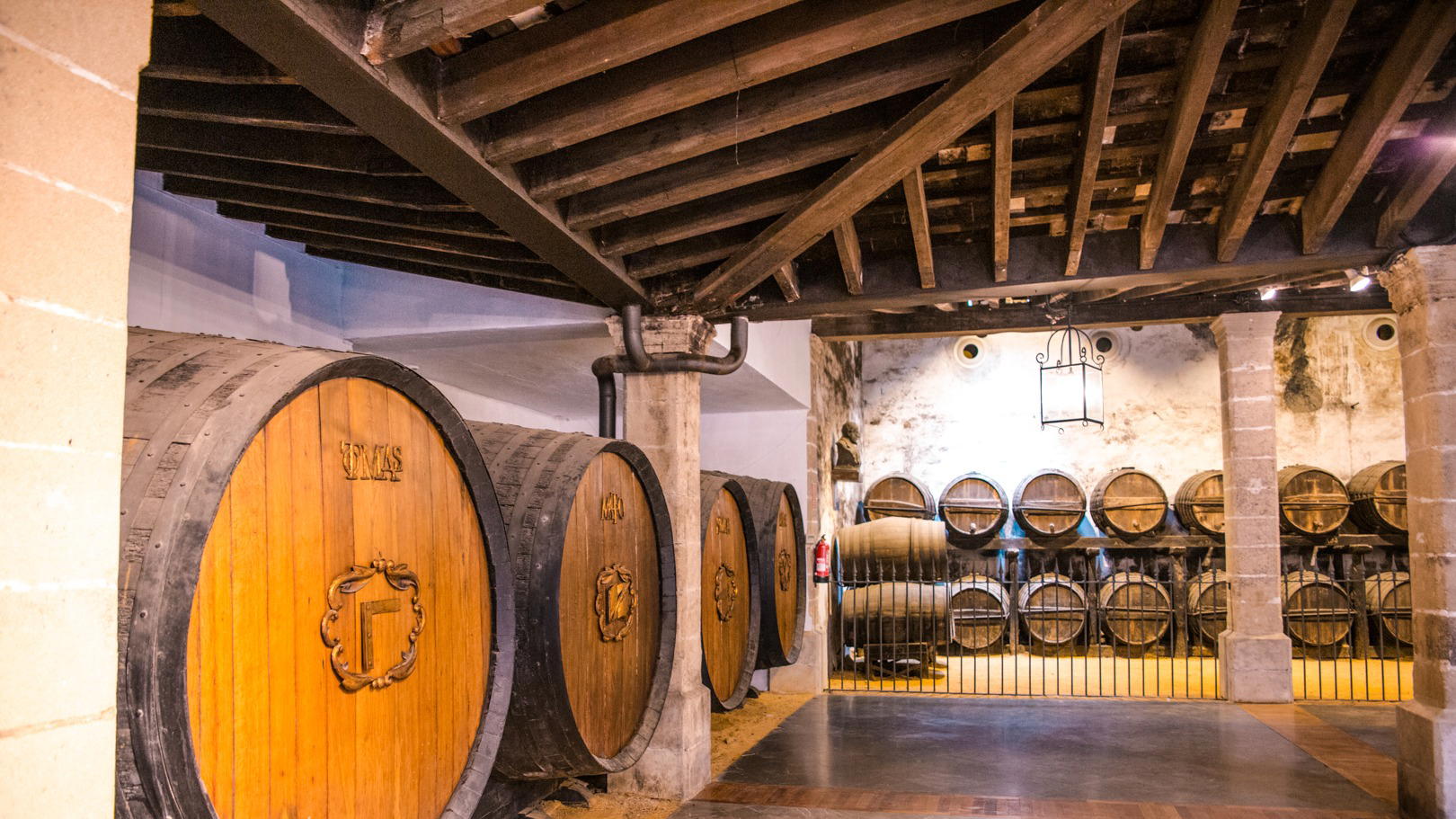
González Byass (Tío Pepe) is the Jerez bodega to prioritize when the trip needs a high-recognition sherry anchor rather than a casual tasting stop. It is a stronger fit for planned itineraries, repeat visitors, and mixed-knowledge groups than for anyone trying to improvise a quick visit between meals.
Château Héritage
Bekaa Valley, Lebanon
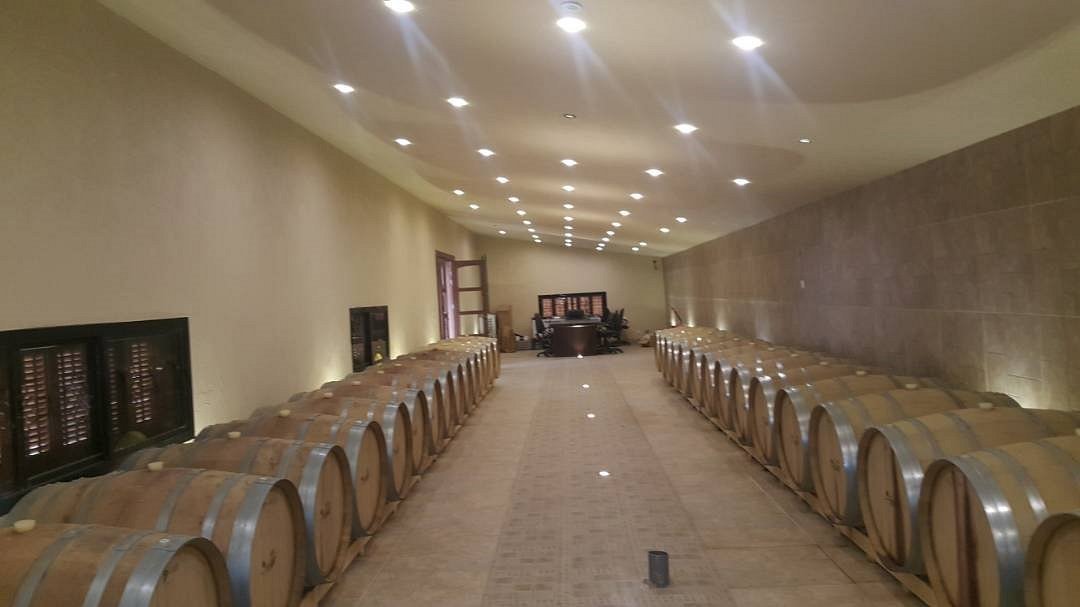
Château Héritage is worth targeting if your Bekaa Valley day is built around a serious, recognized winery and you can handle difficult access. It is less suitable for casual tasting or flexible group plans. Treat any wine-club decision as value-dependent: join only if allocation, shipping, and pricing terms are clear before committing.
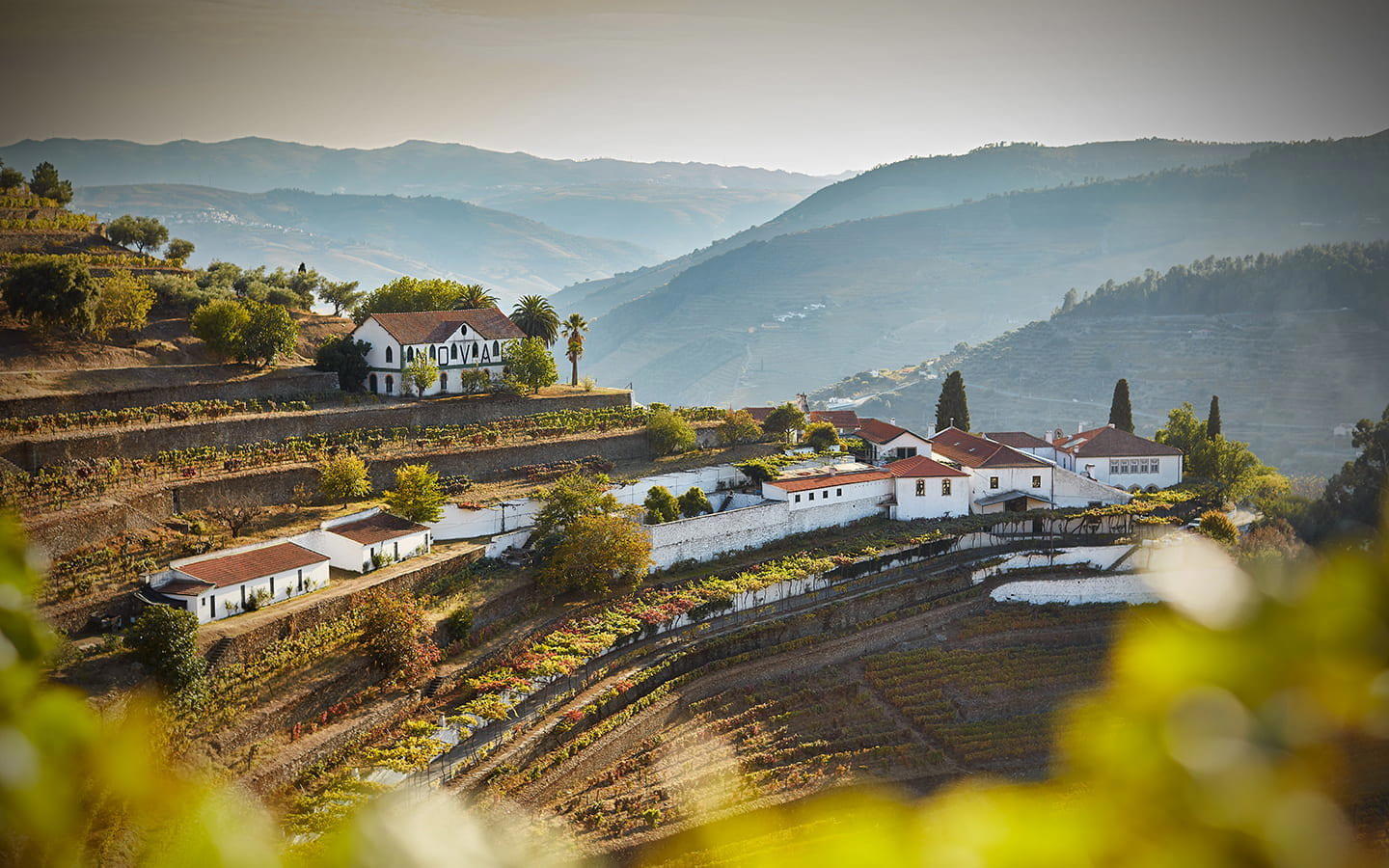
Quinta do Noval
Pinhão, Portugal
Plan Quinta do Noval as a priority Douro visit, not a casual extra between stops. It suits special-occasion travellers and Port-focused groups who care about producer reputation, with Pearl 4 Star Prestige recognition and a World's 50 Best Vineyards #48 placement adding useful trust signals.
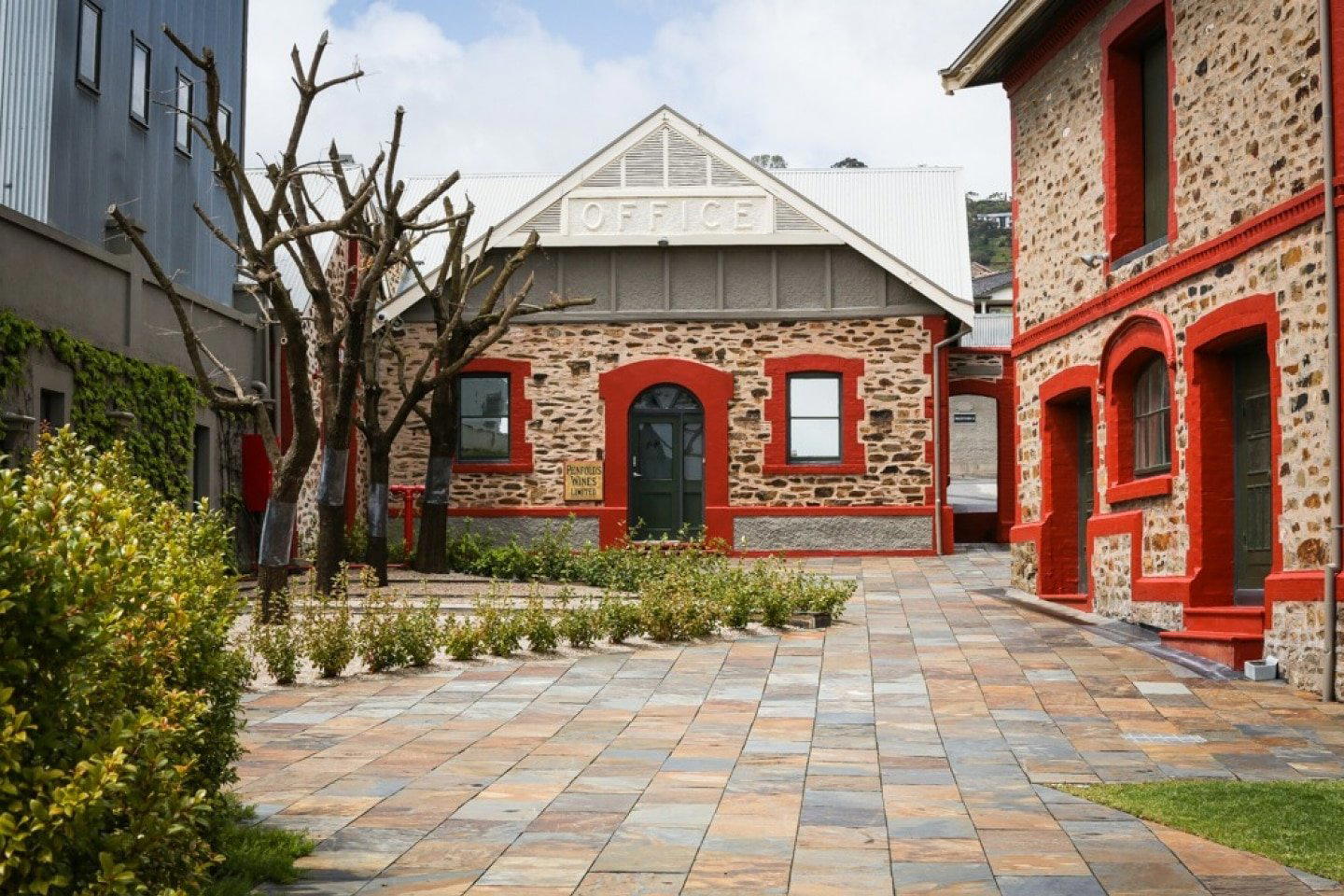
Penfolds Magill Estate
Magill, Australia
Penfolds Magill Estate is a winery and cellar-door destination in Magill, Adelaide.
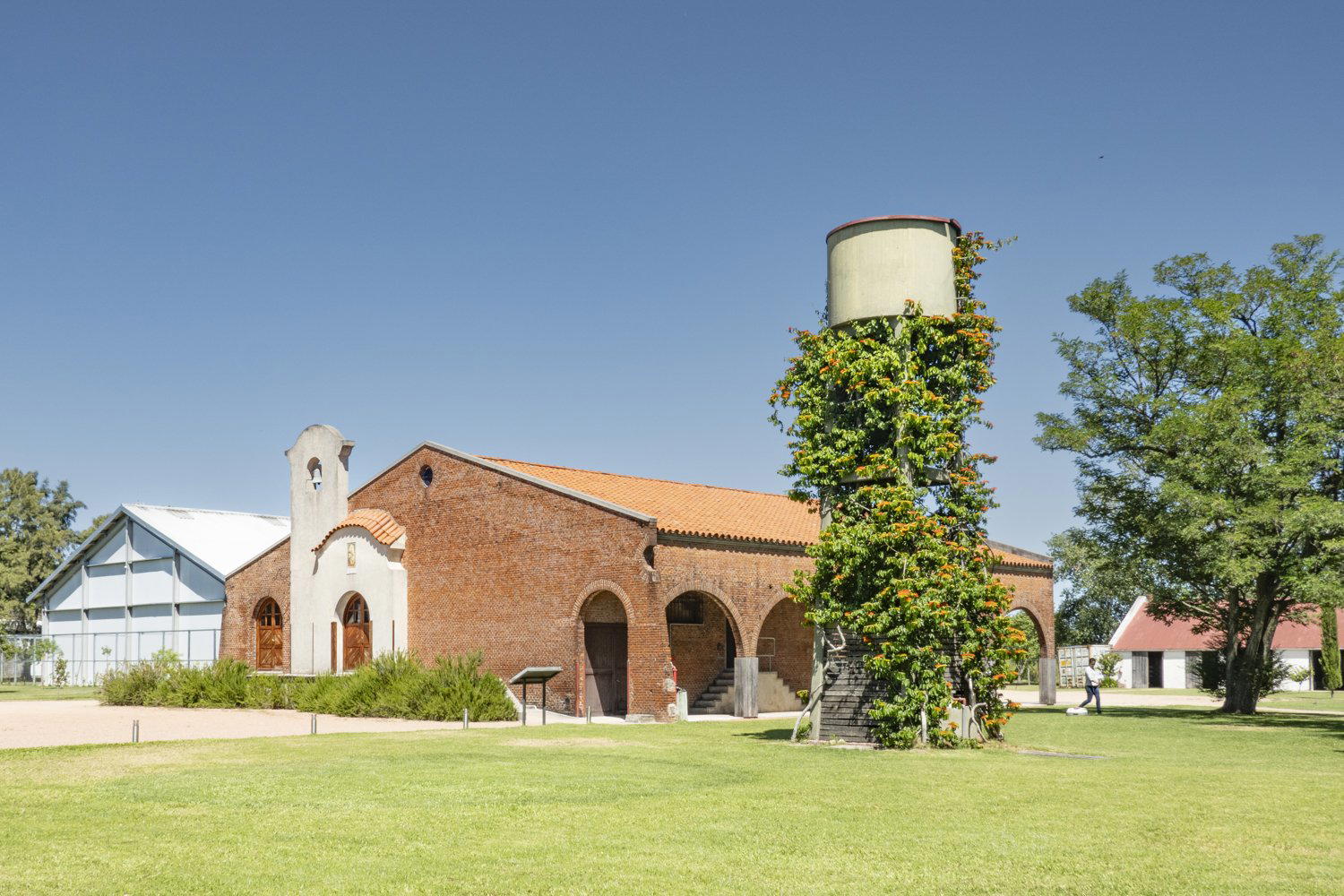
Bodega Bouza
Montevideo, Uruguay
Bodega Bouza is the Montevideo winery to prioritize when the visit itself is the main event, especially for a private or upgraded tasting. Its World's 50 Best Vineyards recognition makes it a safer flagship choice than a casual cellar-door stop, though Bodega Traversa is the easier cross-shop for a lower-commitment plan.

Bodega DiamAndes
Tunuyán, Argentina
Prioritize Bodega DiamAndes if the trip is built around a serious Tunuyán wine day rather than a casual drop-in. It is strongest for travelers who want Vista Flores context, external recognition, and a polished Mendoza winery stop; cross-shop Bodega Monteviejo, Antucura, or Bodega Cuvelier Los Andes if availability is tight.
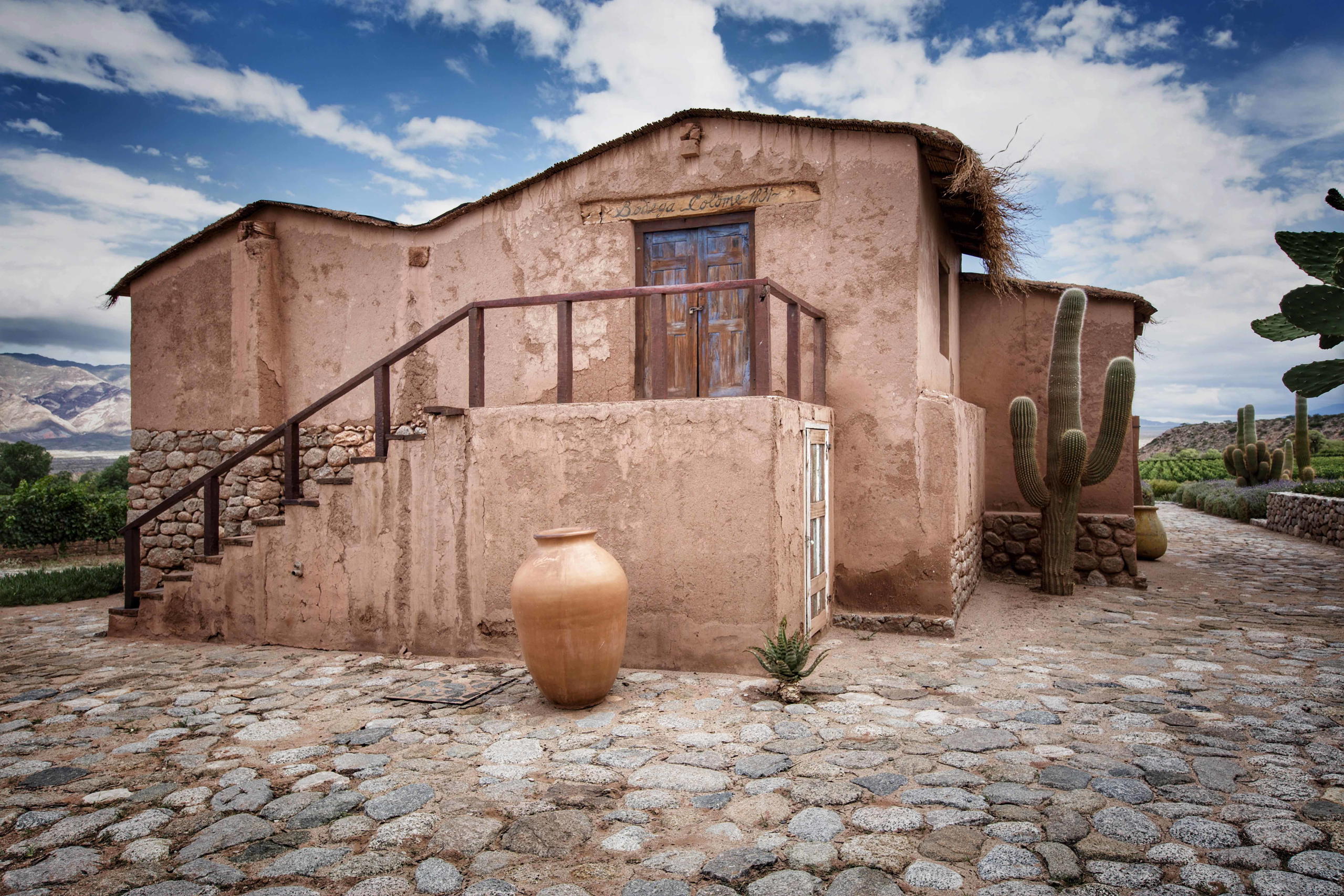
Bodega Colomé
Molinos, Argentina
Bodega Colomé is worth targeting if the winery is the point of the day, not a casual add-on. Its international recognition gives serious wine travelers a clear reason to make the Molinos detour, but the rural location and difficult booking profile mean Cafayate alternatives may suit easier tasting itineraries better.
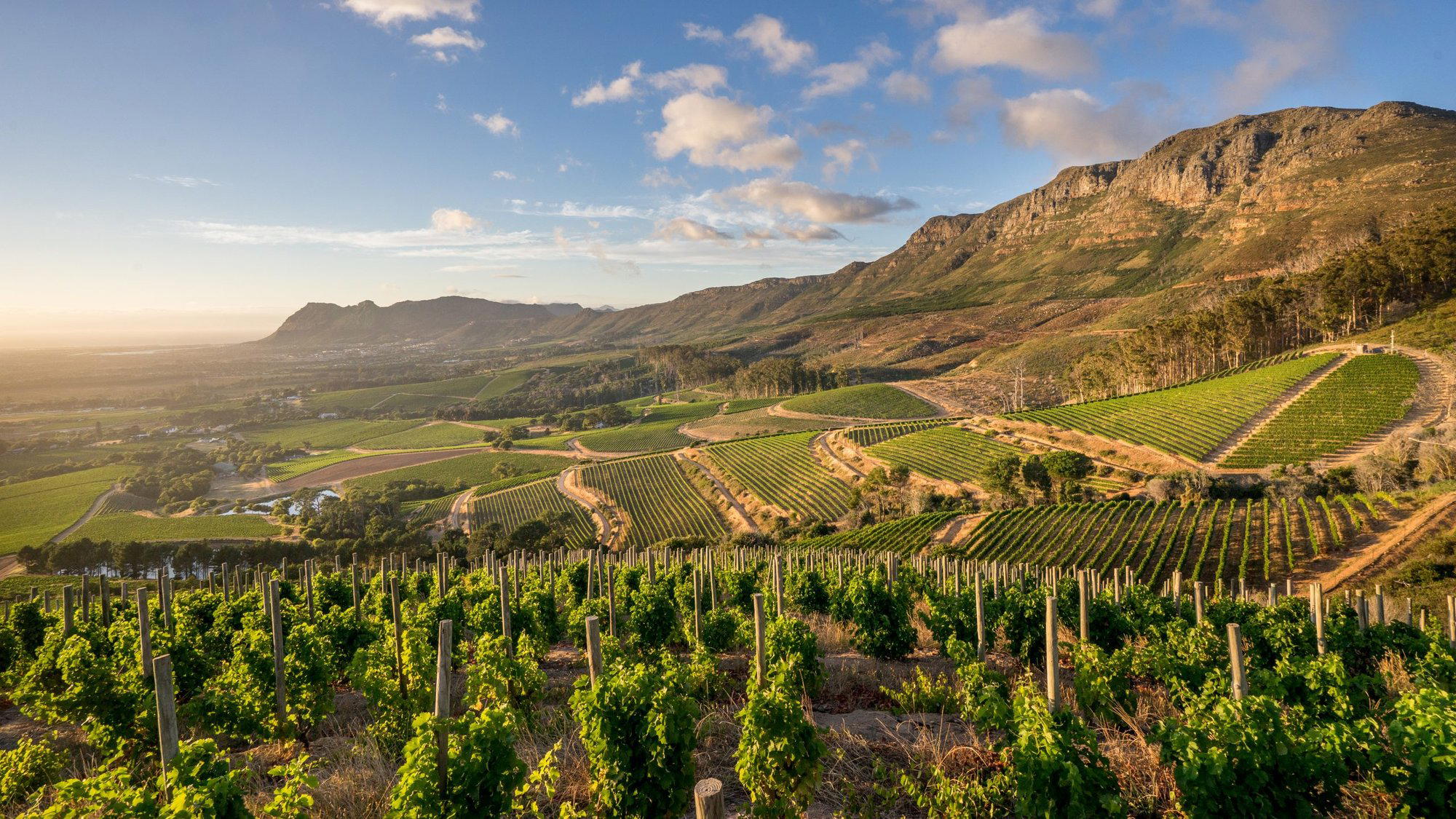
Klein Constantia
Cape Town, South Africa
Klein Constantia is a wine estate in Constantia, Cape Town.
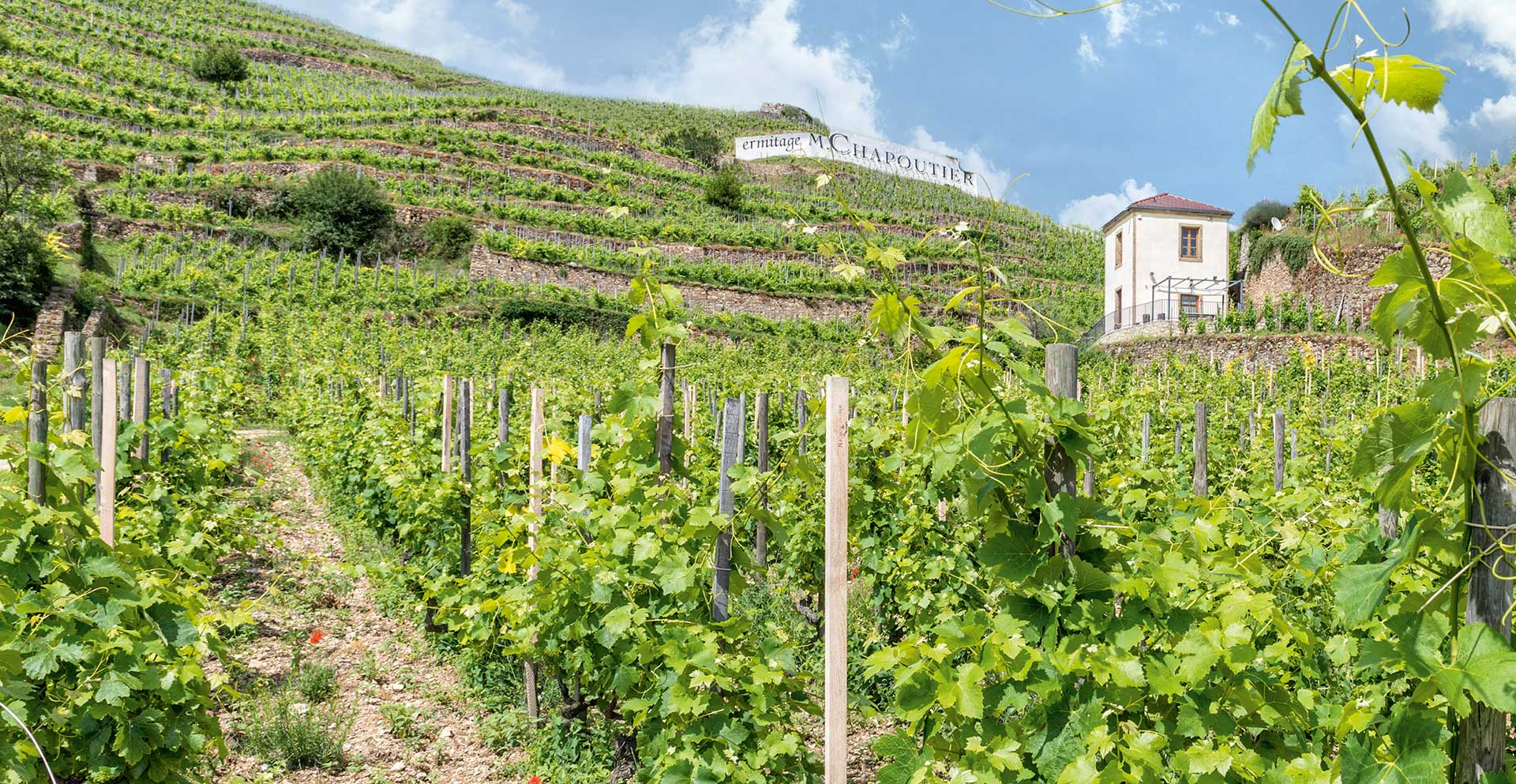
Chapoutier
Tain-l'Hermitage, France
Chapoutier is a winery on Avenue Dr Paul Durand in Tain-l'Hermitage.
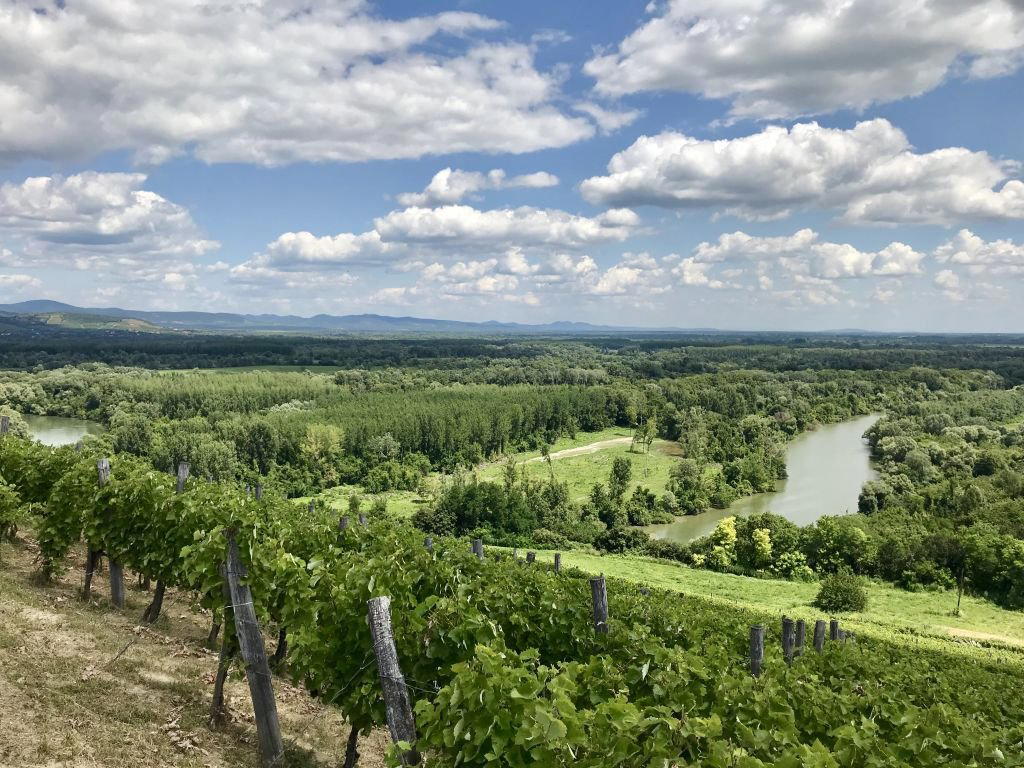
Szepsy
Mád, Hungary
Against Mád peers, Szepsy is the serious wine-lover's anchor rather than the easy casual stop. Prioritize it if Tokaj depth and producer reputation matter more than convenience; cross-shop Holdvölgy, Royal Tokaji, Barta Pince, Szent Tamás Winery, and Zsirai Winery if the day needs a more flexible route.
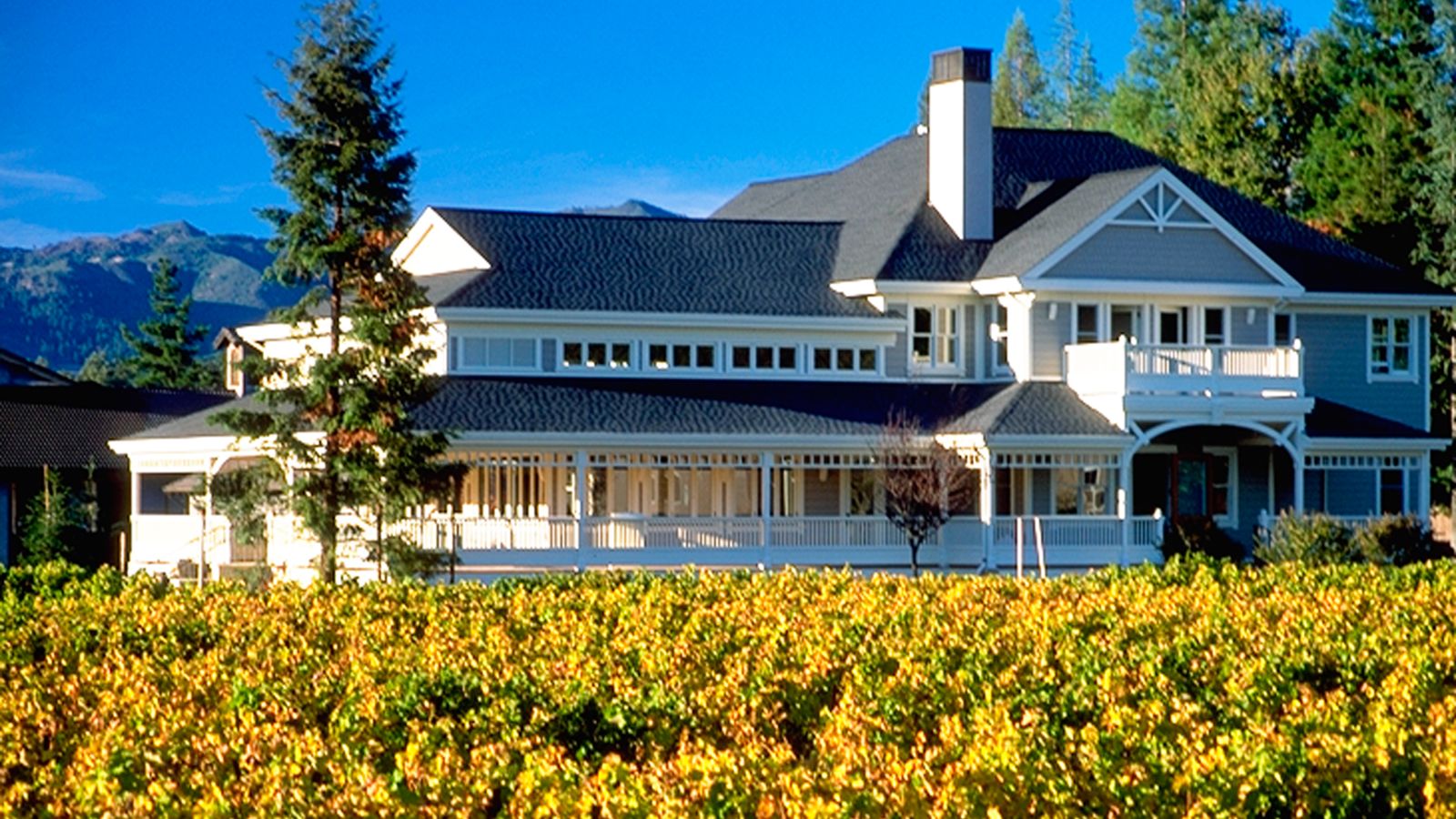
Duckhorn Vineyards
Napa, United States
Duckhorn Vineyards is a strong Napa pick when the goal is a recognisable St. Helena benchmark rather than a discovery-driven tasting. Its first vintage dates to 1978, winemaking is led by Renée Ary, and recognition includes World's 50 Best Vineyards #44 in 2024, which makes it a useful anchor for a serious Napa itinerary.
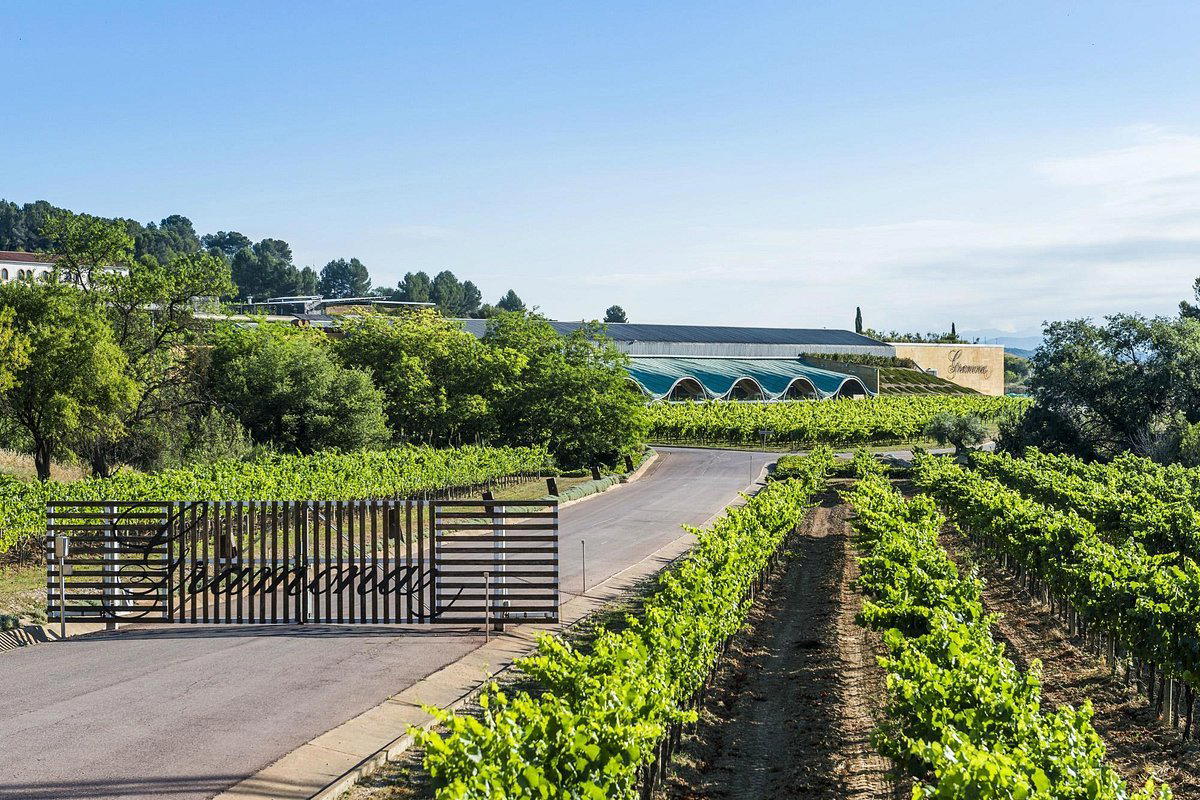
Gramona
Sant Sadurní d'Anoia, Spain
Gramona is the Sant Sadurní d'Anoia pick for a serious sparkling-wine visit with occasion value. Choose it over larger-name stops if depth, estate setting, and recent global vineyard recognition matter more than easy, casual touring.
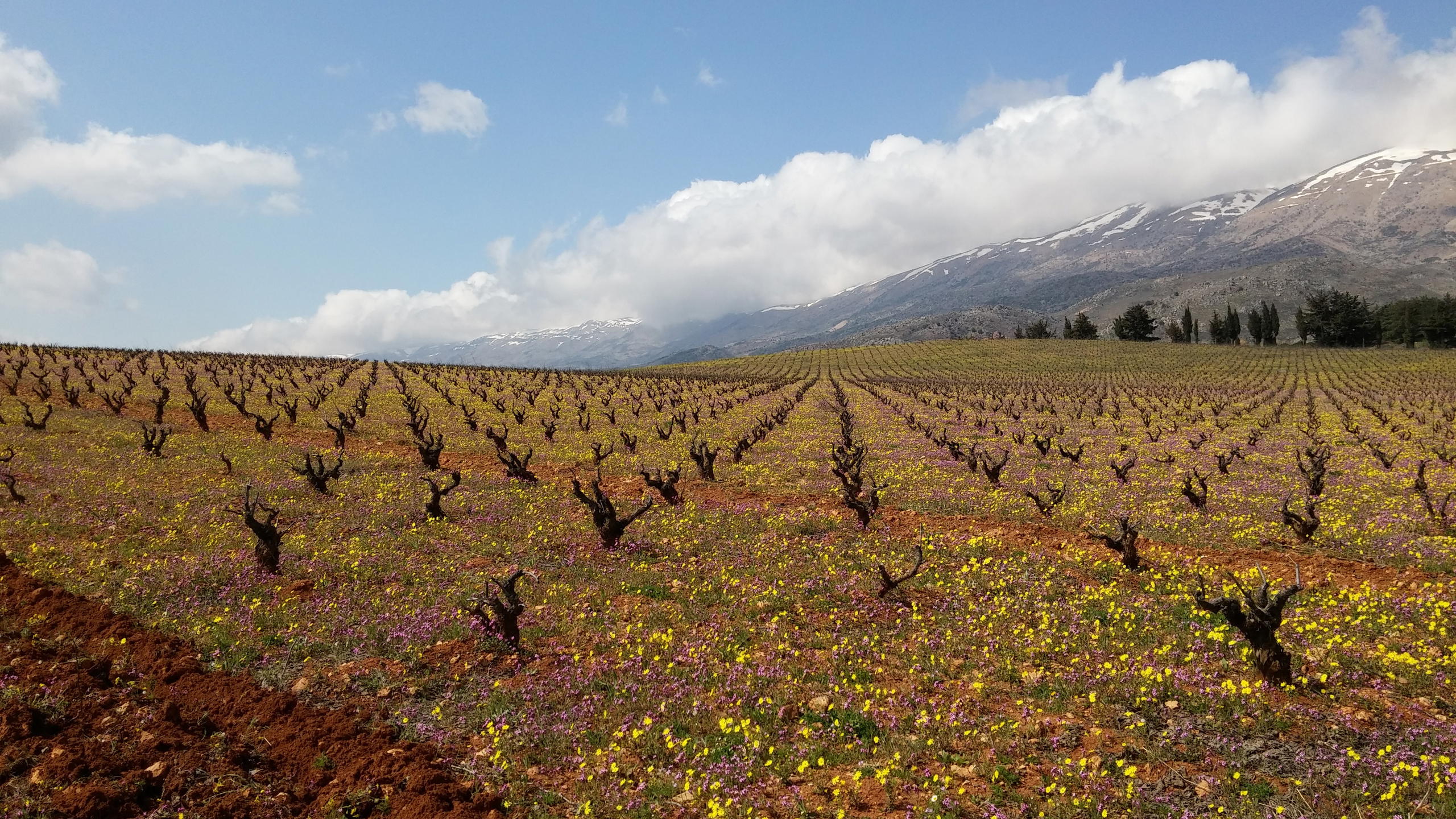
Château Kefraya
Kafraya, Lebanon
Prioritise Château Kefraya for a wine-focused celebration or planned Bekaa Valley winery day, especially if international recognition matters to the group. It is less suited to a casual, low-effort tasting stop; availability and transport planning are the main deciding factors.
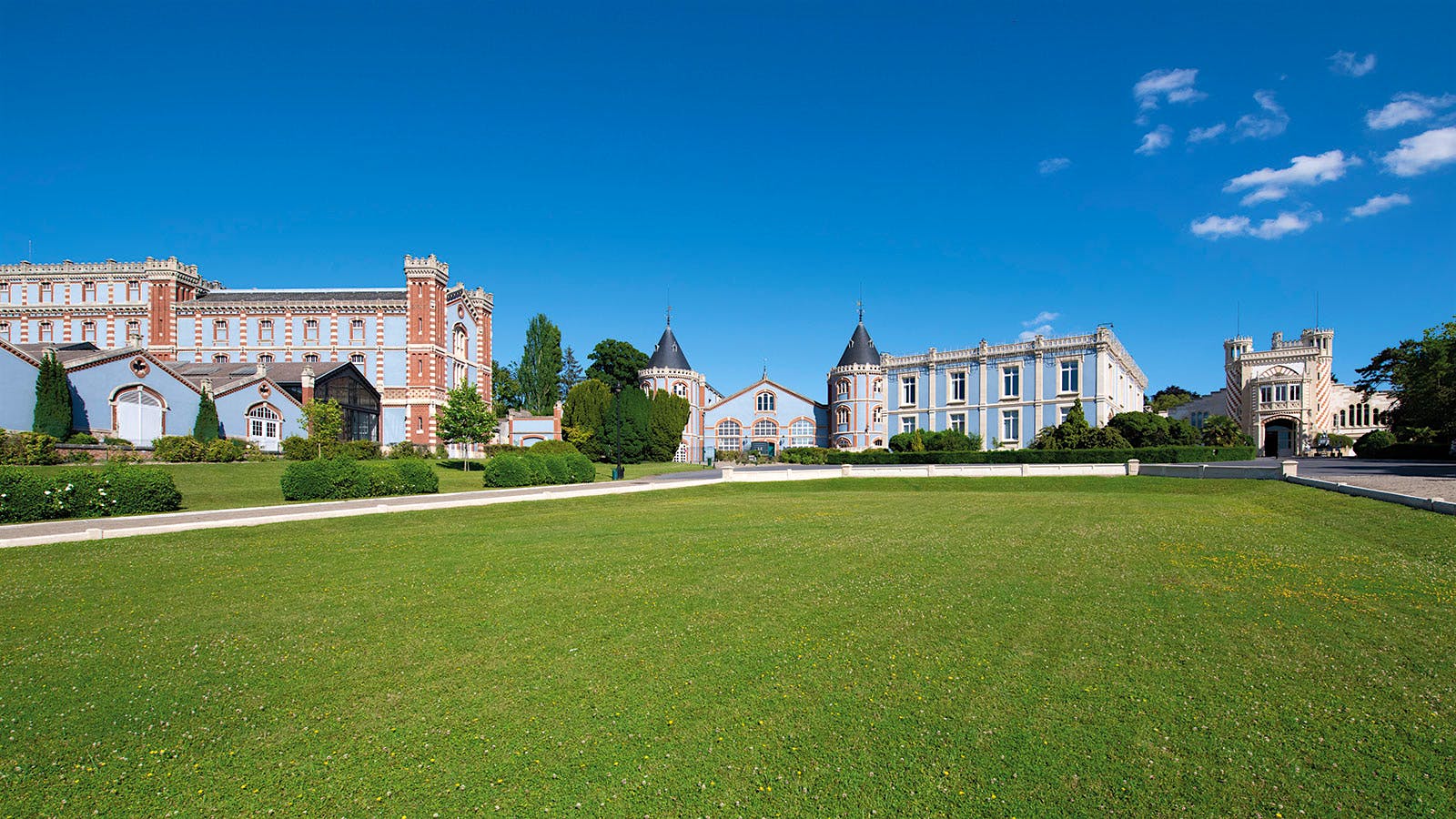
Pommery
Reims, France
Book Pommery if the estate setting is part of the reason for going to Reims. It is a stronger fit for celebrations, first Champagne-region trips, and visually led visits than for travellers seeking a small-producer deep dive. Recognition from Pearl and World's 50 Best Vineyards supports the case, but the main draw is the house-scale experience.
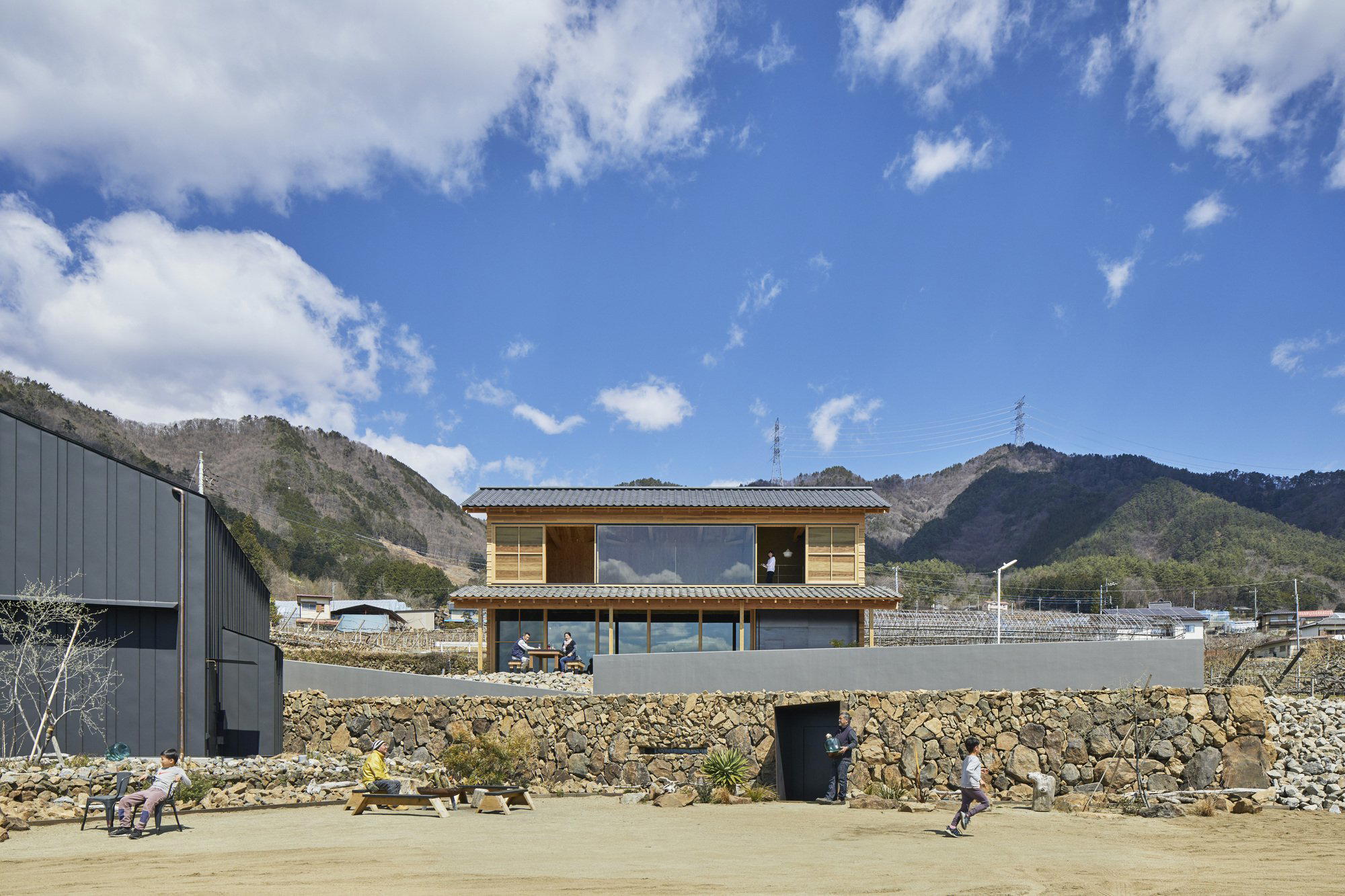
98Wines
Yamanashi, Japan
98Wines is the Yamanashi pick for travellers building a serious Japanese wine day, backed by World's 50 Best Vineyards #20 recognition in 2025. It is not the easiest choice for casual visitors, so plan early and keep the schedule simple around the visit.
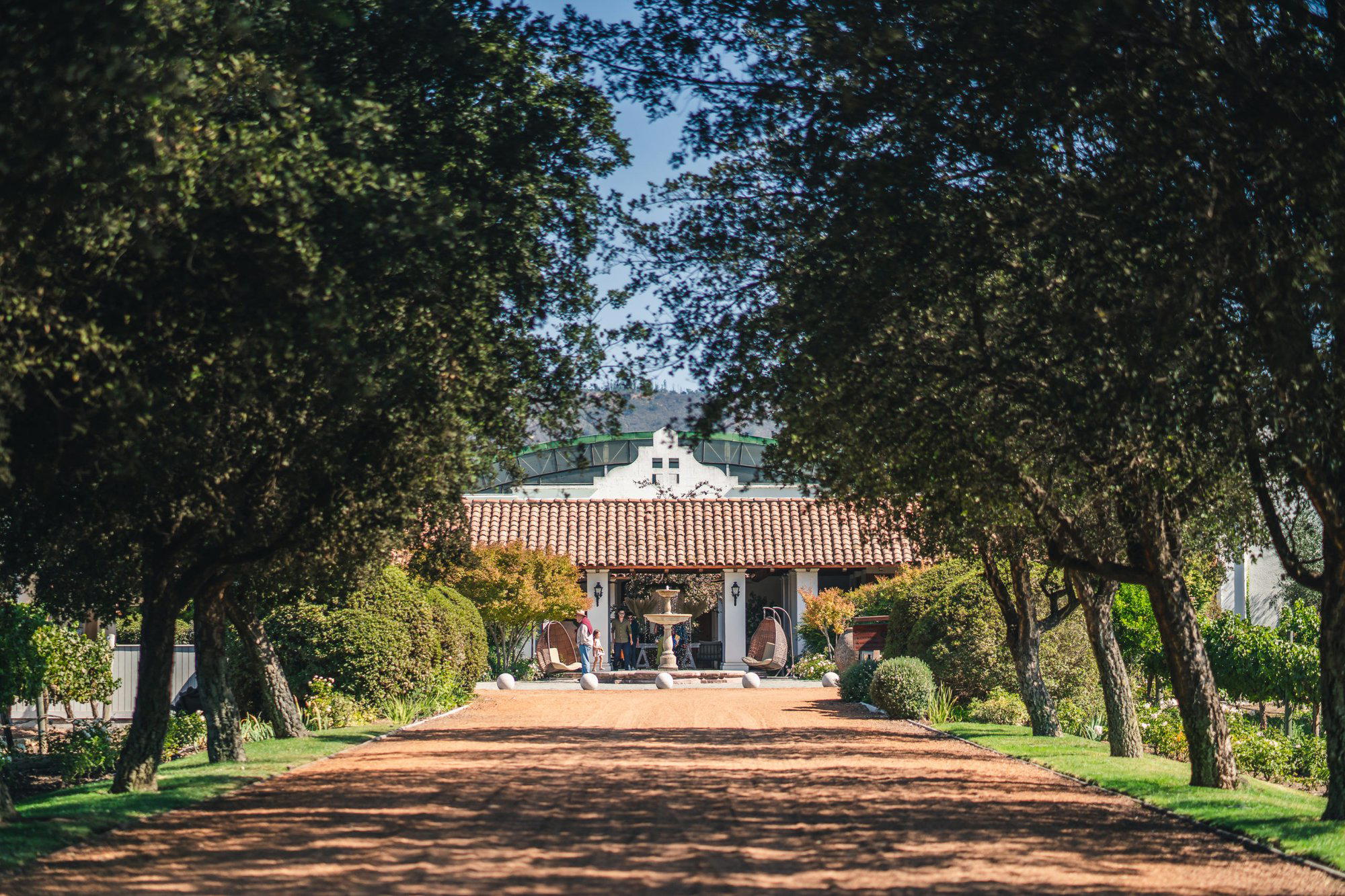
Casas del Bosque
Casablanca, Chile
Casas del Bosque is worth prioritizing if a Casablanca wine day needs one internationally recognized anchor. Its World's 50 Best Vineyards #42 ranking in 2025 gives it stronger decision value than a casual tasting stop, but the booking difficulty means travelers should plan ahead and keep a backup winery in mind.
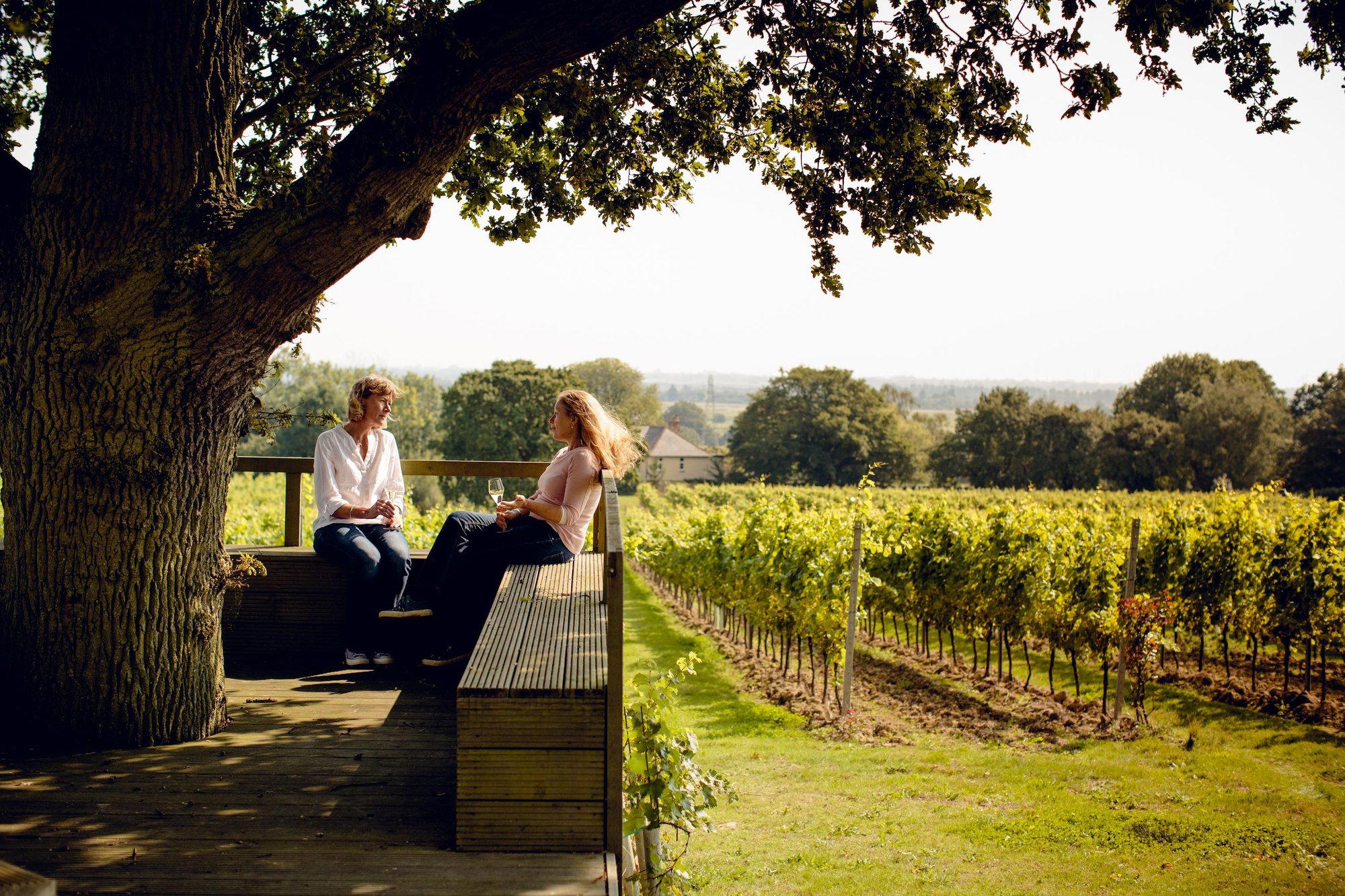
Gusbourne
Ashford, United Kingdom
Worth planning around if the goal is a serious Kent wine stop rather than a casual tasting. Gusbourne has 2025 recognition from World's 50 Best Vineyards and Pearl 2 Star Prestige, making it a strong choice for English sparkling context, but less convenient for visitors who need flexible timing or confirmed food details before deciding.
Overview
The 2024 World's 50 Best Vineyards awards recognize 51 wineries across 16 countries for their visitor experiences, from wine quality to architecture and hospitality. Bodegas de los Herederos del Marqués de Riscal in Rioja, Spain takes the top spot, followed by Chile's Viña VIK and South Africa's Creation Wines. The list underwent a complete refresh from 2023, with all 51 properties being new entrants.
This edition marks a significant departure from previous years, with the entire roster turning over; all 51 wineries are new to the list, while 49 from the previous edition dropped out. Spain claims three spots in the top 10, including the number one and four positions. The geographic spread reaches from Germany's Mosel Valley to Argentina's Mendoza, with France, South Africa, and Chile also landing multiple entries in the upper rankings. The list evaluates properties based on wine quality, setting, staff expertise, food offerings, tour experiences, and overall visitor amenities, making it more about the complete winery experience than wine alone.
The 2024 World's 50 Best Vineyards list delivers a completely overhauled roster of 51 wineries across 16 countries. Bodegas de los Herederos del Marqués de Riscal in Spain's Rioja region claims first place, a shift from the previous year's winner, Coa. Every single winery on this edition is a new entrant; the list replaced all 49 properties from 2023. Spain dominates the top 10 with three entries, while France, Germany, Chile, South Africa, and Argentina also secure upper-tier positions. The rankings measure the full visitor experience: wine quality, hospitality, food, tours, and property design.
Quick Facts
- Total Wineries
- 51
- Countries
- 16
- Cities Represented
- 46
- Top Winery
- Marqués de Riscal (Rioja, Spain)
- New Entrants
- 51 (complete roster change)
- Spain in Top 10
- 3 wineries
- Previous #1
- Coa (not on 2024 list)
About This Edition
This edition represents a complete reset of the World's 50 Best Vineyards rankings. The 100% turnover rate; with 51 new entrants and 49 properties dropping out; suggests either a major methodology shift or a dramatically expanded voting panel compared to previous years. Spain emerges as the dominant force, placing three wineries in the top 10: Marqués de Riscal at number one, Bodegas Ysios at four, and Abadía Retuerta at eight. Europe claims the majority of top positions, with France contributing Ruinart in Reims and Château Smith Haut Lafitte in Bordeaux, while Germany lands Schloss Johannisberg and Weingut Dr. Loosen in the upper tier. Southern Hemisphere properties make a strong showing, particularly Chile's Viña VIK at number two, South Africa's Creation Wines at three, and Argentina's Finca Victoria rounding out the top 10. The 46 cities represented across 16 countries demonstrate the list's global scope, though the concentration of European properties in the top rankings is notable. The awards measure more than wine; tour quality, architectural design, restaurant offerings, and staff knowledge all factor into the rankings, making this a guide to complete winery experiences rather than just tasting rooms.
Frequently Asked Questions
Which winery won the 2024 World's 50 Best Vineyards?
How many wineries returned from the 2023 list?
Which countries have the most wineries in the top 10?
What does the World's 50 Best Vineyards measure?
How many countries are represented on the 2024 list?
How many of these have you visited?
Find out on Pearl and keep score across every place in 2024 World's 50 Best Vineyards.