

Penfolds
Magill, Adelaide
Winery in Adelaide, Australia
 Book with Pearl
The Read
Continuity-Driven Shiraz
Why go
Penfolds is worth the effort for a special-occasion Adelaide wine visit if Australian Shiraz matters to the group. Booking is marked near impossible, key practical details are not available in the supplied record, so plan early and keep a backup. The value case rests on Pearl 5 Star Prestige recognition, the 1844 founding date, major category influence.
About Penfolds
Verdict
Adelaide visitors should treat Penfolds as a high-priority special-occasion booking, but not a casual drop-in. With booking difficulty marked near impossible and no published hours, phone, website, or tasting price in the available data, the practical move is to plan early and keep a second option ready. The value case is strongest for drinkers who care about benchmark Australian Shiraz and cellar-door context, not for groups looking for an easy, low-friction afternoon.
In Adelaide’s wine and drinks circuit, this sits closer to a prestige anchor than a flexible tasting stop. The trust signal is clear: Pearl 5 Star Prestige (2025), plus the historic weight of an urban winery founded in 1844 by a British doctor and his wife. the available data also states that Penfolds changed how the whole world looks at Australian Shiraz, which matters for value: higher prices make more sense when the visit connects to a producer with category-shaping influence rather than a pleasant but interchangeable tasting room.
Portrait
The right reason to book is the Shiraz lens. For a celebration, date, or business-hosting moment, Penfolds gives the occasion a clearer point than many Adelaide drinks venues: this is where the conversation can sit around Australian Shiraz as a serious global reference point. The record names Peter Gago as winemaker, another concrete signal for guests who follow Australian wine rather than just want a glass somewhere attractive. No verified tasting menu, food program, bottle pricing, or seating format is available here, so the value judgment has to stay anchored to reputation, history, booking scarcity rather than promised inclusions.
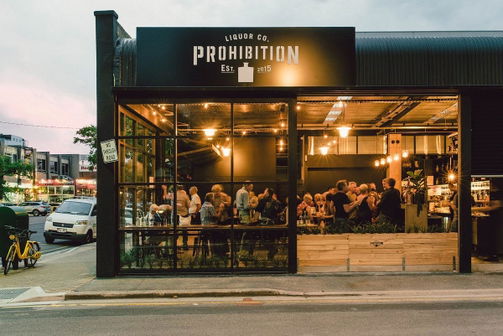
That scarcity cuts both ways. If access is secured, the effort is easier to justify for a milestone visit because few Adelaide options carry the same combination of 1844 founding date, urban winery setting, Pearl 5 Star Prestige recognition. If the goal is simple value per pour, this may be harder to defend without current pricing. For a lower-pressure drinks plan, compare nearby Adelaide options such as Imperial Measures Distilling, Prohibition Liquor Co, or Tin Shed Distilling Co (Iniquity). Those are better fallback candidates when booking speed matters more than wine pedigree.
For travelers building a broader Adelaide plan, this should be the fixed point, then the rest of the itinerary can flex around availability. Use our full Adelaide wineries guide for other cellar-door options, then layer in our full Adelaide restaurants guide, our full Adelaide bars guide, our full Adelaide hotels guide, and our full Adelaide experiences guide if the visit is tied to a weekend or client stay.
Ratings
The main rating to trust here is Pearl 5 Star Prestige (2025). That does not answer every practical question, since the database does not provide price range, opening hours, seat count, food details, or current tasting formats. It does confirm that Pearl places the winery in a prestige tier, which is the reason to tolerate booking friction if the occasion calls for a serious Australian wine name.
Booking
Book as early as possible and assume limited flexibility. The supplied booking difficulty is near impossible, there is no verified booking method, website, or phone number in the record. For a special occasion, do not build the day around a same-week opening. If confirmation is not available, hold a second plan rather than forcing the schedule around uncertainty.
Practical details
- Address: 78 Penfold Rd, Magill SA 5072, Australia.
- City: Adelaide.
- Known for: Australian Shiraz, with the database stating that the producer changed how the world looks at the category.
- Winemaker: Peter Gago.
- Price range: Not available in the available data, so confirm current tasting and bottle costs before treating it as a value play.
- Hours and group size: Not available in the available data. Large groups should not assume availability without direct confirmation through official channels.
How it compares
Against Adelaide drinks peers, Penfolds is the prestige choice rather than the easy choice. It is harder to access than Imperial Measures Distilling, Prohibition Liquor Co, and Tin Shed Distilling Co (Iniquity), but the payoff is a stronger wine-history argument and a clearer special-occasion frame. Choose it when the guest cares about Australian wine; choose the distillery options when the group wants a looser drinks stop with less pressure around access.
Compared with destination wineries outside Adelaide, the decision changes by trip style. Leeuwin Estate in Margaret River, Crittenden Estate in Mornington Peninsula, Castle Rock Estate in Porongurup, Plantagenet Wines in Great Southern, and Moorilla Estate in Hobart make more sense if the trip is built around regional touring. Penfolds makes more sense when the itinerary is Adelaide-based and the priority is an urban winery with major Shiraz credibility.
For international comparison, Bodegas Ysios in Laguardia and Cakebread Cellars in Rutherford are better benchmarks for travelers who think in global wine destinations. Penfolds competes on Australian category importance rather than scenic distance from the city, which is useful if the visit needs to fit into an Adelaide schedule without turning into a full regional detour.
Pearl picks
Book this for: a milestone wine visit, a client who follows Australian labels, or a celebration where historical weight matters. Skip it for: spontaneous groups, price-sensitive tastings, or anyone who needs confirmed food, hours, seating details before committing.
Planning details
- Location
- 78 Penfold Rd, Magill SA 5072, Australia
- Website
- penfolds.com
- Phone
- +61883015551
The take
The Take
The Vibe
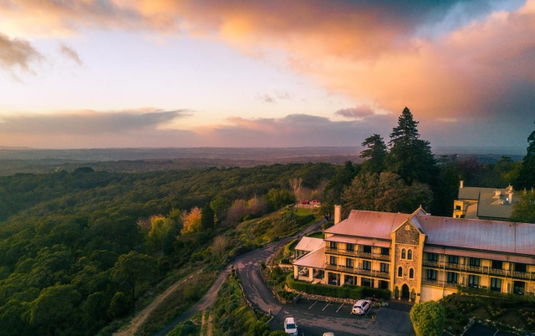
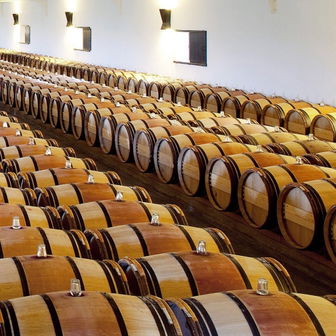
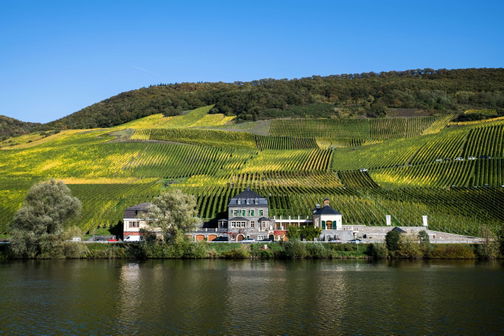
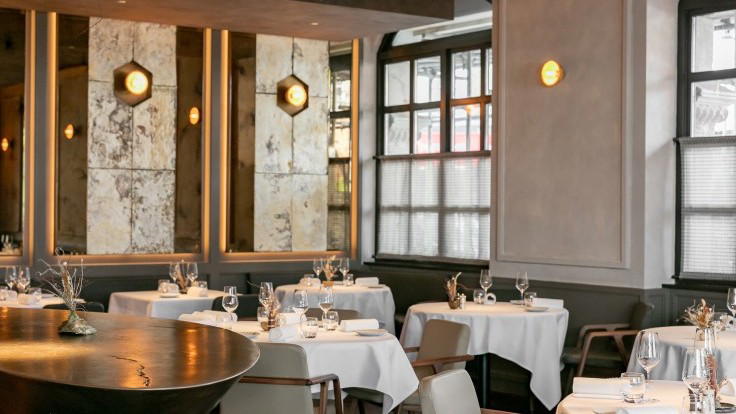
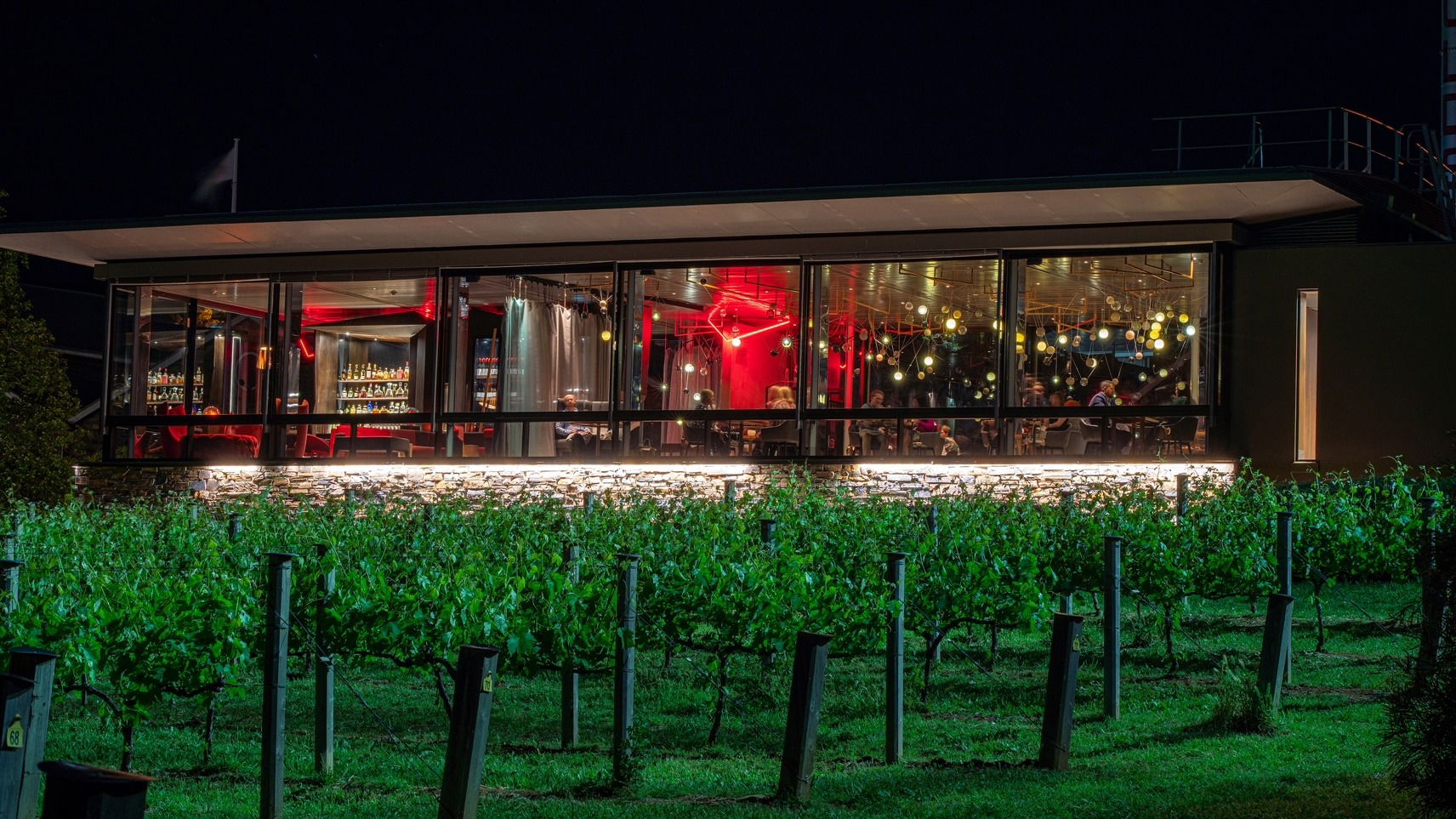
Penfolds at Magill reads like a living piece of Australian wine history. The estate’s stone buildings, mature vines and uninterrupted production since 1844 create a palpable sense of continuity: this is a site that has shaped a national house style rather than merely following trends. The setting on the lower slopes of the Mount Lofty Ranges gives it a quietly scenic, almost cinematic quality, but the mood is measured rather than rustic—weighty, exacting and respectful of craft. Visitors encounter an institutional calm where longevity and stewardship are the defining characteristics of the place.
Best For
This is primarily a destination for people who come to learn and to mark moments. Penfolds is ideal for focused wine education—tastings and conversations that trace the house’s role in redefining Shiraz—and for special occasions that call for bottles with provenance and ageability. Its proximity to Adelaide makes it accessible for city visitors while its estate setting rewards deliberate visits. Expect structured tastings and an emphasis on the archive and current releases rather than casual drop-in drinking.
Tasting Tips
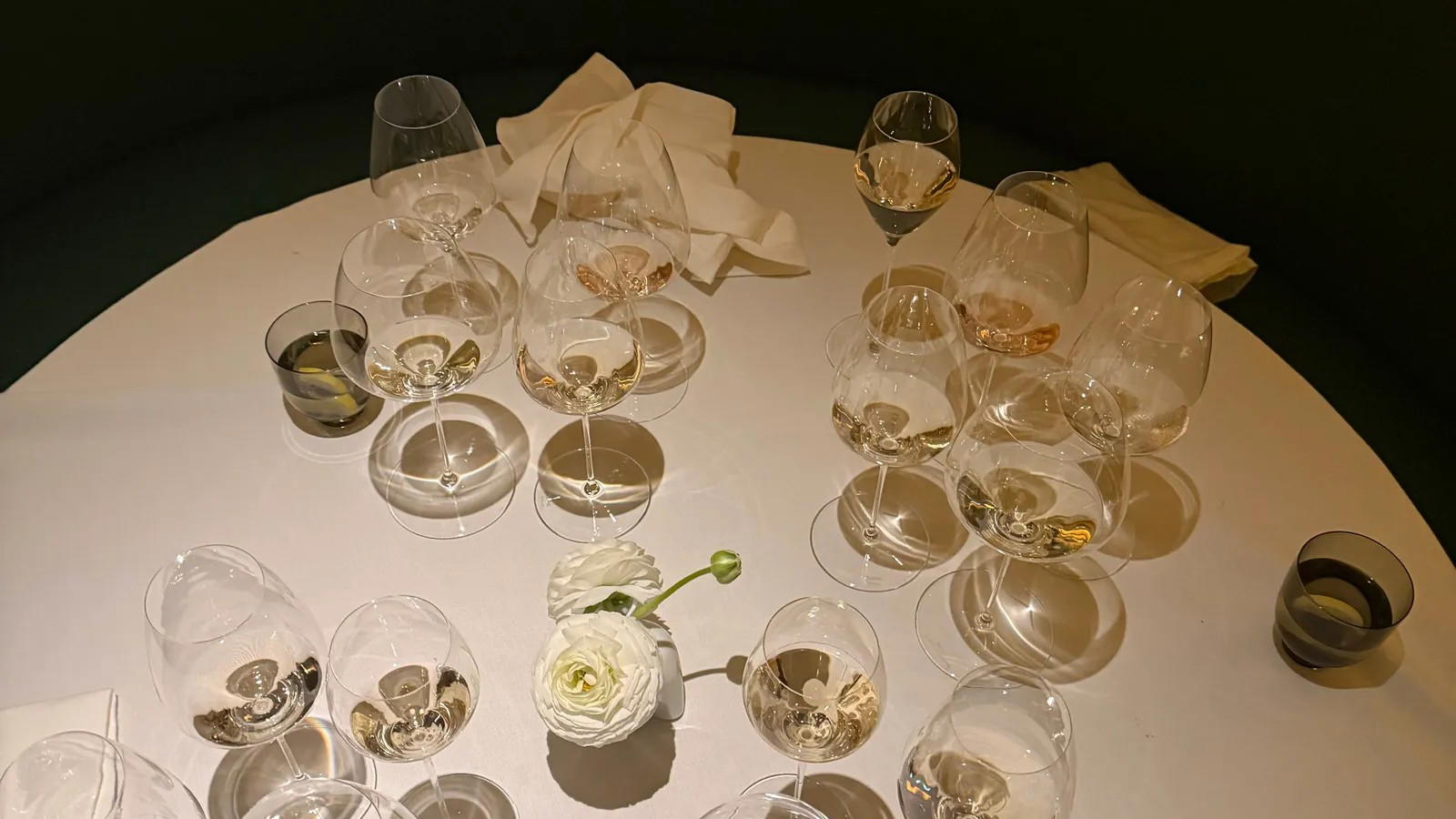
Center your tasting around Penfolds’ historical strengths: Shiraz and the house’s long-aging philosophy. Ask for flights that include older or library vintages if available—this estate’s archive and its approach to blending and maturation are central to understanding the brand. Seek staff commentary on the house style and Peter Gago’s tenure to frame what you’re tasting. Because the site is presented as a working estate with a formal reputation, book a tasting in advance and request guided pours to get the most context and history with each sample.
Planning details
Location


Winery context
Penfolds is the prestige play in Adelaide, not the low-friction drinks booking. Compared with Imperial Measures Distilling, Prohibition Liquor Co, Tin Shed Distilling Co (Iniquity), it carries a stronger wine-history argument and a clearer celebration use case, but it is also harder to secure. If the group wants convenience and a relaxed drinks stop, the distillery peers are easier choices.
For value, the answer depends on what the guest values. Penfolds makes sense when the premium is tied to Australian Shiraz credibility, Pearl 5 Star Prestige recognition, the 1844 urban-winery story. If the goal is maximum confirmed detail before committing, peers with clearer public information on format, hours, access may feel safer.
Against broader Australian wine destinations such as Leeuwin Estate, Crittenden Estate, Castle Rock Estate, Plantagenet Wines, Moorilla Estate, Penfolds wins on Adelaide convenience and category weight. Those regional options suit travelers building a wine-country trip; Penfolds suits visitors already based in Adelaide who want a serious wine stop without turning the day into a regional drive.
Around this place
Discover more on Pearl
Unlock the full Penfolds guide in Pearl, including awards, comparisons, FAQs, planning details, and nearby places.
FAQ
Frequently Asked Questions
Can Penfolds handle large groups?
Yes, but large groups should book early and expect limited flexibility at 78 Penfold Rd, Magill SA 5072. Penfolds reads as a stronger fit for planned group visits than a spontaneous drop-in, especially if the group wants the Shiraz-focused experience tied to its Pearl 5 Star Prestige (2025) status.
How long should I plan for a visit to Penfolds?
Plan it as a proper outing, not a quick stop. The database gives Penfolds’s Adelaide address and heritage, but not a set duration, so a safer approach is to allow enough time for a structured winery visit and any tasting or purchase decisions.
Is the wine club at Penfolds worth joining?
Join if you already buy Penfolds wines regularly, especially if you follow Peter Gago’s winemaking side of the house. If you only want an occasional Adelaide tasting, the club is harder to justify than a one-off visit to 78 Penfold Rd in Magill.
What other wineries are near Penfolds?
Penfolds sits in Magill, Adelaide, so nearby options are mostly Adelaide-based wine stops rather than a remote cellar-door crawl. If you want a simpler same-day comparison, pair it with another Adelaide wine venue rather than treating it as an isolated detour.
Does Penfolds ship wine?
Do not assume shipping is part of the offer unless Penfolds confirms it directly. The venue record only gives the Adelaide address, the 1844 heritage, the winemaker Peter Gago, so shipping should be checked before relying on it for a purchase plan.
What is the flagship wine at Penfolds?
Penfolds is most closely associated with Shiraz, that is the clearest reason to book. If the goal is Australian Shiraz, Penfolds in Magill is the right reference point; if you want a broader casual tasting, other Adelaide wineries may fit better.
Does Penfolds serve food?
Do not book Penfolds for a food-led visit unless the venue confirms it ahead of time. The database does not list cuisine, so this is a wine-first stop in Adelaide, not a place to plan around lunch or dinner.