

World's 50 Best Vineyards 2019: Complete Rankings
A global ranking of the top vineyard destinations, celebrating excellence in wine, hospitality, and visitor experience. The list recognizes wineries that define the pinnacle of wine tourism worldwide.

Venues on this list
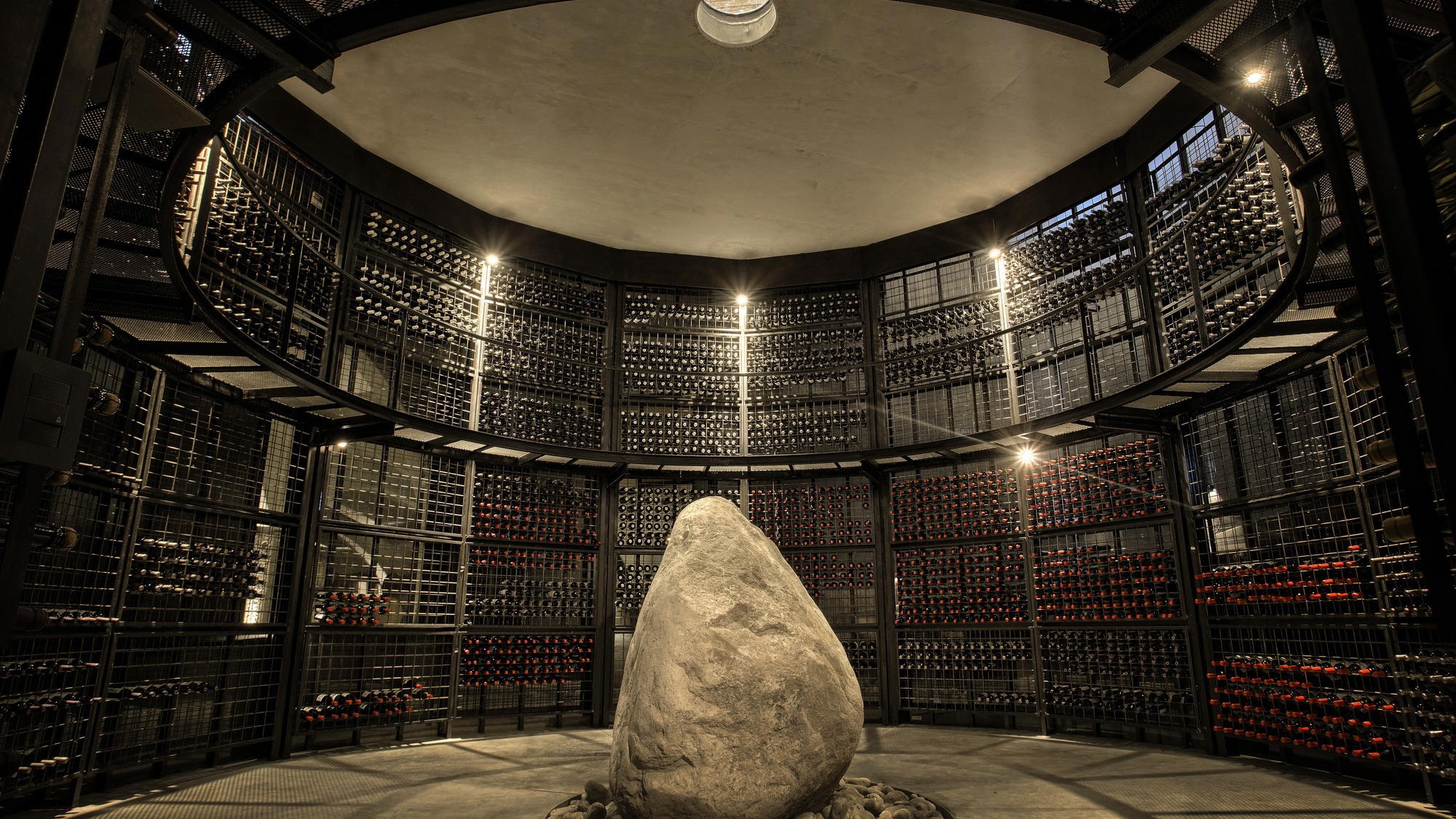
Zuccardi Valle de Uco
Tunuyán, Argentina
Zuccardi Valle de Uco is the Paraje Altamira winery to prioritize when the estate setting matters as much as the tasting. The Andes-facing location gives first-time Mendoza visitors a clear sense of why the Uco Valley is worth the drive, but access is difficult enough that it should be planned before the rest of the day.
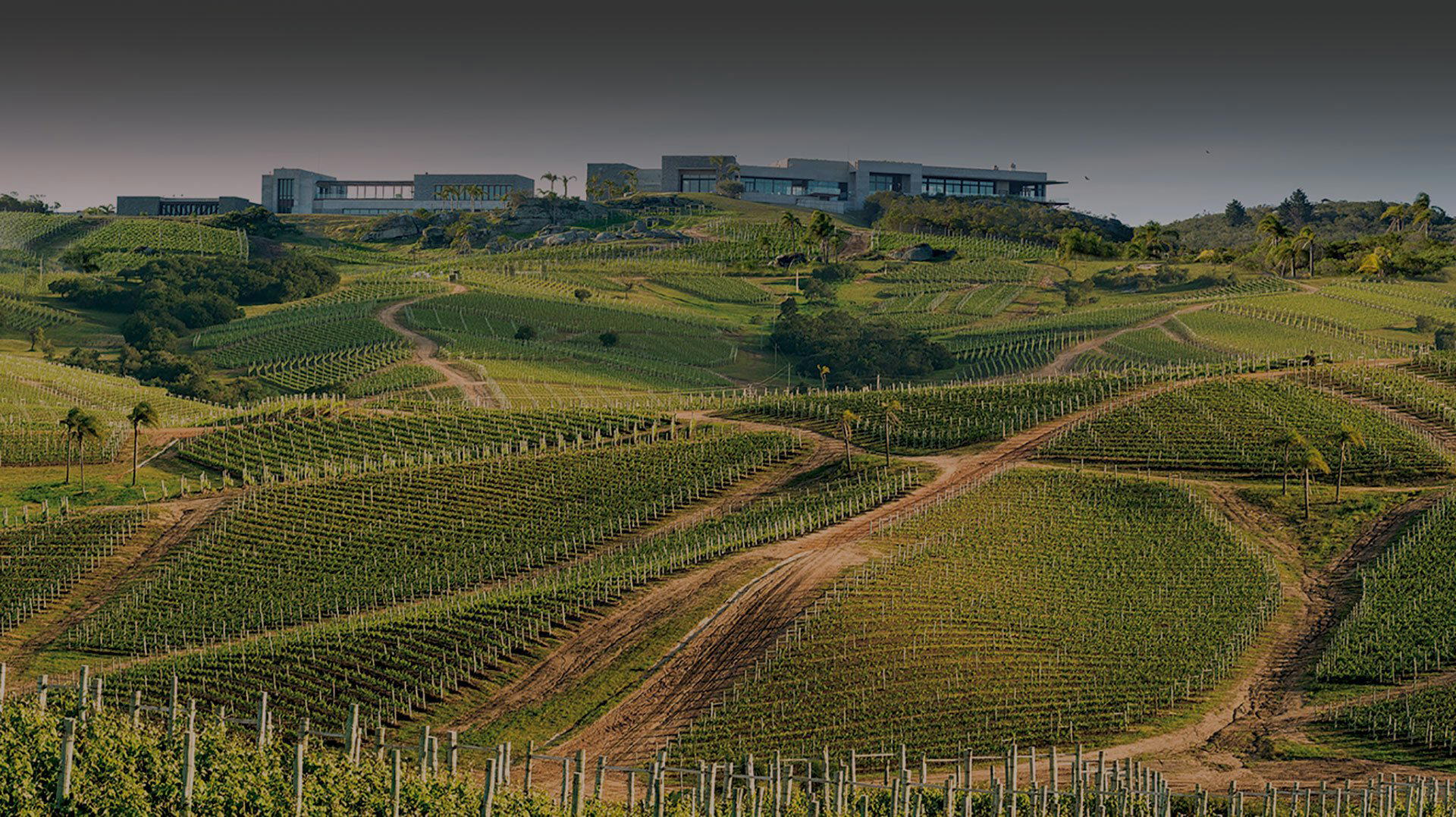
Bodega Garzón
Maldonado, Uruguay
Bodega Garzón is a winery in Uruguay's Maldonado department.
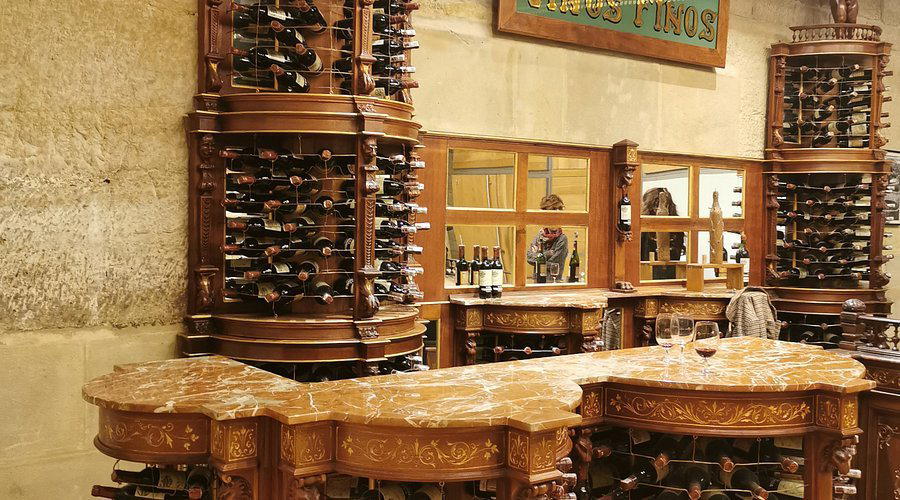
López de Heredia (Viña Tondonia)
Haro, Spain
Book López de Heredia (Viña Tondonia) if traditional Rioja is the point of the trip. It is the serious, high-effort Haro choice for wine travelers who value heritage, cellar depth, and benchmark producer context over easy logistics. For a more flexible day, compare it with nearby Haro wineries before anchoring the itinerary here.
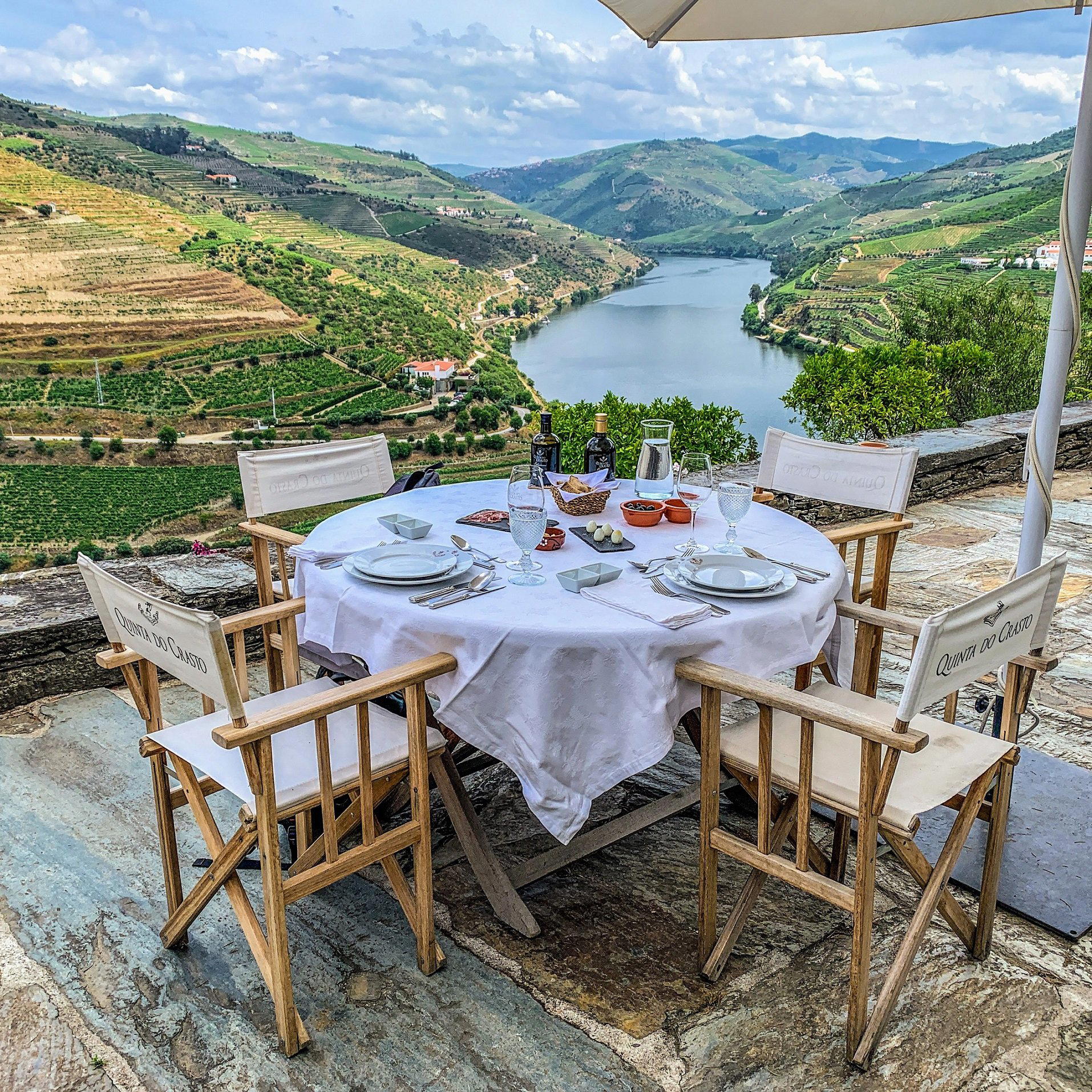
Quinta do Crasto
Sabrosa, Portugal
Quinta do Crasto is a wine estate in Portugal's Douro region near Sabrosa.
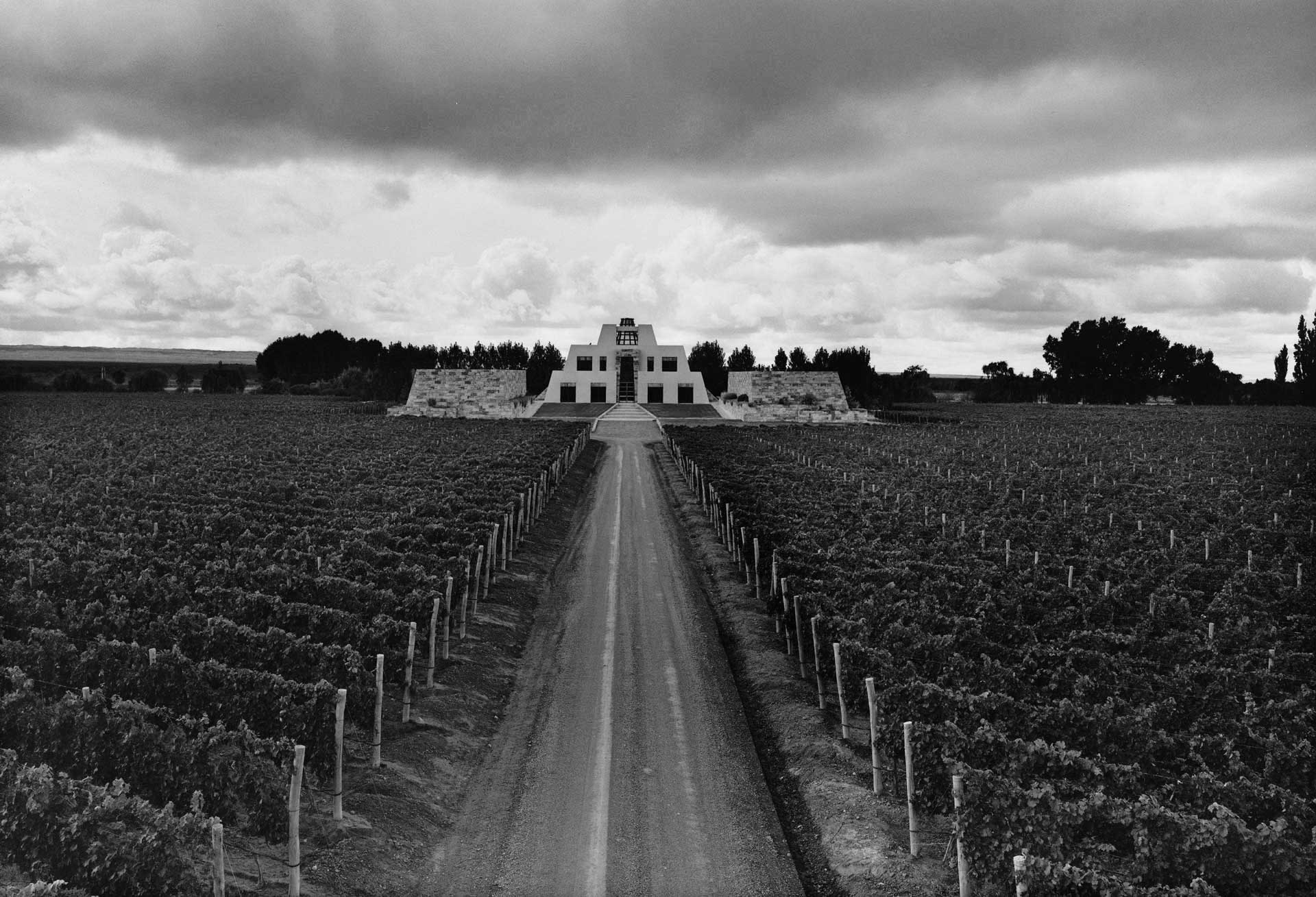
Catena Zapata
Agrelo, Argentina
Catena Zapata is a winery in Agrelo, Mendoza.
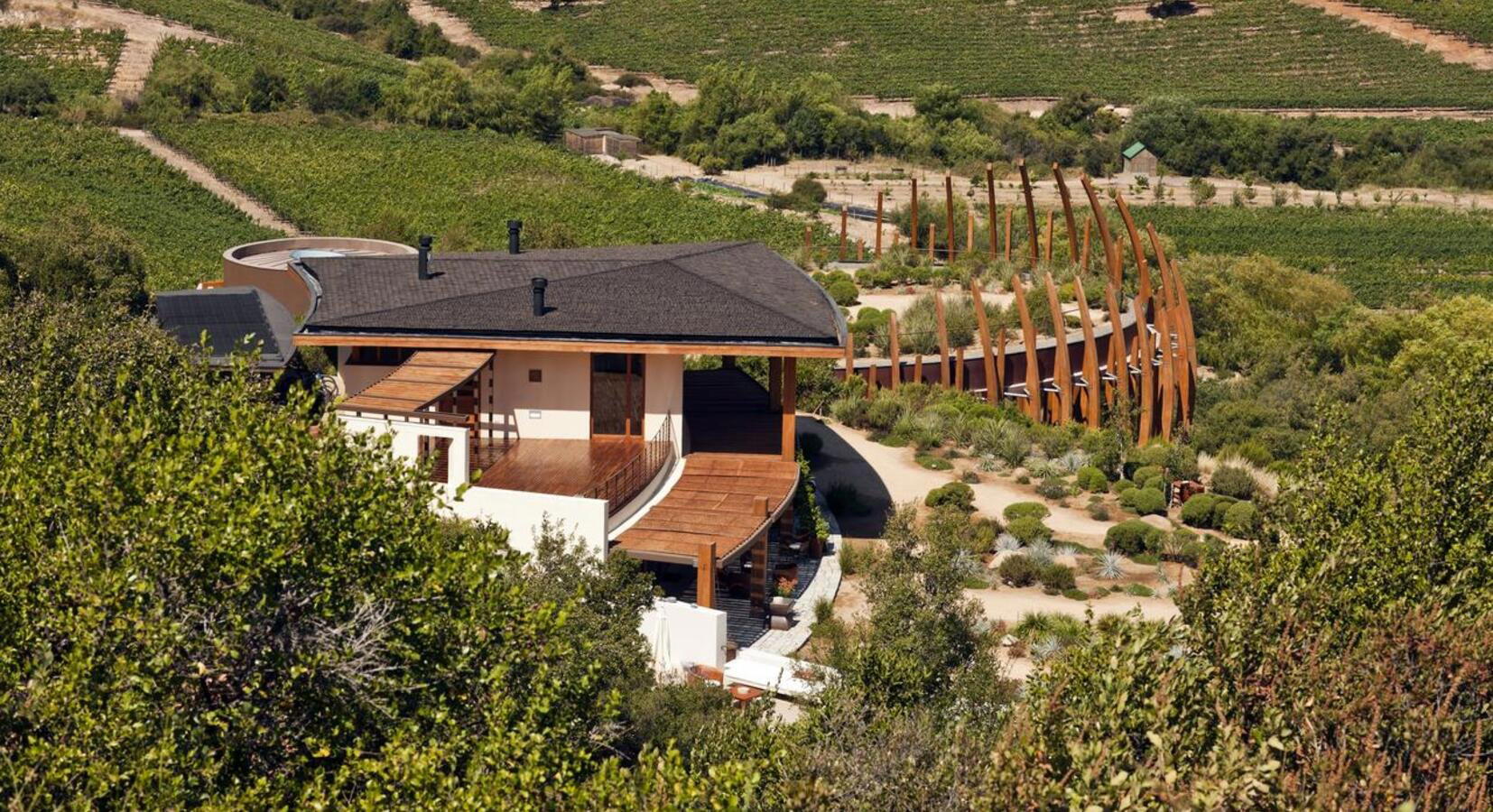
Clos Apalta (Casa Lapostolle)
Santa Cruz, Chile
Clos Apalta (Casa Lapostolle) is a winery near Santa Cruz in Chile's O'Higgins region.
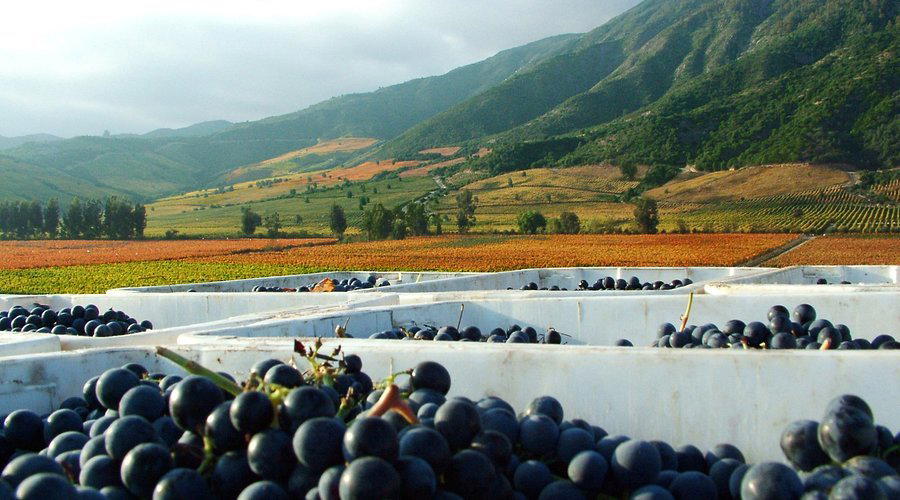
Viña Montes
Santa Cruz, Chile
Viña Montes is a winery in Chile's Colchagua Valley.
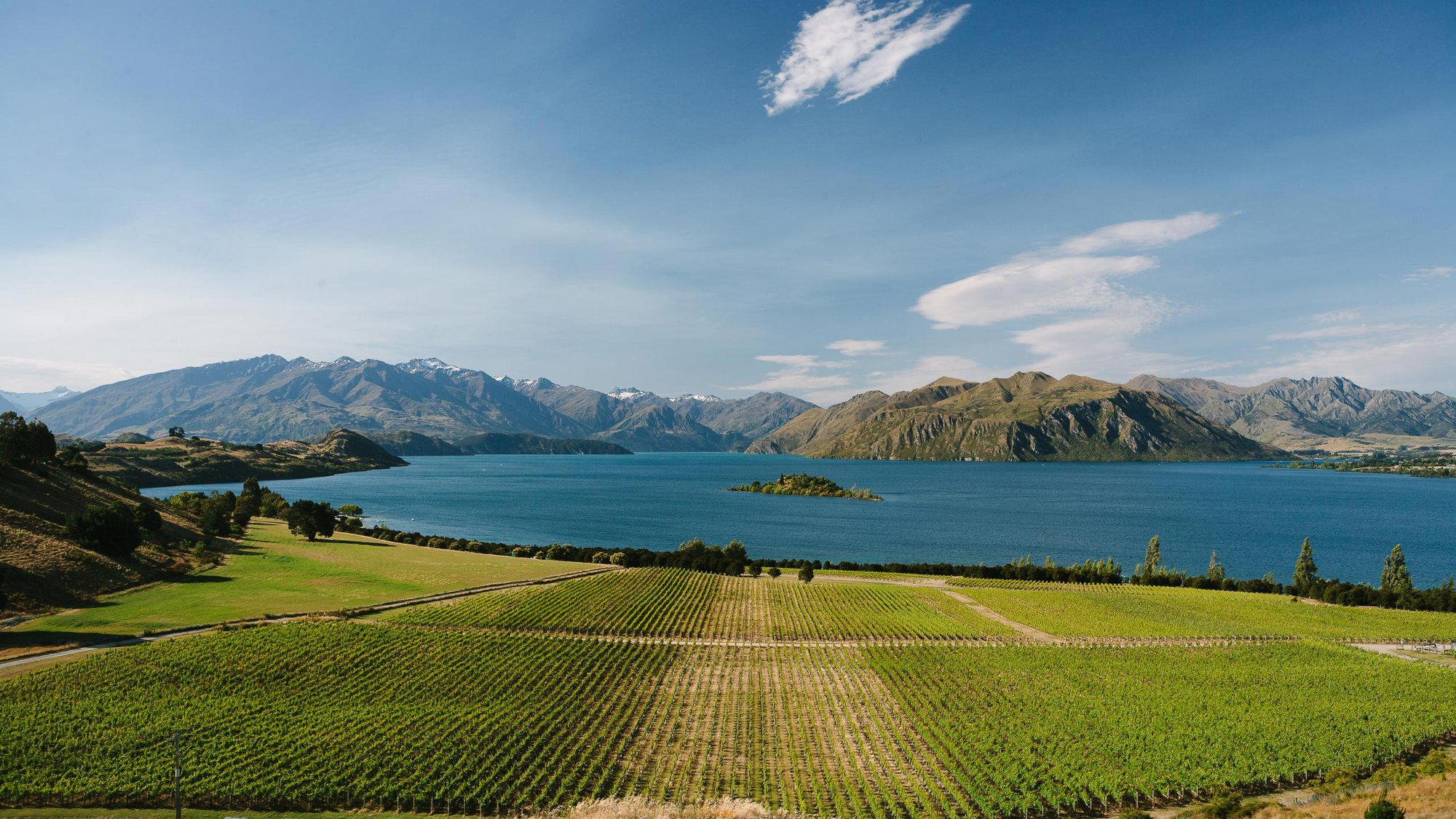
Rippon Vineyard
Wānaka, New Zealand
Rippon Vineyard is a winery on Wanaka-Mount Aspiring Road in Wānaka.

Bodegas de los Herederos del Marqués de Riscal
Elciego, Spain
Bodegas de los Herederos del Marqués de Riscal is a winery in Elciego, Rioja Alavesa.
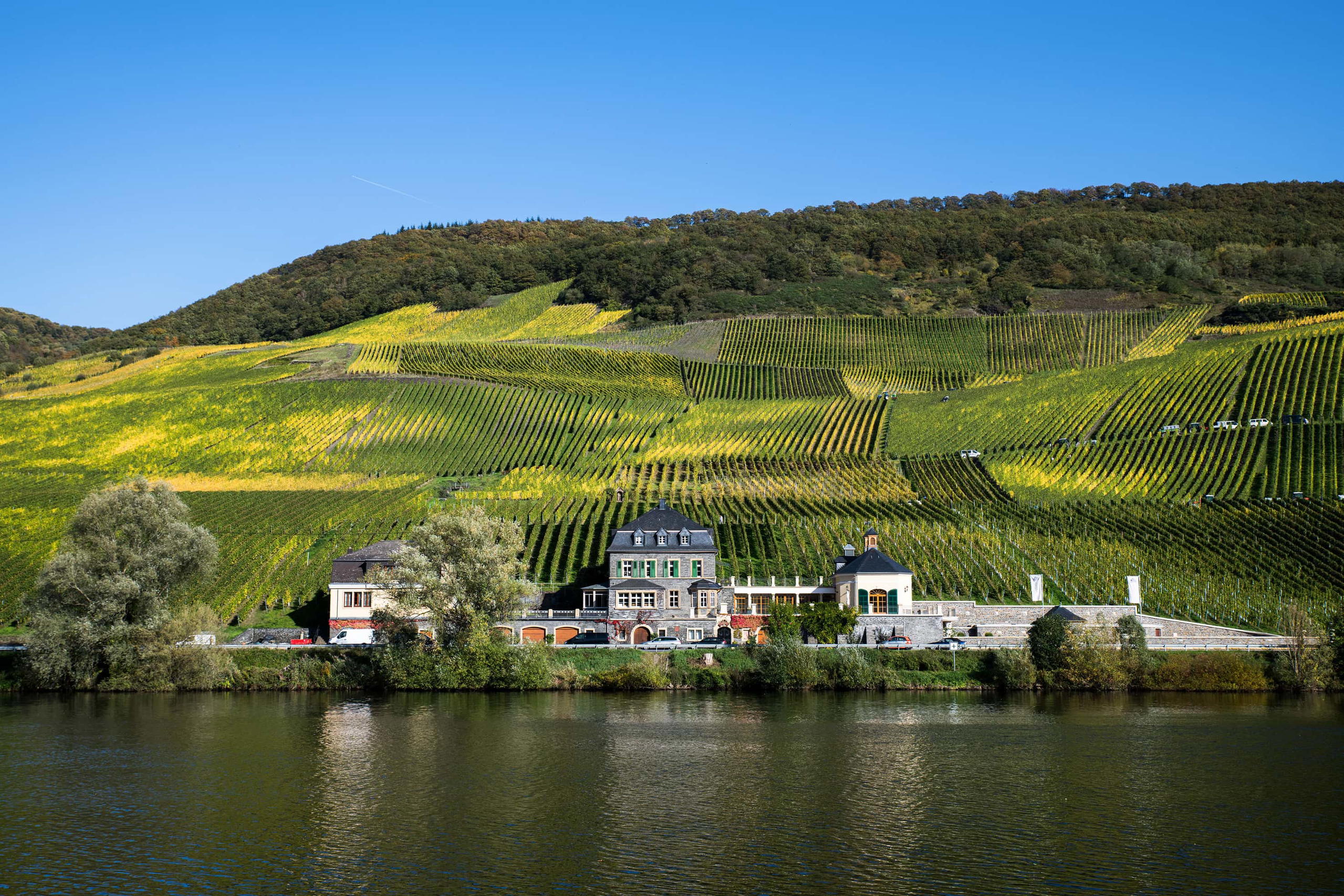
Weingut Dr. Loosen
Bernkastel-Kues, Germany
Dr. Loosen is a wine estate in Bernkastel-Kues in Germany's Mosel region.
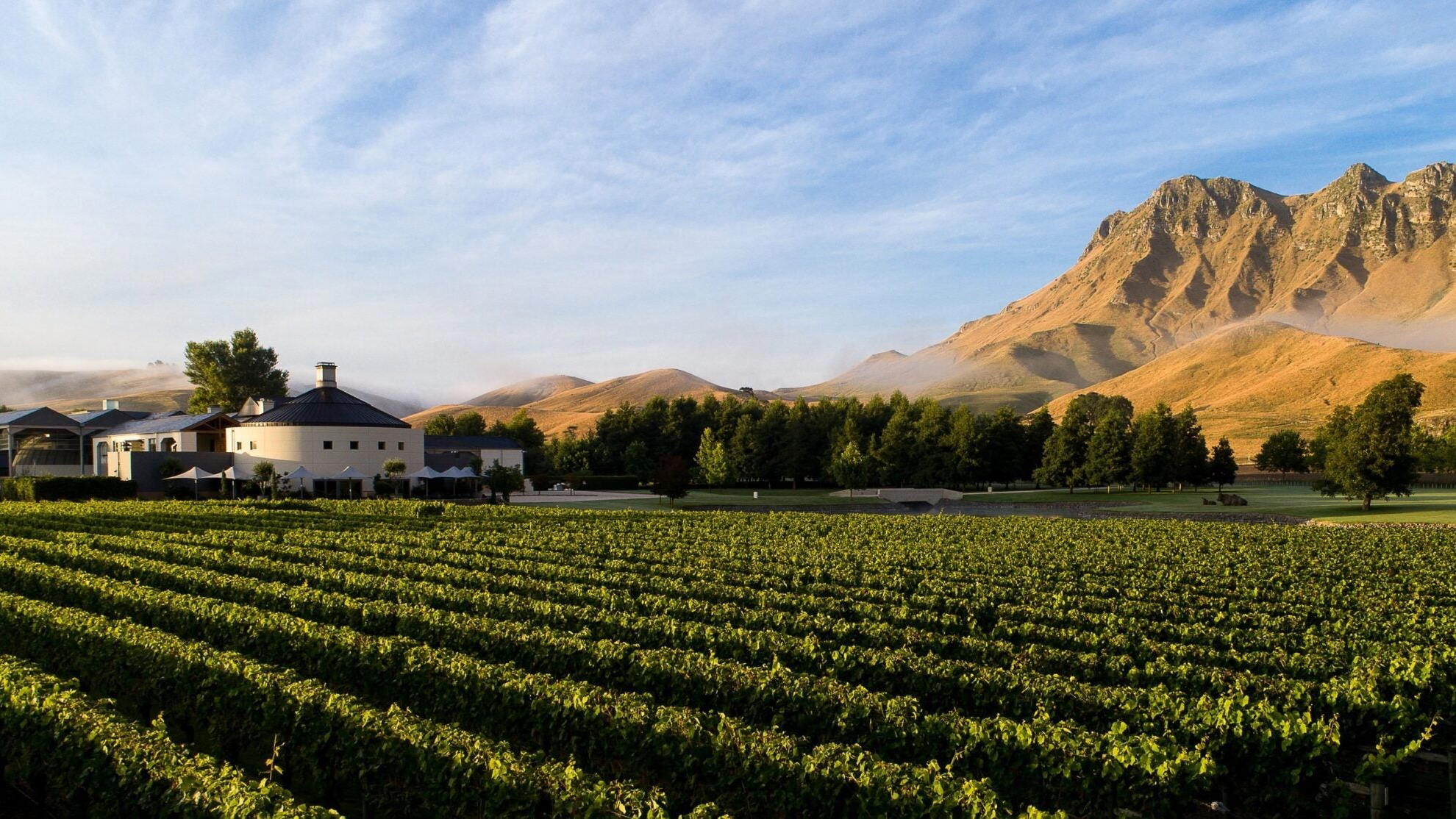
Craggy Range
Hastings, New Zealand
Craggy Range is a winery on Waimarama Road near Havelock North.
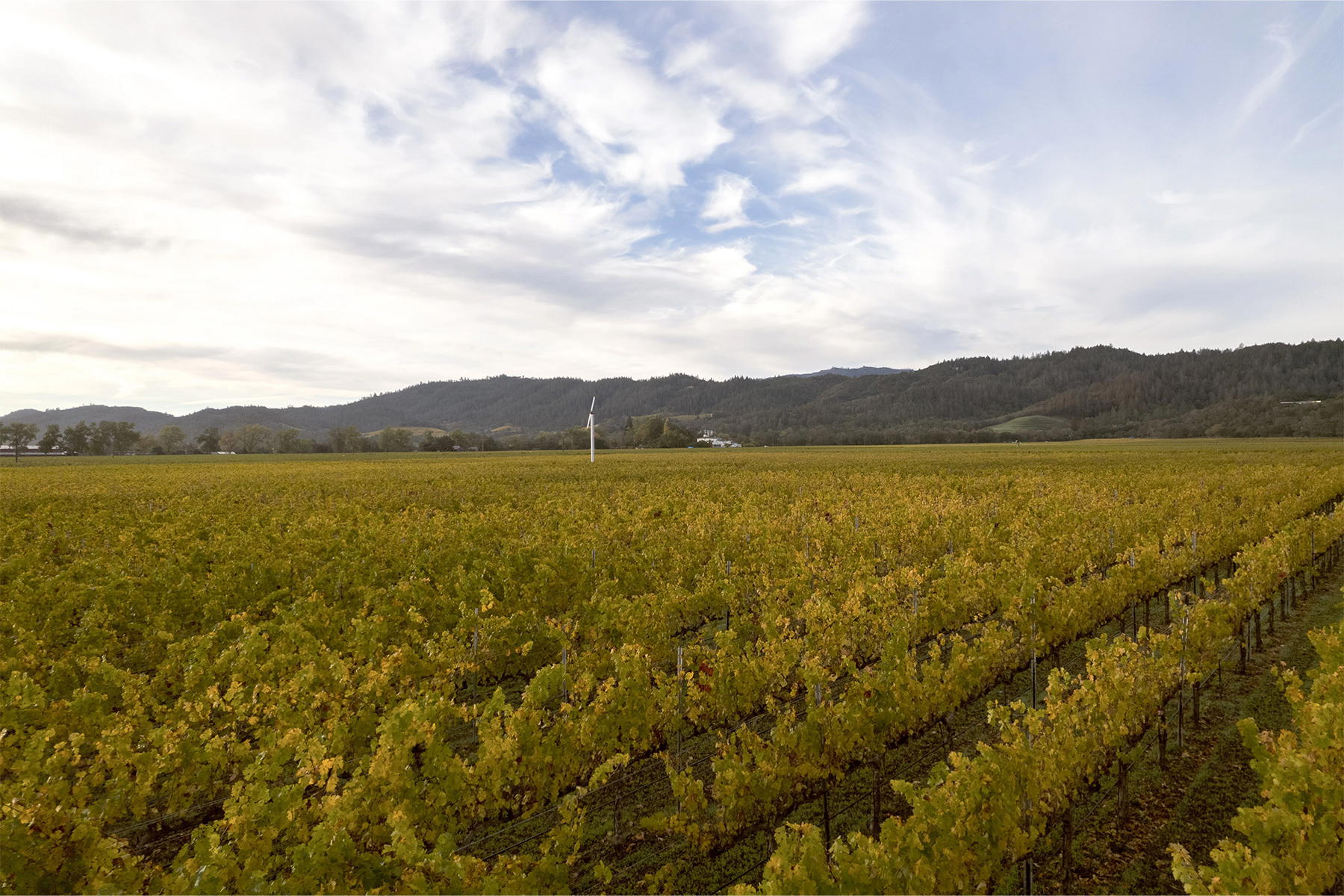
Robert Mondavi Winery
Oakville, United States
Plan Robert Mondavi Winery as the anchor of an Oakville wine day, especially for a celebration or business outing where name recognition and estate scale matter. It is a stronger fit for confident Napa context than for a quiet, discovery-led tasting, and the wine club is mainly worth considering if ongoing access to an established producer matters to the buyer.
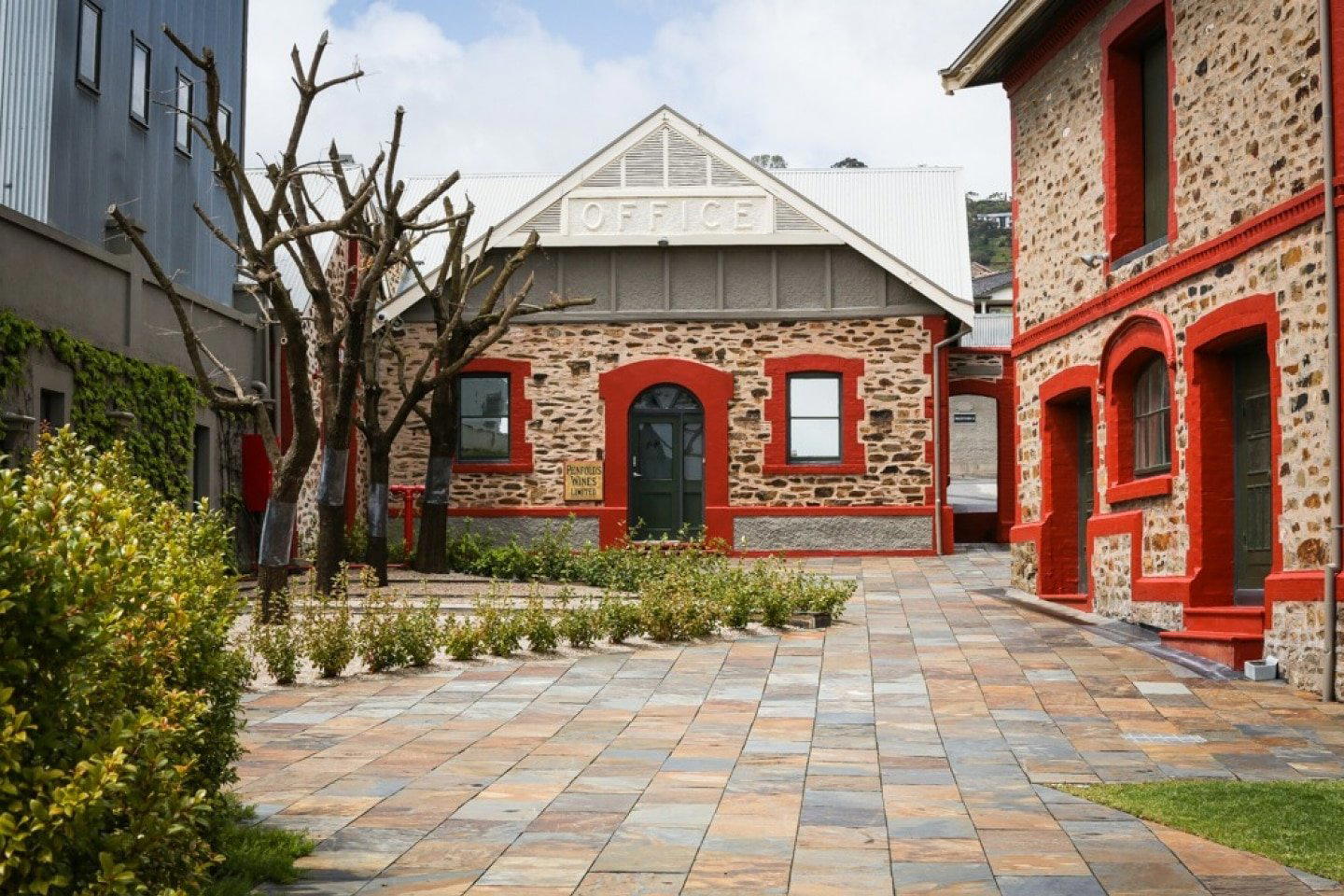
Penfolds Magill Estate
Magill, Australia
Penfolds Magill Estate is a winery and cellar-door destination in Magill, Adelaide.
Viña VIK
San Vicente De Tagua Tagua, Chile
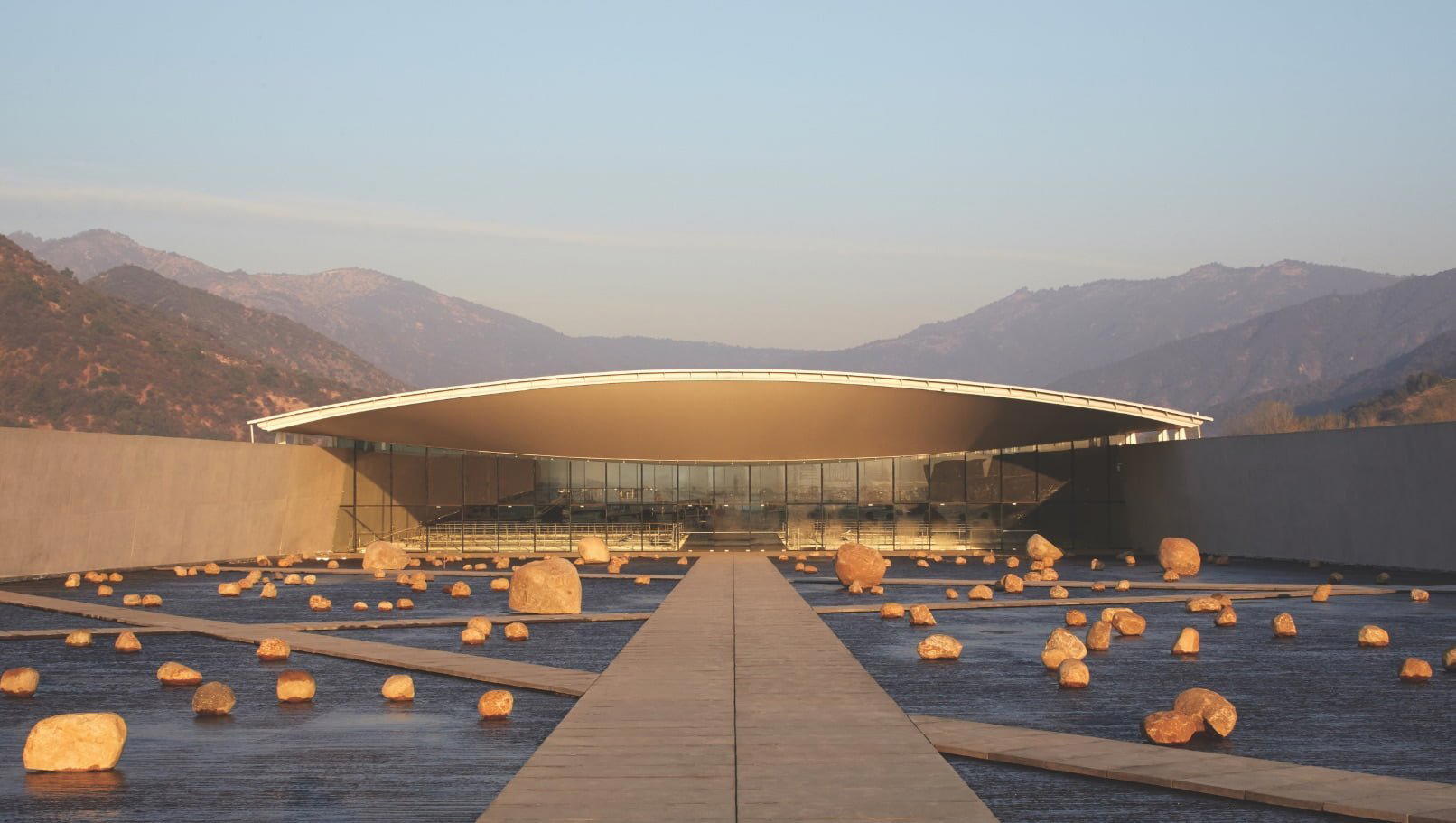
Viña VIK is a winery in Chile's Millahue Valley near San Vicente de Tagua Tagua.

Familienweingut Tement
Ehrenhausen, Austria
Familienweingut Tement is a winery in Berghausen near Ehrenhausen.
Château Smith Haut Lafitte
Martillac, France
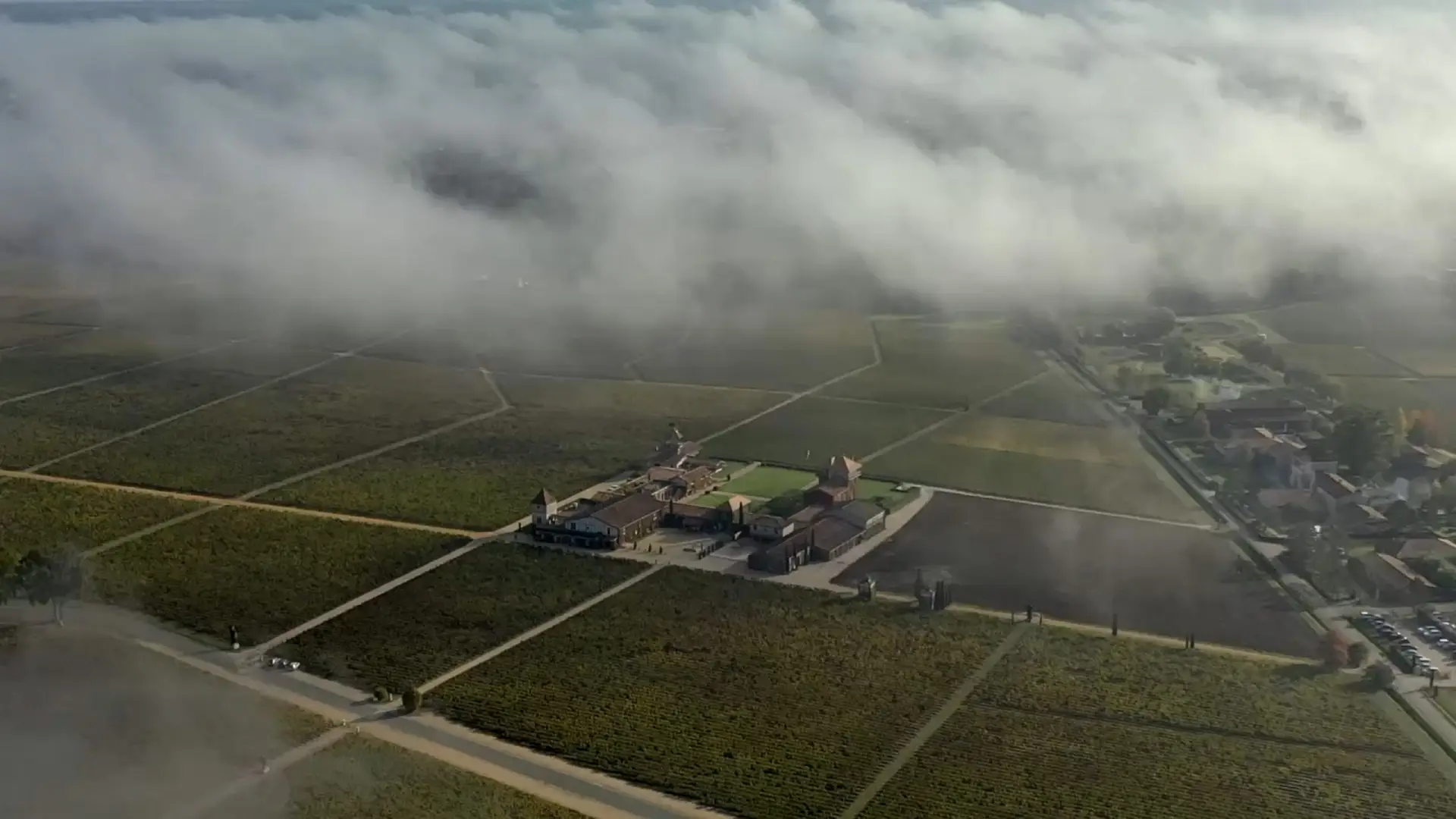
Château Smith Haut Lafitte is a wine estate in Martillac in the Pessac-Léognan appellation.
Viña Errázuriz
Panquehue, Chile
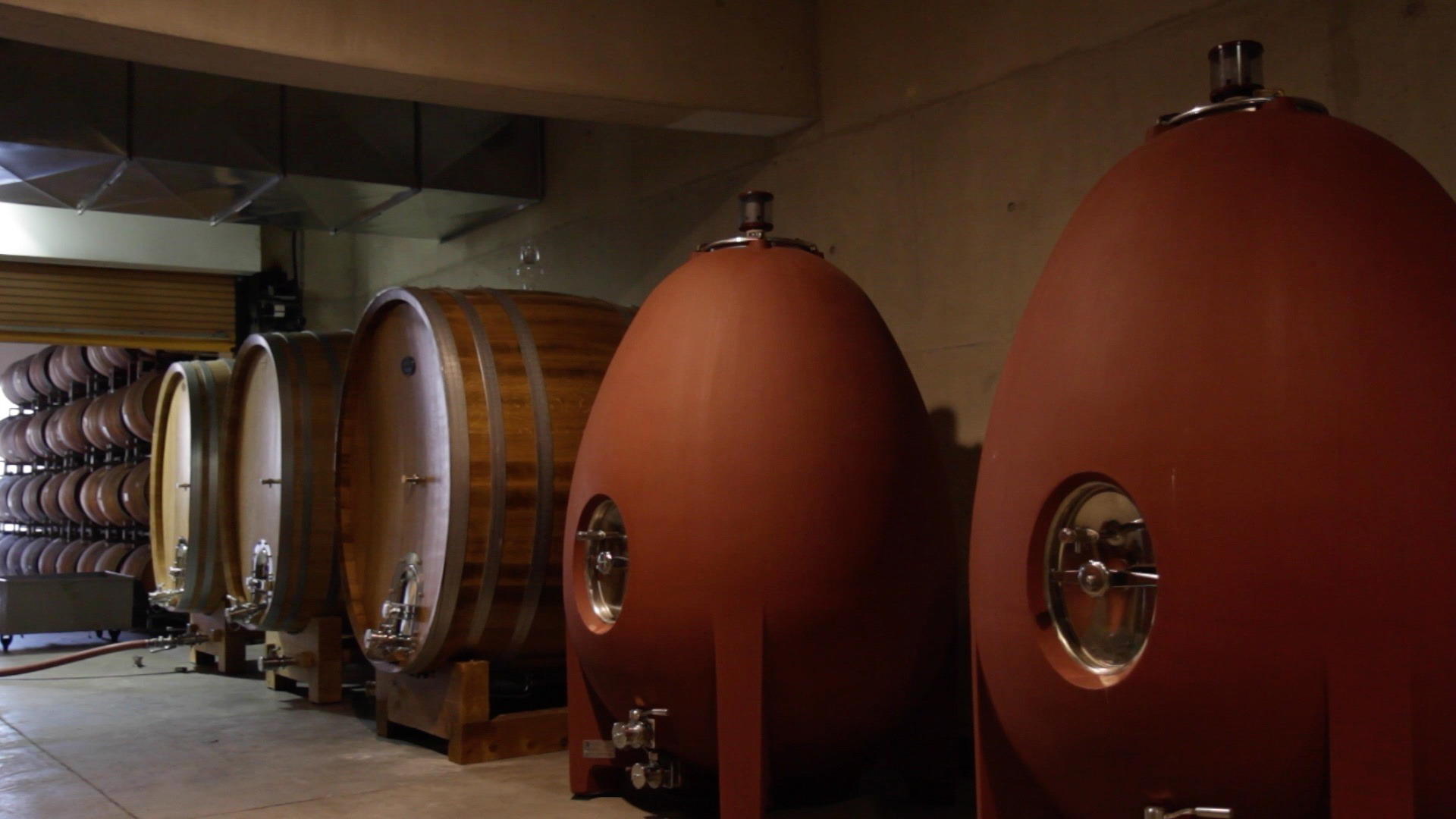
Book Viña Errázuriz if the goal is a serious Aconcagua Valley winery visit with international recognition and a quieter, wine-first atmosphere. It is less suited to travelers who need a confirmed food-pairing program, easy group logistics, or a casual drop-in format.
Antinori nel Chianti Classico
Tuscany, Italy
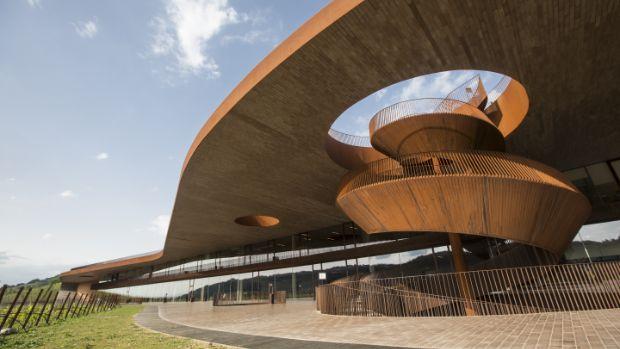
Prioritize Antinori nel Chianti Classico if the trip is about understanding Antinori's Tuscan reach, not just tasting one label. It is a high-demand, high-context winery visit with serious recognition, including World's 50 Best Vineyards #1 in 2022. If access is the issue, cross-shop Isole e Olena, Fontodi, or Castello di Monsanto.
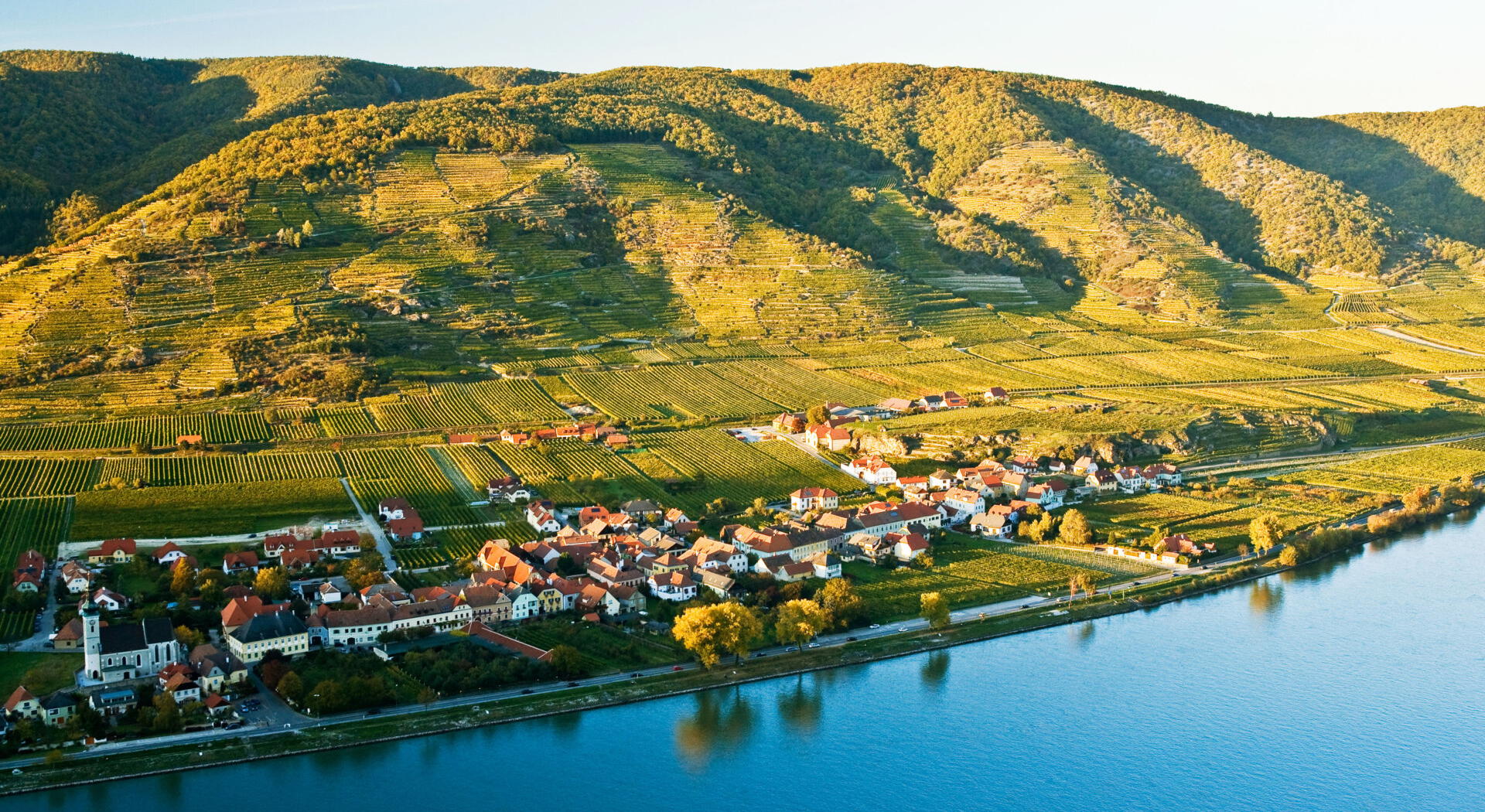
Domäne Wachau
Dürnstein, Austria
Domäne Wachau is a wine estate in Dürnstein, Austria.
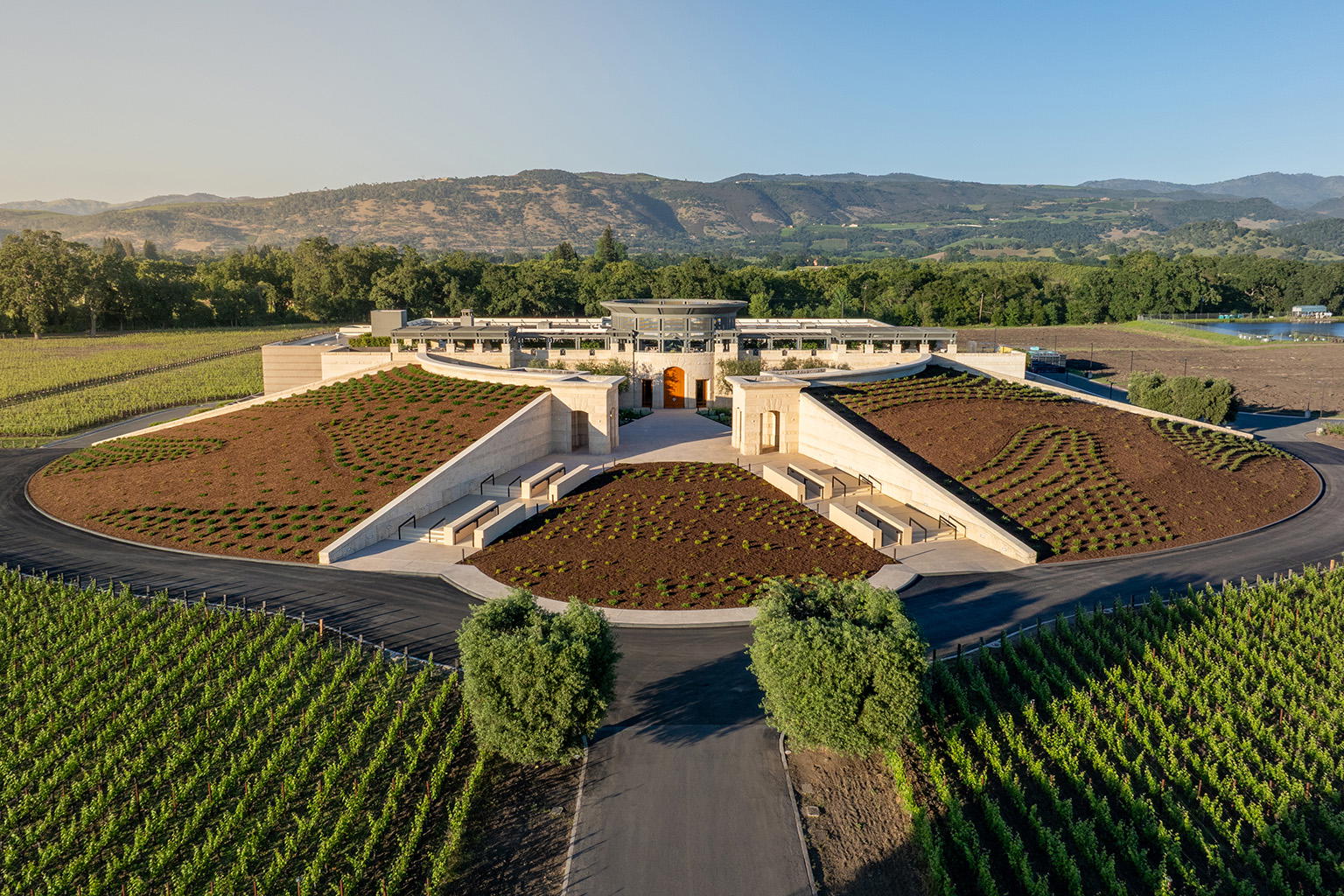
Opus One
Oakville, United States
Opus One is worth prioritizing if the flagship bottle is the reason for the trip, not if the group wants a casual Napa tasting crawl. Its Oakville setting, 1979 first vintage, Michael Silacci's winemaking continuity, and World's 50 Best Vineyards recognition make it a strong collector-minded stop, but backup appointments are smart.
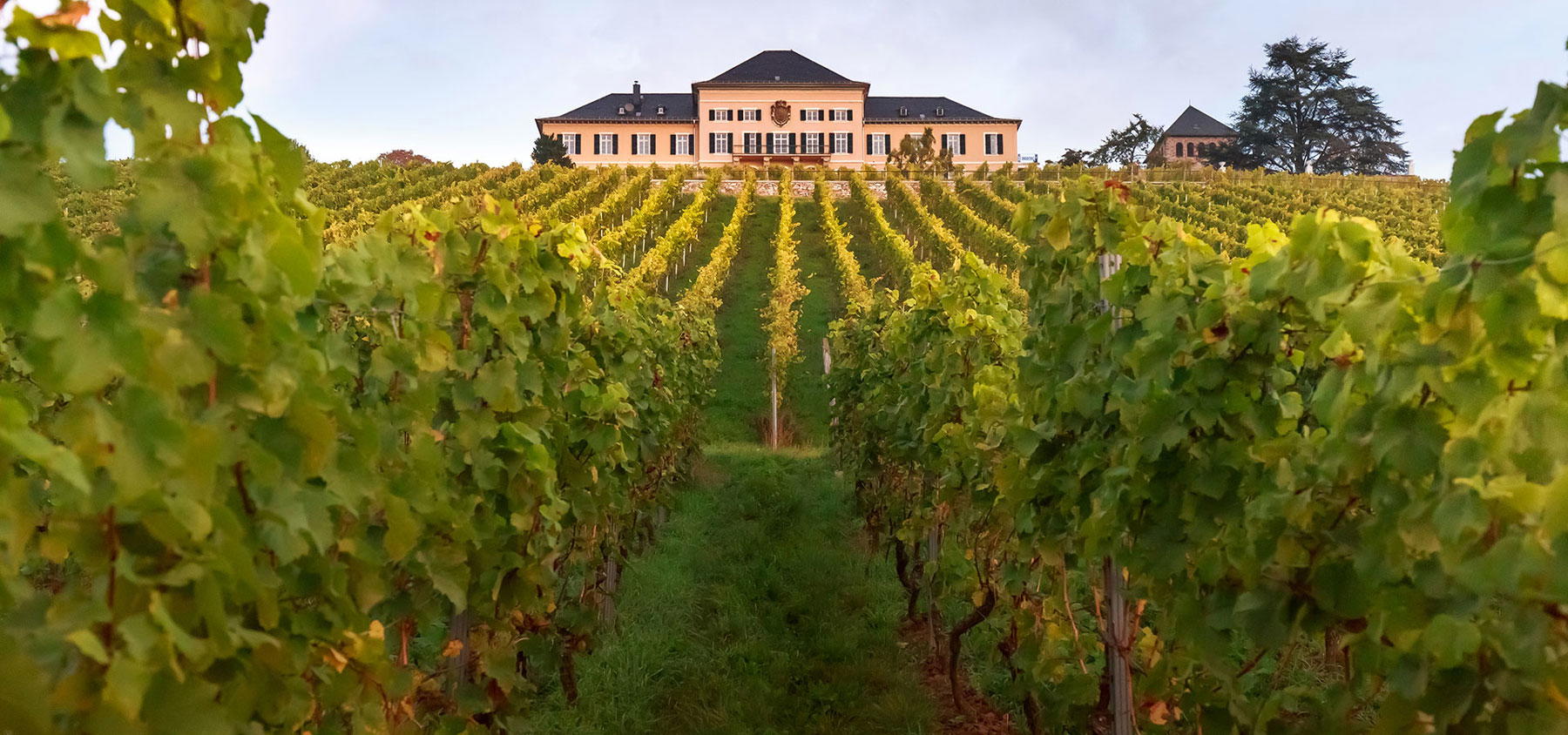
Schloss Johannisberg
Geisenheim-Johannisberg, Germany
Schloss Johannisberg is a Riesling wine estate in Geisenheim-Johannisberg in Germany's Rheingau region.
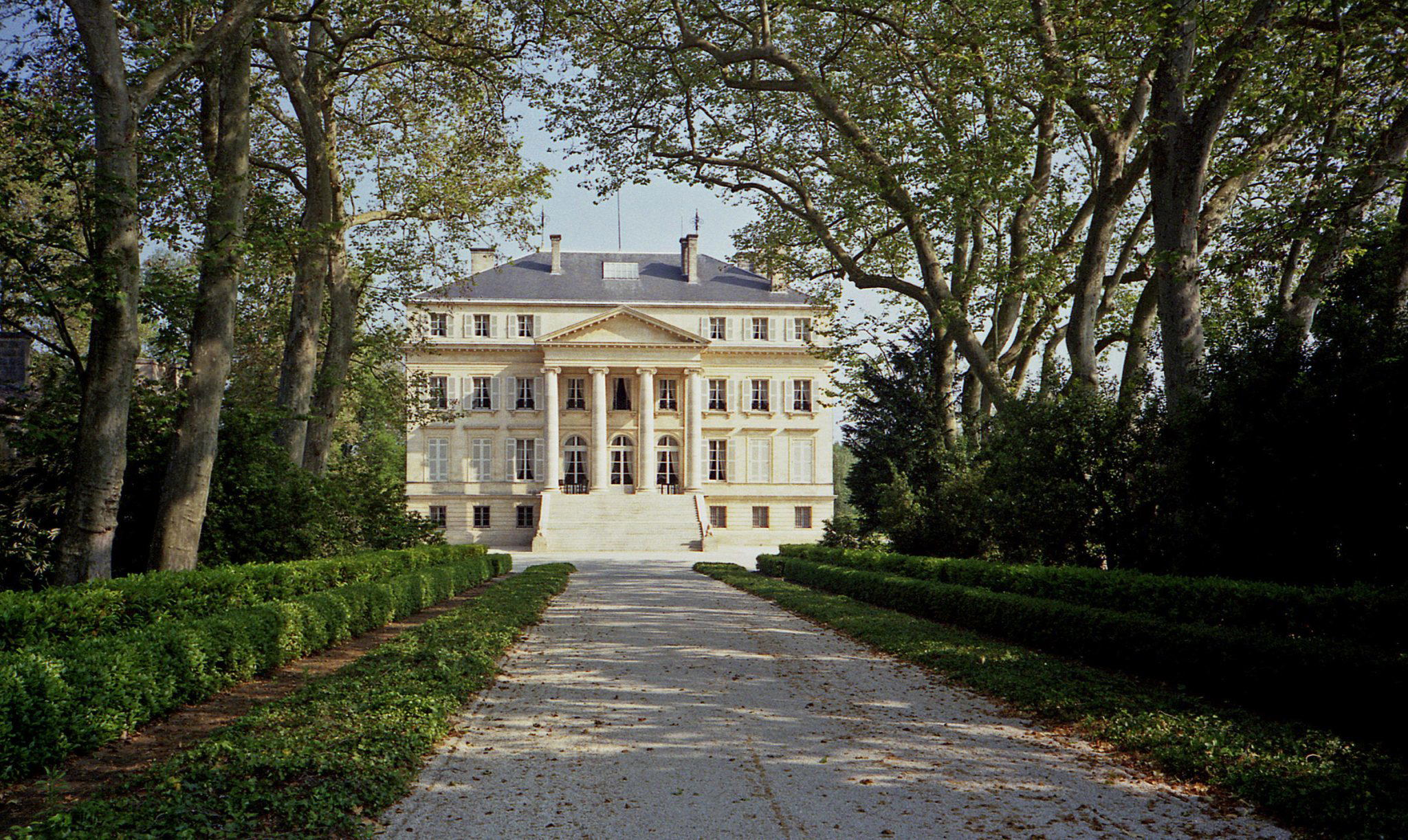
Château Margaux
Margaux, France
Château Margaux is a classified First Growth wine estate in Margaux-Cantenac, Bordeaux.
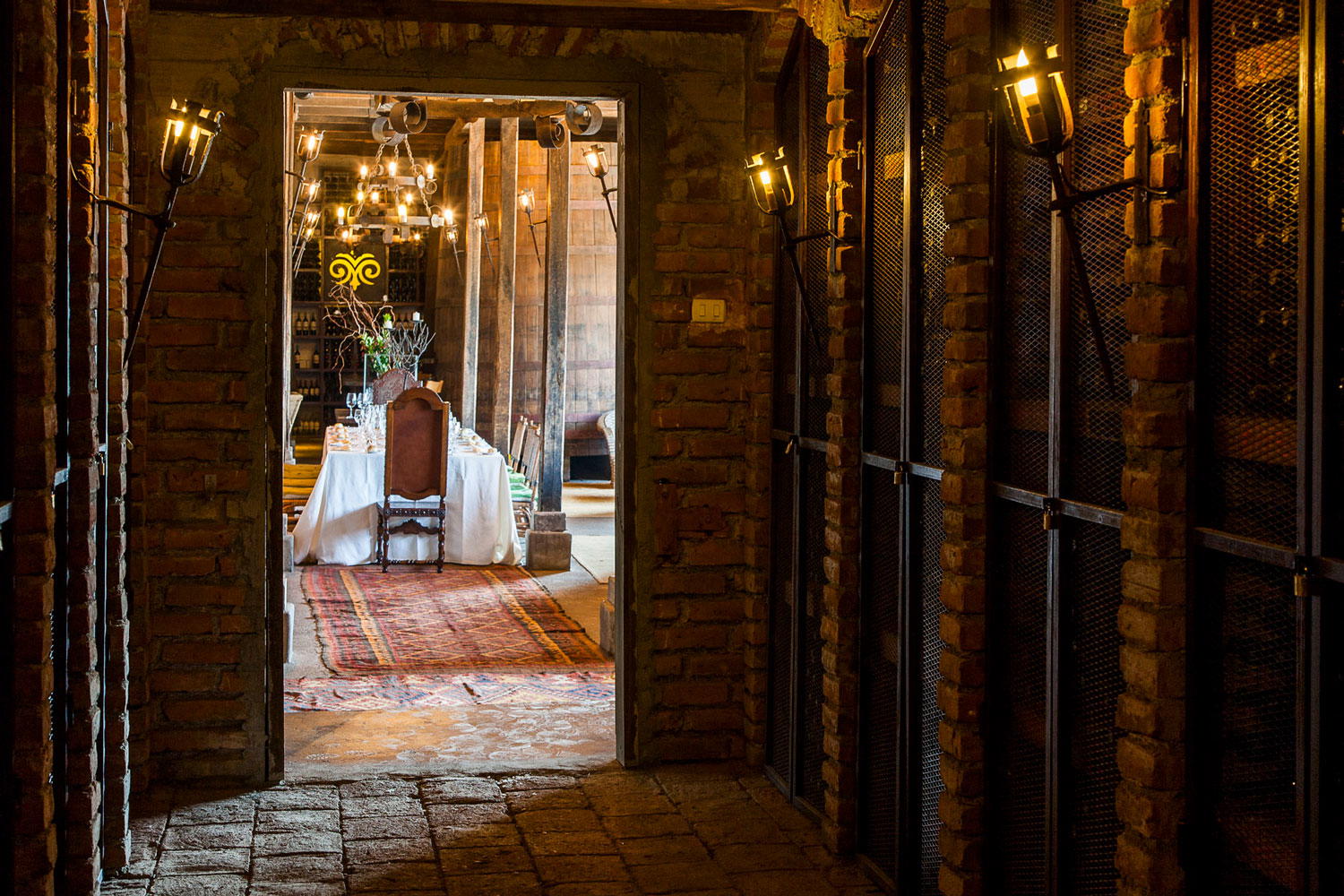
Viña Viu Manent
Santa Cruz, Chile
Book Viña Viu Manent when the Santa Cruz trip is built around wine, not when you need a casual last-minute stop. Its World's 50 Best Vineyards #40 placement gives it real trip-anchor weight, but the booking difficulty means dates should be planned early. Cross-shop Clos Apalta for a bigger prestige play and Viña Montes for another major Santa Cruz winery.
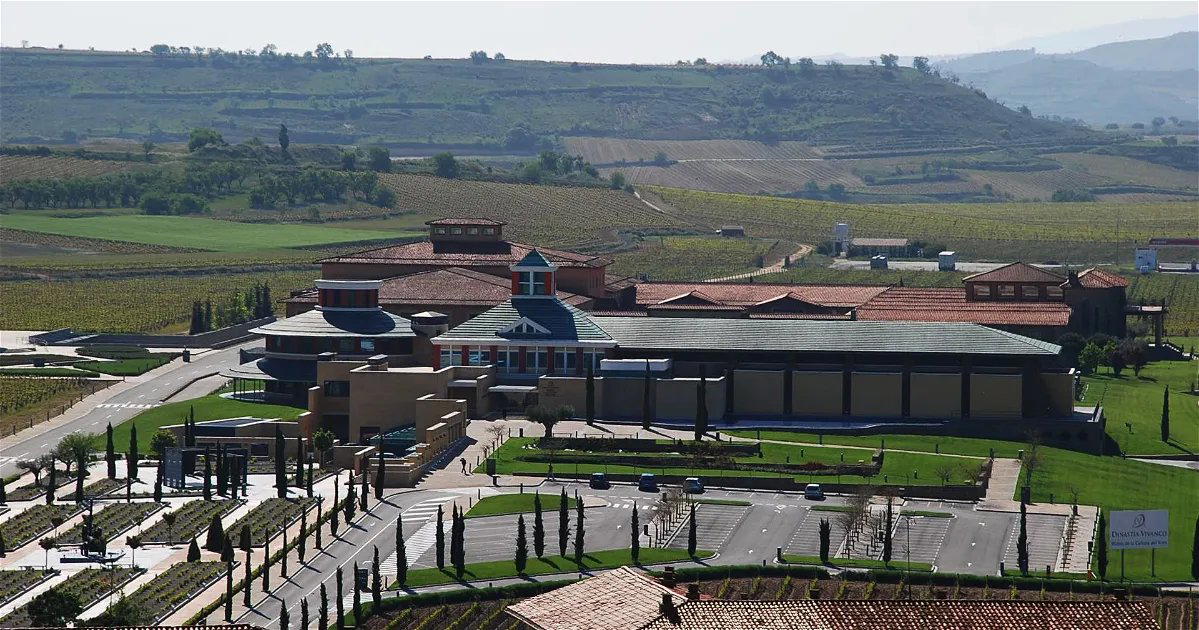
Dinastía Vivanco
Briones, Spain
Choose Dinastía Vivanco if a Rioja visit should be about context and depth, not just another tasting-room stop. It is strongest for serious wine travellers building a Briones day around one anchor visit, but availability should be treated as difficult and confirmed early.
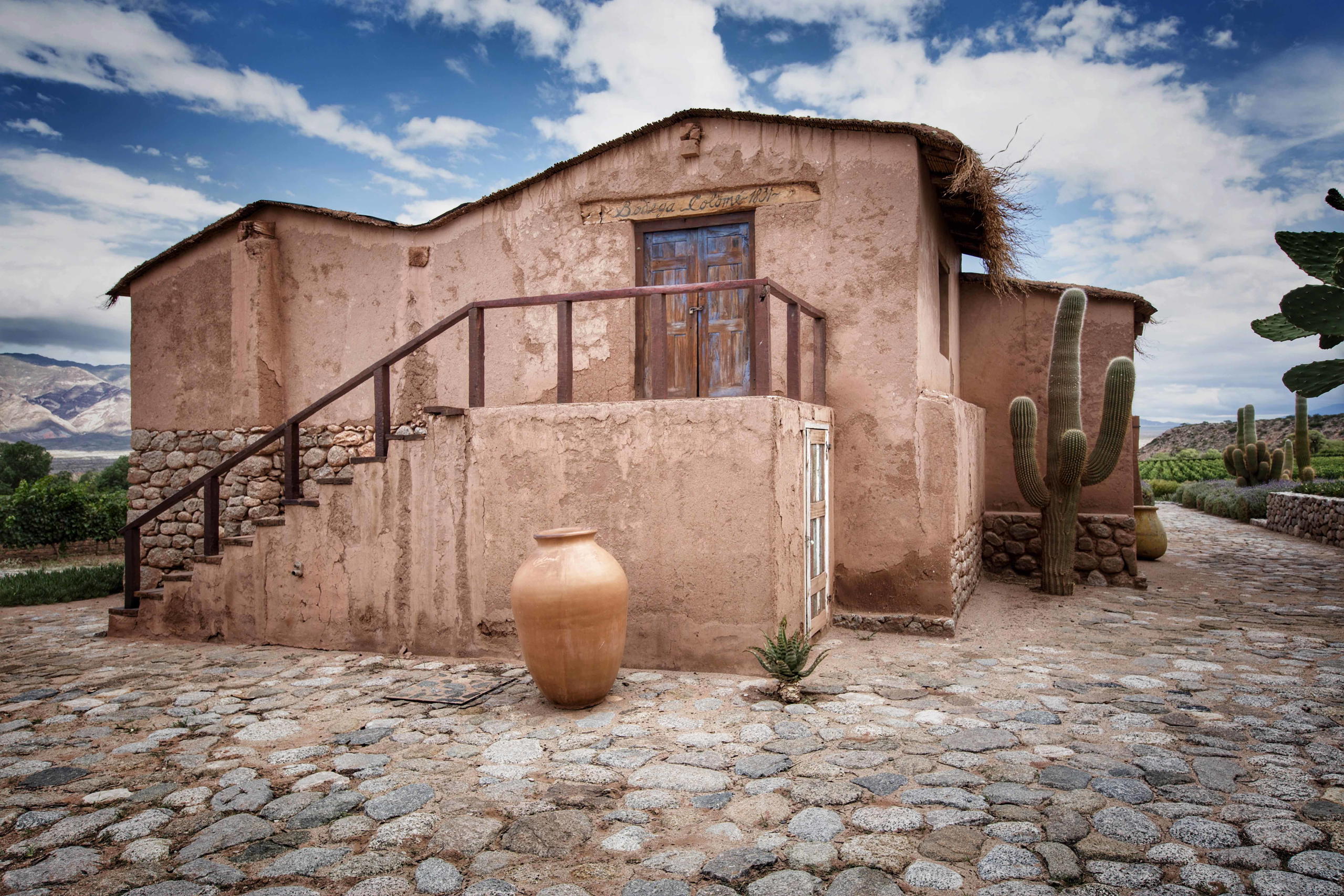
Bodega Colomé
Molinos, Argentina
Bodega Colomé is worth targeting if the winery is the point of the day, not a casual add-on. Its international recognition gives serious wine travelers a clear reason to make the Molinos detour, but the rural location and difficult booking profile mean Cafayate alternatives may suit easier tasting itineraries better.
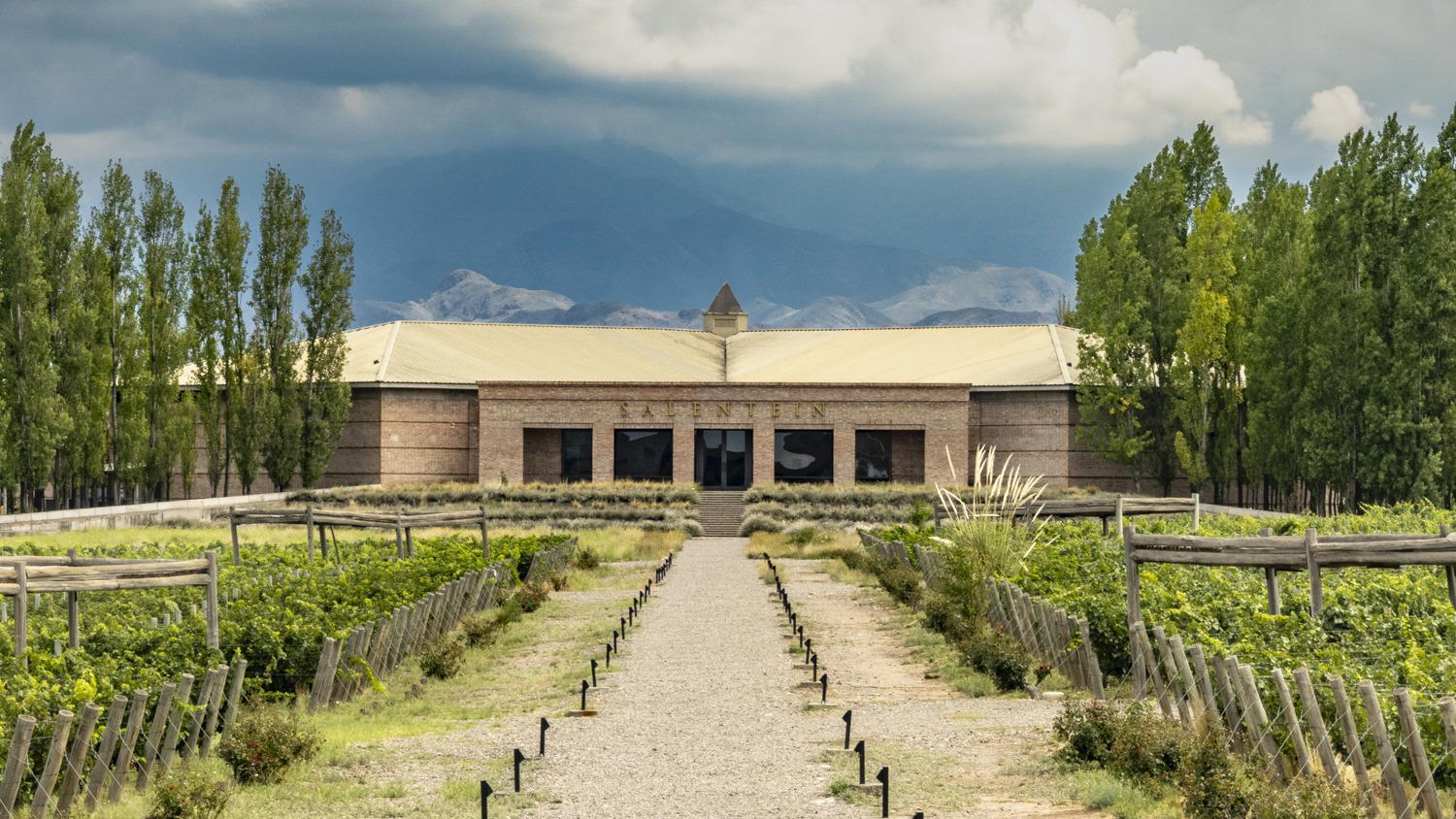
Bodegas Salentein
Tunuyán, Argentina
Bodegas Salentein is a winery near Tunuyán in Mendoza's Uco Valley.
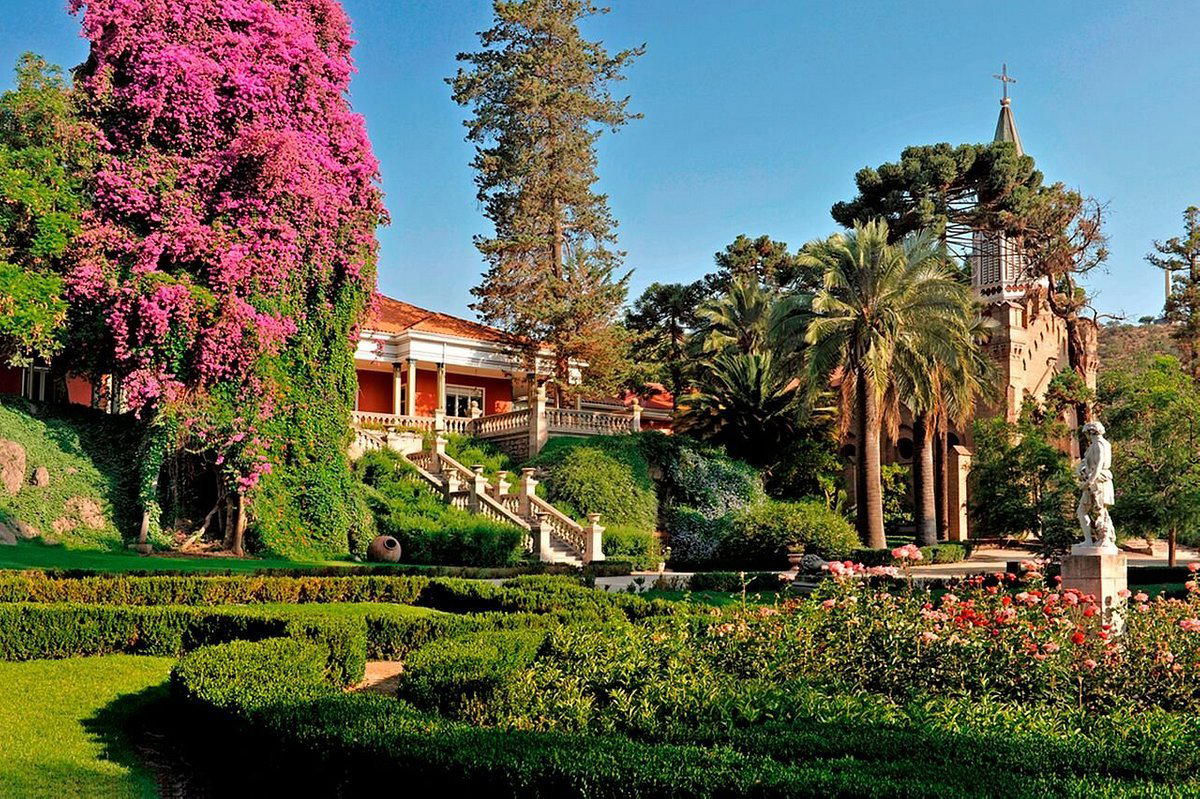
Viña Santa Rita
Buin, Chile
Viña Santa Rita is the practical anchor for a Buin wine day: heritage-led, large-scale, and easier to build an itinerary around than a smaller specialist appointment. Its Pearl 3 Star Prestige recognition and World's 50 Best Vineyards #41 ranking make it worth prioritizing if the goal is a serious Chilean estate visit rather than a quick tasting stop.
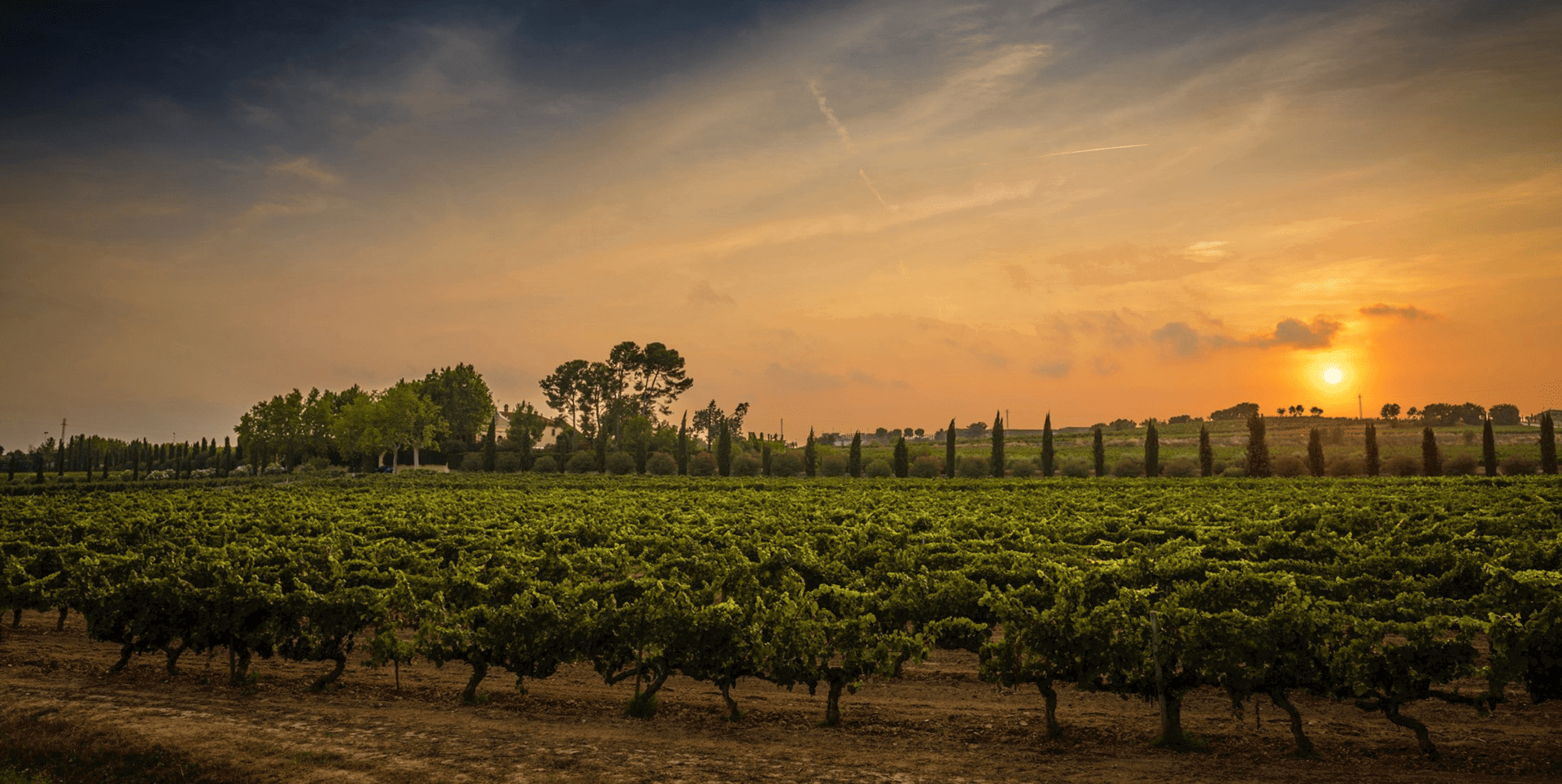
Familia Torres
Pacs del Penedès, Spain
Familia Torres is the safer anchor choice in Pacs del Penedès if you want estate scale, regional context, and a composed winery setting. It is better for first-time Penedès visitors than for travellers chasing a tiny, specialist cellar feel; cross-shop Gramona or Recaredo if intimacy matters more than breadth.
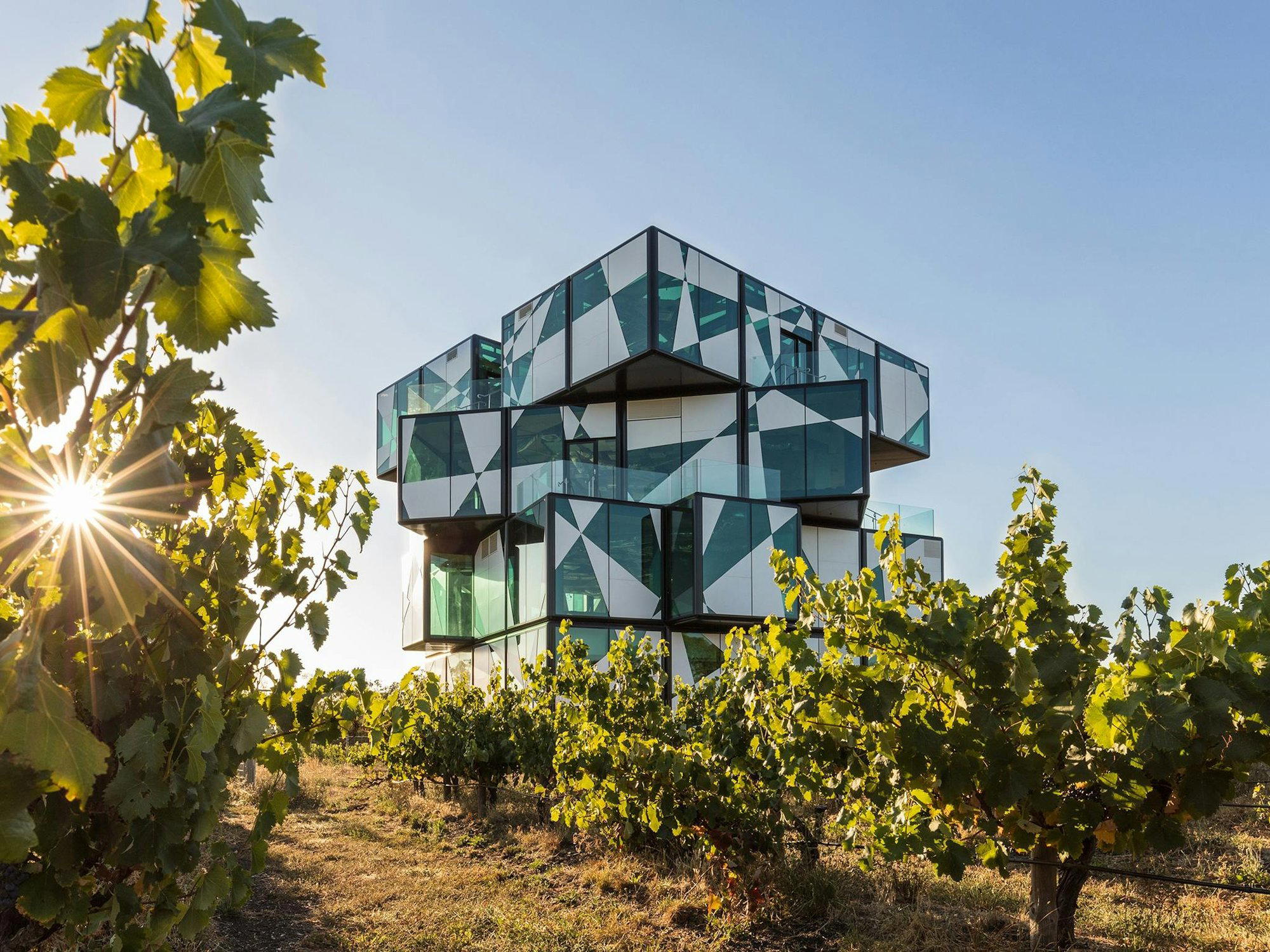
d'Arenberg
McLaren Vale, Australia
d'Arenberg is worth prioritising if you want a recognised McLaren Vale winery to anchor the day, especially for a first visit or wine-focused itinerary. It is less suited to a loose, low-commitment tasting crawl; cross-shop S.C. Pannell, Kay Brothers, Mollydooker, or Oliver's Taranga if flexibility matters more.
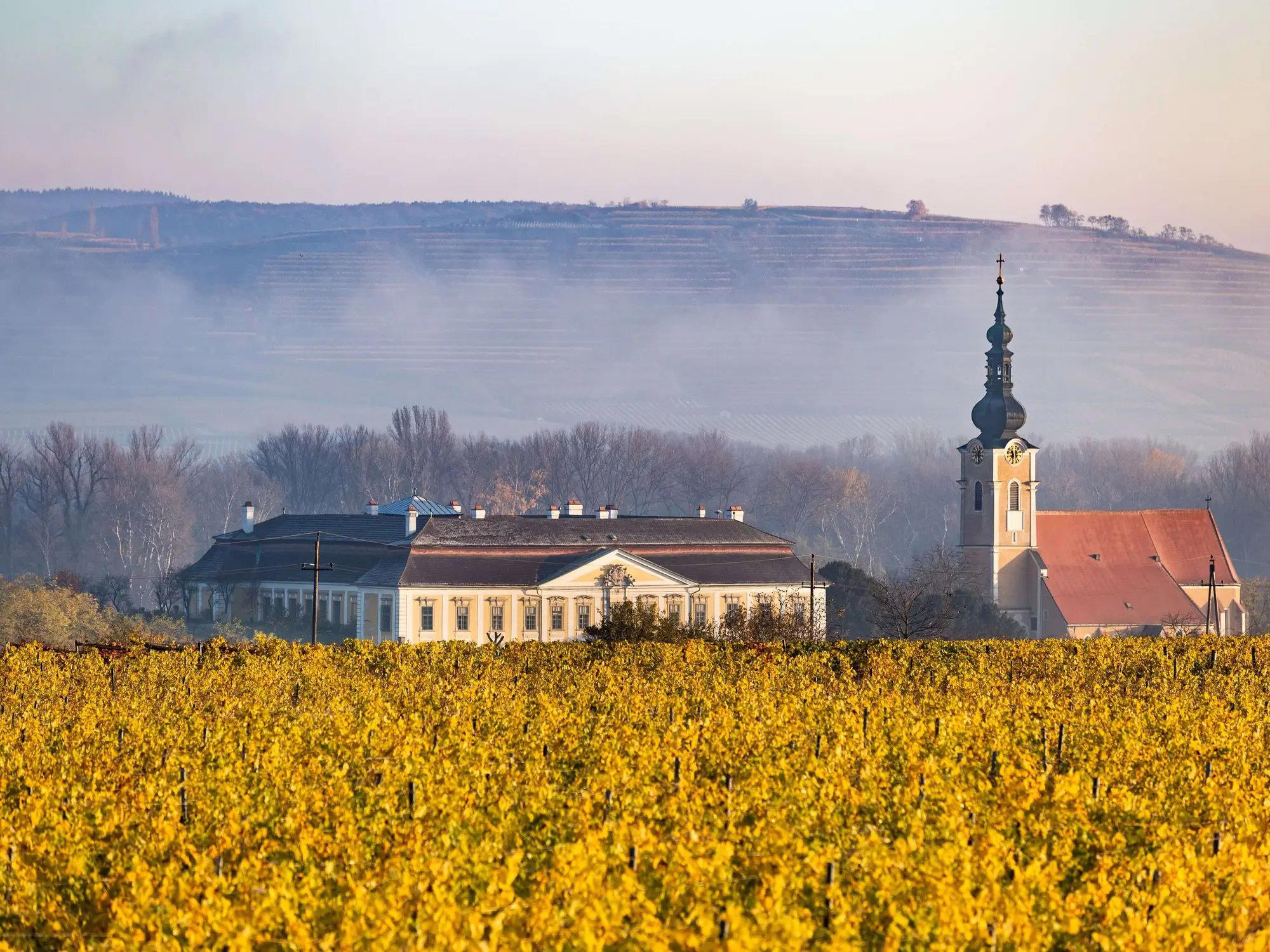
Schloss Gobelsburg (Weingut)
Langenlois, Austria
Schloss Gobelsburg (Weingut) is worth prioritizing for wine travelers who want a serious Langenlois producer with strong recognition and a heritage-led frame. It is a difficult booking, so treat it as an anchor stop rather than a casual add-on, and cross-shop nearby Langenlois wineries if the schedule is tight.
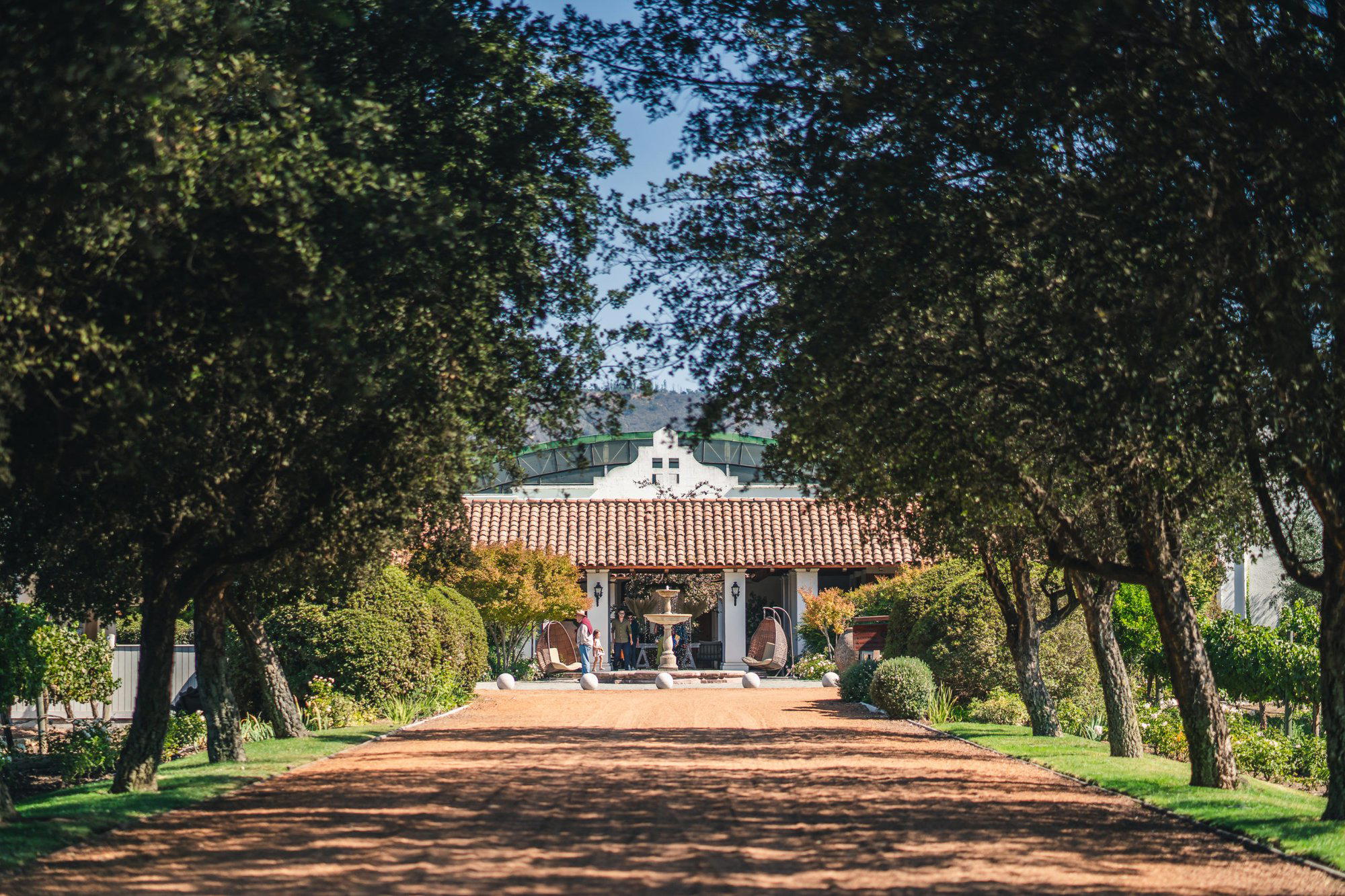
Casas del Bosque
Casablanca, Chile
Casas del Bosque is worth prioritizing if a Casablanca wine day needs one internationally recognized anchor. Its World's 50 Best Vineyards #42 ranking in 2025 gives it stronger decision value than a casual tasting stop, but the booking difficulty means travelers should plan ahead and keep a backup winery in mind.
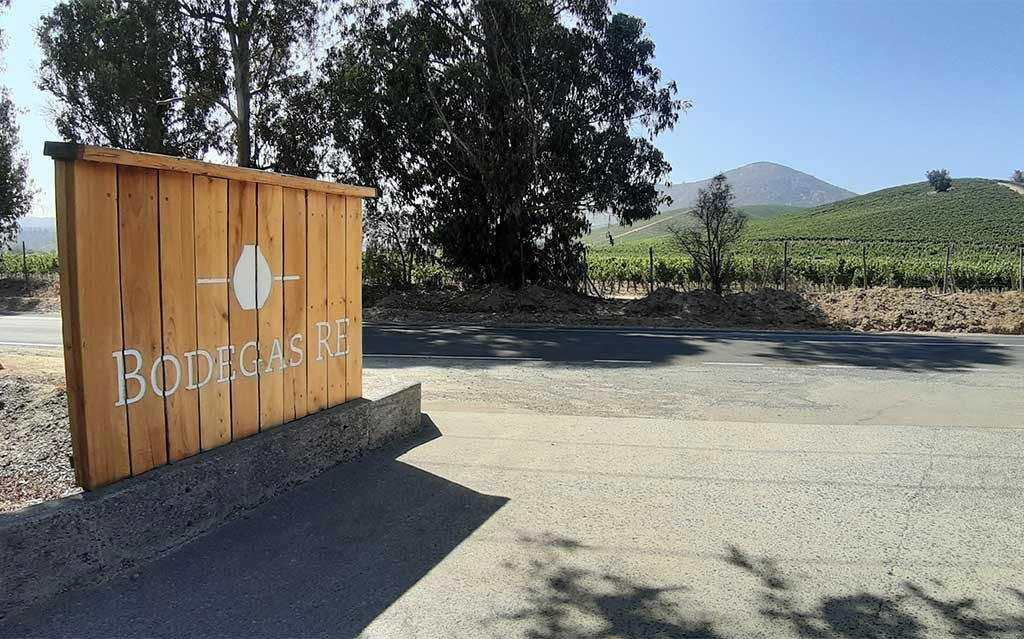
Bodegas RE
Casablanca, Chile
Book Bodegas RE if the priority is a serious, wine-led Casablanca Valley stop with a polished occasion feel. It is less suitable as a meal-first plan unless current food service is confirmed before arranging the day, so pair it with a separate lunch or a second winery if the group wants a fuller itinerary.
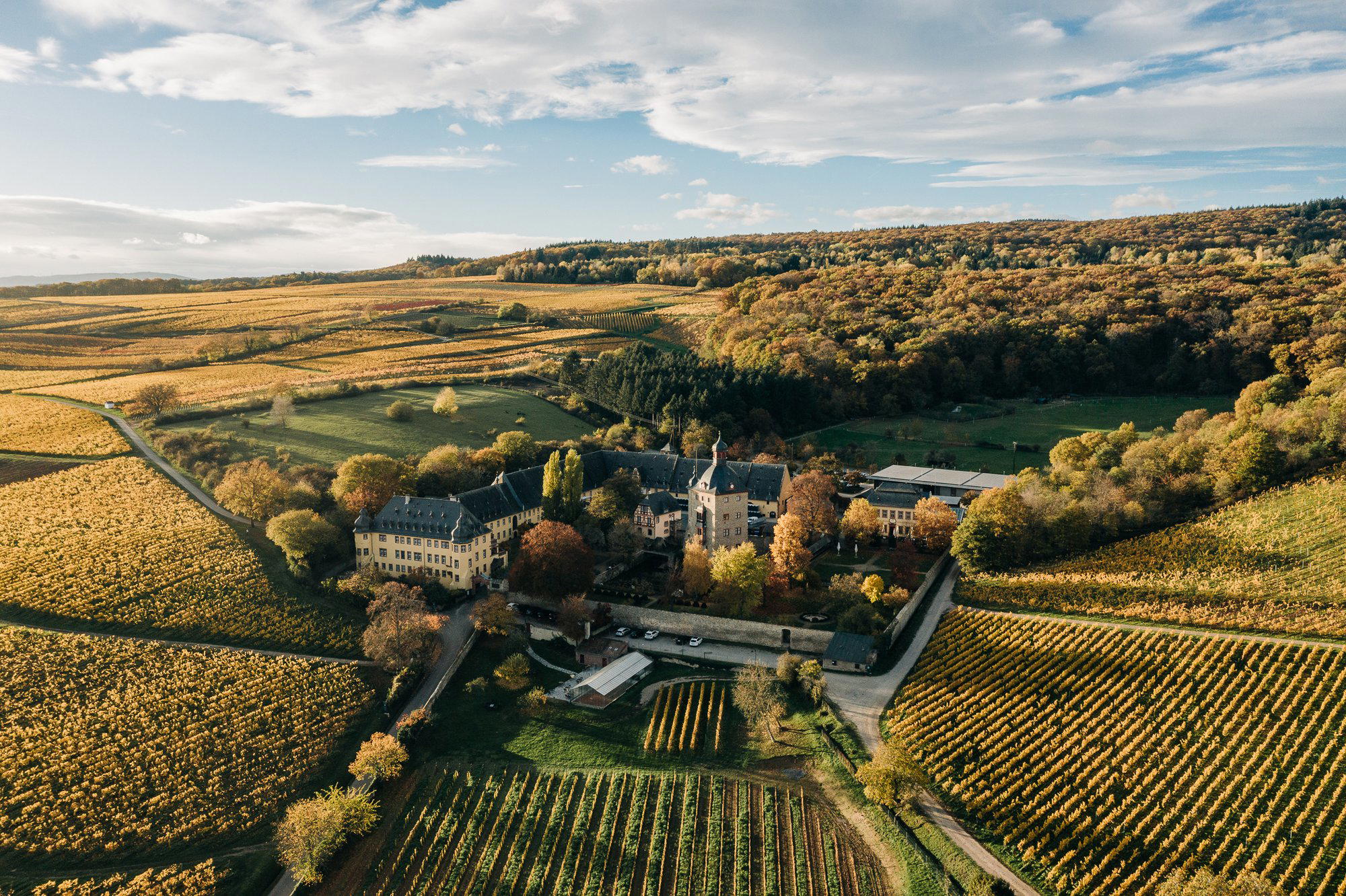
Schloss Vollrads
Oestrich-Winkel, Germany
Schloss Vollrads is the Rheingau pick for a special-occasion winery visit where Riesling and setting both matter. Its Pearl 3 Star Prestige rating and World's 50 Best Vineyards recognition make it worth prioritizing for serious buyers, while nearby Oestrich-Winkel producers may suit easier, lower-pressure tastings.
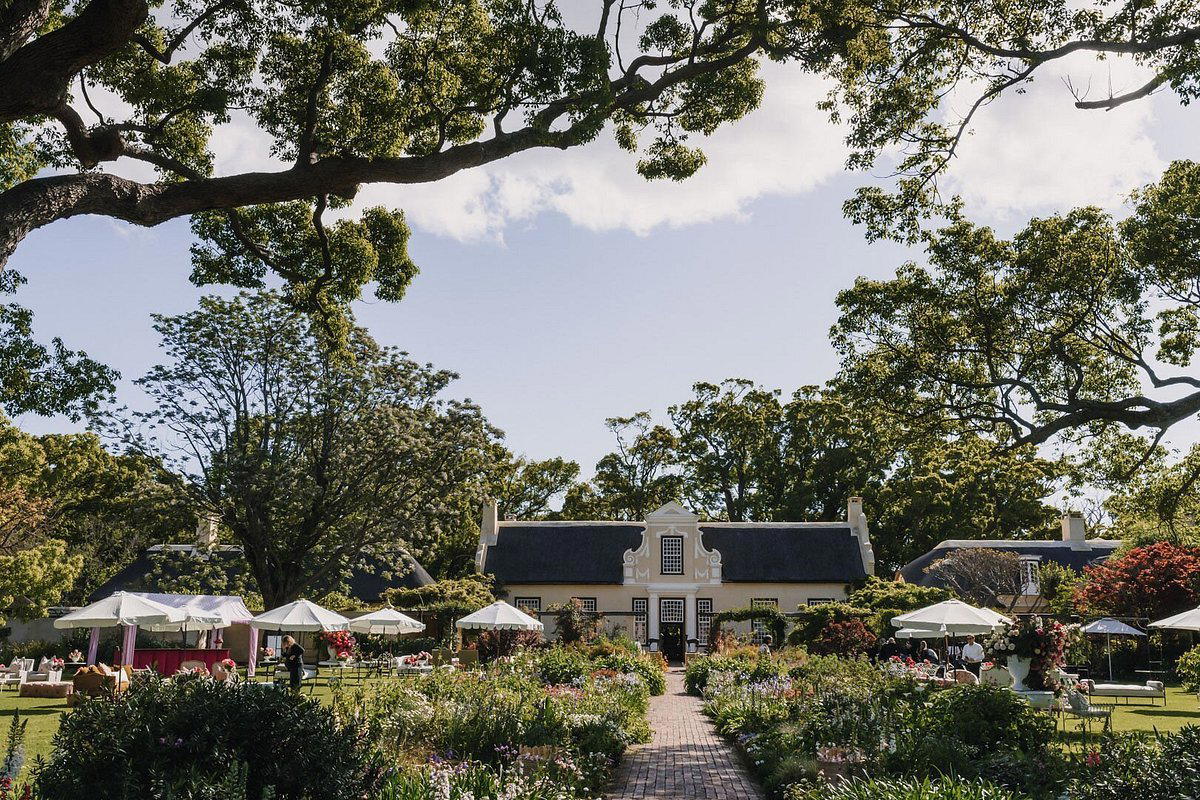
Vergelegen Wine Estate
Somerset West, South Africa
Prioritize Vergelegen Wine Estate if Somerset West is meant to be a serious wine stop, not just a scenic tasting. Its Pearl 3 Star Prestige recognition and World's 50 Best Vineyards placement make it the heavyweight choice in the local set, while Lourensford, Morgenster, and Waterkloof are useful cross-shops depending on pace and group style.
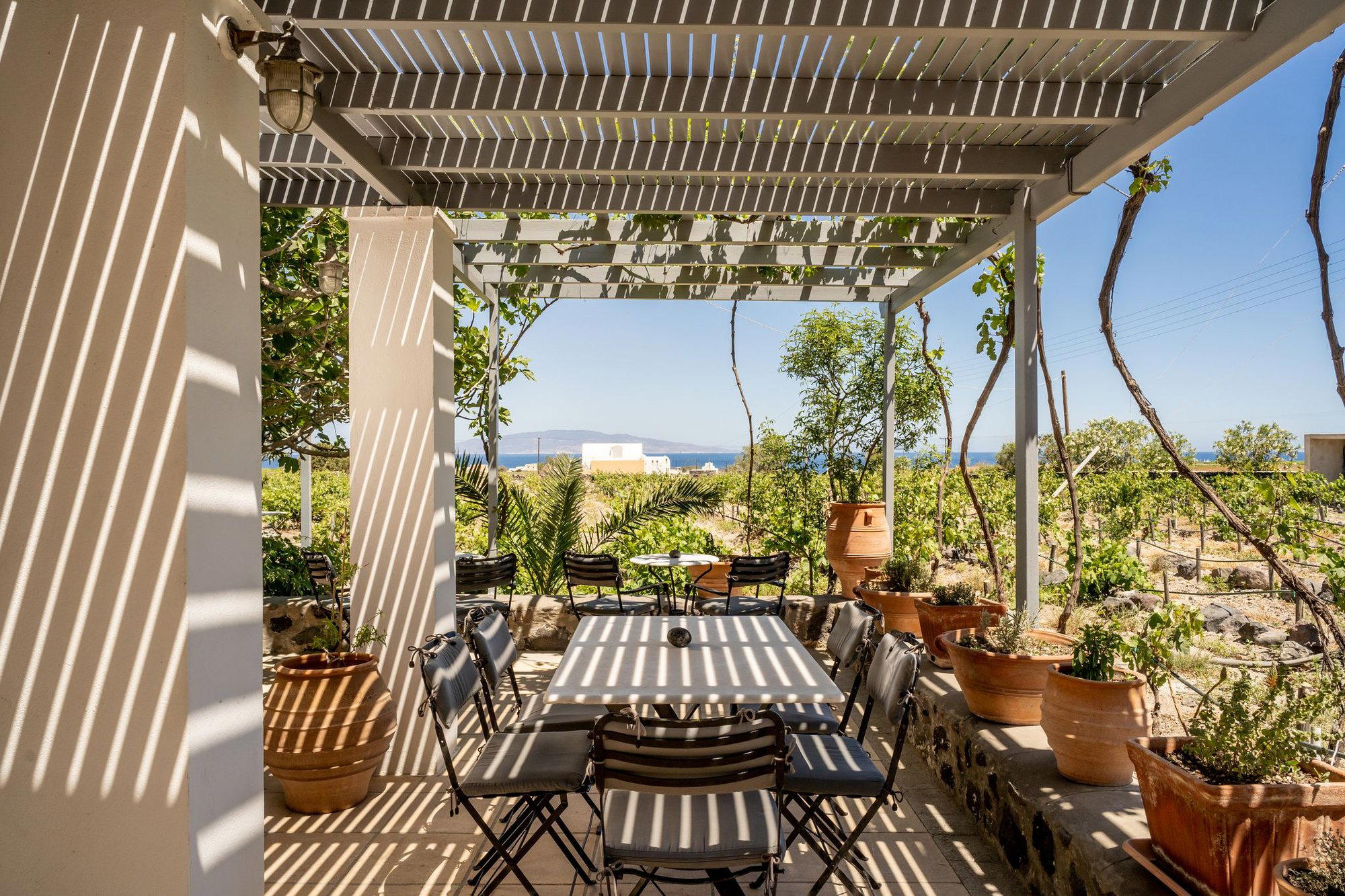
Domaine Sigalas
Oia, Greece
Domaine Sigalas is the Oia-area winery to prioritize when the goal is serious Santorini wine rather than a view-first tasting. Its World's 50 Best Vineyards #37 recognition gives it clear credibility, and the Baxes location makes it feel more producer-led than cliffside-tourist driven. Best for return visitors who want Assyrtiko context and a focused daytime stop.
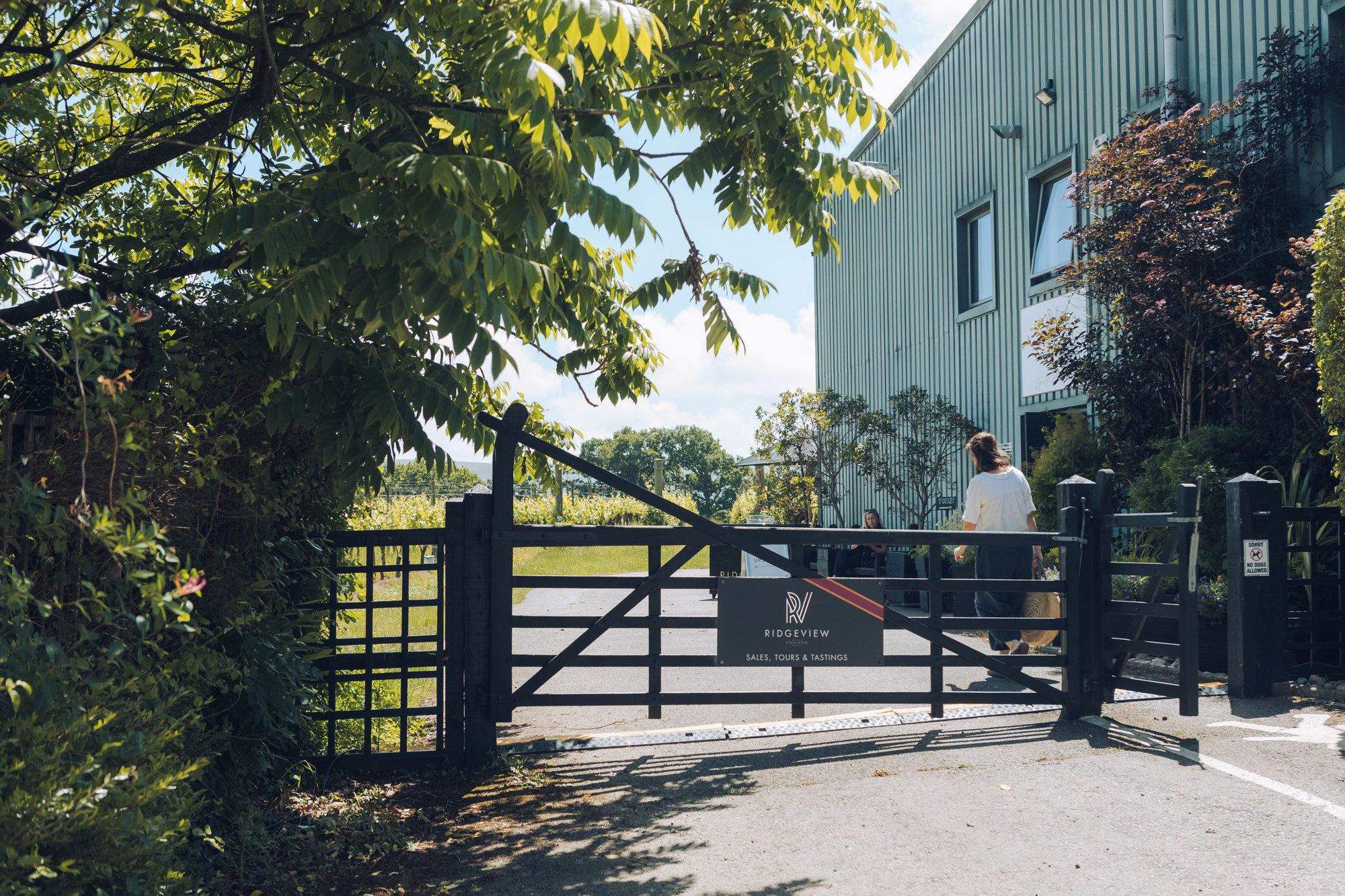
Ridgeview
Fragbarrow Lane, United Kingdom
Ridgeview is worth prioritising if the goal is a focused English sparkling wine visit rather than a food-heavy countryside day. Its World's 50 Best Vineyards recognition gives it a stronger credibility signal than many casual tasting-room stops, but travellers wanting a broader hospitality setup should also compare Leonardslee Family Vineyards, Nyetimber, and Balfour Winery.
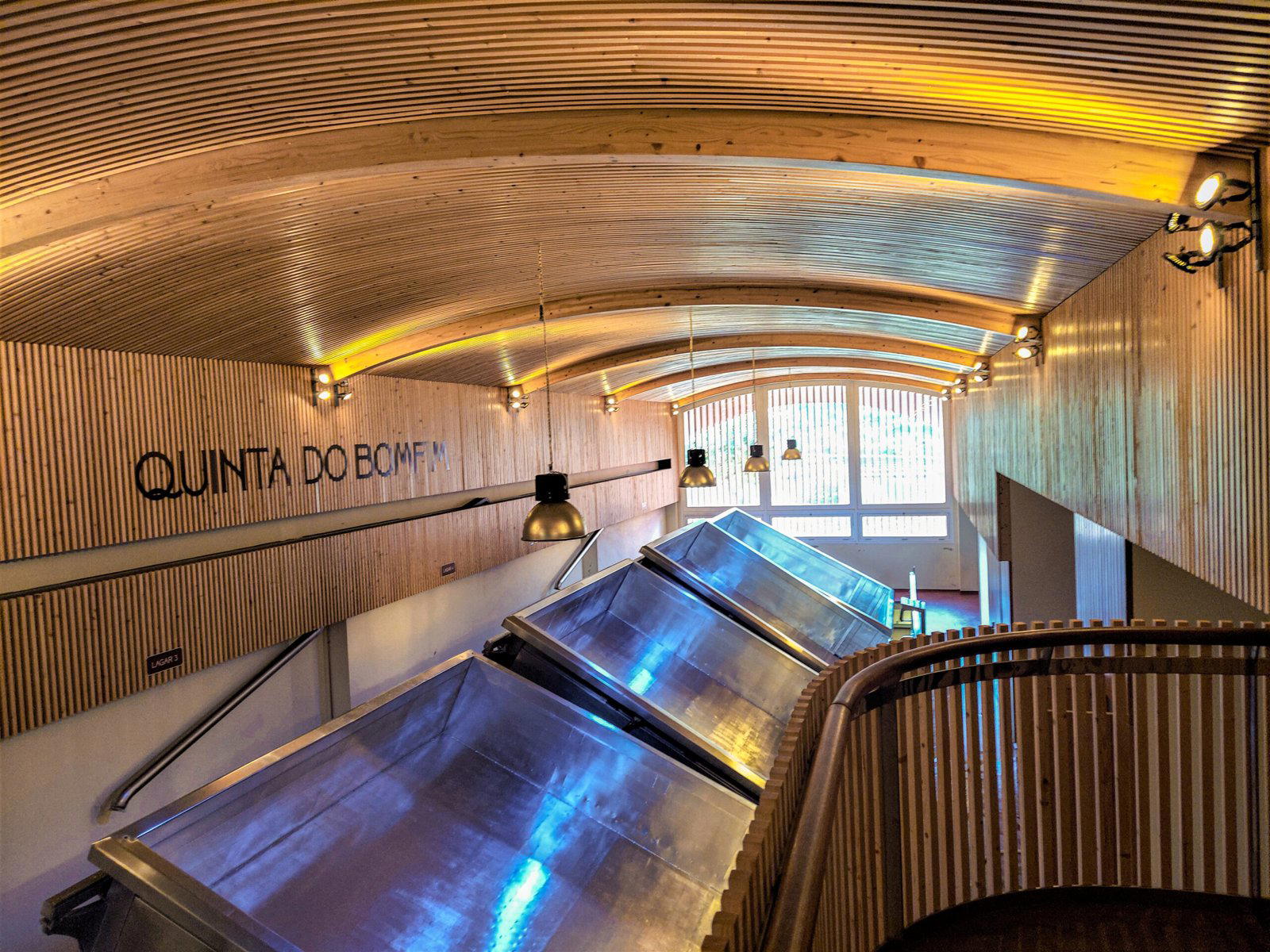
Quinta do Bomfim
Pinhão, Portugal
Book Quinta do Bomfim if the priority is a serious Douro winery visit in Pinhão with recognized vineyard credentials. Its World's 50 Best Vineyards placement gives it more weight than a casual tasting stop, but any wine-club or allocation offer should be judged on access, shipping costs, and commitment terms rather than prestige alone.
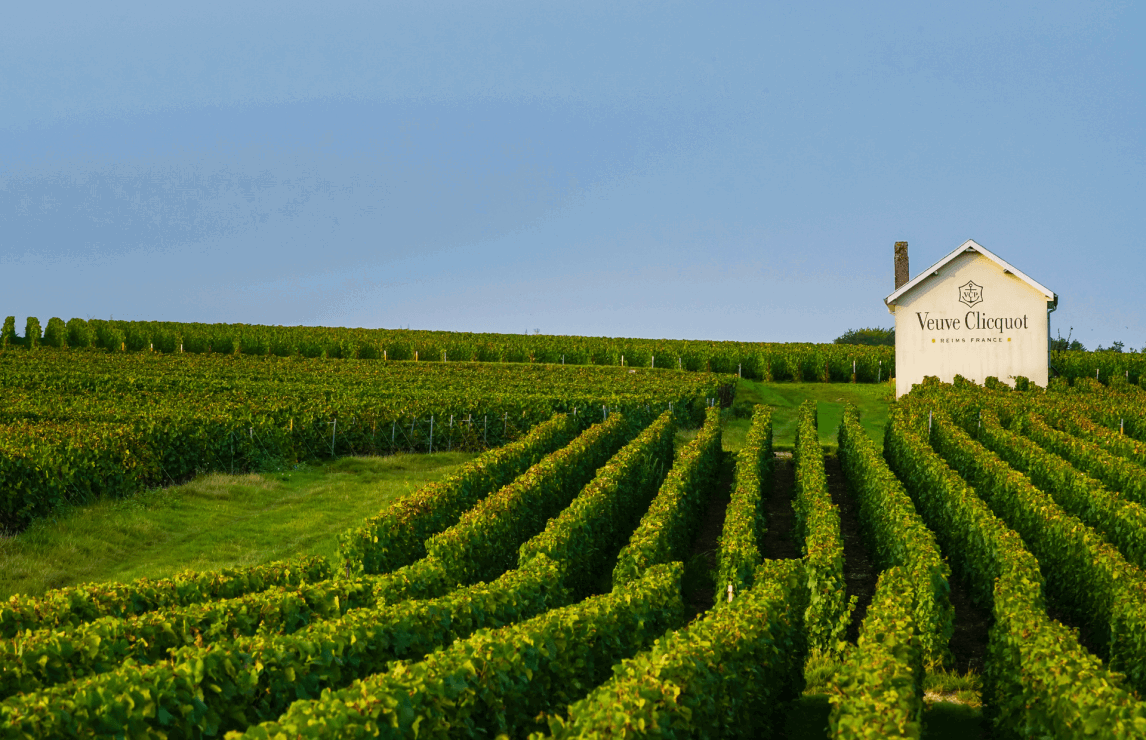
Veuve Clicquot Ponsardin
Reims, France
Prioritize Veuve Clicquot Ponsardin if the trip needs one major Champagne-house anchor in Reims. It is better for first-time visitors who want history, scale, and a polished cellar context than for travelers chasing small-producer discovery; plan early, then pair it with a contrasting Reims or village visit.
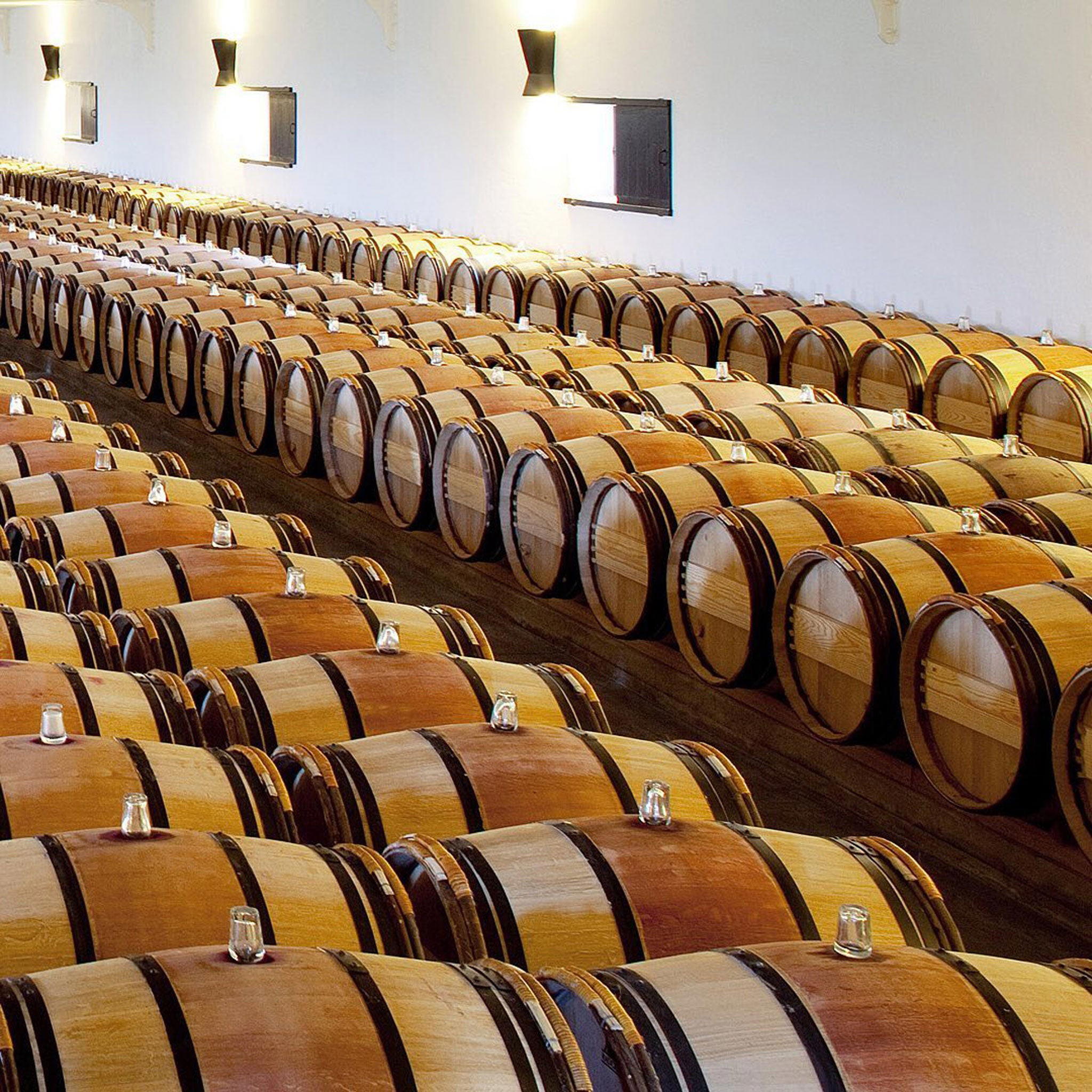
Chateau Mouton Rothschild
Pauillac, France
Château Mouton Rothschild is a classified First Growth wine estate in Pauillac, Bordeaux.
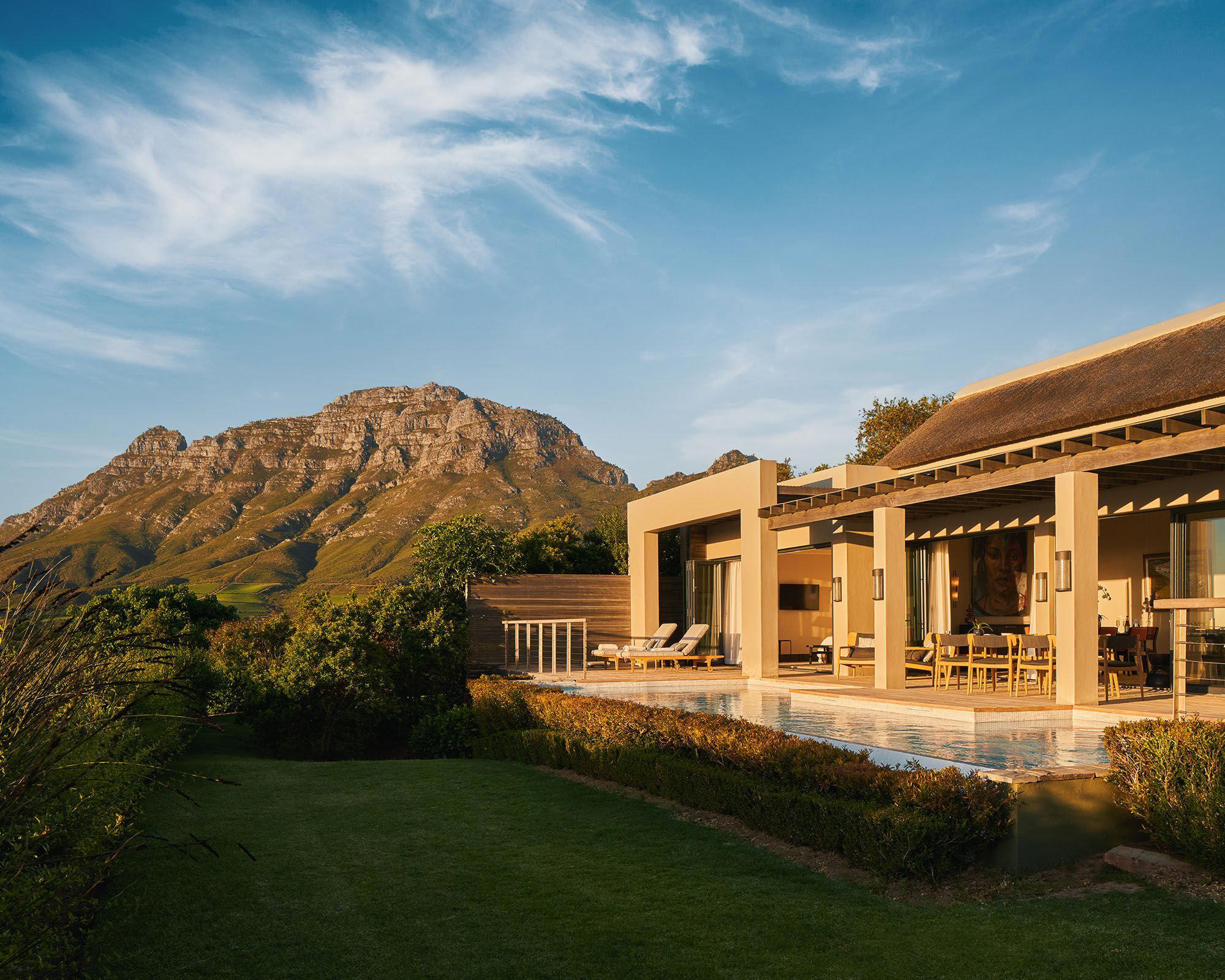
Delaire Graff Estate
Stellenbosch, South Africa
Delaire Graff Estate is worth prioritizing when the Stellenbosch plan calls for a polished, high-recognition wine estate rather than a casual tasting stop. Its World's 50 Best Vineyards and Star Wine List recognition make it a strong anchor for a slower visit, especially if an upgraded or private tasting is available for the occasion.
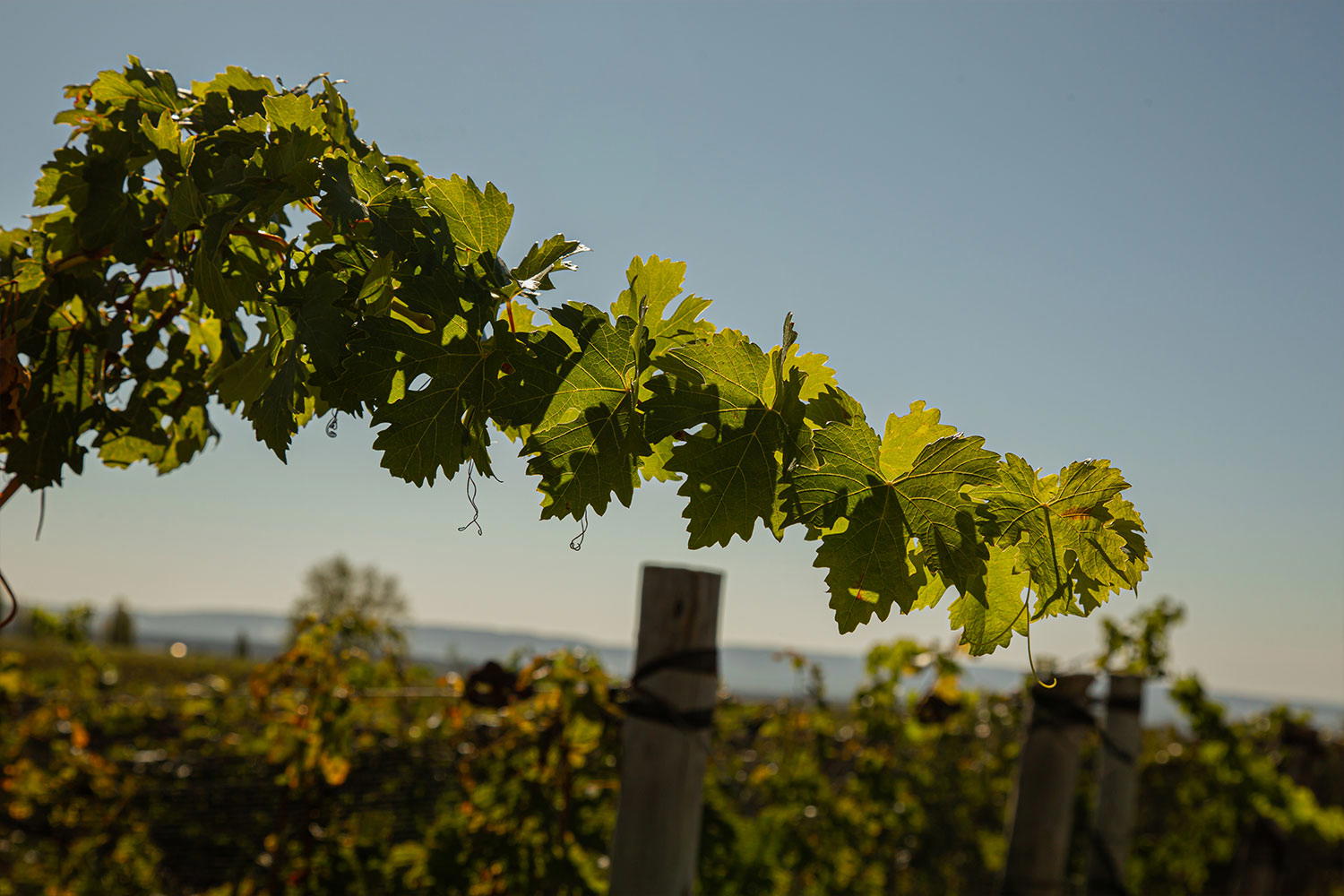
El Enemigo (Casa Vigil)
Maipú, Argentina
Book El Enemigo (Casa Vigil) if the Mendoza trip needs one high-conviction winery anchor with serious recognition. The World's 50 Best Vineyards #10 ranking in 2023 makes it a stronger choice for wine-focused travelers than for casual, flexible tasting days. Plan early and keep Maipú alternatives ready.
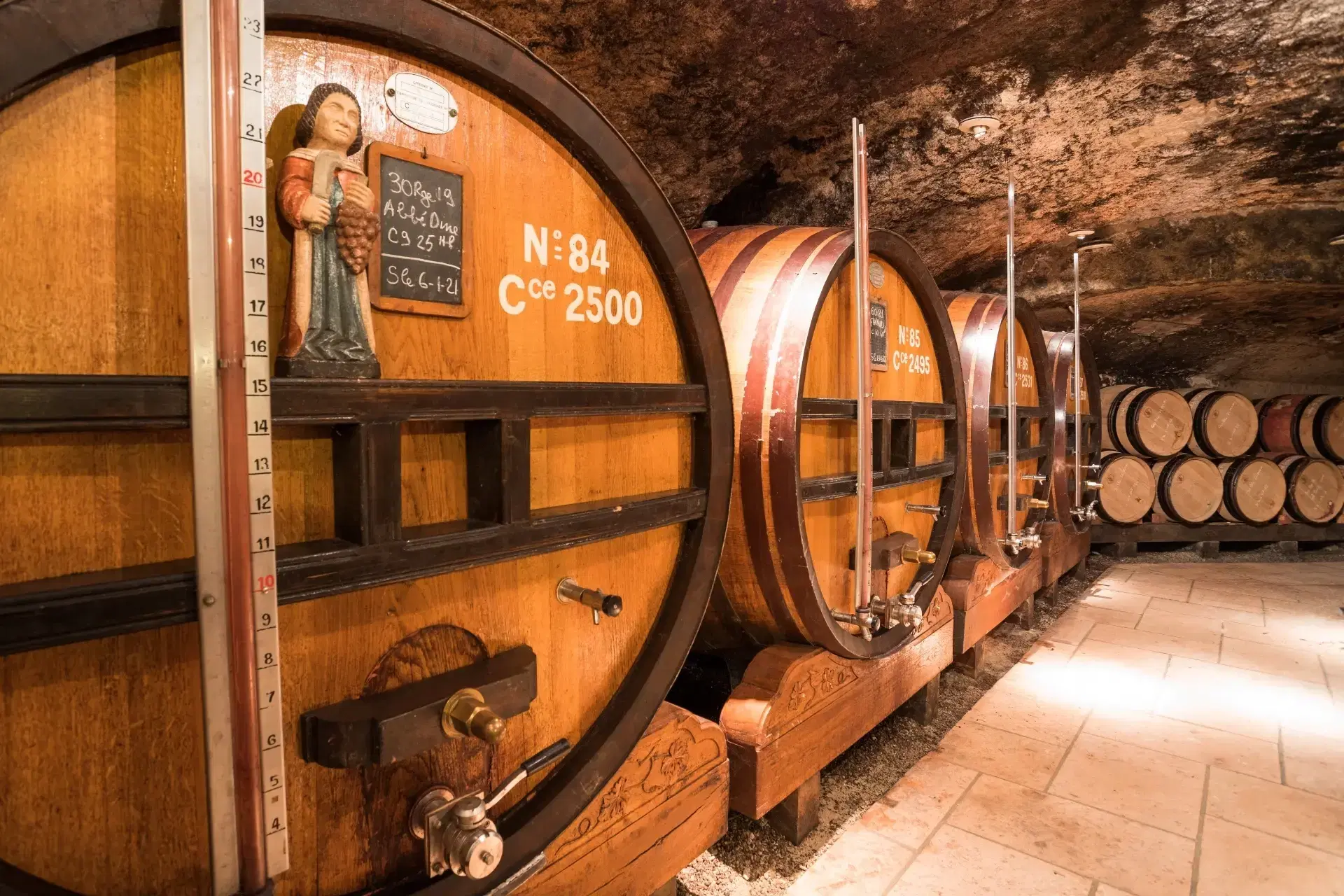
E. Guigal
Ampuis, France
Prioritise E. Guigal if the trip is built around Côte-Rôtie and producer reputation, not if the goal is a casual, flexible tasting day. Its 1946 first vintage, Philippe Guigal connection, and major vineyard recognition make it a serious Ampuis anchor, but access planning matters more here than spontaneity.
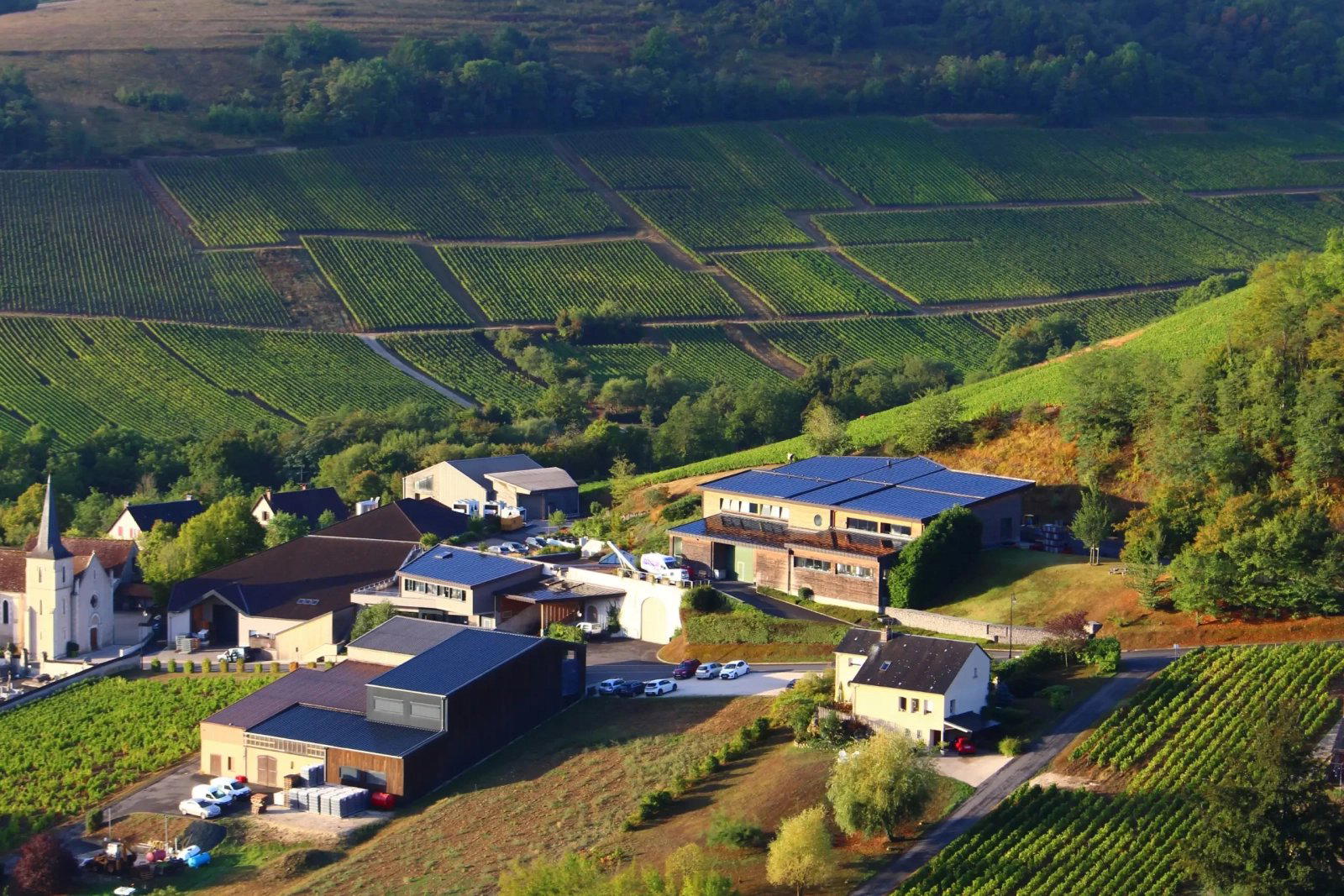
Domaine Henri Bourgeois
Sancerre, France
Domaine Henri Bourgeois is worth prioritizing if the trip is built around Sancerre and the occasion needs a serious producer rather than a casual tasting stop. Access can be difficult, so treat it as the anchor request and keep nearby winery alternatives ready.
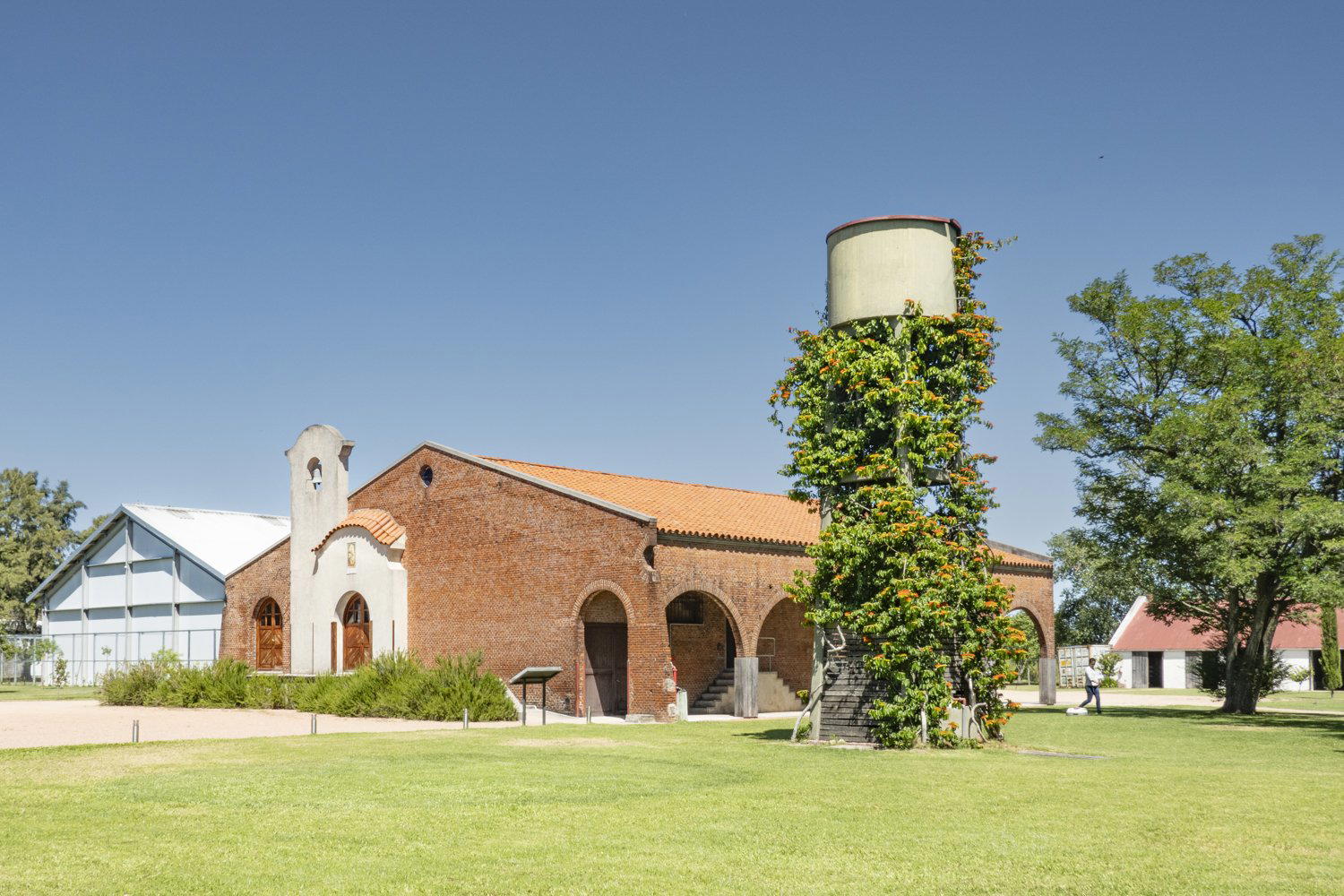
Bodega Bouza
Montevideo, Uruguay
Bodega Bouza is the Montevideo winery to prioritize when the visit itself is the main event, especially for a private or upgraded tasting. Its World's 50 Best Vineyards recognition makes it a safer flagship choice than a casual cellar-door stop, though Bodega Traversa is the easier cross-shop for a lower-commitment plan.
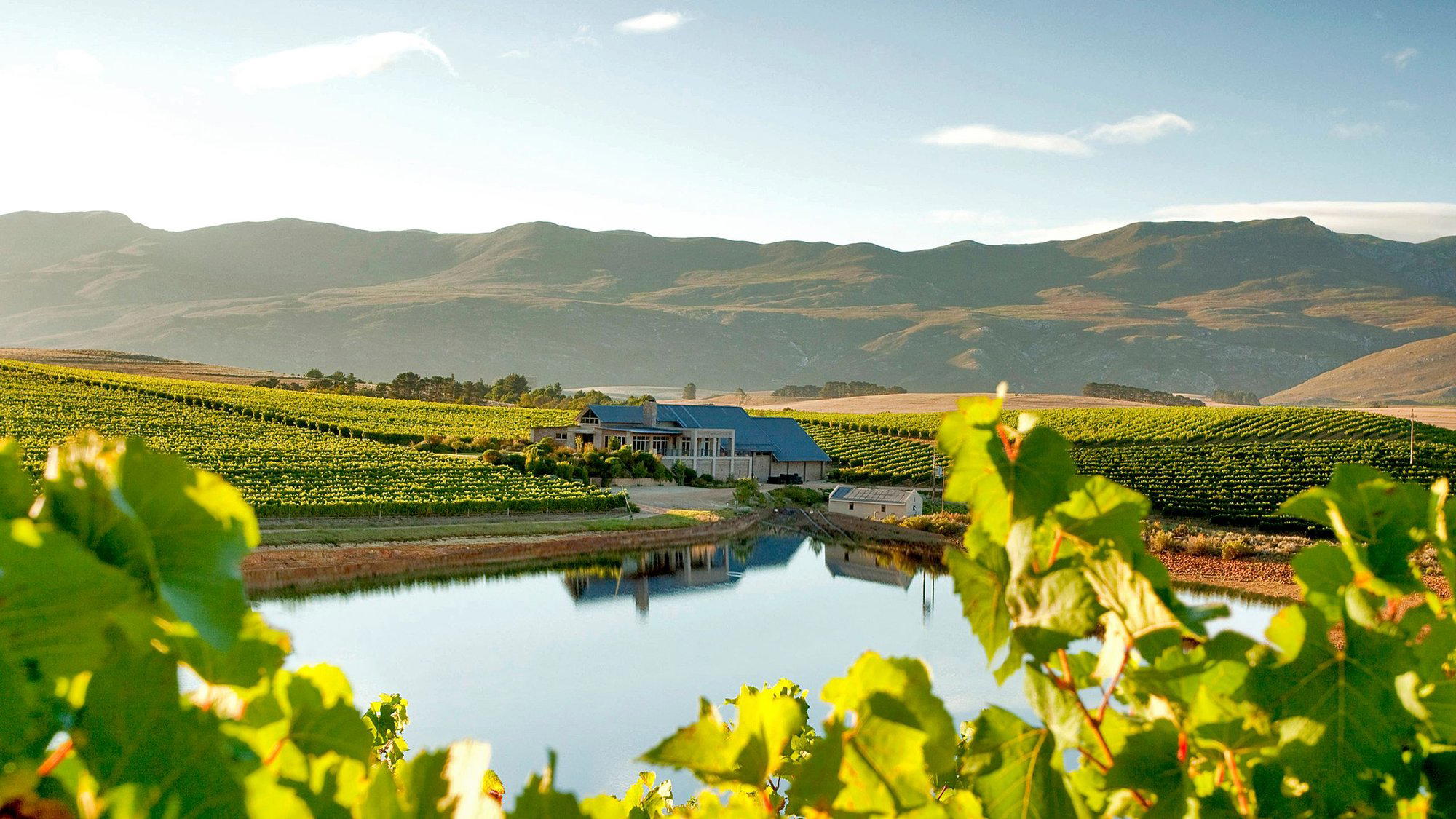
Creation Wines
Hermanus, South Africa
Creation Wines is a winery on Hemel-en-Aarde Road near Hermanus.
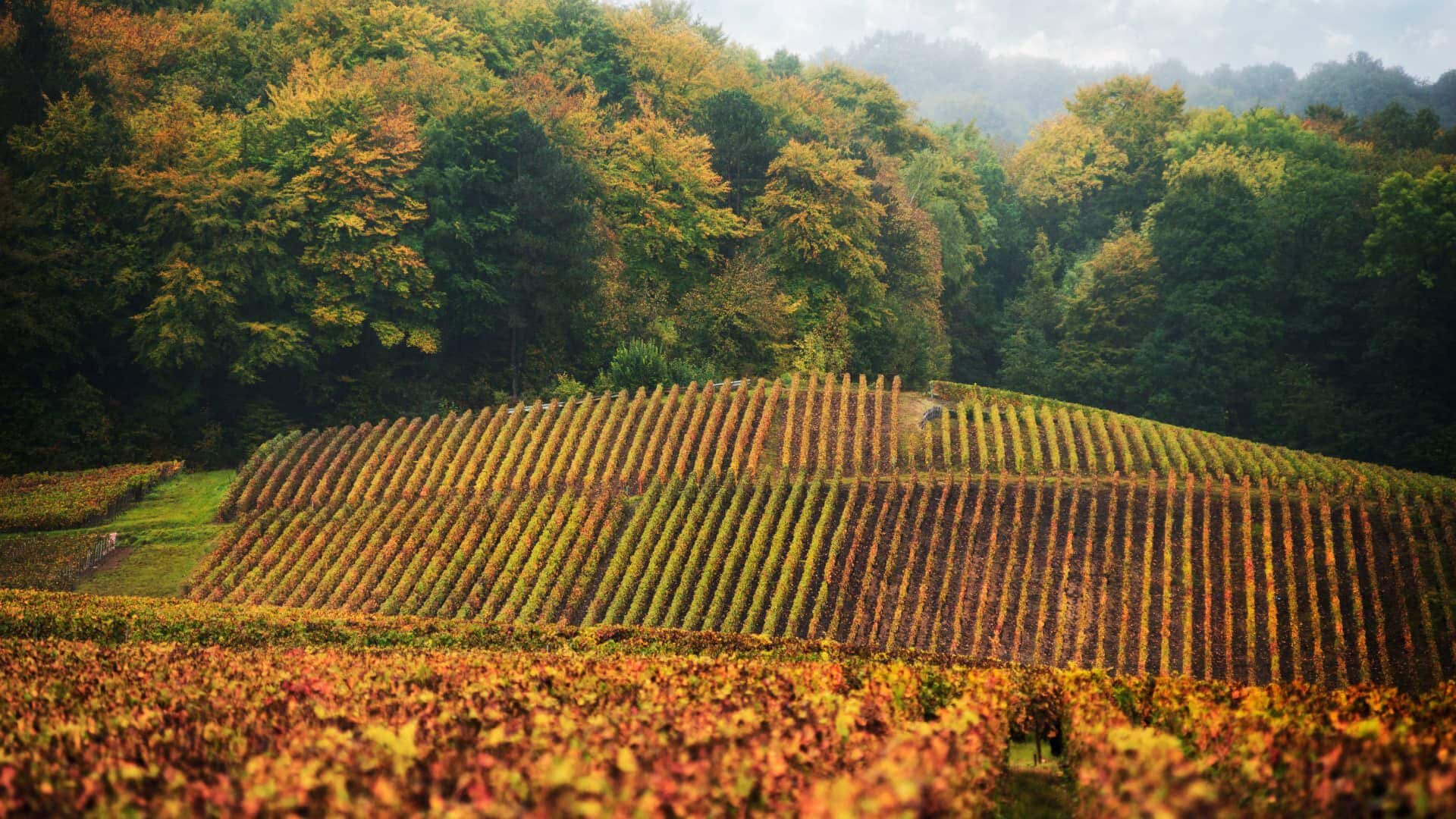
Ruinart
Reims, France
Ruinart is a Champagne house on Rue des Crayères in Reims.
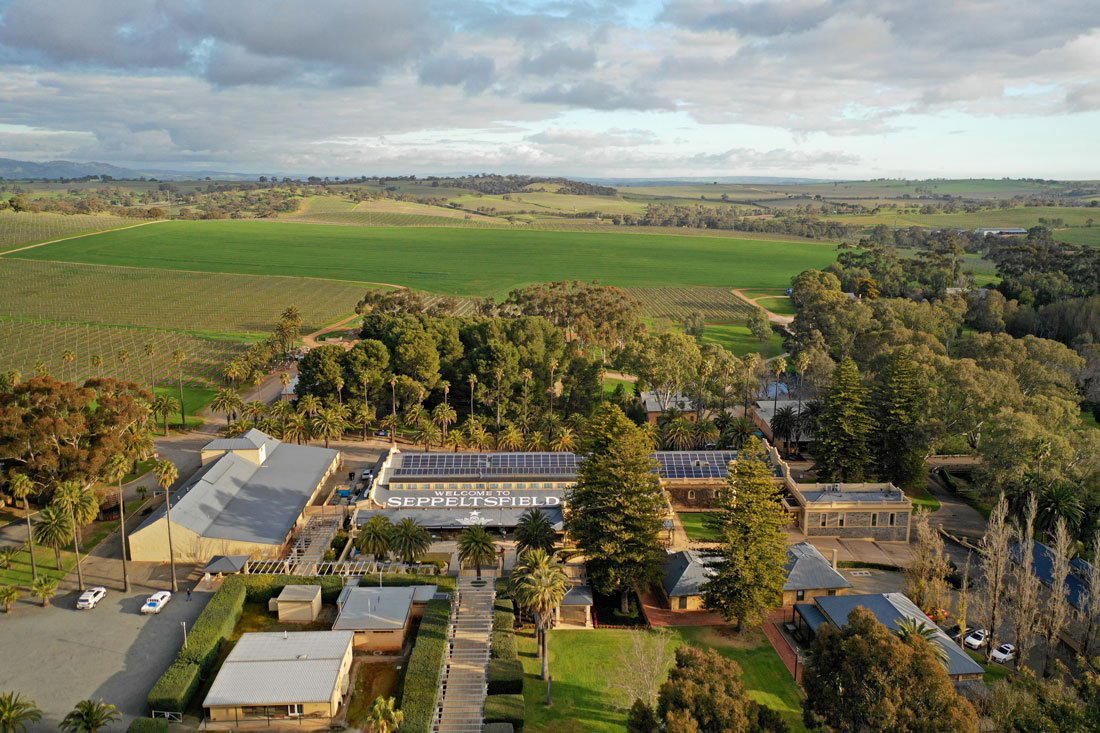
Seppeltsfield
Tanunda, Australia
Seppeltsfield is worth planning around if the Tanunda trip needs a heritage-heavy Barossa anchor rather than another quick tasting stop. Booking is difficult, so treat it as the centre of the day and pair it with one nearby winery or distillery, not a packed run of cellar doors. Recognition includes Pearl 3 Star Prestige (2025) and World's 50 Best Vineyards #47 (2019).
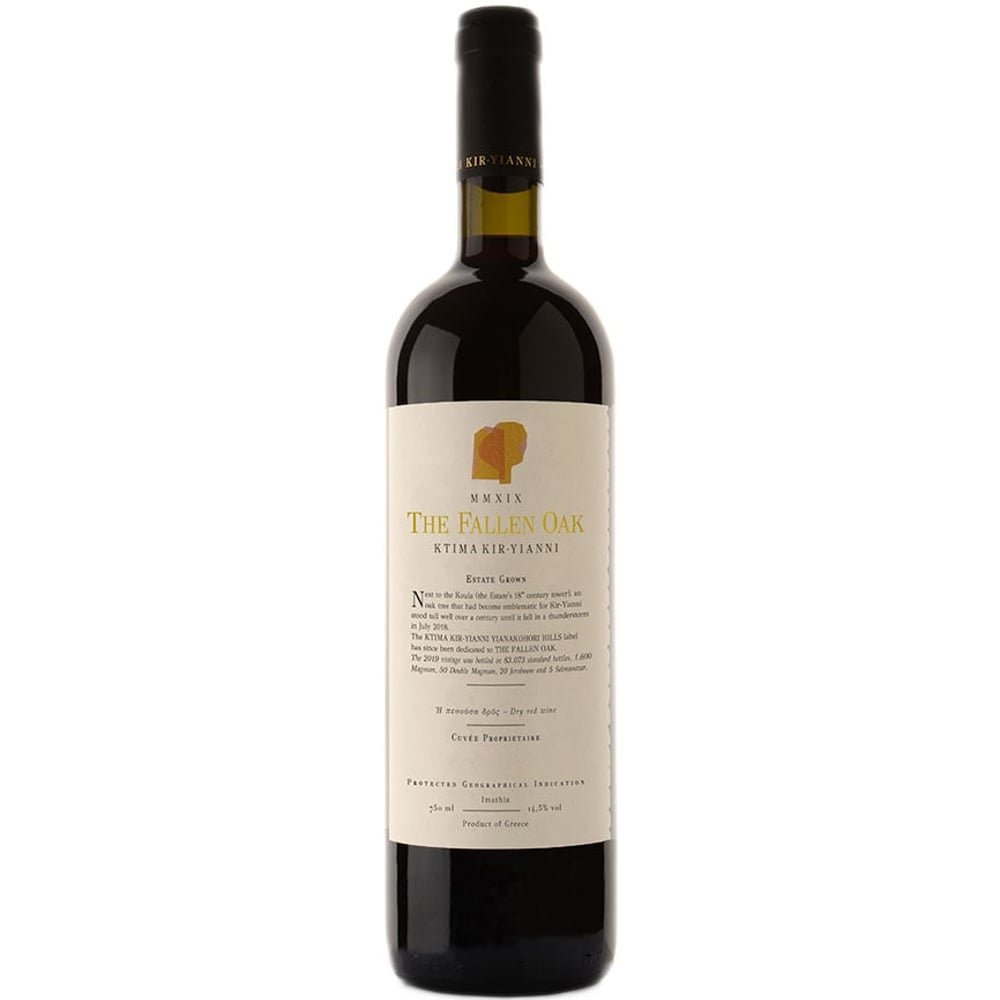
Kir-Yianni Estate
Naoussa, Greece
Kir-Yianni Estate is the Naoussa choice for travelers who want a polished, destination-style winery visit rather than a quick tasting stop. Prioritize it for celebrations or business-hosted wine travel; cross-shop Diamantakos Winery for a smaller producer feel, Boutari Winery for heritage context, and Vaeni Naoussa for a more practical alternative.
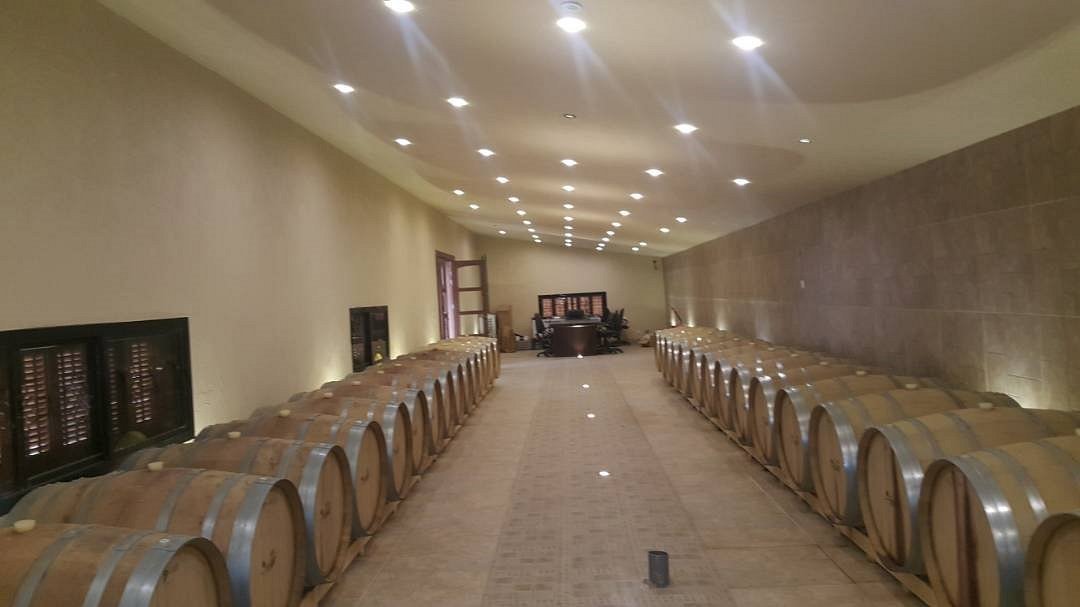
Château Héritage
Bekaa Valley, Lebanon
Château Héritage is worth targeting if your Bekaa Valley day is built around a serious, recognized winery and you can handle difficult access. It is less suitable for casual tasting or flexible group plans. Treat any wine-club decision as value-dependent: join only if allocation, shipping, and pricing terms are clear before committing.
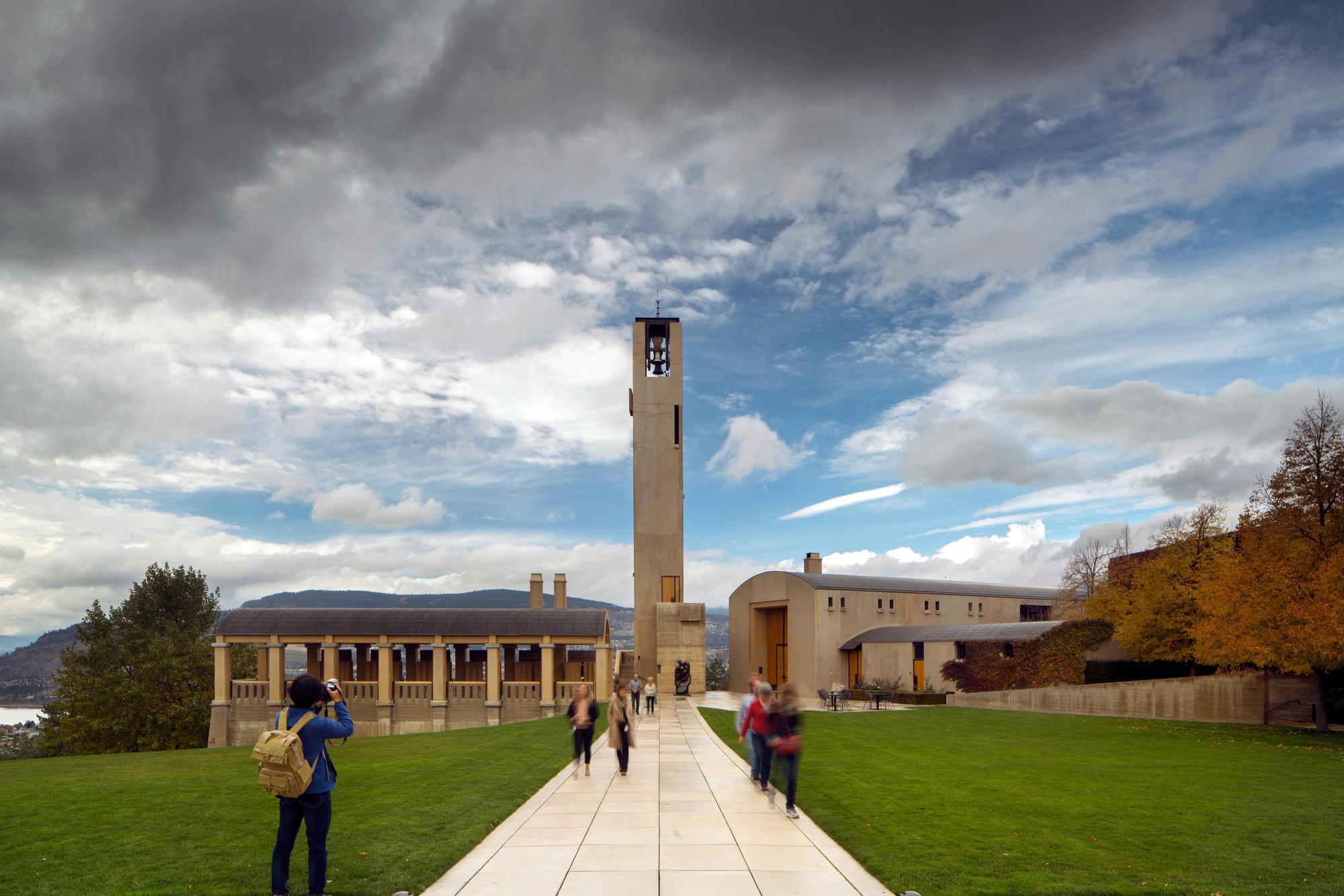
Mission Hill Family Estate
West Kelowna, Canada
Mission Hill Family Estate is a winery on Mission Hill Road in West Kelowna.
Overview
The 2019 World's 50 Best Vineyards represents the inaugural edition of this ranking, featuring 52 wineries across 17 countries and 46 cities. Argentina's Zuccardi Valle de Uco claimed first place, with South American vineyards taking five of the top ten positions. This edition marked a complete reset from the previous list format, introducing an entirely new set of venues focused on vineyard tourism experiences.
This 2019 edition brought together 52 wineries spanning 17 countries, from Argentina to New Zealand. The ranking showed strong representation from South America, with Argentina placing two venues in the top five (Zuccardi Valle de Uco at #1 and both Bodega Catena Zapata and Catena Zapata at #5). Uruguay's Bodega Garzón took second place, while Chile claimed two spots at #6 with Viña Montes and Clos Apalta. Spain placed two wineries in the top ten: López de Heredia at #3 and Marqués de Riscal at #9. Portugal's Quinta do Crasto ranked fourth, and New Zealand's Rippon Vineyard came in eighth. The list represents a complete departure from the previous edition, which had featured restaurants rather than vineyards.
The 2019 World's 50 Best Vineyards introduced a new focus on wine tourism, ranking 52 wineries across 17 countries. Zuccardi Valle de Uco in Argentina's Tunuyán region topped the list, followed by Uruguay's Bodega Garzón and Spain's López de Heredia. This edition marked a complete shift from the previous year's restaurant-focused rankings, with all 52 venues appearing for the first time. South American wineries dominated the top positions, claiming five of the top ten spots across Argentina, Uruguay, and Chile. The rankings span 46 cities globally, from Mendoza to Wānaka.
Quick Facts
- Total Wineries
- 52
- Countries
- 17
- Cities
- 46
- Top Winery
- Zuccardi Valle de Uco (Argentina)
- New Entrants
- 52 (complete list refresh)
- South American Top 10 Spots
- 5
About This Edition
The 2019 edition represents the first year this list focused exclusively on vineyard experiences rather than restaurants, with all 52 venues appearing as new entrants. The previous edition's 50 venues; including Manhattan, Indulge Experimental Bistro, and Speak Low; dropped out entirely as the ranking shifted its criteria. South America emerged as the dominant region, with Argentina placing multiple vineyards in the top ranks including both Bodega Catena Zapata and Catena Zapata sharing the #5 position in Mendoza and Agrelo respectively. Chile matched this pattern at #6, where Viña Montes and Clos Apalta (Casa Lapostolle) both appear from Santa Cruz. Spain contributed two wineries to the top ten: the historic López de Heredia (Viña Tondonia) in Haro at #3, and Marqués de Riscal in Elciego at #9. Portugal's Quinta do Crasto in Sabrosa claimed fourth place, while New Zealand's Rippon Vineyard in Wānaka rounded out the top ten at #8. The 52 wineries span 46 different cities across 17 countries, reflecting the global scope of wine tourism destinations recognized in this inaugural vineyard-focused edition.
Frequently Asked Questions
Which winery ranked first in the 2019 World's 50 Best Vineyards?
How many countries are represented in the 2019 list?
Which South American wineries made the top 10 in 2019?
How did the 2019 edition differ from the previous year?
How many of these have you visited?
Find out on Pearl and keep score across every place in 2019 World's 50 Best Vineyards.