
Bodega Bouza
Melilla, Montevideo
Winery in Montevideo, Uruguay
 Book with Pearl
The Read
Cellar-Floor Motoring Archive
Why go
Bodega Bouza is the Montevideo winery to prioritize when the visit itself is the main event, especially for a private or upgraded tasting. Its World's 50 Best Vineyards recognition makes it a safer flagship choice than a casual cellar-door stop, though Bodega Traversa is the easier cross-shop for a lower-commitment plan.
About Bodega Bouza
Do not treat Bodega Bouza as just a quick add-on to a Montevideo itinerary. Bodega Bouza is a notable venue visit and a strong candidate when the venue itself is meant to be the focus rather than a background stop.
The clearest reason to prioritize it is recognition. Bodega Bouza carries Pearl 3 Star Prestige (2025) and was ranked #30 in World's 50 Best Vineyards in 2023. That matters if the visit is being planned around guests, clients, or a limited day in Montevideo. If the goal is a simpler comparison, look at Bodega Traversa as another option. If the goal is a recognized Montevideo venue, Bodega Bouza is the one to consider first.
Plan the visit around confirmed details, not assumptions
Because price, schedule, tasting format, and reservation policy are not listed here, do not assume a particular package or service style. The decision should come down to occasion: travelers may want to confirm the current options directly with the venue before building the day around it. For a first pass at the wider category, use Our full Montevideo wineries guide to compare how much of the day should be built around the visit versus other plans.
Plan conservatively and leave slack around the visit. It is better not to stack the day with too many fixed commitments. If another booking is the anchor, leave enough time around Bodega Bouza; Our full Montevideo restaurants guide is the better place to choose a later meal. For a lighter evening plan, compare options in Our full Montevideo bars guide after the visit.
How to cross-shop it around Montevideo
For another comparison, Bodega Traversa is a useful name to check alongside Bodega Bouza. Bodega Bouza is the stronger pick when recognition is central to the decision, given its Pearl 3 Star Prestige (2025) and World's 50 Best Vineyards #30 (2023) status. Bodega Carrau, Antigua Bodega Stagnari, and H. Stagnari are also relevant comparisons for travelers shaping a broader itinerary.
Do not overbuild the day with unrelated stops unless the group actively wants a broader plan. If that is the plan, keep the comparisons generic and confirm current details directly with each venue before arranging the itinerary. Grappamiel del Uruguay may be part of a wider itinerary, but it is less of a direct substitute for Bodega Bouza.
The bottom line: choose Bodega Bouza when a recognized Montevideo venue needs to carry the day. Choose a simpler comparison if the group mainly wants convenience, or use Our full Montevideo hotels guide to plan a stay that keeps the day manageable. Smart casual dress is the dress code.
Planning details
- Location
- Cno. de la Redención 7658, 12500 Montevideo, Departamento de Montevideo
- Website
- bodegabouza.com
- Phone
- +598 95 400 030
The take
The Take
The Vibe
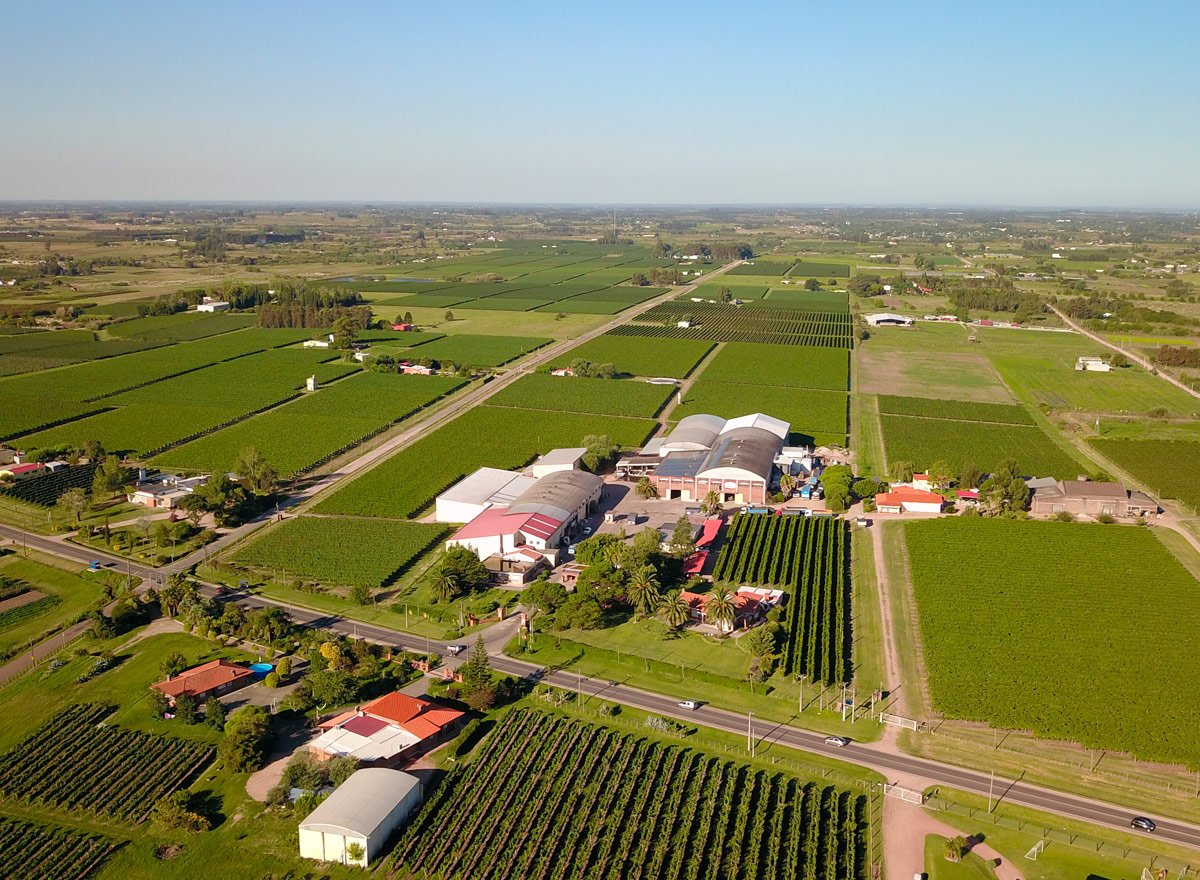
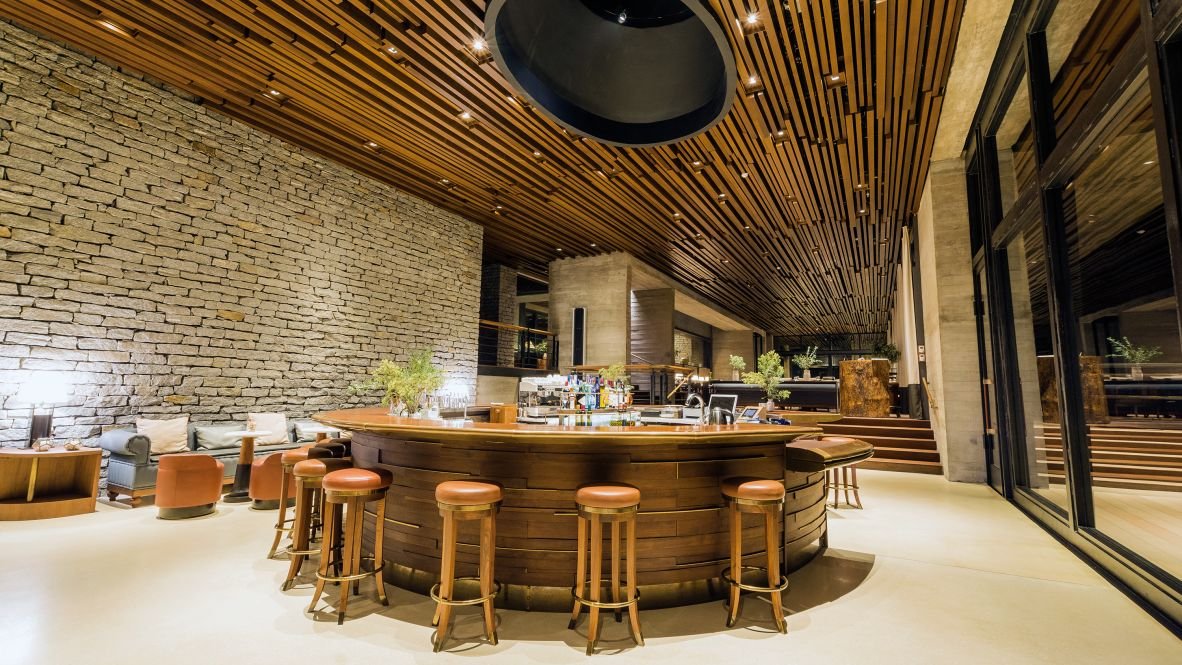
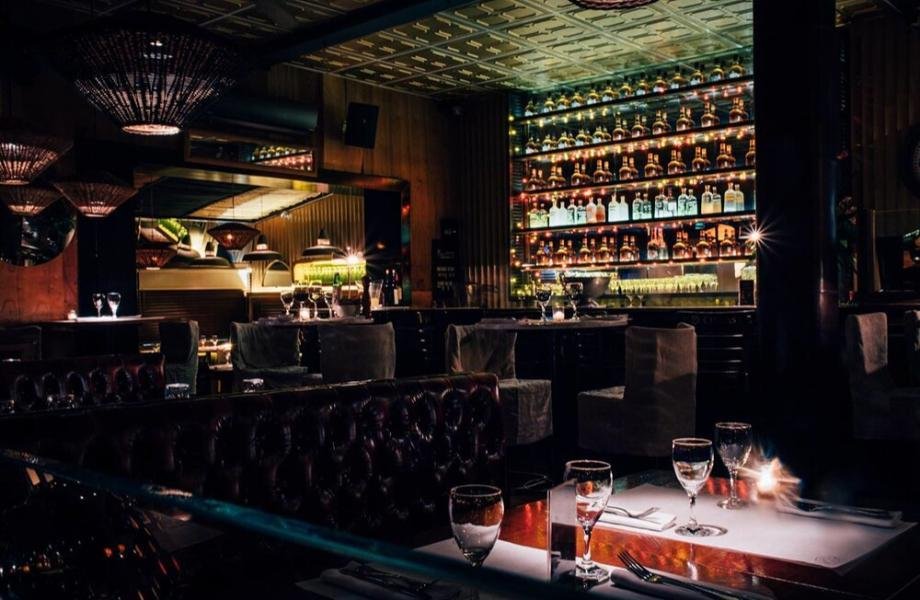
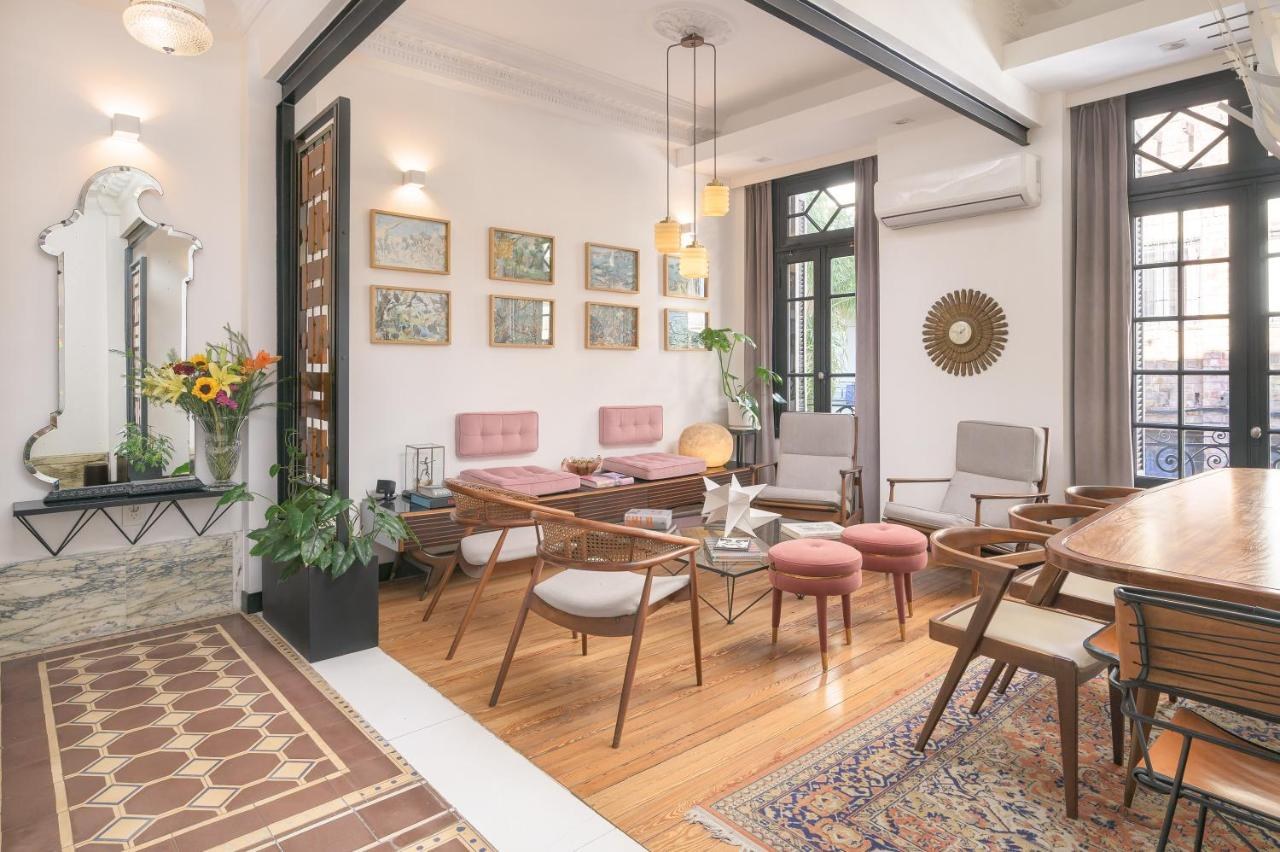
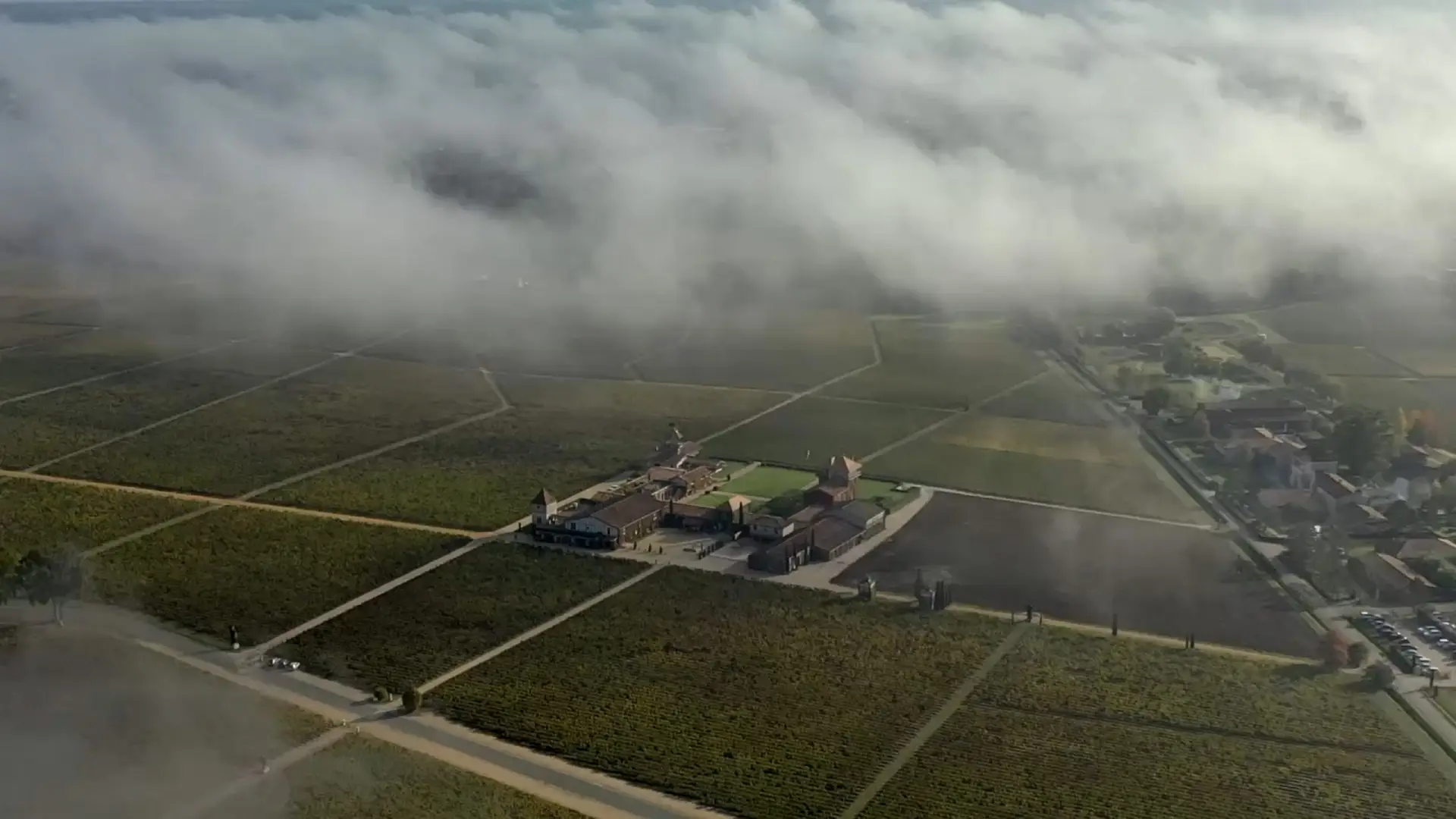
Bodega Bouza presents a theatrical, slightly whimsical winery dining experience anchored by the Bouza family's collection of vintage cars and motorcycles arrayed across the restaurant floor. The interior reads like a museum-meets-cellar, and that visual eccentricity is deliberate: it positions the estate as an urban-edge production site rather than a remote vineyard retreat. The writing emphasises a still, open-sky periphery outside Montevideo and a hands-on cellar culture inside, so the overall vibe balances playful retro charm with the quiet of working agricultural land and the polish of a top-tier regional wine destination.
Best For
Bouza is tailored to Montevideo residents and visiting travellers who want authentic, production-site wine experiences without a long drive. The venue frames dining around the cellar and winemaking process and holds a Pearl 3 Star Prestige rating, signaling a quality-focused experience that suits wine-focused outings and elevated meals. Guests looking for an intimate, visually distinctive dinner that pairs conversation about cellar craft with approachable access from the city will find Bouza an efficient way to sample Uruguay’s Tannat-driven identity without leaving the capital.
Venue details
Ambiance
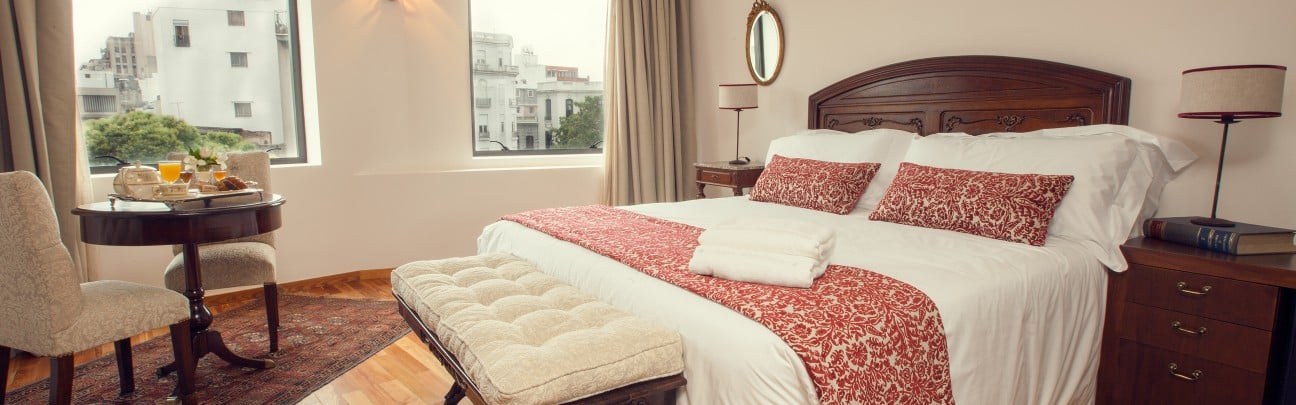
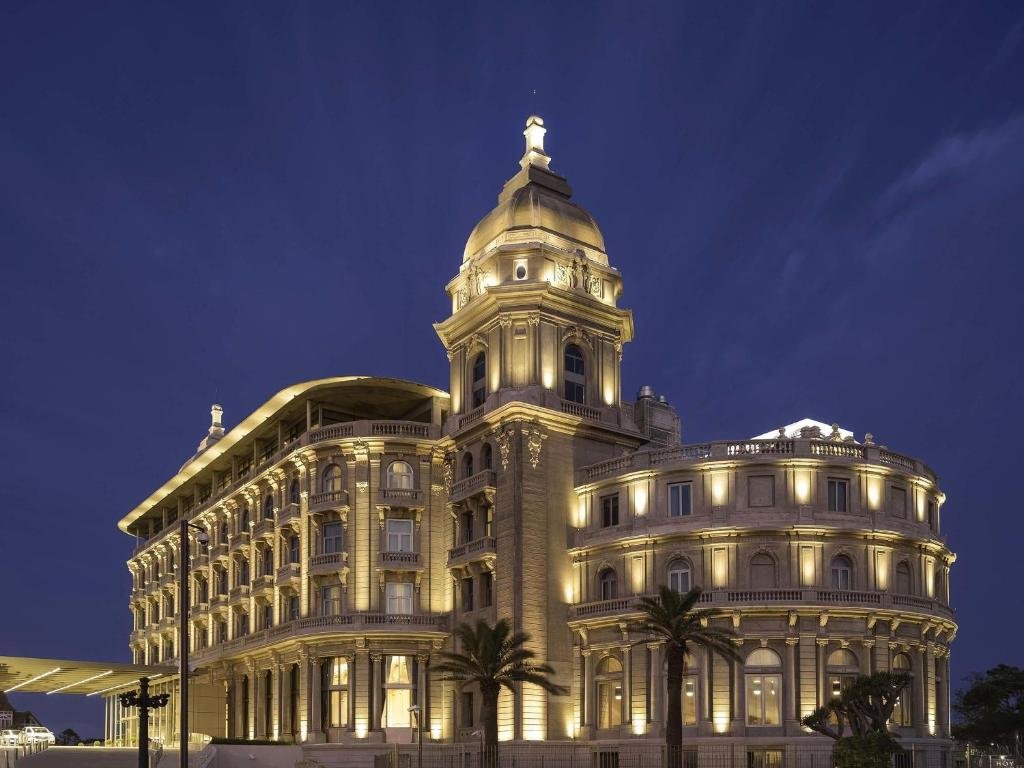
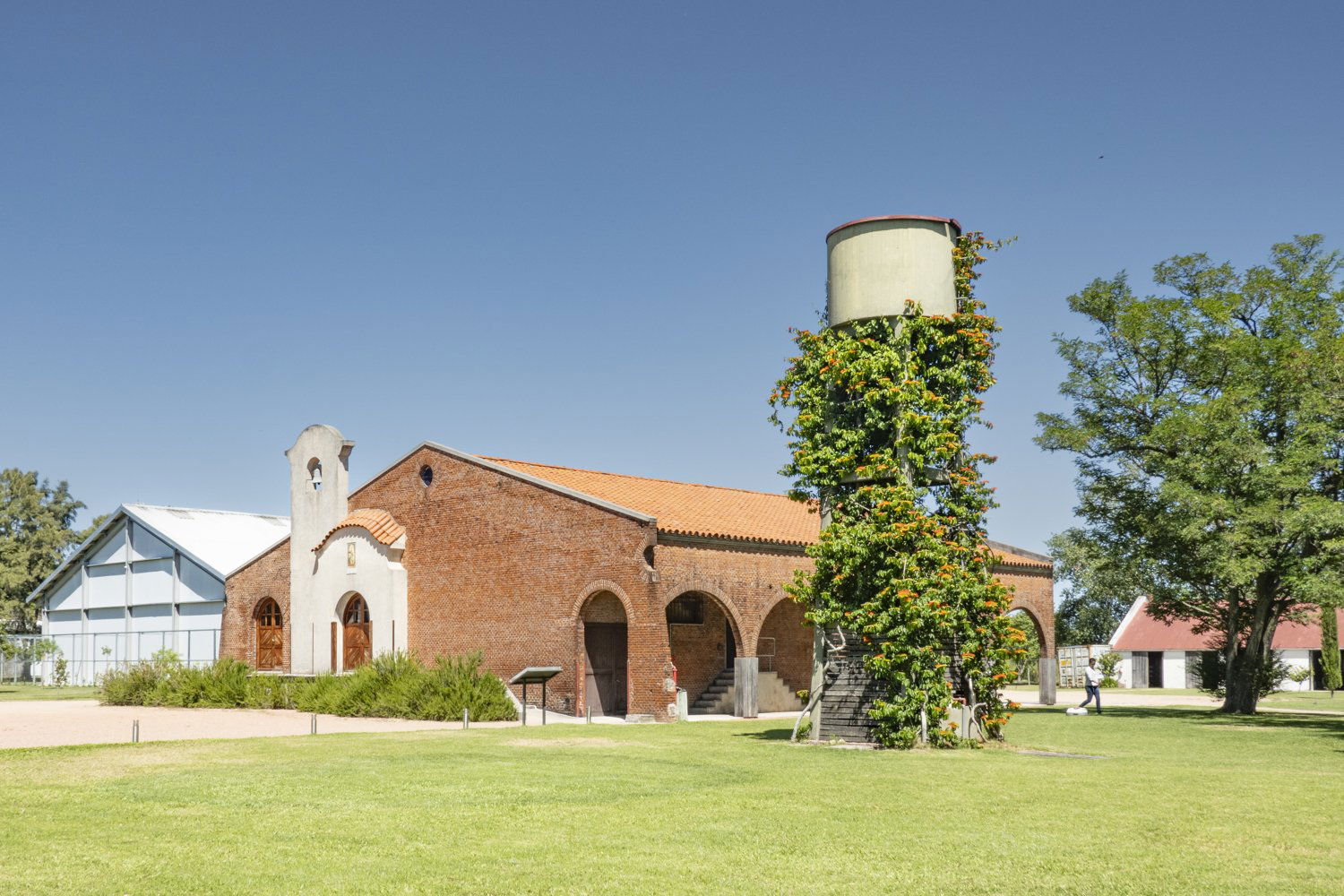
Elegant and tranquil atmosphere in a renovated 1942 French-style homestead surrounded by vineyards, with terrace tastings amid classic cars and estate gardens.
Tags
Vibe
Best For
Experience
Sourcing
View
At the Vineyard
- Appellation
- Montevideo
- Varietals
- Tannat, Albariño, Merlot, Tempranillo, Chardonnay
- Tour Duration
- 60 minutes
- Wine Club
- Not available
Know before you go
Know Before You Go
- Getting there
- Cno. de la Redención 7658, 12500 Montevideo, Departamento de Montevideo
Planning details
Location
Cno. de la Redención 7658, 12500 Montevideo, Departamento de Montevideo · Directions

Also consider
Also Consider
- Bodega Carrau, Notable alternative
- Antigua Bodega Stagnari, Notable alternative
- H. Stagnari, Notable alternative
- Grappamiel del Uruguay, Notable alternative
- Bodega Traversa, Notable alternative
Winery context
How It Compares
Bodega Carrau, Antigua Bodega Stagnari, and H. Stagnari are better framed as regional cross-shops than easy Montevideo substitutes. Choose them when the day can stretch outside the city and the wine itinerary matters more than convenience. For a tighter Montevideo plan, Bodega Bouza is the more practical flagship pick.
Bodega Traversa is the clearest alternative for value-minded visitors or anyone who wants less pressure around timing. It is the sensible fallback if the preferred tasting is unavailable or if the group wants a simpler winery stop rather than a centerpiece afternoon.
Grappamiel del Uruguay sits in a different lane, better for drinkers curious about a local specialty than for travelers seeking a classic winery experience. For ambiance and a more polished occasion, stay with Bodega Bouza; for category curiosity, cross-shop Grappamiel del Uruguay.
Around this place
Discover more on Pearl
Unlock the full Bodega Bouza guide in Pearl, including awards, comparisons, FAQs, planning details, and nearby places.
Compare Bodega Bouza
| Venue | Location | Awards |
|---|---|---|
| Bodega Bouza | Montevideo | 2025 World's 50 Best Vineyards · #552024 World's 50 Best Vineyards · #382023 World's 50 Best Vineyards · #302020 World's 50 Best Vineyards · #262019 World's 50 Best Vineyards · #44 |
| Bodega Carrau | Las Piedras | No published awards |
| Antigua Bodega Stagnari | Canelones | 2026 Falstaff Winery Guide |
| H. Stagnari | Canelones | No published awards |
| Grappamiel del Uruguay | Canelones | No published awards |
| Bodega Traversa | Montevideo | No published awards |

How Bodega Bouza Montevideo compares with similar nearby venues.
FAQ
Frequently Asked Questions
Is Bodega Bouza worth prioritizing in Montevideo?
Bodega Bouza's recognition makes it worth prioritizing: Pearl 3 Star Prestige (2025) and World's 50 Best Vineyards #30 (2023). If you just want another comparison, consider Bodega Traversa as well.
How long should I plan for a visit to Bodega Bouza?
Plan Bodega Bouza as a Montevideo stop and confirm current timing directly before arranging the rest of the day. If your day is tight, compare it with Bodega Traversa before committing.
What other venues should I compare with Bodega Bouza?
Start with Bodega Traversa if you want another practical comparison for a Montevideo plan. Bodega Carrau, Antigua Bodega Stagnari, and H. Stagnari are also useful names to compare when shaping a broader itinerary. Grappamiel del Uruguay is less of a direct substitute for Bodega Bouza.
Can Bodega Bouza handle groups?
If you are planning for a group, contact Bodega Bouza directly and confirm what is currently possible before setting the itinerary. Bodega Traversa can also be used as a comparison while planning.
Do I need a reservation at Bodega Bouza?
Plan ahead by checking directly with Bodega Bouza before you go, especially if the visit is important to the day. The venue's dress code is smart casual.