

Creation Wines
Hemel-en-Aarde Ridge, Hermanus
Winery in Hermanus, South Africa
 Book with Pearl
The Read
Ecological Estate Viticulture
Price
$50–100tasting
Why go
Creation Wines is a winery on Hemel-en-Aarde Road near Hermanus.
About Creation Wines
Creation Wines is a Hermanus venue with recognition: Pearl 3 Star Prestige (2025) and World's 50 Best Vineyards #3 (2024). For travellers comparing premium stops in Hermanus, those distinctions are the main reason to put it on the shortlist.
The dress code is smart casual, so plan for a polished but relaxed visit. For current arrangements, availability, and any visit-specific requirements, confirm directly with Creation Wines before building the rest of the day around it.
Book this as a Hermanus anchor, not a filler stop
Creation Wines has a clear recognition profile for Hermanus. Use Our full Hermanus wineries guide to shape the wider plan, then decide whether the rest of the day should be kept simple or built around additional stops.
Natural comparisons include Ataraxia Wines, Newton Johnson Vineyards, Bouchard Finlayson, Hamilton Russell Vineyards, and Gabriëlskloof Wine Estate. If only one premium stop is possible, Creation Wines has accolades. If the brief is more about contrast, compare it with the other named venues and choose based on the experience each offers for your dates.
Who should choose it, and who should cross-shop
Choose Creation Wines if you want a Hermanus stop backed by recognition. It is also a sensible pick for travellers who prefer to prioritise one notable venue rather than overloading the itinerary. The practical filter is simple: confirm the details that matter to your visit before arranging transport, restaurants, or hotels around it.
For a complete Hermanus plan, pair the venue decision with Our full Hermanus restaurants guide and Our full Hermanus hotels guide. If the day continues after the visit, keep the rest of the plan flexible until Creation Wines confirms the arrangements that matter for your visit.
Planning details
- Location
- Hemel & Aarde Rd R320, Hermanus, 7200
- Website
- creationwines.com
- Phone
- +27 28 212 1107
The take
The Take
The Vibe
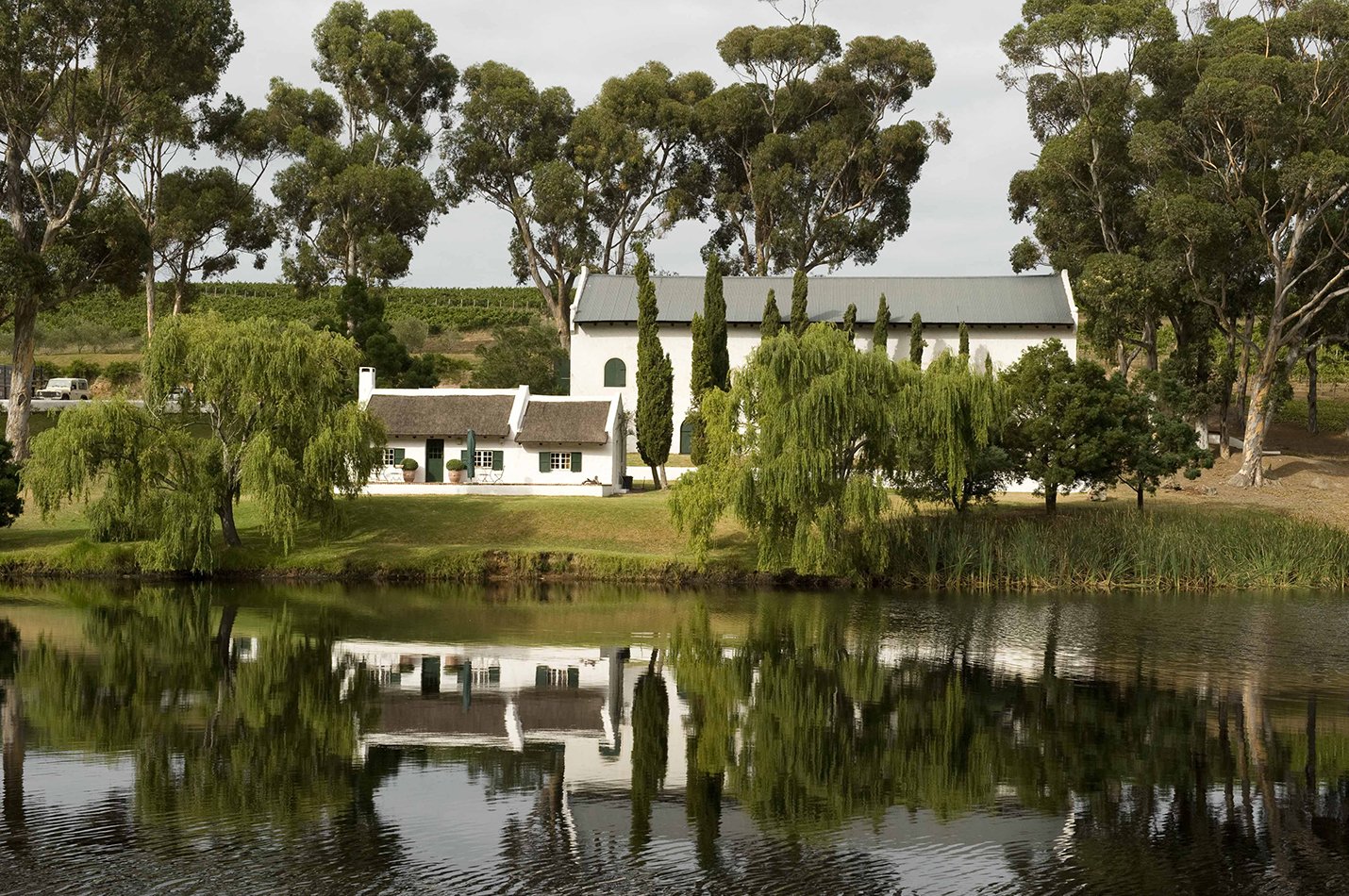
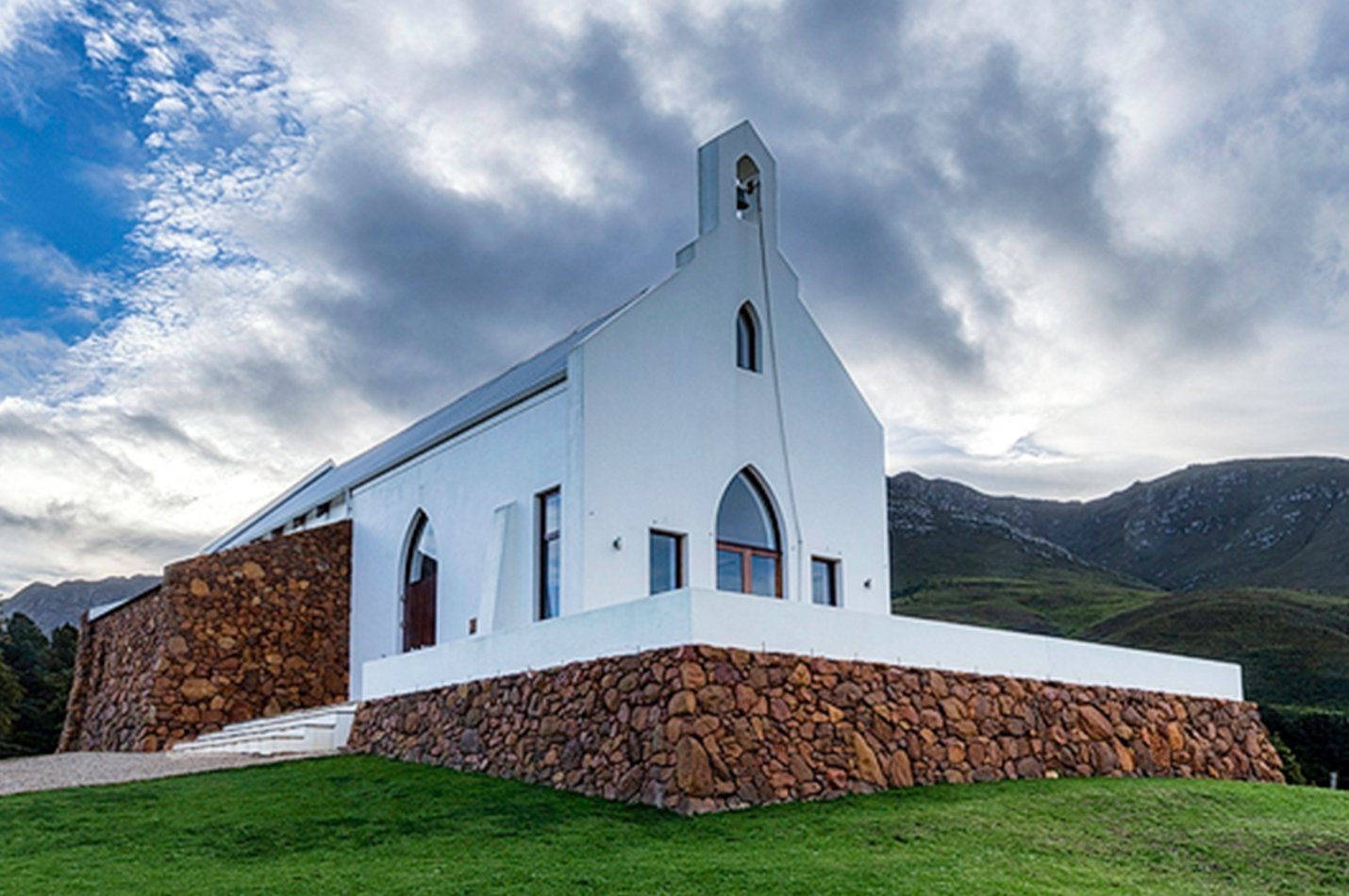
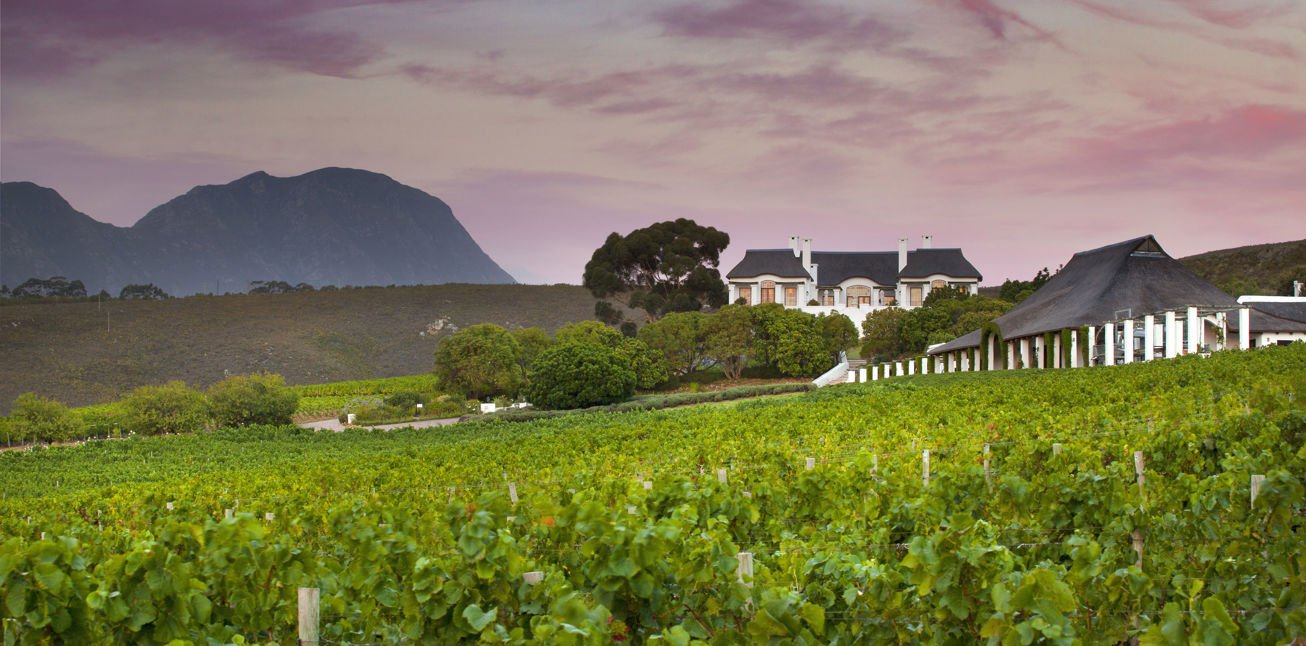
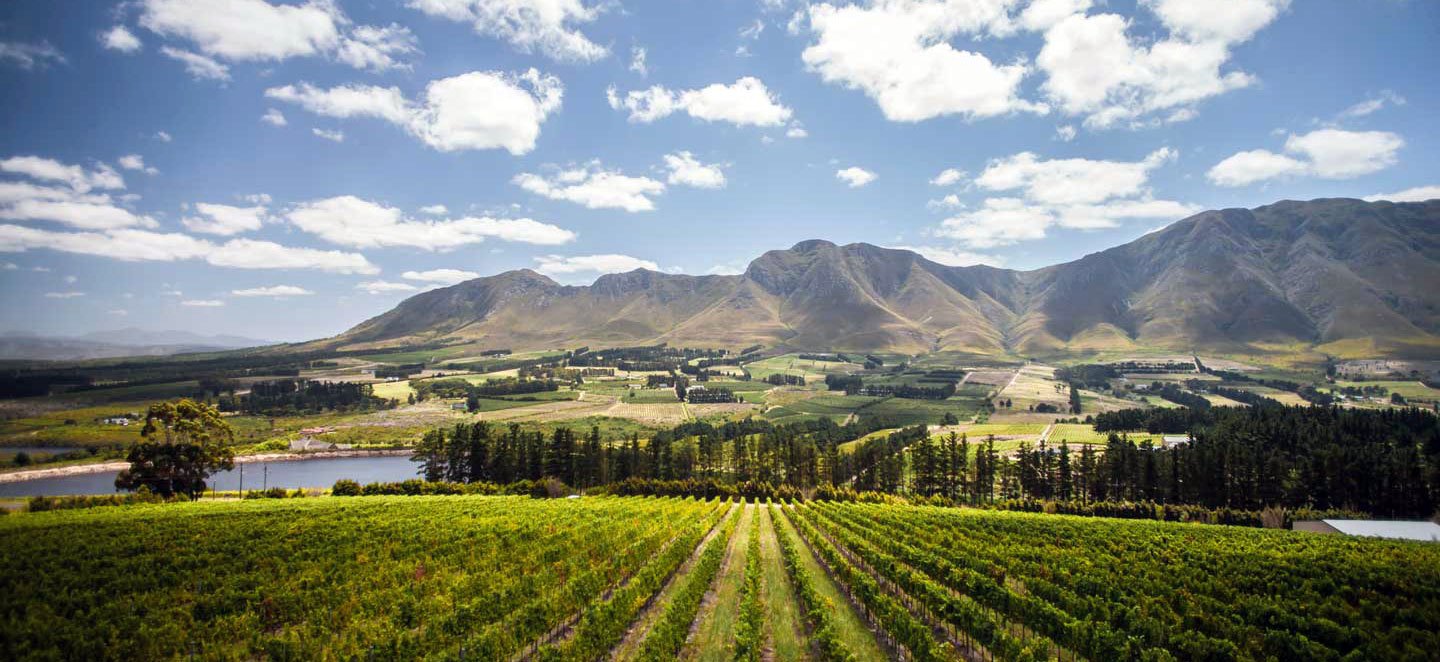
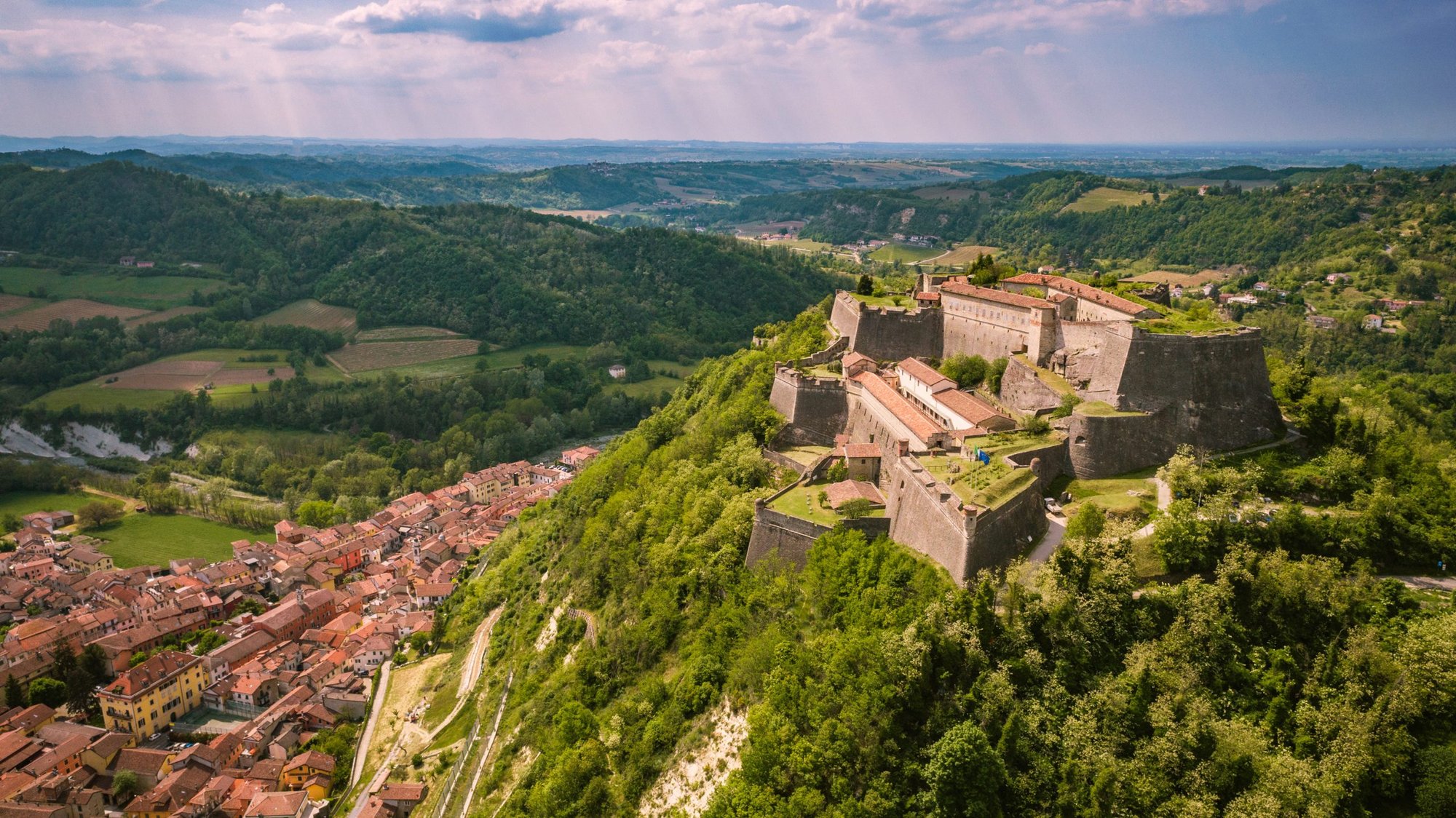
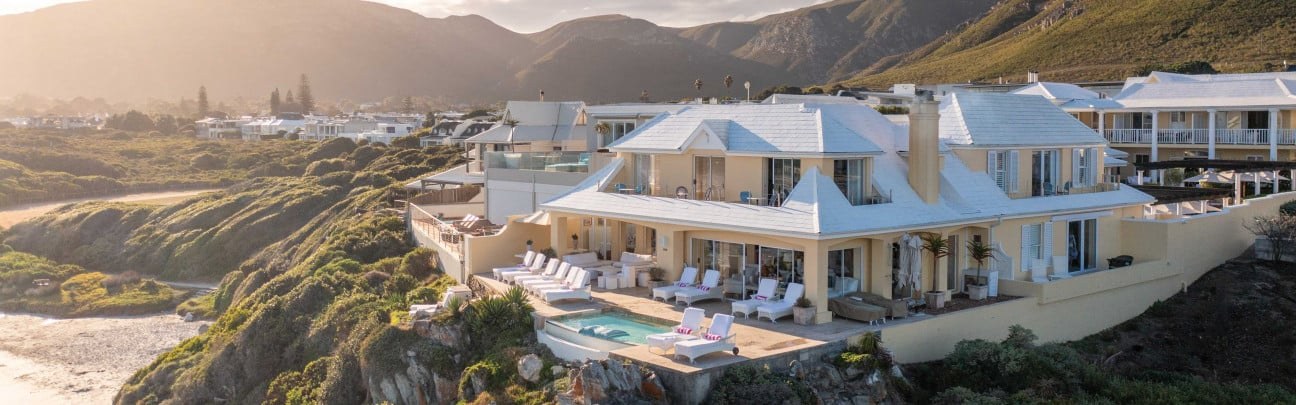
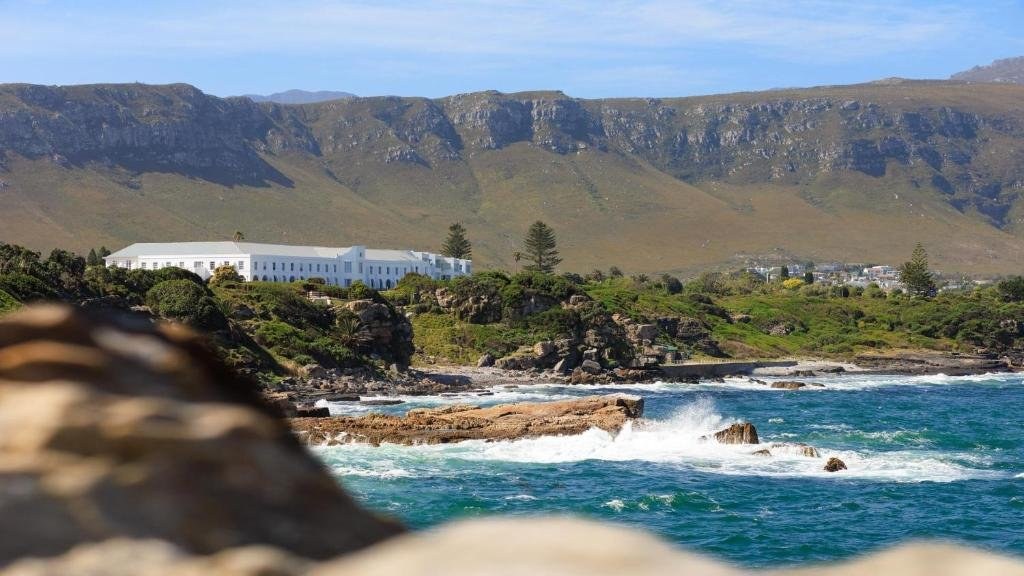
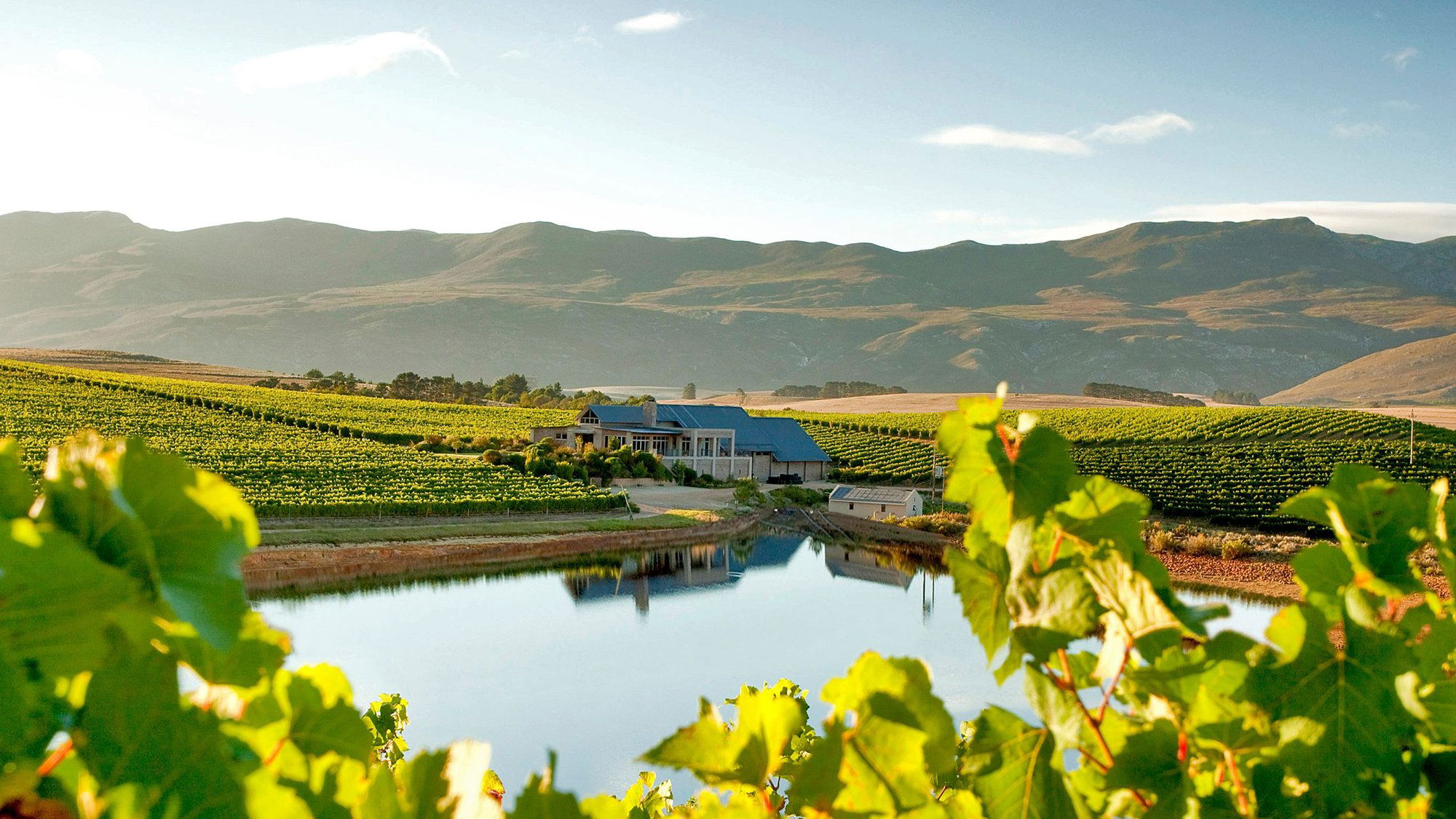
Creation Wines presents a restrained, sophisticated character rooted in cool-climate terroir and careful winemaking. The estate sits in a folded valley where mountain fynbos frames the vineyards and Atlantic air cools the site; that setting produces a quietly refined atmosphere rather than loud theatricality. The property’s Pearl 3 Star Prestige rating signals an upper-tier approach, and the copy emphasizes ecological stewardship woven into both vineyard management and infrastructure. Visitors encounter an understated, classic winery experience focused on place and craft, where light, geology, and a commitment to restraint shape the estate’s personality.
Best For
This estate is best for serious wine-focused visits and anyone curious about terroir-driven expressions from a cool coastal district. The write-up highlights Hemel-en-Aarde’s distinctive light, geology and cool influence from Walker Bay, making Creation a strong stop for photographers, tasting-minded couples, and small groups seeking a scenic, educational tasting. The Pearl 3 Star Prestige rating and emphasis on ecological vineyard practices also make it fitting for visitors who prioritize high-quality production and sustainable approaches. It reads as a calm, contemplative spot that rewards attention to place rather than rowdy celebrations.
Tasting Tips
When you visit, prioritize tasting the estate’s terroir-driven wines and ask staff about vineyard management and the property’s ecological practices—solar power and low-intervention approaches are called out in the property description. Time a visit for late afternoon if you want to see the valley’s characteristic light referenced by photographers and winemakers, and bring a light layer because the Atlantic influence keeps the air noticeably cooler than inland areas. Use the tasting as an opportunity to discuss specific parcels and the methods behind the wines to get the fullest sense of what defines Creation.
Venue details
Ambiance
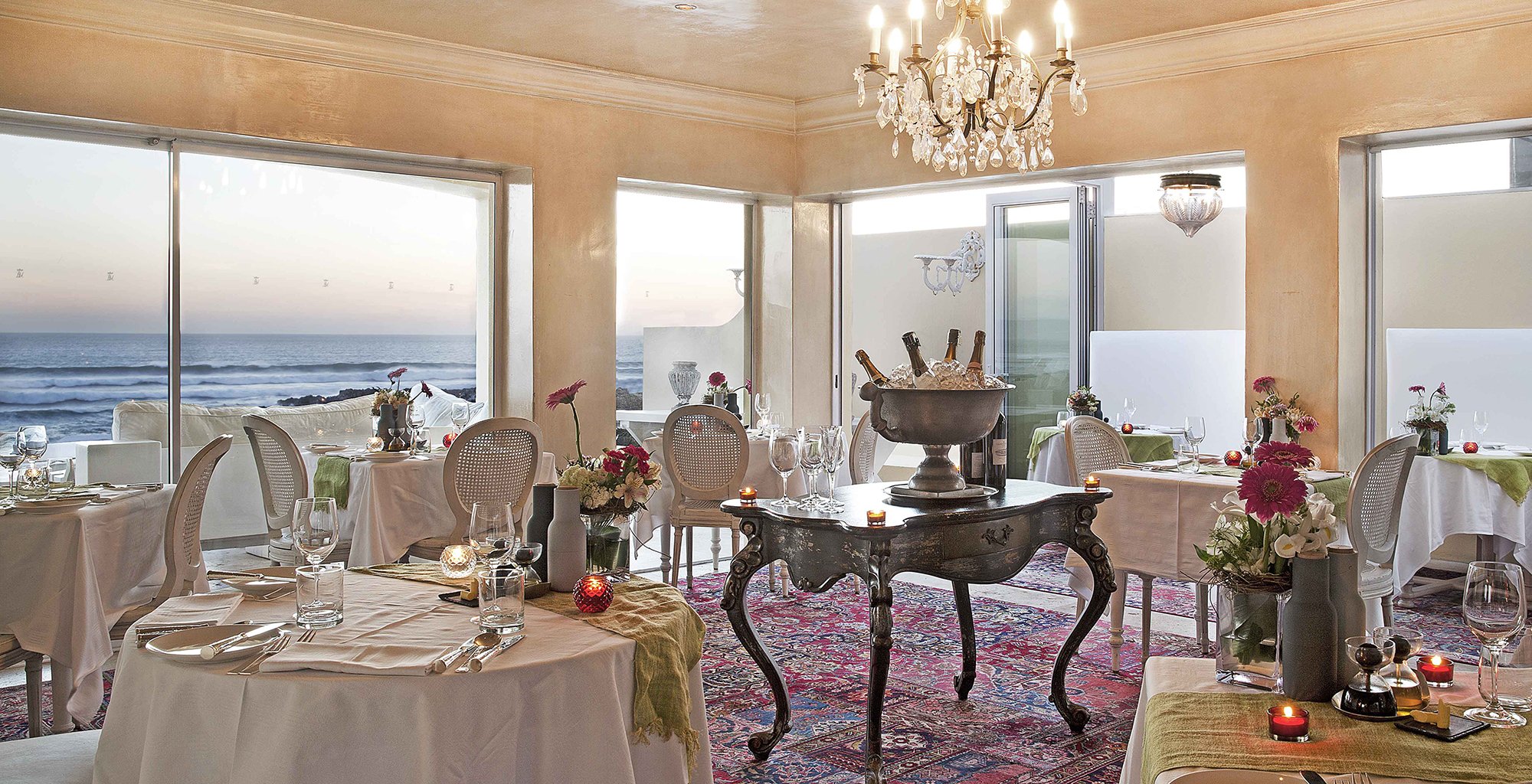
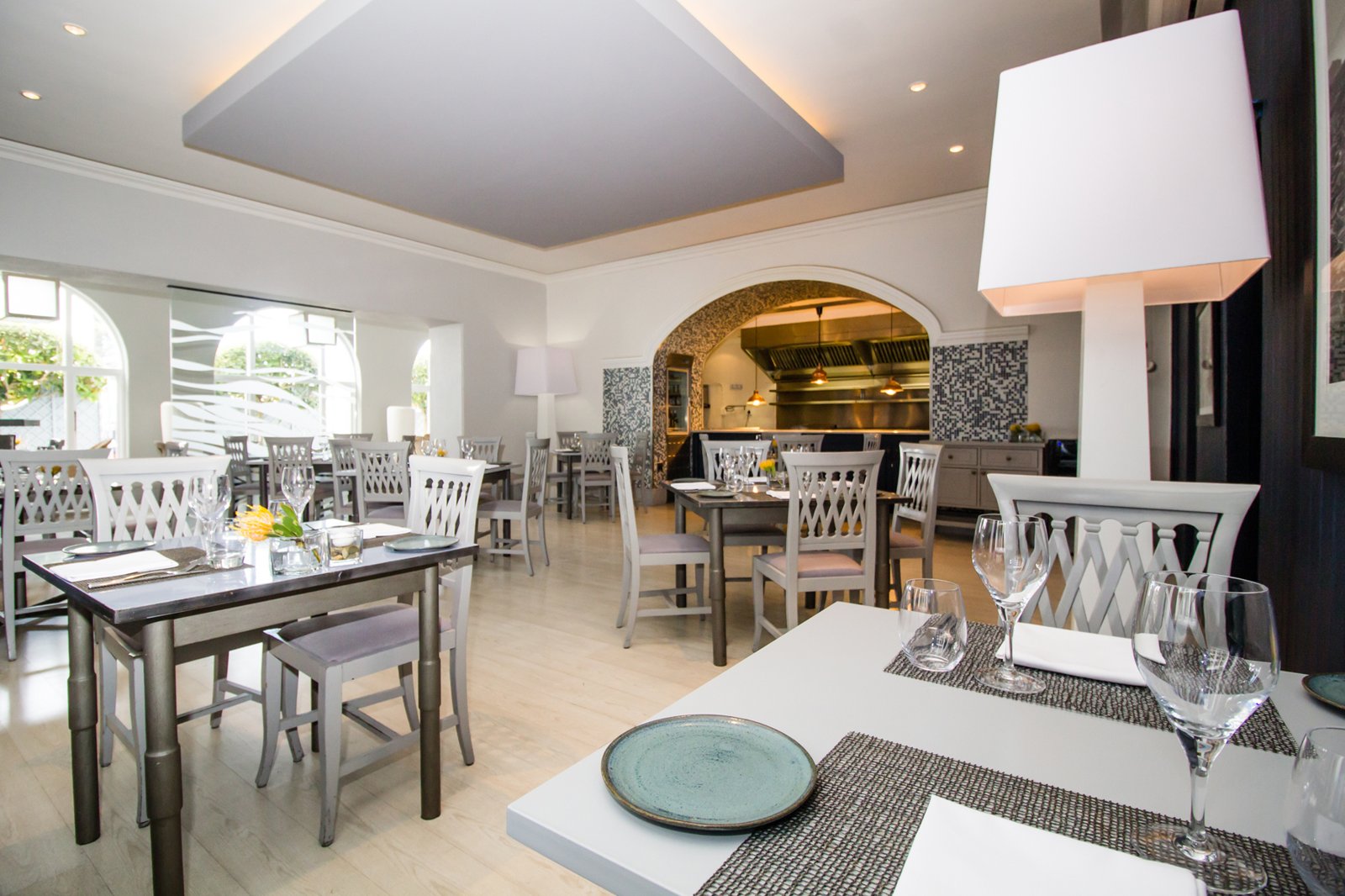
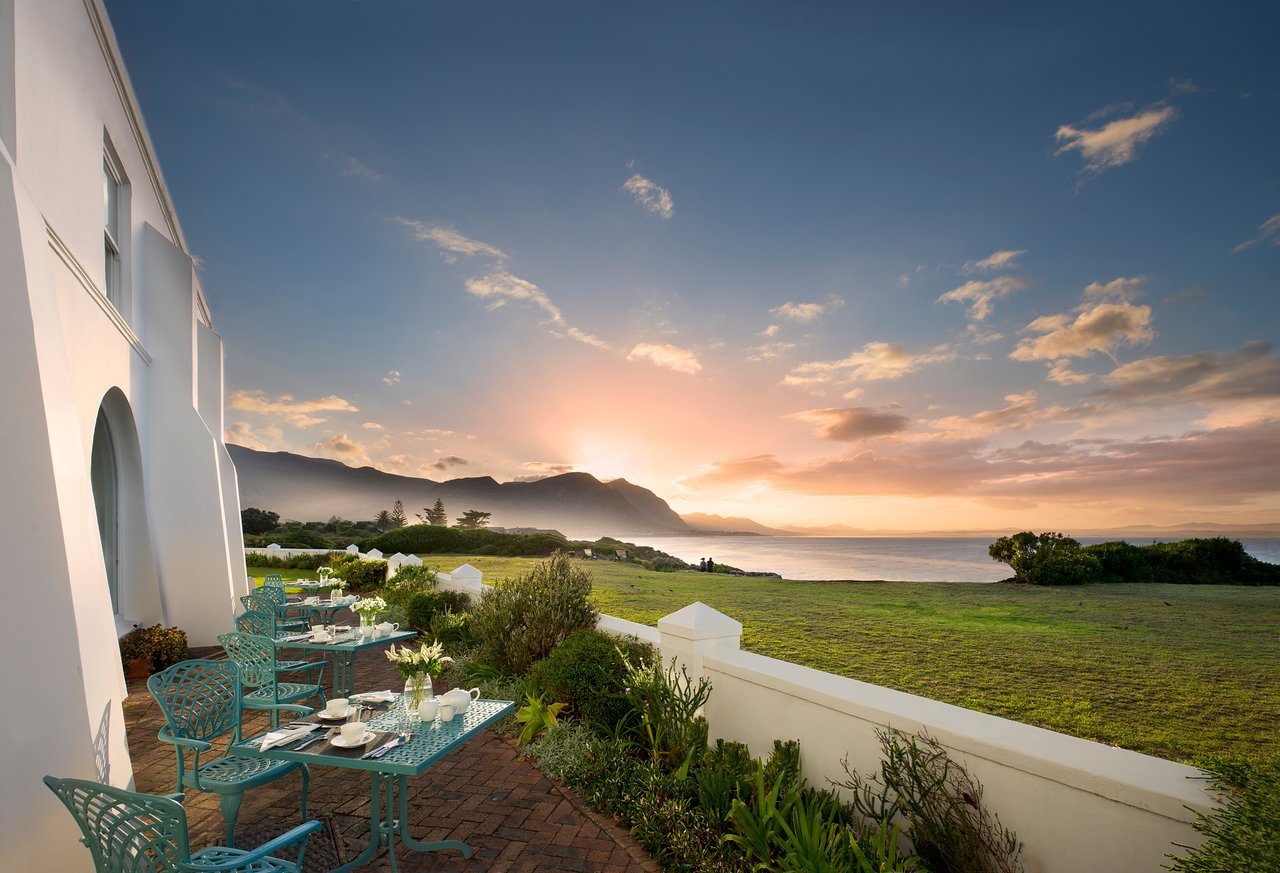
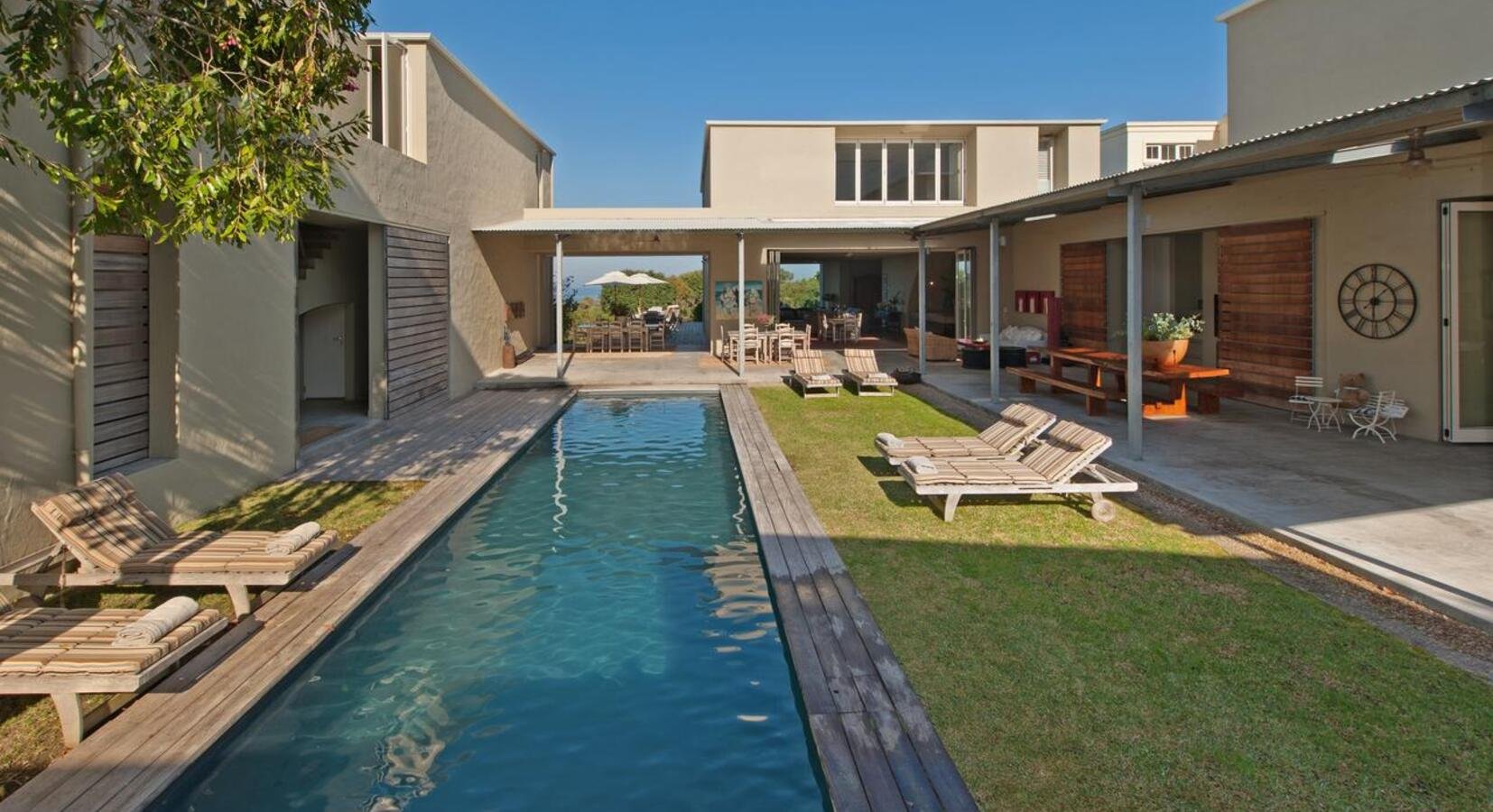
Romantic country wine farm atmosphere with upmarket elegant touches, scenic views, and a warm welcoming vibe.
Tags
Vibe
Best For
Experience
Sourcing
View
At the Vineyard
- Appellation
- Hemel-en-Aarde
- Varietals
- Pinot Noir, Chardonnay, Sauvignon Blanc
- Tour Duration
- 60-90 minutes
- Visits
- By reservation
- Farming
- Sustainable
- Production
- Small producer
- Wine Styles
- Still White, Still Red
- Food Pairing
- Offered
- Wine Club
- Not available
Know before you go
Know Before You Go
- Getting there
- Hemel & Aarde Rd R320, Hermanus, 7200
Planning details
Location


Also consider
Where to look if you cannot get in
Try Newton Johnson Vineyards if the main goal is a serious wine stop in the same Hermanus orbit. Choose Ataraxia Wines if the group wants a calmer-feeling alternative and less pressure around building the whole day around one booking.
Winery context
How it compares in Hermanus
Creation Wines is the higher-demand pick for travellers who want a polished, destination-style Hemel-en-Aarde stop. Ataraxia Wines is the better cross-shop if the priority is a quieter-feeling tasting rhythm, while Newton Johnson Vineyards is the stronger fit for visitors who want to keep the day tightly focused on wine rather than the broader hospitality experience.
Bouchard Finlayson and Hamilton Russell Vineyards are the more obvious alternatives for a classic Hermanus winery circuit. Choose Bouchard Finlayson when the plan is to keep moving between established names; choose Hamilton Russell Vineyards when the group wants a serious benchmark stop and does not need the visit to carry the whole day.
Gabriëlskloof Wine Estate sits outside the immediate Hermanus cluster, so it makes more sense for travellers with a car and a wider route. If booking Creation Wines proves difficult, the practical move is not to force the schedule; pick one Hermanus peer, keep the route compact, and avoid turning the day into a rushed sequence of tastings.
Around this place
Discover more on Pearl
Unlock the full Creation Wines guide in Pearl, including awards, comparisons, FAQs, planning details, and nearby places.
Compare Creation Wines
| Venue | Location | Awards |
|---|---|---|
| Creation Wines | Hermanus | 2026 Falstaff Winery Guide2025 World's 50 Best Vineyards · #72024 World's 50 Best Vineyards · #32023 World's 50 Best Vineyards · #42022 World's 50 Best Vineyards · #382021 World's 50 Best Vineyards · #102019 World's 50 Best Vineyards · #45 |
| Ataraxia Wines | Hermanus | No published awards |
| Newton Johnson Vineyards | Hermanus | 2026 Falstaff Winery Guide |
| Bouchard Finlayson | Hermanus | 2026 Falstaff Winery Guide |
| Hamilton Russell Vineyards | Hermanus | 2025 World's 50 Best Vineyards · #99 |
| Gabriëlskloof Wine Estate | Bot River | 2026 Falstaff Winery Guide |
How Creation Wines Hermanus compares with similar nearby venues.
FAQ
Frequently Asked Questions
What other venues should I compare with Creation Wines?
Useful comparisons include Ataraxia Wines, Newton Johnson Vineyards, Bouchard Finlayson, Hamilton Russell Vineyards, and Gabriëlskloof Wine Estate. Creation Wines has recognition from Pearl 3 Star Prestige (2025) and World's 50 Best Vineyards #3 (2024), so it is a strong benchmark when comparing premium options.
Do I need a reservation at Creation Wines?
Confirm directly with Creation Wines before you go. Booking requirements are not specified, but the venue's recognition makes it sensible to plan ahead rather than assume walk-in availability.
Can Creation Wines handle large groups?
What is Creation Wines known for?
Creation Wines is a Hermanus venue with Pearl 3 Star Prestige (2025) and World's 50 Best Vineyards #3 (2024). The dress code is smart casual.