

Schloss Gobelsburg (Weingut)
Langenlois
Winery in Langenlois, Austria
 Book with Pearl
The Read
Habsburg Terroir Precision
Why go
Schloss Gobelsburg (Weingut) is worth prioritizing for wine travelers who want a serious Langenlois producer with strong recognition and a heritage-led frame. It is a difficult booking, so treat it as an anchor stop rather than a casual add-on, and cross-shop nearby Langenlois wineries if the schedule is tight.
About Schloss Gobelsburg (Weingut)
Langenlois is not short of winery choices, so Schloss Gobelsburg (Weingut) is best considered. Its recognition is Pearl 3 Star Prestige (2025) and World's 50 Best Vineyards #30 (2019). The dress code is smart casual. If you are comparing names, keep the comparison focused on relevant wineries such as Weingut Bründlmayer, Weingut Fred Loimer, Weingut Hiedler, Weingut Hirsch, and Weingut Jurtschitsch.
Focus on its Acclaimed Status
Schloss Gobelsburg (Weingut) is recognized for its accolades: Pearl 3 Star Prestige (2025) and World's 50 Best Vineyards #30 (2019). Beyond that, practical details should be checked directly with the estate rather than assumed from reputation.
Use the venue as a Langenlois winery reference point if those accolades matter to your planning. The dress code is smart casual. If your decision depends on a particular visit detail, verify it before building the day around the estate.
How to use it in a Langenlois itinerary
For a Langenlois itinerary, treat Schloss Gobelsburg (Weingut) as one of the winery names to evaluate rather than as a guaranteed fit for every schedule. The safest approach is to confirm the practical details first, then decide how much of the day should be built around it.
For broader trip planning, you can also keep our full Langenlois hotels guide close and compare other dining or drinking options in Langenlois generically. When the focus is wineries, compare Schloss Gobelsburg (Weingut) with the other named producers you are considering rather than relying on general assumptions about format or availability.
Who should cross-shop before committing
Choose Schloss Gobelsburg (Weingut) if confirmed recognition is central to the decision. Weingut Bründlmayer, Weingut Fred Loimer, Weingut Hiedler, Weingut Hirsch, and Weingut Jurtschitsch are natural names to consider when you want a winery-focused comparison set.
If you are comparing destination wineries more broadly, use the same rule: do not chase reputation alone. Confirm the current practical details, then choose the producer that best fits the day, the group, and the amount of planning you want to do.
Planning details
- Location
- Schloss Str. 16, 3550 Langenlois
- Website
- gobelsburg.at
- Phone
- +43 2734 2422
The take
The Take
The Vibe
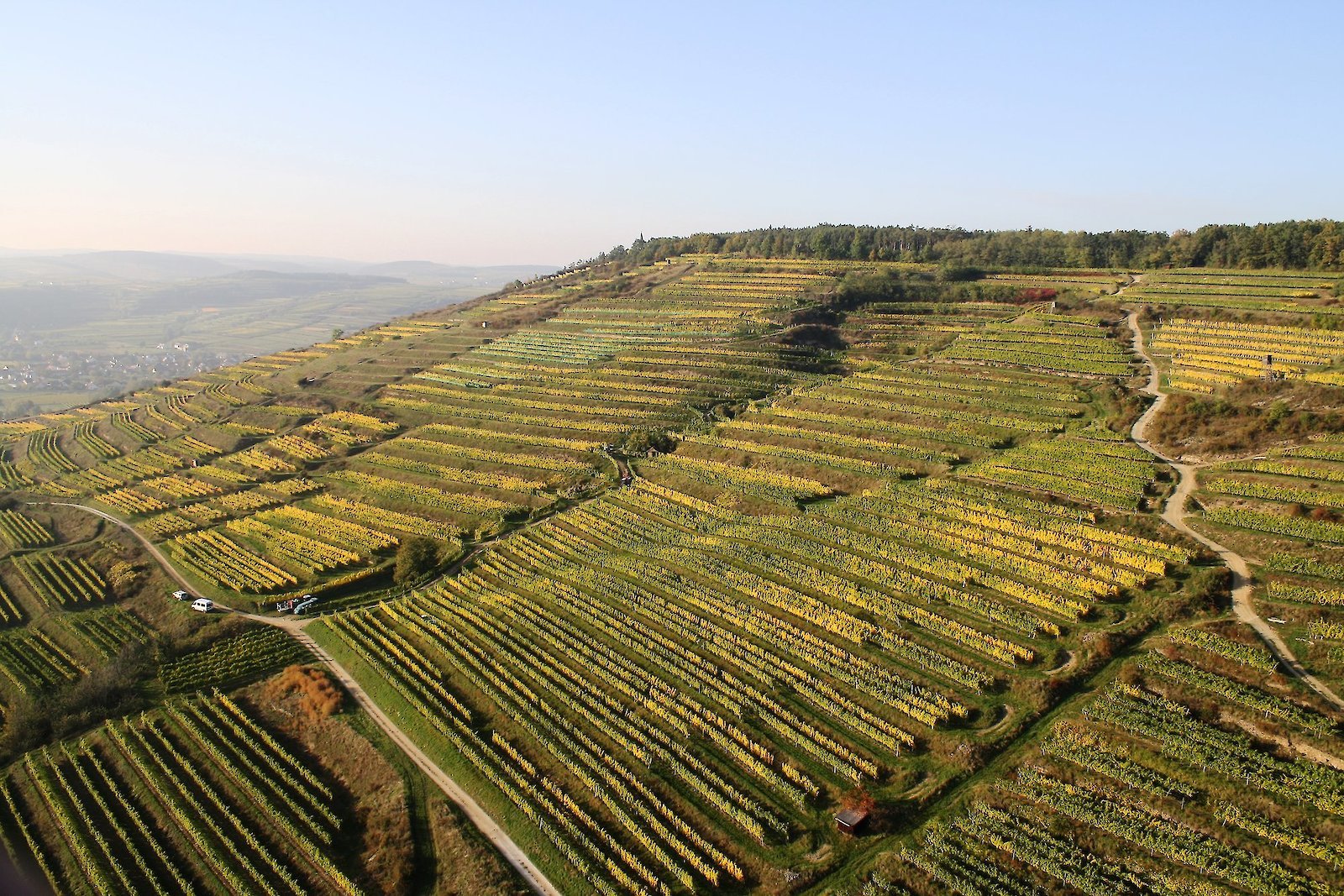
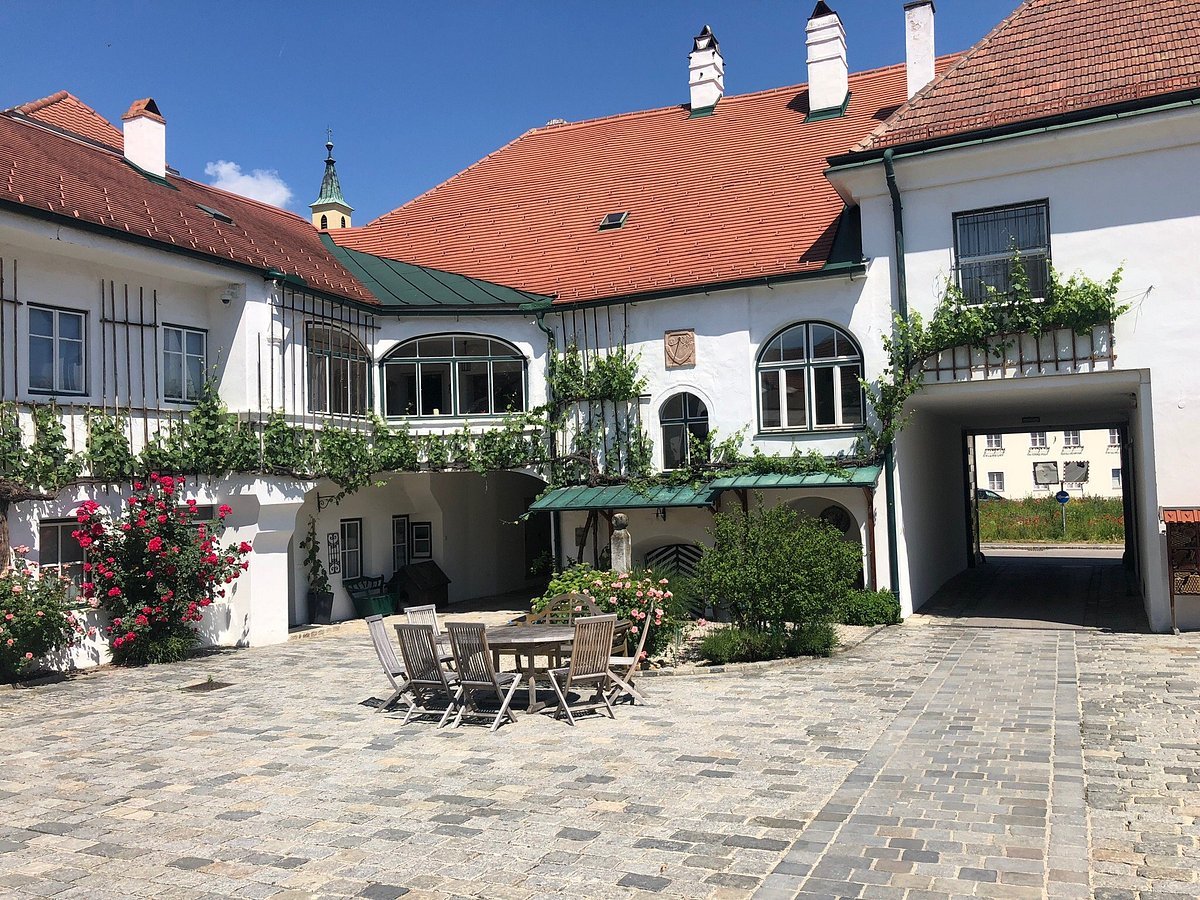
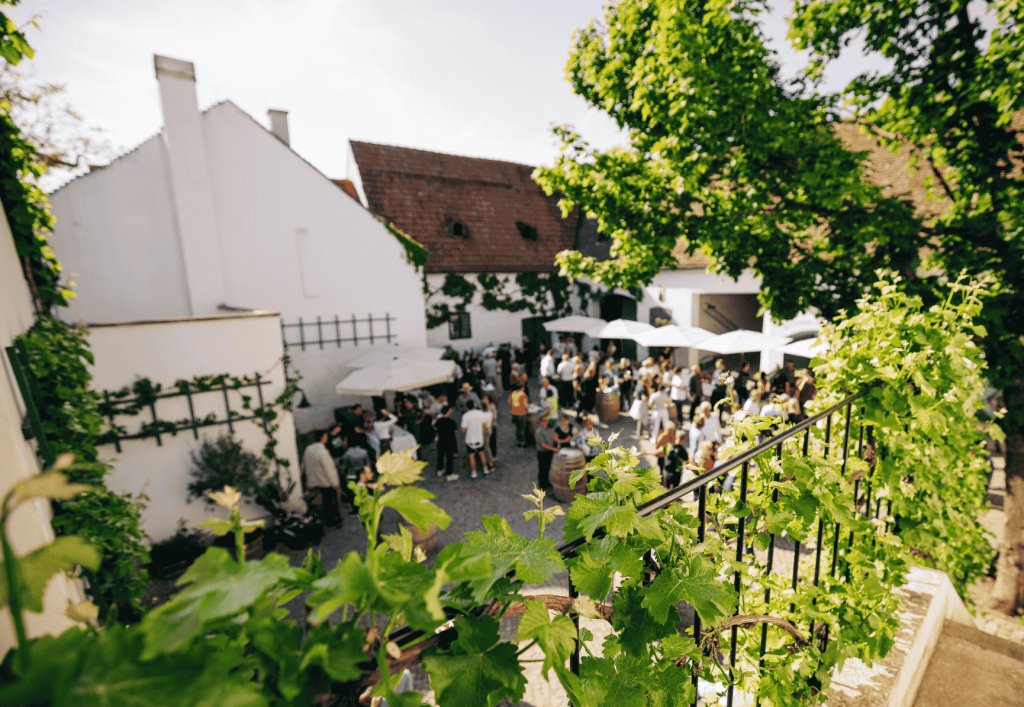
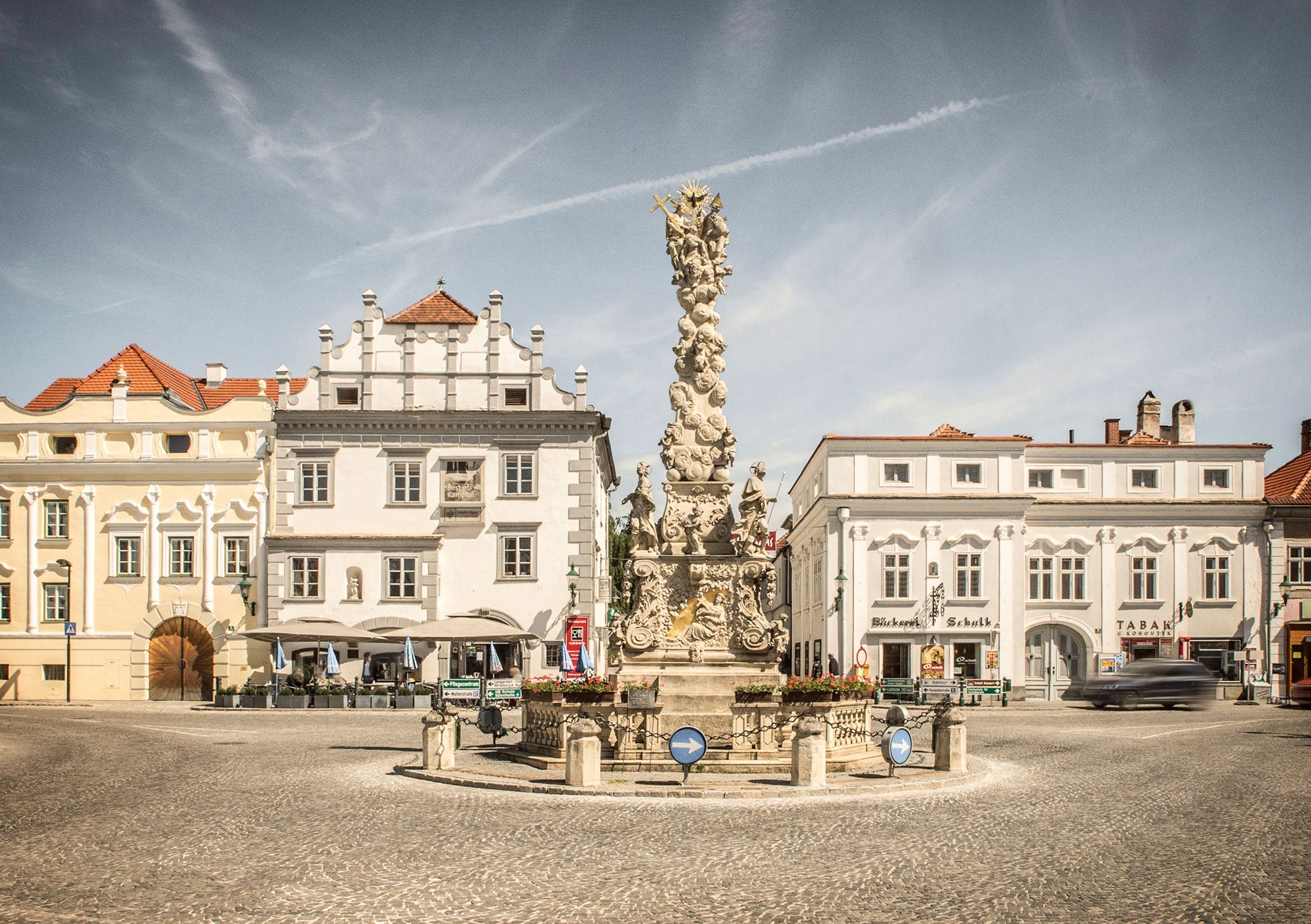
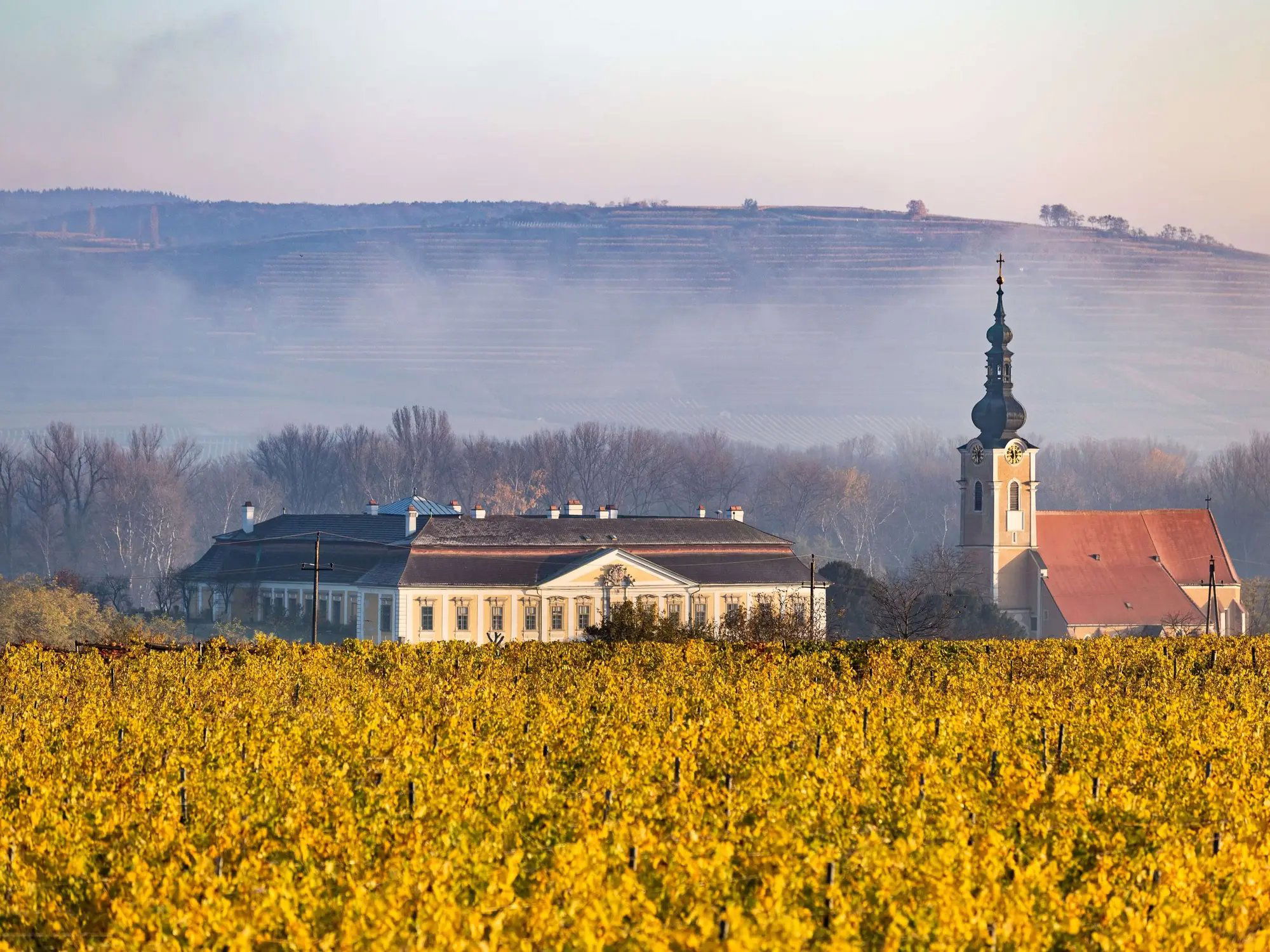
Schloss Gobelsburg presents a quietly authoritative presence: a sixteenth‑century Renaissance manor and castle that anchors the estate’s identity. The writing emphasizes continuity and historical gravity — Habsburg commissions, ecclesiastical and aristocratic stewardship — and that lineage shapes how the wines are read. The property feels more like a cultural institution than a trendy producer: measured, sophisticated and deliberate about place. Visitors encounter a restrained grandeur rather than flash, where terroir-driven Grüner Veltliner and Riesling are framed by centuries of practice and a clear commitment to site specificity.
Best For
This estate is best for visitors who want an immersive, education‑forward wine experience rooted in history and place. It suits wine students and curious solo travelers wanting to trace the Kamptal’s terroir logic, as well as groups marking special occasions who appreciate an atmospheric, heritage setting. The castle and its vineyards frame tastings as lessons in geology and tradition; expect a contemplative pace that rewards attention to provenance rather than party-style revelry.
Tasting Tips
Focus on the region’s signature varieties: Grüner Veltliner and Riesling are at the heart of Gobelsburg’s identity. Ask to taste estate- or site-designated bottlings that showcase Kamptal’s loess flats and rocky terraces, and prioritize wines from prestige lines referenced in the tasting room. Because the narrative revolves around terroir and continuity, request background on specific sites and vintages to understand how soil and exposure shape each wine.
Venue details
Ambiance
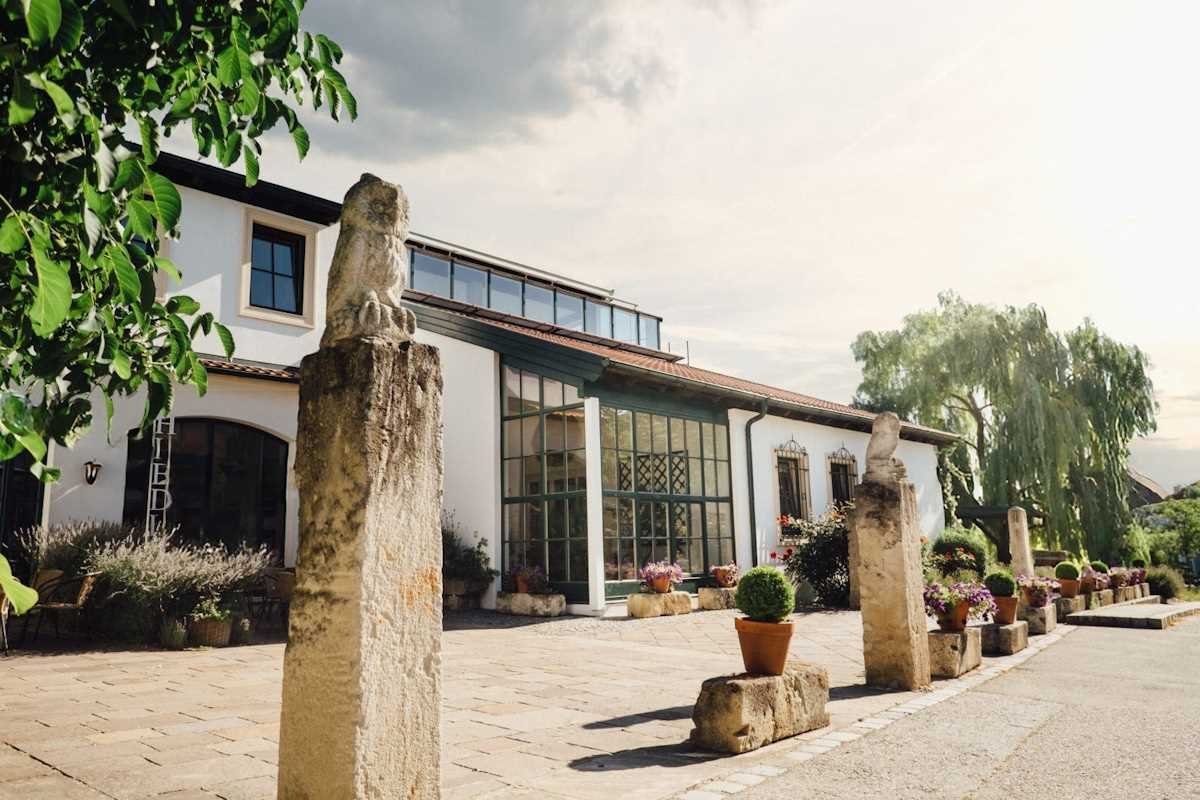
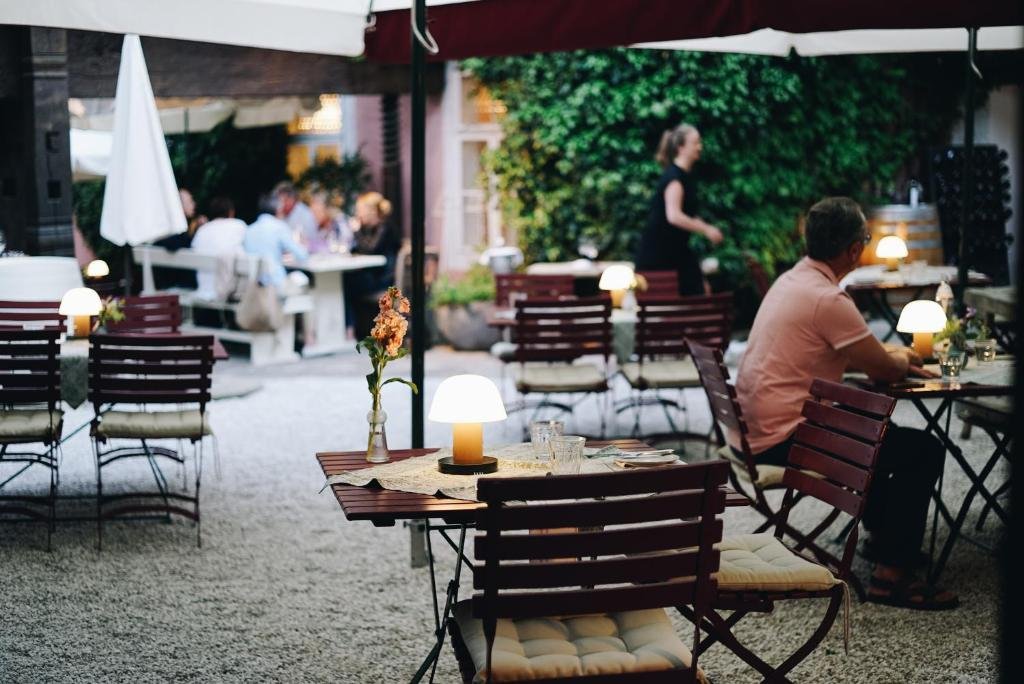
Grand Renaissance-baroque castle with elegant, historic atmosphere, monastic heritage, and scenic vineyard surroundings.
Tags
Vibe
Best For
Experience
Sourcing
View
At the Vineyard
- Appellation
- Kamptal
- Varietals
- Grüner Veltliner, Riesling, Pinot Noir, Zweigelt, Sankt-Laurent
- Tour Duration
- 60-90 minutes
- Wine Club
- Not available
Know before you go
Know Before You Go
- Getting there
- Schloss Str. 16, 3550 Langenlois
Planning details
Location
Recognition and awards


Also consider
Also Consider
- Weingut Hirsch, Notable alternative
- Weingut Hiedler, Notable alternative
- Weingut Jurtschitsch, Notable alternative
- Weingut Fred Loimer, Notable alternative
- Weingut Bründlmayer, Notable alternative
Winery context
Against Langenlois peers, Schloss Gobelsburg (Weingut) is the pick when reputation and a more formal producer lens matter more than ease. Weingut Bründlmayer is the closest cross-shop for travelers who want another major name in town, while Weingut Fred Loimer is the better comparison if the goal is a different stylistic reference within the same wine day.
For booking practicality, do not build the itinerary around one hard-to-secure stop without backups. Weingut Hiedler and Weingut Jurtschitsch make sense for travelers who want to stay in Langenlois and keep the day less dependent on a single reservation. Weingut Hirsch is the out-of-metro option to consider if the trip can stretch beyond town.
Value comes down to what kind of experience the group will actually use. Pick Schloss Gobelsburg for a serious, recognition-backed anchor visit; pick Bründlmayer for a direct prestige comparison; pick Loimer, Hiedler, or Jurtschitsch when availability, pacing, and a more flexible Langenlois day matter more.
Around this place
Discover more on Pearl
Unlock the full Schloss Gobelsburg (Weingut) guide in Pearl, including awards, comparisons, FAQs, planning details, and nearby places.
Compare Schloss Gobelsburg (Weingut)
| Venue | Location | Awards |
|---|---|---|
| Schloss Gobelsburg (Weingut) | Langenlois | 2026 Falstaff Winery Guide2022 World's 50 Best Vineyards · #502019 World's 50 Best Vineyards · #30 |
| Weingut Hirsch | Kammern | 2026 Falstaff Winery Guide |
| Weingut Hiedler | Langenlois | 2026 Falstaff Winery Guide |
| Weingut Jurtschitsch | Langenlois | 2026 Falstaff Winery Guide |
| Weingut Fred Loimer | Langenlois | 2026 Falstaff Winery Guide |
| Weingut Bründlmayer | Langenlois | 2026 Falstaff Winery Guide |
How Schloss Gobelsburg (Weingut) compares with similar nearby venues.
FAQ
Frequently Asked Questions
Is Schloss Gobelsburg (Weingut) highly recognized?
Yes. Its recognition includes Pearl 3 Star Prestige (2025) and World's 50 Best Vineyards #30 (2019).