

Viña Errázuriz
Panquehue
Winery in Panquehue, Chile
 Book with Pearl
The Read
Aconcagua Valley Continuity
Why go
Book Viña Errázuriz if the goal is a serious Aconcagua Valley winery visit with international recognition and a quieter, wine-first atmosphere. It is less suited to travelers who need a confirmed food-pairing program, easy group logistics, or a casual drop-in format.
About Viña Errázuriz
Viña Errázuriz is a recognized venue in Panquehue with distinctions that include Pearl 4 Star Prestige (2025) and World's 50 Best Vineyards #35 (2020). The dress code is smart casual. Beyond those points, specific details about visit format, food, pricing, hours, capacity, and services are best confirmed directly before planning.
Use this page as a conservative planning note: the strongest reasons to consider Viña Errázuriz are its Panquehue location, smart-casual dress code, and stated recognition. If your plans depend on a particular tour style, meal, tasting format, group size, or service, confirm those details directly before arranging the trip.
Choose it for confirmed recognition, not unverified extras
The smart booking lens is simple: treat Viña Errázuriz as a Panquehue venue with notable recognition, while keeping expectations flexible on everything not listed here. No specific dining program, pairing format, menu, price, or hospitality structure is described here.
That does not weaken the case for visiting; it just changes how to plan. Build the decision around the venue identity, smart-casual dress code, and accolades, then verify any practical details that matter to your group. If you are comparing other options, Casas del Bosque or Bodegas RE may be useful reference points depending on the wider route you are considering.
The visit should be planned with details confirmed in advance
Because capacity, hours, booking process, and service format are not provided here, avoid assuming a particular pace or setup. Viña Errázuriz is best approached as a venue to confirm directly rather than one where this guide can promise a specific experience.
For a broader comparison, Viña Seña is another named option to consider alongside Viña Errázuriz. As with any multi-stop itinerary, confirm geography, timing, and availability directly before relying on a route.
Who should put it on the itinerary
Consider it if Panquehue is part of your plan and you value recognized venues. Viña Errázuriz has Pearl 4 Star Prestige (2025) and was listed as World's 50 Best Vineyards #35 in 2020.
Pause before committing if your group needs food details, group arrangements, published service information, or a specific visit format. In that case, compare other Panquehue venues generically and confirm current arrangements directly before building the rest of the trip.
Planning details
- Location
- E-639 18, Panquehue, Valparaíso
- Website
- errazuriz.com
- Phone
- +56342591877
The take
The Take
The Vibe
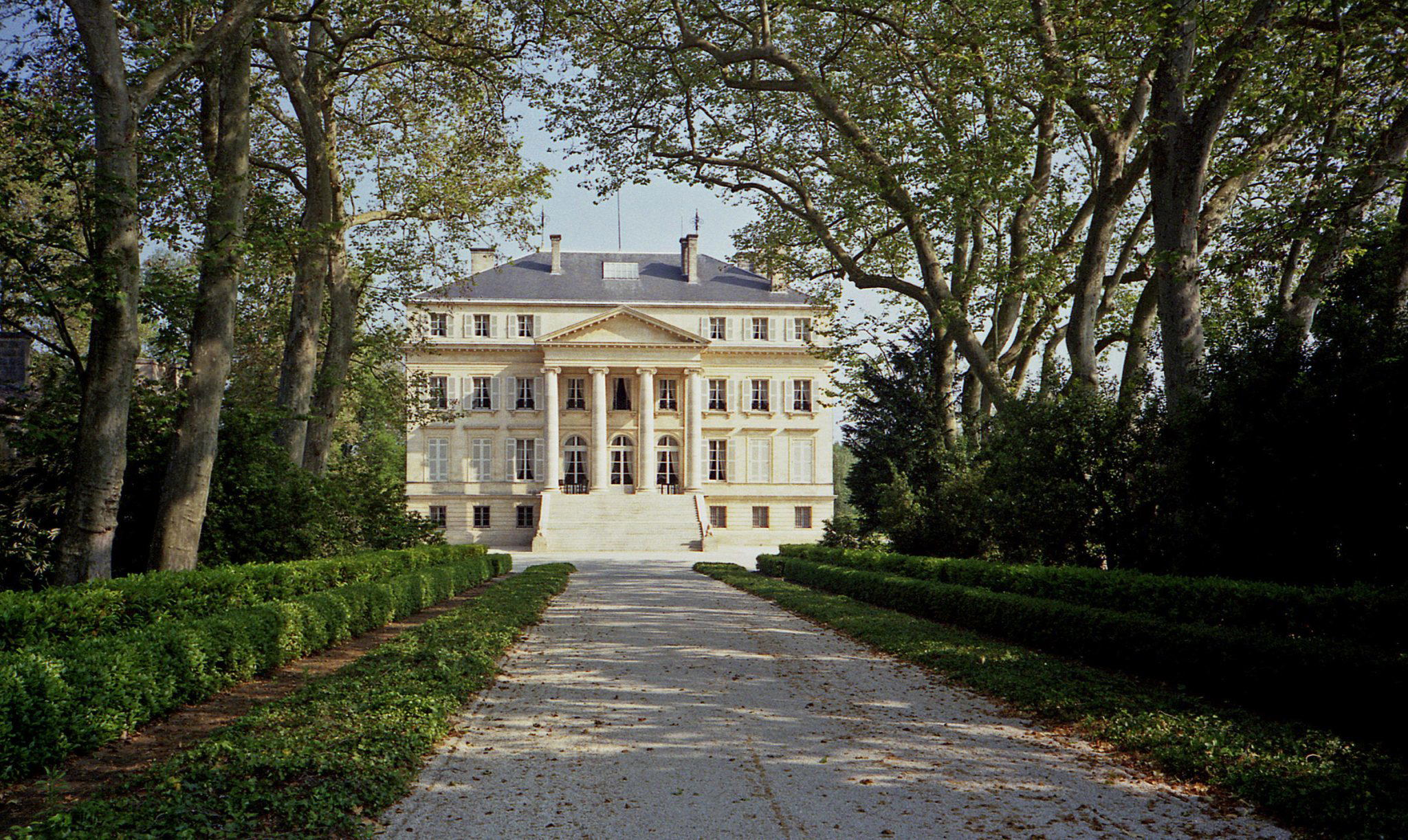
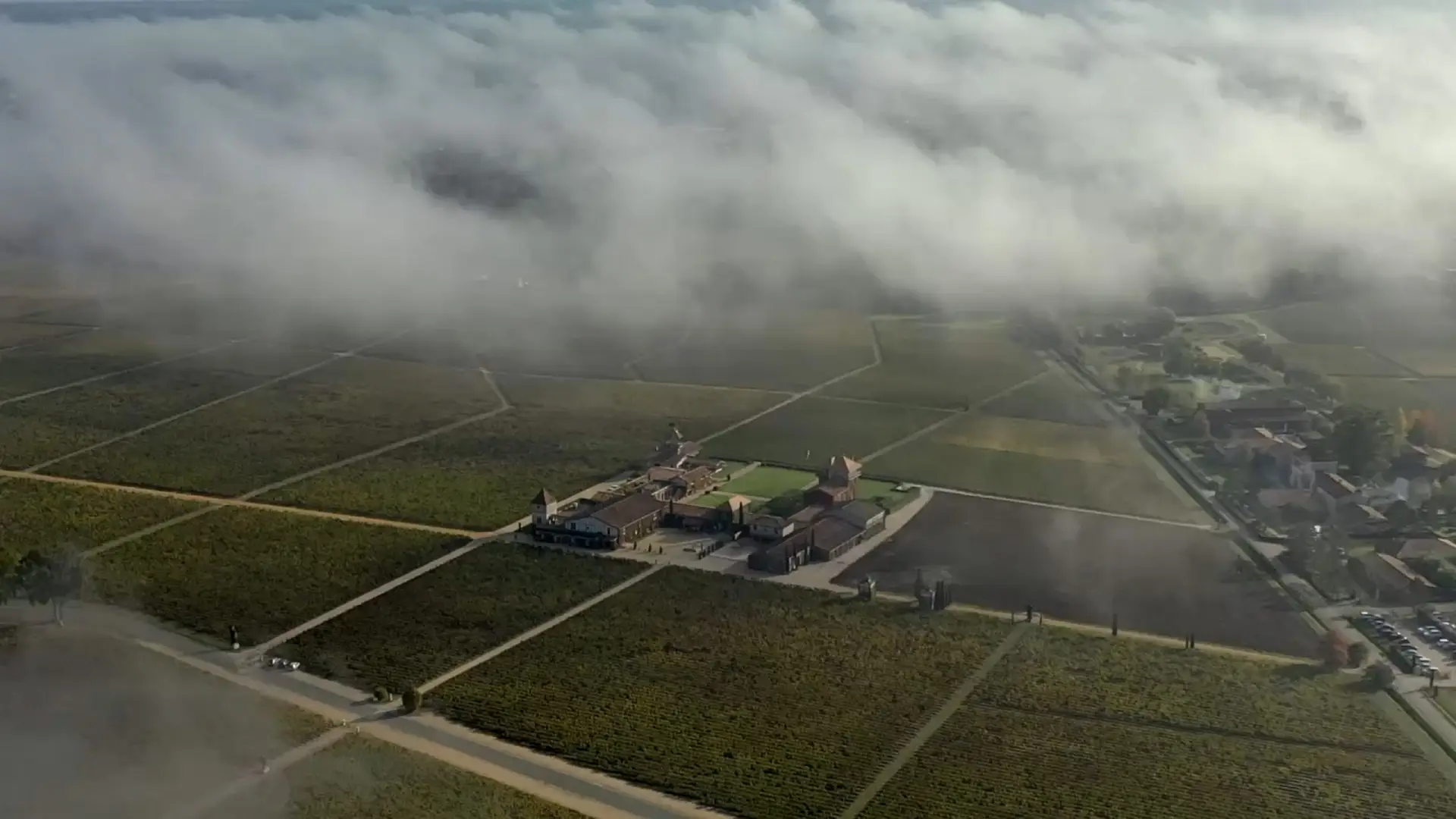
Viña Errázuriz foregrounds history and architecture in equal measure. Visitors immediately register the dialogue between the nineteenth-century stone cellars and the modern architectural additions, a physical layering that signals both longevity and deliberate investment in built form. The estate sits amid the Aconcagua Valley’s sun-intense terrain with the Andes as a constant backdrop, which gives the place a quietly monumental, historic quality. The property reads as a cultural institution as much as a production site: preserved thick-walled cellars and contemporary interventions combine to create an experience that feels rooted in place and in the story of Chilean winemaking.
Best For
Errázuriz suits travelers who care about wine history and terroir-driven context. The estate’s preserved 1870 cellars and its architectural layering make it ideal for visitors interested in wine education and the historical arc of Chilean production, as well as for groups or special-occasion visits that prize setting and provenance. Because the property emphasizes continuity and estate-scale presence, it works well for organized outings where learning and context matter — small groups, educational visits, and celebrations that value an iconic, historically significant backdrop.
Tasting Tips
When you visit, center questions on the estate’s history and the cellar architecture: ask guides about the original 1870 stone cellars, why they were preserved, and how the newer architectural additions relate to winemaking on the site. Inquire about the estate’s role in shifting perceptions of the Aconcagua Valley to understand how local terroir and production evolved. Because the narrative here is as much about place and continuity as about individual wines, prioritize tours or conversations that contextualize bottles within the property’s long arc rather than focusing solely on single-vintage tasting notes.
Venue details
Ambiance
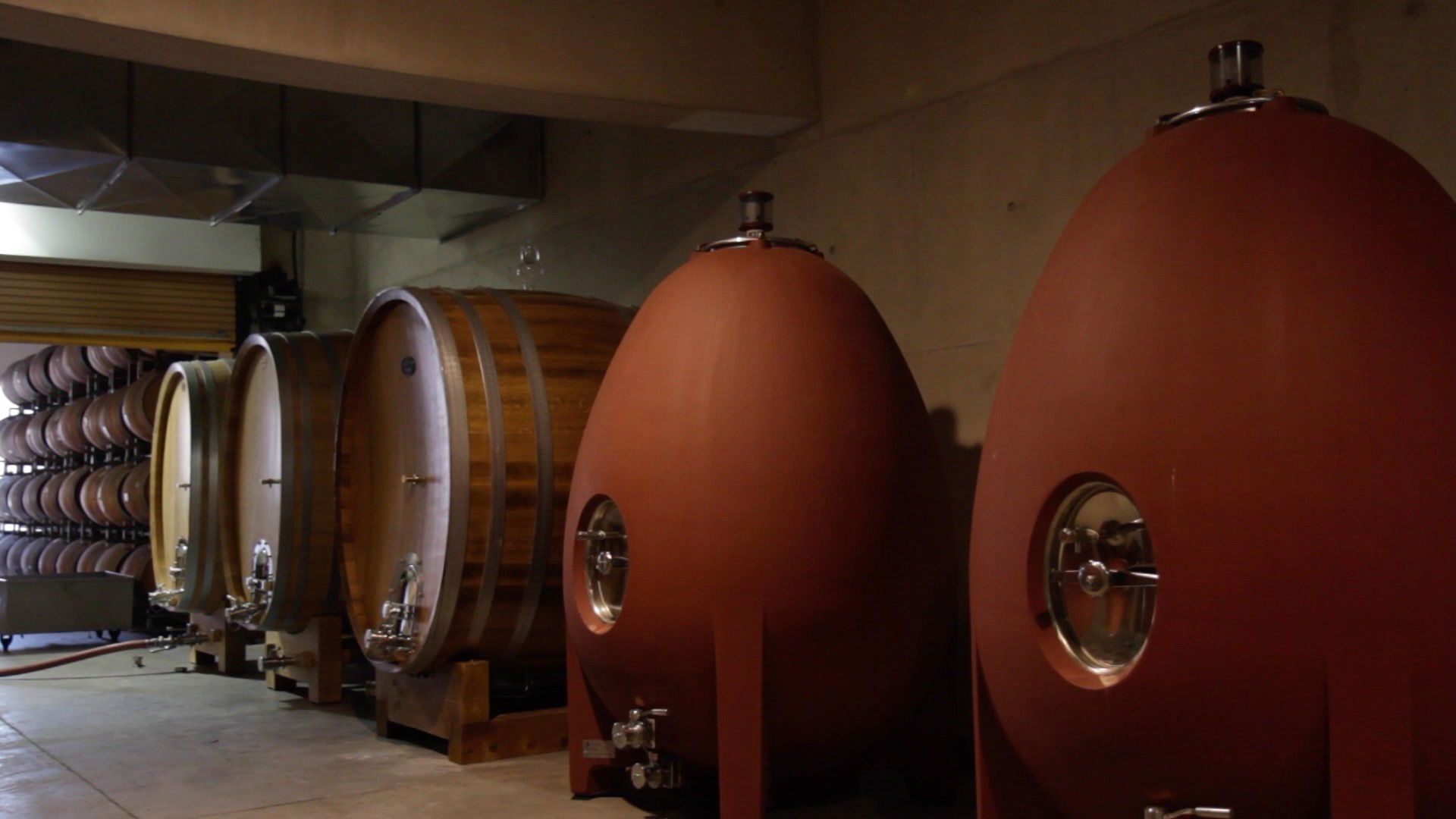
Classic and elegant with historic architecture, underground cellars used for hospitality, and a sophisticated atmosphere reflecting its pioneering legacy in Chilean winemaking.
Tags
Vibe
Best For
Experience
View
At the Vineyard
- Appellation
- Aconcagua Valley
- Varietals
- Cabernet Sauvignon, Carmenère, Syrah, Merlot, Petit Verdot
- Tour Duration
- 60-90 minutes
- Visits
- By reservation
- Production
- Large producer
- Wine Styles
- Still Red, Still White
- Wine Club
- Not available
Know before you go
Know Before You Go
- Getting there
- E-639 18, Panquehue, Valparaíso
Planning details
Location
Recognition and awards


Also consider
If you cannot book it
Try Viña Seña if the priority is staying in Panquehue with a serious wine focus. Choose Casas del Bosque if the group wants a more hospitality-led winery day where food and pacing may matter more than Aconcagua specificity.
Winery context
How it compares in and around Panquehue
Viña Errázuriz is the stronger choice for travelers who want a prestige-led Aconcagua Valley visit and are willing to plan around tight availability. Viña Seña is the closest peer for a serious Panquehue wine itinerary, so pair the two only if the day is fully wine-focused and transport is already solved.
For a visit built more around atmosphere, food-adjacent pacing, or an easier group plan, compare against Casas del Bosque and Bodegas RE. They are better cross-shops when the experience matters as much as the producer name. Viña Ventisquero and Viña Santa Carolina make more sense for travelers comparing broader Chilean winery styles rather than staying tightly focused on Panquehue.
Explore Panquehue
Around this place
Discover more on Pearl
Unlock the full Viña Errázuriz guide in Pearl, including awards, comparisons, FAQs, planning details, and nearby places.
Compare Viña Errázuriz
| Venue | Location | Awards |
|---|---|---|
| Viña Errázuriz | Panquehue | 2026 Falstaff Winery Guide2025 World's 50 Best Vineyards · #502023 World's 50 Best Vineyards · #502020 World's 50 Best Vineyards · #352019 World's 50 Best Vineyards · #17 |
| Viña Seña | Panquehue | 2026 Falstaff Winery Guide |
| Viña Ventisquero | Santiago | 2026 Falstaff Winery Guide |
| Bodegas RE | Casablanca | 2021 World's 50 Best Vineyards · #432020 World's 50 Best Vineyards · #322019 World's 50 Best Vineyards · #32 |
| Viña Santa Carolina | Santiago | 2026 Falstaff Winery Guide |
| Casas del Bosque | Casablanca | 2025 World's 50 Best Vineyards · #422024 World's 50 Best Vineyards · #492023 World's 50 Best Vineyards · #372022 World's 50 Best Vineyards · #302021 World's 50 Best Vineyards · #412020 World's 50 Best Vineyards · #402019 World's 50 Best Vineyards · #30 |
How Viña Errázuriz Panquehue compares with similar nearby venues.
FAQ
Frequently Asked Questions
What other venues can I compare with Viña Errázuriz?
Viña Seña, Viña Ventisquero, Casas del Bosque, Viña Santa Carolina, and Bodegas RE are useful comparison names when planning a wider itinerary. Confirm locations, travel time, and availability directly before treating any of them as part of the same route.
Does Viña Errázuriz offer shipping or other services?
Shipping and other service details should be confirmed directly with Viña Errázuriz before you go.
How long should I plan for a visit to Viña Errázuriz?
Plan only after confirming the current arrangements directly with the venue.
Can Viña Errázuriz handle large groups?
If you are planning for a group, ask Viña Errázuriz directly before making the venue central to the itinerary.