

Marqués de Riscal
Elciego
Winery in Elciego, Spain
 Book with Pearl
The Read
Titanium-Crowned Viticulture
Why go
Book Marqués de Riscal if you want the flagship Rioja Alavesa winery experience in Elciego and can plan ahead. It is better for wine travelers seeking context, architecture, reputation than for visitors chasing a quick, flexible tasting stop.
About Marqués de Riscal
Should you visit Marqués de Riscal while in Elciego? Yes, if the point of the trip is a recognized venue with confirmed accolades. Marqués de Riscal is in Elciego, has a smart-casual dress code, holds Pearl 4 Star Prestige (2025), and was ranked #9 in World's 50 Best Vineyards (2019).
While its recognition, city, dress code are known, specific opening hours, food service, visit formats, group capacity, purchase services, membership programs, or reservation rules should be confirmed directly with the venue.
Book this for the recognized Elciego name, not for assumed extras
The main reason to choose Marqués de Riscal is its recognition. Pearl 4 Star Prestige (2025) and World's 50 Best Vineyards #9 (2019) make it one of the most prominent names to consider when planning time in Elciego.
What should not be assumed is the format of the visit. Before building a day around it, confirm the current details directly with the venue, then add other Elciego dining or stays from the Elciego restaurants guide, the Elciego hotels guide, the Elciego bars guide. For a wider itinerary, use the Elciego wineries guide and the Elciego experiences guide to compare options without assuming service details.
How to think about the wine-related angle
For visitors comparing wine-related destinations, Marqués de Riscal has a clear advantage: major recognition attached to its name. Beyond that, the specific production, tasting, cellar, hospitality details should be checked with the venue rather than inferred.
If you are comparing a broader itinerary, natural reference points include Bodegas Baigorri, Bodegas Ysios, Campo Viejo, Finca Valpiedra, Marqués de Cáceres. Use those comparisons for itinerary shape, but confirm each venue's current visit format before booking.
Verdict: prioritize Marqués de Riscal if you want a recognized Elciego stop with Pearl 4 Star Prestige (2025) status and a World's 50 Best Vineyards #9 ranking from 2019. If your decision depends on food, visit format, group capacity, purchase services, or other services, confirm those details directly before committing.
Planning details
- Location
- Calle Torrea, 1, 01340 Elciego, Álava, Spain
- Website
- marquesderiscal.com
- Phone
- +34945180880
The take
The Take
The Vibe
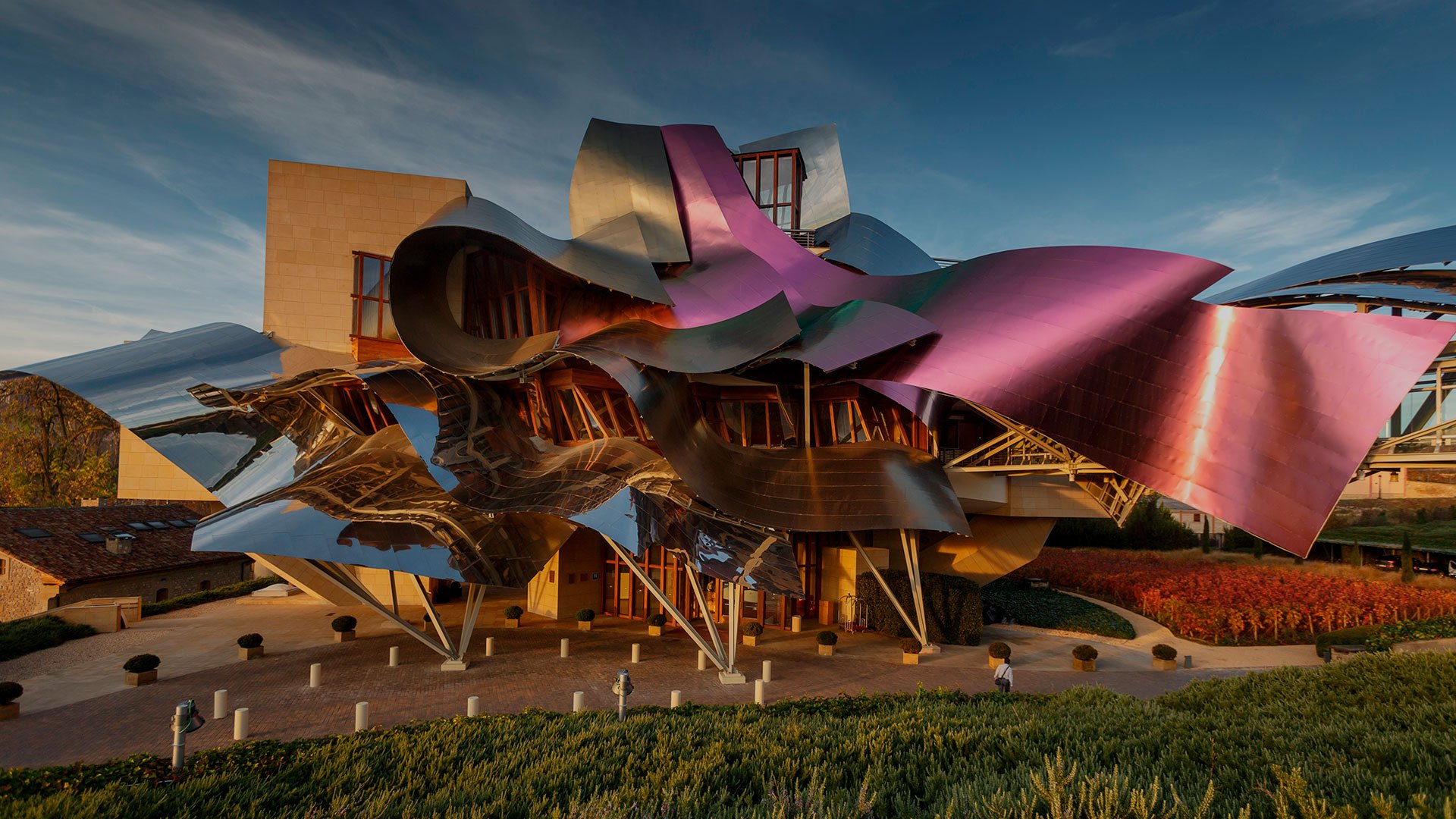
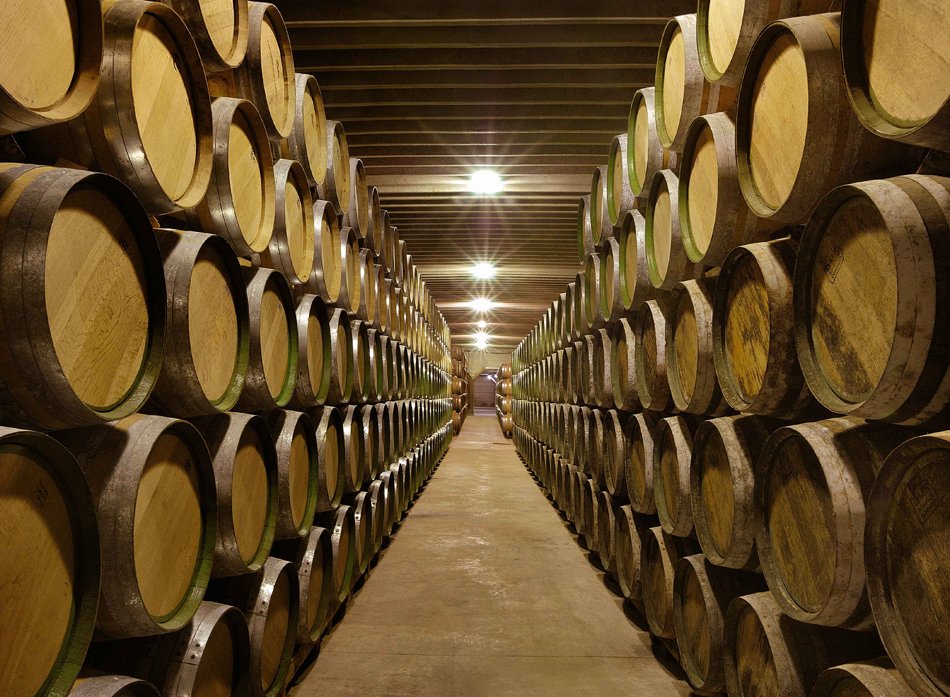
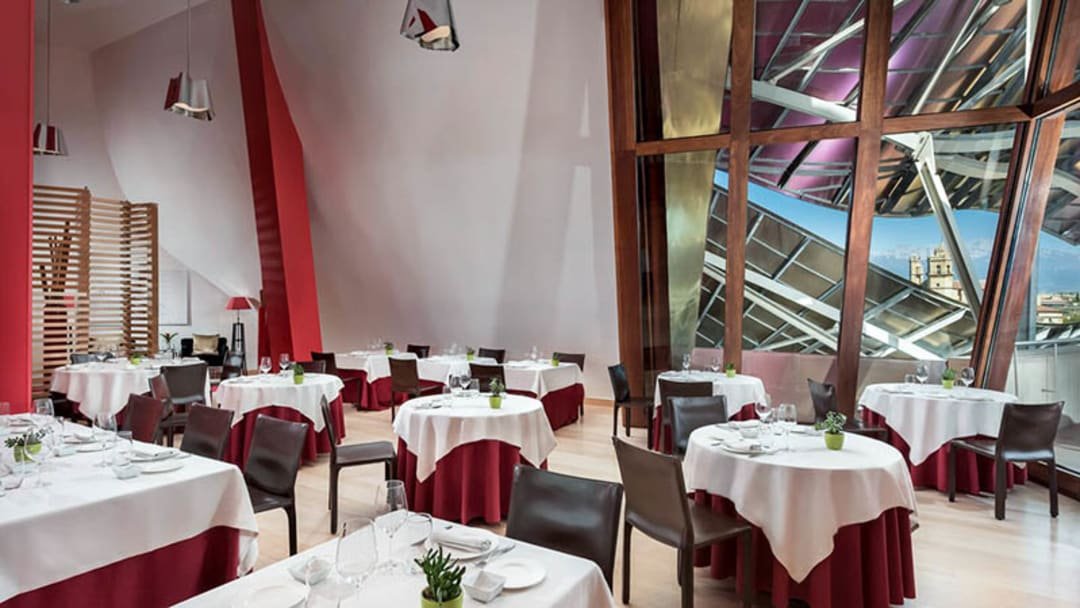
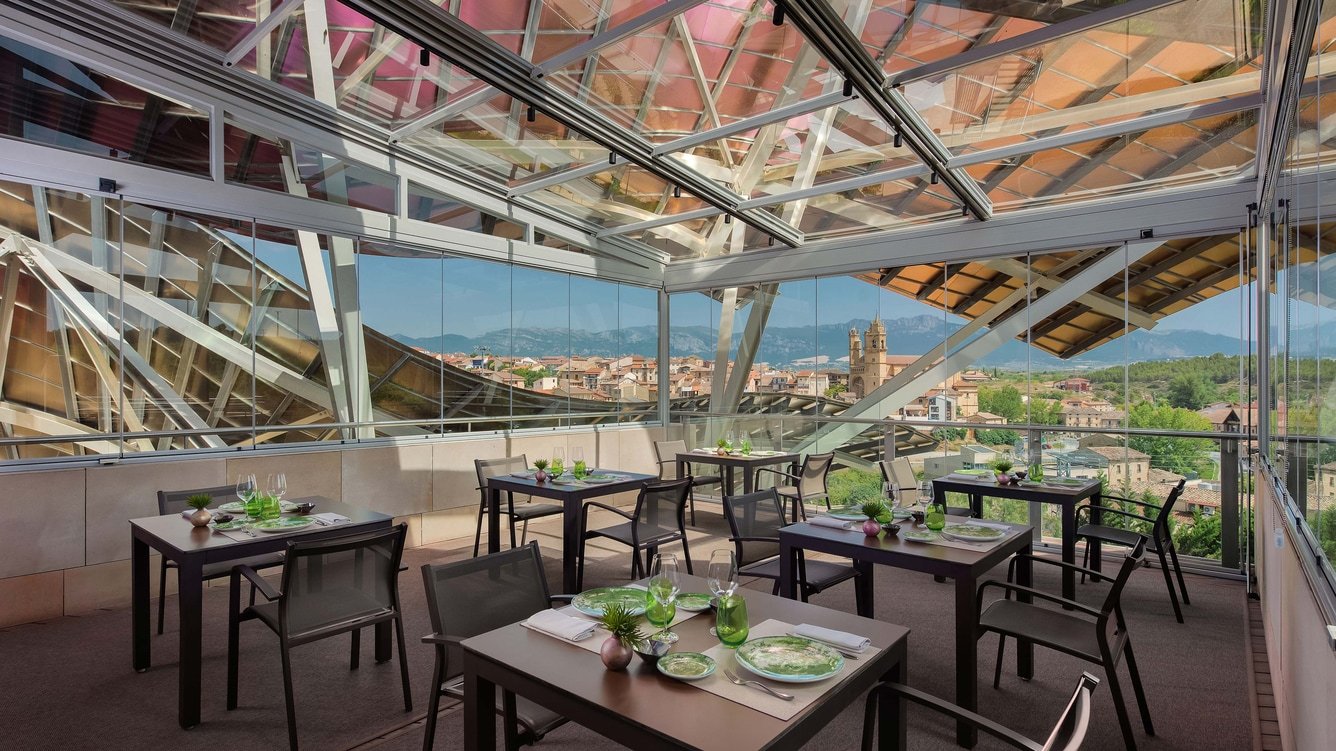
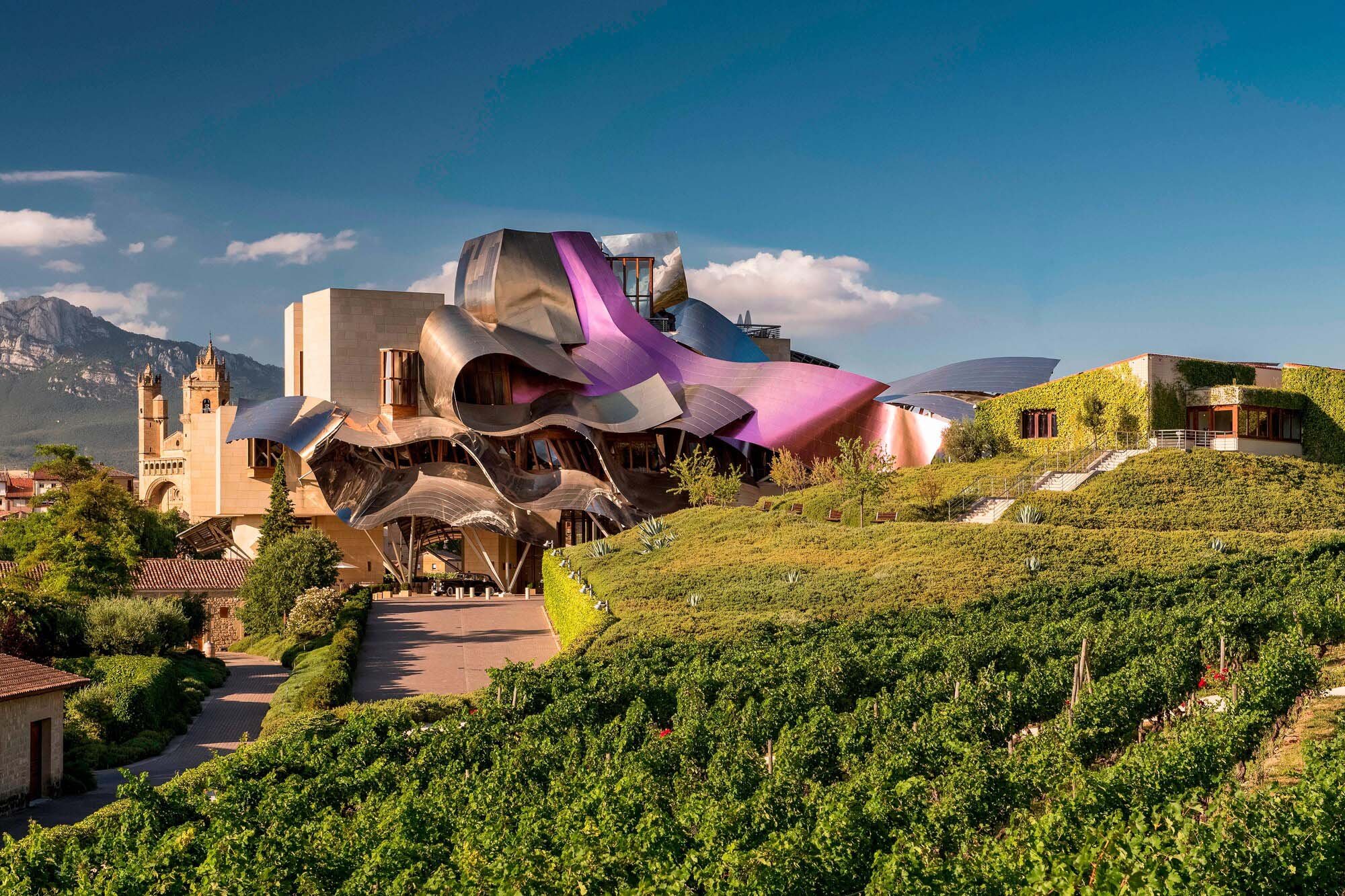
Marqués de Riscal reads as a deliberate collision of spectacle and tradition. Frank Gehry’s rippled titanium canopy announces itself across the Álava plain and gives the site a modern, highly photogenic profile, while the nineteenth‑century cellars below underscore long continuity in Rioja production. The result is a scenic, design-focused destination where contemporary architecture and vineyard terroir are presented as two halves of the same argument. Visitors feel the contrast between the postmodern roofline and the subdued, hardworking infrastructure of cellar culture, a pairing that frames tasting and exploration as both visual and viticultural experiences.
Best For
This is best as a destination for wine‑minded travelers seeking context as well as spectacle. The estate’s emphasis on Rioja Alavesa terroir and the longevity of its cellars makes it particularly suited to wine education and tastings that examine ageworthiness and place. Its architectural prominence and photographic appeal also make it a natural stop for special occasions and group outings where the setting matters as much as the bottle. The site functions as more than a quick tasting room: it rewards visitors who come to learn about the region and to see how a historic estate presents itself on a contemporary stage.
Tasting Tips
Look for the Tempranillo‑dominant wines that the estate highlights; the description emphasizes Álava’s cooler conditions and clay‑limestone soils, so prioritize bottles and vintages that showcase structure and ageing potential. When you visit, ask staff about the cellars and the estate’s ageing regimes—those conversations clarify why the wines are framed as long‑lived. If you’re comparing bottles, focus on how the same grape performs in Rioja Alavesa versus warmer Rioja zones to appreciate the tighter grain and slower aromatic development described in the notes.
Venue details
Ambiance
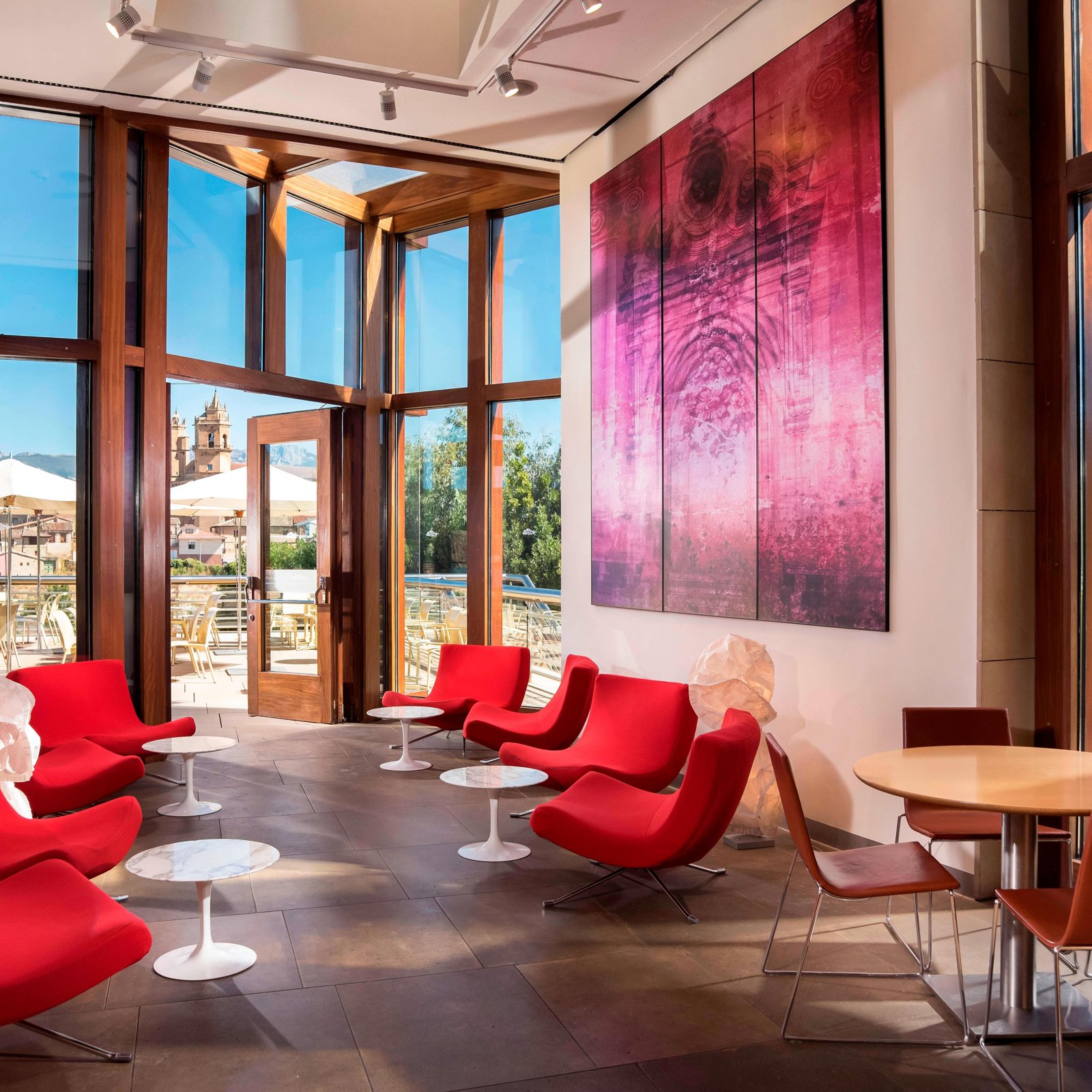
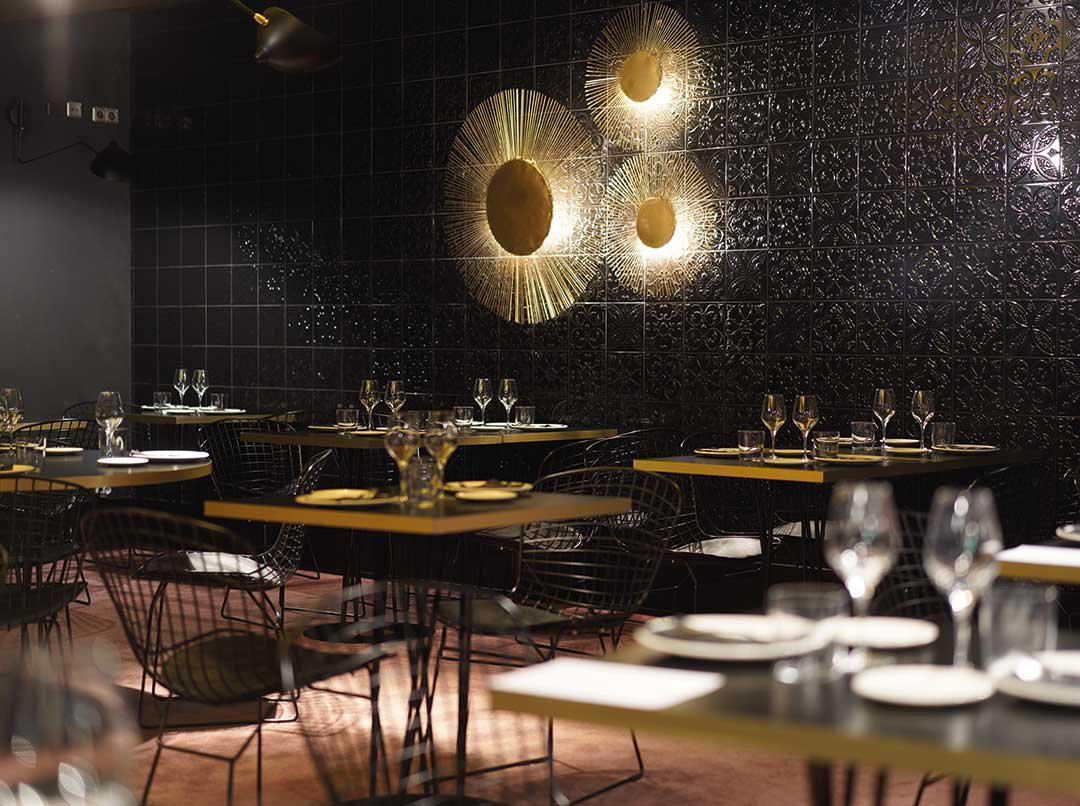
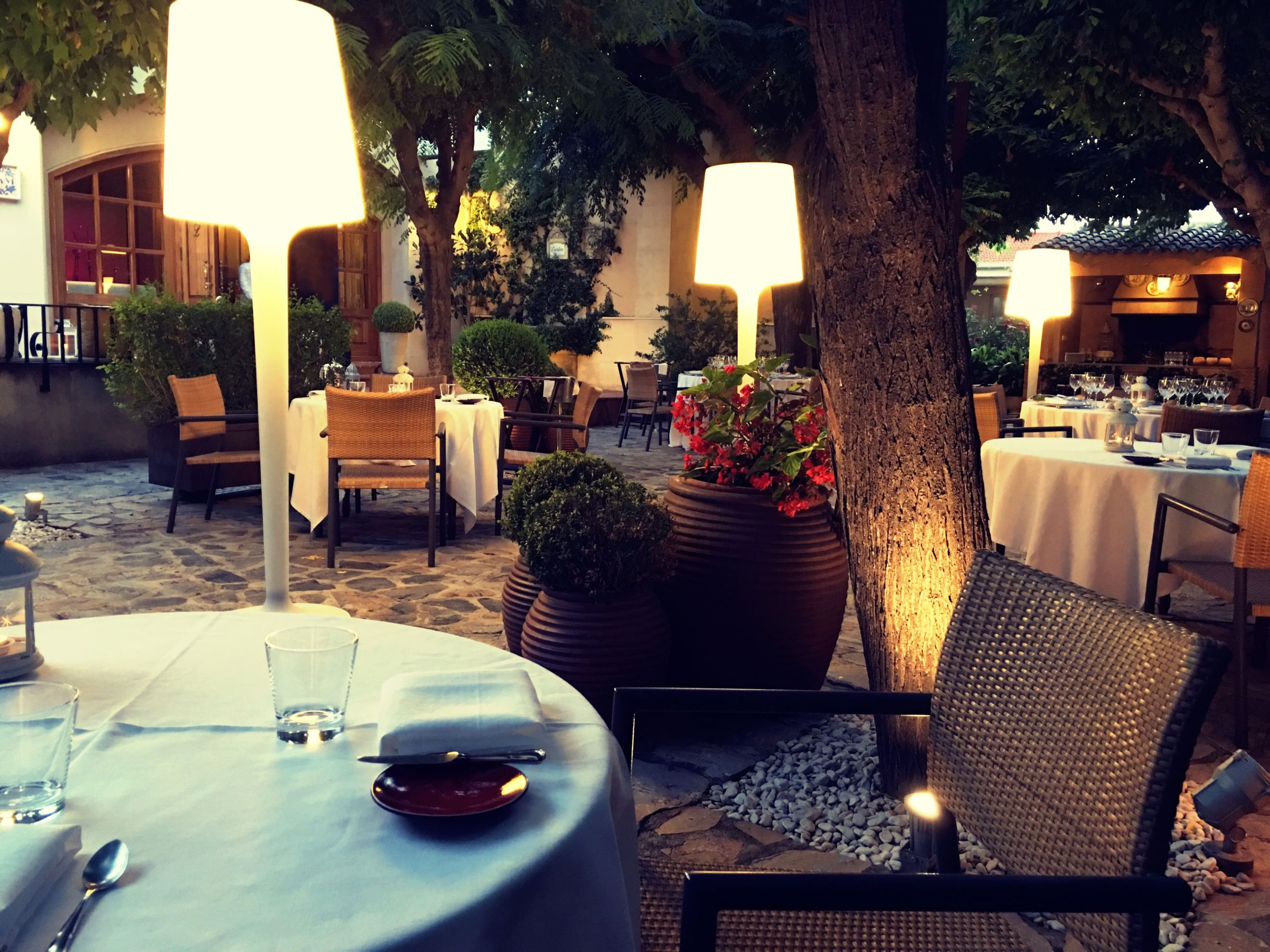
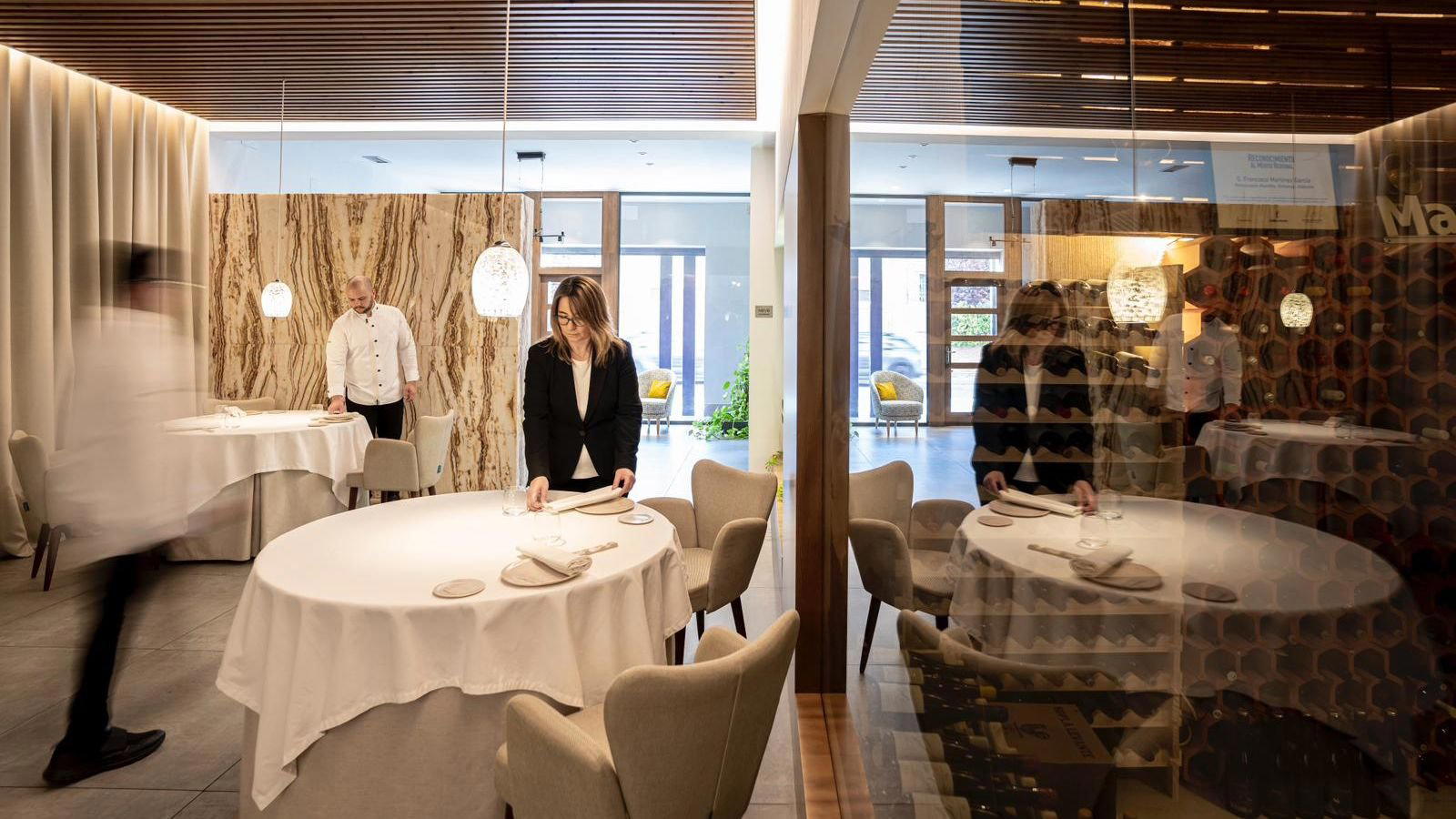
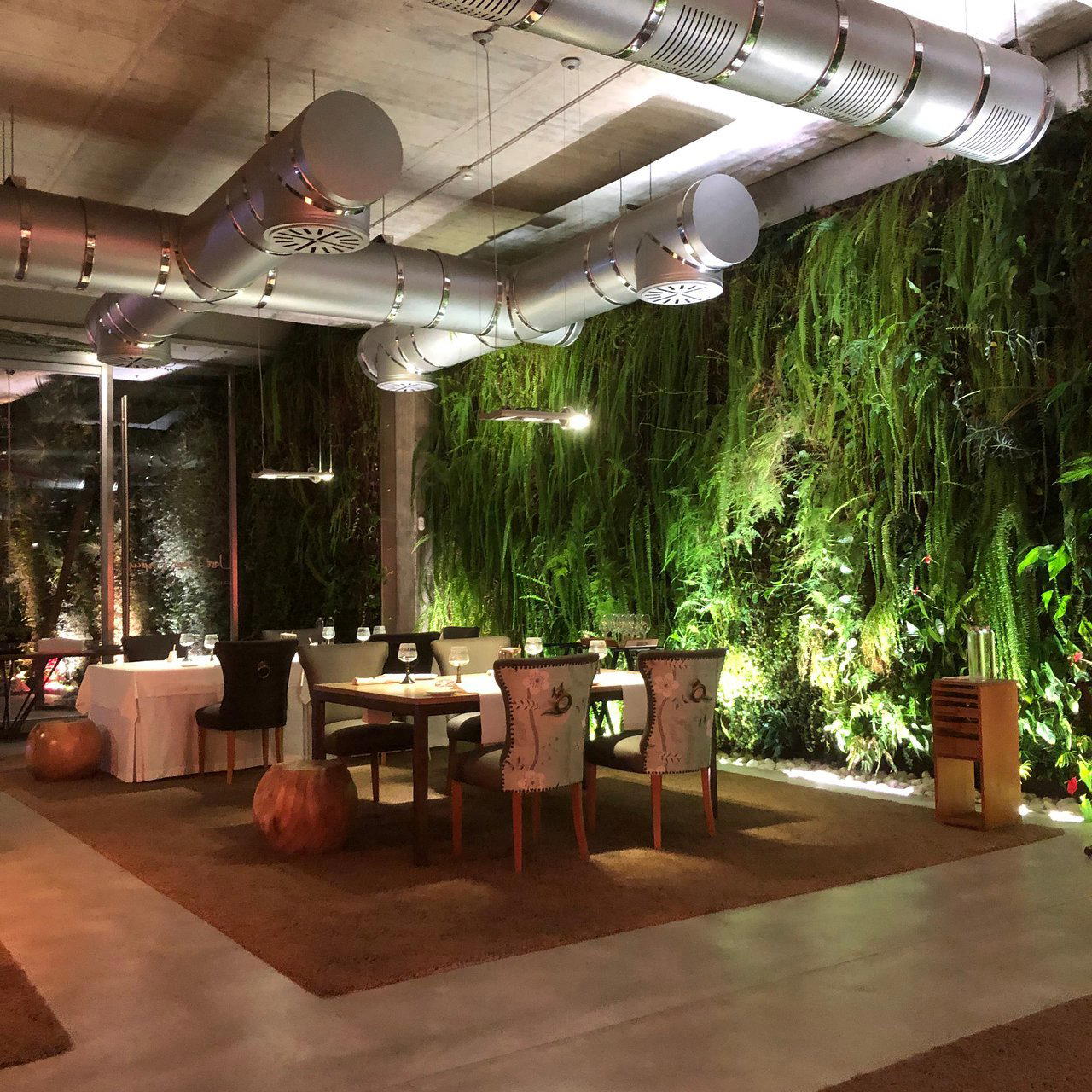
Modern architectural landmark blending historic cellars with contemporary design; elegant and refined atmosphere reflecting 160+ years of winemaking tradition.
Tags
Vibe
Best For
Experience
Sourcing
View
Accessibility
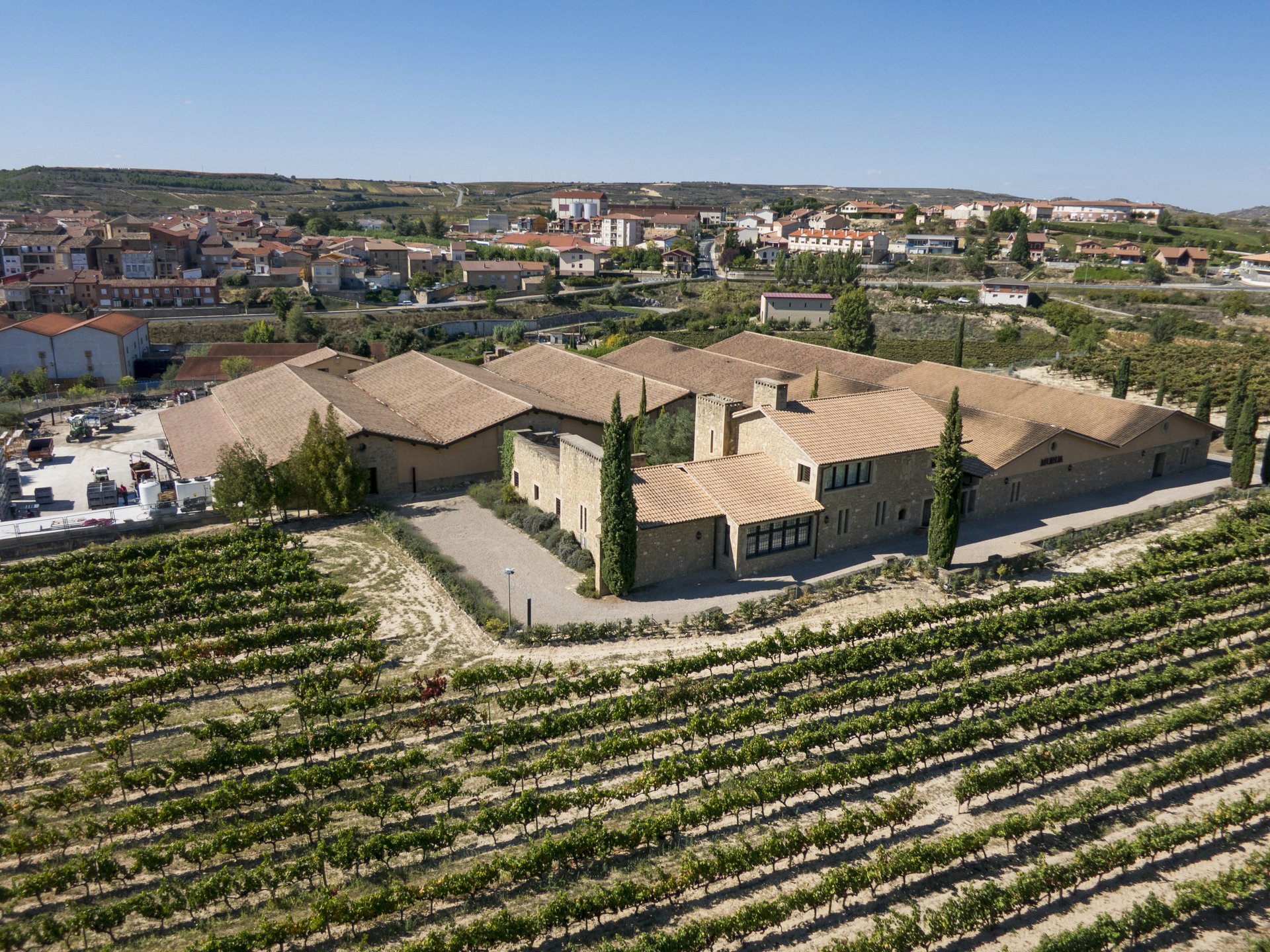
At the Vineyard
- Appellation
- Rioja Alavesa DOCa
- Varietals
- Tempranillo, Graciano, Cabernet Sauvignon, Verdejo, Sauvignon Blanc
- Tour Duration
- 90-120 minutes
- Wine Club
- Available
Planning details
Location
Recognition and awards

Also consider
Where to look if you cannot get in
If Marqués de Riscal is not workable, choose Bodegas Ysios for another architecture-forward Rioja visit, or Bodegas Baigorri if the priority is a more contemporary winery atmosphere. Both are more useful fallbacks than forcing a rushed visit here.
Winery context
How Marqués de Riscal compares in Rioja planning
Choose Marqués de Riscal when the brief is the landmark Elciego winery experience. Compared with Finca Valpiedra or Marqués de Cáceres, it is the more obvious anchor for travelers who want a high-recognition name and a strong sense of destination. The trade-off is planning: this is less suited to flexible, last-minute touring.
Bodegas Ysios is the cleaner cross-shop if architecture is the deciding factor, while Bodegas Baigorri is the stronger alternative for visitors who want a contemporary cellar feel. Campo Viejo works better as a broader, accessible Rioja name if the trip needs something easier to fit around a wider schedule.
The practical recommendation: make Marqués de Riscal the first booking if this is a once-per-trip Rioja stop. If access is tight, cross-shop Bodegas Ysios for visual impact or Bodegas Baigorri for a more modern winery atmosphere.
Around this place
Discover more on Pearl
Unlock the full Marqués de Riscal guide in Pearl, including awards, comparisons, FAQs, planning details, and nearby places.
Compare Marqués de Riscal
| Venue | Location | Awards |
|---|---|---|
| Marqués de Riscal | Elciego | Guía Repsol Soles 20262025 World's 50 Best Vineyards · #112019 World's 50 Best Vineyards · #9 |
| Finca Valpiedra | Fuenmayor | No published awards |
| Marqués de Cáceres | Cenicero | No published awards |
| Bodegas Ysios | Laguardia | 2025 World's 50 Best Vineyards · #32024 World's 50 Best Vineyards · #4 |
| Bodegas Baigorri | Samaniego | 2025 Decanter Winery Prestige |
| Campo Viejo | Logroño | No published awards |

How Marqués de Riscal Elciego compares with similar nearby venues.
FAQ
Frequently Asked Questions
Are purchase or shipping details available for Marqués de Riscal?
Does Marqués de Riscal serve food?
Food service details are not provided. If food is important to your visit, confirm directly with Marqués de Riscal before planning time in Elciego around it.
Can Marqués de Riscal handle large groups?
Large-group capacity is not provided. Groups should contact Marqués de Riscal directly before making plans, especially because the venue has recognition including Pearl 4 Star Prestige (2025) and World's 50 Best Vineyards #9 (2019).
Are membership details available for Marqués de Riscal?
Membership details are not provided. Consider any membership only after confirming the current terms directly with Marqués de Riscal and deciding whether they match how you plan to buy or visit.
What other venues can I compare with Marqués de Riscal?
Bodegas Ysios, Bodegas Baigorri, Finca Valpiedra, Marqués de Cáceres, Campo Viejo are relevant names to compare when planning a broader wine itinerary. Marqués de Riscal is the Elciego venue with Pearl 4 Star Prestige (2025) and World's 50 Best Vineyards #9 (2019) recognition.
How long should I plan for a visit to Marqués de Riscal?
Do I need a reservation at Marqués de Riscal?
Reservation requirements are not provided. Check directly with Marqués de Riscal before you go, especially if you are coordinating a specific date or group visit in Elciego.