




Ruinart
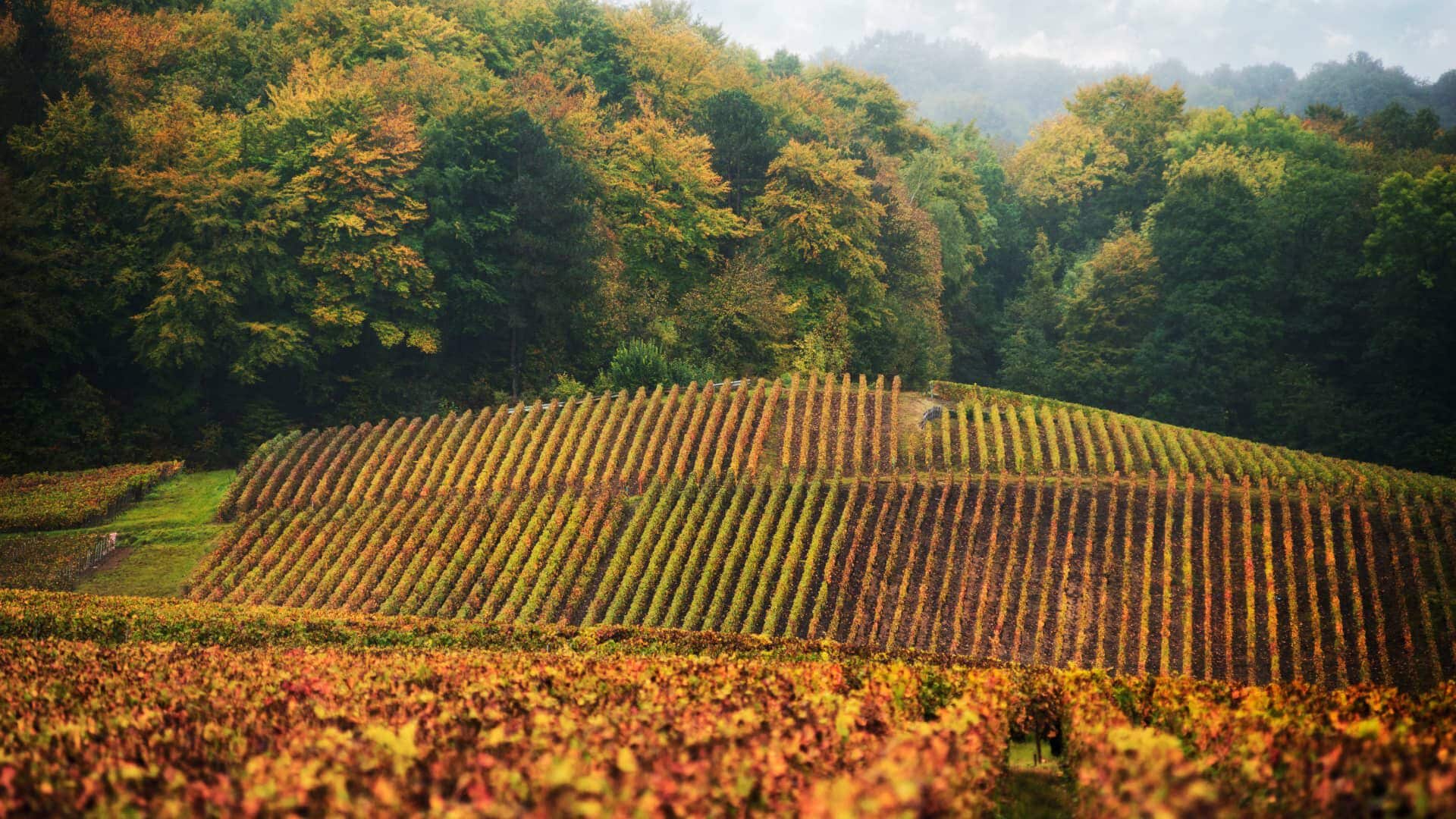
Saint-Nicaise Hill, Reims
Winery in Reims, France
 Book with Pearl
The Read
Chalk-Cave Chardonnay
Why go
Ruinart is a Champagne house on Rue des Crayères in Reims.
About Ruinart
Ruinart is a Reims venue with a strong recognition profile: Pearl 4 Star Prestige (2025) and World's 50 Best Vineyards #8 (2025). For travellers planning a visit to Reims, it is best treated as a notable stop in the city rather than as a generic add-on.
Ruinart is in Reims, the chef/owner is Frédéric Panaïotis, and the dress code is smart casual. Check current visit formats, availability, and on-site details directly before building an itinerary around the venue.
Plan the day around Ruinart, not around assumed flexibility
Use Ruinart as a fixed Reims reference point and build the rest of the day around firm plans. If the goal is a focused day in the city, pair it with another Reims venue, then keep the evening simple with a restaurant plan from Our full Reims restaurants guide. For a full weekend, use Our full Reims hotels guide and Our full Reims bars guide to avoid criss-crossing the city unnecessarily.
For comparisons within a Reims itinerary, Taittinger and Veuve Clicquot Ponsardin are natural names to consider alongside Ruinart. Ruinart is a strong pick when the trip is being planned around a prestige-led Reims stop with a smart-casual expectation.
Choose this for occasion value, not maximum flexibility
Ruinart's recognition gives it a clear occasion signal: Pearl 4 Star Prestige (2025) and World's 50 Best Vineyards #8 (2025). That makes it a sensible anchor for a polished Reims plan, especially for travellers who want a venue with notable recognition.
For a broader comparison set, consider Ruinart alongside Krug, Henriot, Lanson, Taittinger, and Veuve Clicquot Ponsardin. Plan dining separately rather than treating Ruinart as a restaurant, lunch venue, or full dining experience.
Planning details
- Location
- 4 Rue des Crayères, 51100 Reims
- Website
- ruinart.com
- Phone
- +33 3 26 77 51 51
The take
The Take
The Vibe
Ruinart reads like a chapter in Champagne history. The house’s identity is rooted in place — the eight kilometres of chalk crayères beneath Rue des Crayères form a subterranean archive that shapes both storage and story. Founded in 1729, Ruinart’s tradition-forward approach, especially its longstanding Chardonnay focus, gives the estate a classic, measured presence rather than flash. Visits center on the caves and the atmosphere they create: cool, hushed and steeped in time. The overall effect is refined and reassuringly historical, a place where terroir and technique are materially, and physically, intertwined.
Best For
Ruinart is especially compelling for people who want to connect Champagne to its physical and historical context. The site is ideal for wine education — the crayères and cellar infrastructure are presented as part of the house’s story — and for marking special occasions with a serious, heritage-driven producer. Tastings that foreground Chardonnay-led blends and prestige cuvées feel particularly appropriate here; the house’s long history and UNESCO-recognized cellars give visits a ceremonial quality that suits celebrations and deep dives alike.
Tasting Tips
Prioritize experiences that engage the cellars: the text emphasizes cave visits and the chalk galleries as the core encounter. When tasting, focus on Ruinart’s Chardonnay-led profile — blanc de blancs and the house’s prestige cuvées illustrate its stylistic throughlines. Use the cave visit as the organizing element of the experience: it provides the clearest insight into how geography, temperature and humidity shape Ruinart’s mature expressions. Keep expectations on learning and context rather than casual drinking; this is a visit for understanding provenance and method.
Venue details
Ambiance
Atmospheric underground chalk cellars with constant cool temperature, perfect humidity, and total darkness, evoking historic elegance and mystery.
Tags
Vibe
Best For
Experience
Sourcing
At the Vineyard
- Appellation
- Champagne AOC
- Varietals
- Chardonnay, Pinot Noir, Pinot Meunier
- Visits
- By appointment only
- Farming
- Sustainable
- Wine Styles
- Sparkling, Still White, Still Rose
- Wine Club
- Not available
Know before you go
Know Before You Go
- Getting there
- 4 Rue des Crayères, 51100 Reims
Planning details
Location
Recognition and awards


Also consider
Where to try if Ruinart is full
If Ruinart is not available, try Taittinger first for a classic Reims maison alternative with broad appeal. For a more collector-leaning substitute, Krug is the sharper cross-shop, assuming the group is already interested in Champagne at that level.
For a less obvious Reims backup, Henriot is the more wine-focused option, while Veuve Clicquot Ponsardin is the safer pick for guests who care most about a name they recognise.
Winery context
How Ruinart compares in Reims
Choose Ruinart over Taittinger when the visit is meant to feel more occasion-led and less like the standard first Champagne stop. Taittinger is the easier recommendation for visitors who want a classic Reims house experience with broad appeal; Ruinart is the stronger fit when heritage, polish, and scarcity matter more than flexibility.
Against Krug and Henriot, Ruinart sits in the middle of the decision. Krug is the more collector-facing choice, better for guests who already know the house style they are chasing. Henriot is a cleaner cross-shop for a quieter, wine-focused Reims plan. Ruinart works better for a celebration where the experience needs to read as prestigious without becoming too niche.
Lanson and Veuve Clicquot Ponsardin are better backup options when the group is larger or brand familiarity matters more than appointment scarcity. Veuve Clicquot has broader name recognition; Lanson can make sense when the itinerary needs another major-house contrast. If only one Reims maison gets the prime slot, Ruinart is the higher-conviction pick for a polished special occasion.
Around this place
Discover more on Pearl
Unlock the full Ruinart guide in Pearl, including awards, comparisons, FAQs, planning details, and nearby places.
Compare Ruinart
| Venue | Location | Awards |
|---|---|---|
| Ruinart | Reims | 2026 Falstaff Winery Guide2025 World's 50 Best Vineyards · #82025 Pearl 4 Star Prestige2024 World's 50 Best Vineyards · #62023 World's 50 Best Vineyards · #222022 World's 50 Best Vineyards · #332020 World's 50 Best Vineyards · #442019 World's 50 Best Vineyards · #46 |
| Taittinger | Reims | 2026 Falstaff Winery Guide2025 World's 50 Best Vineyards · #502025 Pearl 4 Star Prestige2022 World's 50 Best Vineyards · #152021 World's 50 Best Vineyards · #132020 World's 50 Best Vineyards · #28 |
| Krug | Reims | 2026 Falstaff Winery Guide2025 Pearl 5 Star Prestige |
| Henriot | Reims | 2026 Falstaff Winery Guide2025 Pearl 4 Star Prestige |
| Lanson | Tours-sur-Marne | 2026 Falstaff Winery Guide2025 Pearl 3 Star Prestige |
| Veuve Clicquot Ponsardin | Reims | 2025 World's 50 Best Vineyards · #512025 Pearl 3 Star Prestige2023 World's 50 Best Vineyards · #462019 World's 50 Best Vineyards · #38 |
How Ruinart Reims compares with similar nearby venues.
FAQ
Frequently Asked Questions
What recognition does Ruinart have?
Ruinart is Pearl 4 Star Prestige (2025) and World's 50 Best Vineyards #8 (2025), giving it a strong prestige profile for visitors to Reims.
Does Ruinart serve food?
Approach Ruinart as a venue in Reims rather than as a meal plan, and arrange any dining separately with other Reims dining options.
When is the best time to visit Ruinart?
Who is associated with Ruinart?
The chef/owner associated with Ruinart is Frédéric Panaïotis. Ruinart is also Pearl 4 Star Prestige (2025) and World's 50 Best Vineyards #8 (2025).