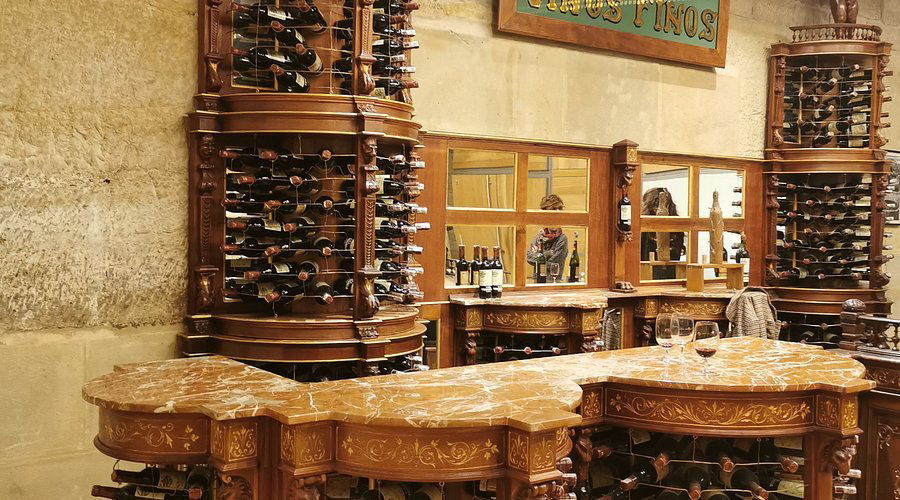


López de Heredia (Viña Tondonia)
Barrio de la Estación, Haro
Winery in Haro, Spain
 Book with Pearl
The Read
Oxidative Long-Ageing Tradition
Why go
Book López de Heredia (Viña Tondonia) if traditional Rioja is the point of the trip. It is the serious, high-effort Haro choice for wine travelers who value heritage, cellar depth, and benchmark producer context over easy logistics. For a more flexible day, compare it with nearby Haro wineries before anchoring the itinerary here.
About López de Heredia (Viña Tondonia)
Is López de Heredia (Viña Tondonia) worth visiting? It can be, especially for travelers planning a Haro itinerary around highly recognized venues. The draw is its standing: Pearl 4 Star Prestige (2025) and World's 50 Best Vineyards #3 (2019).
For the smoothest plan, treat the visit as one part of a broader Haro day rather than relying on assumptions about format, availability, or services. Dress smart casual, and confirm any visit details directly before you go.
For comparison planning, Haro also has other well-known names to consider, including Bodegas Muga, Bodegas Roda, CVNE (Cune), La Rioja Alta, and Ramón Bilbao. López de Heredia (Viña Tondonia) stands out in this set for its recognition, but the right choice depends on what each venue confirms for your dates.
Choose this for a recognized Haro stop
The strongest reason to prioritize López de Heredia (Viña Tondonia) is recognition. Pearl lists it as 4 Star Prestige for 2025, and World's 50 Best Vineyards ranked it #3 in 2019.
That makes it a serious candidate for travelers who want a Haro stop with confirmed critical standing. Beyond that, avoid building plans around assumptions about structure, group handling, pricing, or timing; check those details directly with the venue.
Who should prioritize it in Haro
Prioritize it if you are building a Haro itinerary around recognized venues and want López de Heredia (Viña Tondonia) on that list. It is also a sensible pick for travelers who value confirmed accolades when choosing where to spend limited time.
If your schedule depends on specific services, formats, or availability, confirm those practical details before committing the day. For a broader Haro plan, compare it with Bodegas Muga, Bodegas Roda, CVNE (Cune), La Rioja Alta, Ramón Bilbao, and other options in Haro.
Planning details
- Location
- Av. Vizcaya, 3, 26200 Haro, La Rioja
- Website
- lopezdeheredia.com
- Phone
- +34 941 31 02 44
The take
The Take
The Vibe
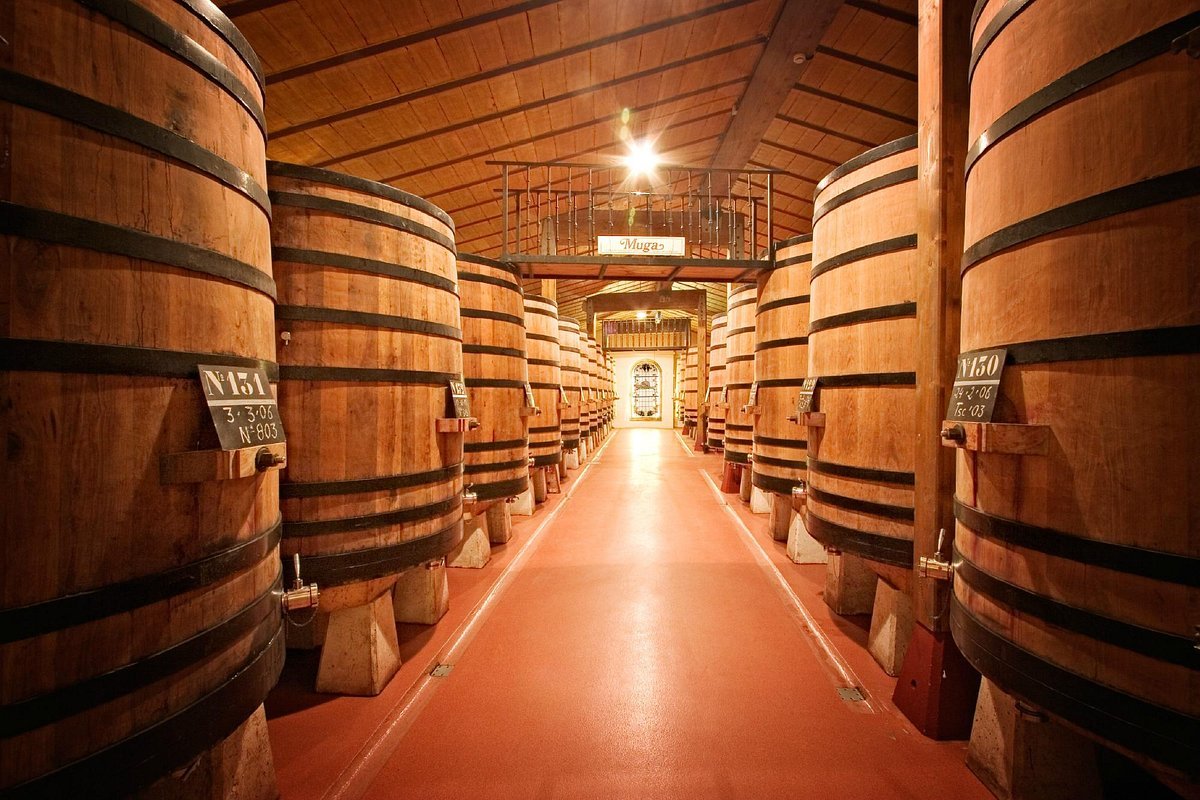
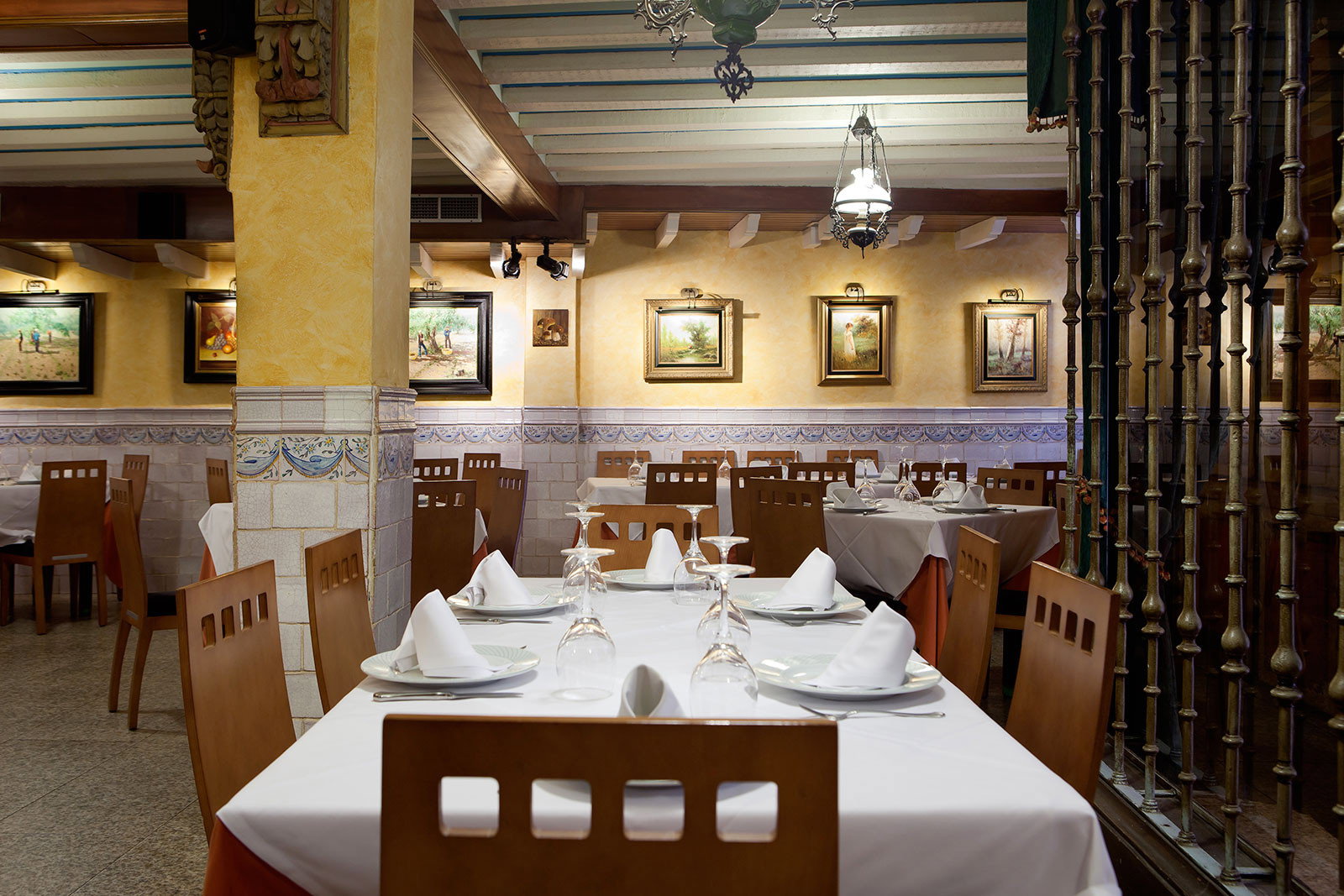
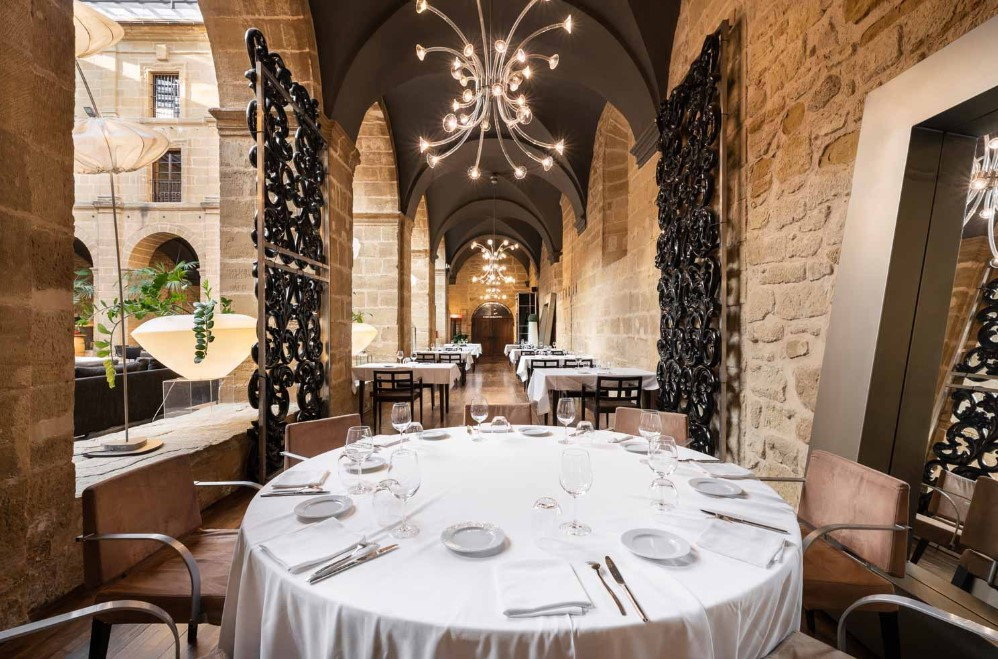
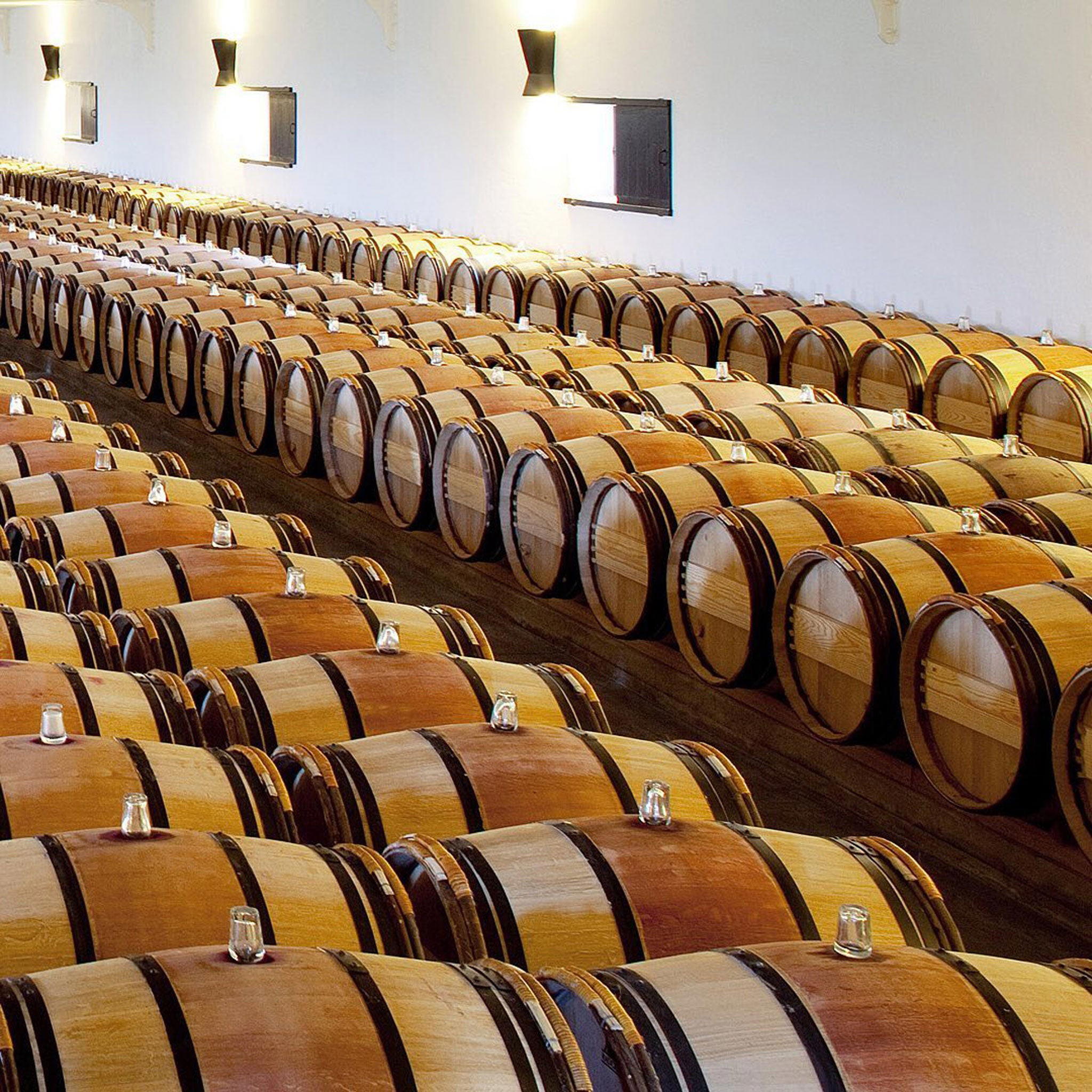
López de Heredia moves at its own pace: the writing emphasizes stillness and weighty tradition rather than bustle. Approaching the Barrio de la Estación on a quiet weekday, you encounter thick stone walls, barrel-filled corridors and the faint, persistent scent of old oak. The architecture and cellar spaces condition a contemplative, almost reverent mood; everything here is calibrated to slow time rather than speed it up. The winery’s prolonged aging programme reinforces that temperament, making visits feel like a study in patience and craft rather than a commercial tasting stop.
Best For
This is a place for people who want to understand wine as a long conversation rather than a single statement. The cellar- and barrel-focused narrative makes López de Heredia especially well suited for serious wine education and study: tastings that emphasize development, age and technique reveal the winery’s defining philosophy. The quietness of the Barrio de la Estación also makes the visit rewarding for solitary, contemplative exploration—visitors who want to absorb history, architecture and the slow craft of Rioja winemaking rather than a busy social scene.
Tasting Tips
Plan to engage with the winery’s temporal story: ask specifically about the aging timeline and request pours that illustrate different stages of development, especially the Tondonia Reserva and Gran Reserva tiers discussed in the text. Visiting on a weekday or at a quieter time amplifies the cellar’s atmosphere and allows for a closer look at the barrel hall and cellars. Expect wines shaped by extended time in American oak and bottle aging rather than immediate fruit-driven profiles; favor comparative tastings that highlight age and structure so you can experience what sets López de Heredia apart.
Venue details
Ambiance
Timeless and historic atmosphere in vast underground cellars with aged oak barrels, blending tradition with subtle modern touches.
Tags
Vibe
Best For
Experience
View
At the Vineyard
- Appellation
- Rioja Alta DOCa
- Varietals
- Tempranillo, Garnacha, Graciano, Mazuelo, Viura
- Tour Duration
- 60-90 minutes
- Visits
- By appointment only
- Wine Styles
- Still Red, Still White, Still Rose
- Wine Club
- Not available
Know before you go
Know Before You Go
- Getting there
- Av. Vizcaya, 3, 26200 Haro, La Rioja
Planning details
Location
Recognition and awards


Also consider
Also Consider
- La Rioja Alta, Notable alternative
- Bodegas Roda, Notable alternative
- Bodegas Muga, Notable alternative
- CVNE (Cune), Notable alternative
- Ramón Bilbao, Notable alternative
Winery context
How it compares in Haro
López de Heredia (Viña Tondonia) is the high-effort, high-context choice in Haro. Choose it when the priority is traditional Rioja and producer depth. La Rioja Alta is the cleaner cross-shop for travelers who want another classic Haro name with a similarly serious Rioja frame, while CVNE (Cune) makes sense for visitors who want a major historic producer without building the whole day around one hard-to-secure stop.
For a more contemporary-feeling comparison, look at Bodegas Roda. It is the better fit if the group wants modern Rioja positioning and a less old-school lens. Bodegas Muga is the practical all-rounder to consider when the group includes both serious wine drinkers and people who mainly want a strong Haro winery experience without going too narrow.
If value means ease, flexibility, and a lower planning burden, Ramón Bilbao may be the smarter backup. If value means access to one of Rioja's defining traditional names, López de Heredia is worth the extra effort, but only for travelers who will appreciate why that context matters.
Around this place
Discover more on Pearl
Unlock the full López de Heredia (Viña Tondonia) guide in Pearl, including awards, comparisons, FAQs, planning details, and nearby places.
Compare López de Heredia (Viña Tondonia)
| Venue | Location | Awards |
|---|---|---|
| López de Heredia (Viña Tondonia) | Haro | 2026 Falstaff Winery Guide2025 World's 50 Best Vineyards · #152019 World's 50 Best Vineyards · #3 |
| La Rioja Alta | Haro | 2026 Falstaff Winery Guide |
| Bodegas Roda | Haro | 2026 Falstaff Winery Guide |
| Bodegas Muga | Haro | 2026 Falstaff Winery Guide2025 World's 50 Best Vineyards · #532024 World's 50 Best Vineyards · #232023 World's 50 Best Vineyards · #49 |
| CVNE (Cune) | Haro | No published awards |
| Ramón Bilbao | Haro | 2026 Falstaff Winery Guide |
How López de Heredia (Viña Tondonia) Review, Haro compares with similar nearby venues.
FAQ
Frequently Asked Questions
Do I need a reservation at López de Heredia (Viña Tondonia)?
If you want to visit López de Heredia (Viña Tondonia) in Haro, confirm availability and booking details directly with the venue before planning around it.
When is the best time to visit López de Heredia (Viña Tondonia)?
What is about López de Heredia (Viña Tondonia)?
The details here are its location in Haro, smart-casual dress guidance, Pearl 4 Star Prestige recognition for 2025, and World's 50 Best Vineyards #3 ranking in 2019.