




Château Margaux
Margaux
Winery in Margaux, France
 Book with Pearl
The Read
1855 First Growth Precision
Why go
Château Margaux is a classified First Growth wine estate in Margaux-Cantenac, Bordeaux.
About Château Margaux
Verdict
Getting meaningful access here is close to a prize allocation, so treat Château Margaux as a high-effort wine visit rather than a casual Médoc stop. In Margaux, the smarter decision is to pursue it if the point is prestige, history, and benchmark first-growth context; if the point is a more attainable winery day with easier planning, cross-shop Château Desmirail, Château Durfort-Vivens, or Château Ferrière first.
The recent hook is the 2025 Pearl 5 Star Prestige recognition, which puts the estate in the rare category where the visit is less about checking off another tasting and more about deciding whether the effort matches the access. For someone who has already been once, the next move should be more focused: look at allocation value, vintage context, and how the estate compares with other Margaux addresses instead of trying to turn the day into a broad winery crawl.
Portrait
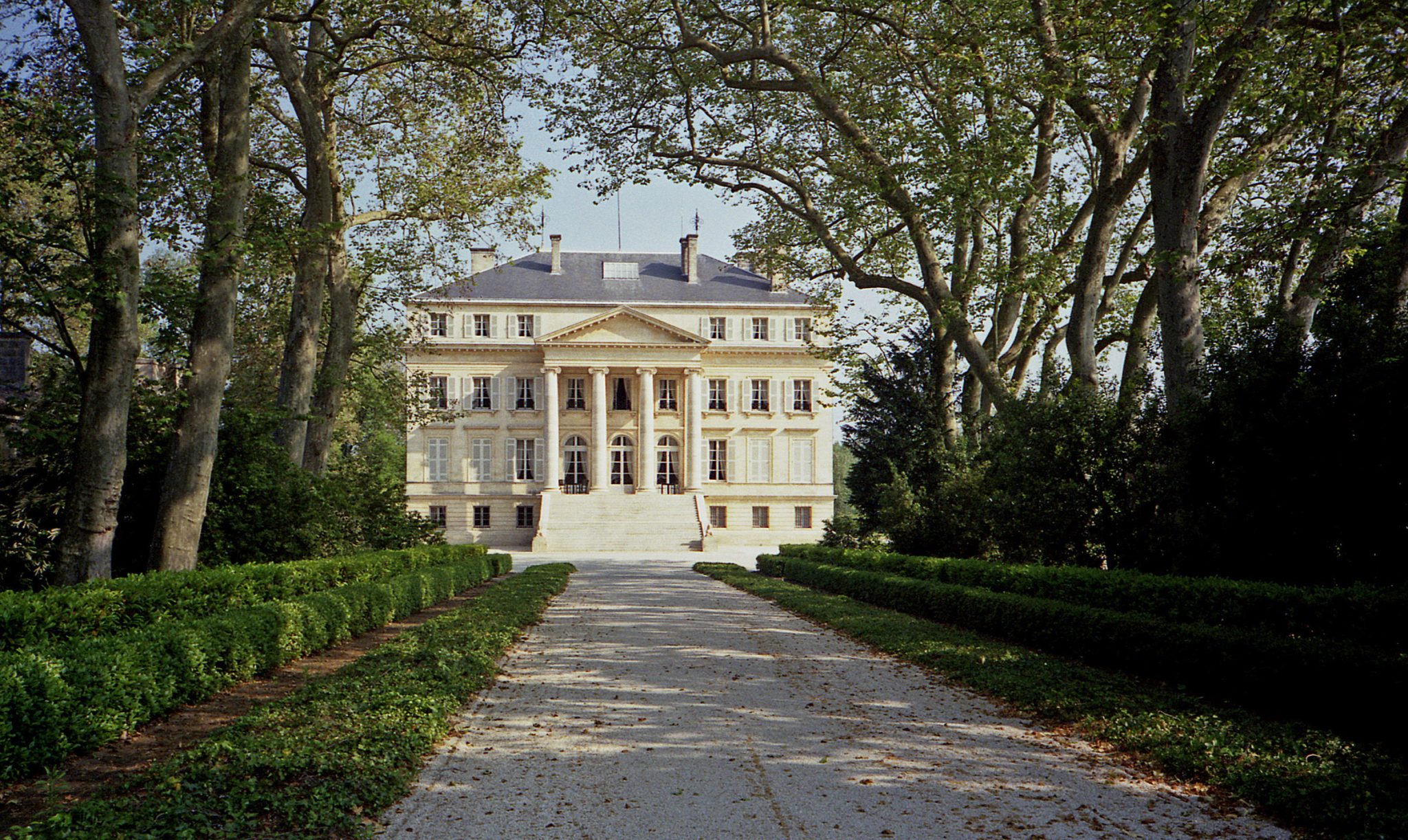
Margaux is one of Bordeaux’s decision-heavy wine villages: short distances, famous names, and a huge spread between estates that are viable for regular visitors and estates that function more like reference points. Château Margaux sits at the prestige end of that range, with Philippe Bascaules listed as winemaker and a Pearl 5 Star Prestige rating for 2025. The setting matters because the estate is defined by more than the bottle: the database notes the tree-lined boulevard and Neo-Palladian manor house built by Louis Combes in the early nineteenth century. That architectural formality is part of the reason this is not an interchangeable cellar-door stop.
For wine-club or allocation-minded buyers, the question is not whether the name carries weight. It does. The better question is whether any access model available to the reader offers enough practical value versus buying through established retail or auction channels. The venue data does not provide public pricing, membership terms, release volumes, or website booking details, so do not assume a conventional wine club in the New World sense. If the offer is access to estate-linked bottles, provenance, or priority information, it may be worth pursuing. If the offer is mainly branding with limited visibility on price and delivery, compare it against other French estates with clearer visit or purchase pathways, such as Château Simone in Meyreuil, Domaine François Lamarche in Chablis, and Maison Joseph Drouhin in Beaune.
Do not plan this like a flexible tasting-room afternoon. Booking difficulty is listed as Near Impossible, and the record does not provide public hours, phone, or website. That means the practical play is to build a Margaux day with alternatives already chosen. Château Lascombes and Château Marquis-de-Terme are relevant peer names to keep on the same shortlist, while Our full Margaux wineries guide is the safer starting point if availability is the deciding factor. For broader planning, use Our full Margaux restaurants guide, Our full Margaux hotels guide, Our full Margaux bars guide, and Our full Margaux experiences guide to avoid overcommitting the day to one uncertain appointment.
Ratings
- Pearl rating: Pearl 5 Star Prestige (2025).
- Trust signal: The estate record identifies Philippe Bascaules as winemaker.
- Setting cue: Neo-Palladian manor house by Louis Combes, reached by a tree-lined boulevard.
Booking
Assume access is difficult and plan around that. With no public hours, phone, or website in the venue record, this is not a reliable last-minute addition to a Bordeaux itinerary. If access does come through, keep the rest of the day light rather than stacking tight appointments nearby.
Know Before You Go
- Address: 33460 Margaux-Cantenac, Margaux, France.
- Booking difficulty: Near Impossible.
- Price range: Not listed in the venue record.
- Food: No cuisine type or dining program is listed in the venue record.
- Time needed: The record does not publish visit length or hours, so allow flexible time if access is confirmed.
- Good fallback plan: Build a second shortlist in Margaux before traveling.
How It Compares
Choose Château Margaux when the value is prestige and context, not convenience. Compared with Château Desmirail, Château Durfort-Vivens, and Château Ferrière, it is the harder target and the less practical anchor for a first Margaux visit.
If the goal is a smoother day, Château Lascombes and Château Marquis-de-Terme belong on the same planning list. If the goal is architecture-led wine travel beyond Bordeaux, compare the pull of this estate with Bodegas Ysios in Laguardia. If the goal is visitor-friendly New World winery access, Cakebread Cellars in Rutherford is the more practical comparison.
FAQ
What is the flagship wine at Château Margaux?
The flagship reference is Château Margaux itself, the estate’s grand vin. For a return visitor, the more useful question is vintage and provenance rather than name recognition, because the estate’s prestige is already established by its 2025 Pearl 5 Star Prestige rating.
Is the wine club at Château Margaux worth joining?
Only if the terms give clear access, provenance, and pricing transparency. The venue record does not list a public wine club, website, or pricing, so do not value it like a typical direct-to-consumer membership; compare any offer against retail access and other estate programs first.
How long should I plan for a visit to Château Margaux?
Plan flexibly rather than tightly. The venue record does not publish hours or visit length, and the booking difficulty is Near Impossible, so avoid scheduling a fixed restaurant or another winery immediately after any confirmed access.
What other wineries are near Château Margaux?
Start with Margaux peers: Château Desmirail, Château Durfort-Vivens, Château Ferrière, Château Lascombes, and Château Marquis-de-Terme. They are more useful backup options than distant estates if the day is based in Margaux-Cantenac.
When is the ideal time to visit Château Margaux?
Go when access is confirmed, not when the calendar looks ideal. Without published hours in the record, availability matters more than season; build the trip around confirmed appointments across Margaux rather than a single target.
Does Château Margaux serve food?
Do not assume a food program. The venue record lists no cuisine type, chef, or dining details, so plan meals separately using the Margaux restaurant guide.
Do I need a reservation at Château Margaux?
Yes, assume advance access is required. With Near Impossible booking difficulty and no public contact details listed in the record, this is not a walk-in winery stop.
Pearl Picks
- Book if: prestige, estate context, and first-growth reference value justify the effort.
- Skip if: the priority is easy tasting access or a predictable winery schedule.
- Pair with: one confirmed Margaux peer and a separate lunch plan.
Planning details
- Location
- 33460 Margaux-Cantenac
- Website
- chateau-margaux.com
- Phone
- +33 5 57 88 83 83
The take
The Take
The Vibe
Château Margaux reads like an argument in stone: a Neo-Palladian manor house and a long, tree-lined approach set a tone of historical gravity before a bottle is opened. The estate’s architecture and axial symmetry communicate the rank and restraint of a Premier Grand Cru Classé, while the vineyard’s gravel-rich soils and Cabernet Sauvignon–dominant blends emphasize perfume and texture over brute power. Visitors encounter a storied example of Médoc taste—grand in scale but refined in expression—where built form and wine style reinforce one another in a quietly monumental way.
Best For
This estate is naturally suited to special-occasion visits and serious study of Médoc identity. As the appellation’s sole Premier Grand Cru Classé, Château Margaux functions as both a destination for celebration and a reference point for wine education: its history, classification, and stylistic emphasis on aromatic finesse make it relevant for critics, collectors, and students of terroir alike. The setting—formal, architecturally significant grounds—encourages measured, attentive tasting rather than casual drop-ins, so plan visits with the intent to linger and to engage with the estate’s place in Bordeaux history.
Tasting Tips
When seeking out Château Margaux, prioritize the estate’s Cabernet Sauvignon–dominant blends, which the description highlights for their perfume and texture rather than sheer density. Ask about the influence of Margaux’s gravel-rich soils over clay and seek recent critical notes—such as the 2025 EP Club Pearl 5 Star Prestige recognition—to contextualize a bottle’s standing. In conversation with estate staff or merchants, focus on aromatics, balance, and the wine’s place within the 1855 Classification to appreciate why Margaux’s style differs from Pauillac’s more muscular profile.
Venue details
Ambiance
Opulent and elegant with neoclassical architecture, evoking timeless sophistication and historic grandeur.
Tags
Vibe
Best For
Experience
View
At the Vineyard
- Appellation
- Margaux AOC
- Varietals
- Cabernet Sauvignon, Merlot, Cabernet Franc, Petit Verdot, Sauvignon Blanc
- Tour Duration
- 60-90 minutes
- Wine Club
- Available
Know before you go
Know Before You Go
- Getting there
- 33460 Margaux-Cantenac
Planning details
Location


Winery context
How It Compares
Château Margaux is the prestige play in this Margaux set, with a Pearl 5 Star Prestige rating in 2025 and a setting anchored by its early nineteenth-century Neo-Palladian manor house. Against Château Desmirail, Château Durfort-Vivens, and Château Ferrière, it is the harder booking and the less flexible choice, but it carries stronger trophy value for collectors and return visitors.
For a smoother Margaux day, Château Lascombes and Château Marquis-de-Terme are better cross-shops because they keep the focus local without making the entire itinerary depend on one Near Impossible appointment. If value means confirmed access and a relaxed schedule, start there before chasing Château Margaux.
If the comparison is broader than Bordeaux, Château Margaux competes on heritage and scarcity rather than visitor convenience. Bodegas Ysios in Laguardia is a stronger architecture-led travel comparison, while Cakebread Cellars in Rutherford is the easier winery-access comparison for travelers who want a more predictable plan.
Explore Margaux
Around this place
Discover more on Pearl
Unlock the full Château Margaux guide in Pearl, including awards, comparisons, FAQs, planning details, and nearby places.
FAQ
Frequently Asked Questions
What is the flagship wine at Château Margaux?
The flagship wine is Château Margaux, the estate’s grand vin. If the goal is to judge the visit, focus on vintage and provenance rather than just the name, since this is one of Margaux’s most sought-after labels.
Is the wine club at Château Margaux worth joining?
Only if the membership gives clear access to the estate’s wines or allocation terms you actually want. The record lists Philippe Bascaules as winemaker and gives no public website or phone, so this is not a casual sign-up decision.
How long should I plan for a visit to Château Margaux?
Plan flexibly, not as a quick stop. With no hours in the record and Pearl 5 Star Prestige (2025) attached to the estate, this is a visit that should be scheduled around confirmed access rather than squeezed into a tight itinerary.
What other wineries are near Château Margaux?
Start with Château Desmirail, Château Durfort-Vivens, Château Ferrière, Château Lascombes, and Château Marquis-de-Terme. They are the most sensible nearby comparisons if you want a Margaux day built around easier access or a less formal commitment.
When is the best time to visit Château Margaux?
Go when access is confirmed, not when the calendar looks convenient. In Margaux, timing matters less than booking success, and the estate’s 33460 Margaux-Cantenac address suggests planning the rest of the day around a fixed appointment.
Does Château Margaux serve food?
Do not plan on a meal here. The venue record lists no cuisine type, so arrange food separately in Margaux and treat the estate as a wine-focused stop rather than a dining one.
Do I need a reservation at Château Margaux?
Yes, assume advance arrangements are required. With no public phone or website in the record and Pearl 5 Star Prestige (2025) attached to the estate, this is not a walk-up visit.