

Viña VIK
Millahue, San Vicente De Tagua Tagua
Winery in San Vicente De Tagua Tagua, Chile
 Book with Pearl
The Read
Terroir-Integrated Estate
Why go
Viña VIK is a winery in Chile's Millahue Valley near San Vicente de Tagua Tagua.
About Viña VIK
Verdict
Availability is the first filter here: with booking difficulty marked Near Impossible, Viña VIK is worth pursuing for a special occasion only if the date can flex. In Chile’s serious winery-hotel set, this is the high-design, high-drama choice rather than the easy-value stop, backed by Pearl 4 Star Prestige recognition in 2025 and a setting at Rincon de Millahue SN in San Vicente de Tagua Tagua. If the goal is a lower-friction tasting day, cross-shop Viña Casa Silva in San Fernando or Viña Undurraga in Talagante before committing travel time.
Portrait
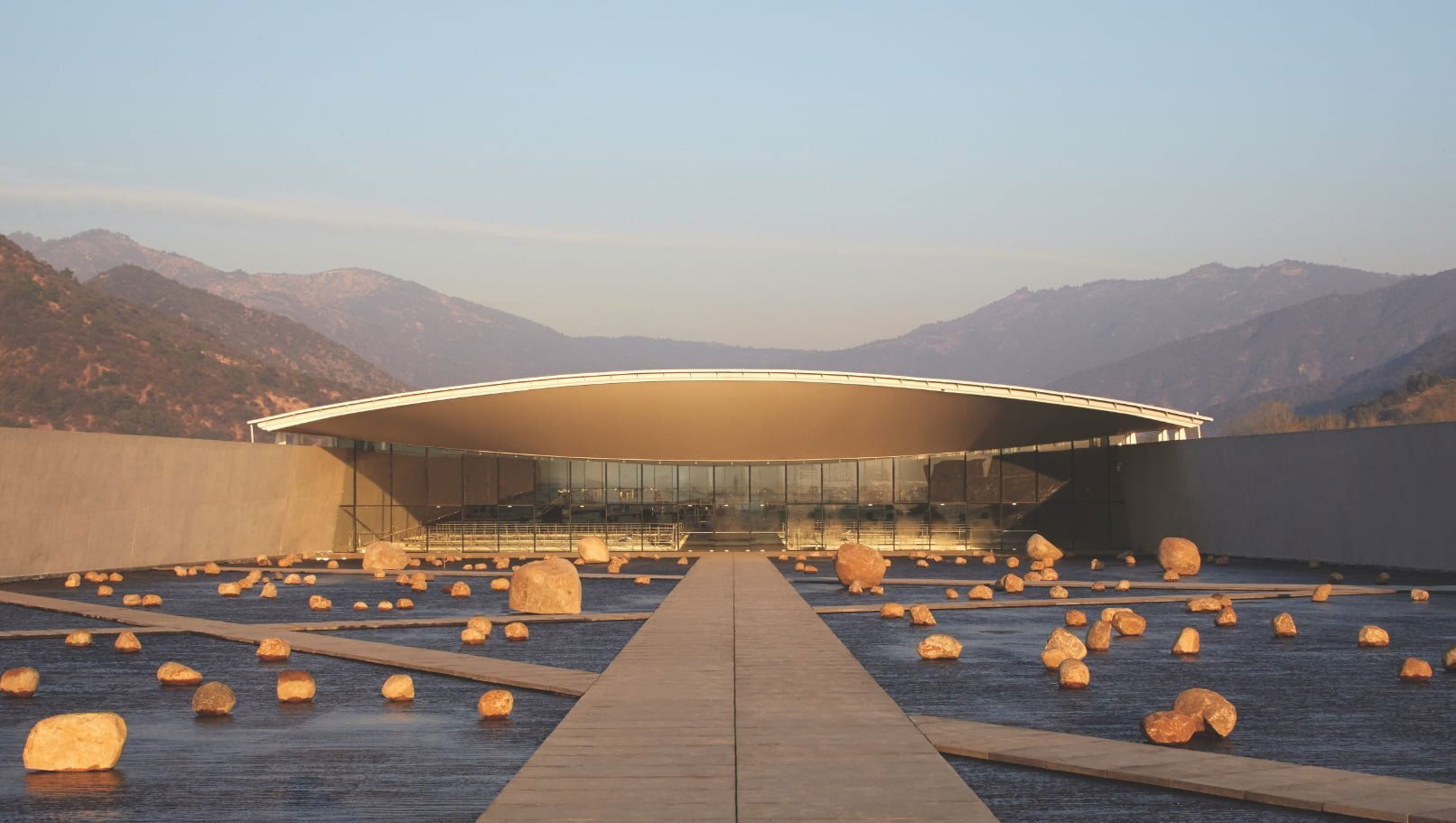
The reason to choose this over a simpler winery visit is the total occasion package: Andes backdrop, a titanium and bronze roof, and art-led interiors are all part of the experience, so the value calculation is not just the bottle in the glass. For an anniversary, client trip, or wine-focused celebration, that matters. No public price range, hours, phone number, website, shipping policy, or wine-club detail is available, so treat this as a planned anchor rather than a casual add-on.
Price-to-quality is harder to judge without published tariff data, but the recommendation is still clear: Viña VIK makes sense when the setting and design carry value for the group. If the only priority is tasting as many Chilean producers as possible in one day, it is an inefficient choice. If the priority is one memorable booking with a strong visual identity and a Prestige-level Pearl rating, it earns the effort. For broader planning, use Our full San Vicente De Tagua Tagua wineries guide, then check Our full San Vicente De Tagua Tagua hotels guide if staying nearby changes the itinerary.
Timing should be built around weather and daylight rather than walk-in convenience. The Andes setting is part of the appeal, so daytime is the safer call for first-timers, especially for a celebration where arrival, views, and pacing matter. Hours are not available, so avoid stacking this tightly with other fixed appointments. If the day needs multiple stops, compare it with El Gobernador (Miguel Torres Chile) in Curicó, Viña Valdivieso in Lontué, and Viña De Martino in Isla de Maipo for a more route-driven plan.
Ratings
The key trust signal is Pearl 4 Star Prestige (2025). That places it in the serious special-occasion tier, but not as an automatic choice for every wine traveler. The right guest is paying attention to architecture, setting, and the full winery-hotel mood as much as labels and tasting-room efficiency.
Booking
Treat reservations as mandatory. The booking difficulty is Near Impossible, and no phone or website is listed, so do not assume same-day access or easy group coordination. For larger parties, the conservative answer is to confirm directly through an official channel before planning transport; without confirmed capacity, large groups should not build the day around assumed availability.
Practical
The address is Rincon de Millahue SN, 2970000 San Vicente de Tagua Tagua, O'Higgins. Because hours are unavailable, plan a generous window and avoid scheduling a second high-stakes reservation immediately after. For nearby decision support beyond wineries, see Our full San Vicente De Tagua Tagua restaurants guide, Our full San Vicente De Tagua Tagua bars guide, and Our full San Vicente De Tagua Tagua experiences guide.
Comparison
Compared with Viña Seña in Panquehue, this is the more design-forward special-occasion bet; Seña is the cleaner cross-shop for collectors who want the wine reputation to lead the decision. Compared with Viña Ventisquero in Santiago, Viña VIK asks for more planning and likely more travel commitment, but gives a stronger destination feel. Compared with Viña Falernia in Vicuña, it is less about remote-region exploration and more about a polished occasion near San Vicente de Tagua Tagua.
Pearl Picks
If this is unavailable, cross-shop Viña Casa Silva for a nearby San Fernando option, Viña Undurraga for a more accessible classic Chile itinerary, or Viña Seña when the wine name should lead the trip. For an architecture-led international comparison, see Bodegas Ysios in Laguardia; for a Napa benchmark, see Cakebread Cellars in Rutherford.
Planning details
- Location
- Rincon de Millahue SN, 2970000 San Vicente de Tagua Tagua, O'Higgins
- Website
- vikwine.com
- Phone
- +56 9 7613 2253
The take
The Take
The Vibe
Viña VIK presents itself as a purpose-built estate where architecture and place are inseparable from the wines. The property is sited in a bowl of Millahue terrain defined by Andean runoff and strong diurnal swings; that geographical specificity drives a deliberate, limited production ethos. Arriving at the winery reads like an introduction to the project — the built environment signals intent before a glass is poured — and the estate’s Pearl 4 Star Prestige recognition underlines its serious, high-end stance. Overall the tone is focused and aspirational, emphasizing terroir, craft and design as coequal parts of the experience.
Best For
This is a destination for visitors who come to study terroir, celebrate milestone moments or stage an intimate escape. The write-up highlights the estate’s role in a broader terroir conversation and its international recognition, which makes it a natural fit for wine-education visits and special-occasion itineraries. The dramatic siting and architecture also make the property well suited to a romantic getaway where the setting is part of the draw. Service and hospitality details aren’t enumerated, but the emphasis on estate-driven, site-specific wine suggests a tasting-focused visit.
Venue details
Ambiance
Luxurious and serene with natural light reflecting off water features, creating an elegant and artistic atmosphere amid untouched landscapes.
Tags
Vibe
Best For
Experience
Sourcing
View
At the Vineyard
- Appellation
- Cachapoal Valley
- Varietals
- Cabernet Sauvignon, Cabernet Franc, Carmenere, Syrah, Merlot
- Tour Duration
- more than 3 hours
- Wine Club
- Not available
Know before you go
Know Before You Go
- Getting there
- Rincon de Millahue SN, 2970000 San Vicente de Tagua Tagua, O'Higgins
Planning details
Location
Rincon de Millahue SN, 2970000 San Vicente de Tagua Tagua, O'Higgins · Directions
Recognition and awards


Winery context
How It Compares
Viña VIK is the splurge-leaning, design-led choice in the San Vicente de Tagua Tagua area: Pearl 4 Star Prestige, Andes backdrop, and a titanium and bronze roof make the experience feel more like a destination hotel-winery than a simple tasting room. The catch is access. With booking difficulty marked Near Impossible and no verified public price range in the record, it is a stronger fit for celebrations than for travelers trying to optimize spend across several tastings.
Viña Casa Silva in San Fernando is the more practical nearby cross-shop if the group wants a Chilean winery day with less planning pressure. El Gobernador (Miguel Torres Chile) in Curicó and Viña Valdivieso in Lontué suit a route-based itinerary better, especially if the priority is covering more ground rather than building the day around one difficult booking.
For higher-recognition wine cross-shopping, Viña Seña in Panquehue is the better comparison when the bottle reputation leads the decision. For easier city-linked logistics, Viña Undurraga in Talagante, Viña De Martino in Isla de Maipo, and Viña Ventisquero in Santiago are better candidates. Choose Viña VIK when the occasion justifies the effort; choose the others when value means access, timing, and itinerary control.
Explore San Vicente De Tagua Tagua
Around this place
Discover more on Pearl
Unlock the full Viña VIK guide in Pearl, including awards, comparisons, FAQs, planning details, and nearby places.
FAQ
Frequently Asked Questions
Can Viña VIK handle large groups?
Probably only if the group is arranged well in advance, because Viña VIK is a special-occasion venue in Rincon de Millahue SN, San Vicente de Tagua Tagua. With Pearl 4 Star Prestige (2025), it reads as a place for planned visits, not spontaneous crowd-sized drop-ins.
When is the best time to visit Viña VIK?
Plan for clear weather if the Andes backdrop is part of the reason for going, since that setting is a major part of the appeal. For the smoothest experience, avoid last-minute timing and build around a reserved slot, especially with no hours available.
Does Viña VIK ship wine?
Do not assume shipping is automatic here, since no website or phone is listed. If shipping matters, confirm terms before traveling to San Vicente de Tagua Tagua so the visit does not turn into a dead end.
Is the wine club at Viña VIK worth joining?
Only if repeat access to this specific winery matters to you, because the value case here is about the location and full experience at Rincon de Millahue SN. For casual buyers, a broader Chile-focused winery club is usually easier to justify than tying yourself to one remote stop.
What other wineries are near Viña VIK?
Viña Casa Silva is the nearest practical cross-shop in the San Fernando area, and Viña Undurraga works better if you want a more accessible classic Chile itinerary. Viña Seña in Panquehue is the closer comparison for collectors who care more about design and prestige signaling than convenience.
Do I need a reservation at Viña VIK?
Yes, treat a reservation as mandatory. The booking difficulty is marked Near Impossible, and no phone or website is listed, so this is not a venue to chance on arrival.
How long should I plan for a visit to Viña VIK?
Plan a generous half-day rather than a quick stop, because the address at Rincon de Millahue SN points to a destination visit. The Andes setting, titanium and bronze roof, and art-led interiors are part of the draw, so rushing through would waste the point of going.