



Château Smith Haut Lafitte
Martillac
Winery in Martillac, France
 Book with Pearl
The Read
Biodynamic Grand Cru Viticulture
Why go
Château Smith Haut Lafitte is a wine estate in Martillac in the Pessac-Léognan appellation.
About Château Smith Haut Lafitte
Verdict
Budget is the first constraint here: published tasting or dining pricing is not available in the venue record, so treat Château Smith Haut Lafitte as a high-planning special-occasion winery rather than a casual drop-in. In Martillac and the wider Bordeaux orbit, the reason to prioritize it is the combination of Grand Cru Classé status, biodynamic production, and Pearl 4 Star Prestige recognition for 2025; the reason to hesitate is access, because booking difficulty is listed as near impossible.
Martillac sits in the Graves/Pessac-Léognan conversation rather than the more label-chasing Médoc day-trip circuit, which makes the decision sharper: come here if the physical estate, cellar credibility, and celebration setting matter as much as the bottle. The recorded address places the winery at Château Smith Haut Lafitte, 33650 Martillac, so it fits better into a planned wine-country day than a spontaneous city add-on. For broader planning, start with our full Martillac wineries guide, then cross-check meals, stays, and drinks through our full Martillac restaurants guide, our full Martillac hotels guide, and our full Martillac bars guide.
Portrait
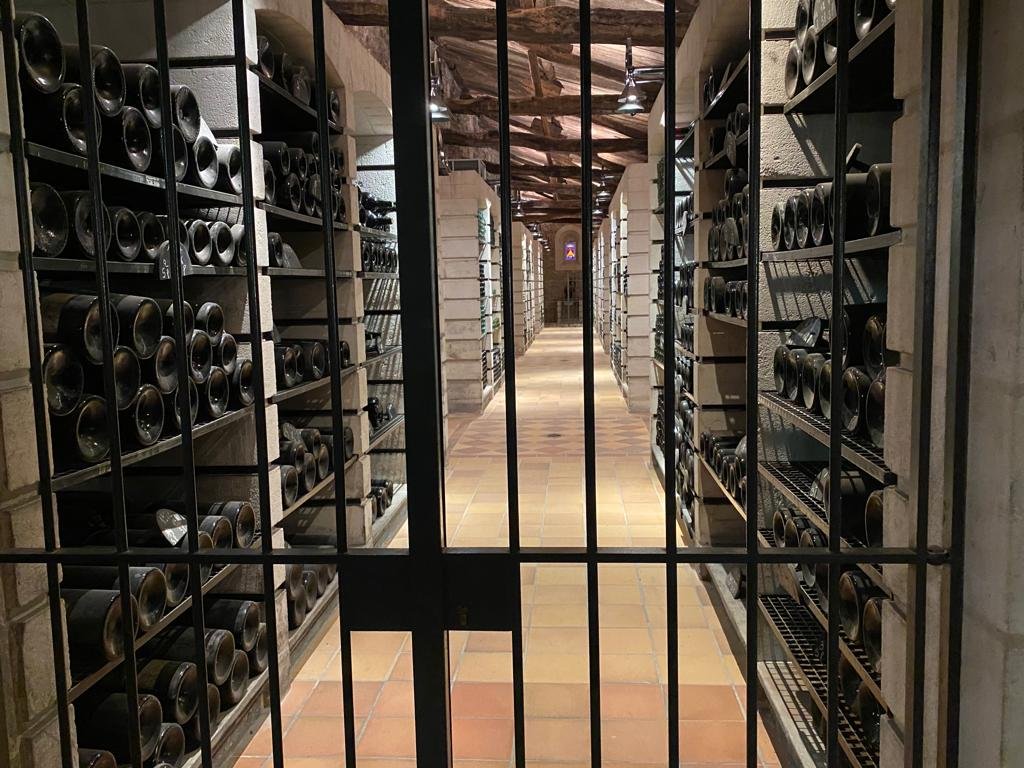
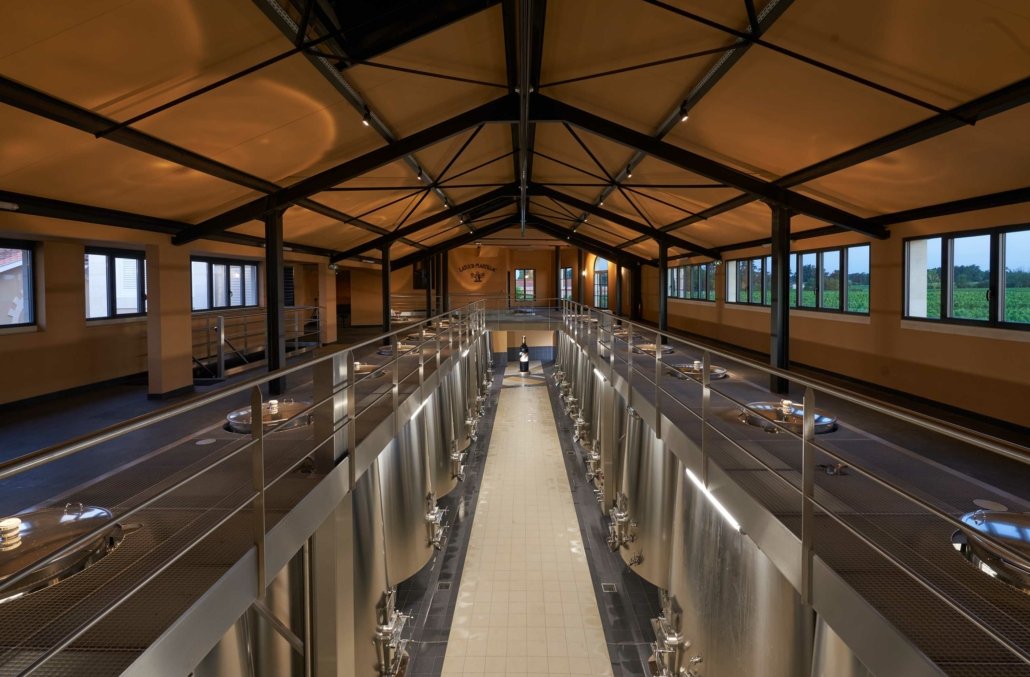
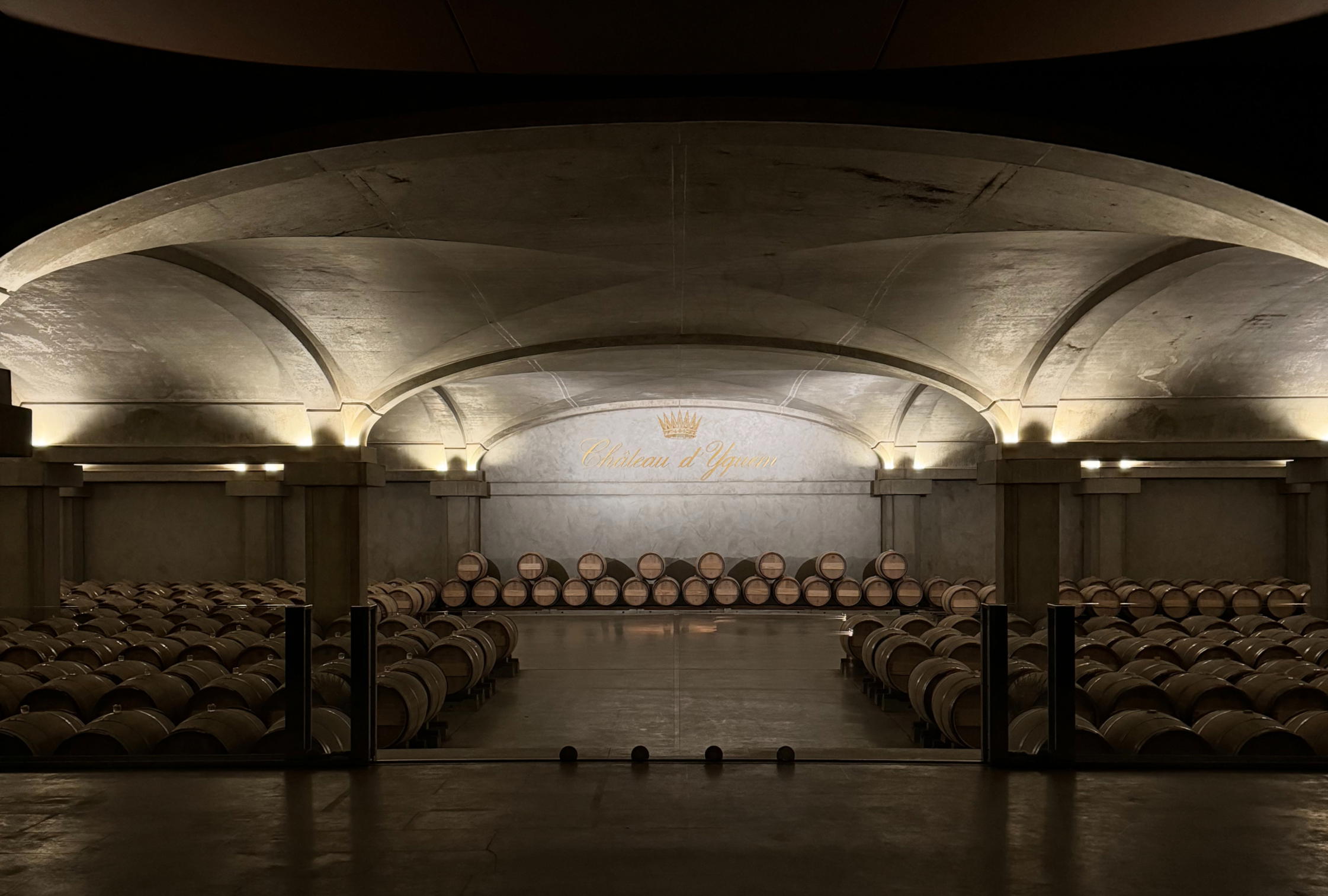
The strongest case for booking is not variety, it is focus. The estate is credited with Grand Cru Classé wines produced biodynamically, with traditional techniques alongside modern ideas, including shire horses working the land in the source record. That gives the visit a clear identity for serious wine drinkers: this is a place to understand farming choices, winemaking direction under winemaker Fabien Teitgen, and the long historical arc implied by a first vintage listed as 1365.
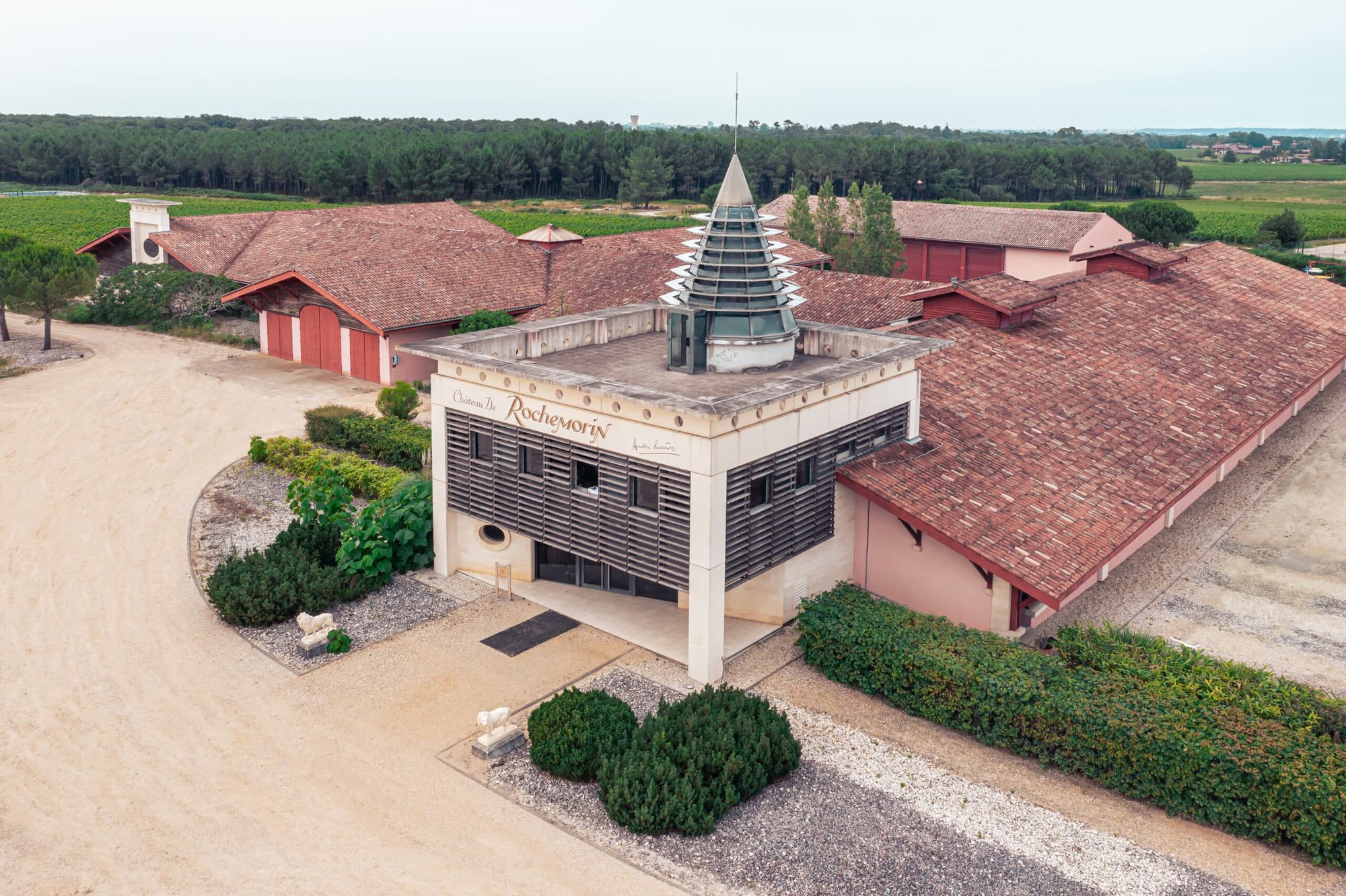
For a celebration, this works better than a tasting that is only about checking off a famous name. The spatial appeal is the country-estate format: arrive prepared for a larger wine-domain experience rather than a compact urban tasting room. That matters for couples marking an anniversary, small business groups, or travelers building a Bordeaux day around one anchor estate. If the goal is a looser itinerary with easier booking, look beyond Martillac to producers such as Château Haut-Marbuzet in Saint-Estèphe or Château Durfort-Vivens in Margaux, depending on route and availability.
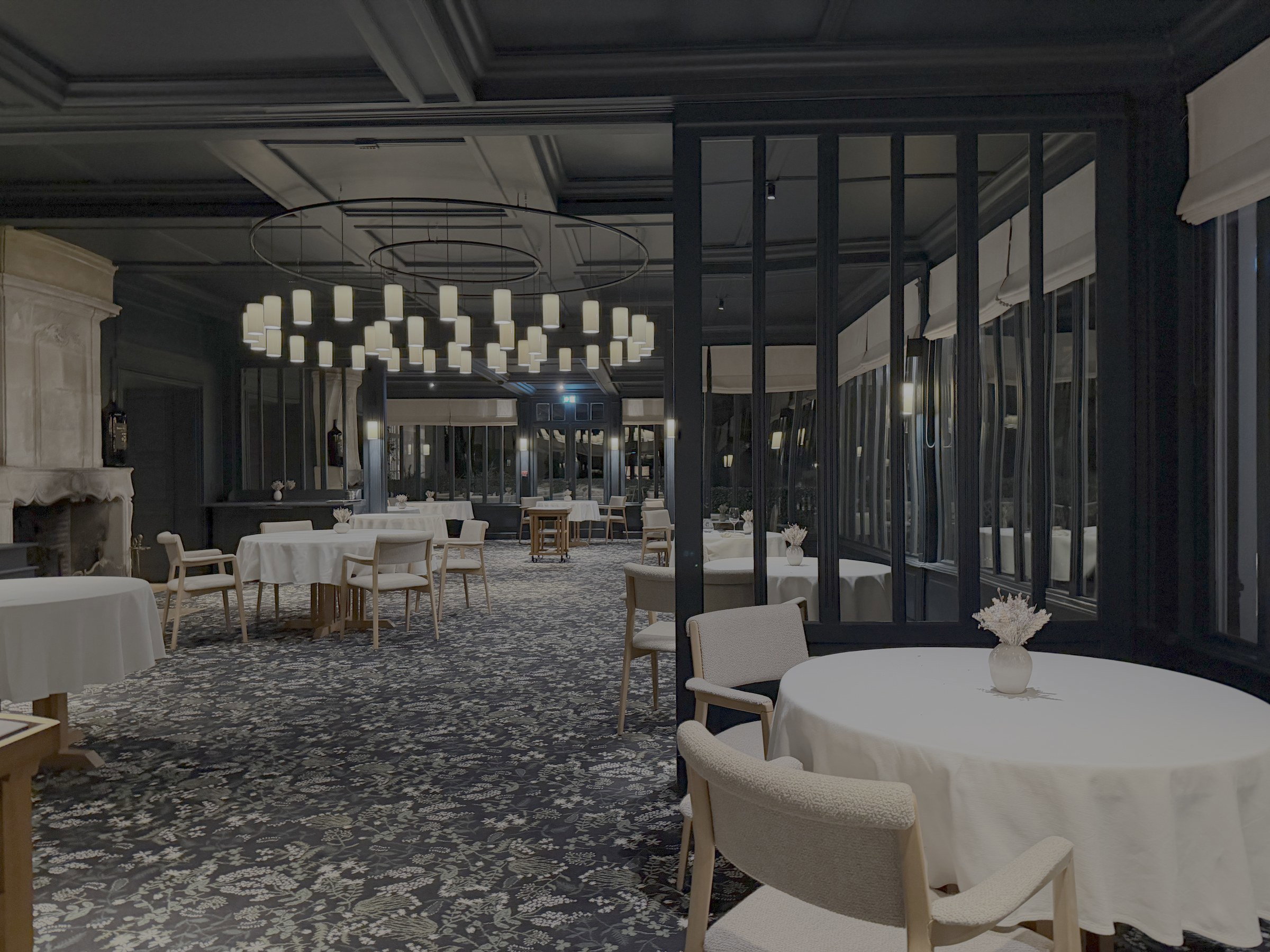
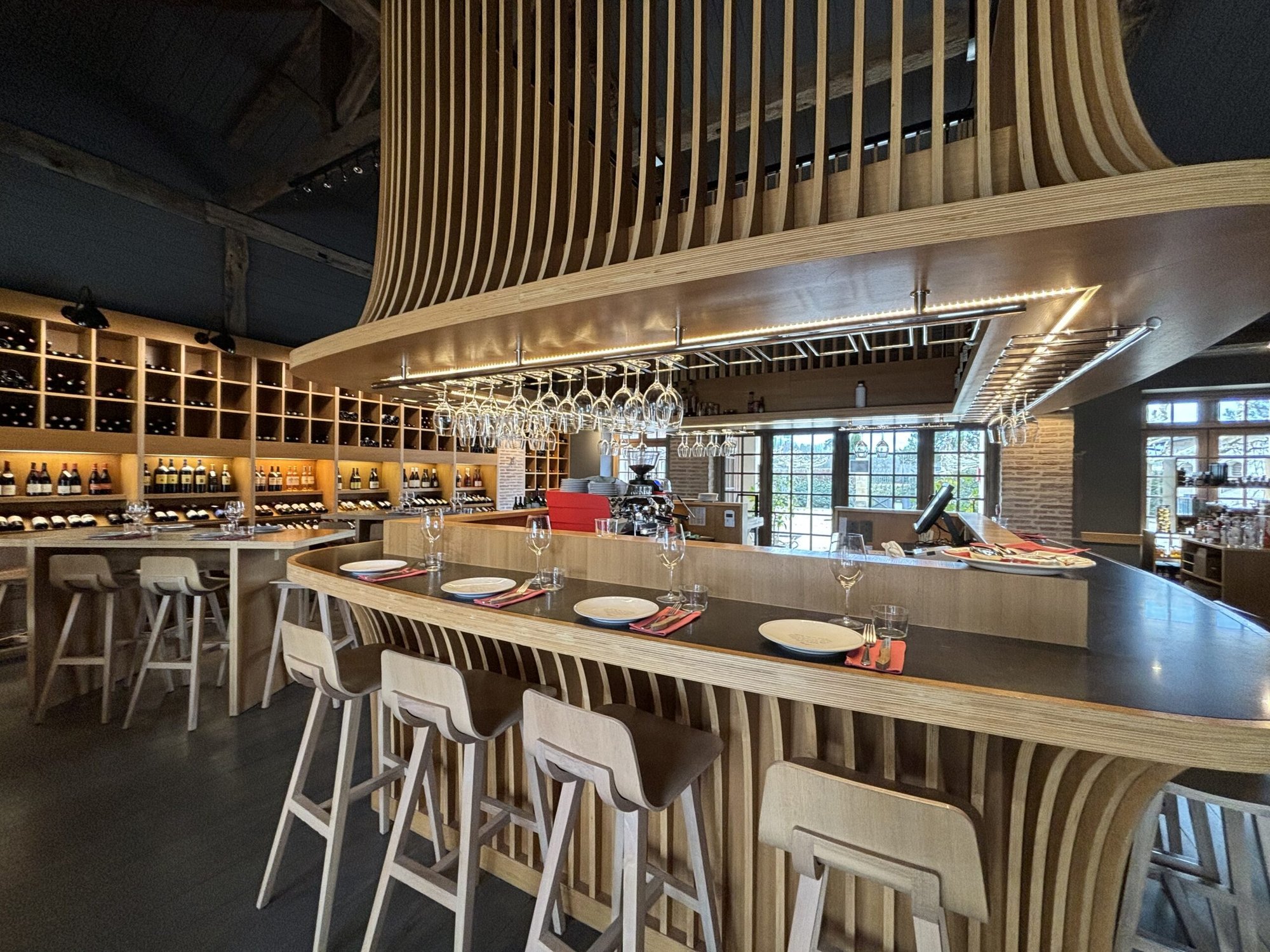
The assigned food-pairing question needs a careful answer: the database does not confirm a restaurant, tasting menu, food pairing program, cuisine type, chef, hours, or booking method. Do not assume lunch, pairings, or private dining without checking the estate directly through its current official channels. If food is central to the day, build a fallback into the plan through our full Martillac experiences guide and nearby restaurant research rather than relying on an on-site meal.
Ratings
- Pearl rating: Pearl 4 Star Prestige (2025).
- Wine credentials: Grand Cru Classé wines, biodynamic production noted in the venue record.
- Winemaker: Fabien Teitgen.
- Historic signal: first vintage listed as 1365.
Booking
Reservations: Treat advance arrangements as essential; booking difficulty is listed as near impossible, and no phone, website, or booking method is available in the record. Timing: Aim for fair-weather months when a country-estate visit has more value, and avoid overloading the same day with distant appellations. Dress: No dress code is listed, so choose polished wine-country attire suitable for a premium estate. Budget: Not published in the venue data; confirm tasting, tour, food, and shipping costs before committing. Group fit: Stronger for couples or small special-occasion groups than for flexible walk-in travelers.
Practical FAQ
- Does Château Smith Haut Lafitte serve food? Do not plan around food unless it is confirmed directly. The venue record has no cuisine type, chef, menu, hours, or website, so any meal or pairing program should be before the trip.
- Do I need a reservation? Yes. With booking difficulty marked near impossible and no public booking details in the record, this is not a safe walk-in choice in Martillac.
- What other wineries are near it? For the same trip-planning category, compare it with Château Durfort-Vivens in Margaux, Château Haut-Marbuzet in Saint-Estèphe, and broader France picks like Maison Joseph Drouhin in Beaune.
- Is the wine club worth joining? No wine club details are available in the record. Value depends on allocation access, shipping terms, and pricing, so do not join without seeing those terms in writing.
- Does it ship wine? Shipping is not confirmed in the venue data. Ask the estate directly before purchasing if delivery matters, especially for international orders.
How It Compares
Compared with Burgundy producers such as Domaine François Lamarche in Chablis, Domaine A. & P. de Villaine in Bouzeron, and Domaine Jean Grivot in Vosne-Romanée, this is the Bordeaux choice for travelers who want estate scale and classified-growth context. Burgundy may suit visitors focused on smaller-domain intimacy; Martillac suits a more formal celebration plan.
Against southern French estates such as Château Simone in Meyreuil and Château de Pibarnon in Roquefort-la-Bédoule, the Martillac pick feels more Bordeaux-ceremonial and harder to access. If architecture and a broader international tasting circuit matter, also compare Bodegas Ysios in Laguardia or Cakebread Cellars in Rutherford, both useful cross-shops for travelers deciding between estate experience and ease of planning.
Pearl Picks
- Book this for a milestone tasting where Grand Cru Classé credibility and biodynamic farming are the point.
- Skip it if food pairings are the main priority and no current pairing details are confirmed.
- Use it as the anchor of the day, not one stop among many, because access is the limiting factor.
Planning details
- Location
- Château Smith Haut Lafitte, 33650 Martillac
- Website
- smith-haut-lafitte.com
- Phone
- +33 5 57 83 11 22
The take
The Take
The Vibe
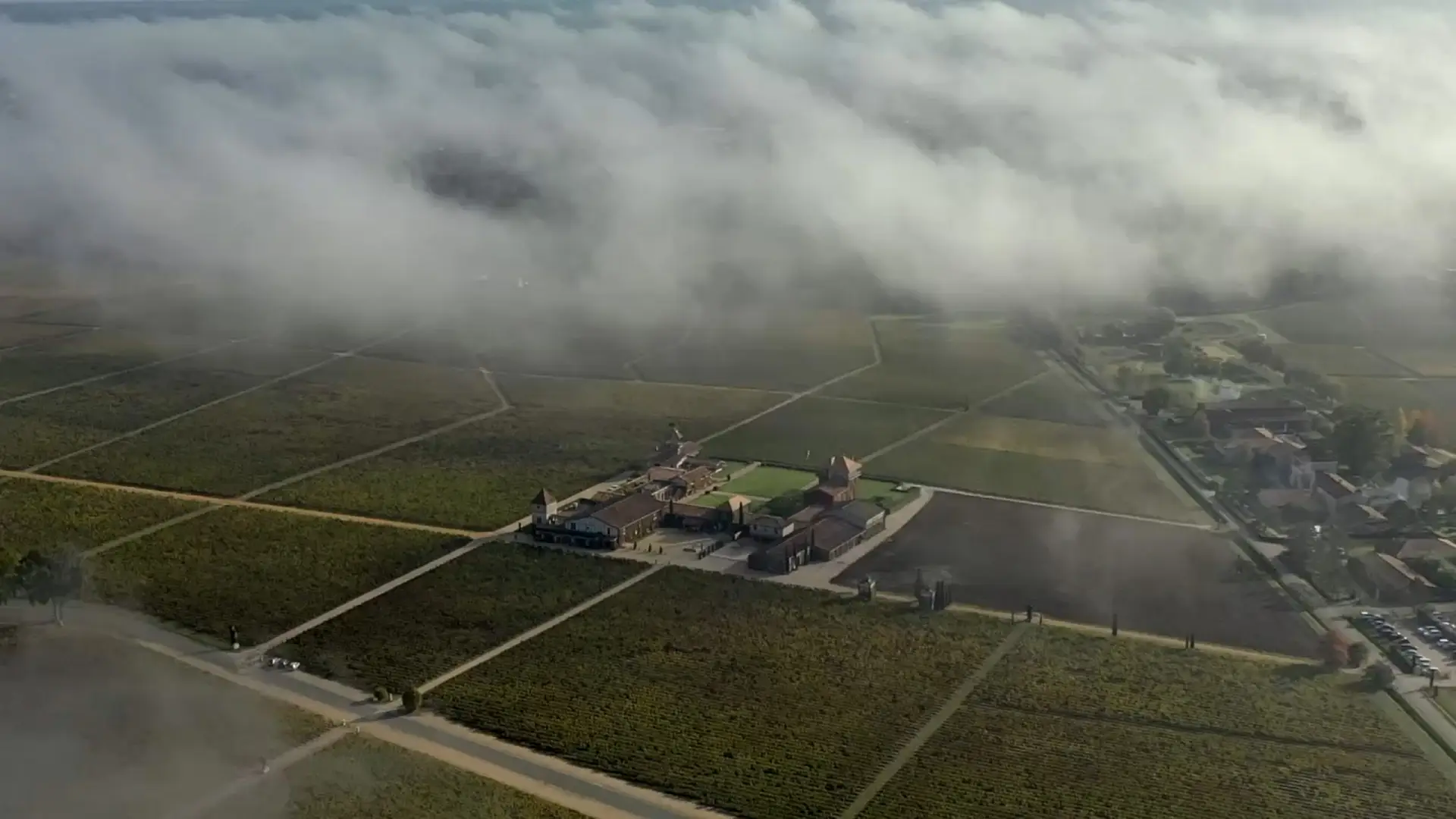
Château Smith Haut Lafitte reads like a landscape study: the estate’s character flows from deep Graves gravel rather than from labels or cellars. The writing foregrounds soil, microclimate and centuries of observation, and biodynamic practice—complete with shire horses working between the rows—gives the place a quietly pastoral, hands-on quality. Heritage sits alongside earnest land stewardship; the long timeline (first recorded vintage 1365) adds gravity and a sense of continuity. Visitors encounter an estate that feels both rooted and deliberate, where the vineyard is the protagonist and the atmosphere is contemplative rather than theatrical.
Best For
This is a destination for people who come to learn from the land. Tastings and visits at Smith Haut Lafitte reward curiosity about terroir, viticultural practice and vintage variation: the estate’s biodynamic approach and long-recorded history make it a natural fit for wine-education-minded visits and considered special occasions. The setting—vineyards, gravelly soils and estate grounds—also suits intimate, slow-paced visits rather than rowdy nightlife. Expect an immersive, landscape-driven experience geared toward those who appreciate historic Bordeaux estates and methodical, terroir-forward wines.
Tasting Tips
When engaging with Smith Haut Lafitte, focus conversation and tasting on terroir and vintage expression: the text emphasizes how deep, free-draining gravel and stressed vines create concentrated fruit, so ask which cuvées best showcase that gravel influence. Inquire about the estate’s biodynamic practices and the role of horse cultivation to understand year-to-year decisions. Given the long historical record, ask how recent vintages compare to classical years—staff are likely to frame wines in terms of soil, microclimate and vintage variation rather than modern winemaking tricks.
Venue details
Ambiance
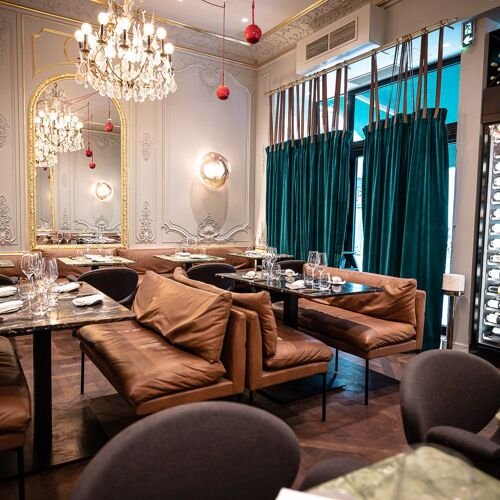
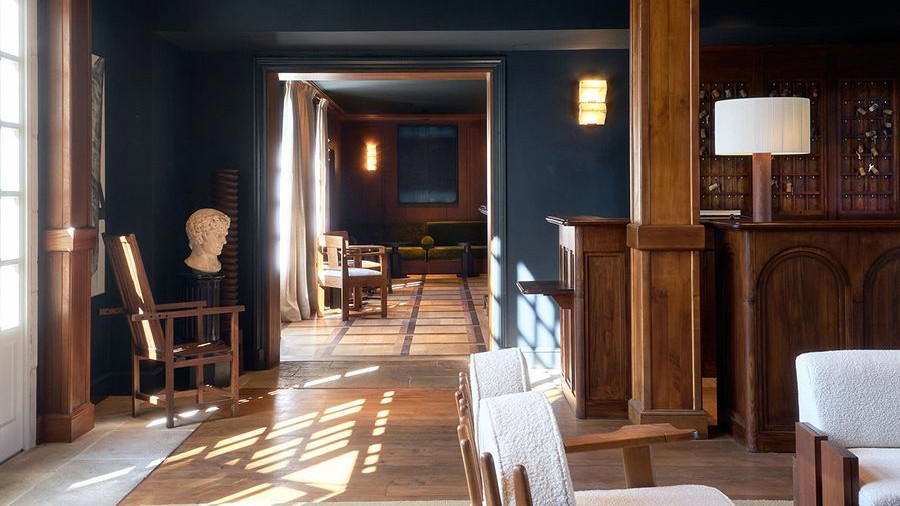
Serene and refined, set amidst woodland and vineyards with contemporary art throughout; warm hospitality in historic 18th-century surroundings.
Tags
Vibe
Best For
Experience
Sourcing
View
At the Vineyard
- Appellation
- AOC Pessac-Leognan
- Varietals
- Cabernet Sauvignon, Merlot, Cabernet Franc, Petit Verdot, Sauvignon Blanc
- Tour Duration
- 60 minutes
- Wine Club
- Not available
Know before you go
Know Before You Go
- Getting there
- Château Smith Haut Lafitte, 33650 Martillac
Planning details
Location
Recognition and awards


Winery context
How It Compares
Within Martillac, Château Smith Haut Lafitte is the high-commitment choice: Grand Cru Classé status, biodynamic production, Fabien Teitgen as winemaker, and Pearl 4 Star Prestige recognition make it a stronger fit for collectors and celebration travelers than for anyone trying to keep the day loose. Because pricing is not published and access is listed as near impossible, value depends less on a low spend and more on whether the estate’s credentials justify building the day around it.
Compared with other French winery options Pearl tracks, it is more formal and Bordeaux-specific than Château Simone in Meyreuil or Château de Pibarnon in Roquefort-la-Bédoule, and less suited to a casual regional detour. Burgundy names such as Maison Joseph Drouhin in Beaune or Domaine Jean Grivot in Vosne-Romanée are better cross-shops if the priority is a Burgundy-focused itinerary rather than Bordeaux estate scale.
If booking here does not come together, choose the peer by trip purpose: Château Durfort-Vivens in Margaux for another classified-growth Bordeaux comparison, Château Haut-Marbuzet in Saint-Estèphe for a Médoc route, or Bodegas Ysios in Laguardia if architecture and a broader travel set-piece matter as much as the wine appointment.
Explore Martillac
Around this place
Discover more on Pearl
Unlock the full Château Smith Haut Lafitte guide in Pearl, including awards, comparisons, FAQs, planning details, and nearby places.
FAQ
Frequently Asked Questions
Does Château Smith Haut Lafitte serve food?
Treat this as a wine estate first, not a dining destination. The record highlights Grand Cru Classé biodynamic wines and Fabien Teitgen as winemaker, so the safer expectation is wine-focused visits rather than a meal-led stop.
Do I need a reservation at Château Smith Haut Lafitte?
Yes, plan ahead if you want a smooth visit to the Château Smith Haut Lafitte address in 33650 Martillac. Estate visits around Bordeaux can fill up quickly, and this is not the kind of place to rely on a casual drop-in.
What other wineries are near Château Smith Haut Lafitte?
Look at other Bordeaux wine estates in the Martillac and wider Graves area if you want to make a day of it. Château Smith Haut Lafitte sits in 33650 Martillac, so nearby comparisons should stay in that left-bank part of Bordeaux rather than across the region.
Is the wine club at Château Smith Haut Lafitte worth joining?
Only if you buy these wines regularly, because the real draw here is the Grand Cru Classé biodynamic program tied to Fabien Teitgen. For occasional buyers, joining a club is usually less useful than buying specific bottles when you need them.
Does Château Smith Haut Lafitte ship wine?
Likely, but confirm the destination before ordering because French winery shipping depends on country and import rules. The estate in Martillac is set up around wine sales, so shipping is a practical question to ask before you commit.