


Chateau Mouton Rothschild
Pauillac
Winery in Pauillac, France
 Book with Pearl
The Read
Artist-Label Premier Cru
Why go
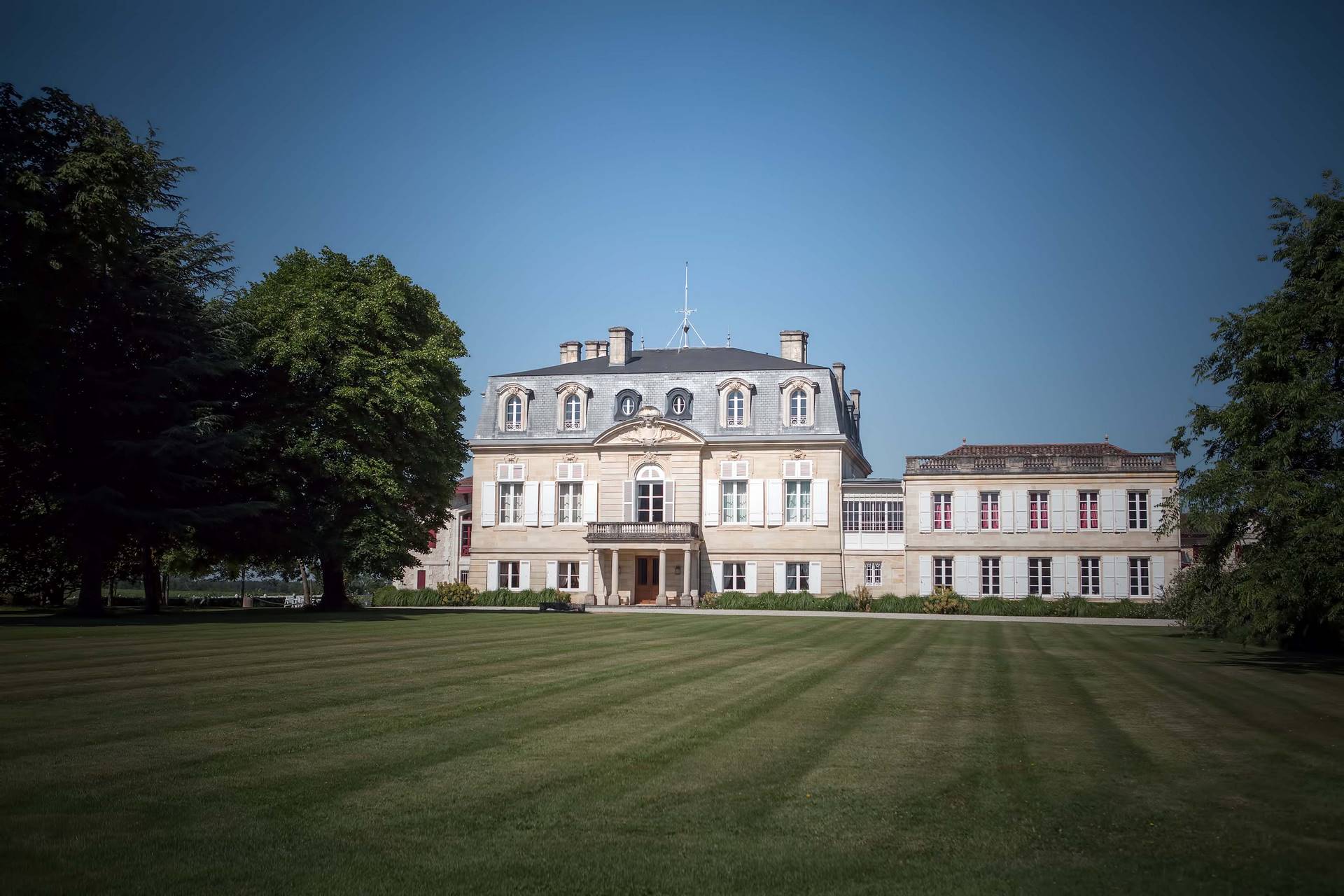
Château Mouton Rothschild is a classified First Growth wine estate in Pauillac, Bordeaux.
About Chateau Mouton Rothschild
Verdict
In Pauillac, where the decision is less about casual tasting and more about access to Bordeaux’s First Growth tier, Chateau Mouton Rothschild is worth prioritising if your trip is built around benchmark estates rather than easy availability. The spend is not listed, but the real cost is planning: booking difficulty is near impossible, so treat this as a long-lead request rather than a flexible stop between lunches. If you want a less constrained Pauillac winery day, cross-shop Château Batailley, Château Grand-Puy-Ducasse, or Château Pédesclaux first.
Portrait
Pauillac rewards context-heavy travellers: the appellation is compact, Cabernet-led, and unusually dense with classified-growth estates, so a visit here should be chosen for what it teaches you against its neighbours. Chateau Mouton Rothschild sits at the high-prestige end of that conversation, with a Pearl 5 Star Prestige rating for 2025 and a first vintage recorded as 1780. That combination makes it a stronger fit for collectors, Bordeaux students, and travellers who want a reference point for the region than for visitors looking for a relaxed drop-in tasting.
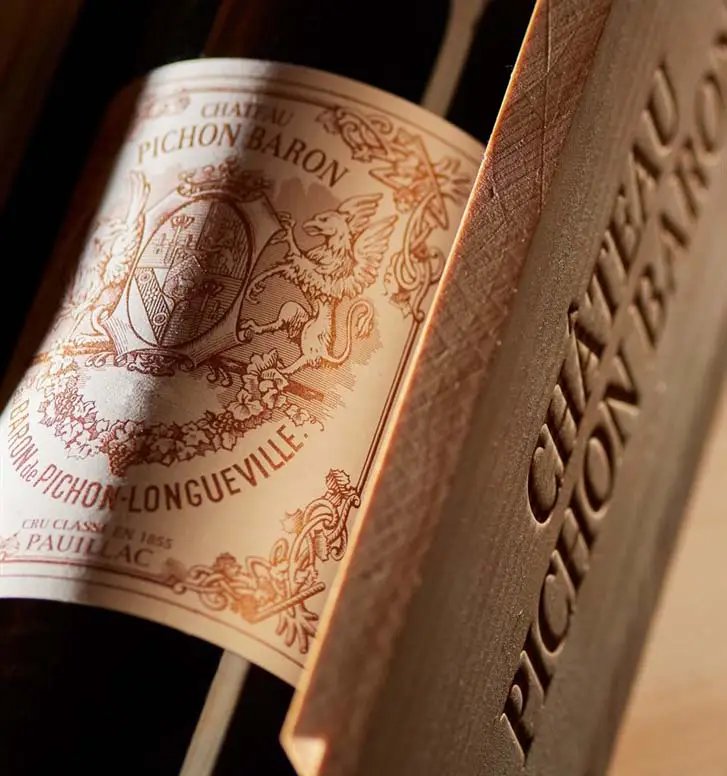
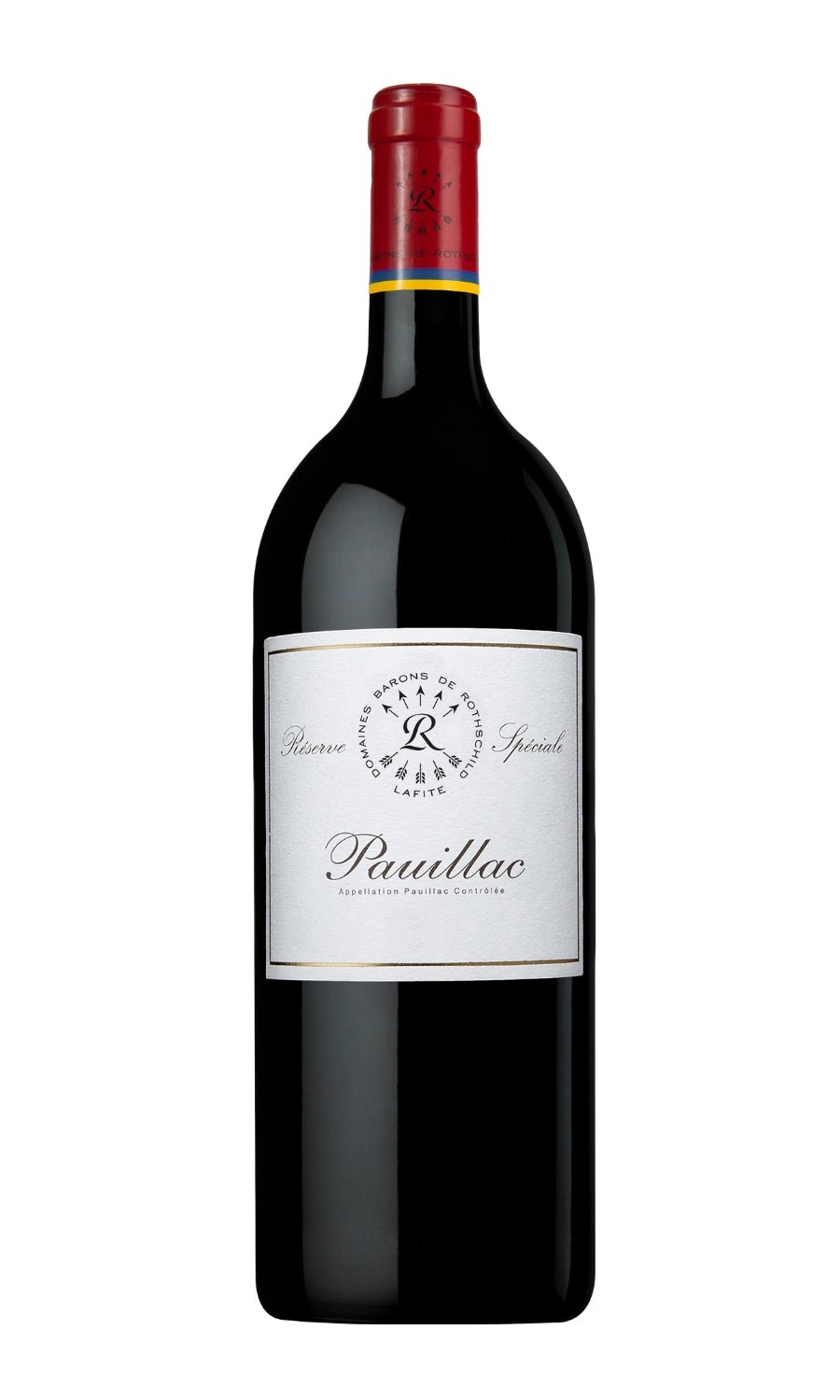
The clearest reason to prioritise it over other Pauillac addresses is cultural weight as well as wine status. Since 1945, the Rothschild family has commissioned an artist to create the label for each new vintage, with names in the record including Picasso, Dalí, Miró, and Bacon. That does not make access easier, and it should not be treated as a substitute for tasting information, but it does make the estate more distinctive for travellers interested in how Bordeaux prestige is built through both bottles and visual history.
For regional depth, pair it with a second Pauillac estate rather than making it the whole day. Château d’Armailhac gives another local reference point, while Château Haut-Bages-Libéral and Château Batailley help round out the appellation without making the itinerary feel like a single-label pilgrimage. If you are planning beyond wineries, use Our full Pauillac restaurants guide, Our full Pauillac hotels guide, and Our full Pauillac wineries guide to keep the day workable.
Ratings
Pearl rating: Pearl 5 Star Prestige (2025). Trust signal: first vintage recorded as 1780, with the artist-label programme documented every year since 1945. Winemaker: Philippe Dhalluin. The rating supports a high-priority recommendation, but the lack of published hours, pricing, phone, and website in the record means the planning burden sits with the traveller.
Booking
Booking difficulty is near impossible, so this is not a backup plan for a spare afternoon in Pauillac. Build the request into the earliest stage of a Bordeaux itinerary, then have nearby alternatives ready in case access does not come through. For a broader plan, compare local options in Our full Pauillac experiences guide and keep restaurants and transport flexible until any winery timing is confirmed.
Practical details
Address: Château Mouton Rothschild, 33250 Pauillac. Reservations: near impossible; plan far ahead and do not rely on same-week availability. Budget: not published in the available data. Hours: not available in the available data. Dress: not available in the available data; for classified-growth winery visits in Bordeaux, smart casual is the safer default. Food: no cuisine or dining programme is listed in the available data. Shipping: no shipping policy is listed in the available data.
How to use it in a wider wine trip
If Pauillac is the anchor, stay local and compare classified-growth neighbours before widening the lens. If your trip is more about French wine regions, Château Durfort-Vivens in Margaux, Château Simone in Meyreuil, and Domaine François Lamarche in Chablis offer different regional frames. For international comparison, Bodegas Ysios in Laguardia and Cakebread Cellars in Rutherford are useful contrasts in architecture, hospitality, and visitor format.
FAQ
When is the ideal time to visit Chateau Mouton Rothschild?
The right time is whenever access can actually be secured, because booking difficulty is near impossible and published hours are not available in the available data. For a Pauillac trip, avoid building a tight same-day schedule around it until timing is confirmed.
What other wineries are near Chateau Mouton Rothschild?
Stay in Pauillac if you want the most useful comparison. Château d’Armailhac, Château Batailley, Château Grand-Puy-Ducasse, Château Haut-Bages-Libéral, and Château Pédesclaux are the more relevant cross-shops than jumping immediately to another appellation.
Can Chateau Mouton Rothschild handle large groups?
Do not assume it can handle large groups, because no capacity, phone, or website is listed in the available data. Parties should keep numbers small unless they have direct confirmation.
Is the wine club at Chateau Mouton Rothschild worth joining?
No wine club information is listed in the available data, so there is not enough detail to recommend joining one. The stronger value case is the estate’s prestige credentials, including Pearl 5 Star Prestige (2025), rather than any membership programme.
Does Chateau Mouton Rothschild serve food?
No food service or cuisine type is listed in the available data. Plan meals separately using Our full Pauillac restaurants guide rather than assuming dining is part of the winery visit.
Does Chateau Mouton Rothschild ship wine?
Pearl picks nearby
- Château Pédesclaux for another Pauillac winery to compare on a classified-growth itinerary.
- Our full Pauillac bars guide for a lower-commitment evening plan after winery visits.
Planning details
- Location
- Château Mouton Rothschild, 33250 Pauillac
- Website
- chateau-mouton-rothschild.com
- Phone
- +33 5 56 73 21 29
The take
The Take
The Vibe
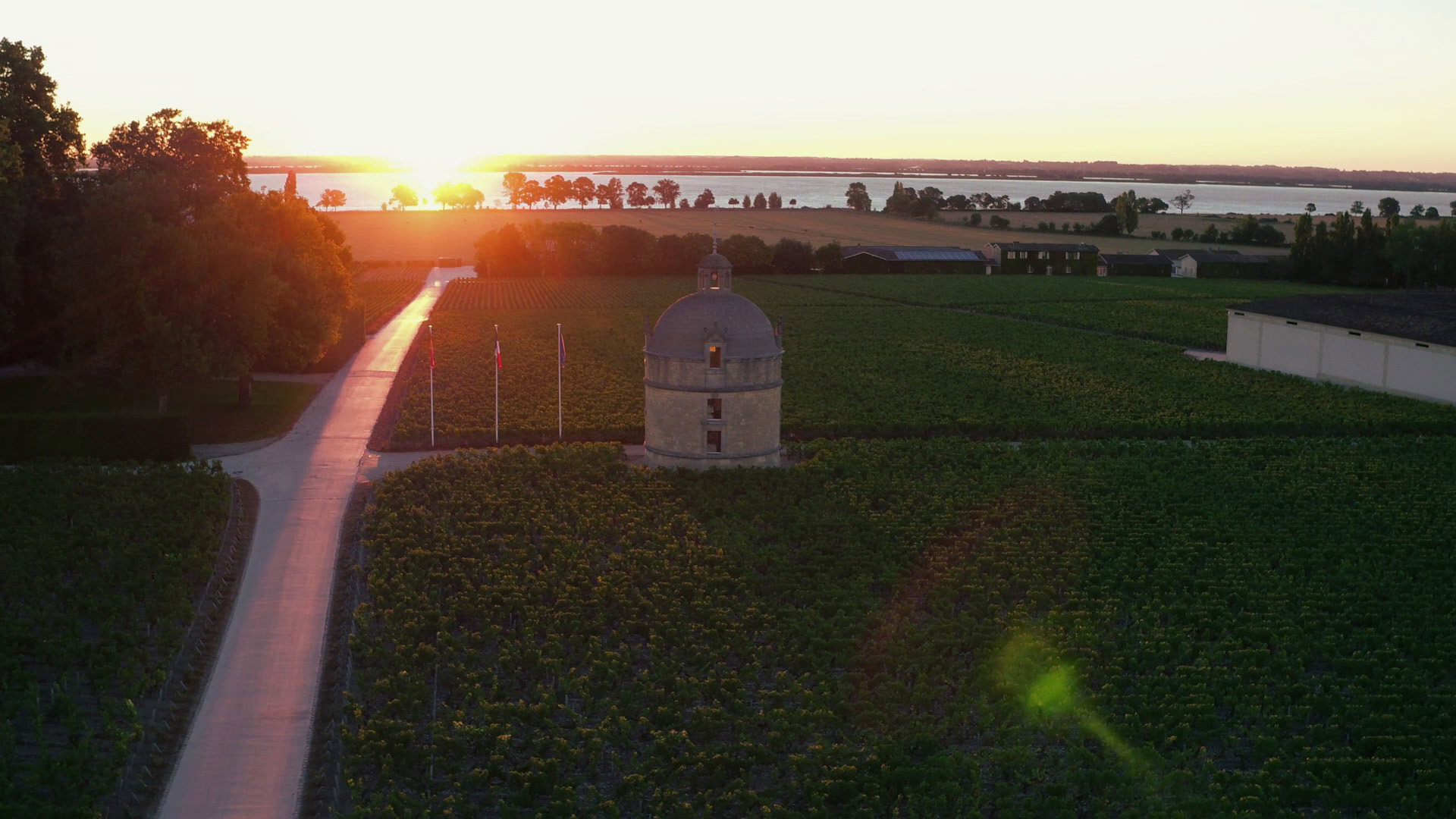
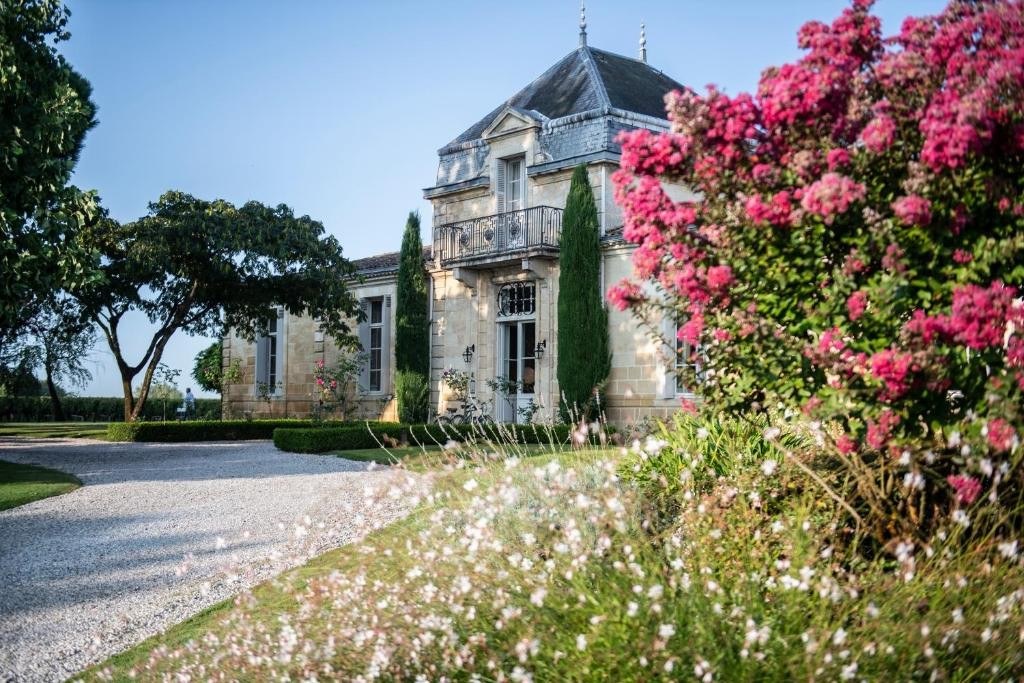
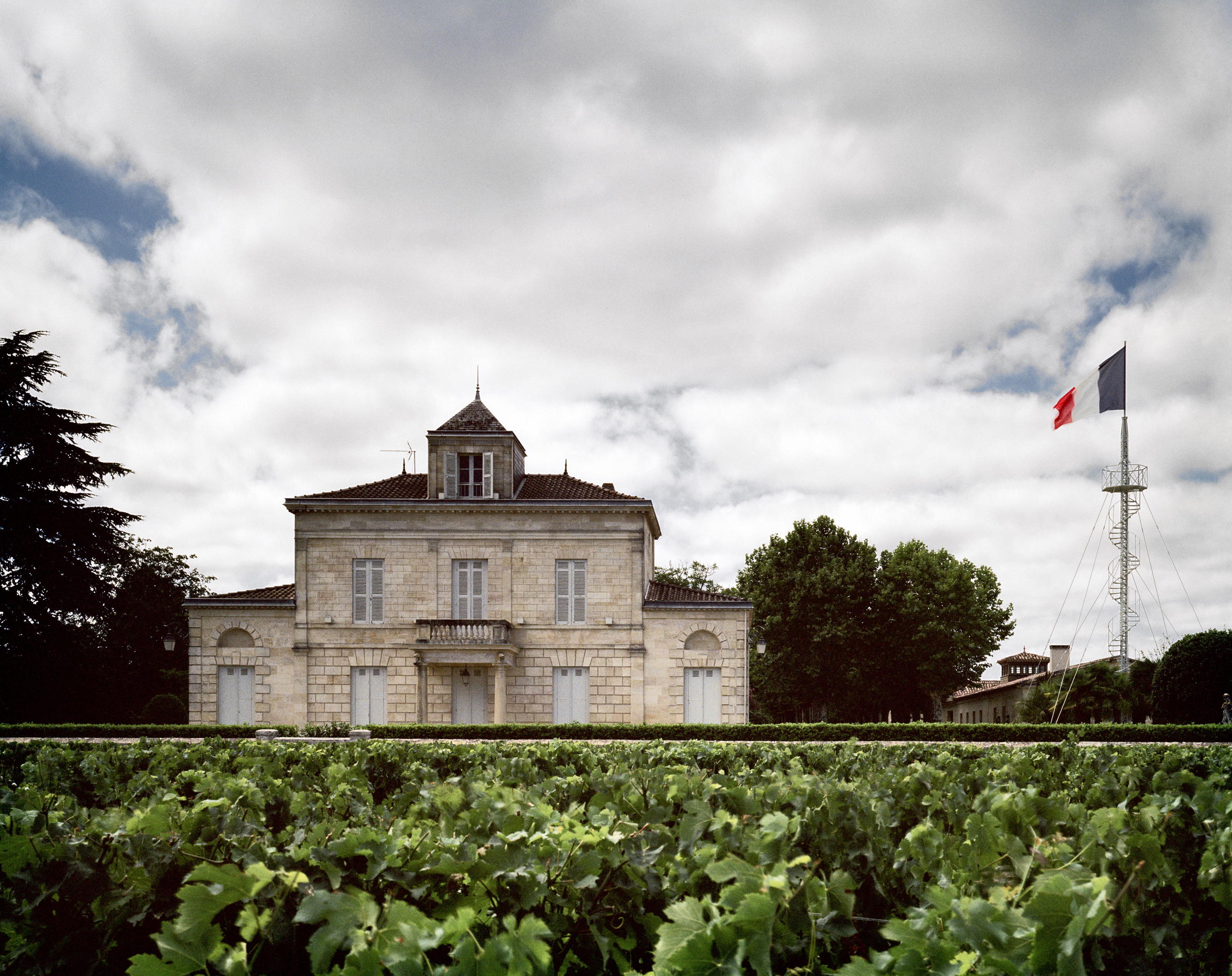
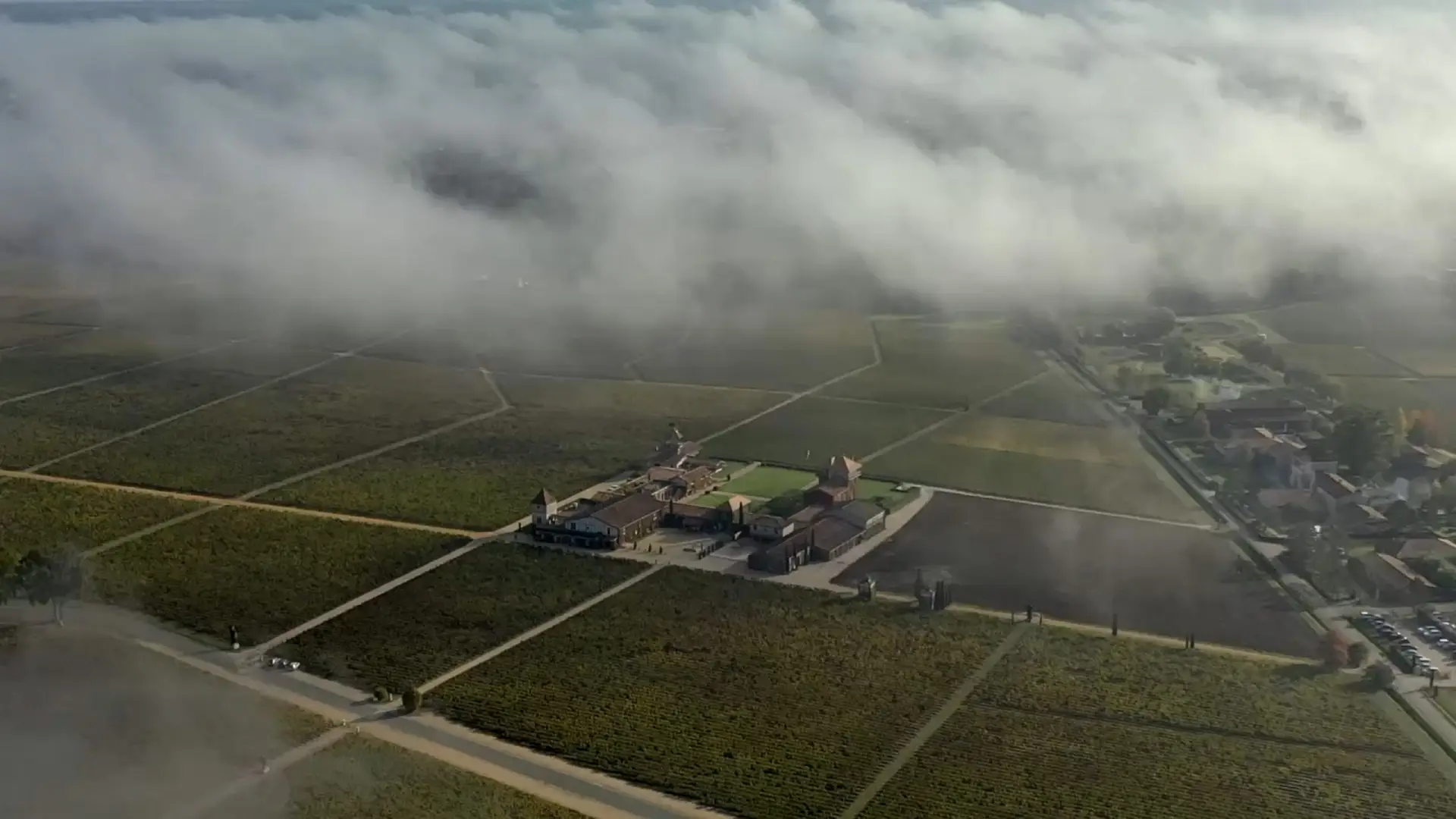
Château Mouton Rothschild reads like a textbook example of Pauillac: storied, composed and rooted in place. The prose leans into autumnal scenery — pewter estuary light, low-cut vine rows turning amber — and the château’s long arc of reputation underlines its weight in the Médoc. This is an estate that carries its history visibly: classifications, lobbying and the rare 1973 promotion to Premier Grand Cru Classé all contribute to an atmosphere that is both serene and ceremonious. Visitors encounter vineyard panoramas and a sense of accumulated prestige rather than contemporary flash; the mood is reflective and historically resonant.
Best For
The estate is best approached as a destination for people interested in Bordeaux’s classification, terroir and collecting culture. The narrative centers on Pauillac’s hierarchy and Mouton’s unique historical trajectory, so it naturally suits wine-education visits, collector-focused tastings and milestone celebrations where context matters as much as the bottles. Travelling through in autumn sharpens the sense of place — ideal for visitors who want to see the Médoc landscape at a definitive moment in the vintage calendar and who appreciate an experience framed by history and reputation.
Venue details
Ambiance
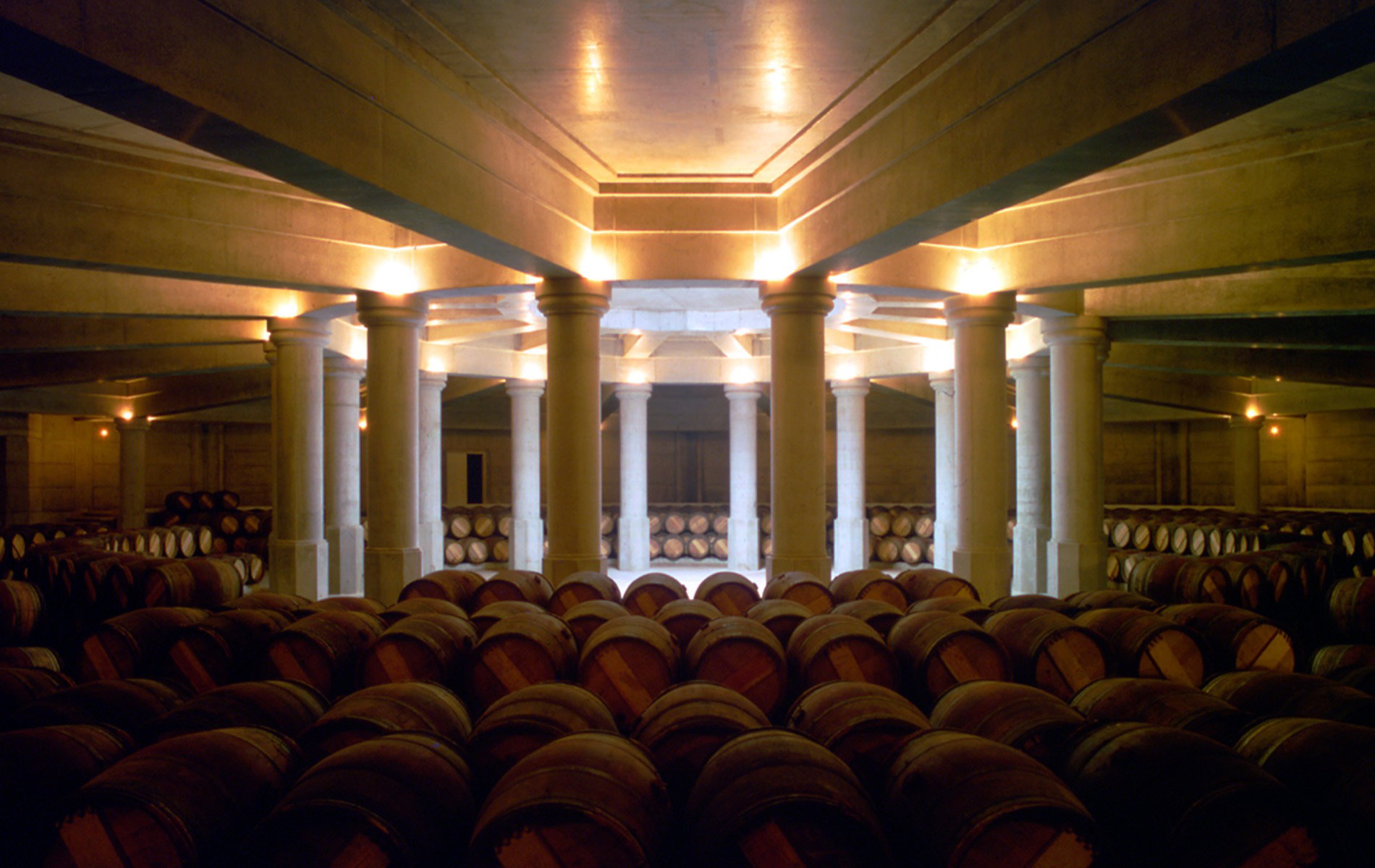
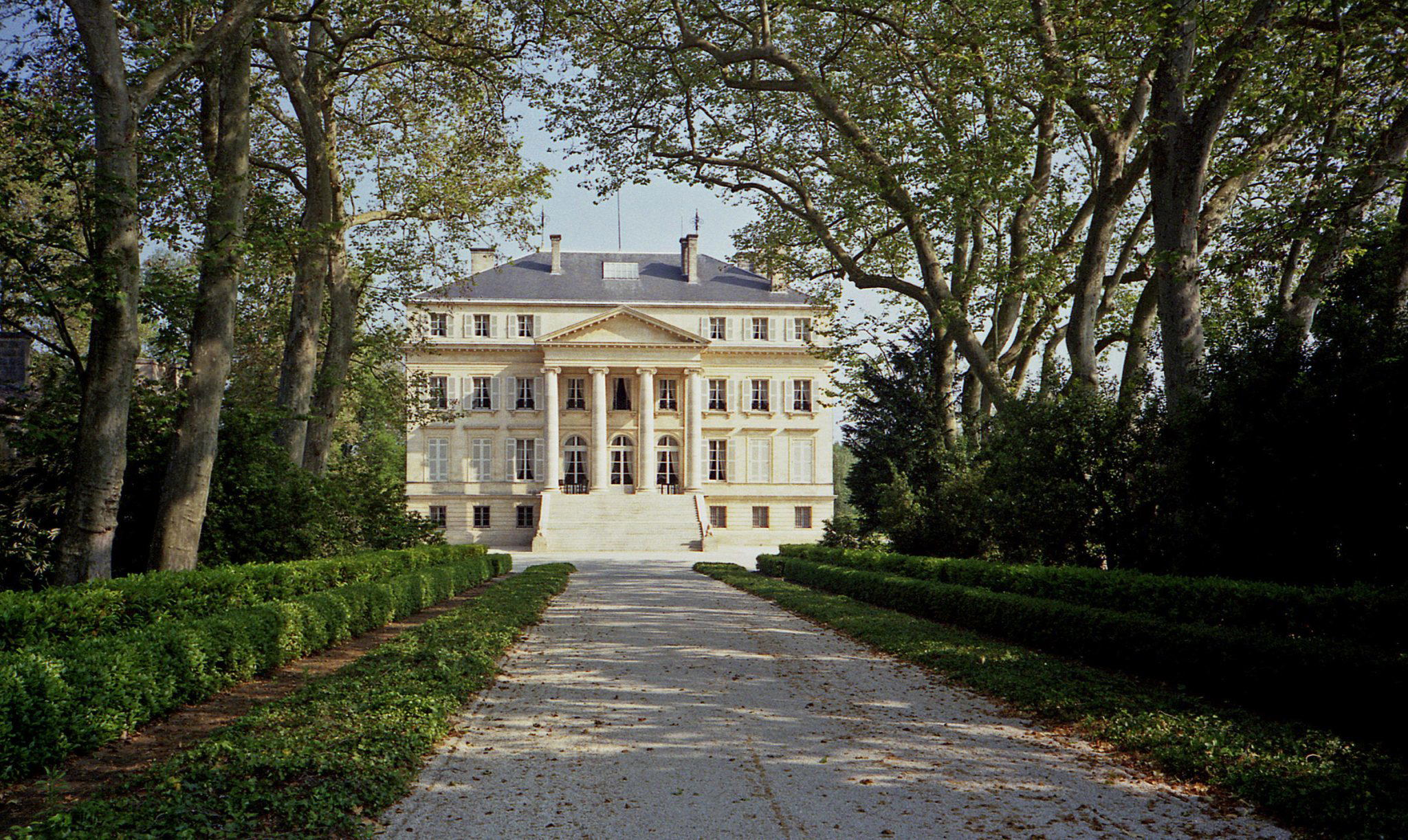
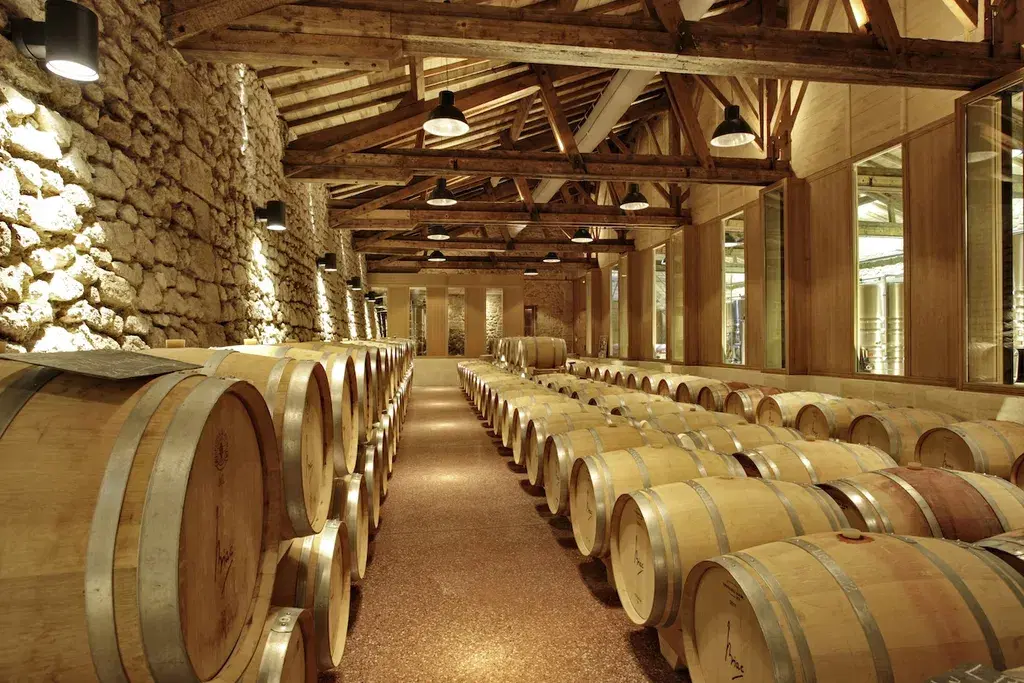
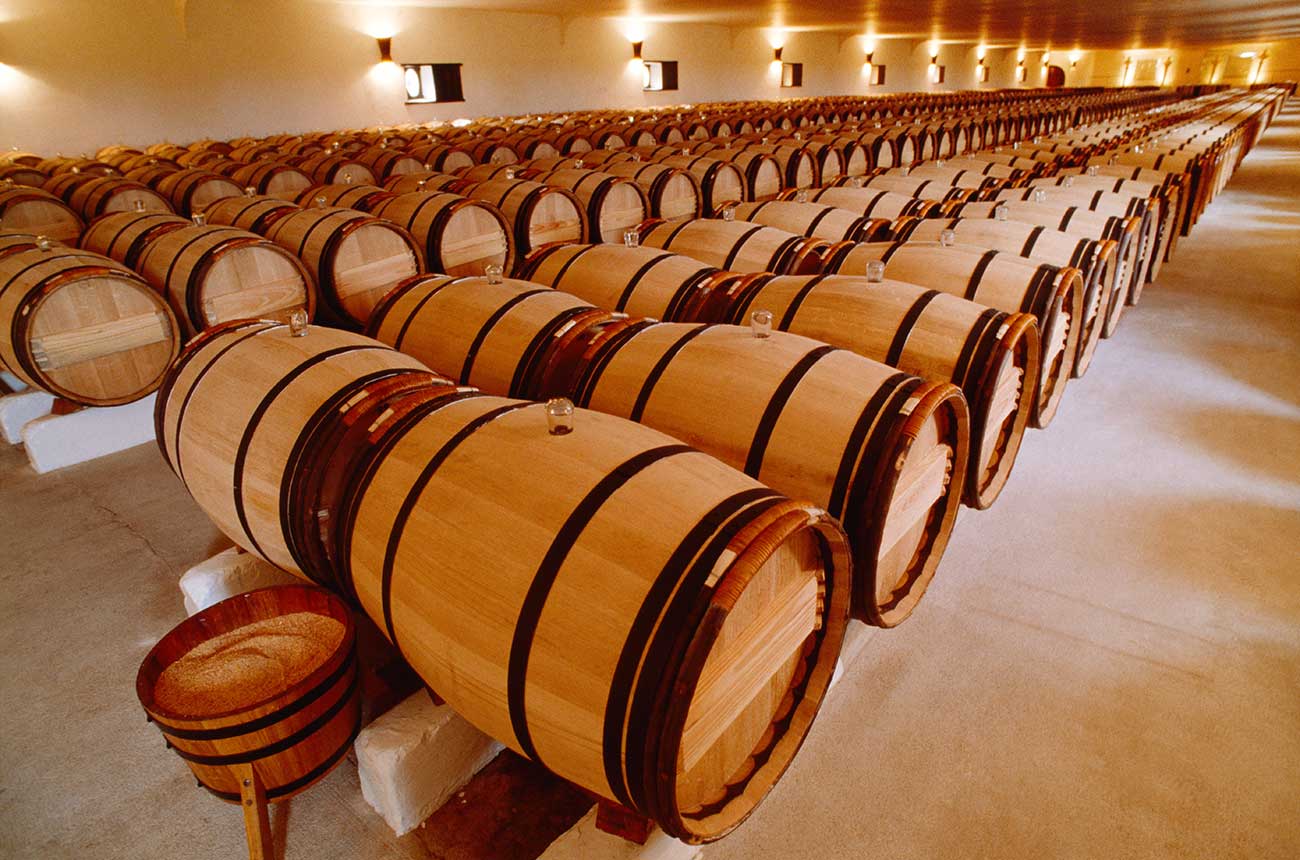
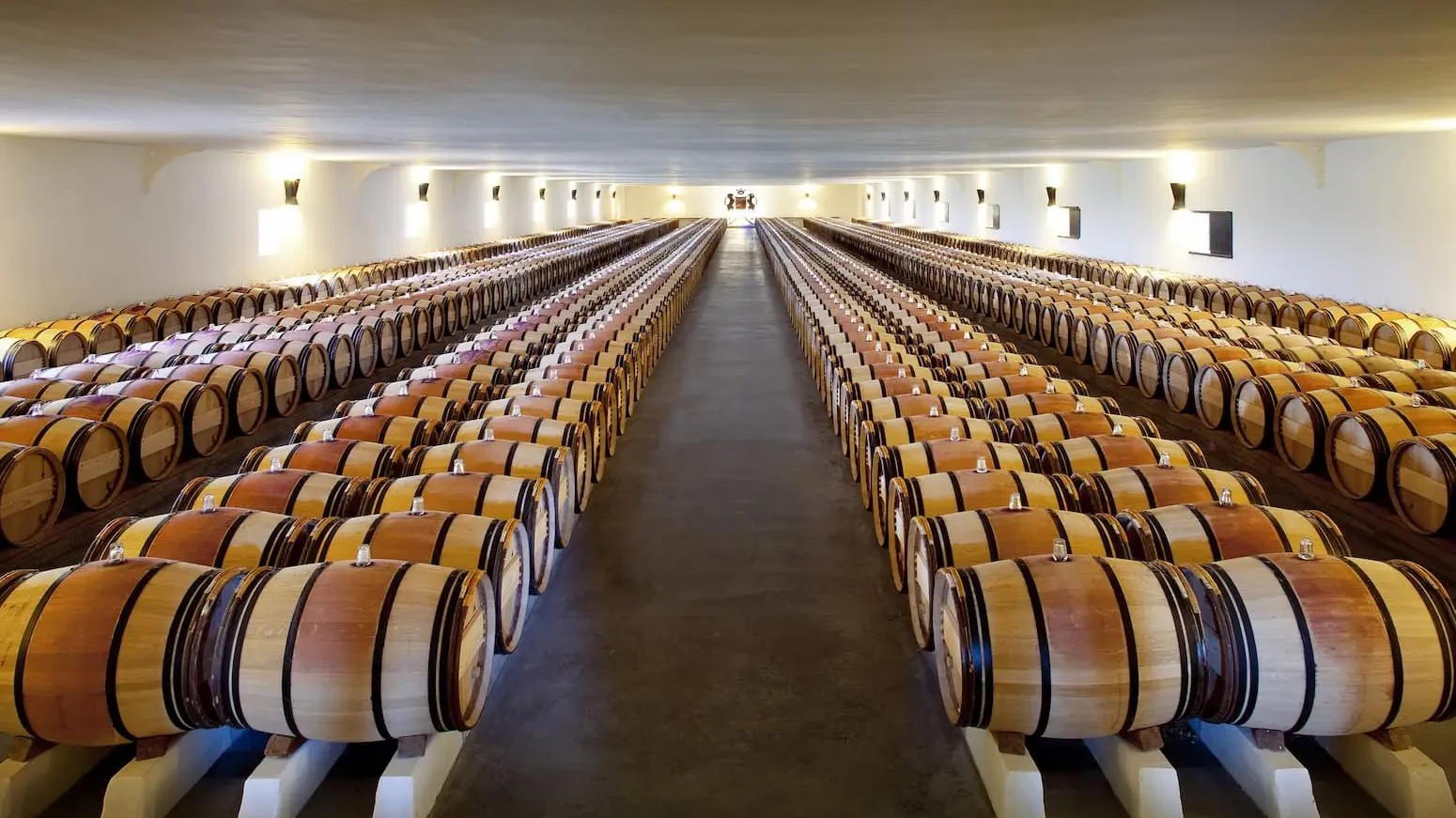
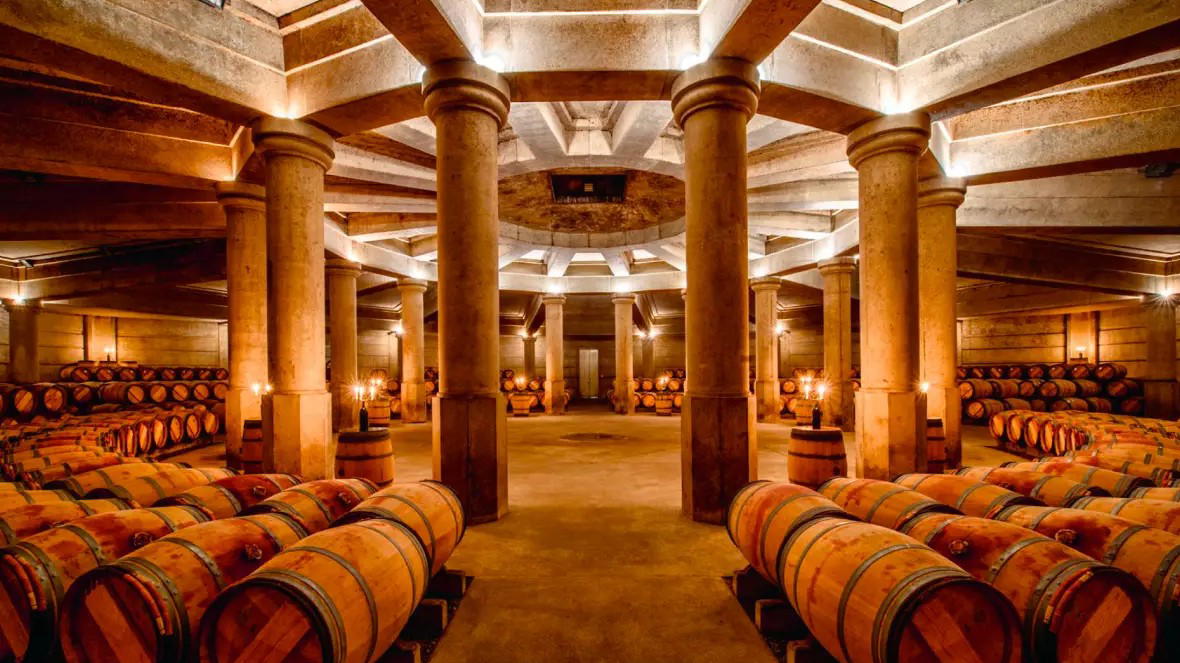
Opulent and historic with beautiful fermentation rooms, grand chai, art galleries, and a sophisticated tasting atmosphere.
Tags
Vibe
Best For
Experience
View
At the Vineyard
- Appellation
- Pauillac AOC
- Varietals
- Cabernet Sauvignon, Merlot, Cabernet Franc, Petit Verdot
- Tour Duration
- 2.5 hours
- Wine Club
- Available
Know before you go
Know Before You Go
- Getting there
- Château Mouton Rothschild, 33250 Pauillac
Planning details
Location
Château Mouton Rothschild, 33250 Pauillac · Directions
Recognition and awards


Winery context
How It Compares
Against Pauillac peers, Chateau Mouton Rothschild is the prestige-first choice, not the easy-access choice. The Pearl 5 Star Prestige (2025) rating and first vintage of 1780 give it more weight for collectors and Bordeaux-focused travellers than Château Pédesclaux or Château Grand-Puy-Ducasse, but the near-impossible booking profile means those peers may be more useful for a workable itinerary.
For regional comparison, Château Batailley and Château Haut-Bages-Libéral are better cross-shops if the goal is to understand Pauillac through multiple estates rather than secure one trophy visit. Château d’Armailhac is also useful for keeping the day tightly focused on the appellation.
The practical recommendation is simple: make Chateau Mouton Rothschild the aspirational request, then build the actual day around more attainable Pauillac peers. If access comes through, adjust the itinerary around it. If it does not, the surrounding classified-growth set can still deliver a strong regional read without forcing the trip to depend on one appointment.
Explore Pauillac
Around this place
Discover more on Pearl
Unlock the full Chateau Mouton Rothschild guide in Pearl, including awards, comparisons, FAQs, planning details, and nearby places.
FAQ
Frequently Asked Questions
When is the best time to visit Chateau Mouton Rothschild?
Go only when you can secure access, since the booking difficulty is near impossible and the record lists no hours. If your trip is flexible, treat Chateau Mouton Rothschild as a planned stop in Pauillac rather than a same-week idea.
What other wineries are near Chateau Mouton Rothschild?
Stay in Pauillac for the most useful comparisons, with Château d’Armailhac, Château Batailley, Château Grand-Puy-Ducasse, and Château Haut-Bages-Libéral all fitting the same day. That makes this an efficient anchor if you are comparing classified-growth estates.
Can Chateau Mouton Rothschild handle large groups?
Do not plan on large groups unless you can confirm space in advance, because the record lists no phone, website, or capacity details. Smaller parties are the safer fit for Château Mouton Rothschild in Pauillac.
Is the wine club at Chateau Mouton Rothschild worth joining?
There is no wine club information in the available data, so there is not enough detail to make a case for joining. The stronger value signal here is the Pearl 5 Star Prestige (2025) rating and the estate’s long-running artist-label programme.
Does Chateau Mouton Rothschild serve food?
No food service or cuisine type is listed for Château Mouton Rothschild at Château Mouton Rothschild, 33250 Pauillac. Plan meals separately in Pauillac instead of assuming a dining offer on site.
Does Chateau Mouton Rothschild ship wine?
No shipping policy is listed in the record, so shipping should not be assumed. Confirm through official channels before counting on bottles leaving Château Mouton Rothschild after a visit.