

Weingut Dr. Loosen
Bernkastel-Kues
Winery in Bernkastel-Kues, Germany
 Book with Pearl
The Read
Slate-Driven Mosel Riesling
Price
$10–20tasting
Why go
Dr. Loosen is a wine estate in Bernkastel-Kues in Germany's Mosel region.
About Weingut Dr. Loosen
Verdict
Against the Mosel alternatives most wine travelers will cross-shop, Weingut Dr. Loosen is the high-demand Riesling address to pursue if the point of the trip is depth rather than convenience. The trade-off is access: with booking difficulty listed as near impossible and no published hours, phone, website, price range, or tasting format in the record, this is not the easy add-on between lunch and the river walk. Treat it as the anchor booking, then build the rest of Bernkastel-Kues around it.
Portrait
The value case here is about reputation-to-effort, not a simple tasting-fee calculation. Pearl rates the estate Pearl 4 Star Prestige for 2025, and the record specifically ties Dr. Ernie Loosen to a long-running public case for Riesling, a grape that is often undervalued by casual drinkers compared with Chardonnay, Pinot Noir, or trophy red regions. That matters for a value-minded wine traveler: the strongest reason to prioritize this stop is the chance to understand why serious Riesling estates can deliver ageability, site expression, and food flexibility without always carrying the same global price assumptions as prestige Cabernet or Burgundy.
Because the database does not provide bottle prices, tasting costs, opening hours, or visit structure, Pearl would not frame this as a guaranteed bargain. The better recommendation is narrower: book if Riesling is already a serious interest, or if the trip is designed around Mosel benchmarks. If the goal is a relaxed, lower-friction tasting day, compare it with Weingut Willi Schaefer in Graach an der Mosel, Weingut Van Volxem in Wiltingen, or Weingut Clemens Busch in Pünderich before locking the itinerary.
Spatially, plan for a working-estate mindset rather than a broad visitor-center assumption. The listed address is St. Johannishof on the B53 in Bernkastel-Kues, so the visit should be handled like an appointment-led wine stop: confirm access in advance, leave timing buffers, and avoid stacking another hard reservation immediately after. For a traveler using Bernkastel-Kues as a base, this is also where the city’s winery appeal is clearest: the reward is proximity to Mosel Riesling culture without needing to turn the day into a long regional transfer.
Ratings
- Pearl rating: Pearl 4 Star Prestige (2025).
- Trust signal: The venue record identifies Dr. Ernie Loosen as an international advocate for Riesling, which supports the estate’s relevance for travelers focused on German white wine.
- Price-to-quality read: Strong on potential learning value for Riesling-focused guests; incomplete for fee or bottle-value assessment because no price range is listed.
Booking
Plan early. The assigned booking difficulty is near impossible, and the record does not list a direct booking method, phone number, website, or public hours. The practical move is to start with the winery itinerary first, then add restaurants, hotels, bars, and experiences around the confirmed time rather than the other way around.
Practical comparison
| Venue | Location | Use case | Booking read |
|---|---|---|---|
| Weingut Dr. Loosen | Bernkastel-Kues | Riesling-focused anchor visit with Pearl 4 Star Prestige recognition | Near impossible; plan far ahead |
| Weingut Willi Schaefer | Graach an der Mosel | Nearby Mosel comparison for serious Riesling drinkers | Use as a cross-shop if access here fails |
| Weingut Van Volxem | Wiltingen | Saar-region comparison for travelers widening the Riesling route | Better suited to a broader regional day |
| Weingut Wittmann | Westhofen | Rheinhessen comparison for a different German Riesling context | Cross-shop for a separate wine-region itinerary |
Pearl picks nearby and beyond
- Our full Bernkastel-Kues wineries guide
- Our full Bernkastel-Kues restaurants guide
- Our full Bernkastel-Kues hotels guide
- Our full Bernkastel-Kues bars guide
- Our full Bernkastel-Kues experiences guide
- Weingut Müller-Catoir in Neustadt an der Weinstraße
- Weingut Georg Breuer in Rüdesheim am Rhein
- Weingut Jakob Schneider in Niederhausen
- Weingut Von Winning in Deidesheim
- Bodegas Ysios in Laguardia
- Cakebread Cellars in Rutherford
Planning details
- Location
- St. Johannishof, B53, 54470 Bernkastel-Kues
- Website
- drloosen.de
- Phone
- +49 6531 3426
The take
The Take
The Vibe
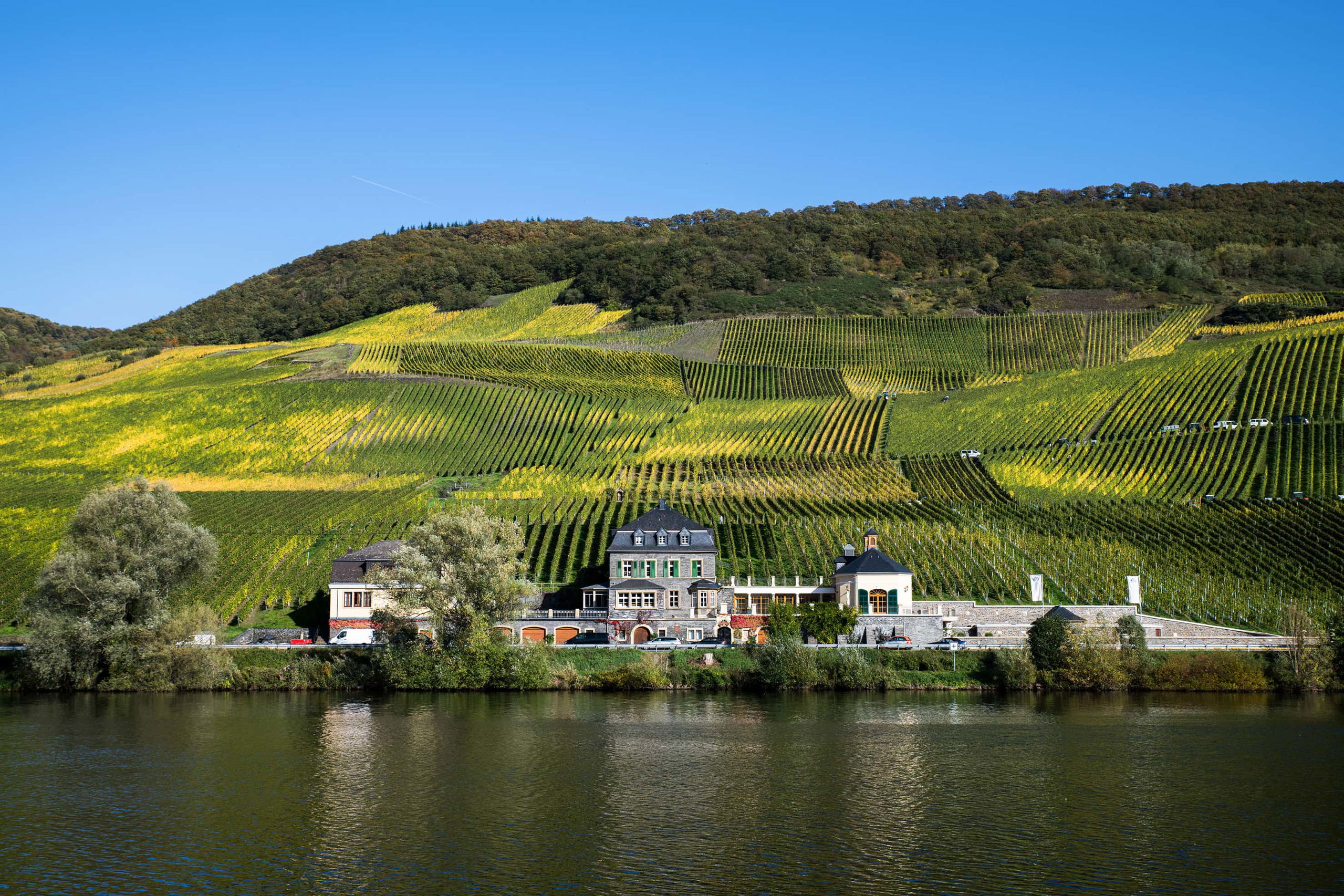
Weingut Dr. Loosen presents a measured, sophisticated character rooted in place. The estate operates from St. Johannishof on the Mosel's steep, slate-strewn slopes, and the copy foregrounds geology and river influence as the defining forces behind the wines’ high acidity and stony thread. The writing highlights decades of advocacy for Mosel Riesling and a Pearl 4 Star Prestige rating, framing the domaine as an established, internationally recognized interpreter of slate-driven Riesling. The overall tone is educative and refined rather than flashy, foregrounding terroir, consistency and craft over trend-led spectacle.
Best For
This estate is best approached with a focus on learning and tasting. The description centers on terroir, vine position and stylistic identity—elements that appeal to visitors interested in wine education and solo exploration. Travelers who want to study how blue Devonian slate and the Mosel river shape acidity, ripeness and minerality will find the narrative particularly aligned with their aims. The estate’s reputation and consistent ratings suggest a visit geared toward thoughtful tasting and context rather than purely socializing or nightlife.
Tasting Tips
When engaging with Dr. Loosen’s wines, orient your tasting around terroir and vintage expression. Look for bottlings that reference slate or specific sites and taste for the hallmark Mosel traits called out in the text: high acidity, relatively low alcohol and a persistent stony thread beneath fruit. Compare vintages to hear how the river and slate moderate ripeness and flavour in cooler versus warmer years. Prioritize Riesling releases and any estate- or site-designated wines to experience the clearest expression of the described terroir.
Venue details
Ambiance
Cozy, minimalist German style with knowledgeable staff providing informative tastings in a welcoming atmosphere.
Tags
Vibe
Best For
Experience
Sourcing
View
At the Vineyard
- Appellation
- Mosel
- Varietals
- Riesling, Weissburgunder
- Tour Duration
- 60-90 minutes
- Tour Languages
- English
- Visits
- By reservation
- Farming
- Organic
- Production
- Mid-size producer
- Wine Styles
- Still White
- Wine Club
- Not available
Know before you go
Know Before You Go
- Getting there
- St. Johannishof, B53, 54470 Bernkastel-Kues
Planning details
Location
Recognition and awards


Winery context
How It Compares
For Bernkastel-Kues and the surrounding Mosel, Weingut Dr. Loosen is the prestige-leaning Riesling choice: harder to access, stronger on name recognition, and better suited to a traveler who wants the estate itself to justify the schedule. Weingut Willi Schaefer in Graach an der Mosel is the sharper nearby cross-shop if the priority is comparing serious Mosel Riesling producers without committing the entire day to one address.
Weingut Van Volxem in Wiltingen pushes the decision toward a broader Saar itinerary, while Weingut Clemens Busch in Pünderich suits travelers who want another Mosel reference point outside Bernkastel-Kues. For value assessment, Dr. Loosen is worth pursuing when Riesling education and estate reputation matter more than transparent visit pricing, because the record does not provide tasting fees or bottle ranges.
If Germany-wide comparison is on the table, Weingut Wittmann in Westhofen, Weingut Müller-Catoir in Neustadt an der Weinstraße, and Weingut Von Winning in Deidesheim are better for travelers building a multi-region German white-wine trip. Choose Dr. Loosen when the trip is specifically Mosel-led and the booking effort is acceptable.
Explore Bernkastel-Kues
Around this place
Discover more on Pearl
Unlock the full Weingut Dr. Loosen guide in Pearl, including awards, comparisons, FAQs, planning details, and nearby places.
FAQ
Frequently Asked Questions
What other wineries are near Weingut Dr. Loosen?
Bernkastel-Kues puts you in the Mosel core, so there are multiple nearby Riesling estates worth comparing if you want to build a tasting day around St. Johannishof, B53, 54470 Bernkastel-Kues. Use Dr. Loosen for the benchmark stop, then compare against smaller family estates if you want a quieter, less name-driven visit.
What is the flagship wine at Weingut Dr. Loosen?
Riesling is the flagship here, and the estate's award text specifically frames Dr. Ernie Loosen as an advocate for that grape. If you're not interested in Mosel Riesling, this is probably not the right stop.
Does Weingut Dr. Loosen ship wine?
The database record does not list shipping details, so do not plan on delivery as a given. If shipping matters, ask before you commit, especially since this is a destination estate in Bernkastel-Kues rather than a casual retail stop.
Is the wine club at Weingut Dr. Loosen worth joining?
Join only if you already buy Mosel Riesling regularly, because the case for membership is repeated access rather than novelty. With a Pearl 4 Star Prestige rating in 2025, the estate has enough credibility to justify a club for loyal buyers, but casual visitors will usually get more value from a single purchase.
How long should I plan for a visit to Weingut Dr. Loosen?
Plan for about 60 to 90 minutes if you're doing a focused stop at St. Johannishof, B53, 54470 Bernkastel-Kues. Add more time if you want to buy bottles or compare styles carefully, since this is the kind of estate where the value comes from the wines, not a rushed drop-in.