


E. Guigal
Ampuis
Winery in Ampuis, France
 Book with Pearl
The Read
Côte-Rôtie Benchmark Domaine
Why go
Prioritise E. Guigal if the trip is built around Côte-Rôtie and producer reputation, not if the goal is a casual, flexible tasting day. Its 1946 first vintage, Philippe Guigal connection, and major vineyard recognition make it a serious Ampuis anchor, but access planning matters more here than spontaneity.
About E. Guigal
In Ampuis, E. Guigal is best treated as a page with a concise profile rather than a listing with fully confirmed public planning details. The confirmed information is limited: Philippe Guigal is listed as general manager and winemaker, the dress code is smart casual, and the venue has confirmed recognition including Pearl 4 Star Prestige (2025) and World's 50 Best Vineyards #42 (2019).
For travellers comparing options, the case for E. Guigal rests on the Ampuis setting, Philippe Guigal association, and confirmed recognition rather than on details about pricing, opening hours, access policy, group capacity, purchases, or food service. If those details matter to the trip, confirm them directly before building an itinerary around the visit.
Use the confirmed recognition as context, not as a substitute for practical planning. E. Guigal may suit an Ampuis itinerary, but the available data does not support claims about walk-in access, a specific visit format, lunch, delivery, shipping, or a particular selection of items.
Book this for Ampuis context, not assumed flexibility
The main reason to prioritise E. Guigal is its confirmed identity in Ampuis and its documented recognition. It is a stronger fit for travellers who specifically want to include this venue than for groups choosing solely on convenience, public pricing, or a guaranteed service format.
If the trip needs breadth, compare E. Guigal with Chapoutier, Delas Freres, Domaine Jamet, Domaine M&S; Ogier D'Ampuis, and Paul Jaboulet Aîné. For other parts of the day, use Ampuis planning separately rather than assuming additional services are part of a visit to E. Guigal.
Who should prioritise it
Prioritise this for travellers who value the E. Guigal name, Ampuis context, smart-casual presentation, Philippe Guigal association, and confirmed recognition. Be more cautious if the group needs details on pricing, hours, group size, purchases, food, or a specific visit format before committing.
Quick reference: strongest for focused Ampuis planning around a recognised venue; weakest for travellers who need fully published logistics before deciding.
Planning details
- Location
- 5 Rte de la Taquière, 69420 Ampuis
- Website
- guigal.com
- Phone
- +33 4 74 56 10 22
The take
The Take
The Vibe
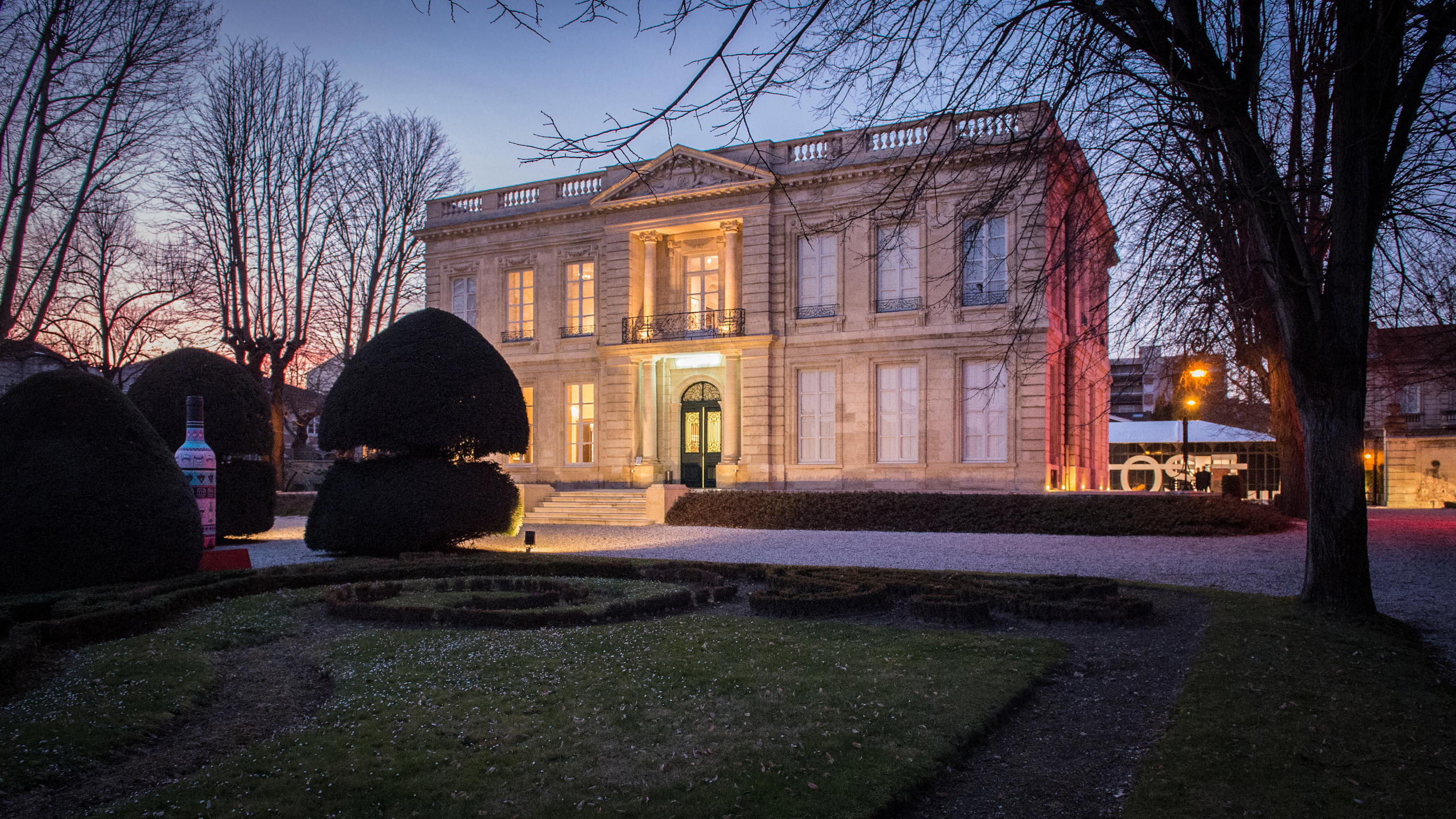
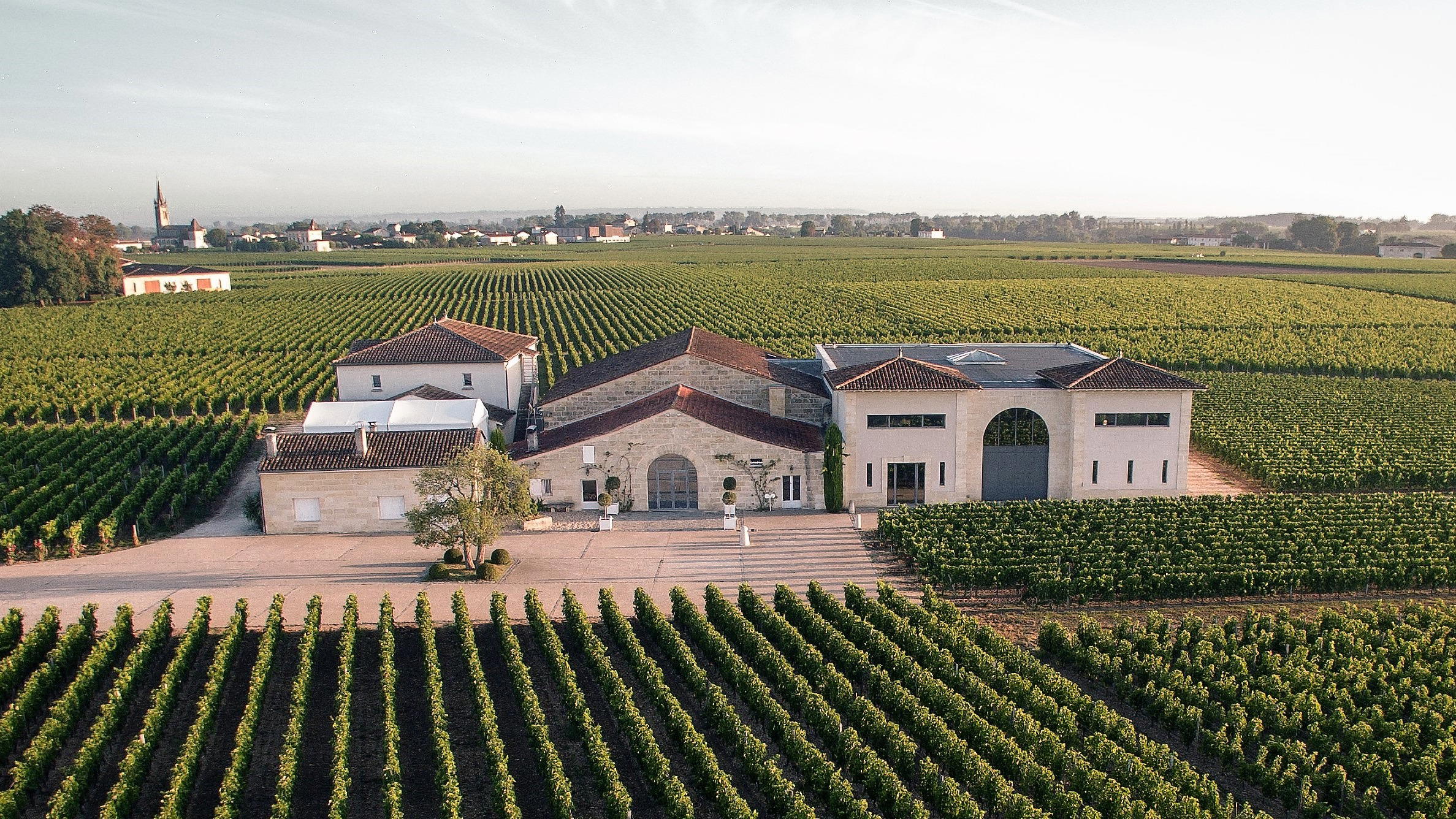
Château d'Ampuis presents itself first as architecture: a Renaissance palace built on a twelfth‑century fortress that sits directly on the Rhône. The stone façades and riverside position make the building as much a part of the estate’s identity as its vineyards, so visits feel anchored in history and place. The writing on the walls — literal and figurative — emphasizes lineage and terroir, and the château’s presence reinforces why Ampuis and Côte‑Rôtie are treated with such reverence within the Northern Rhône.
Best For
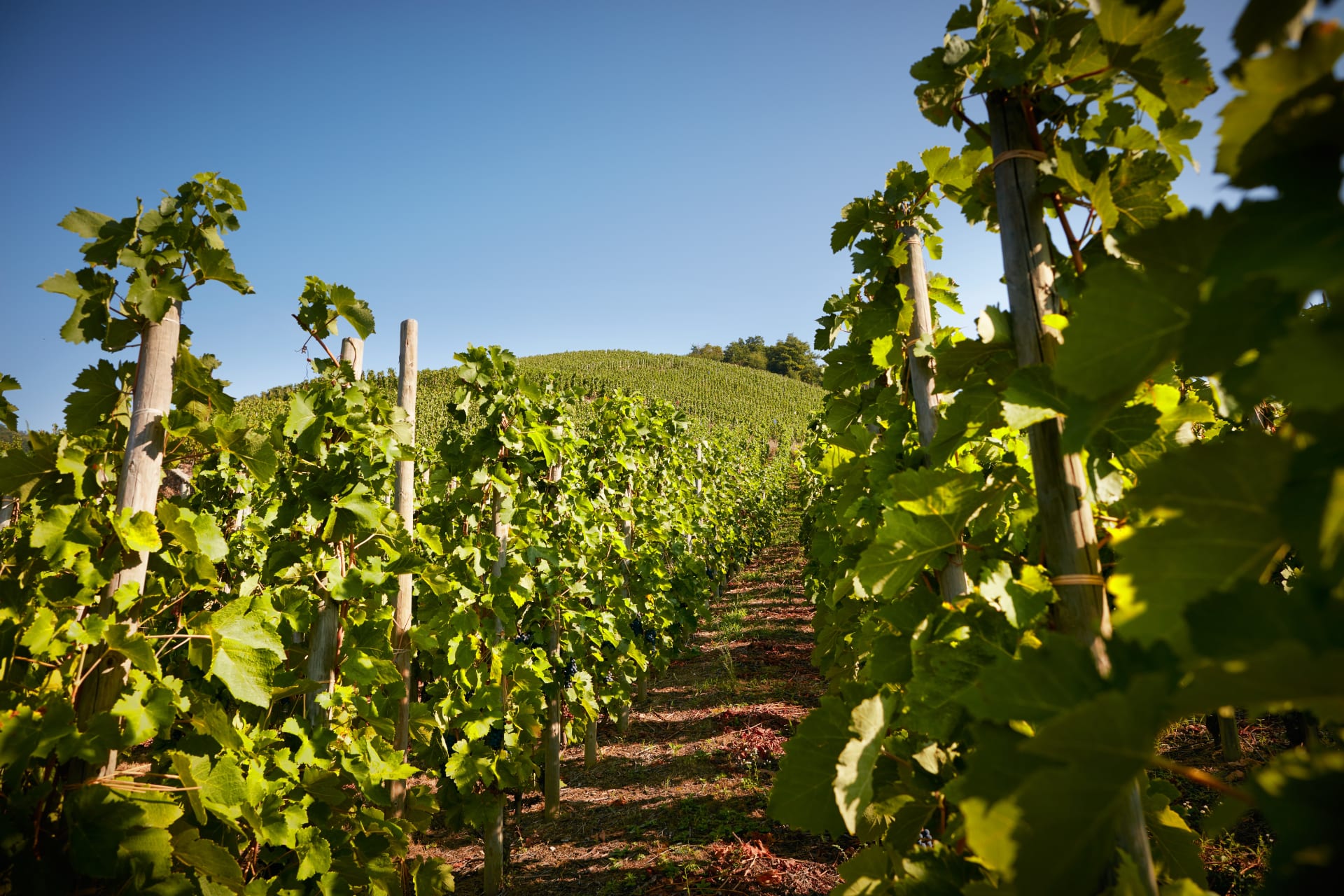
This is a destination for anyone who wants to understand Côte‑Rôtie in context. The estate’s lineage and the Guigal family’s role in elevating single‑vineyard bottlings make it especially rewarding for educational visits focused on lieu‑dit expression, vine age, and vinification history. At the same time, the château’s grand, riverside setting naturally suits milestone visits and special‑occasion itineraries where the surroundings are as important as the wines themselves.
Tasting Tips
Prioritize tasting or exploring the estate’s single‑vineyard expressions: the text singles out La Mouline, La Landonne and La Turque as central examples of Guigal’s approach to lieu‑dit identity. When you’re on site, frame your visit around comparisons that illuminate differences in soil, exposure and vine age, and seek out perspective from the winemaking team — Philippe Guigal is identified as leading winemaking and the narrative stresses the importance of the estate’s single‑vineyard thinking.
Venue details
Ambiance
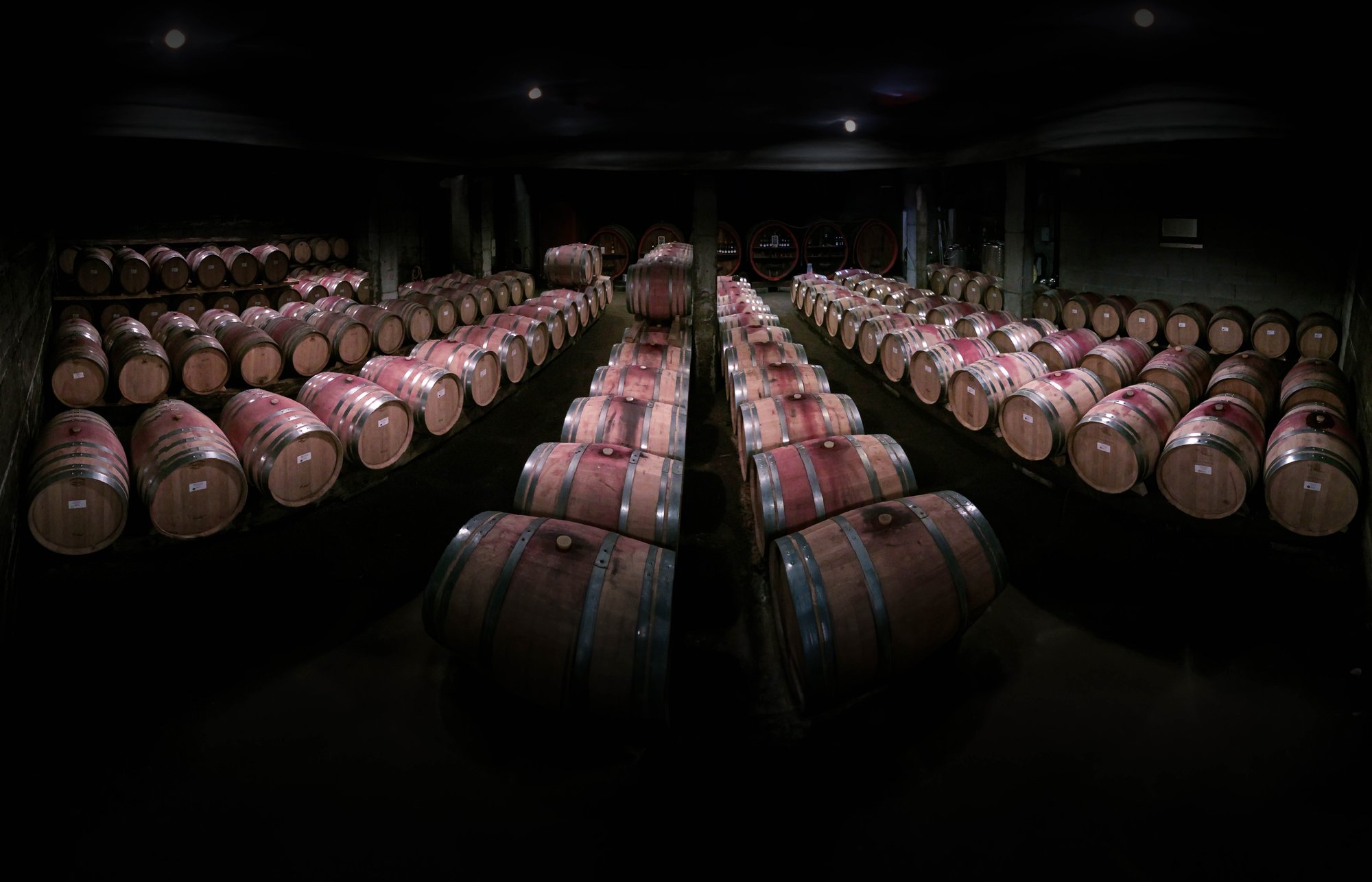
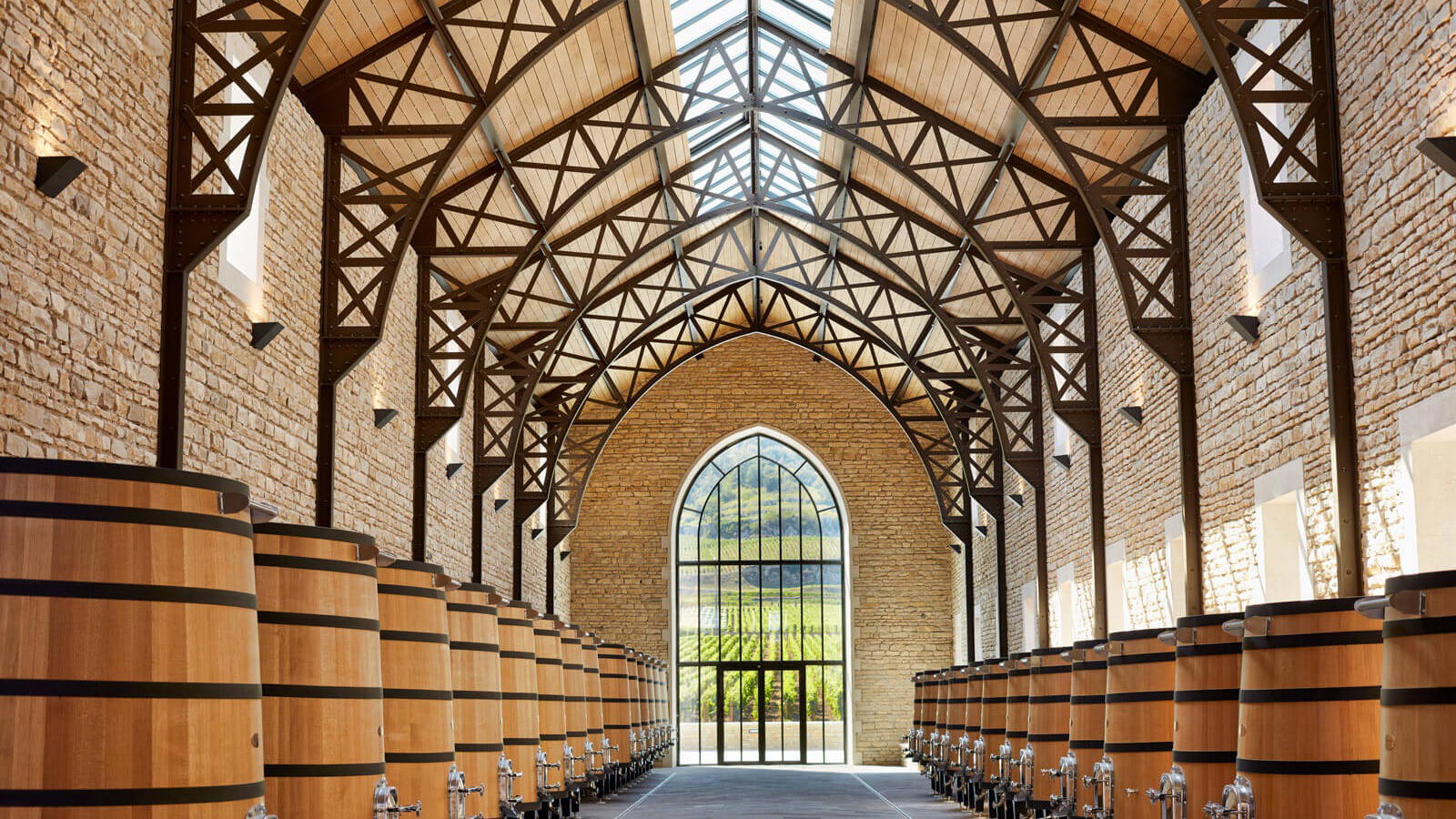
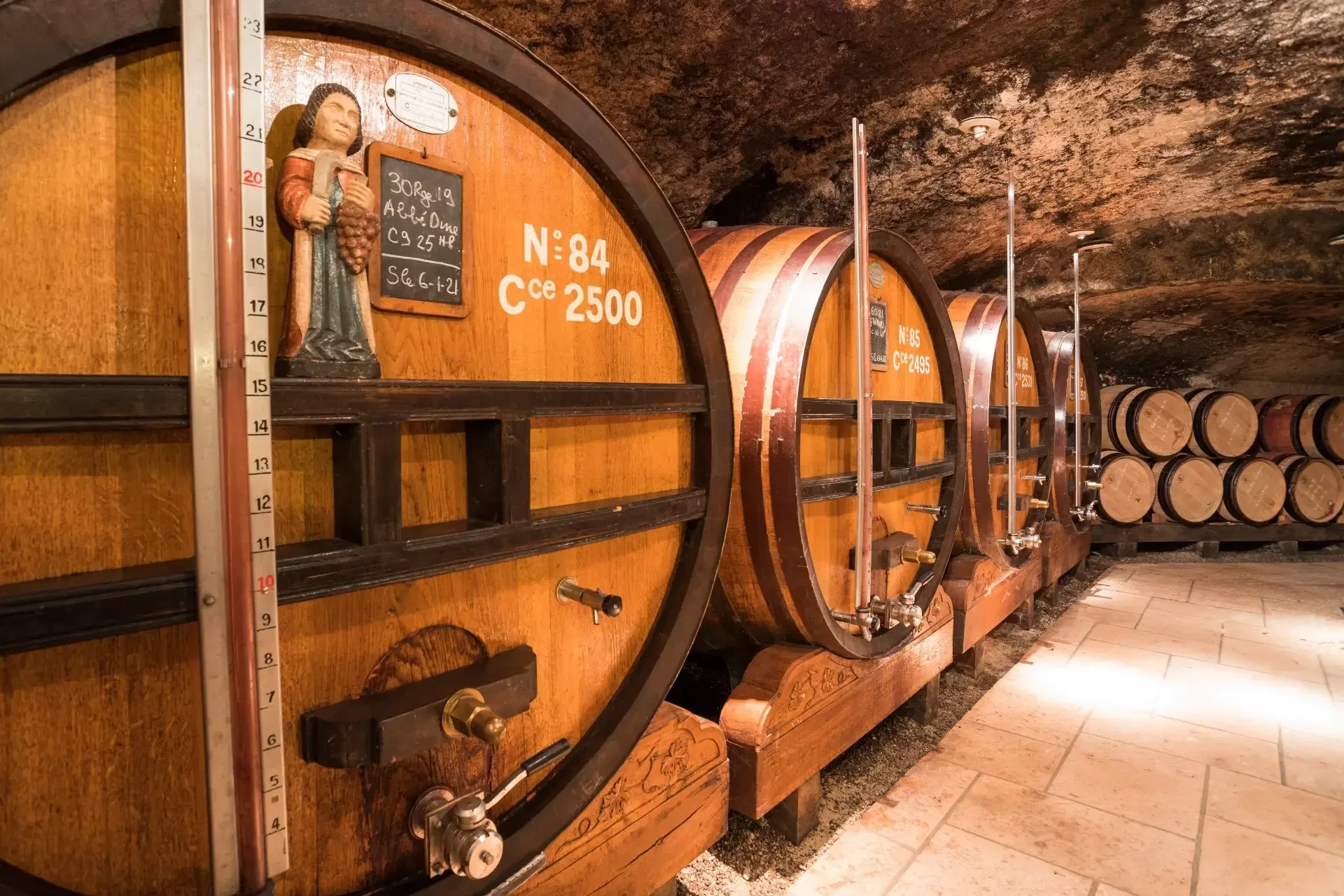
Historic château setting with underground cellars housing thousands of barrels, evoking timeless elegance and reverence for traditional winemaking amid ancient vineyard landscapes.
Tags
Vibe
Best For
Experience
View
At the Vineyard
- Appellation
- Côte-Rôtie AOC
- Varietals
- Syrah, Viognier
- Tour Duration
- 60-90 minutes
- Visits
- By appointment only
- Production
- Large producer
- Wine Styles
- Still Red
- Wine Club
- Not available
Know before you go
Know Before You Go
- Getting there
- 5 Rte de la Taquière, 69420 Ampuis
Planning details
Location
Recognition and awards


Also consider
If this is hard to arrange
Start with Domaine Jamet if the priority is staying in Ampuis with another serious local producer. Add Domaine M&S; Ogier D'Ampuis as the second local cross-shop for a focused Northern Rhône day.
If the trip can move beyond Ampuis, compare Chapoutier, Paul Jaboulet Aîné, and Delas Freres for a broader Rhône itinerary.
Winery context
How it compares in and around Ampuis
Domaine Jamet is the sharper cross-shop for travellers who want a more tightly focused Ampuis comparison, while E. Guigal is the safer priority when the goal is a major-name Northern Rhône anchor. For a special occasion, Guigal carries more brand gravity; for a narrower producer-to-producer itinerary, Jamet may feel more targeted.
Domaine M&S; Ogier D'Ampuis is the other local comparison to check first if scheduling is difficult. Choose Ogier when the trip needs another Ampuis name and a potentially more focused stop; choose Guigal when recognition and regional scale matter more than ease.
Chapoutier, Paul Jaboulet Aîné, and Delas Freres make better sense for travellers building a broader Rhône itinerary beyond Ampuis. They are stronger alternatives if the day is about covering the valley; E. Guigal is the better call when Ampuis itself is the point.
Explore Ampuis
Around this place
Discover more on Pearl
Unlock the full E. Guigal guide in Pearl, including awards, comparisons, FAQs, planning details, and nearby places.
Compare E. Guigal
| Venue | Location | Awards |
|---|---|---|
| E. Guigal | Ampuis | 2026 Falstaff Winery Guide2025 Pearl 4 Star Prestige2019 World's 50 Best Vineyards · #42 |
| Domaine M&S Ogier D'Ampuis | Ampuis | No published awards |
| Domaine Jamet | Ampuis | 2026 Falstaff Winery Guide2025 Pearl 4 Star Prestige |
| Chapoutier | Tain-l'Hermitage | 2025 World's 50 Best Vineyards · #772025 Pearl 4 Star Prestige2024 World's 50 Best Vineyards · #42 |
| Paul Jaboulet Aîné | Tain-l'Hermitage | 2026 Falstaff Winery Guide2025 Pearl 4 Star Prestige |
| Delas Freres | Tain-l'Hermitage | 2026 Falstaff Winery Guide2025 Pearl 3 Star Prestige |
How E. Guigal Ampuis compares with similar nearby venues.
FAQ
Frequently Asked Questions
What other venues are useful comparisons for E. Guigal?
Useful comparisons include Domaine M&S; Ogier D'Ampuis, Domaine Jamet, Chapoutier, Paul Jaboulet Aîné, and Delas Freres. If you want to stay focused on Ampuis, compare options carefully and confirm the practical details for each stop.