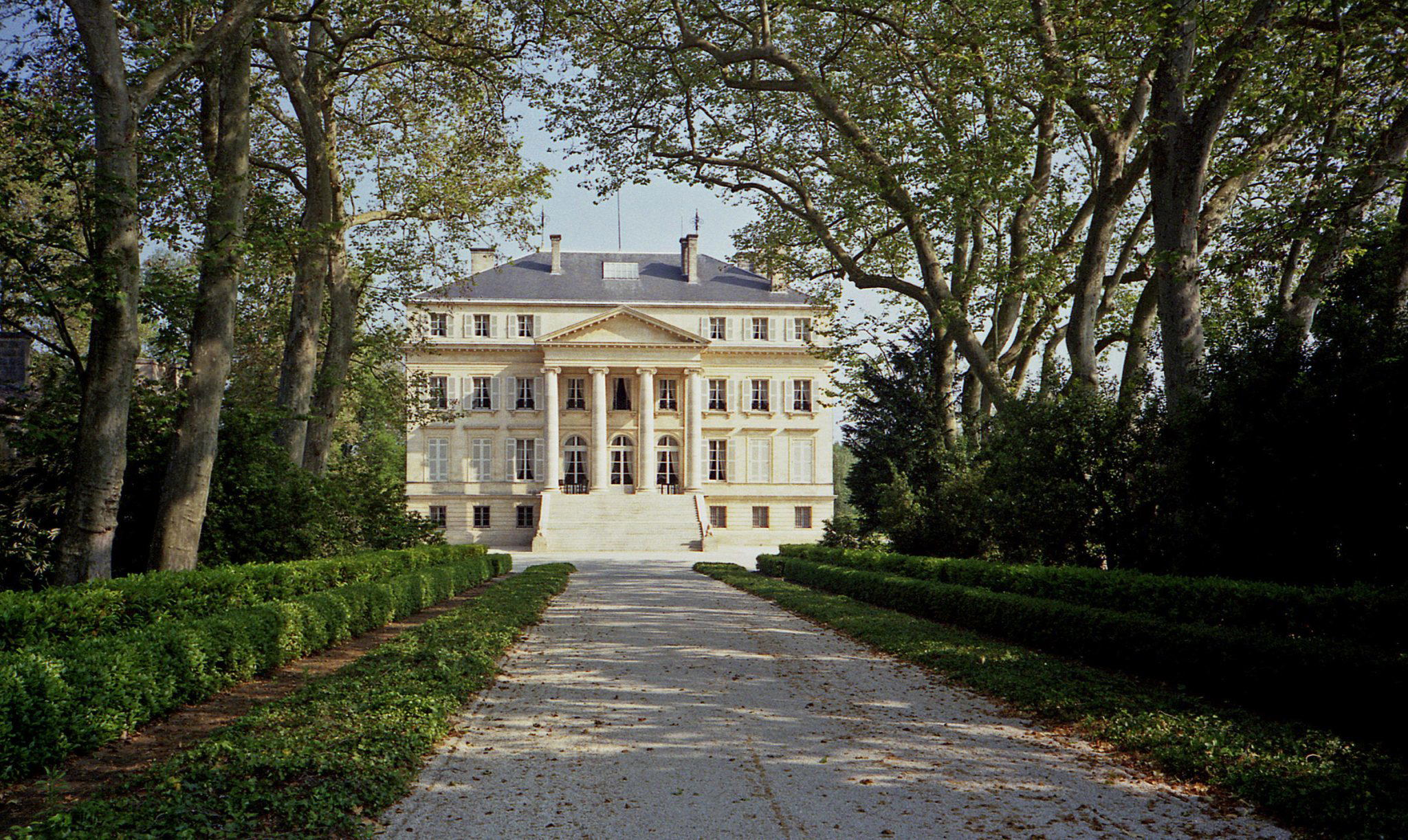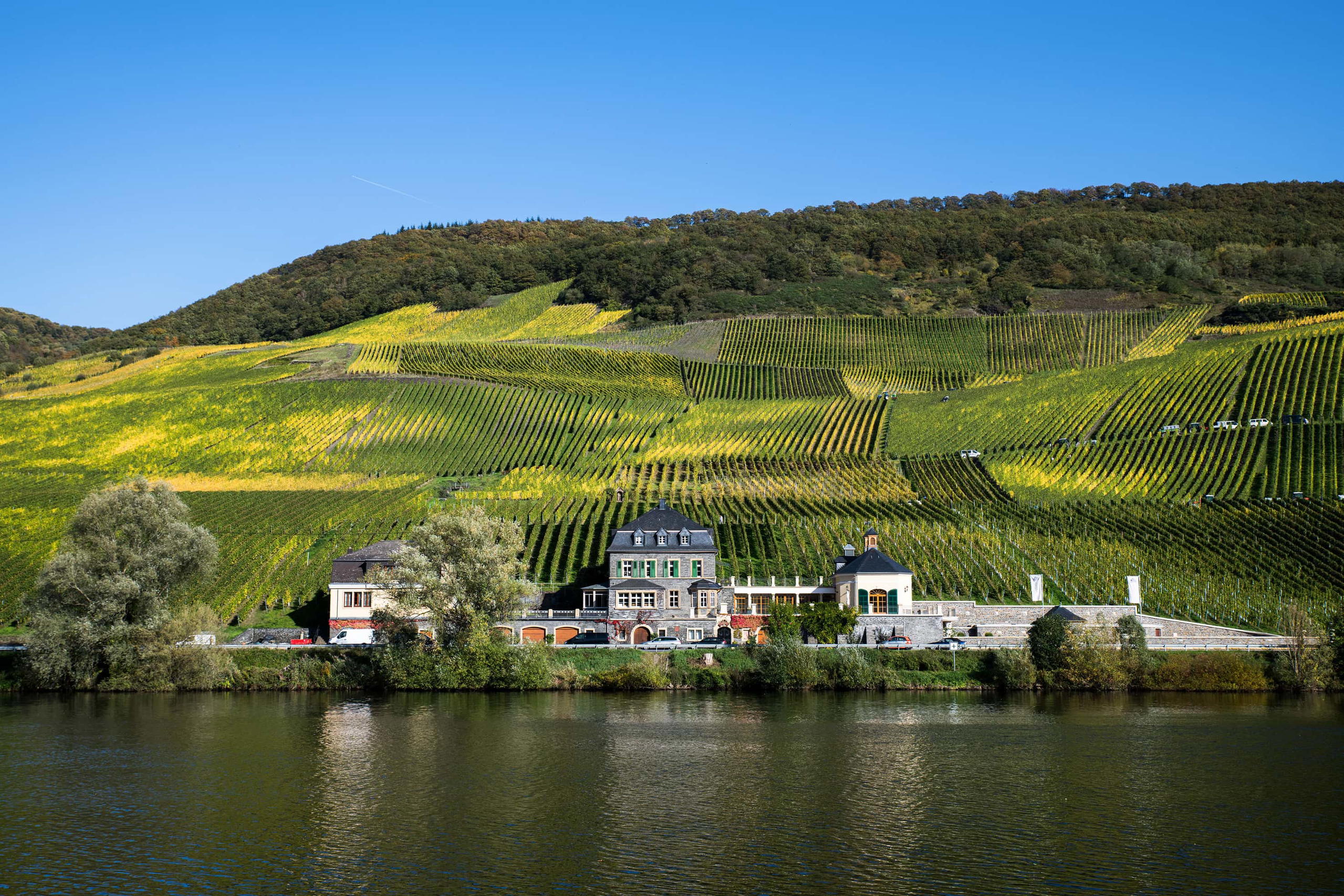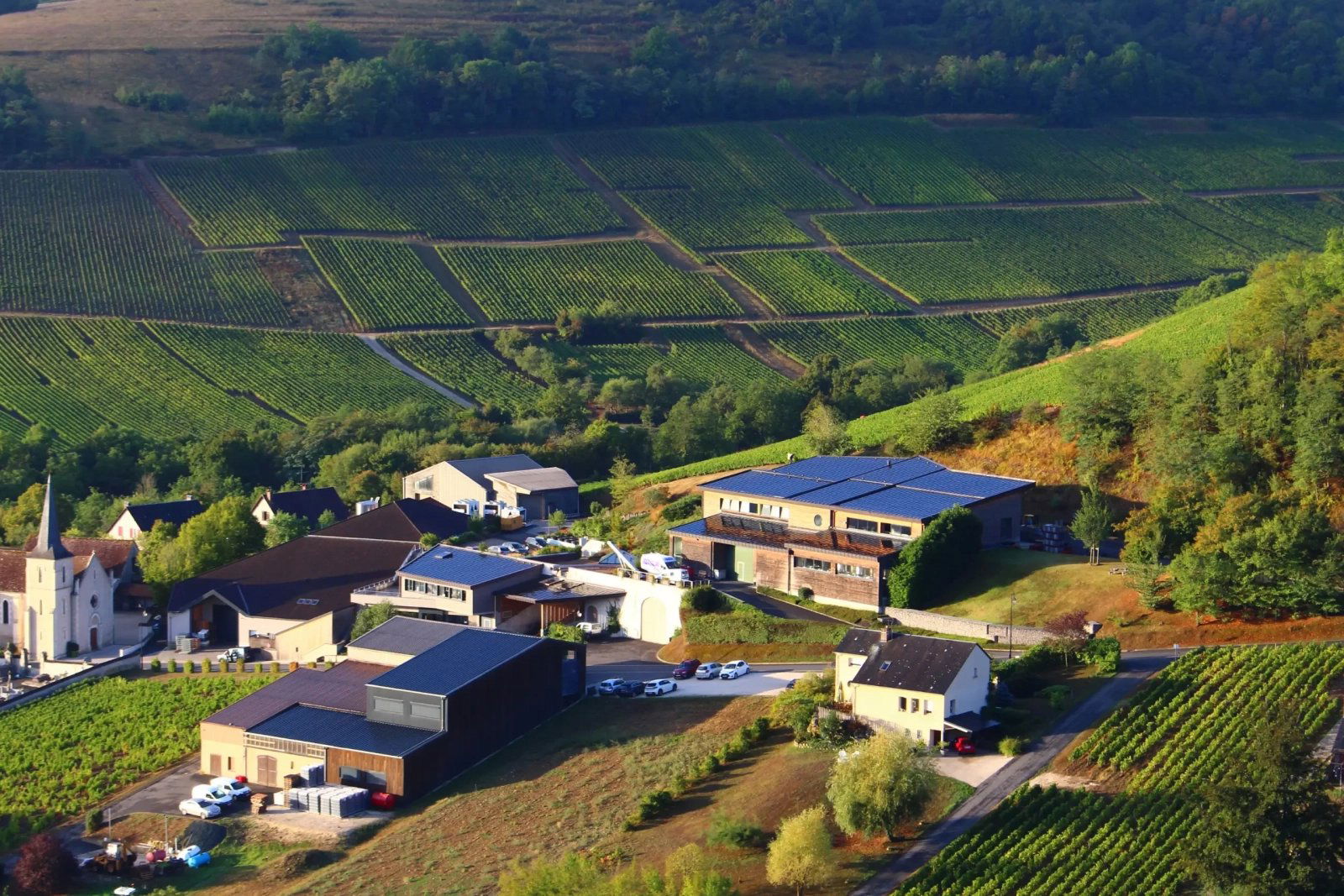

Domaine Henri Bourgeois
Loiré
Winery in Loiré, France
 Book with Pearl
The Read
Sancerre by Craft
Why go
Domaine Henri Bourgeois is worth prioritizing if the trip is built around Sancerre and the occasion needs a serious producer rather than a casual tasting stop. Access can be difficult, so treat it as the anchor request and keep nearby winery alternatives ready.
About Domaine Henri Bourgeois
For planning in Loiré, Domaine Henri Bourgeois is a venue to place on your shortlist before building a full itinerary around it. Domaine Henri Bourgeois was ranked #43 in World's 50 Best Vineyards in 2019 and holds Pearl 1 Star Prestige for 2025. Beyond that recognition, visitor-facing specifics should be checked with the venue rather than assumed.
The draw is the standing, not a set of hospitality details. If you are planning a special stop, use the accolades as a reason to put Domaine Henri Bourgeois on the shortlist, then confirm timing, access, logistics before committing the rest of the day.
A recognized Loiré venue to plan around carefully
Bookers should be realistic about the available information: the record supports Domaine Henri Bourgeois as a recognized name, but it does not confirm a particular visit format, service style, tasting structure, or schedule. It works well as a planned stop with details confirmed in advance. Use Loiré restaurants and other Loiré resources if the trip needs a broader plan.
Value comes down to confirmed access and fit
If the question is whether Domaine Henri Bourgeois is worth prioritizing, the strongest case is its recognition: World's 50 Best Vineyards #43 in 2019 and Pearl 1 Star Prestige in 2025. For a broader comparison, consider other notable names such as Didier Dagueneau, Domaine Clotilde Davenne, Domaine Jean-Marc Brocard, Edmond Vatan, Le Domaine d'Edouard, while confirming each venue's own details separately.
Planning details
- Location
- 18300 Sancerre
- Website
- famillebourgeois-sancerre.com
- Phone
- +33 2 48 78 53 20
The take
The Take
The Vibe
Domaine Henri Bourgeois reads like a place defined by land rather than fashion. The writing emphasizes the pale, steep escarpment of Sancerre and the marine Kimmeridgian limestone that gives the wines their mineral spine, so the estate feels overtly scenic and grounded. At the same time the family continuity and long-standing claim on leading sites lend a classic, historic character: this is a producer rooted in generations of site knowledge rather than recent reinvention. The overall impression is of an old-established Loire domaine where geology and lineage shape both style and personality.
Best For
This domaine is best for anyone interested in learning how terroir informs Sauvignon Blanc—collectors, curious buyers and students of wine who want to compare site-driven expressions. The portfolio is presented as a comparative study across Sancerre’s principal soils, so readers who value mineral detail, soil-driven aromatic differences and lineage in winemaking will find this estate especially informative. It suits visits or purchases focused on tasting contrasts rather than a single signature bottling.
Tasting Tips
When selecting wines from Domaine Henri Bourgeois, lean into the soil distinctions the text highlights. Seek out examples from the terres blanches for weight and density, bottles from the caillottes for a leaner, citrus-driven expression, and parcels on silex for the aromatic, gunpowder-edged style Sancerre collectors prize. Pay attention to producers’ notes about Kimmeridgian limestone and look for wines that emphasize mineral tension—those descriptors indicate the stylistic traits the write-up stresses.
Venue details
Planning details
Location
Recognition and awards

Also consider
If You Can't Get In
Try Domaine Clotilde Davenne or Domaine Jean-Marc Brocard if the priority is keeping the day winery-focused without overcommitting to one difficult booking. For a more collector-minded alternative, compare Didier Dagueneau, but treat it as a specialist target rather than an easy substitute.
Winery context
How It Compares
Domaine Henri Bourgeois is the stronger pick for readers who want a recognizable Sancerre anchor with international validation. Edmond Vatan and Didier Dagueneau are better cross-shops for collectors chasing scarcity and producer prestige, but they are not the practical fallback if the goal is an easier celebratory visit.
For a less pressured itinerary, Le Domaine d'Edouard, Domaine Clotilde Davenne, Domaine Jean-Marc Brocard make more sense as backup options because they help keep the day wine-focused without hinging everything on one hard-to-secure stop. Choose Henri Bourgeois when the name on the itinerary matters; choose one of these when flexibility matters more.
Explore Loiré
Around this place
Discover more on Pearl
Unlock the full Domaine Henri Bourgeois guide in Pearl, including awards, comparisons, FAQs, planning details, and nearby places.
Compare Domaine Henri Bourgeois
| Venue | Location | Awards |
|---|---|---|
| Domaine Henri Bourgeois | Loiré | 2019 World's 50 Best Vineyards · #43 |
| Edmond Vatan | Vatan | 2025 Pearl 5 Star Prestige |
| Didier Dagueneau | Saint-Andelain | 2025 Pearl 4 Star Prestige |
| Le Domaine d'Edouard | Vaux | No published awards |
| Domaine Clotilde Davenne | Préhy | No published awards |
| Domaine Jean-Marc Brocard | Préhy | No published awards |

How Domaine Henri Bourgeois in Loiré compares with similar nearby venues.
FAQ
Frequently Asked Questions
What other venues can I compare with Domaine Henri Bourgeois?
For comparison, consider names such as Edmond Vatan, Didier Dagueneau, Le Domaine d'Edouard, Domaine Clotilde Davenne, Domaine Jean-Marc Brocard. Domaine Henri Bourgeois has recognition from World's 50 Best Vineyards, where it ranked #43 in 2019, Pearl 1 Star Prestige in 2025.
Is Domaine Henri Bourgeois worth prioritizing?
It works if confirmed recognition matters to your plans. Domaine Henri Bourgeois was ranked #43 in World's 50 Best Vineyards in 2019 and holds Pearl 1 Star Prestige for 2025.