
Casas del Bosque
Las Dichas, Casablanca
Winery in Casablanca, Chile
 Book with Pearl
The Read
Coastal Cool Elegance
Why go
Casas del Bosque is worth prioritizing if a Casablanca wine day needs one internationally recognized anchor. Its World's 50 Best Vineyards #42 ranking in 2025 gives it stronger decision value than a casual tasting stop, but the booking difficulty means travelers should plan ahead and keep a backup winery in mind.
About Casas del Bosque
Casas del Bosque is a Casablanca venue with clear recognition: World's 50 Best Vineyards #42 (2025) and Pearl 1 Star Prestige (2025). Use it as a reference point when comparing options in Casablanca, while checking the venue directly for current visit formats, availability, and any practical details.
Use it as the anchor, then build the day around your plans
This is a good pick for travelers who want a recognized Casablanca stop. Casas del Bosque offers a credibility-led choice, but always confirm specific details like menus, visit lengths, pricing, or service formats directly with the venue.
If you are planning a broader day, treat Casas del Bosque as the central name to confirm first, then compare other venues based on the experience you want. For specifics such as tours, tastings, food, accessibility, group policies, or reservations, rely on the venue's official channels before finalizing plans.
Who should choose this over another recognized venue
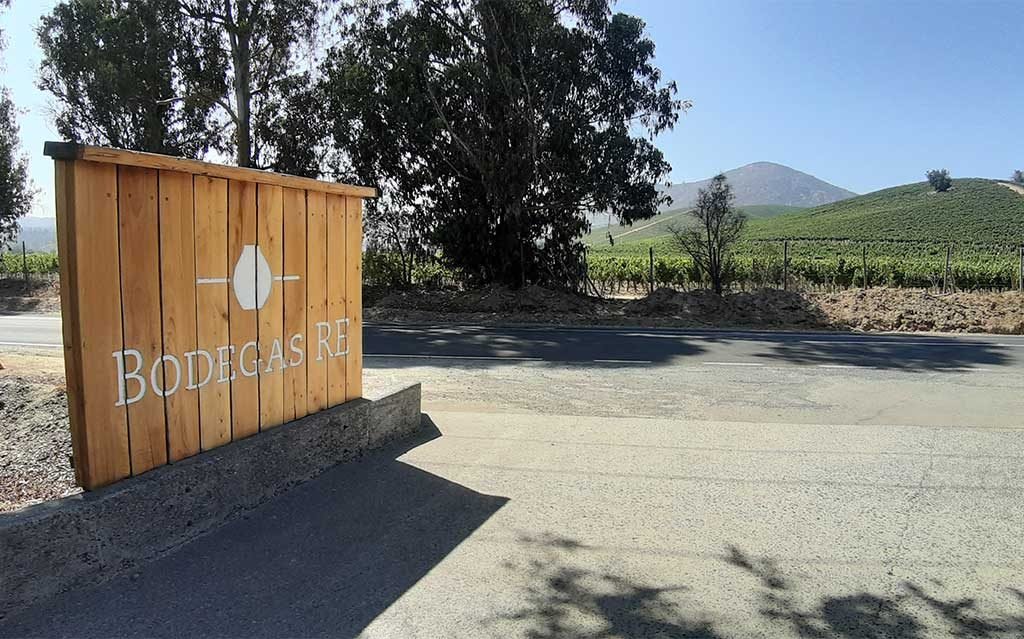
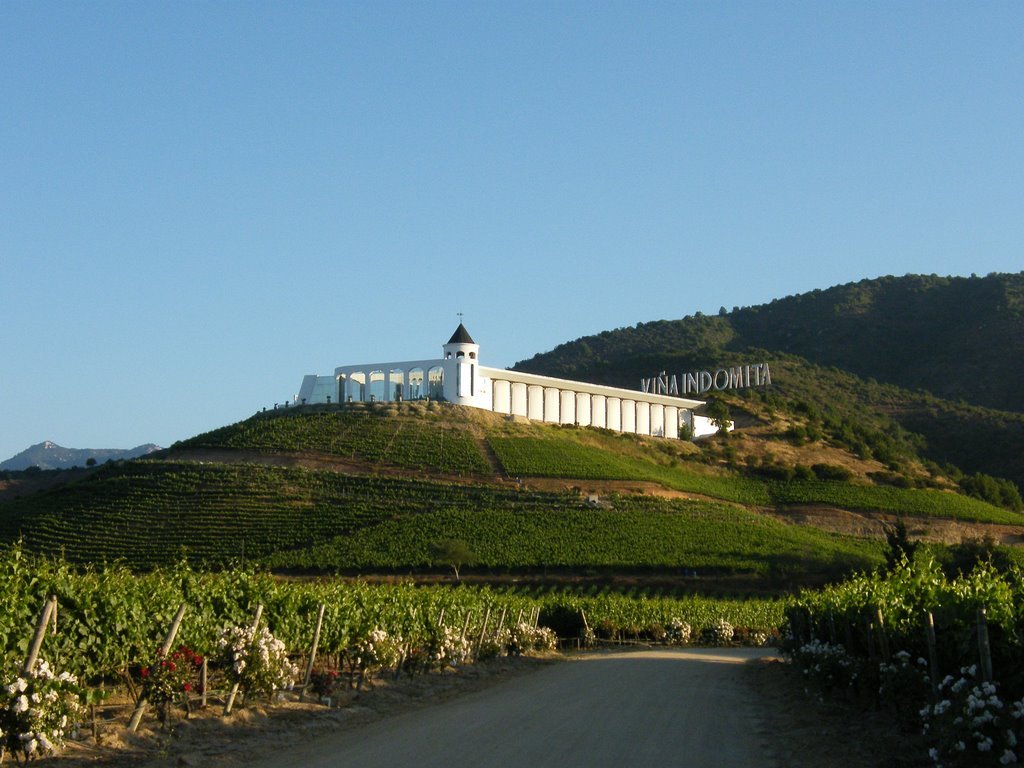
Choose Casas del Bosque if a recognized Casablanca venue is the priority. Cross-shop Bodegas RE, Casa Marín, Viña Undurraga, Viña Chocalán, or Viña Seña if you are comparing different stops, but do not assume a specific style, format, or service at any venue without confirming it directly.
Planning details
- Location
- Ex Fundo Hijuela Sta Rosa Nº 2 - F-830 1900, Casablanca, Valparaíso
- Website
- casasdelbosque.cl/en
- Phone
- +56 2 2480 6941
The take
The Take
The Vibe
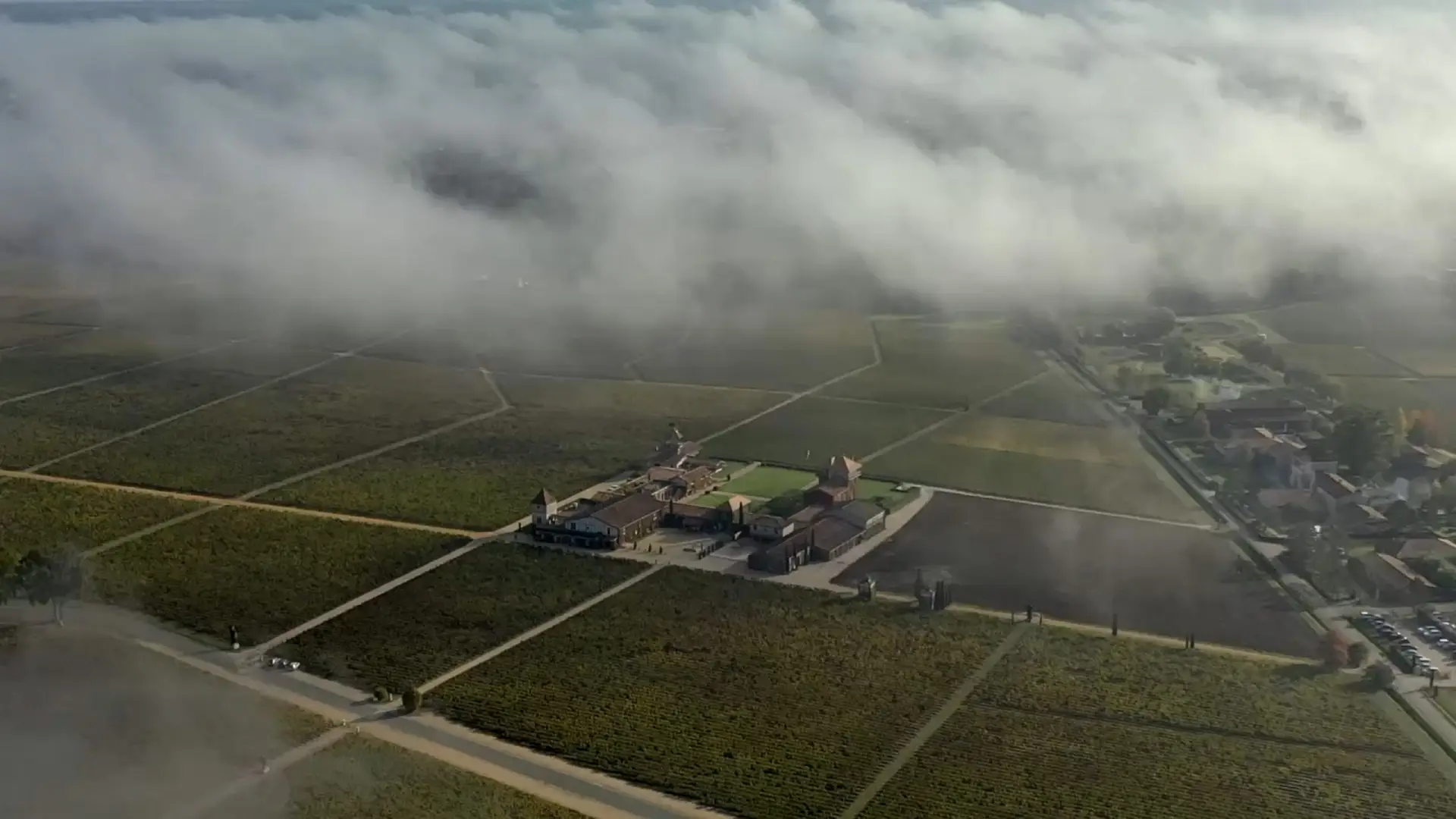
Casas del Bosque presents a scenic, measured presence in Casablanca Valley where cool Pacific fog, pine forests and olive trees frame the vineyards. The estate reads as a classic regional actor: established in 1993, it holds decades of institutional memory that inform winemaking choices rather than marketing. The writing on its aging and blending program makes the place feel sophisticated — a producer that treats cellar work as an editorial act. Visitors encounter a thoughtful, landscape-rooted winery where terroir and technique converse, and the surroundings continually remind you that this is cool-climate viticulture shaped by ocean influence.
Best For
This estate is best for visitors who want to understand how coastal Casablanca yields aromatic whites and cool-climate reds and how cellar decisions shape final wines. Tasting here suits people interested in wine education, vintage variation and the role of barrel aging and blending: the property’s history and explicit focus on extended aging invite deeper conversation with winemaking staff. It also appeals to anyone who values a vineyard setting — the managed landscape of pines and olive trees provides a clear sense of place while the cellar narrative offers technical insight into the region’s stylistic evolution.
Tasting Tips
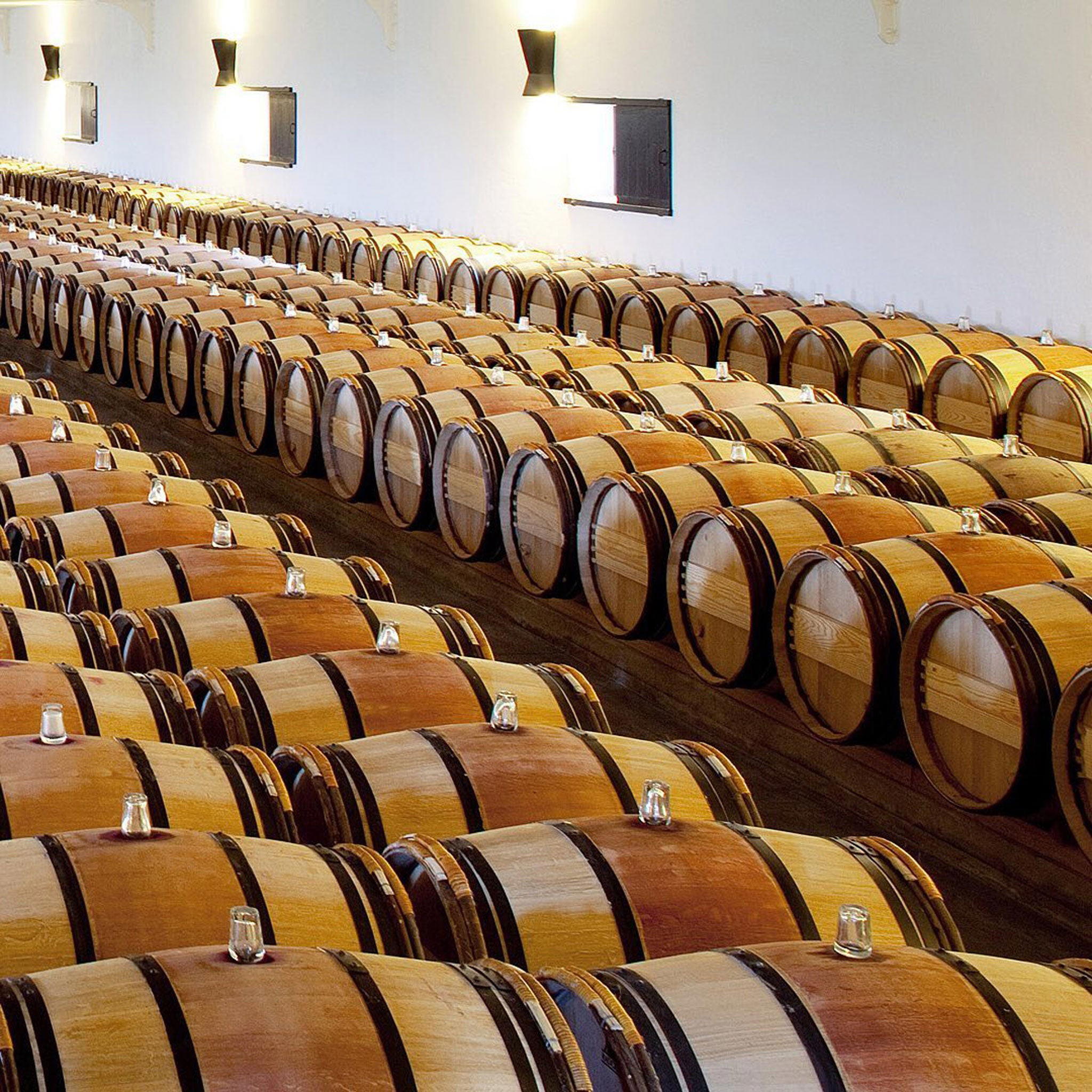
When tasting at Casas del Bosque, prioritize the varieties the text highlights: Sauvignon Blanc, Chardonnay and Pinot Noir, since the valley’s cool climate and fog directly inform those wines. Ask about specific vintages that tracked the fog cycles and about any decisions around extended barrel contact and blending — the estate emphasizes aging as a deliberate choice. If staff can show cellar or barrel work, request explanations of fermentation temperatures and barrel regimen to better appreciate how primary aromatics are preserved through aging and how complexity is built without simply adding weight.
Venue details
Ambiance
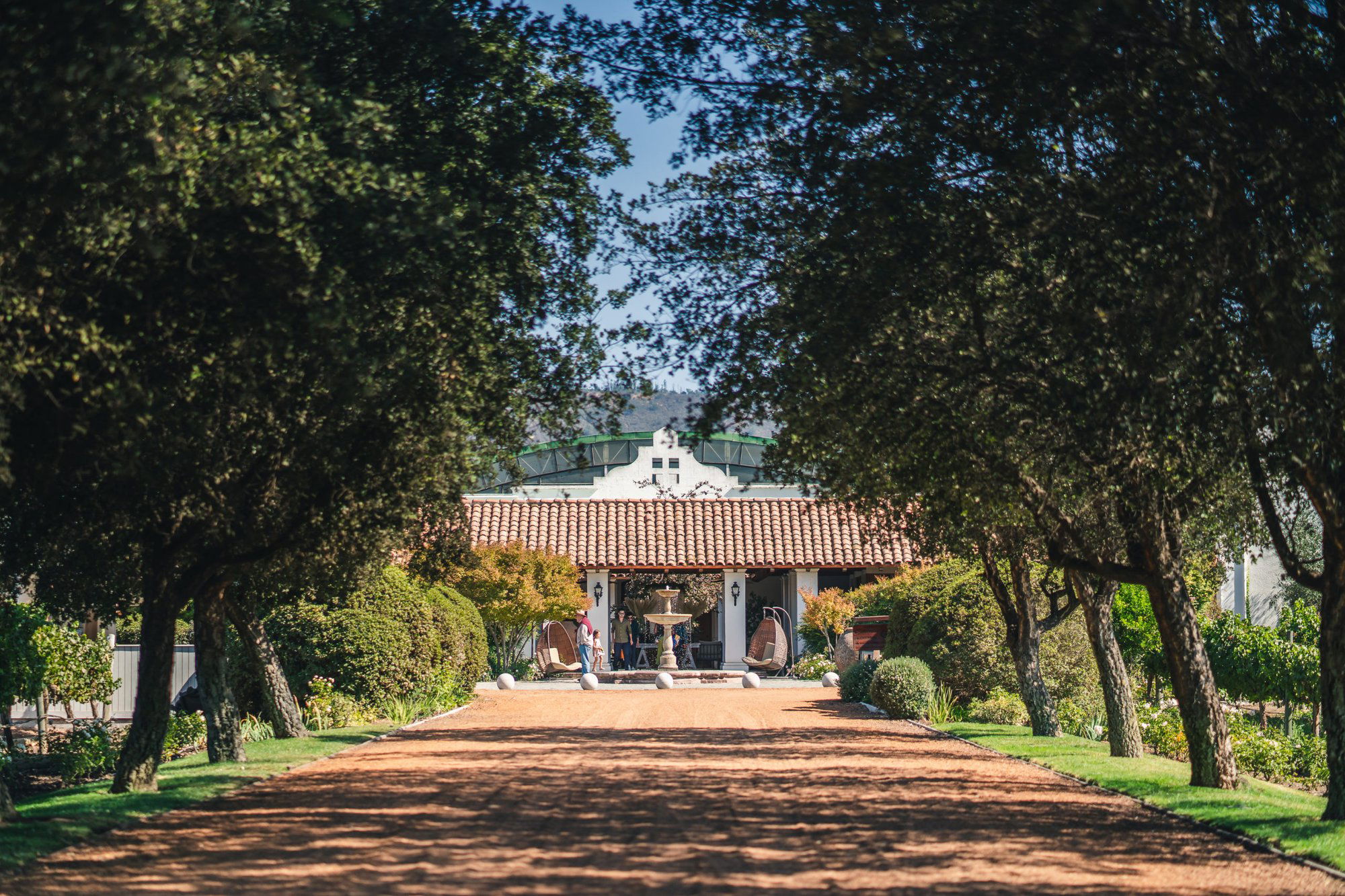
Modern, polished winery atmosphere centered on a sustainable, cool-climate estate with vineyard and valley-view experiences.
Tags
Vibe
Best For
Experience
Sourcing
View
At the Vineyard
- Appellation
- Casablanca Valley
- Varietals
- Sauvignon Blanc, Chardonnay, Pinot Noir, Syrah, Riesling
- Tour Duration
- 50-120 minutes
- Tour Languages
- English, Spanish, Portuguese, French
- Visits
- By reservation
- Farming
- Sustainable
- Production
- Mid-size producer
- Wine Styles
- Still White, Still Red, Sparkling
- Food Pairing
- Offered
- Founded
- 1993
- Wine Club
- Not available
Know before you go
Know Before You Go
- Getting there
- Ex Fundo Hijuela Sta Rosa Nº 2 - F-830 1900, Casablanca, Valparaíso
Planning details
Location
Ex Fundo Hijuela Sta Rosa Nº 2 - F-830 1900, Casablanca, Valparaíso · Directions

Also consider
Also Consider
- Bodegas RE, Notable alternative
- Casa Marín, Notable alternative
- Viña Chocalán, Notable alternative
- Viña Seña, Notable alternative
- Viña Undurraga, Notable alternative
Winery context
How Casas del Bosque compares in Casablanca
Casas del Bosque is the stronger choice when recognition and a polished Casablanca setting matter. Its World's 50 Best Vineyards #42 ranking in 2025 gives it a clearer quality signal than Bodegas RE, Casa Marín, and Viña Undurraga when the goal is to pick one reliable anchor for the day.
For personality, Bodegas RE is the better cross-shop if the group wants a less conventional winery stop. Casa Marín works better for travelers willing to make a more destination-led detour, while Viña Chocalán and Viña Seña are better held as alternatives when the itinerary extends beyond Casablanca.
If booking access is the deciding factor, do not rely on Casas del Bosque as the only plan. Try it first for the higher-recognition experience, then cross-shop Viña Undurraga for a more classic large-winery backup or Bodegas RE for a more distinctive second stop.
Explore Casablanca
Around this place
Discover more on Pearl
Unlock the full Casas del Bosque guide in Pearl, including awards, comparisons, FAQs, planning details, and nearby places.
Compare Casas del Bosque
| Venue | Location | Awards |
|---|---|---|
| Casas del Bosque | Casablanca | 2025 World's 50 Best Vineyards · #422024 World's 50 Best Vineyards · #492023 World's 50 Best Vineyards · #372022 World's 50 Best Vineyards · #302021 World's 50 Best Vineyards · #412020 World's 50 Best Vineyards · #402019 World's 50 Best Vineyards · #30 |
| Bodegas RE | Casablanca | 2021 World's 50 Best Vineyards · #432020 World's 50 Best Vineyards · #322019 World's 50 Best Vineyards · #32 |
| Casa Marín | Lo Abarca | 2026 Falstaff Winery Guide |
| Viña Chocalán | Maipo | 2026 Falstaff Winery Guide |
| Viña Seña | Panquehue | 2026 Falstaff Winery Guide |
| Viña Undurraga | Talagante | No published awards |

How Casas del Bosque Casablanca compares with similar nearby venues.
FAQ
Frequently Asked Questions
Can Casas del Bosque handle large groups?
Group policy or capacity information is not available. If you are planning for a larger party, contact Casas del Bosque directly before making travel plans.
When is the best time to visit Casas del Bosque?
Are memberships or special benefits confirmed at Casas del Bosque?
Information regarding a membership program or benefits is not available. Review any current terms directly with the venue before relying on them.
Do I need a reservation at Casas del Bosque?
A reservation policy is not available. Because Casas del Bosque has World's 50 Best Vineyards #42 (2025) recognition and Pearl 1 Star Prestige (2025), it is sensible to check availability directly before visiting.
What other venues can I compare with Casas del Bosque?
Other venues to compare include Bodegas RE, Casa Marín, Viña Chocalán, Viña Seña, and Viña Undurraga. Choose Casas del Bosque if you want a recognized Casablanca name, and confirm practical details directly with each venue before planning an itinerary.