

Domaine Sigalas
Baxedes, Oia
Winery in Oia, Greece
 Book with Pearl
The Read
Volcanic Elegance
Why go
Domaine Sigalas is the Oia-area winery to prioritize when the goal is serious Santorini wine rather than a view-first tasting. Its World's 50 Best Vineyards #37 recognition gives it clear credibility, and the Baxes location makes it feel more producer-led than cliffside-tourist driven. Best for return visitors who want Assyrtiko context and a focused daytime stop.
About Domaine Sigalas
World's 50 Best Vineyards #37 in 2020 is the useful signal here: Domaine Sigalas is an Oia wine stop with daily 11 AM–5 PM hours. Consider it if the next visit to Oia is about spending time at a recognized venue, rather than building the day only around an evening plan.
Choose this for a focused winery visit
The reason to prioritize Domaine Sigalas is focus. It is in Oia, it is open daily from 11 AM to 5 PM, and it has recognition from World's 50 Best Vineyards #37 in 2020 and Pearl 1 Star Prestige in 2025. That makes it easier to position as a deliberate daytime stop rather than a vague add-on to an Oia itinerary.
That also makes the visit less useful for groups who want to compare several different venues in one plan. In that case, SantoWines (Santorini Coop), Vassaltis Vineyards, Venetsanos Winery, and Koutsoyannopoulos Winery are useful comparison points, while Canava Santorini Distillery (1974) is another nearby option to consider. For an Oia stop centered on Domaine Sigalas, though, keep the plan simple and confirm any visit details directly.
Plan it as an Oia wine stop with limited margin for spontaneity
The practical read is simple: treat this as a daytime Oia stop and build the rest of the day around the 11 AM–5 PM schedule. If the day includes other dining or sightseeing in Oia, leave enough room in the itinerary and confirm any visit format directly before making the schedule too tight.
Planning details
- Location
- Baxes, Oia, Santorini 847 02, Greece
- Website
- sigalas-wine.com
- Phone
- +30 2286 071644
The take
The Take
The Vibe
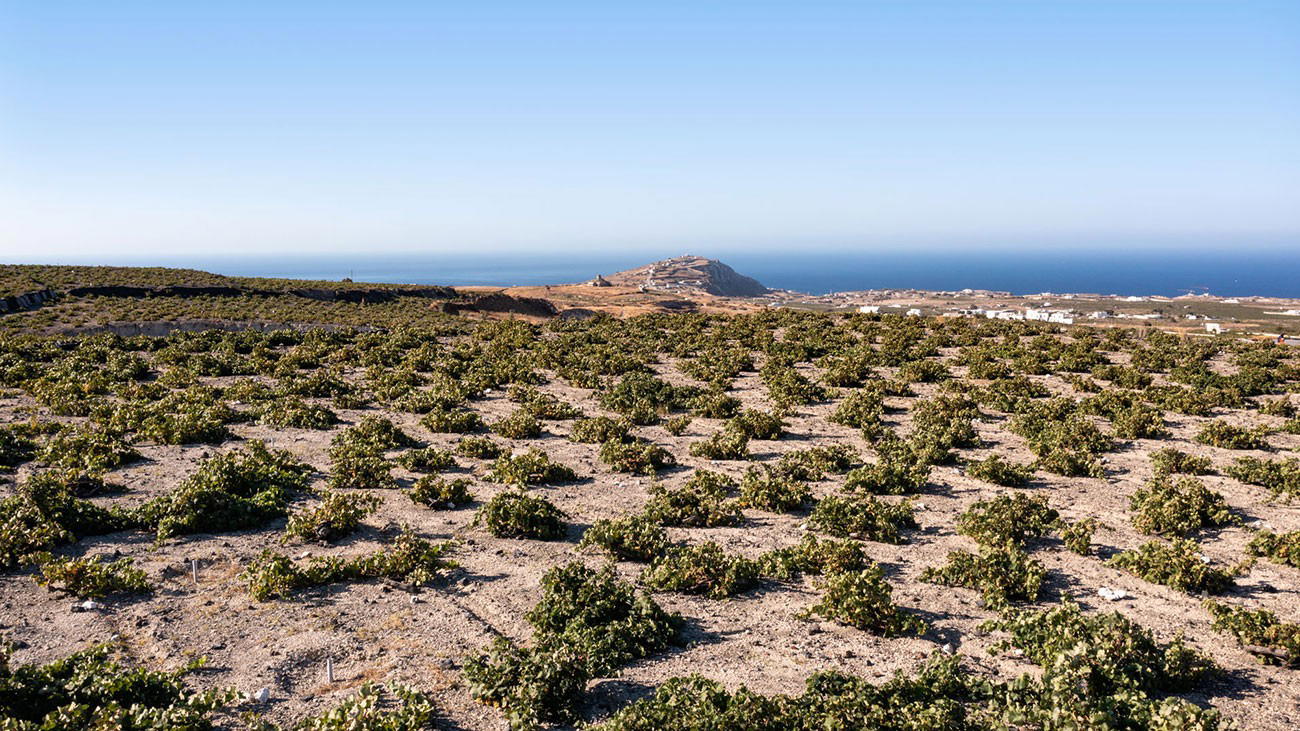
Domaine Sigalas presents itself as a terroir-first Santorini winery rooted in geology and tradition. The narrative centers on volcanic soils — ash, pumice and lava — and a lineage of viticulture stretching back millennia, with modern replanting that preserves indigenous varieties like Assyrtiko. The estate is positioned deliberately away from mass-tourism approaches, earning industry recognition (Pearl 1 Star Prestige, 2025) for its measured, craft-focused work. Visitors sense a respectful, knowledge-forward atmosphere: the island’s elemental growing conditions and a restrained winemaking philosophy define the experience more than spectacle.
Best For
This winery is best for visitors seeking a focused, educational tasting that emphasizes terroir and grape identity over postcard views. It appeals to wine-focused travelers, students of regional viticulture and anyone curious about how Santorini’s caldera soils shape acidity and minerality, especially in Assyrtiko. Because Domaine Sigalas aligns itself with producers that defend the island’s Protected Designation of Origin, tastings here favor explanation and context; it’s less of a tourist throughput stop and more of a stop for people who want to learn what makes Santorini wines distinct.
Tasting Tips
When tasting at Domaine Sigalas, center your flight on Assyrtiko to observe the island’s signature acidity and volcanic minerality. Ask staff to explain how the caldera soils — ash, pumice and lava — influence the wines, and to point out bottlings that reflect the estate’s PDO-focused approach. Given the winery’s emphasis on terroir and its recent Pearl 1 Star Prestige recognition, inquire about the estate’s standout or prestige releases to understand the upper end of its range. Expect a conversation about place and vine rather than a menu-driven, commercial tasting.
Venue details
Ambiance
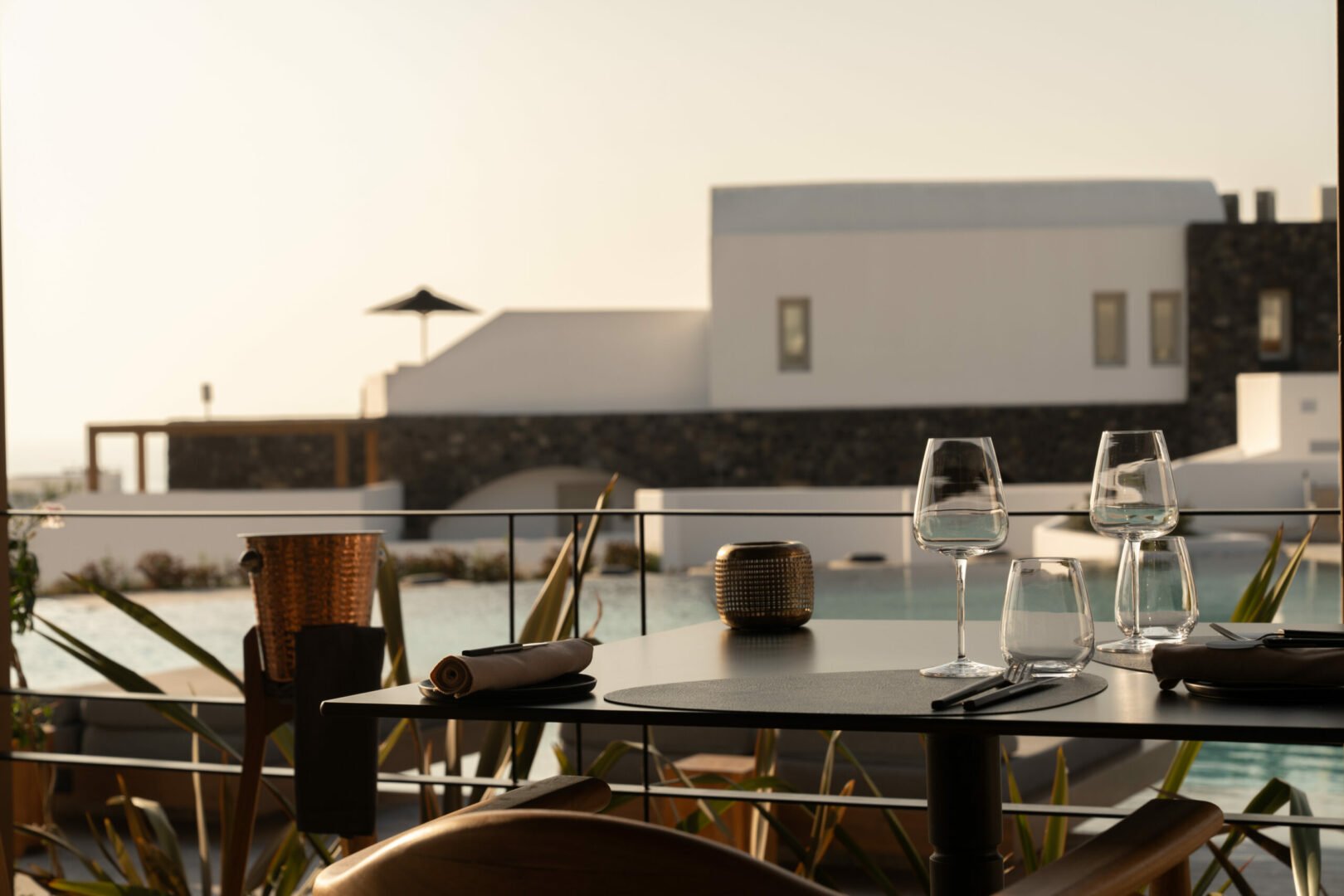
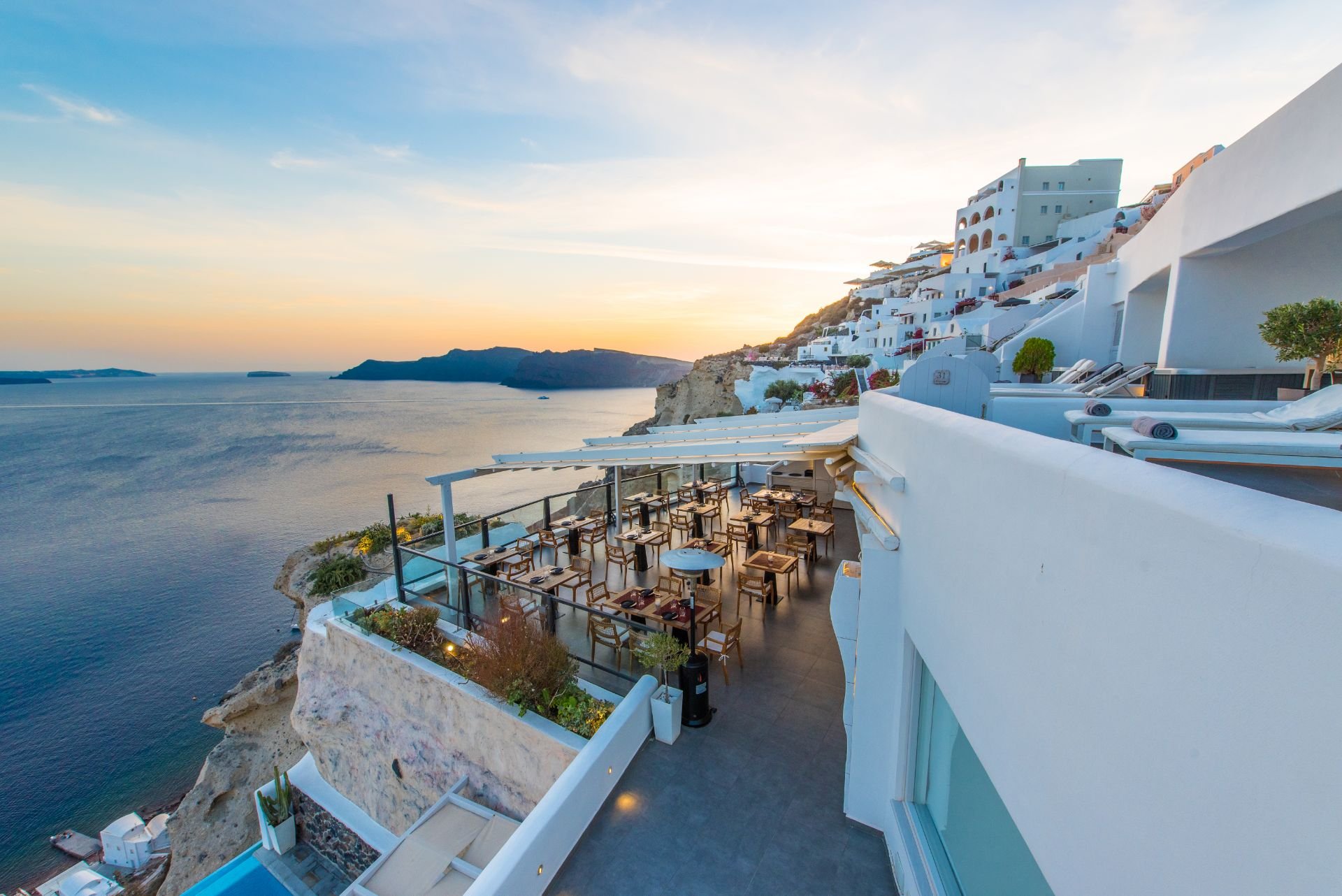
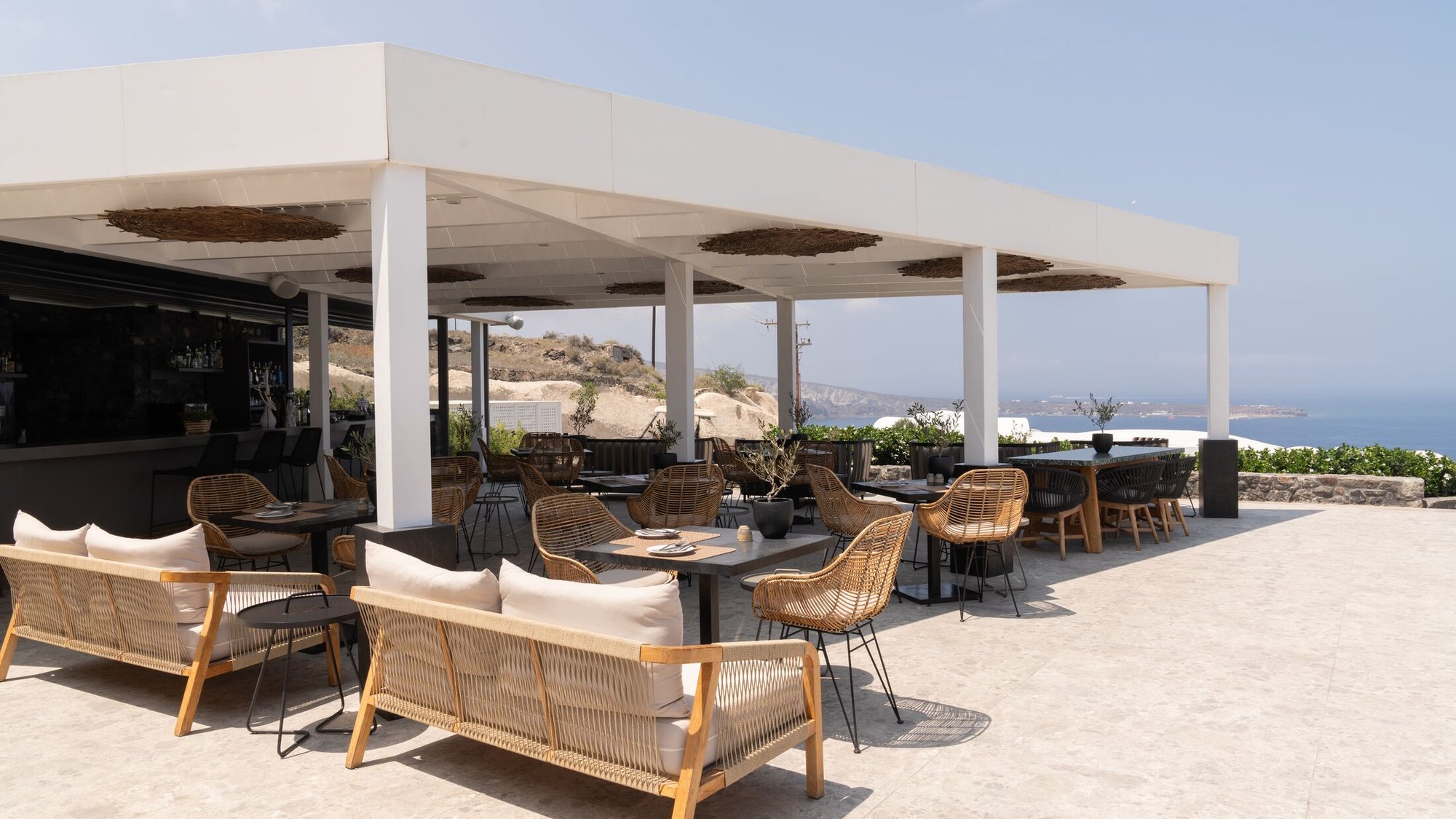
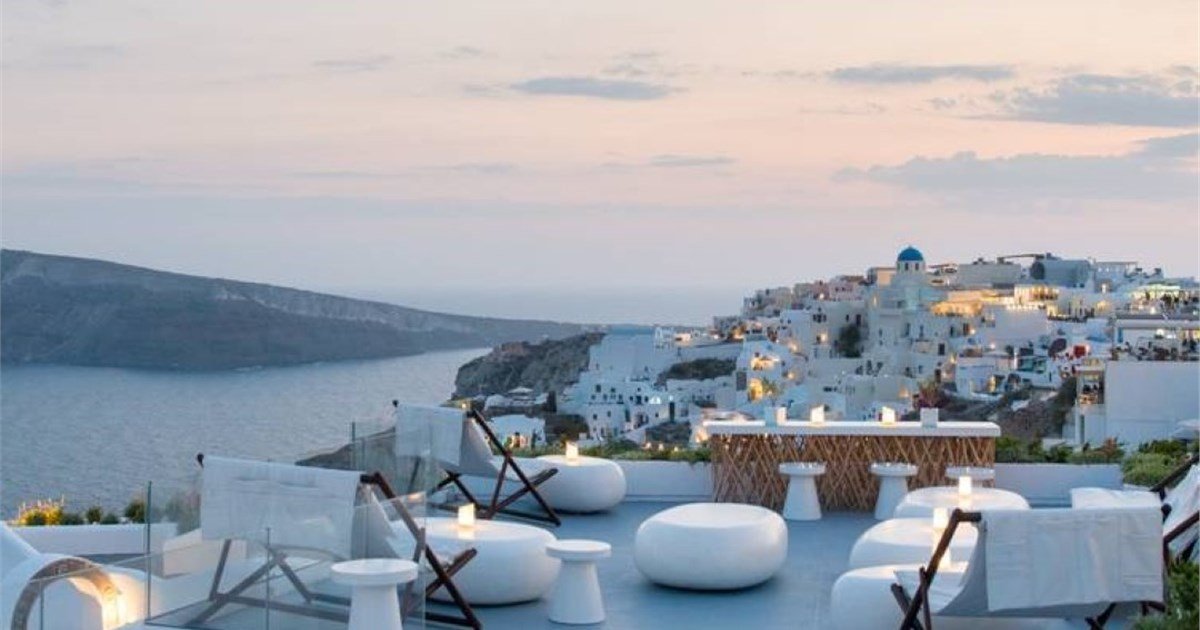
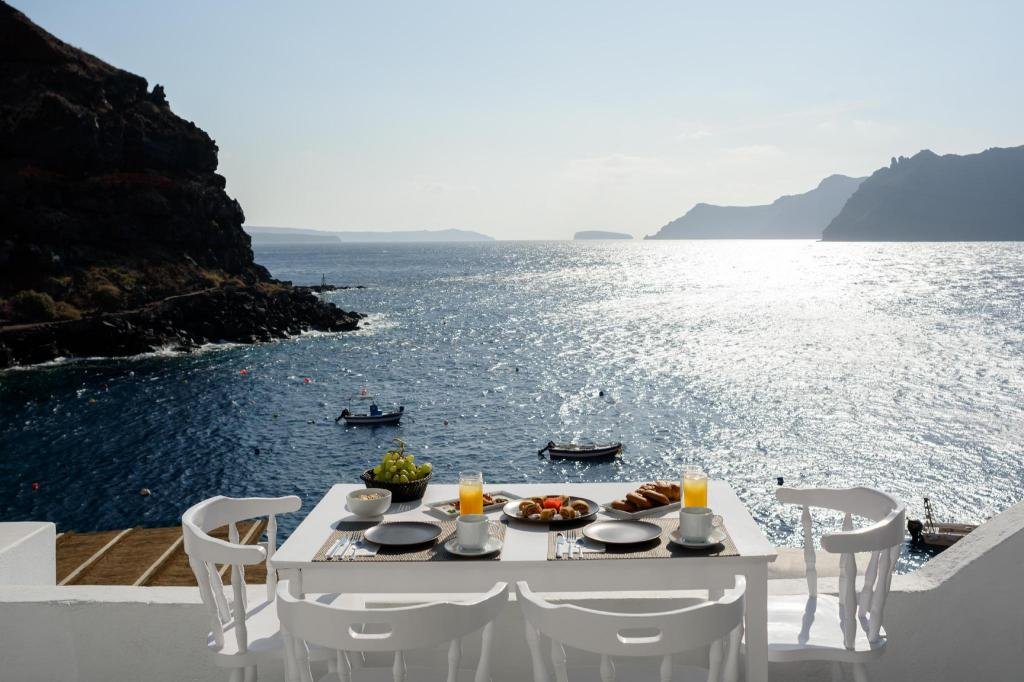
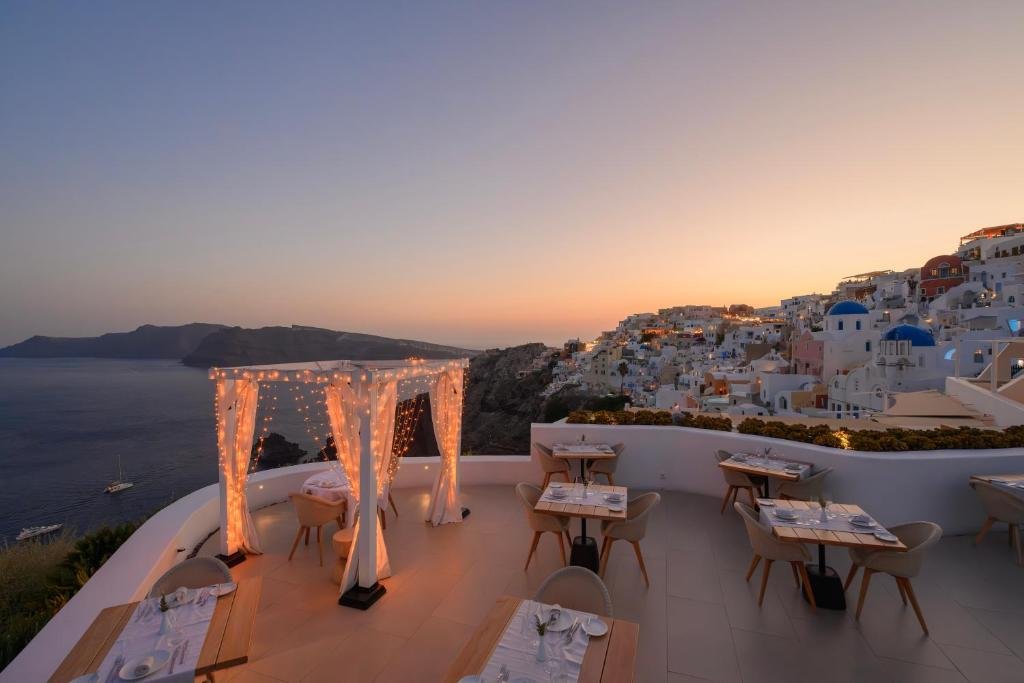
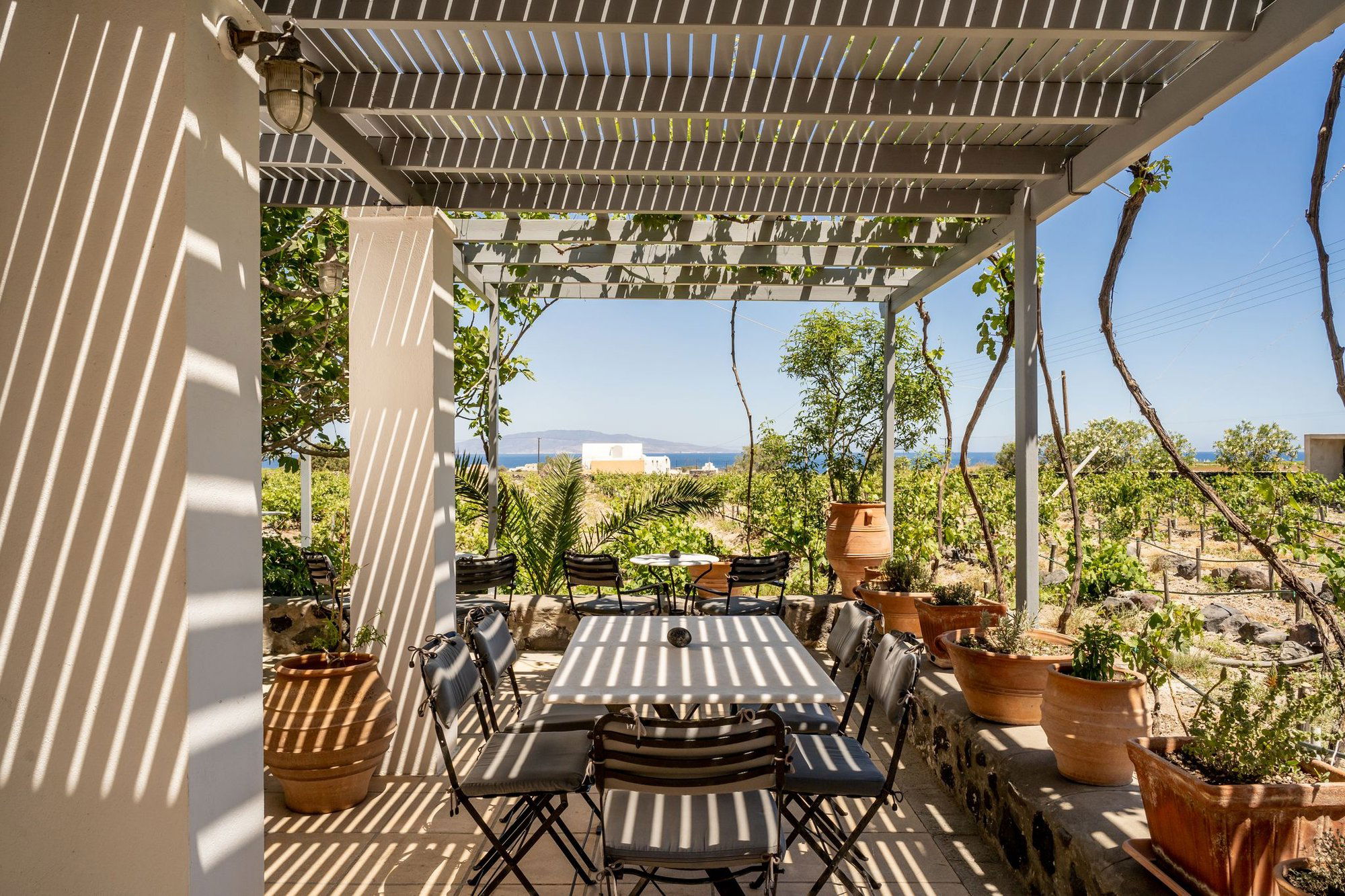
A scenic, vineyard-set winery with a laid-back visitor area and a refined, serious tasting environment focused on terroir and food pairings.
Tags
Vibe
Best For
Experience
Sourcing
View
At the Vineyard
- Appellation
- PDO Santorini
- Varietals
- Assyrtiko, Aidani, Athiri, Mavrotragano, Mandilaria
- Tour Duration
- 60-120 minutes
- Visits
- By reservation
- Farming
- Organic
- Production
- Mid-size producer
- Wine Styles
- Still White, Fortified, Still Red
- Food Pairing
- Offered
- Founded
- 1991
- Wine Club
- Not available
Know before you go
Know Before You Go
- Getting there
- Baxes, Oia, Santorini 847 02, Greece
Planning details
Location
Recognition and awards


Also consider
If Domaine Sigalas is not workable, try Vassaltis Vineyards for another serious wine-focused option, or SantoWines (Santorini Coop) when the group needs a broader, easier-to-schedule Santorini introduction.
Winery context
Domaine Sigalas is the stronger choice for wine-focused visitors who want a producer-led Santorini stop with credible international recognition. Vassaltis Vineyards is the closest cross-shop for a serious winery visit, while SantoWines (Santorini Coop) is better for a broader, easier-to-explain island overview.
For ambiance-first planning, Venetsanos Winery and SantoWines are safer picks if the group cares more about the setting than the producer story. Sigalas is the better call when the table already knows Santorini wine and wants the visit to revolve around vineyard identity and winemaking choices.
If wine is not the whole point, Canava Santorini Distillery (1974) gives the itinerary a spirits angle, and Koutsoyannopoulos Winery works better for visitors who want a more general wine-tour format. Sigalas is harder to treat casually, so plan it as the anchor rather than a filler stop.
Around this place
Discover more on Pearl
Unlock the full Domaine Sigalas guide in Pearl, including awards, comparisons, FAQs, planning details, and nearby places.
Compare Domaine Sigalas
| Venue | Location | Awards |
|---|---|---|
| Domaine Sigalas | Oia | 2026 Falstaff Winery Guide2020 World's 50 Best Vineyards · #372019 World's 50 Best Vineyards · #35 |
| Vassaltis Vineyards | Santorini | 2026 Falstaff Winery Guide |
| Canava Santorini Distillery (1974) | Santorini | No published awards |
| SantoWines (Santorini Coop) | Santorini | 2026 Falstaff Winery Guide |
| Koutsoyannopoulos Winery | Santorini | No published awards |
| Venetsanos Winery | Santorini | No published awards |
How Domaine Sigalas Oia compares with similar nearby venues.
FAQ
Frequently Asked Questions
When is the best time to visit Domaine Sigalas?
Plan around the opening window: Domaine Sigalas is open daily from 11 AM to 5 PM. A daytime stop works best if you want to pair the visit with the rest of an Oia itinerary.
Does Domaine Sigalas ship wine?
Do not assume shipping is available unless you confirm it directly with the winery. Domaine Sigalas is in Oia and is open daily from 11 AM to 5 PM.
Is the wine club at Domaine Sigalas worth joining?
Confirm any membership option directly with Domaine Sigalas. The clearer signals are World's 50 Best Vineyards #37 (2020), Pearl 1 Star Prestige (2025), and the daily 11 AM–5 PM opening window.
How long should I plan for a visit to Domaine Sigalas?
Plan it as a daytime stop rather than an evening visit, since the winery is open 11 AM–5 PM every day. Confirm any visit format directly with Domaine Sigalas before building a tight Oia schedule around it.
What other wineries can I compare with Domaine Sigalas?
Vassaltis Vineyards, SantoWines (Santorini Coop), Venetsanos Winery, and Koutsoyannopoulos Winery are useful alternatives to compare. Consider Canava Santorini Distillery (1974) if you want to compare another venue rather than stay focused only on Domaine Sigalas.
What is the flagship wine at Domaine Sigalas?
Do not plan around a named flagship, because no specific bottle is confirmed in the available details. The clearest signals are the winery's Oia location, daily 11 AM–5 PM hours, World's 50 Best Vineyards #37 (2020), and Pearl 1 Star Prestige (2025).