
Bodegas RE
Casablanca Valley, Casablanca
Winery in Casablanca, Chile
 Book with Pearl
The Read
Contra-Varietal Casablanca
Price
$30–50tasting
Why go
Book Bodegas RE if the priority is a serious, wine-led Casablanca Valley stop with a polished occasion feel. It is less suitable as a meal-first plan unless current food service is confirmed before arranging the day, so pair it with a separate lunch or a second winery if the group wants a fuller itinerary.
About Bodegas RE
Bodegas RE is a Casablanca venue with external recognition: Pearl 2 Star Prestige (2025) and World's 50 Best Vineyards #43 (2021). It is open daily and has smart casual dress.
Use it as a Casablanca stop to consider when the schedule can be planned around its posted hours. Monday through Saturday, Bodegas RE is listed from 10 AM to 6 PM; Sunday is listed from 11 AM to 5 PM. For food service, tour format, pricing, seating, reservations, or other visit details, check the venue directly before building a day around any specific experience.
Worth prioritising for a Casablanca stop with notable recognition
The strongest case for Bodegas RE is its recognition profile and its daily opening schedule. Pearl lists it as 2 Star Prestige for 2025, and it was ranked #43 in World's 50 Best Vineyards in 2021. Those accolades, along with daily hours, make it a useful anchor; contact the venue directly for details on meals, tasting structure, bottle focus, or visitor format.
For a broader itinerary, compare Bodegas RE with other Chilean venues such as Casa Marín, Casas del Bosque, Viña Chocalán, Viña Seña, and Viña Undurraga. Bodegas RE remains the Casablanca reference point; the others are useful for context when deciding how to shape a wider trip.
How to use it in a Casablanca itinerary
Plan around the posted hours rather than assumptions. The venue is listed from 10 AM to 6 PM Monday through Saturday and 11 AM to 5 PM on Sunday, with smart casual dress. If your plans depend on a particular service, food option, guided format, purchase arrangement, or group setup, confirm those details with Bodegas RE before finalising the day.
If the wider trip includes more than Bodegas RE, use Pearl's Casablanca guides to fill the rest of the stay: Our full Casablanca restaurants guide, Our full Casablanca hotels guide, Our full Casablanca bars guide, Our full Casablanca wineries guide, and Our full Casablanca experiences guide.
Planning details
- Location
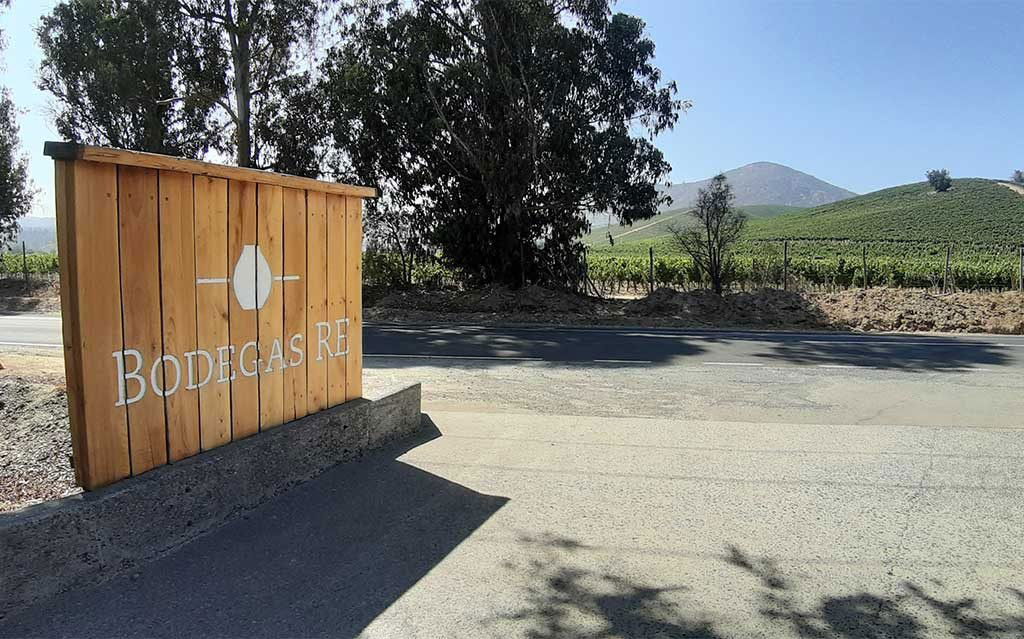
- F-850 1380, Casablanca, Valparaíso, Chile
- Website
- bodegasre.cl
- Phone
- +56 9 9345 9114
The take
The Take
The Vibe
Bodegas RE presents a quietly assertive presence in Casablanca Valley: understated yet uncompromising. The copy frames the winery as a purposeful outlier — small in scale but high in intent — operating from a soil-first viticultural philosophy in a cool, coastal corridor. The vineyard-driven description and a Pearl 2 Star Prestige rating underline a sophisticated experimentalism rather than mass-market aims. Visitors who value terroir, structural tension and thoughtfully crafted, unconventional expressions will find the atmosphere reserved and serious rather than flashy, anchored by the valley’s maritime breezes and slow-ripening vineyard conditions.
Best For
This is a destination for people who take wine seriously: those pursuing wine education, solo exploration and special occasions centered on discovery. The text positions Bodegas RE as of interest to enthusiasts tracking Chilean wine nuances — a place to study how soil, climate and a conviction-led viticulture model shape distinct bottlings. It isn’t pitched as a large-scale tourist stop; instead it appeals to focused tastings, collectors and visitors who prioritize originality and the narrative behind each vintage.
Tasting Tips
Approach Bodegas RE with an eye for its deviation from regional benchmarks: rather than expecting textbook Casablanca Sauvignon Blanc or export-minded Pinot Noir, look for wines that foreground soil, tension and specificity. The description suggests comparing what you know of the valley’s usual cool-climate styles with Bodegas RE’s more singular expressions. Ask about the winery’s viticultural principles and recent releases to better understand how their unconventional assumptions translate into the bottle.
Venue details
Ambiance
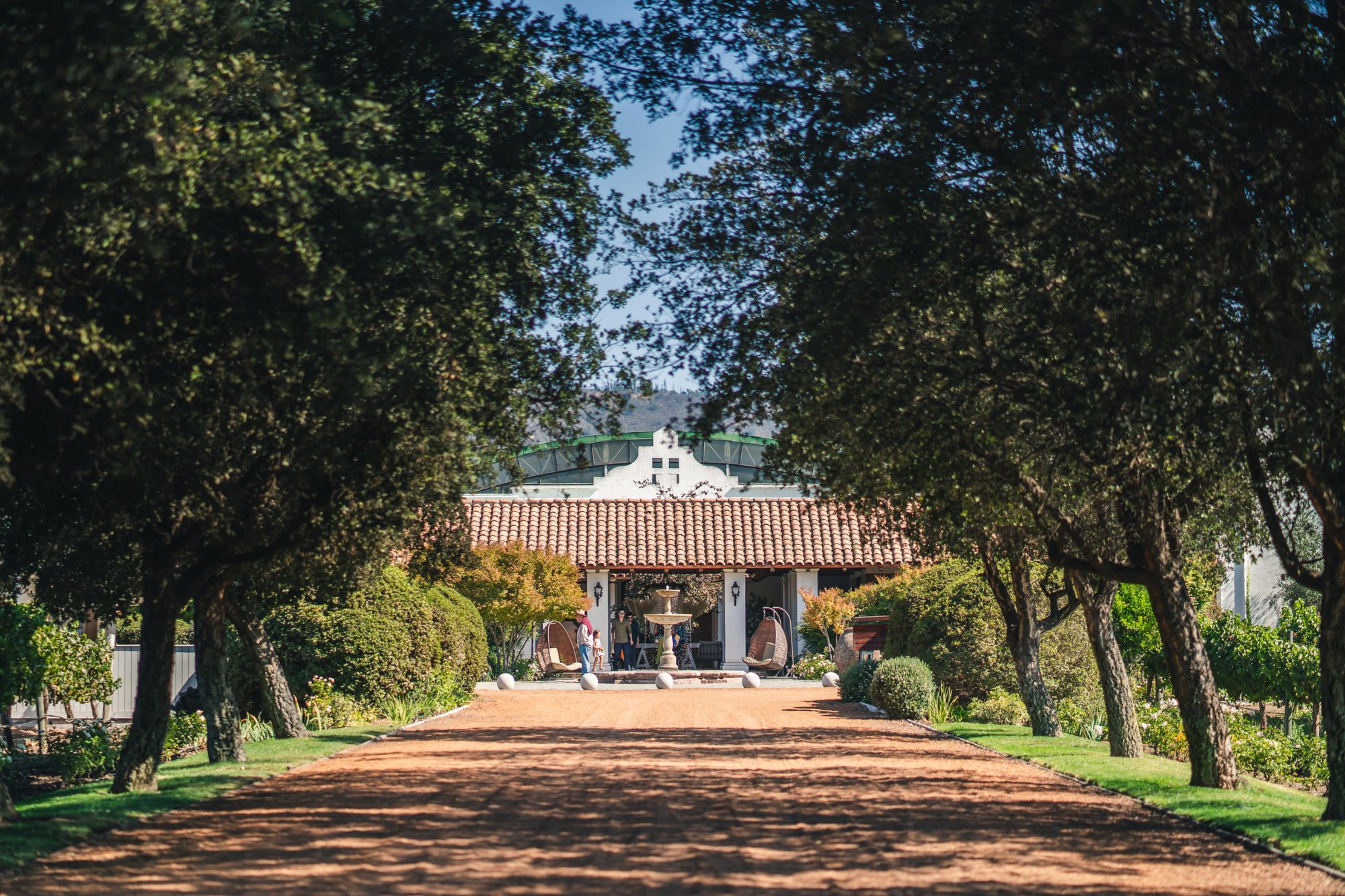
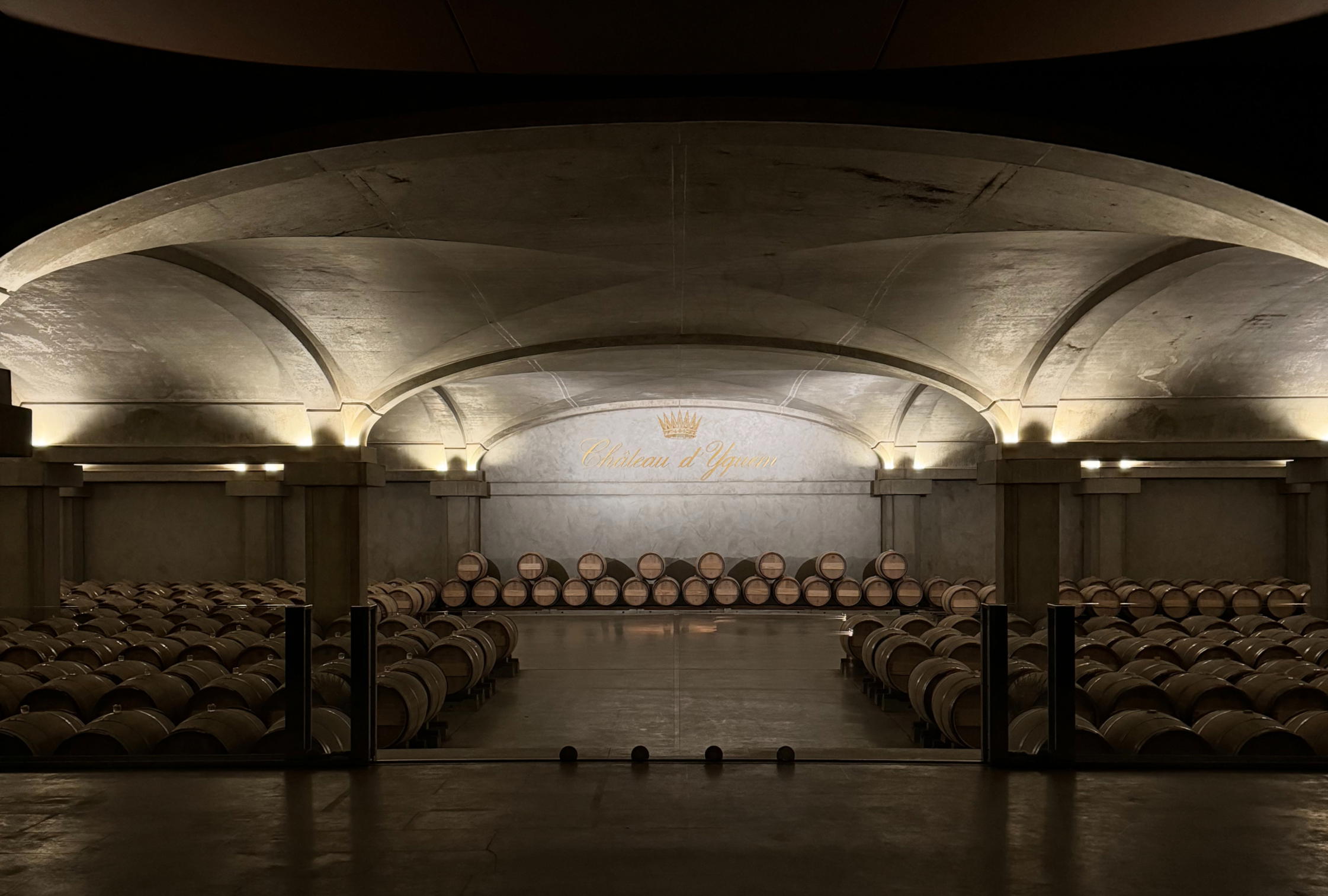
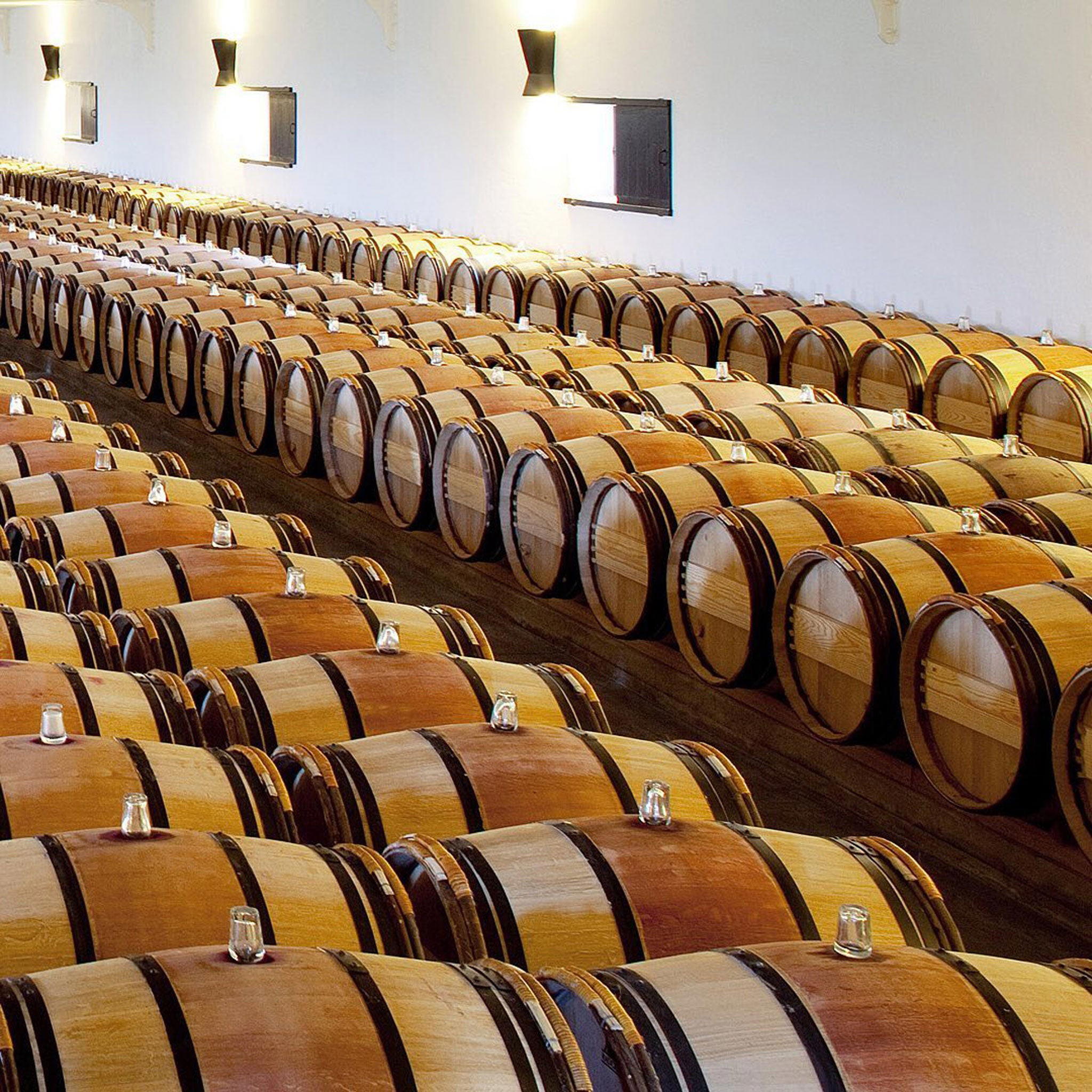
Intimate underground cellars with cozy, authentic atmosphere, charming cork oak terrace for sunny tastings.
Tags
Vibe
Best For
Experience
View
At the Vineyard
- Appellation
- Casablanca Valley
- Varietals
- Cabernet Sauvignon, Carignan, Chardonnay, Garnacha, Pinot Noir
- Tour Duration
- 60-90 minutes
- Visits
- By appointment only
- Production
- Small producer
- Wine Styles
- Still Red, Still White, Still Rose, Orange
- Food Pairing
- Offered
- Wine Club
- Not available
Know before you go
Know Before You Go
- Getting there
- F-850 1380, Casablanca, Valparaíso, Chile
Planning details
Location
Recognition and awards

Also consider
Where to look if this is not available
Try Casas del Bosque first if the group wants an easier Casablanca winery day with broader appeal. For a more prestige-led alternative outside the immediate valley plan, Viña Seña is the sharper cross-shop.
Winery context
How it compares in and around Casablanca
Choose Bodegas RE when the visit needs to feel selective and wine-led. Casas del Bosque is the safer cross-shop for travellers who want a broader Casablanca winery day with a more familiar hospitality rhythm, while Bodegas RE is better for a smaller celebration where the tasting itself is the point.
Casa Marín, Viña Chocalán, Viña Seña, and Viña Undurraga are useful alternatives if availability, route planning, or group needs make Bodegas RE impractical. Viña Undurraga is the more conventional choice for visitors who want a classic winery stop; Viña Seña is the more serious comparison for collectors planning around prestige rather than convenience.
For value, the decision is less about a published price and more about how much of the day the winery needs to carry. If the group wants food, scenery, and an easygoing schedule, cross-shop Casas del Bosque first. If the group is comfortable building the day around a harder-to-secure, wine-focused appointment, Bodegas RE earns the priority slot.
Explore Casablanca
Around this place
Discover more on Pearl
Unlock the full Bodegas RE guide in Pearl, including awards, comparisons, FAQs, planning details, and nearby places.
Compare Bodegas RE
| Venue | Location | Awards |
|---|---|---|
| Bodegas RE | Casablanca | 2021 World's 50 Best Vineyards · #432020 World's 50 Best Vineyards · #322019 World's 50 Best Vineyards · #32 |
| Casas del Bosque | Casablanca | 2025 World's 50 Best Vineyards · #422024 World's 50 Best Vineyards · #492023 World's 50 Best Vineyards · #372022 World's 50 Best Vineyards · #302021 World's 50 Best Vineyards · #412020 World's 50 Best Vineyards · #402019 World's 50 Best Vineyards · #30 |
| Casa Marín | Lo Abarca | 2026 Falstaff Winery Guide |
| Viña Chocalán | Maipo | 2026 Falstaff Winery Guide |
| Viña Seña | Panquehue | 2026 Falstaff Winery Guide |
| Viña Undurraga | Talagante | No published awards |

How Bodegas RE Casablanca compares with similar nearby venues.
FAQ
Frequently Asked Questions
What other wineries should I compare with Bodegas RE?
Useful comparison names include Casa Marín, Casas del Bosque, Viña Chocalán, Viña Seña, and Viña Undurraga. Compare current hours, visitor options, and booking details directly before choosing between them.
What is the flagship wine at Bodegas RE?
For the flagship wine, check the current lineup directly with Bodegas RE. Bodegas RE is in Casablanca, has smart casual dress, is open daily, and has recognition including Pearl 2 Star Prestige (2025) and World's 50 Best Vineyards #43 (2021).
Is the wine club at Bodegas RE worth joining?
Do I need a reservation at Bodegas RE?
For reservation requirements, check directly with Bodegas RE if you need a specific time or visit format. The hours are 10 AM to 6 PM Monday through Saturday and 11 AM to 5 PM on Sunday.
Does Bodegas RE ship wine?
How long should I plan for a visit to Bodegas RE?
Plan using the opening window: 10 AM to 6 PM Monday through Saturday and 11 AM to 5 PM on Sunday. Confirm any specific format or timing directly with the venue.
When is the best time to visit Bodegas RE?
Use the posted hours as the reliable guide: Monday through Saturday, 10 AM to 6 PM; Sunday, 11 AM to 5 PM. If timing matters, contact Bodegas RE before finalising your Casablanca itinerary.