
Seppeltsfield
Seppeltsfield, Tanunda
Winery in Tanunda, Australia
 Book with Pearl
The Read
Centenary Barrel Heritage
Price
$30–50tasting
Why go
Seppeltsfield is worth planning around if the Tanunda trip needs a heritage-heavy Barossa anchor rather than another quick tasting stop. Booking is difficult, so treat it as the centre of the day and pair it with one nearby winery or distillery, not a packed run of cellar doors. Recognition includes Pearl 3 Star Prestige (2025) and World's 50 Best Vineyards #47 (2019).
About Seppeltsfield
Seppeltsfield is a venue in Tanunda with a smart casual dress code and confirmed recognition including Pearl 3 Star Prestige (2025) and World's 50 Best Vineyards #47 (2019). Plan to treat it as a named Tanunda stop rather than rely on assumptions about format, pricing, menus, hours, or services.
For visitors comparing where to spend time, Seppeltsfield can be considered alongside other relevant names without assuming they offer the same experience. Keep plans flexible, confirm current visit details directly with the venue, and avoid building an itinerary around unconfirmed specifics.
Plan it as the anchor stop, not a quick add-on
If Seppeltsfield is a priority, make it the centre of the day and verify current arrangements before you go. For a tighter route, compare it with Hentley Farm, Two Hands Wines, Torbreck Vintners, Greenock Creek Wines, or Seppeltsfield Road Distillers, depending on what else you want from the day.
Booking difficulty, visit length, group capacity, price, food service, or tasting format are not known. That means the practical move is simple: check the current details directly, dress smart casual, and leave enough flexibility in the schedule so the stop does not depend on assumptions.
Where it fits in a Tanunda itinerary
Use Seppeltsfield as a Tanunda venue with notable recognition, then compare other options based on the kind of day you want. Greenock Creek Wines, Hentley Farm, Two Hands Wines, Torbreck Vintners, and Seppeltsfield Road Distillers are natural names to consider, while other dining in Tanunda can fill out the rest of the day.
The strongest version of the day is direct: choose the venues you most want to visit, confirm current details directly, and avoid overloading the route. If you are filling out the rest of the plan, use current venue information rather than assuming hours, services, menus, or booking rules.
For travellers comparing broader Australian trips, the useful benchmark is to confirm details directly for each stop. For Seppeltsfield, the facts are its Tanunda location, smart casual dress code, Pearl 3 Star Prestige (2025), and World's 50 Best Vineyards #47 (2019).
Planning details
- Location
- 730 Seppeltsfield Rd, Seppeltsfield SA 5355
- Website
- seppeltsfield.com.au
- Phone
- +61 8 8568 6200
The take
The Take
The Vibe
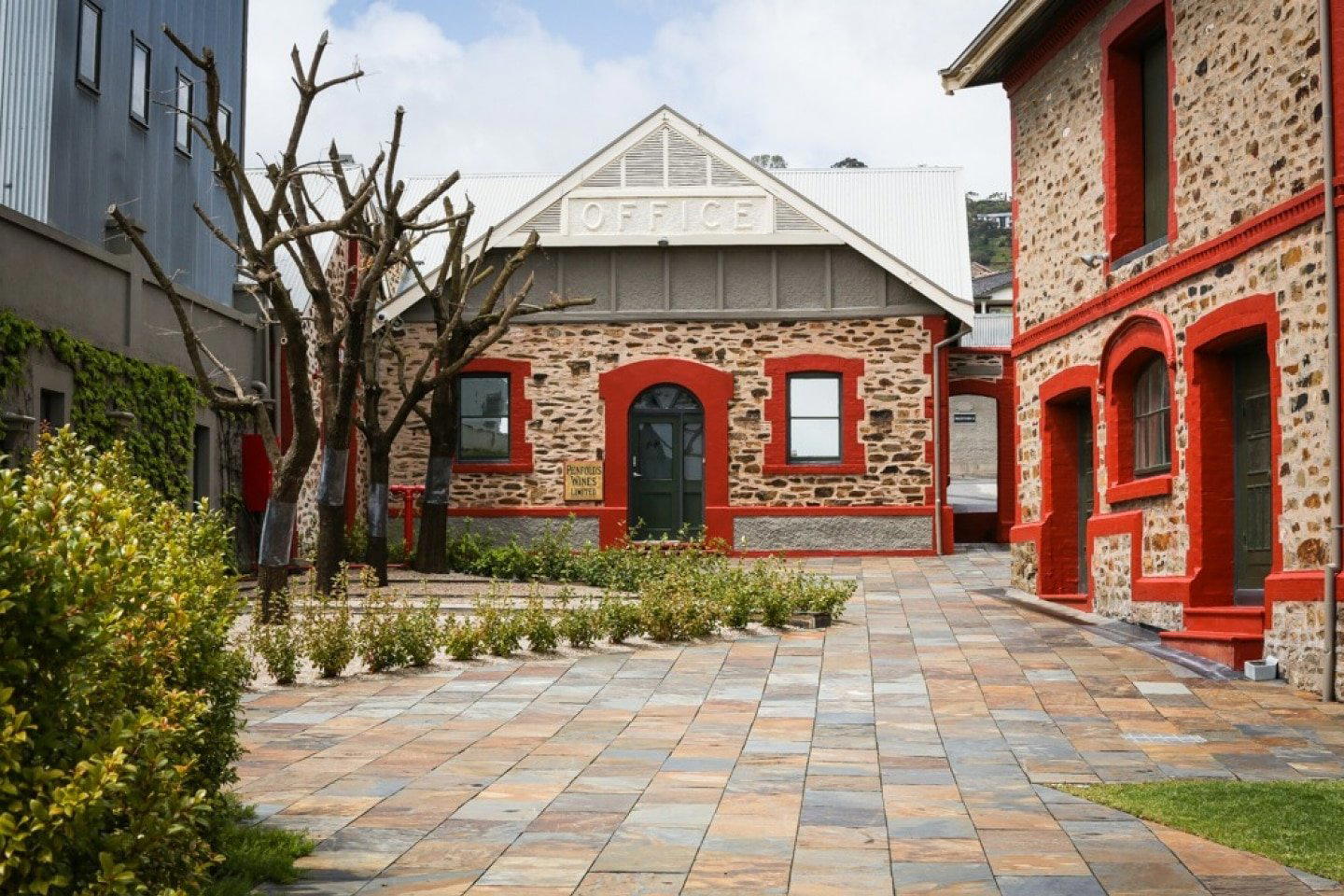
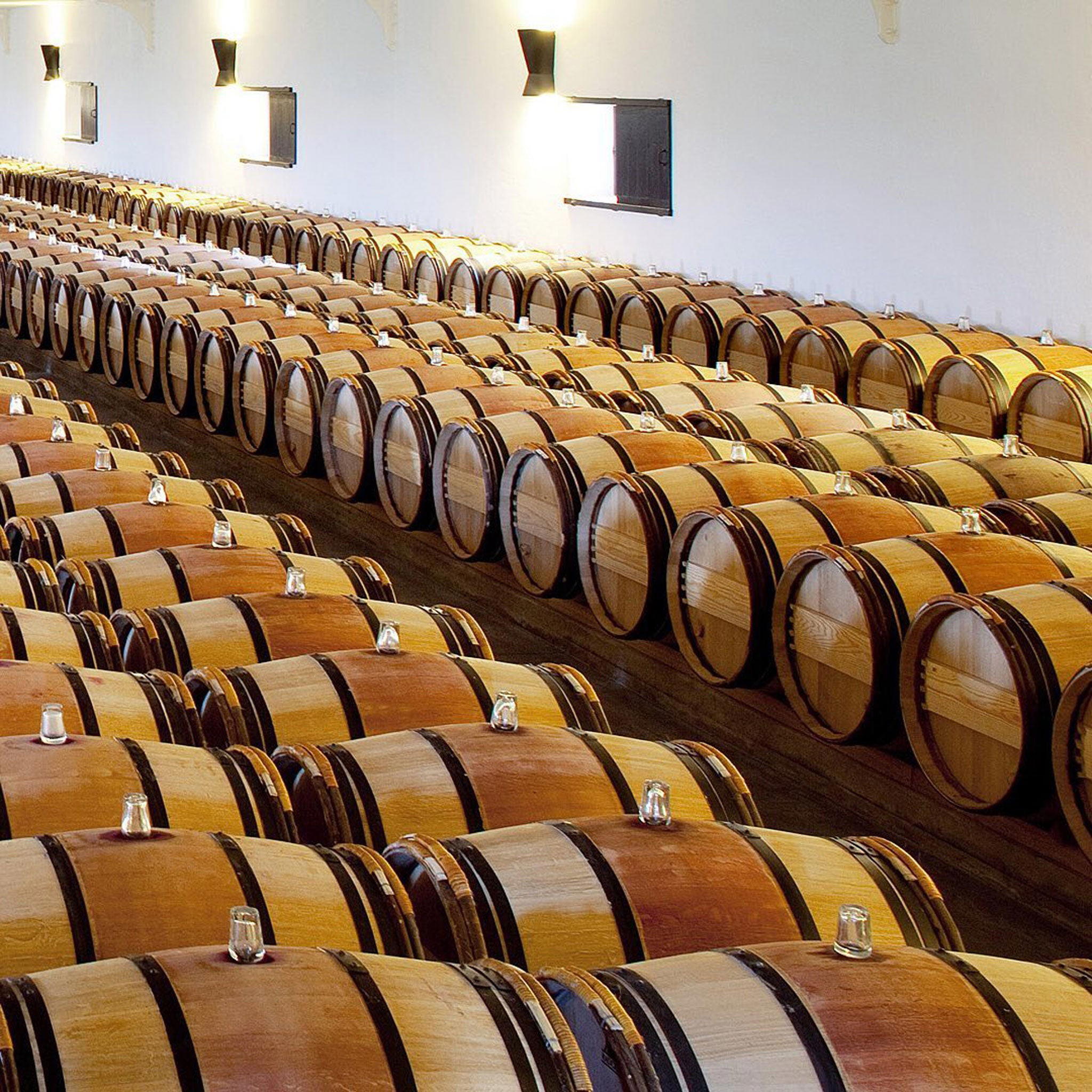
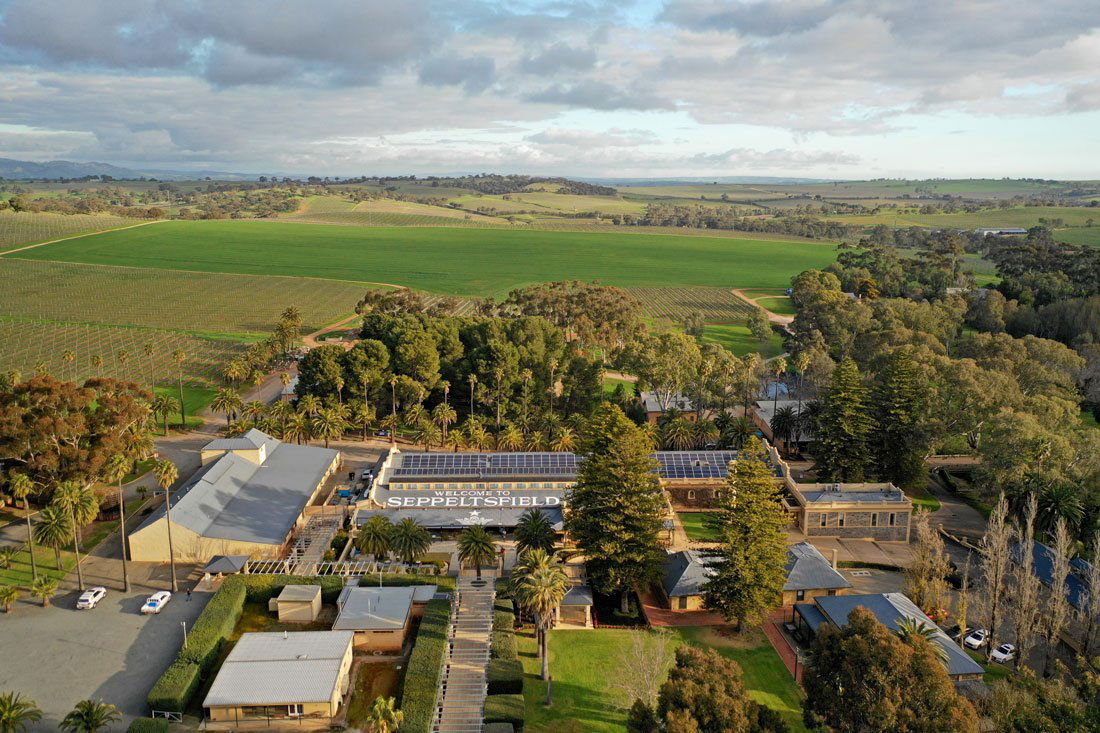
Seppeltsfield reads like living history: nineteenth-century engineering, stone buildings and gravity-fed cellars are integral to both the architecture and the production. The estate balances weighty heritage with precise contemporary winemaking so visits feel purposeful rather than purely performative. Landscaped approaches, palms lining the road and the physical arrangement of cellar buildings convey a sense of place rooted in generations of craft. The overall effect is quietly authoritative — a sophisticated, historic winery where structure and terroir are inseparable and the built environment is as much a part of the tasting as the bottles themselves.
Best For
This property is especially well suited to visitors who want to understand how history shapes wine: it’s an ideal stop for wine-education seekers, small groups tracing old-vine expressions, and couples or parties marking a special occasion. The focus on gravity cellars and old-vine Barossa terroir rewards guests who appreciate production storytelling and vineyard context. Visits work well as part of a Barossa itinerary that prioritizes deep dives into winemaking technique and provenance rather than quick tastings; expect meaningful, explanatory experiences rather than purely social drinking.
Tasting Tips
When you visit, center your tasting around the cellar-driven story: ask for flights or guided tastings that highlight wines made in the gravity cellars and expressions from the estate’s old vines. Inquire with staff about the role of the nineteenth-century infrastructure in current vinification to frame each wine in its production context. Prioritize single-vineyard or old-vine selections to appreciate the terroir notes described in the write-up, and allow your host to show how cellar placement and gravity-fed handling influence texture and balance.
Venue details
Ambiance
Heritage-listed estate with old-world charm, featuring historic bluestone buildings, grand three-storey winery architecture, and beautifully maintained grounds reflecting 175 years of winemaking tradition.
Tags
Vibe
Best For
Experience
Sourcing
View
At the Vineyard
- Appellation
- Barossa Valley
- Varietals
- Grenache, Shiraz, Cabernet Sauvignon, Mataro
- Tour Duration
- 90-120 minutes
- Tour Languages
- English
- Visits
- By reservation
- Farming
- Sustainable
- Wine Styles
- Fortified, Still Red, Still Rose
- Shipping
- Available
- Wine Club
- Available
Know before you go
Know Before You Go
- Getting there
- 730 Seppeltsfield Rd, Seppeltsfield SA 5355
Planning details
Location
Recognition and awards

Also consider
If you cannot get in
Try Torbreck Vintners if the trip is mainly about serious Barossa wine, or Two Hands Wines if the schedule needs a polished tasting that is easier to fit into a multi-stop day.
Winery context
How Seppeltsfield compares in Tanunda
Choose Seppeltsfield when the priority is scale, heritage, and a slower estate visit. Hentley Farm is the stronger cross-shop if the meal matters as much as the wine, while Torbreck Vintners is the cleaner pick for a more wine-focused itinerary. If booking pressure is a concern, do not leave Seppeltsfield as the flexible slot.
Two Hands Wines is the practical alternative for visitors who want a polished Barossa tasting without making one estate the centre of the day. Greenock Creek Wines suits a more concentrated winery stop, especially when the group wants less sprawl and more focus. Seppeltsfield wins for atmosphere and trip-defining weight; those peers can be easier to fold into a multi-stop route.
For a mixed drinks itinerary, Seppeltsfield Road Distillers is the obvious contrast: spirits-led, easier to pair with wine stops, and better for groups that do not want the day to revolve around cellar-door depth. The value question comes down to time: Seppeltsfield makes sense when the schedule gives it room.
Explore Tanunda
Around this place
Discover more on Pearl
Unlock the full Seppeltsfield guide in Pearl, including awards, comparisons, FAQs, planning details, and nearby places.
Compare Seppeltsfield
| Venue | Location | Awards |
|---|---|---|
| Seppeltsfield | Tanunda | 2019 World's 50 Best Vineyards · #47 |
| Hentley Farm | Barossa Valley | 2026 Falstaff Winery Guide2026 La Liste Top RestaurantsGourmet Traveller Restaurant Guide 2026: Australia's Best Restaurants |
| Two Hands Wines | Barossa Valley | 2026 Falstaff Winery Guide |
| Greenock Creek Wines | Barossa Valley | 2026 Falstaff Winery Guide |
| Seppeltsfield Road Distillers | Barossa Valley | No published awards |
| Torbreck Vintners | Barossa Valley | 2026 Falstaff Winery Guide |



How Seppeltsfield Tanunda compares with similar nearby venues.
FAQ
Frequently Asked Questions
What should I confirm before visiting Seppeltsfield?
Visit format, inclusions, or current service details are not specified, so do not decide based on assumptions. Seppeltsfield is in Tanunda, has a smart casual dress code, and carries recognition including Pearl 3 Star Prestige (2025) and World's 50 Best Vineyards #47 (2019). If you are comparing it with Hentley Farm or Torbreck Vintners, check current details directly before choosing.
Are specific offerings confirmed for Seppeltsfield?
No specific offering is identified. Consider Seppeltsfield as a venue to explore rather than a single-feature destination. The practical move is to ask the venue directly about current offerings. If you want to compare other names, Greenock Creek Wines or Two Hands Wines may also be part of your planning.
Do I need a reservation at Seppeltsfield?
It is not specified whether reservations are required. Plan ahead by checking directly with Seppeltsfield, especially if it is an important part of your Tanunda itinerary. If your schedule is loose, compare current availability with Greenock Creek Wines or other options.
How long should I plan for a visit to Seppeltsfield?
Visit length, tasting format, or opening hours are not specified. Build in flexibility, confirm current details directly, and avoid assuming a quick stop or a long-format experience. If your itinerary is tight, compare Seppeltsfield with one other option rather than relying on assumed timing.