





Craggy Range
Tuki Tuki, Hastings
Winery in Hastings, New Zealand
 Book with Pearl
The Read
Estate-Immersive Terroir
Price
$20–30tasting
Chef
Casey McDonald
Why go
Craggy Range is a winery on Waimarama Road near Havelock North.
About Craggy Range
Craggy Range is a Hastings venue to consider when you want a polished visit with recognition rather than a local tip. It features smart casual dress, Pearl 4 Star Prestige recognition for 2025, and a #11 placement on World's 50 Best Vineyards in 2019.
A Hastings stop with recognition
Hastings works well when a venue visit anchors the itinerary, then the rest of the day is built around other dining, lodging, and experiences in the area. Use our full Hastings guide for planning, and check directly with venues for current specifics.
The clearest case for Craggy Range is confidence: it carries Pearl 4 Star Prestige recognition for 2025 and previously ranked #11 on World's 50 Best Vineyards in 2019. These are reasons to treat it as an occasion-worthy Hastings stop.
Plan it like a main event, not a spare-hour stop
Plan around the known basics rather than assumptions about format, menus, prices, hours, or services. Dress smart casual, confirm current arrangements directly with the venue, and avoid building an itinerary around unconfirmed specifics.
For a New Zealand trip with a broader benchmark set, compare it with Ata Rangi, Cloudy Bay Vineyards, Kumeu River Wines, and Wairau River Wines. James Sedgwick Distillery, known for Three Ships & Bain's, is a broader drinks reference point rather than a direct Hastings substitute.
Quick reference: plan Hastings around the visit, dress smart casual, and choose Craggy Range for its Pearl 4 Star Prestige recognition and World's 50 Best Vineyards history.
Planning details
- Location
- 253 Waimarama Road, Havelock North 4230
- Website
- craggyrange.com
- Phone
- +64 6 873 7126
The take
The Take
The Vibe
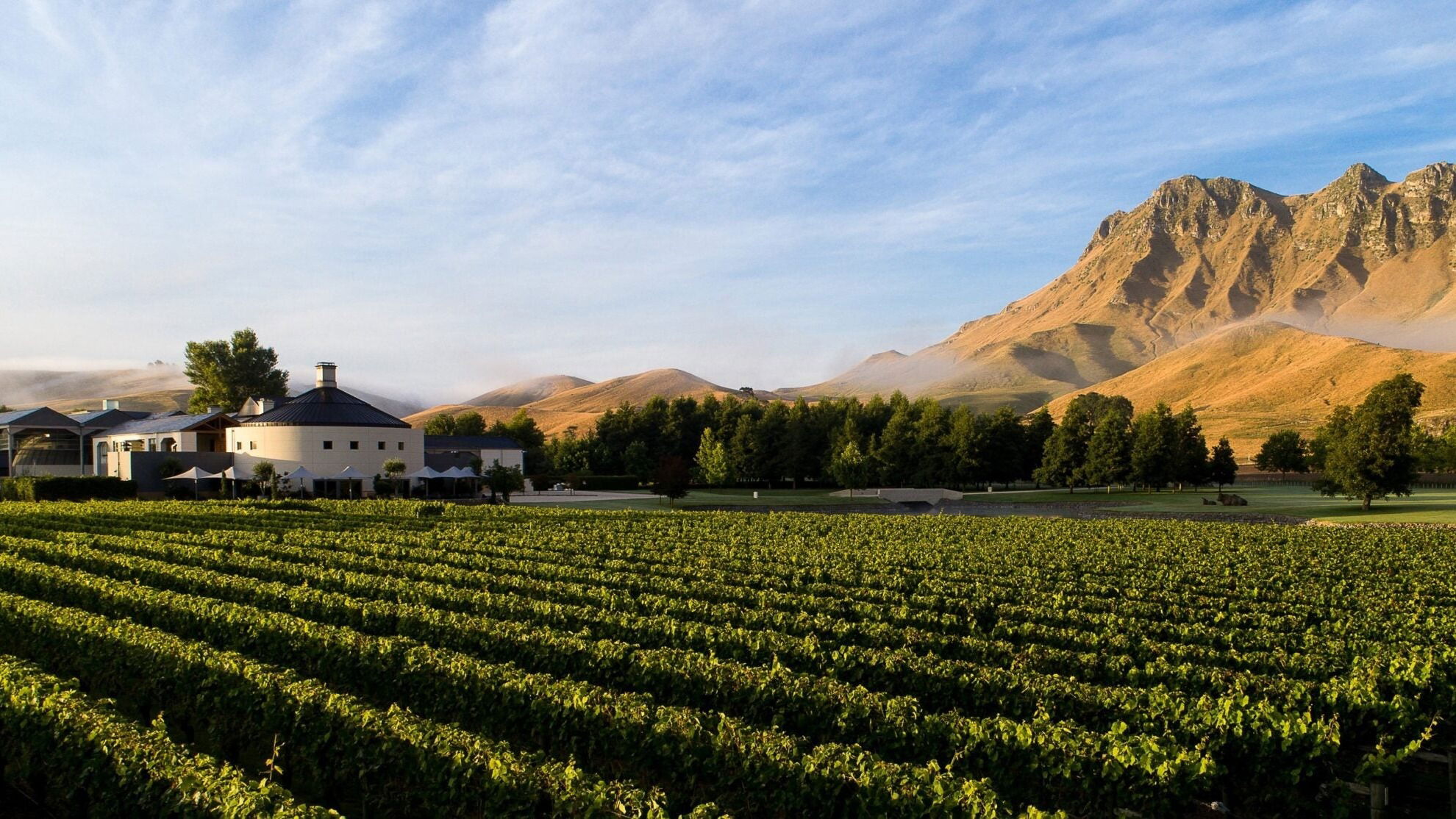
Craggy Range presents as a serious, terroir-first estate framed by a dramatic natural setting. Te Mata Peak rises behind the property while vineyards sweep across lower slopes, and the writing emphasizes geology as the creative material rather than a romanticized rural backdrop. The tone is measured and classic: wines are discussed in terms of structure and site expression, and the visitor experience is pitched toward people who want to understand how soil and aspect shape flavor. Expect a composed, contemplative atmosphere where landscape and geology feel like the primary protagonists.
Best For
This estate is best for people who come to Hawke's Bay with wine knowledge and curiosity and want to delve deeper into site-specific expression. It suits advanced wine tourists, small celebration groups seeking a thoughtful tasting, and couples after a considered romantic getaway centered on wine. The focus on Gimblett Gravels and limestone-influenced sites makes Craggy Range a natural stop for anyone interested in terroir-led education and tasting structured, European-style wines rather than quick or casual cellar-door visits.
Tasting Tips
Approach tastings with terroir-focused questions: ask for site- or block-specific pours and for explanations of how limestone and Gimblett Gravels influence each wine. The text highlights Cabernet, Merlot and Syrah as gravels-driven varieties, so request those if you want to sense the region's structural grip. Start at the cellar door and take time to compare expressions from different sites—Craggy Range operates across multiple blocks—so you can hear how geology, aspect and sun hours translate into the glass.
Venue details
Ambiance
Sophisticated and comfortable cellar door with breathtaking views of Te Mata Peak, warm hospitality, and a classy, inviting atmosphere praised in guest reviews.
Tags
Vibe
Best For
Experience
Sourcing
View
At the Vineyard
- Appellation
- Hawke's Bay
- Varietals
- Pinot Noir, Merlot, Syrah, Chardonnay, Sauvignon Blanc
- Tour Duration
- 60-90 minutes
- Visits
- By reservation
- Farming
- Sustainable
- Wine Styles
- Still Red, Still White
- Food Pairing
- Offered
- Wine Club
- Not available
Know before you go
Know Before You Go
- Getting there
- 253 Waimarama Road, Havelock North 4230
Planning details
Location
Recognition and awards



Also consider
Where to look if this is full
If Craggy Range is unavailable, cross-shop Ata Rangi for a serious New Zealand winery plan in Martinborough, or Cloudy Bay Vineyards if the itinerary shifts toward Marlborough and brand recognition matters.
For a more flexible-feeling stop, Wairau River Wines is the practical backup. Choose Kumeu River Wines when Auckland routing is easier than Hawke's Bay.
Winery context
How Craggy Range compares with other winery trips
Choose Craggy Range if the priority is a polished Hastings-area wine-country experience with a strong recognition signal. Compared with Ata Rangi, it is the better fit for travelers already building a Hawke's Bay itinerary; Ata Rangi makes more sense when Martinborough is the focus and the trip is shaped around Pinot Noir country rather than Hastings logistics.
Cloudy Bay Vineyards and Wairau River Wines are more natural cross-shops for a Marlborough-led route. Pick Cloudy Bay when brand recognition is the draw, Wairau River when the plan needs a more accessible-feeling stop, and Craggy Range when ambiance and occasion value matter more than maximizing the number of wineries in one day.
Kumeu River Wines is a stronger fit for an Auckland-adjacent wine plan, while James Sedgwick Distillery (Three Ships & Bain's) is a different category altogether: better for spirits-focused travelers than winery purists. For Hastings, Craggy Range is the splurge-oriented pick; for easier routing outside Hawke's Bay, the others may be simpler to slot into a regional trip.
Explore Hastings
Around this place
Discover more on Pearl
Unlock the full Craggy Range guide in Pearl, including awards, comparisons, FAQs, planning details, and nearby places.
Compare Craggy Range
| Venue | Location | Awards |
|---|---|---|
| Craggy Range | Hastings | 2026 Architizer A+Awards — Verified Public Venues2026 La Liste Top Restaurants2026 Falstaff Winery Guide2022 World's 50 Best Vineyards · #412021 World's 50 Best Vineyards · #112020 World's 50 Best Vineyards · #172019 World's 50 Best Vineyards · #11 |
| Ata Rangi | Martinborough | 2026 Falstaff Winery Guide2025 World's 50 Best Vineyards · #100 |
| James Sedgwick Distillery (Three Ships & Bain’s) | Wellington | No published awards |
| Cloudy Bay Vineyards | Blenheim | 2026 Falstaff Winery Guide2025 World's 50 Best Vineyards · #26 |
| Wairau River Wines | Rapaura | 2026 Cuisine New Zealand Good Food Guide2026 Falstaff Winery Guide2025 World's 50 Best Vineyards · #52 |
| Kumeu River Wines | Kumeu | 2026 Falstaff Winery Guide2025 World's 50 Best Vineyards · #90 |

How Craggy Range Hastings compares with similar nearby venues.
FAQ
Frequently Asked Questions
How long should I plan for a visit to Craggy Range?
It's best to confirm visit length directly with the venue. Treat Craggy Range as a Hastings stop worth planning in advance, and confirm timing directly with the venue before finalizing the rest of your day.
What other venues can I compare with Craggy Range?
Ata Rangi, Cloudy Bay Vineyards, Wairau River Wines, and Kumeu River Wines are useful comparison names for New Zealand-focused planning. For other options in Hastings, compare generically with local venues rather than assuming the same format or setting.
What should I wear to Craggy Range?
The dress code is smart casual. If your visit is tied to a specific arrangement, confirm any additional requirements directly with Craggy Range before you go.