

d'Arenberg
McLaren Vale
Winery in McLaren Vale, Australia
 Book with Pearl
The Read
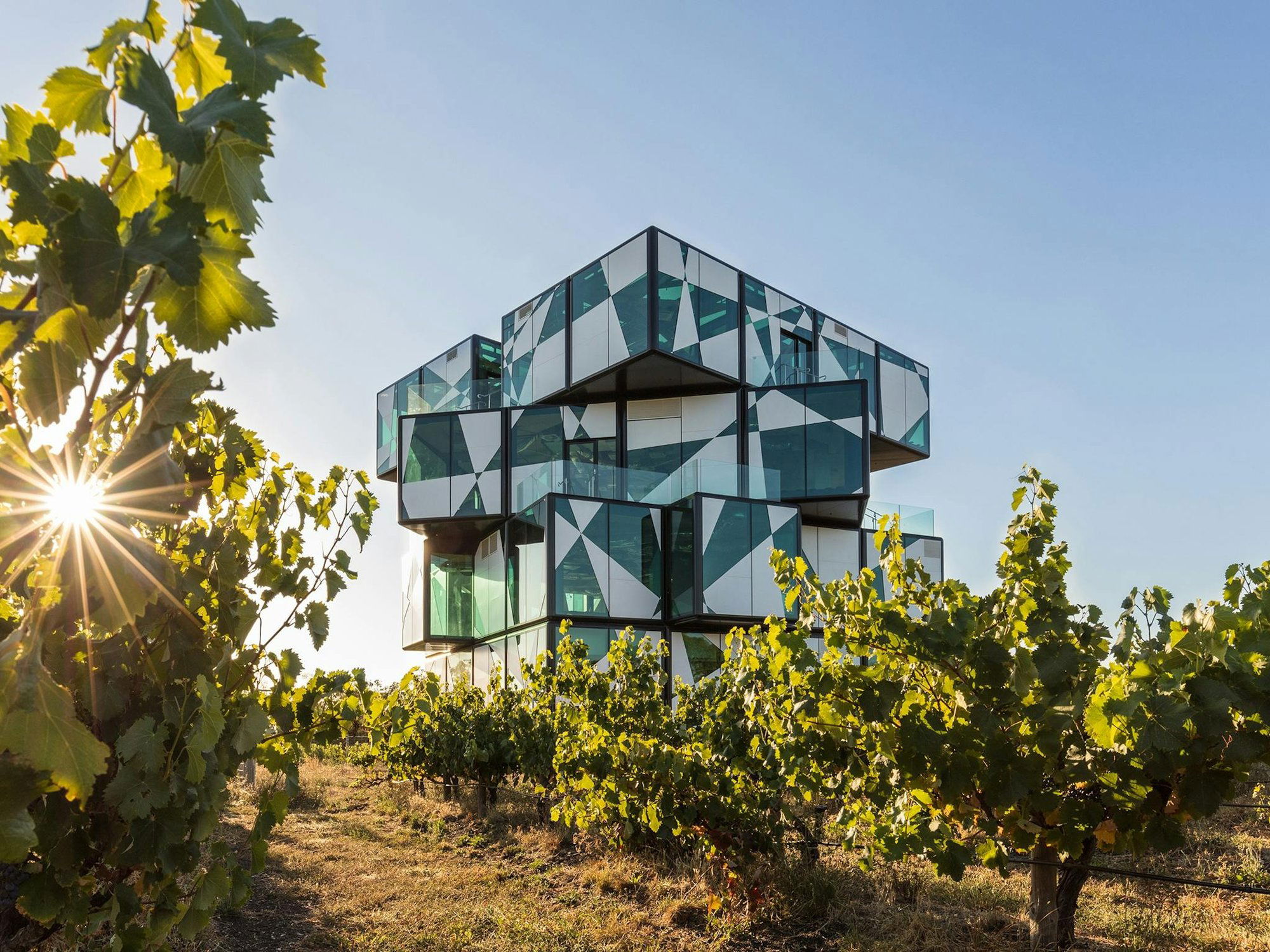
Surrealist Cellar Architecture
Price
$50–100tasting
Why go
d'Arenberg is worth prioritising if you want a recognised McLaren Vale winery to anchor the day, especially for a first visit or wine-focused itinerary. It is less suited to a loose, low-commitment tasting crawl; cross-shop S.C. Pannell, Kay Brothers, Mollydooker, or Oliver's Taranga if flexibility matters more.
About d'Arenberg
Is d'Arenberg worth visiting in McLaren Vale? Yes, if the priority is a recognised venue with confirmed accolades: Pearl 3 Star Prestige in 2025 and World's 50 Best Vineyards #32 in 2024. It is less useful as a page for detailed logistics, because public details here are limited.
McLaren Vale rewards visitors who plan around a few anchor stops rather than trying to make every venue interchangeable. d'Arenberg is one of the names travellers may place at the centre of a regional itinerary because its confirmed recognition gives it a clear reason to be considered. For specifics such as current services, bookings, prices, or timing, use the venue's official channels before finalising a plan. The dress code is casual.
Use it as the anchor stop, not the casual add-on
The smarter way to approach d'Arenberg is as a fixed point in the day, then compare the rest of the itinerary around it. For travellers weighing McLaren Vale venues by reputation, the question is less “is it cheap?” and more “does the confirmed recognition justify making it a priority?” On the record available here, the strongest case is for visitors who want a well-recognised McLaren Vale stop.
If the day is about breadth, compare it with other named options rather than stacking the itinerary without a purpose. S.C. Pannell is a natural cross-shop within a McLaren Vale plan, while Kay Brothers offers another option to consider. For a wider planning frame, use a broader McLaren Vale guide rather than treating every venue as interchangeable.
Who should prioritise it, and who should cross-shop
Prioritise this if the visit needs to feel anchored by confirmed credentials: a milestone trip, a regional weekend, or a McLaren Vale itinerary where one stop has to carry much of the day. Cross-shop it if the group is mostly looking for a looser route or wants to compare several venues before deciding where to spend the most time. Mollydooker or Oliver's Taranga can also be considered as part of a wider McLaren Vale plan, depending on the traveller's priorities.
The case for d'Arenberg is strongest when it is treated as a reputation-led experience rather than judged only as a quick stop. The confirmed recognition helps reduce guesswork, but it also raises expectations. Visitors who want to understand the region should leave enough time to compare d'Arenberg with other McLaren Vale options instead of treating it as a quick name-check.
Practical read: make d'Arenberg a main McLaren Vale consideration, cross-shop S.C. Pannell for another comparison, and keep Kay Brothers or Oliver's Taranga in mind if the schedule needs alternatives.
Planning details
- Location
- Osborn Rd, McLaren Vale SA 5171
- Website
- darenberg.com.au
- Phone
- +61 8 8329 4888
The take
The Take
The Vibe
d'Arenberg pairs show-stopping contemporary architecture with a rigorously constructed sensory program. The Cube — described as a Rubik's Cube balanced on a hillside — signals an experimental, modern approach that extends from design to the cellar. Ambient sound installations translate meteorological data into audio, underscoring a taste for theatrical detail; the wines themselves reflect McLaren Vale's iron-rich soils and a seriousness of craft. The overall effect is confidently modern and artful: a winery that feels deliberate, slightly eccentric, and designed to be experienced as a cohesive statement rather than a simple tasting stop.
Best For
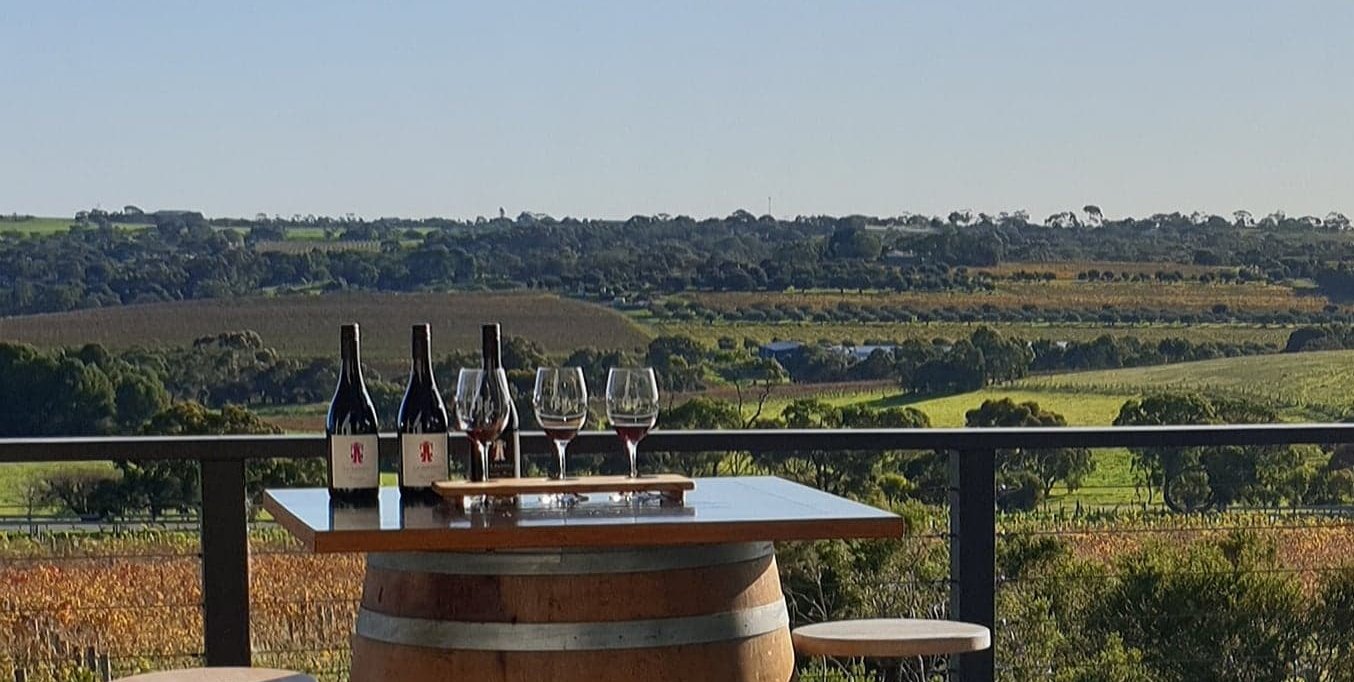
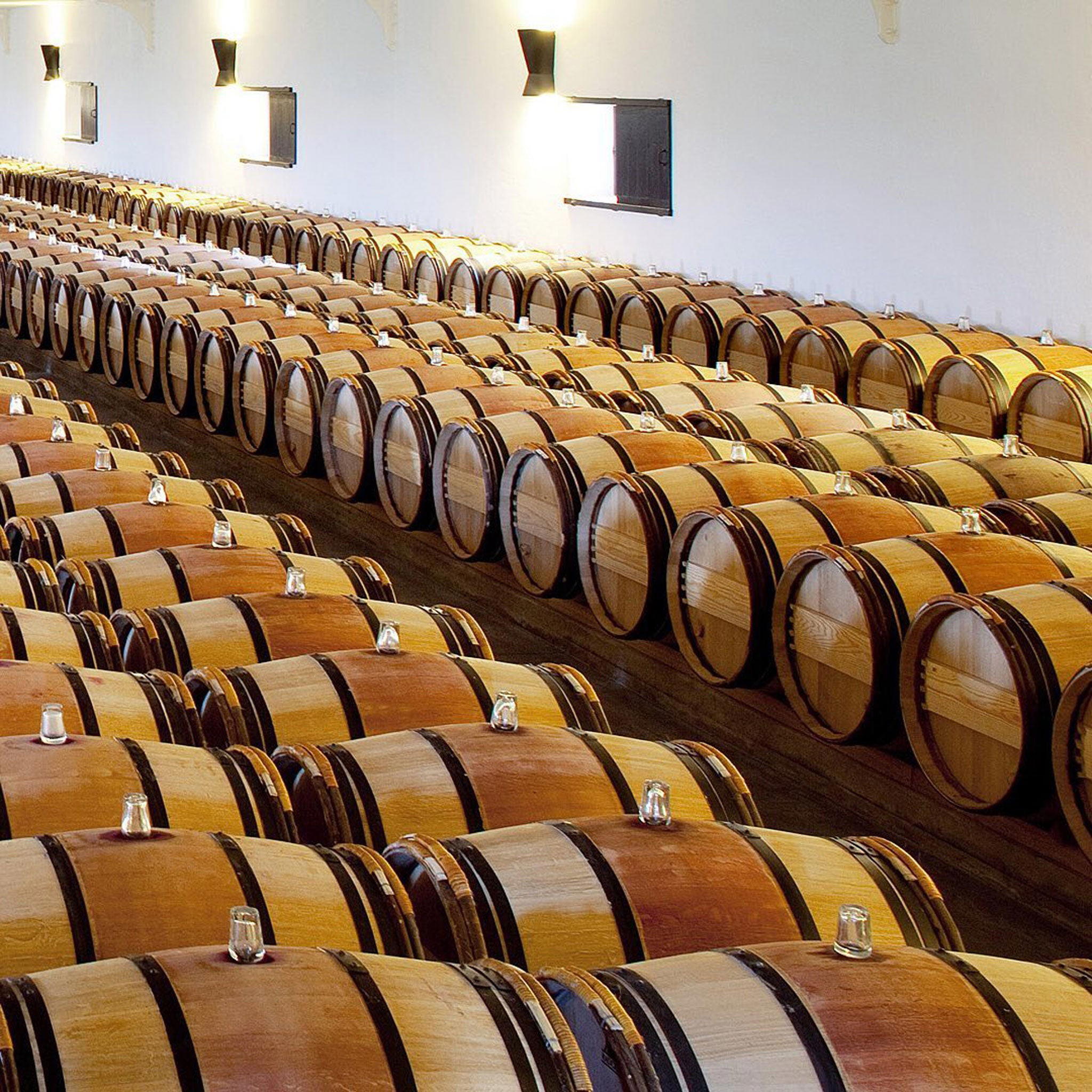
Visitors who prize a bold, design-forward wine visit find a lot to admire at d'Arenberg. It suits people interested in wine education and sensory experiences—those who want to see barrel halls, visit cellar doors, and take in views across the Willunga escarpment. Because the property leans experimental and architectural, it also works well for group outings and special-occasion visits where the setting matters as much as the tasting. Its location about 40 minutes south of Adelaide makes it a deliberate day-trip destination for travelers seeking something distinctive in McLaren Vale.
Tasting Tips
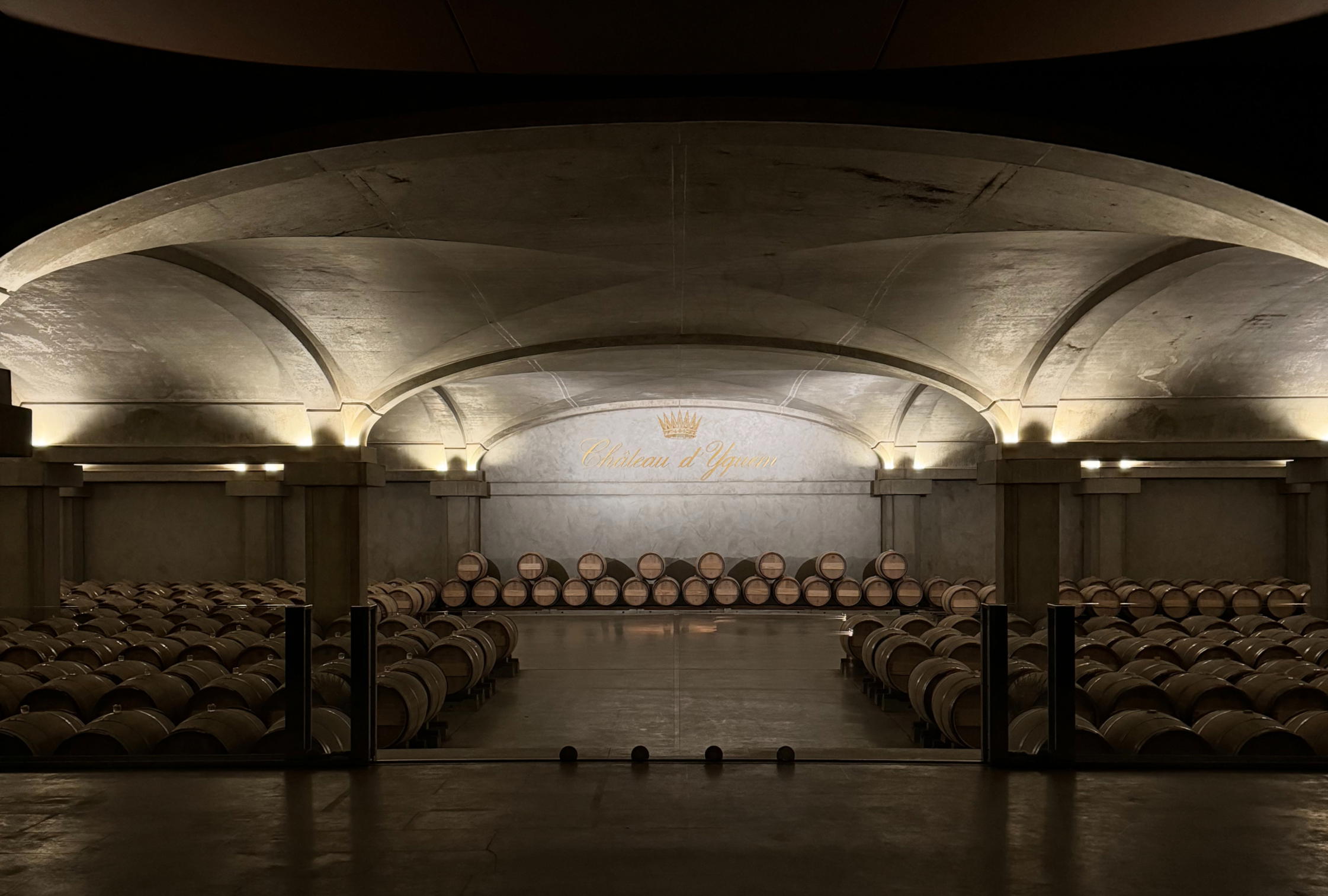
Begin with the cellar-door experience and make time to move through the building and grounds: the description highlights both cellar doors and barrel halls as primary draws. Don’t miss the ambient audio installation—the property broadcasts weather-translated sound from speakers around the structure, which is part of the intended sensory program. While tasting, focus on the region’s darker, structured Shiraz driven by iron-rich soils to understand the winery’s stylistic premise. The visit is as much about architecture and context as it is about individual bottles, so allow time for views across the Willunga escarpment and the overall site.
Venue details
Ambiance
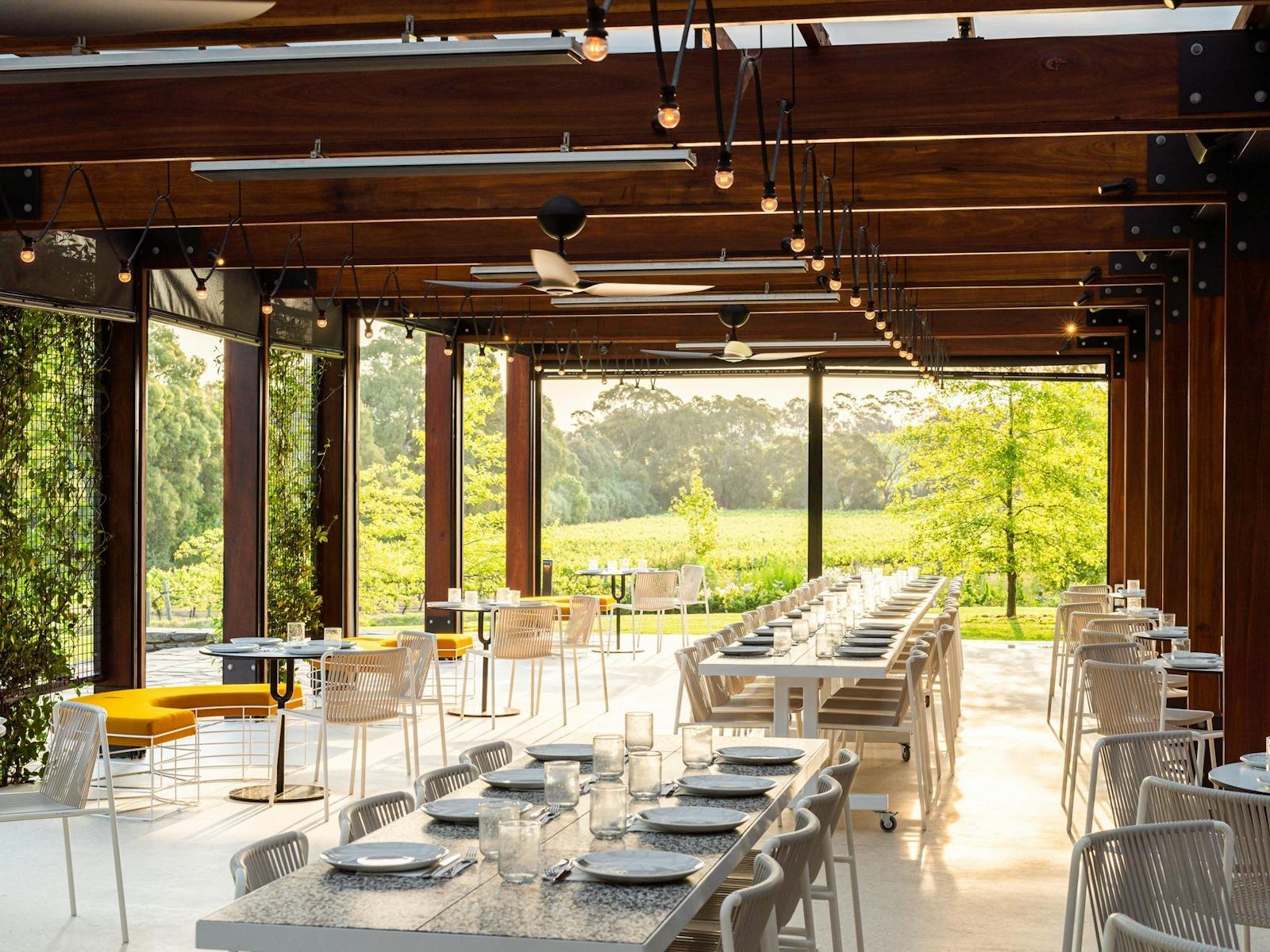
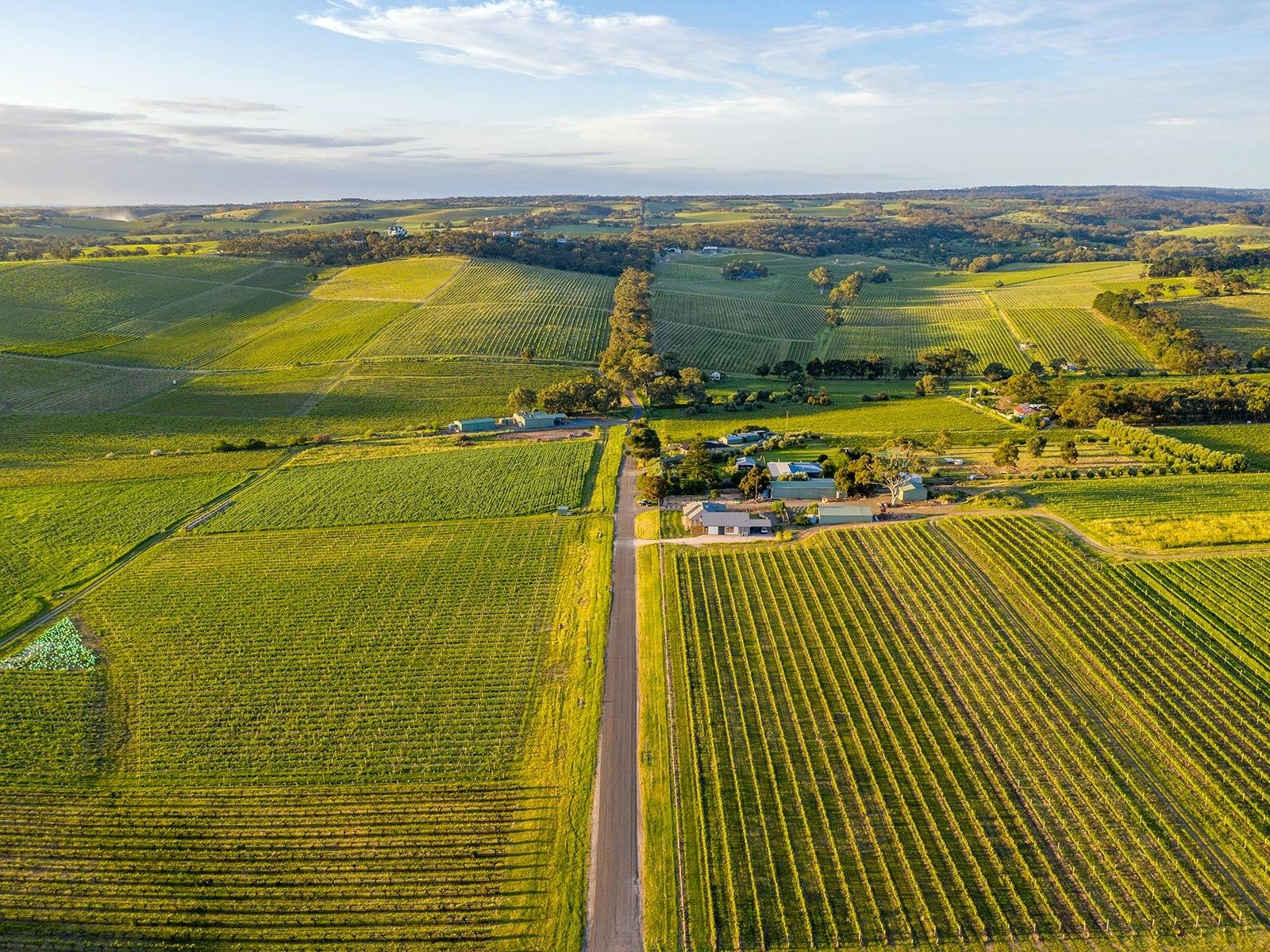
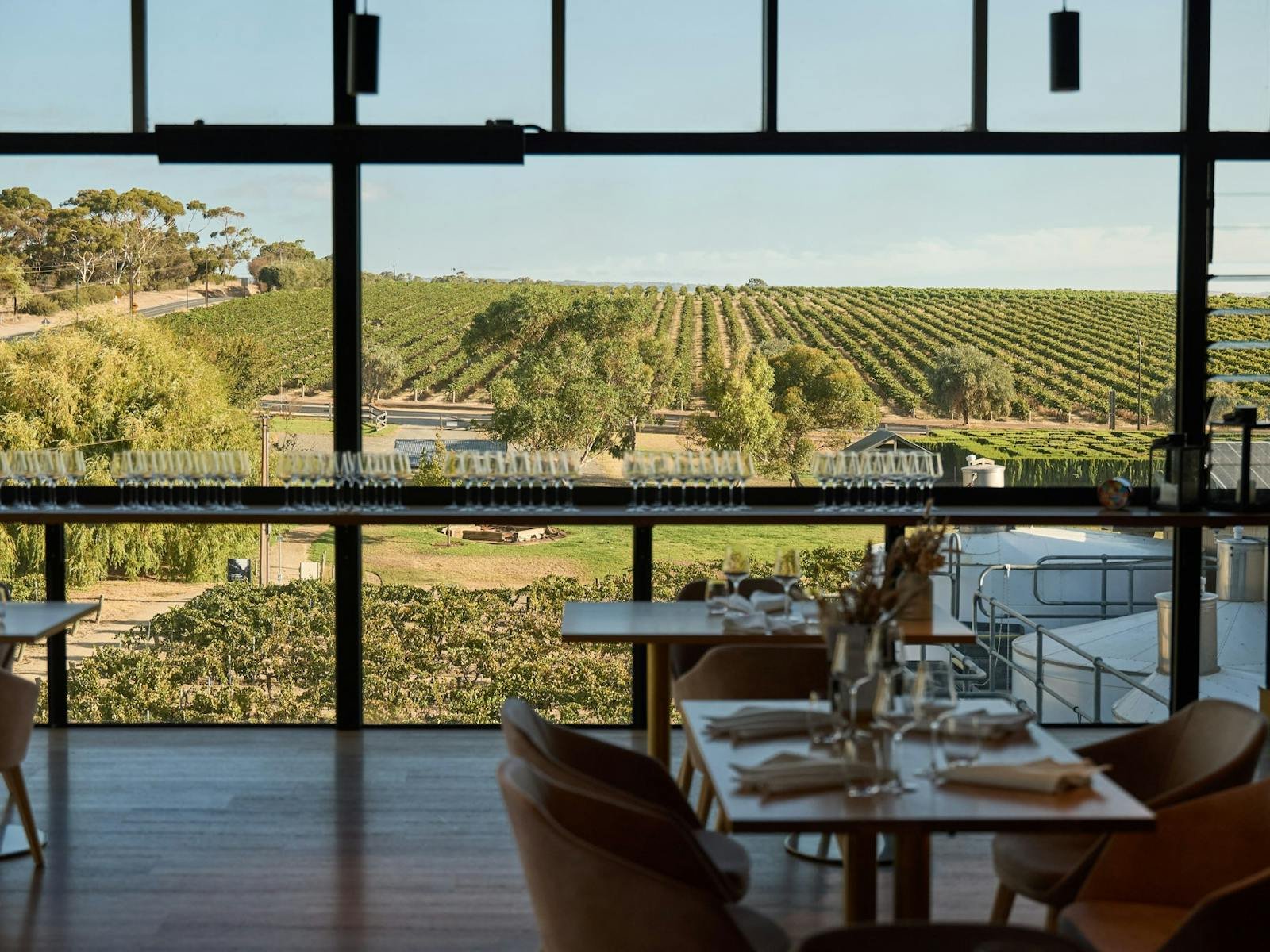
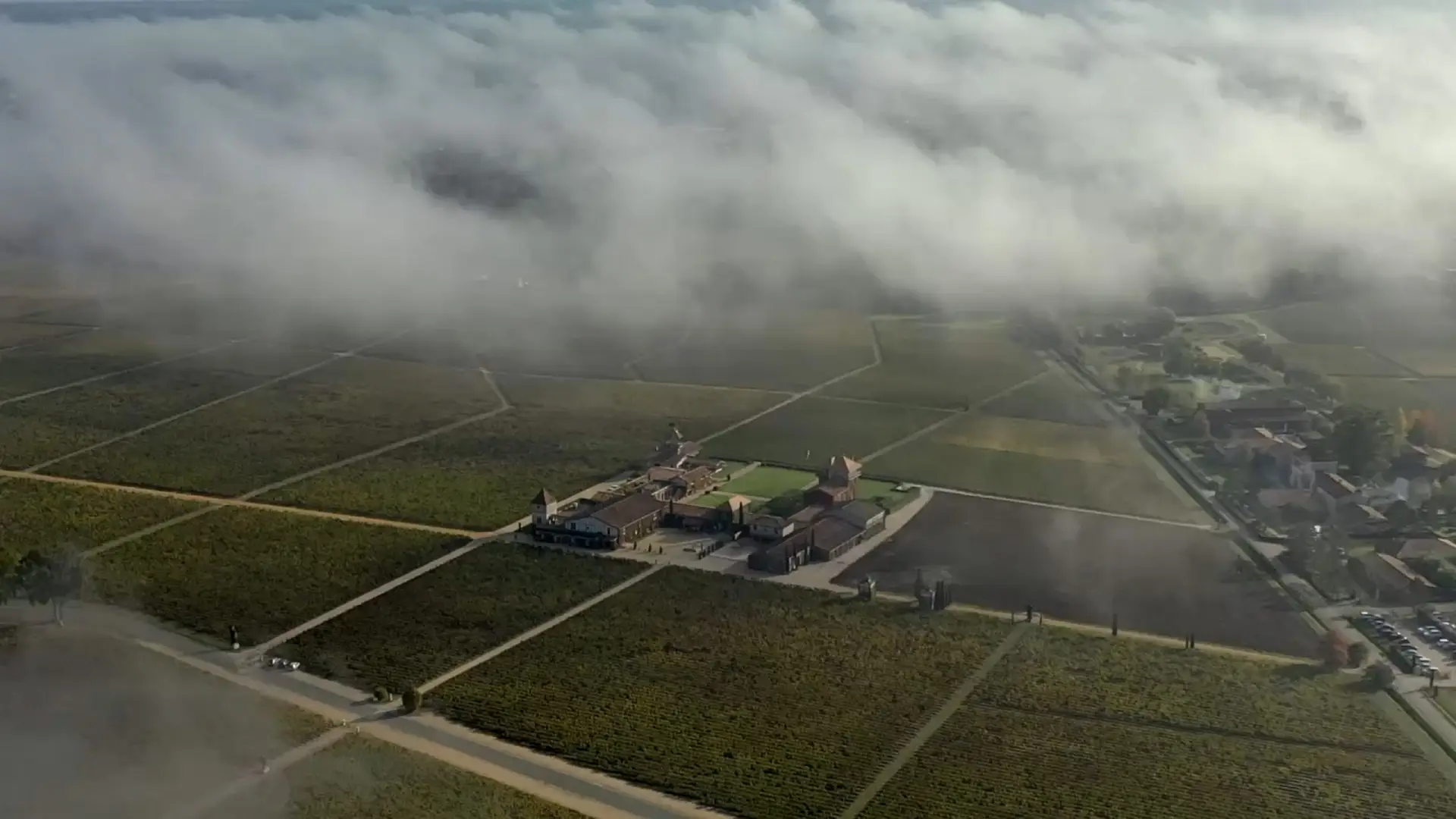
Modern architectural marvel with panoramic views across rolling hills and vineyards; bright, airy tasting spaces with natural light; vibrant energy from the innovative design contrasted with traditional winemaking heritage.
Tags
Vibe
Best For
Experience
Sourcing
View
Accessibility
At the Vineyard
- Appellation
- McLaren Vale
- Varietals
- Shiraz, Grenache, Cabernet Sauvignon, Chardonnay, Viognier
- Tour Duration
- 90-120 minutes
- Tour Languages
- English
- Visits
- Walk-ins welcome
- Farming
- Biodynamic
- Wine Styles
- Still Red, Still White, Sparkling, Fortified
- Food Pairing
- Offered
- Shipping
- Available
- Wine Club
- Available
Know before you go
Know Before You Go
- Getting there
- Osborn Rd, McLaren Vale SA 5171
Planning details
Location


Also consider
Where to go if this does not fit
Cross-shop S.C. Pannell first if the group wants a serious McLaren Vale wine stop with a producer-led feel. Choose Oliver's Taranga or Mollydooker if timing flexibility matters more than making one recognised address the centre of the day.
Winery context
How it compares in McLaren Vale
Choose d'Arenberg when the goal is a recognised anchor stop with enough pull to organise the day around it. S.C. Pannell is the sharper comparison for visitors who want a producer-led McLaren Vale tasting, while Kay Brothers is the better fit for a more heritage-leaning route.
For value, d'Arenberg makes the strongest case when the visit is treated as the main experience rather than one stop among many. Mollydooker and Oliver's Taranga are sensible cross-shops if the group wants a less schedule-heavy day. Never Never Distilling Co is the pivot if not everyone wants wine.
If only one booking can be difficult, spend that effort here. If the group includes casual drinkers or needs an easier plan, build the day around S.C. Pannell or Oliver's Taranga and use d'Arenberg only if timing works.
Explore McLaren Vale
Around this place
Discover more on Pearl
Unlock the full d'Arenberg guide in Pearl, including awards, comparisons, FAQs, planning details, and nearby places.
Compare d'Arenberg
| Venue | Location | Awards |
|---|---|---|
| d'Arenberg | McLaren Vale | 2026 Falstaff Winery Guide2024 World's 50 Best Vineyards · #322023 World's 50 Best Vineyards · #172021 World's 50 Best Vineyards · #312020 World's 50 Best Vineyards · #342019 World's 50 Best Vineyards · #29 |
| S.C. Pannell | McLaren Vale | 2026 Falstaff Winery Guide |
| Mollydooker | McLaren Vale | 2026 Falstaff Winery Guide |
| Never Never Distilling Co | McLaren Vale | No published awards |
| Kay Brothers | McLaren Vale | No published awards |
| Oliver's Taranga | McLaren Vale | No published awards |
How d'Arenberg McLaren Vale compares with similar nearby venues.
FAQ
Frequently Asked Questions
How long should I plan for a visit to d'Arenberg?
Plan it as a meaningful McLaren Vale stop rather than a quick name-check. The confirmed Pearl 3 Star Prestige 2025 rating and World's 50 Best Vineyards #32 placement in 2024 support treating it as a planned part of the itinerary, but current visit timing should be checked directly with the venue.
What other venues can I compare with d'Arenberg?
S.C. Pannell, Mollydooker, Kay Brothers, and Oliver's Taranga are useful comparison names for a McLaren Vale-focused plan. Never Never Distilling Co is another option if the group wants a broader comparison set.