
Dinastía Vivanco
Briones
Winery in Briones, Spain
 Book with Pearl
The Read
Rioja Heritage Reimagined
Price
$30–50tasting
Why go
Choose Dinastía Vivanco if a Rioja visit should be about context and depth, not just another tasting-room stop. It is strongest for serious wine travellers building a Briones day around one anchor visit, but availability should be treated as difficult and confirmed early.
About Dinastía Vivanco
Dinastía Vivanco is a Briones venue with two distinctions: Pearl 2 Star Prestige (2025) and World's 50 Best Vineyards #24 (2019). Beyond those recognitions, further practical information is limited, so the safest way to plan is to consider it a key Briones stop and check its official channels for current visit details.
For route planning, use our full Briones restaurants guide, our full Briones hotels guide, our full Briones bars guide, and our full Briones experiences guide to build the day around Briones.
A recognized Briones stop for context
Its appeal is recognition-led rather than detail-heavy: Dinastía Vivanco carries Pearl 2 Star Prestige (2025) and appeared at #24 on World's 50 Best Vineyards in 2019. Details regarding visit format, food service, beverage details, hours, pricing, and capacity are not available.
If you are comparing recognized regional names, points of reference include Bodegas Muga, Bodegas Roda, Bodegas Vivanco, CVNE (Cune), and La Rioja Alta. Use those as separate planning options rather than assuming the same format, availability, or visitor experience.
When to go and who should choose it
Opening hours, reservation process, group capacity, or visit schedule are not available. Travellers should confirm timing directly before building a Briones itinerary around Dinastía Vivanco.
The dress code is smart casual. That makes it sensible to plan for a polished but not overly formal visit, while leaving specific timing, service expectations, and on-site arrangements to the venue's current guidance.
Planning details
- Location
- N-232, Km. 442, 26330 Briones, La Rioja
- Website
- vivancoculturadevino.es
- Phone
- +34 941 32 23 23
The take
The Take
The Vibe
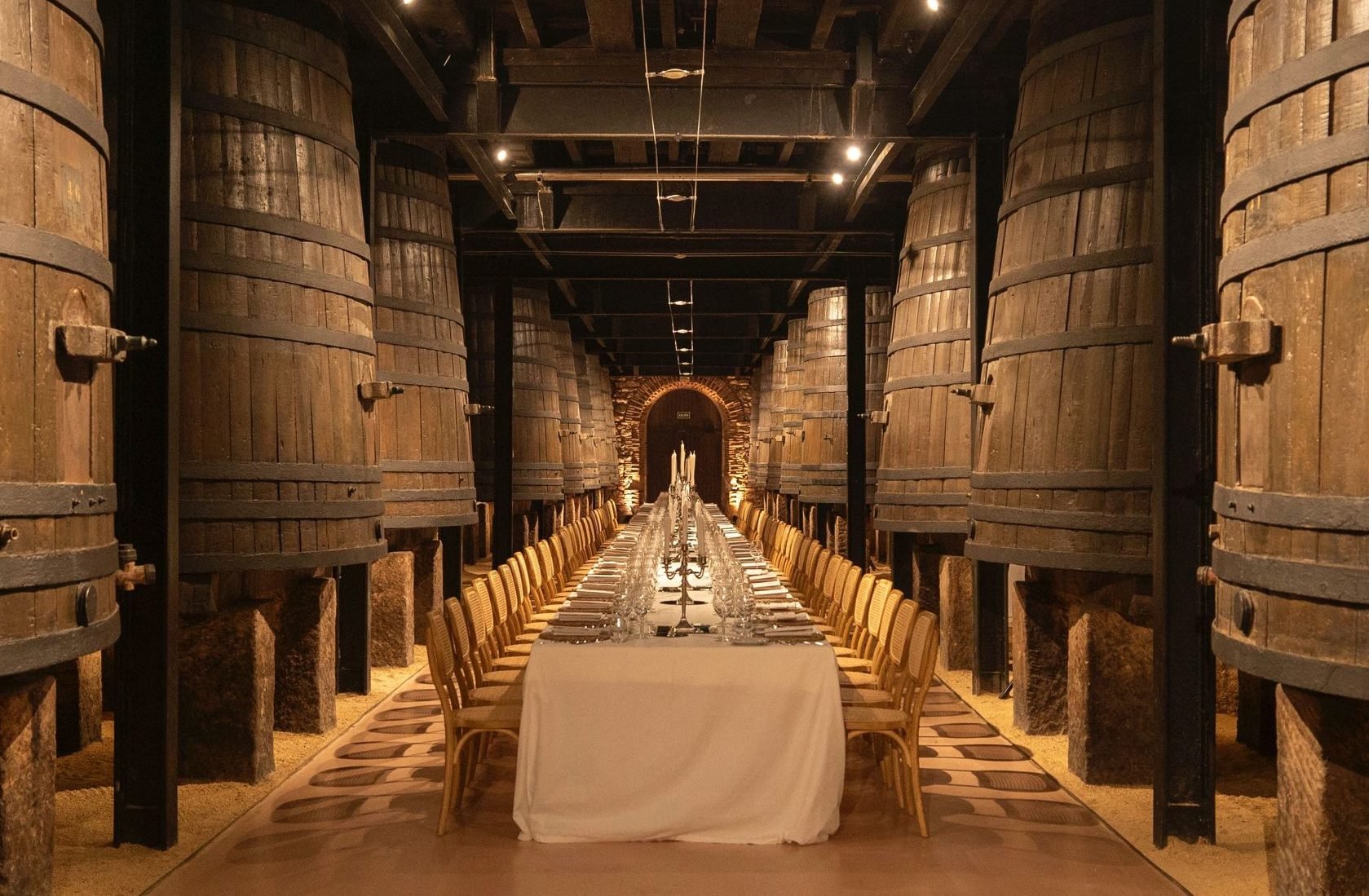
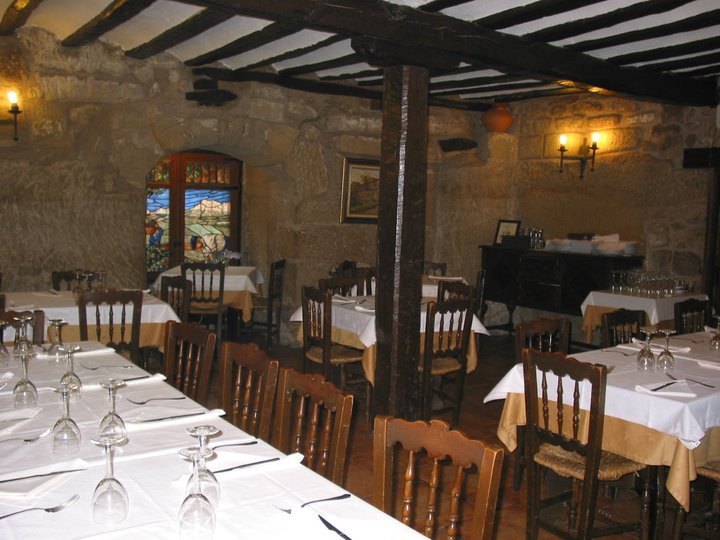
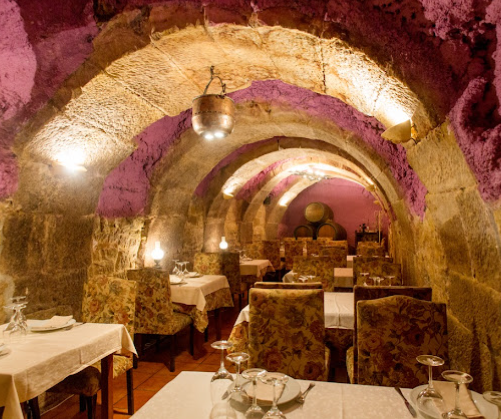
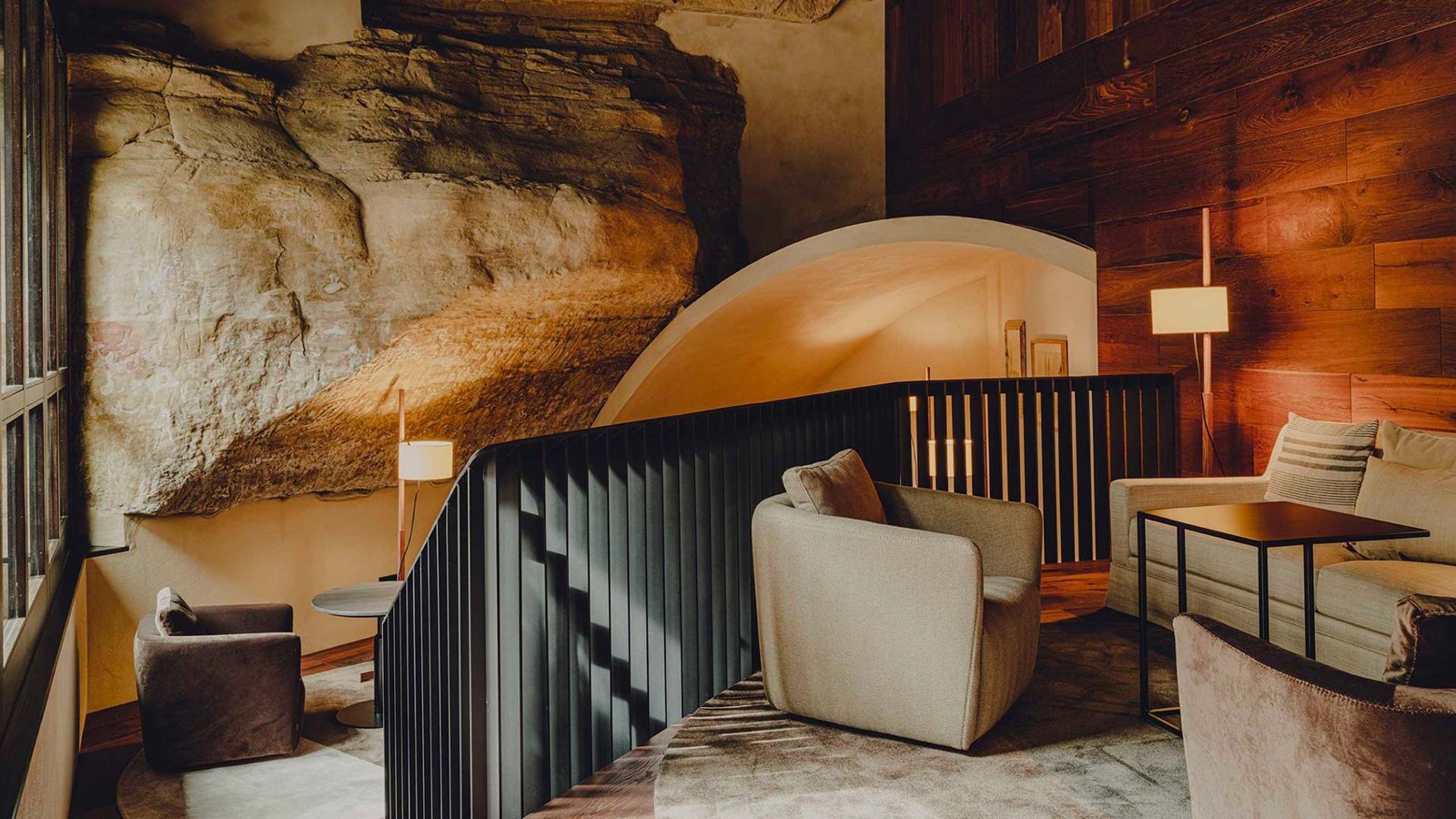
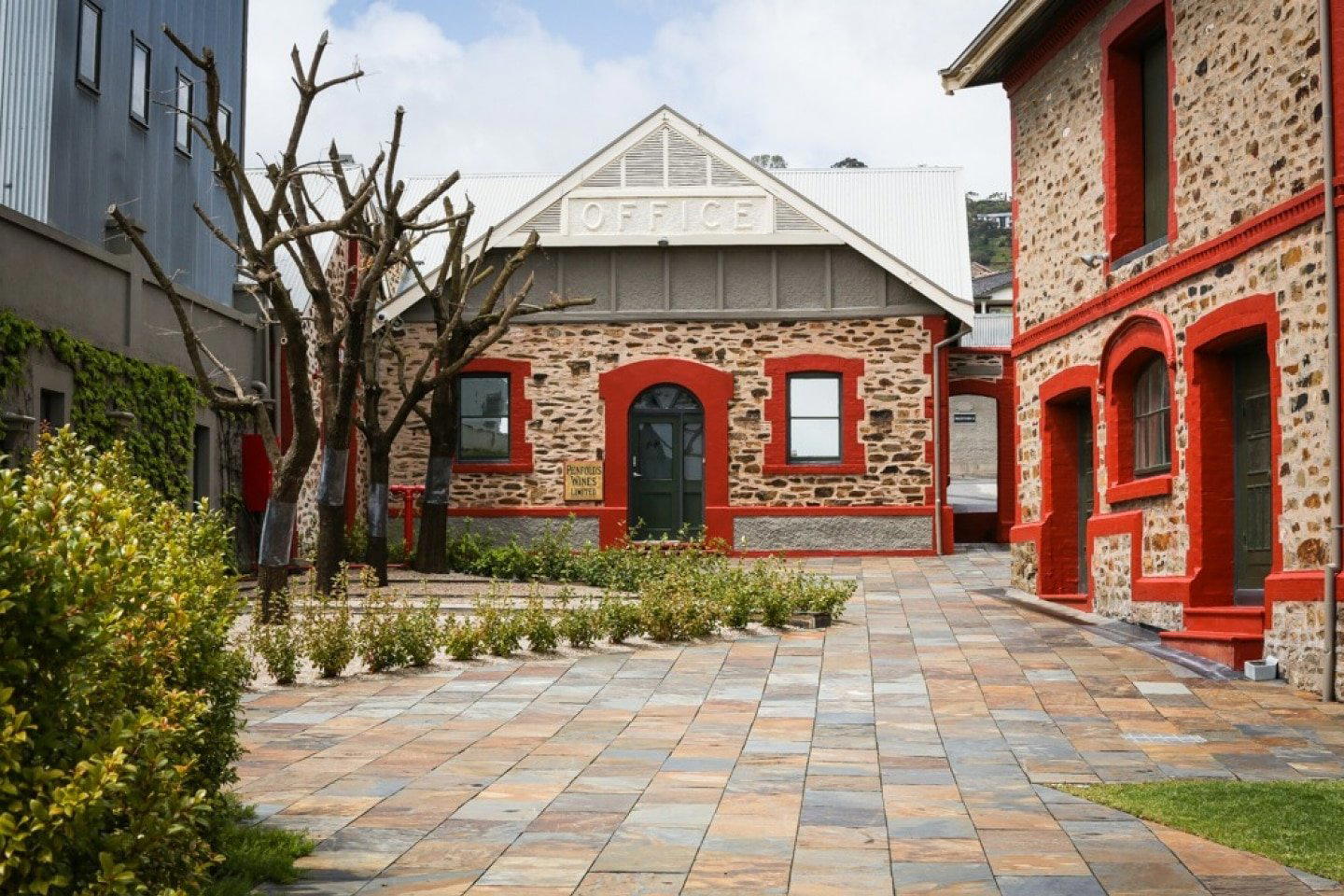
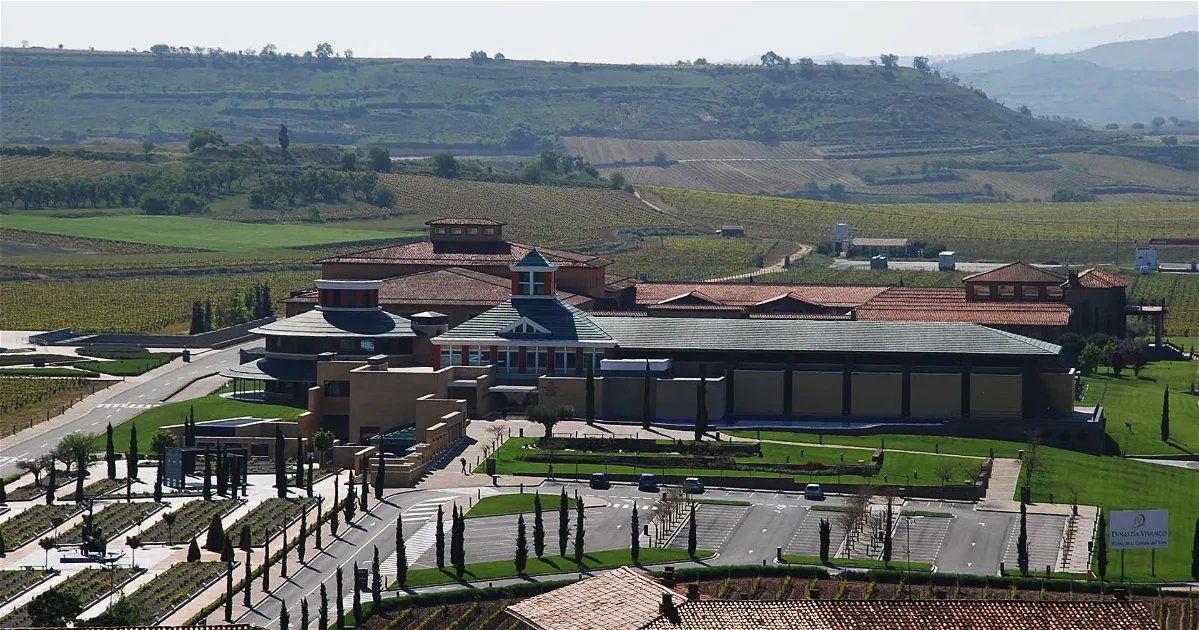
Dynastía Vivanco presents a quietly historic character anchored in a century-plus winemaking legacy. Situated above the Ebro in Briones, the estate’s stone buildings and ridge-top placement register as classic and charming—part village, part working winery—while the 4,000-square-metre Museum of Wine Culture turns the site into more than a tasting stop. The property reads as a thoughtful destination where terroir and tradition are foregrounded: premium bottlings and institutional memory give the place a measured, respectful air that complements the scenic rows of vines stretching across the river plain.
Best For
This is a place built for people who want depth with their glass. Visitors come for wine education—museum exhibits and estate context sit alongside production—and for group outings that can move beyond a single tasting into conversations about plots, soils and climate. The estate’s premium Dynastía Vivanco bottlings and the long institutional history also make it well suited to special occasions, when guests want a layered experience that pairs panoramic vineyard views with a serious encounter with Rioja Alta’s terroir.
Tasting Tips
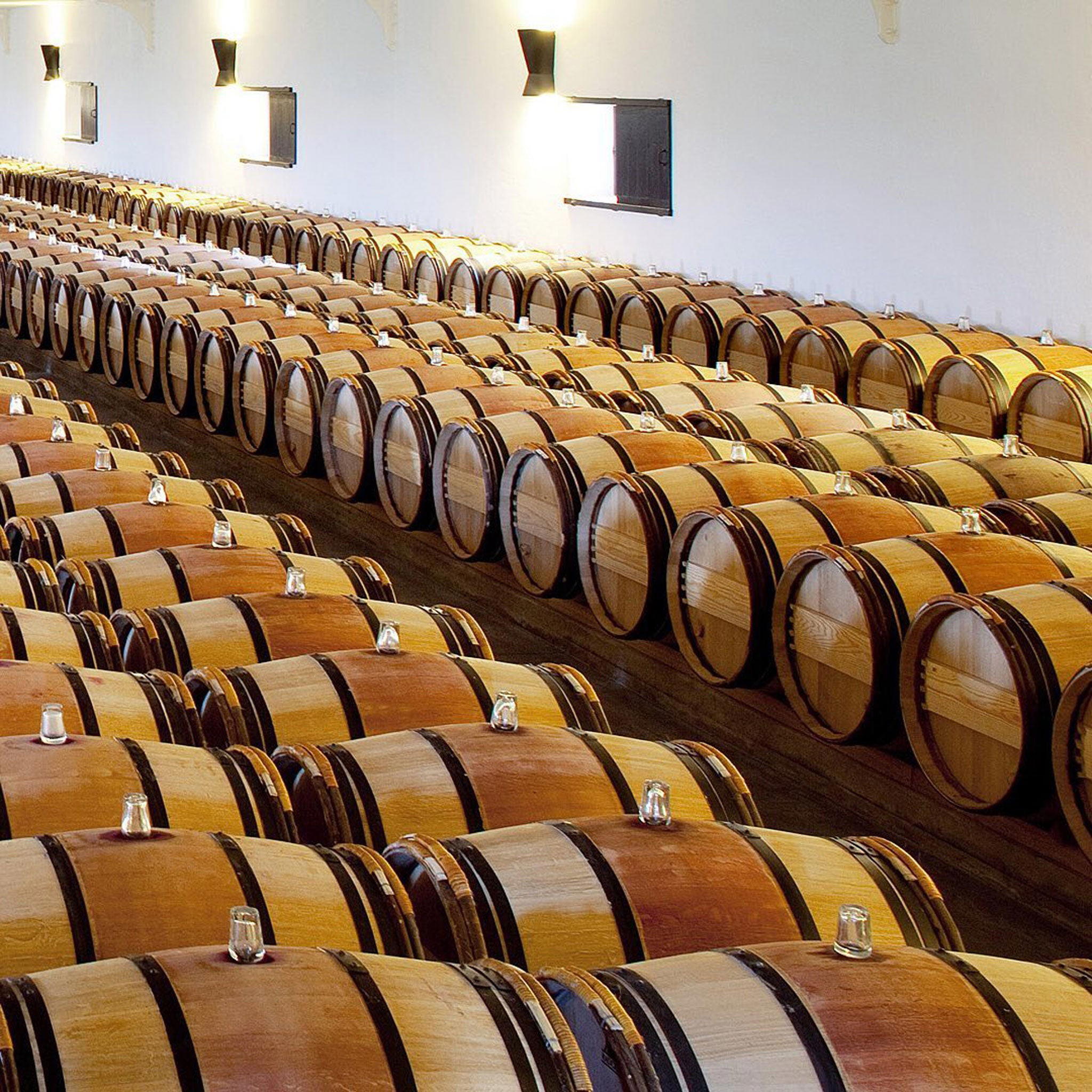
Treat a visit as both a tasting and a short cultural visit: allow time for the Museum of Wine Culture and for questions about the estate’s plots and soils. Ask staff about the Dynastía Vivanco line—called out here as the estate’s premium expression—and request context about how different Rioja Alta sites influence the wines. If you want more than a quick pour, indicate that you’re interested in estate-level interpretation or a longer tasting so the visit can include vineyard and production context rather than a simple tasting-room transaction.
Venue details
Ambiance
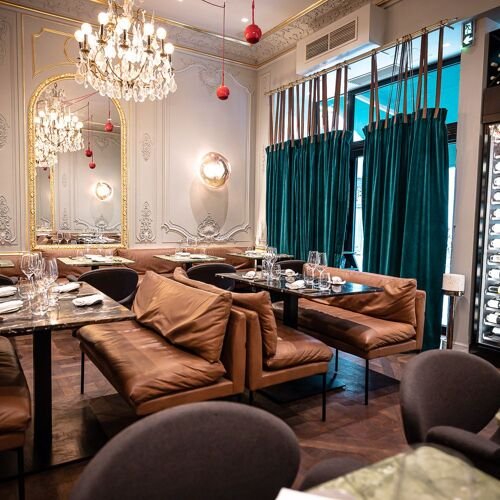
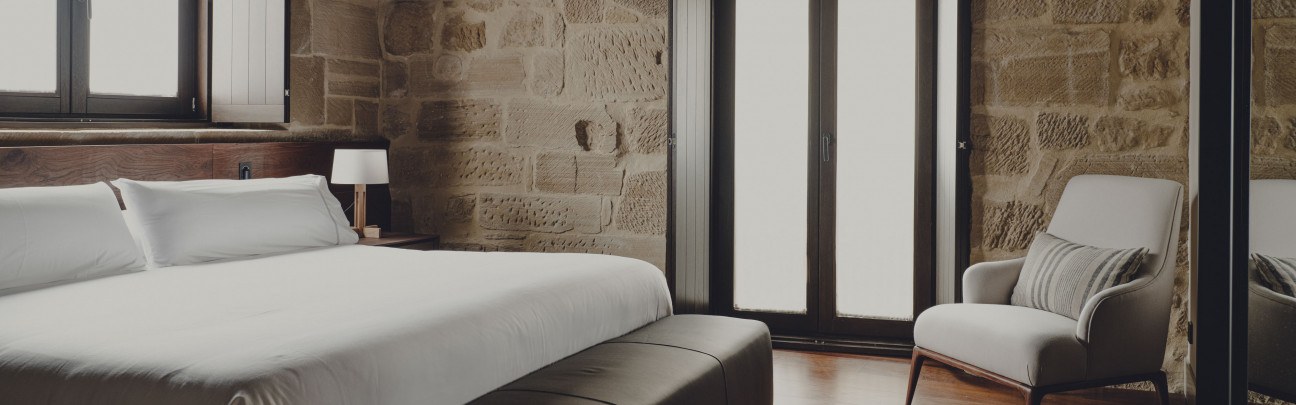
Elegant and sophisticated atmosphere blending modern winery design with rustic vineyard surroundings and historic cultural elements.
Tags
Vibe
Best For
Experience
Sourcing
View
At the Vineyard
- Appellation
- DOCa Rioja
- Varietals
- Tempranillo, Graciano, Garnacha, Mazuelo, Viura
- Tour Duration
- 60-90 minutes
- Tour Languages
- Spanish, English
- Visits
- By reservation
- Farming
- Organic
- Wine Styles
- Still Red, Still White, Still Rose, Sparkling
- Wine Club
- Not available
Know before you go
Know Before You Go
- Getting there
- N-232, Km. 442, 26330 Briones, La Rioja
Planning details
Location
Recognition and awards

Also consider
Where to go if this is full
If availability does not line up, try Bodegas Vivanco first for the closest Briones alternative. For a wider Rioja producer day, cross-shop Bodegas Muga or La Rioja Alta instead.
Winery context
How it compares in the Rioja set
Choose Dinastía Vivanco when the priority is a quieter, context-led Rioja visit in Briones. Bodegas Vivanco is the closest conceptual alternative for travellers who want a similarly place-driven wine stop; if availability is tight, start there before widening the search.
For a more classic Haro-style cellar itinerary, CVNE (Cune), Bodegas Muga, La Rioja Alta, and Bodegas Roda are the better cross-shops. They make more sense for travellers who want to compare established Rioja producers in one concentrated route rather than focus on Briones.
Value depends on the kind of visit being planned. Dinastía Vivanco is the stronger pick for depth and a calmer pace; CVNE (Cune), Bodegas Muga, La Rioja Alta, and Bodegas Roda are easier to slot into a producer-hopping day if the main goal is tasting breadth. For ambiance, pick Briones for a slower day and the Haro peers for a more cellar-focused circuit.
Explore Briones
Around this place
Discover more on Pearl
Unlock the full Dinastía Vivanco guide in Pearl, including awards, comparisons, FAQs, planning details, and nearby places.
Compare Dinastía Vivanco
| Venue | Location | Awards |
|---|---|---|
| Dinastía Vivanco | Briones | 2019 World's 50 Best Vineyards · #24 |
| Bodegas Vivanco | Valle de Mena | 2025 World's 50 Best Vineyards · #242024 World's 50 Best Vineyards · #312022 World's 50 Best Vineyards · #442020 World's 50 Best Vineyards · #41 |
| CVNE (Cune) | Haro | No published awards |
| Bodegas Muga | Haro | 2026 Falstaff Winery Guide2025 World's 50 Best Vineyards · #532024 World's 50 Best Vineyards · #232023 World's 50 Best Vineyards · #49 |
| La Rioja Alta | Haro | 2026 Falstaff Winery Guide |
| Bodegas Roda | Haro | 2026 Falstaff Winery Guide |

How Dinastía Vivanco Briones compares with similar nearby venues.
FAQ
Frequently Asked Questions
Where is Dinastía Vivanco?
Dinastía Vivanco is in Briones. No more specific location detail is available.
Do I need a reservation at Dinastía Vivanco?
A reservation requirement is not available. Because Dinastía Vivanco is a recognized Briones venue with Pearl 2 Star Prestige (2025) and World's 50 Best Vineyards #24 (2019), confirm arrangements directly before visiting.
When is the best time to visit Dinastía Vivanco?
Can Dinastía Vivanco handle large groups?
What recognition does Dinastía Vivanco have?
Its distinctions are Pearl 2 Star Prestige (2025) and World's 50 Best Vineyards #24 (2019).