

Antinori nel Chianti Classico
Chianti Classico, Tuscany
Winery in Tuscany, Italy
 Book with Pearl
The Read
Hill-Embedded Estate Architecture
Why go
Prioritize Antinori nel Chianti Classico if the trip is about understanding Antinori's Tuscan reach, not just tasting one label. It is a high-demand, high-context winery visit with serious recognition, including World's 50 Best Vineyards #1 in 2022. If access is the issue, cross-shop Isole e Olena, Fontodi, or Castello di Monsanto.
About Antinori nel Chianti Classico
Antinori nel Chianti Classico is a Tuscany venue centered on the Antinori name. Renzo Cotarella is attached as CEO, the dress code is smart casual, and the venue holds recognition from Pearl 3 Star Prestige (2025) and World's 50 Best Vineyards #1 (2022).
For travelers comparing Tuscany stops, the most useful question is whether Antinori nel Chianti Classico fits the purpose of the trip. If the goal is an Antinori-focused visit in Tuscany, it belongs on the shortlist. If the goal is to compare it with other named venues, consider it alongside Solaia (Marchesi Antinori), Tenuta Tignanello, Isole e Olena, Fontodi, and Castello di Monsanto.
Plan around the Antinori context
A compelling reason to consider Antinori nel Chianti Classico is its recognition: World's 50 Best Vineyards #1 in 2022 and Pearl 3 Star Prestige in 2025. For details such as visit format, food service, pricing, group capacity, menus, or the exact style of the experience, check directly with the venue before planning around them.
Use the venue as a Tuscany reference point, then build the rest of the trip around your needs. For broader trip planning, anchor meals and stays through our full Tuscany restaurants guide, our full Tuscany hotels guide, our full Tuscany bars guide, and our full Tuscany experiences guide.
Who should choose this over another Tuscany stop
Choose Antinori nel Chianti Classico if the trip is about placing Antinori within a Tuscany itinerary and you value its recognition. If the priority is comparison with other named venues, look at Isole e Olena, Fontodi, Castello di Monsanto, Solaia (Marchesi Antinori), or Tenuta Tignanello instead. The useful distinction is whether you want Antinori nel Chianti Classico itself or another Tuscany stop.
For travelers extending the itinerary, compare Antinori nel Chianti Classico with other Tuscany dining and experiences by matching each stop to the purpose of the trip. Keep the planning grounded in the essentials: Tuscany, Renzo Cotarella, smart casual dress, Pearl 3 Star Prestige (2025), and World's 50 Best Vineyards #1 (2022).
Planning details
- Location
- Via Cassia per Siena, 133, 50026 Bargino FI
- Website
- antinorichianticlassico.it
- Phone
- +39 055 235 9700
The take
The Take
The Vibe
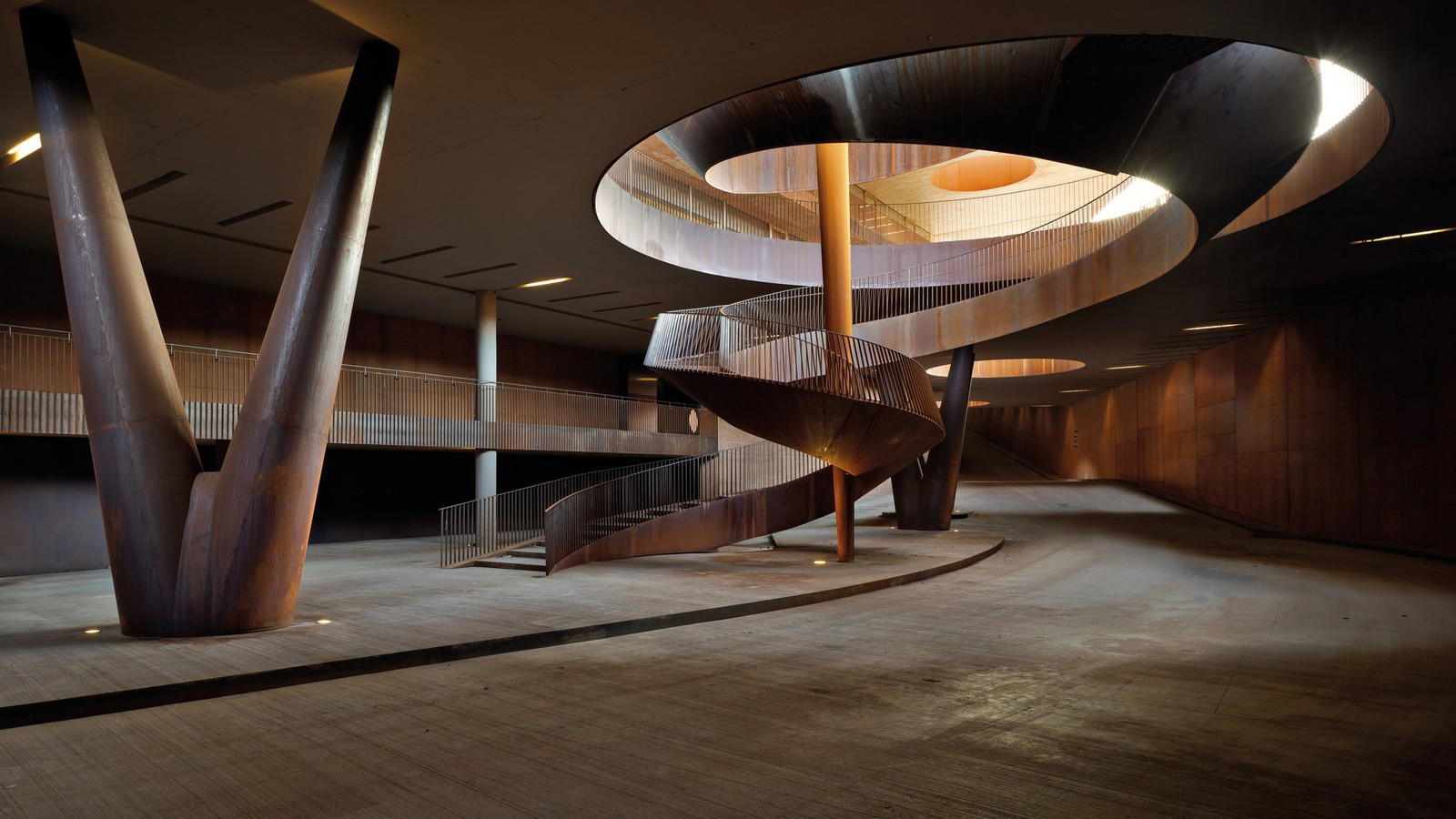
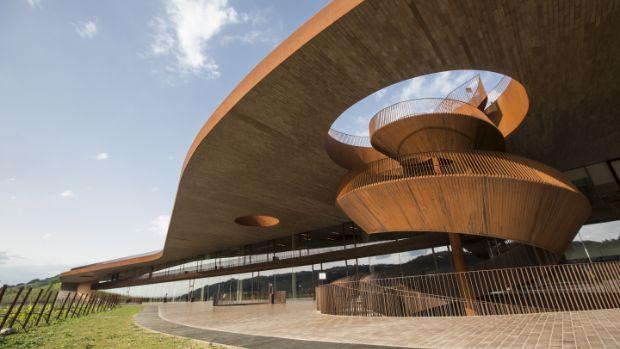
Antinori nel Chianti Classico presents a disciplined, modern approach to winery design: the building is carved into the hillside and reads as a terraced extension of the landscape. Architectural restraint and horizontal tiers of glass and stone let the land take center stage, so the drama of the estate is experienced from the inside looking out. The effect is calm and composed rather than theatrical; galleries and framed views create a contemplative, design-forward setting that feels both sophisticated and quietly majestic rather than overtly historic or showy.
Best For
This estate is ideal for visitors who value terroir-focused wine experiences and architectural intent. It suits wine enthusiasts seeking education and context—people who want to understand how place shapes Chianti Classico—plus travelers celebrating a notable trip or special occasion. The property's Pearl 3 Star Prestige recognition signals an elevated visitor program and cultural offerings, so it appeals to those who expect more than a basic tasting: curated displays, interpretive spaces and panoramic vineyard views that reward thoughtful exploration.
Tasting Tips
Allow time for the full visitor program and prioritize experiences that connect wine to landscape. Because the estate emphasizes curated gallery spaces and framed views, plan to move beyond a quick tasting and spend time observing how vineyards and terroir are presented. Focus tastings on wines that showcase Chianti Classico’s Sangiovese expression and look for opportunities to pair the tasting with the estate’s interpretive displays. Treat the visit as both architectural and oenological: the layout rewards lingering in the viewing spaces as much as sampling bottles.
Venue details
Ambiance
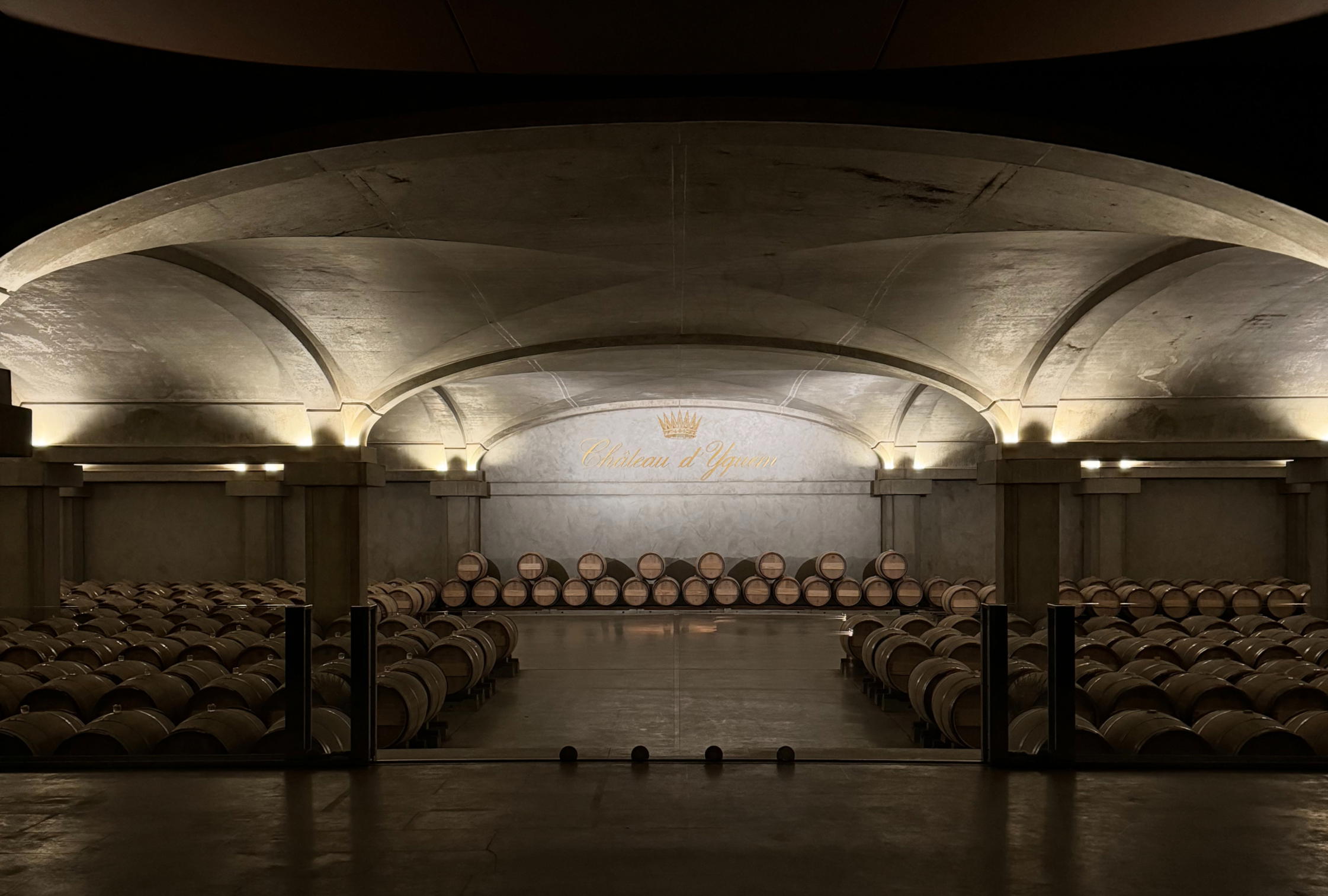
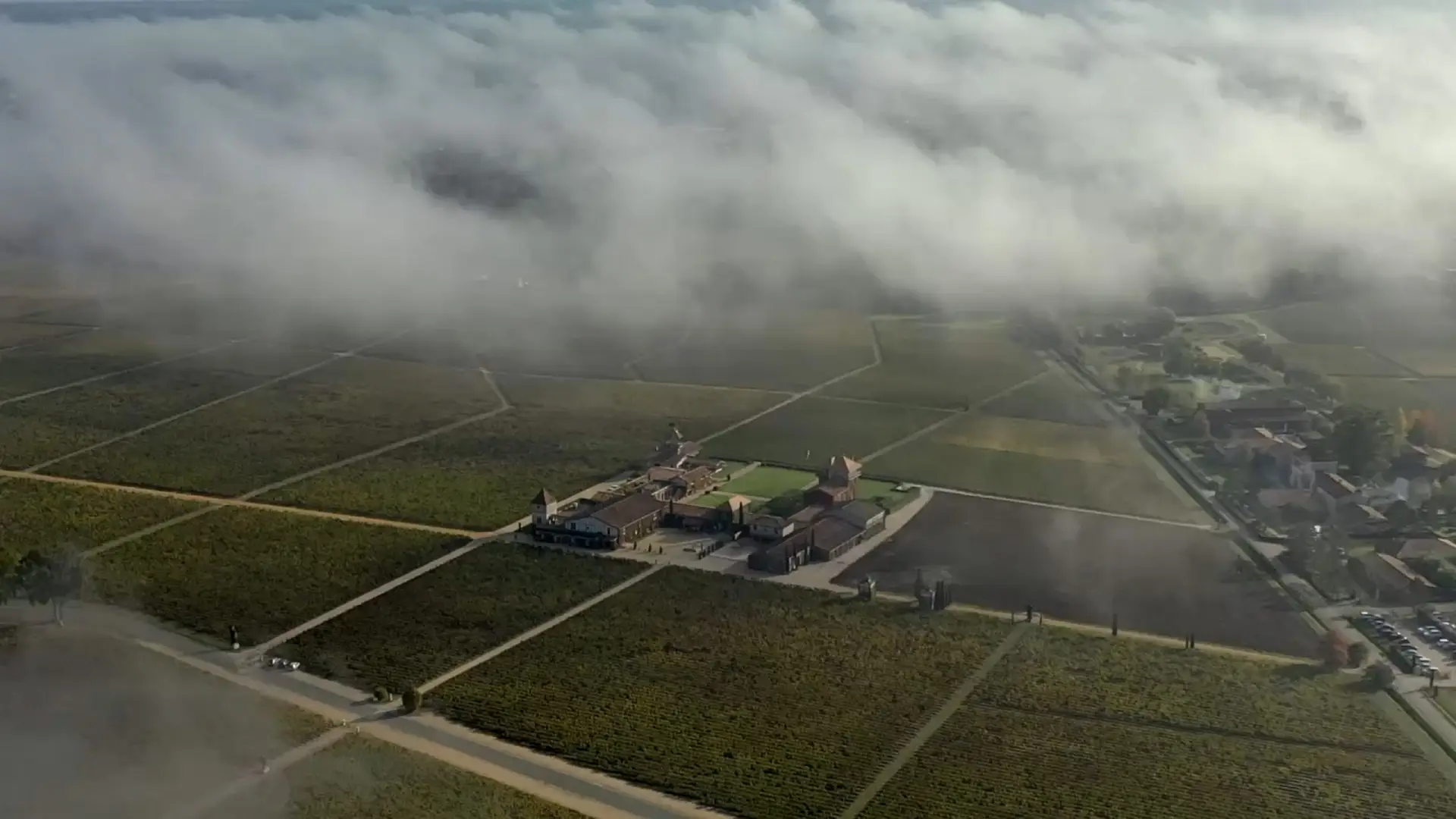
Sacred place of silence described as a temple to ancient winemaking rituals, nestled into Tuscan hillside with natural elements ensuring ideal conditions, overlooking countryside terraces surrounded by vineyards.
Tags
Vibe
Best For
Experience
View
At the Vineyard
- Appellation
- Chianti Classico DOCG
- Varietals
- Sangiovese, Cabernet Sauvignon, Merlot, Cabernet Franc, Canaiolo
- Tour Duration
- 60-90 minutes
- Tour Languages
- English, Italian
- Visits
- By appointment only
- Production
- Large producer
- Wine Styles
- Still Red
- Wine Club
- Not available
Know before you go
Know Before You Go
- Getting there
- Via Cassia per Siena, 133, 50026 Bargino FI
Planning details
Location

Also consider
Where to look if this is full
Try Isole e Olena if the priority is a serious Chianti Classico producer with a more estate-focused feel. Try Fontodi if the group wants depth and Tuscan wine credibility without making Antinori the center of the day.
Winery context
How It Compares
Compared with Solaia (Marchesi Antinori) and Tenuta Tignanello, Antinori nel Chianti Classico is the broader house-context play. Choose it when the priority is Antinori's Chianti Classico presence and a more complete sense of the family's Tuscan footprint. Choose the label-specific peers when the trip is built around collector focus rather than a wider winery experience.
Isole e Olena, Fontodi, and Castello di Monsanto are better cross-shops for travelers who want a less corporate-feeling Chianti Classico day. They read as stronger alternatives when ease, producer intimacy, or a quieter rhythm matters more than Antinori scale and recognition.
For splurge energy and name recognition, start here. For value of access and a more focused estate mood, try Isole e Olena or Fontodi first. For a classic Chianti Classico comparison without building the day around Antinori, Castello di Monsanto is the practical backup.
Explore Tuscany
Around this place
Discover more on Pearl
Unlock the full Antinori nel Chianti Classico guide in Pearl, including awards, comparisons, FAQs, planning details, and nearby places.
Compare Antinori nel Chianti Classico
| Venue | Location | Awards |
|---|---|---|
| Antinori nel Chianti Classico | Tuscany | 2025 World's 50 Best Vineyards · #222025 Pearl 3 Star Prestige2022 World's 50 Best Vineyards · #12021 World's 50 Best Vineyards · #62020 World's 50 Best Vineyards · #92019 World's 50 Best Vineyards · #18 |
| Solaia (Marchesi Antinori) | San Casciano | No published awards |
| Tenuta Tignanello | San Casciano in Val di Pesa | 2025 Pearl 4 Star Prestige |
| Isole e Olena | Barberino Tavarnelle | 2026 Falstaff Winery Guide |
| Fontodi | Greve in Chianti | 2026 Falstaff Winery Guide2025 Pearl 4 Star Prestige |
| Castello di Monsanto | Barberino Tavarnelle | 2026 Falstaff Winery Guide |

How Antinori nel Chianti Classico compares with similar nearby venues.
FAQ
Frequently Asked Questions
How long should I plan for a visit to Antinori nel Chianti Classico?
Plan the timing directly with the venue, rather than assuming a fixed duration for a Tuscany stop at Antinori nel Chianti Classico.
Can Antinori nel Chianti Classico handle large groups?
Larger parties should contact Antinori nel Chianti Classico directly before making plans.
Are membership or ongoing-access options available at Antinori nel Chianti Classico?
What other venues should I compare with Antinori nel Chianti Classico?
For comparisons, look at Solaia (Marchesi Antinori), Tenuta Tignanello, Isole e Olena, Fontodi, and Castello di Monsanto. Antinori nel Chianti Classico is the Antinori-focused Tuscany choice in this set.
What is Antinori nel Chianti Classico best known for here?
The profile centers on Antinori nel Chianti Classico in Tuscany, Renzo Cotarella, smart casual dress, Pearl 3 Star Prestige (2025), and World's 50 Best Vineyards #1 (2022).