

Zuccardi Valle de Uco
Paraje Altamira, Tunuyán
Winery in Tunuyán, Argentina
 Book with Pearl
The Read
Desert Terroir Architecture
Why go
Zuccardi Valle de Uco is the Paraje Altamira winery to prioritize when the estate setting matters as much as the tasting. The Andes-facing location gives first-time Mendoza visitors a clear sense of why the Uco Valley is worth the drive, but access is difficult enough that it should be planned before the rest of the day.
About Zuccardi Valle de Uco
Is Zuccardi Valle de Uco worth planning a Tunuyán visit around? Yes, if you are choosing based on recognition rather than a long list of practical details. Zuccardi Valle de Uco has Pearl 4 Star Prestige (2025) recognition and was ranked #1 in World's 50 Best Vineyards (2019).
Plan with care and confirm current visit specifics directly before building a day around it. The dress code is smart casual. If you are comparing options, consider Zuccardi Valle de Uco alongside Antucura, Bodega Cuvelier Los Andes, Bodega DiamAndes, Bodega Monteviejo, and Finca La Celia, or look more broadly at unnamed options in Tunuyán.
Prioritize it for the confirmed recognition
The clearest reason to prioritize Zuccardi Valle de Uco is its recognition profile. Pearl lists it as 4 Star Prestige for 2025, and World's 50 Best Vineyards ranked it #1 in 2019. Those are the grounded hooks for deciding whether it belongs near the top of a Tunuyán itinerary.
Compared with Bodega DiamAndes, Bodega Cuvelier Los Andes, and Bodega Monteviejo, Zuccardi Valle de Uco is the more obvious choice if your shortlist is driven by recognition. Those venues may still be worth researching for a different kind of day, but the data supports Zuccardi Valle de Uco as the headline pick here.
The first-timer case is strong, but flexibility is weak
The first-timer case rests on recognition, not on details about a particular menu, format, price, schedule, or reservation policy. Treat the visit as something to confirm directly before committing transport or timing. The facts include a smart casual dress code, but not specific service formats, current hours, prices, or special offerings.
For a broader comparison, keep the research focused on named alternatives such as Antucura, Bodega Cuvelier Los Andes, Bodega DiamAndes, Bodega Monteviejo, and Finca La Celia. Travelers who are mapping a full stay can also check Tunuyán hotels before locking plans.
The verdict: plan around Zuccardi Valle de Uco if recognition is a major factor in your Tunuyán itinerary. If you need practical details before choosing, confirm directly with the venue and compare it with other options before committing.
Planning details
- Location
- Costa Canal Uco s/n - Paraje Altamira, San Carlos, Mendoza
- Website
- zuccardiwines.com
- Phone
- +54 261 441-0090
The take
The Take
The Vibe
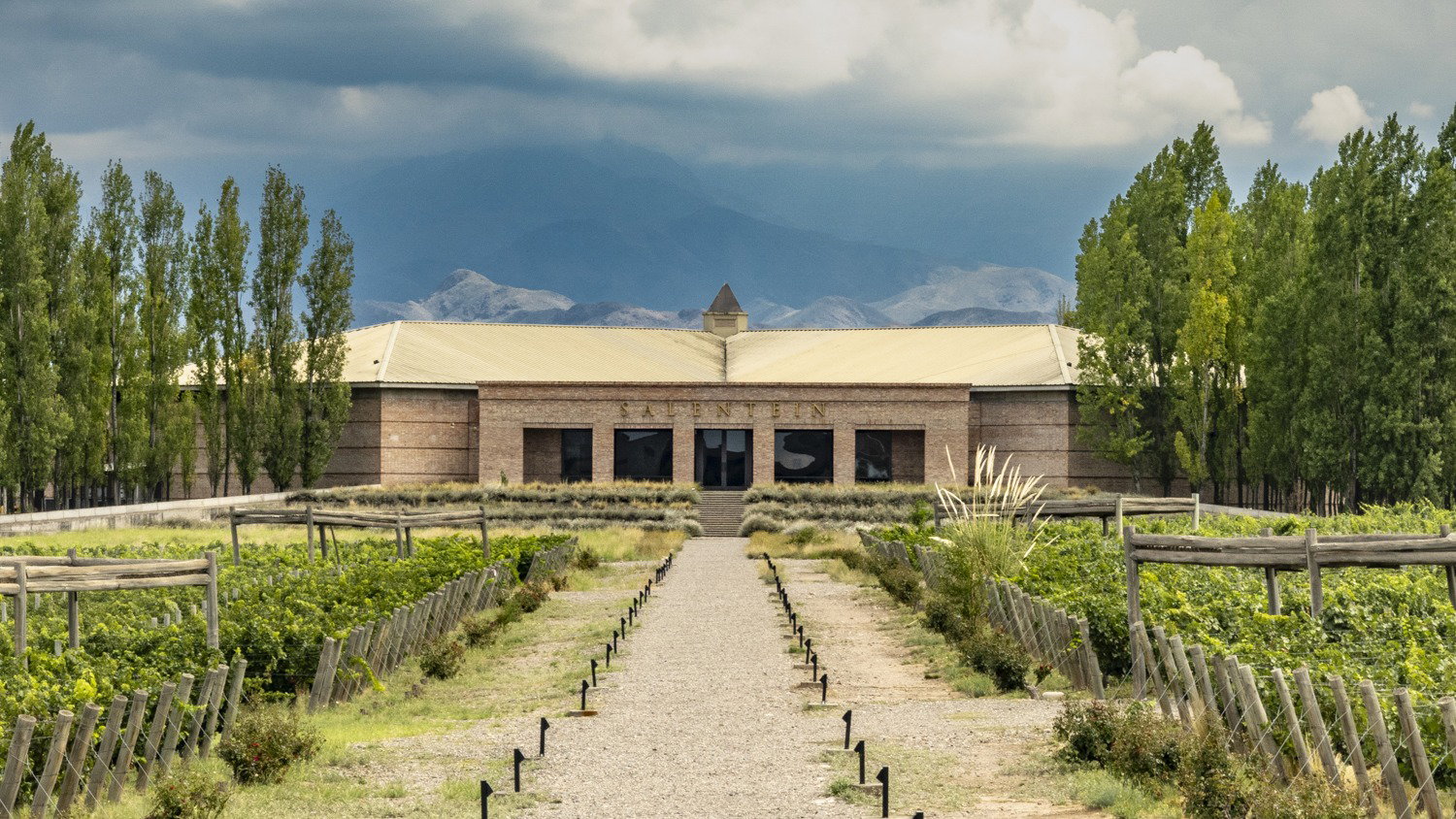
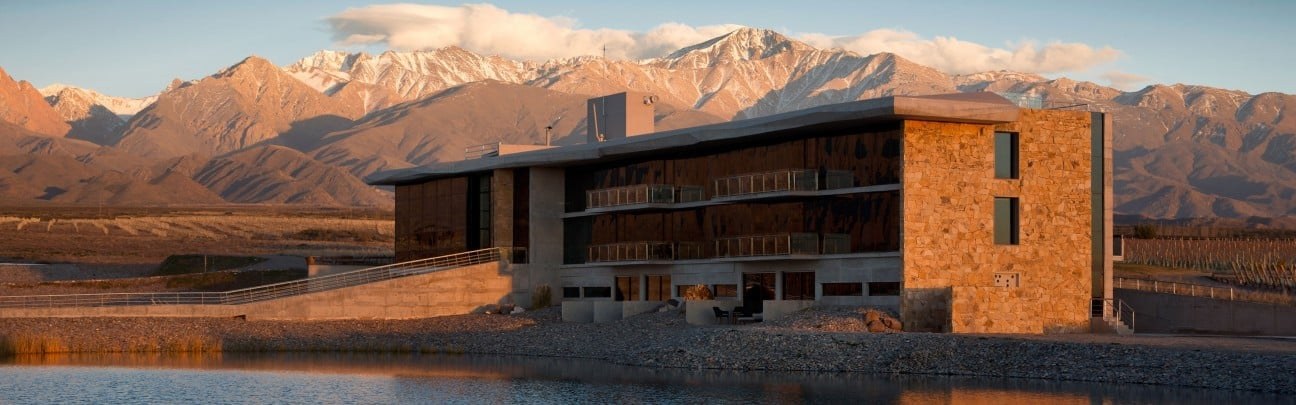
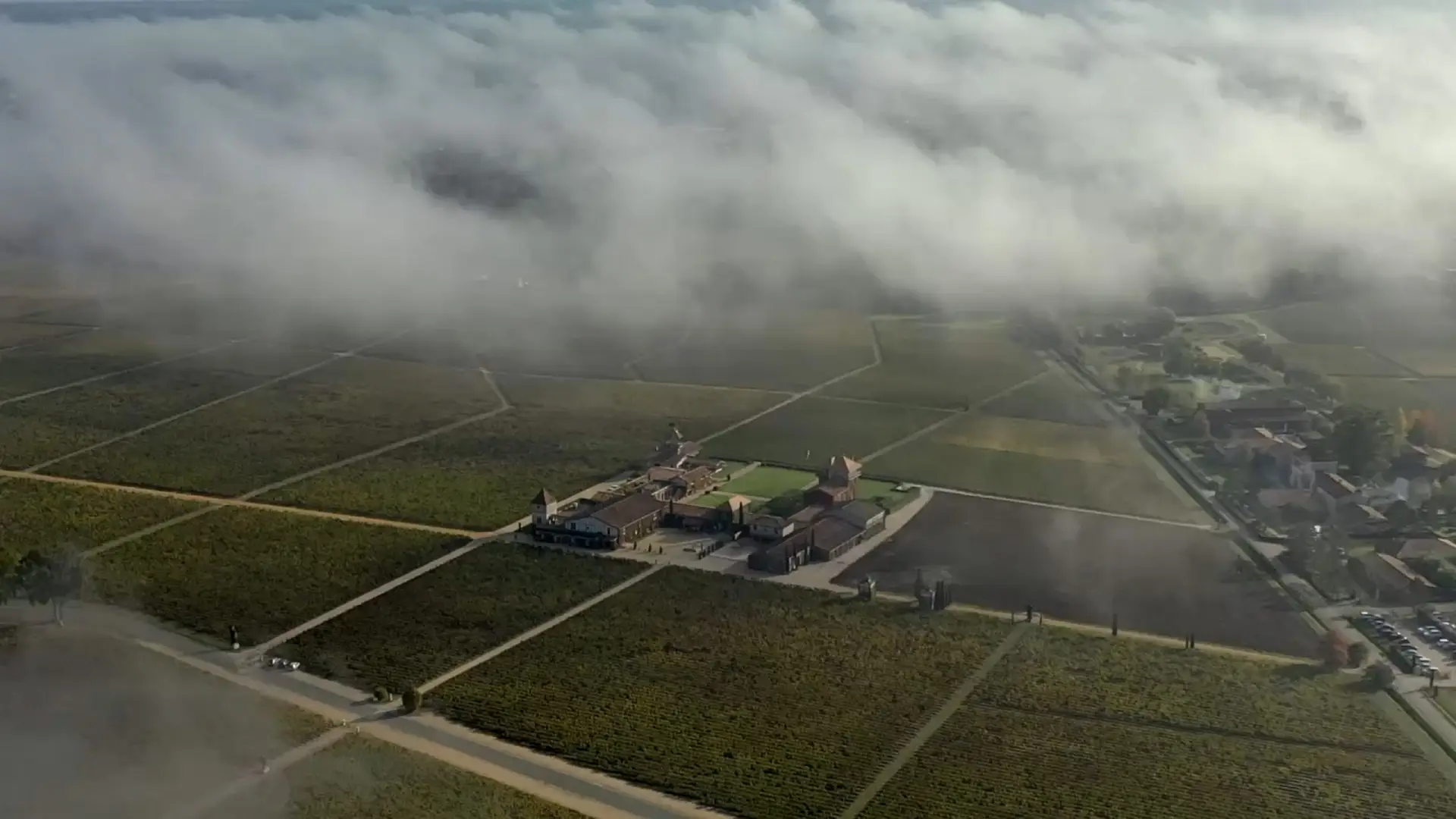
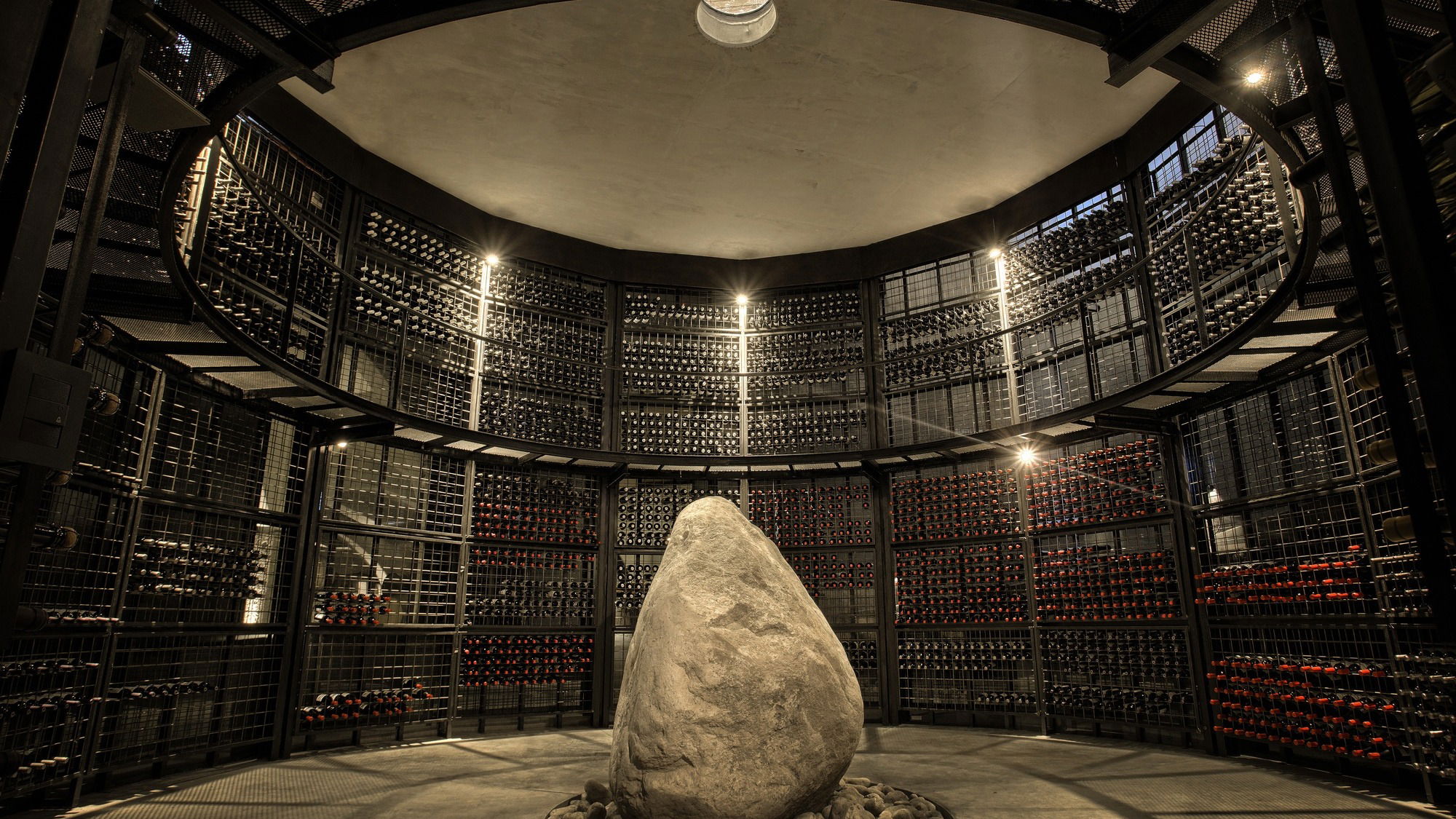
Zuccardi Valle de Uco reads like a purpose-built statement: a contemporary estate that intentionally dissolves into the high-altitude desert rather than dominate it. The architecture is a central draw, using raw stone and earth tones to integrate with the surrounding landscape, while the Andes form a dramatic backdrop. The winery occupies a design-led niche in the Uco Valley, marrying serious, altitude-driven viticulture with a sense of place. Visiting feels like encountering a regional touchstone—calm and considered, with the vastness of the valley and the mountain silhouette shaping the overall atmosphere.
Best For
This estate is best for travelers who care about both wine and design: those eager to study high-elevation Mendoza viticulture, people seeking a single standout destination in Altamira, and visitors marking a special occasion. The property functions as a reference point for the Valle de Uco’s modern turn toward fine wine, so it suits solo explorers and small groups who want context—tastings that speak to altitude, sun and diurnal range—or anyone interested in a visually striking winery visit rather than a typical cellar-door stop.
Tasting Tips
When planning a visit, prioritize the tasting programs that contextualize Altamira and the Uco Valley’s high-altitude Malbecs, since the estate positions itself around that regional story. Allow time to experience the architecture and the views of the Andes; many visitors come expressly to see the building as much as to taste. If you want deeper context, ask staff about how the site’s elevation and soils influence the wines. The description suggests the property functions as a destination, so expect a visit that pairs sensory impressions of landscape and wine rather than a quick drop-in.
Venue details
Ambiance
Natural light floods the modern stone structure blending seamlessly with the Andean landscape, creating an elegant and serene atmosphere amid stunning mountain and vineyard views.
Tags
Vibe
Best For
Experience
Sourcing
View
At the Vineyard
- Appellation
- Valle de Uco
- Varietals
- Malbec, Chardonnay, Cabernet Franc, Cabernet Sauvignon, Bonarda
- Tour Duration
- 60-90 minutes
- Visits
- By reservation
- Farming
- Sustainable
- Wine Styles
- Still Red, Still White, Sparkling, Amphora
- Wine Club
- Not available
Know before you go
Know Before You Go
- Getting there
- Costa Canal Uco s/n - Paraje Altamira, San Carlos, Mendoza
Planning details
Location
Costa Canal Uco s/n - Paraje Altamira, San Carlos, Mendoza · Directions
Recognition and awards


Also consider
If this is unavailable
Try Bodega DiamAndes if the priority is staying within the same Tunuyán winery circuit with a serious estate feel. Choose Antucura if the group needs a simpler backup that is easier to pair with other valley stops.
Winery context
How it compares in Tunuyán
Zuccardi Valle de Uco is the splurge-of-time choice in this group: not because pricing is confirmed, but because it demands more planning and rewards readers who want the winery itself to anchor the day. Finca La Celia is the better fallback for a less pressured itinerary, while Bodega DiamAndes and Bodega Cuvelier Los Andes make sense for travelers who prefer a quieter estate-to-estate comparison.
For ambiance, Zuccardi is the pick when the setting is part of the point. Bodega Monteviejo and Antucura are useful cross-shops if the desired slot is gone or the group wants a less headline-driven day. Book Zuccardi first if this is a first Uco Valley trip; choose the peers if the schedule needs easier logistics or multiple tastings without making one estate the center of gravity.
Explore Tunuyán
Around this place
Discover more on Pearl
Unlock the full Zuccardi Valle de Uco guide in Pearl, including awards, comparisons, FAQs, planning details, and nearby places.
Compare Zuccardi Valle de Uco
| Venue | Location | Awards |
|---|---|---|
| Zuccardi Valle de Uco | Tunuyán | 2026 Falstaff Winery Guide2025 World's 50 Best Vineyards · #102021 World's 50 Best Vineyards · #12020 World's 50 Best Vineyards · #12019 World's 50 Best Vineyards · #1 |
| Finca La Celia | Tunuyán | No published awards |
| Bodega DiamAndes | Tunuyán | 2026 Falstaff Winery Guide2025 World's 50 Best Vineyards · #932024 World's 50 Best Vineyards · #392023 World's 50 Best Vineyards · #48 |
| Bodega Cuvelier Los Andes | Tunuyán | No published awards |
| Bodega Monteviejo | Tunuyán | No published awards |
| Antucura | Tunuyán | 2025 Decanter Winery Prestige |

How Zuccardi Valle de Uco compares with similar nearby venues.
FAQ
Frequently Asked Questions
How long should I plan for a visit to Zuccardi Valle de Uco?
If you are planning around its Pearl 4 Star Prestige (2025) recognition and its #1 ranking in World's 50 Best Vineyards (2019), confirm current timing directly with the venue before setting your Tunuyán schedule. If your plans are still flexible, you can also compare it with Finca La Celia.
What is Zuccardi Valle de Uco known for?
Zuccardi Valle de Uco is known for Pearl 4 Star Prestige (2025), its #1 ranking in World's 50 Best Vineyards (2019), and its Tunuyán location.