

Viña Santa Rita
Alto Jahuel, Buin
Winery in Buin, Chile
 Book with Pearl
The Read
Vineyard-First Estate Experience
Price
$20–30tasting
Why go
Viña Santa Rita is the practical anchor for a Buin wine day: heritage-led, large-scale, and easier to build an itinerary around than a smaller specialist appointment. Its Pearl 3 Star Prestige recognition and World's 50 Best Vineyards #41 ranking make it worth prioritizing if the goal is a serious Chilean estate visit rather than a quick tasting stop.
About Viña Santa Rita
Viña Santa Rita is a Buin venue with smart casual dress guidance and recognition including Pearl 3 Star Prestige (2025) and World's 50 Best Vineyards #41 (2025). For travelers comparing premium venue options, the strongest reason to keep it on the shortlist is that confirmed profile rather than any claim about a specific tour format, menu, tasting style, or visitor service.
Plan the visit with a confirmation-first mindset. Check the venue's current channels before relying on specifics such as opening hours, reservations, visit options, purchases, shipping, accessibility, or dining. What can be stated confidently here is the venue name, its Buin location, its smart casual dress code, and its 2025 recognition.
Use it as the anchor stop, not an assumption-driven plan
If Viña Santa Rita is the main reason for going to Buin, make it the planning anchor and keep the rest of the day flexible until current visit details are confirmed. Avoid building an itinerary around assumptions about timing, service format, or add-on experiences. A simple plan leaves room to adjust if the available options differ from expectations.
For comparison, other relevant venues to consider include Haras de Pirque, Viña Almaviva, Viña Concha y Toro, Viña El Principal, and Viña Pérez Cruz. Treat each as a separate planning decision rather than assuming the same format, location, or visitor experience across all of them.
Good for recognition-led planning, less ideal for unconfirmed specifics
Viña Santa Rita is best framed as a recognized Buin venue with confirmed awards, not as a guaranteed match for any particular style of visit. Travelers who want a specific kind of appointment, tasting structure, food offering, or buying experience should verify those details directly before committing the day.
The confirmed accolades give the venue a clear reason to appear on a premium shortlist: Pearl 3 Star Prestige (2025) and World's 50 Best Vineyards #41 (2025). Dress smart casual, confirm logistics in advance, and compare it naturally with other venues such as Viña Concha y Toro, Viña Almaviva, Haras de Pirque, Viña El Principal, and Viña Pérez Cruz if you are deciding how to spend limited time.
Planning details
- Location
- Buin, Santiago Metropolitan Region
- Website
- santarita.com/en/casa-real-hotel
- Phone
- +56 2 2362 2000
The take
The Take
The Vibe
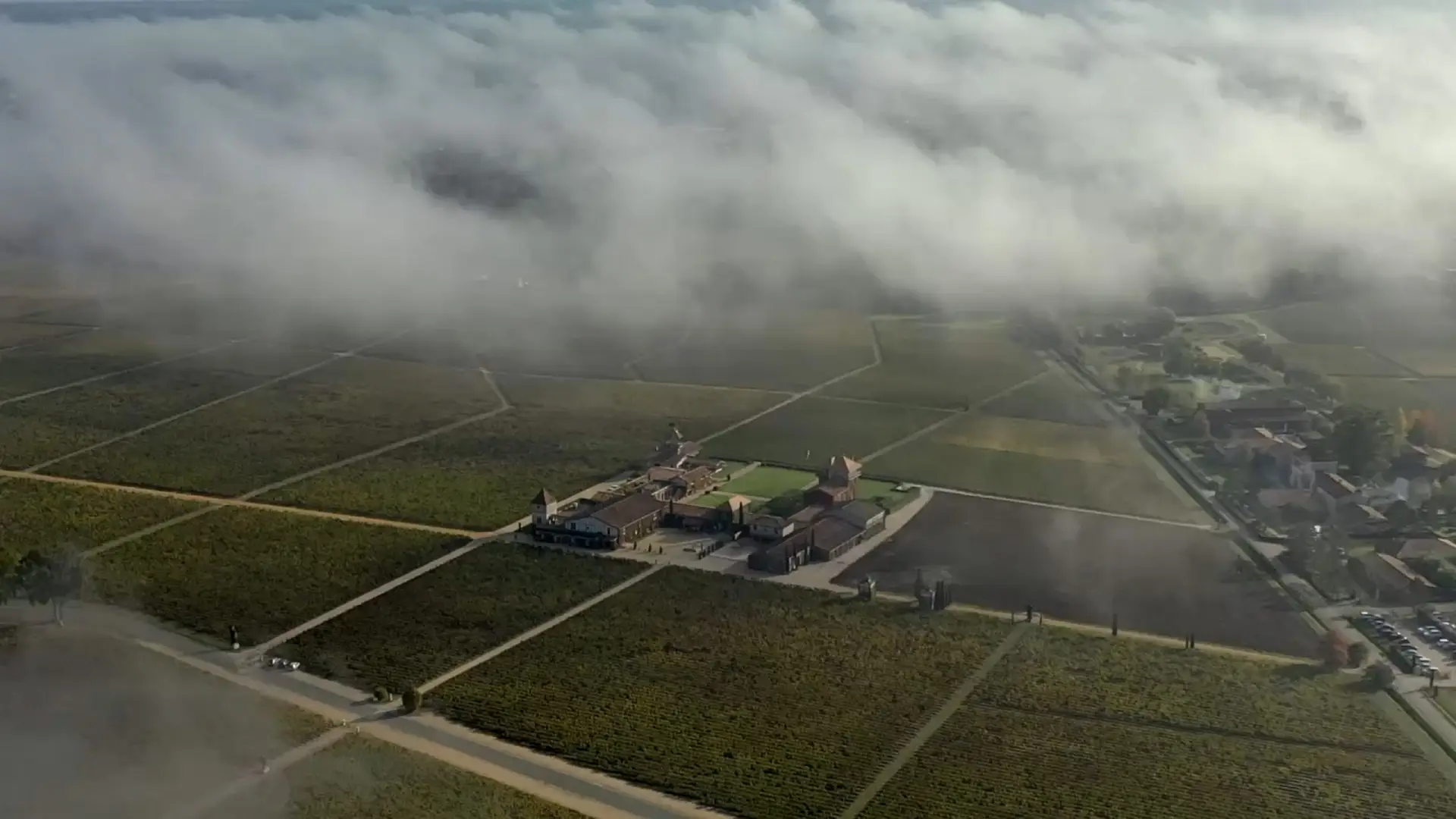
Viña Santa Rita presents a sober, land-first sophistication that frames every visit. The estate emphasizes terroir above spectacle: guests are taken into the rows by horse-drawn carriage or pedal bar so the soils, slopes and microclimates are experienced before a single glass is poured. The writing stresses Maipo’s long history with Cabernet Sauvignon and the estate’s place in that narrative, so the overall mood reads as studied and refined rather than flashy. The property’s acreage and programmed visits give it an established, museum-like calm that privileges education and provenance.
Best For
This estate is best for visitors who want to understand terroir and the mechanics behind wine quality. The tour sequencing — vineyard immersion followed by tasting — is explicitly designed for wine-education-minded guests and organized groups who benefit from a guided, programmed visit. Those curious about Maipo’s Cabernet tradition will find the estate especially instructive: the text highlights soil variation, diurnal temperature swings, and a century-plus of plantings, making Santa Rita a natural destination for focused wine study and structured winery outings.
Tasting Tips
Book the vineyard-first programmed visit and pick the vineyard transport option offered (horse-drawn carriage or pedal bar) to get the full land-to-glass sequence described in the text. Expect the tour to emphasize soils, diurnal ranges and varietal expression, so allow time for the vineyard segment before the tasting. If your goal is to learn rather than only taste, mention your interest in the Maipo appellation and Cabernet Sauvignon history when reserving so guides can tailor interpretation to those topics.
Venue details
Ambiance
Timeless elegance blending 19th-century architecture, lush gardens, vineyards at the Andean foothills, and a serene, culturally rich atmosphere.
Tags
Vibe
Best For
Experience
Sourcing
View
At the Vineyard
- Appellation
- Maipo Valley
- Varietals
- Cabernet Sauvignon, Carmenère, Merlot, Syrah, Chardonnay
- Tour Duration
- 60-90 minutes
- Tour Languages
- Spanish, English
- Visits
- By reservation
- Farming
- Sustainable
- Production
- Large producer
- Wine Styles
- Still Red, Still White
- Food Pairing
- Offered
- Wine Club
- Not available
Know before you go
Know Before You Go
- Getting there
- Buin, Santiago Metropolitan Region
Planning details
Location
Recognition and awards


Also consider
If this does not fit the day
If availability or timing does not work, Viña Concha y Toro is the easiest substitute for a large-estate experience with broad appeal. For a more selective, collector-leaning alternative, Viña Almaviva is the stronger cross-shop.
Winery context
How it compares in the Buin-area wine set
Choose Viña Santa Rita when the day needs a dependable anchor with scale and broad visitor appeal. Haras de Pirque and Viña El Principal make more sense for travelers who want a quieter, more focused appointment style, while this is better for mixed groups who need the visit to feel complete without adding multiple stops.
Viña Concha y Toro is the obvious cross-shop for name recognition and large-estate polish. Pick Concha y Toro if brand familiarity matters more than Buin positioning; pick Viña Santa Rita if the itinerary is centered south of Santiago and the goal is a heritage-led estate day. Viña Pérez Cruz is a better fit for travelers narrowing in on a more design- and vineyard-focused outing.
Viña Almaviva is the splurge-minded comparison if prestige and scarcity drive the decision. For value of experience across a wider group, Viña Santa Rita is the safer recommendation; for collectors or travelers building the day around one high-stakes wine appointment, Almaviva is the sharper target.
Explore Buin
Around this place
Discover more on Pearl
Unlock the full Viña Santa Rita guide in Pearl, including awards, comparisons, FAQs, planning details, and nearby places.
Compare Viña Santa Rita
| Venue | Location | Awards |
|---|---|---|
| Viña Santa Rita | Buin | 2026 Falstaff Winery Guide2025 World's 50 Best Vineyards · #412021 World's 50 Best Vineyards · #282019 World's 50 Best Vineyards · #26 |
| Haras de Pirque | Pirque | 2026 Falstaff Winery Guide |
| Viña El Principal | Pirque | 2026 Falstaff Winery Guide |
| Viña Concha y Toro | Pirque | 2026 Falstaff Winery Guide |
| Viña Pérez Cruz | Paine | 2026 Falstaff Winery Guide |
| Viña Almaviva | Puente Alto | 2026 Falstaff Winery Guide2025 World's 50 Best Vineyards · #34 |
How Viña Santa Rita Buin compares with similar nearby venues.
FAQ
Frequently Asked Questions
Are purchase or membership options at Viña Santa Rita ?
Purchase and membership details should be confirmed directly with Viña Santa Rita before deciding. If you are comparing recognized venues, Viña Pérez Cruz is another relevant point of comparison.
Do I need a reservation at Viña Santa Rita?
Confirm directly with Viña Santa Rita before going, especially if it is the main Buin stop of the day. Haras de Pirque is another venue to compare when planning a confirmed itinerary.
How long should I plan for a visit to Viña Santa Rita?
Plan only after confirming the current visit options with Viña Santa Rita, and keep the rest of the schedule flexible until those details are clear. Viña Concha y Toro is another relevant venue to compare when deciding how to structure the day.
Are shipping or delivery options for Viña Santa Rita?
Confirm directly with Viña Santa Rita before relying on delivery or making a larger purchase. If buying logistics are central to the trip, Viña El Principal is another venue you may want to compare.