

Château Héritage
Kab-Elias, Bekaa Valley
Winery in Bekaa Valley, Lebanon
 Book with Pearl
The Read
Ancient-Terroir Viticulture
Why go
Château Héritage is worth targeting if your Bekaa Valley day is built around a serious, recognized winery and you can handle difficult access. It is less suitable for casual tasting or flexible group plans. Treat any wine-club decision as value-dependent: join only if allocation, shipping, and pricing terms are clear before committing.
About Château Héritage
Is Château Héritage worth planning a Bekaa Valley visit around? Yes, if your trip can work around a narrow public opening window. Château Héritage is open Saturday from 10 AM to 3 PM and closed Sunday through Friday, so it is better treated as a planned stop than as a flexible add-on.
The first-timer case for Château Héritage is recognition. The venue has Pearl 2 Star Prestige recognition for 2025 and is listed at #33 in World's 50 Best Vineyards for 2025. Those are the strongest reasons to put it on a Bekaa Valley itinerary. Beyond that, keep expectations practical: confirm visit format, pricing, food service, shipping, and membership terms directly before building the day around any specific offering.
Book this if recognition matters more than flexibility
This is the right pick for a Bekaa Valley day when the priority is a recognized venue and the schedule can fit its limited Saturday hours. The dress code is smart casual, which makes it sensible to plan for a polished but not formal visit.
Value depends on what is actually available when you contact the venue. Ask about fees, menu details, membership terms, shipment options, or allocation details before deciding. If the goal is to compare several recognized names, consider Château Oumsiyat, Château Kefraya, and Karam Wines alongside Château Héritage before setting the route.
How to build the day around it
Plan Château Héritage as a timed Saturday stop, then add other Bekaa Valley plans only after the hours work for your itinerary. For broader trip planning, use a full Bekaa Valley venue guide alongside area guides for restaurants, hotels, bars, and experiences. If the Saturday window does not fit, it is better to choose another option for this trip and keep Château Héritage for a future visit.
The bottom line: choose Château Héritage if its recognition and narrow Saturday schedule match your plans. Skip it if you need broad availability or details on pricing, food, shipping, or membership before committing. Its strongest proof points are its Pearl 2 Star Prestige recognition for 2025 and its #33 position in World's 50 Best Vineyards 2025.
Planning details
- Location
- Qob Elias, Kab Elias, Elias Touma Building, Lebanon
- Website
- chateauheritage.com
- Phone
- +961 3 650 829
The take
The Take
The Vibe
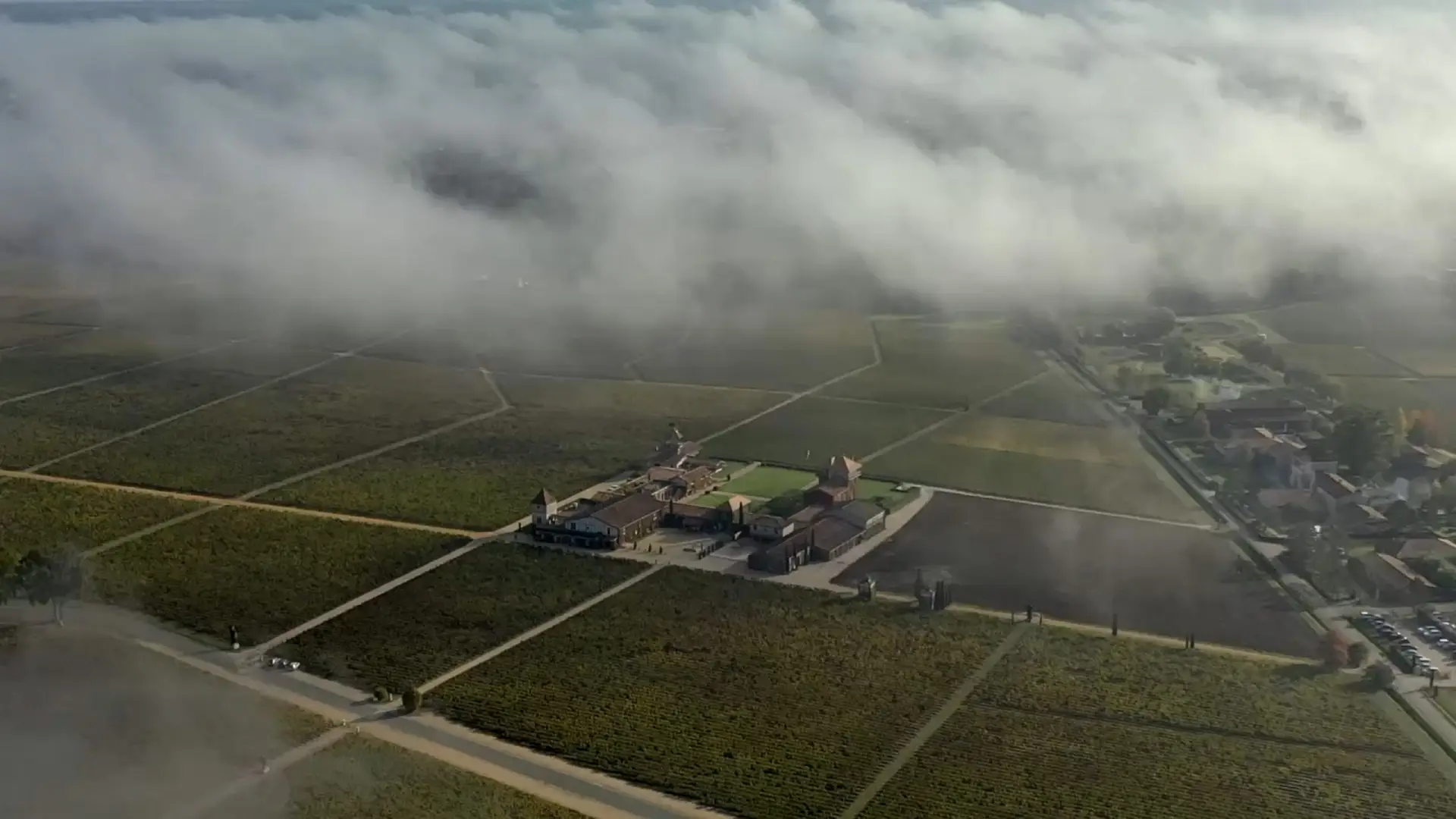
Château Héritage reads as a place where deep history and cultivated terroir converge. Set high on the Bekaa Valley floor and flanked by two mountain ranges, the property occupies terrain where Roman archaeology and active vine rows are literally in close proximity. That archaeological backdrop gives the estate an unmistakably historic aura, while its Pearl 2 Star Prestige rating and placement in the appellation's core convey a refined, sophisticated edge. The vineyard landscape and clear high‑altitude light produce a scenic, contemplative atmosphere that privileges terroir-driven wines and a sense of rooted tradition.
Best For
This estate is best approached as a destination for learning and for marking important moments. The text frames Château Héritage within the prestige tier of Lebanese producers and explicitly links the site to wine education; its long historical lineage and proximity to the Temple of Bacchus make it well suited to visitors interested in the cultural context of Lebanese viticulture. The estate’s elevated status also makes it a fitting place for celebratory visits, where guests come to appreciate benchmark wines that are judged against regional and international standards.
Tasting Tips
When engaging with Château Héritage, prioritize the estate’s flagship and prestige‑rated offerings—the Pearl 2 Star Prestige designation signals wines that represent the house’s benchmark quality. Ask about the region’s high‑altitude conditions and how the Bekaa’s sharp, dry light and slow phenolic development shape different vintages and grape varieties; the estate works with both indigenous Lebanese varieties and international grapes adapted to the valley. For a focused experience, compare wines that foreground local varieties against those made from international grapes to hear the terroir distinctions highlighted in the text.
Venue details
Ambiance
Historic family atmosphere amid Bekaa Valley vineyards with welcoming hospitality.
Tags
Vibe
Best For
Experience
View
At the Vineyard
- Appellation
- Bekaa Valley IGP
- Varietals
- Cabernet Sauvignon, Syrah, Cinsault, Cabernet Franc, Carignan
- Tour Duration
- 60 minutes
- Visits
- By reservation
- Production
- Small producer
- Wine Styles
- Still Red, Still White, Still Rose
- Food Pairing
- Offered
- Wine Club
- Not available
Know before you go
Know Before You Go
- Getting there
- Qob Elias, Kab Elias, Elias Touma Building, Lebanon
Planning details
Location


Also consider
Also Consider
- Château Oumsiyat, Notable alternative
- Château Cana, Notable alternative
- Château Kefraya, Notable alternative
- Karam Wines, Notable alternative
- Milk & Honey, Notable alternative
Winery context
How it compares in the Bekaa Valley winery set
Château Héritage is the pick when external recognition and destination value matter more than convenience. Compared with Château Oumsiyat and Château Cana, it reads as the more serious anchor for a wine-led itinerary, but the booking difficulty makes it a weaker choice for travelers who want flexibility or a multi-stop day with loose timing.
Château Kefraya is the stronger cross-shop if you want a broader, more established estate-style visit, while Karam Wines is better suited to travelers building a wider Lebanese wine route beyond the immediate Bekaa plan. Milk & Honey works as a fallback comparison if availability, group size, or timing make Château Héritage too hard to fit.
For value, do not judge this solely by prestige. If tasting fees, wine-club terms, or shipment details are unclear before committing, Château Oumsiyat or Château Cana may be the more practical booking. If the point is a high-credibility stop and the date can be planned around it, Château Héritage is the stronger first choice.
Explore Bekaa Valley
Around this place
Discover more on Pearl
Unlock the full Château Héritage guide in Pearl, including awards, comparisons, FAQs, planning details, and nearby places.
Compare Château Héritage
| Venue | Location | Awards |
|---|---|---|
| Château Héritage | Bekaa Valley | 2026 Falstaff Winery Guide2025 World's 50 Best Vineyards · #332024 World's 50 Best Vineyards · #352021 World's 50 Best Vineyards · #392020 World's 50 Best Vineyards · #482019 World's 50 Best Vineyards · #49 |
| Château Oumsiyat | Bekaa Valley | 2021 World's 50 Best Vineyards · #212020 World's 50 Best Vineyards · #38 |
| Château Cana | بحمدون | 2026 Falstaff Winery Guide2021 World's 50 Best Vineyards · #48 |
| Château Kefraya | Kafraya | 2026 Falstaff Winery Guide2025 World's 50 Best Vineyards · #922024 World's 50 Best Vineyards · #462023 World's 50 Best Vineyards · #41 |
| Karam Wines | Southern Lebanon | 2021 World's 50 Best Vineyards · #14 |
| Milk & Honey | Tel Aviv-Yafo | No published awards |
How Château Héritage Bekaa Valley Visit Guide & Verdict compares with similar nearby venues.
FAQ
Frequently Asked Questions
Does Château Héritage offer shipping?
Confirm shipping directly with Château Héritage before relying on it. If shipping is important to your plans, ask for current terms before arranging a visit or purchase.
What other venues should I compare with Château Héritage?
Château Kefraya, Château Cana, Château Oumsiyat, Karam Wines, and Milk & Honey are useful comparison names when planning a wider itinerary. For Château Héritage itself, the key planning point is its limited Saturday opening window.
How long should I plan for a visit to Château Héritage?
Château Héritage is open Saturday from 10 AM to 3 PM, with the venue closed Sunday through Friday. Confirm visit duration directly before finalizing your itinerary.
Are membership or club details for Château Héritage?
For membership or club details, ask Château Héritage directly about any fees, access, pickup, shipping, and release terms before deciding.
Does Château Héritage serve food?
When is the best time to visit Château Héritage?
Saturday is the opening day, from 10 AM to 3 PM. Château Héritage is listed as closed Sunday through Friday.
What is Château Héritage recognized for?
Pearl 2 Star Prestige (2025) and World's 50 Best Vineyards #33 (2025).