


Bodegas Salentein
Tunuyán
Winery in Tunuyán, Argentina
 Book with Pearl
The Read
Altitude-Driven Malbec Estate
Why go
Bodegas Salentein is a winery near Tunuyán in Mendoza's Uco Valley.
About Bodegas Salentein
In Tunuyán, Bodegas Salentein is best approached as a highly recognised winery. For travellers comparing premium winery stops, the key anchors are clear: Bodegas Salentein holds Pearl 3 Star Prestige (2025), was ranked #9 in World's 50 Best Vineyards (2023), and has Decanter World Wine Awards Derived Winery Prestige (2025).
Plan around the known essentials and confirm current visitor information directly with the venue before building a day around it. The dress code is smart casual. If you are comparing winery options, Bodega La Azul, Andeluna Cellars, Finca Sophenia, Rutini Wines (La Rural), and Sitio La Estocada are useful names to consider alongside Bodegas Salentein.
Choose it when the winery's recognition matters
The clearest reason to prioritise Bodegas Salentein is its standing among recognised winery destinations. Its public recognition includes World's 50 Best Vineyards #9 in 2023, Pearl 3 Star Prestige in 2025, and Decanter World Wine Awards Derived Winery Prestige in 2025.
How to build the rest of the Tunuyán day around it
Keep the rest of the day focused and avoid overloading the itinerary with assumptions about timing or services. If Bodegas Salentein is the anchor, compare it naturally with other named winery options such as Bodega La Azul, Finca Sophenia, Rutini Wines (La Rural), Sitio La Estocada, and Andeluna Cellars, depending on where else your route takes you.
For broader planning in Tunuyán, use local resources and confirm current details before committing to meals, lodging, or transport. You can also consult the Tunuyán hotels guide when arranging the rest of the trip.
Planning details
- Location
- Ruta 89 s/n, km 14 Los Arboles de Villegas, M5563 Tunuyán, Mendoza
- Website
- bodegasalentein.com/es/posada/acerca.html
- Phone
- +54 261 686-0153
The take
The Take
The Vibe
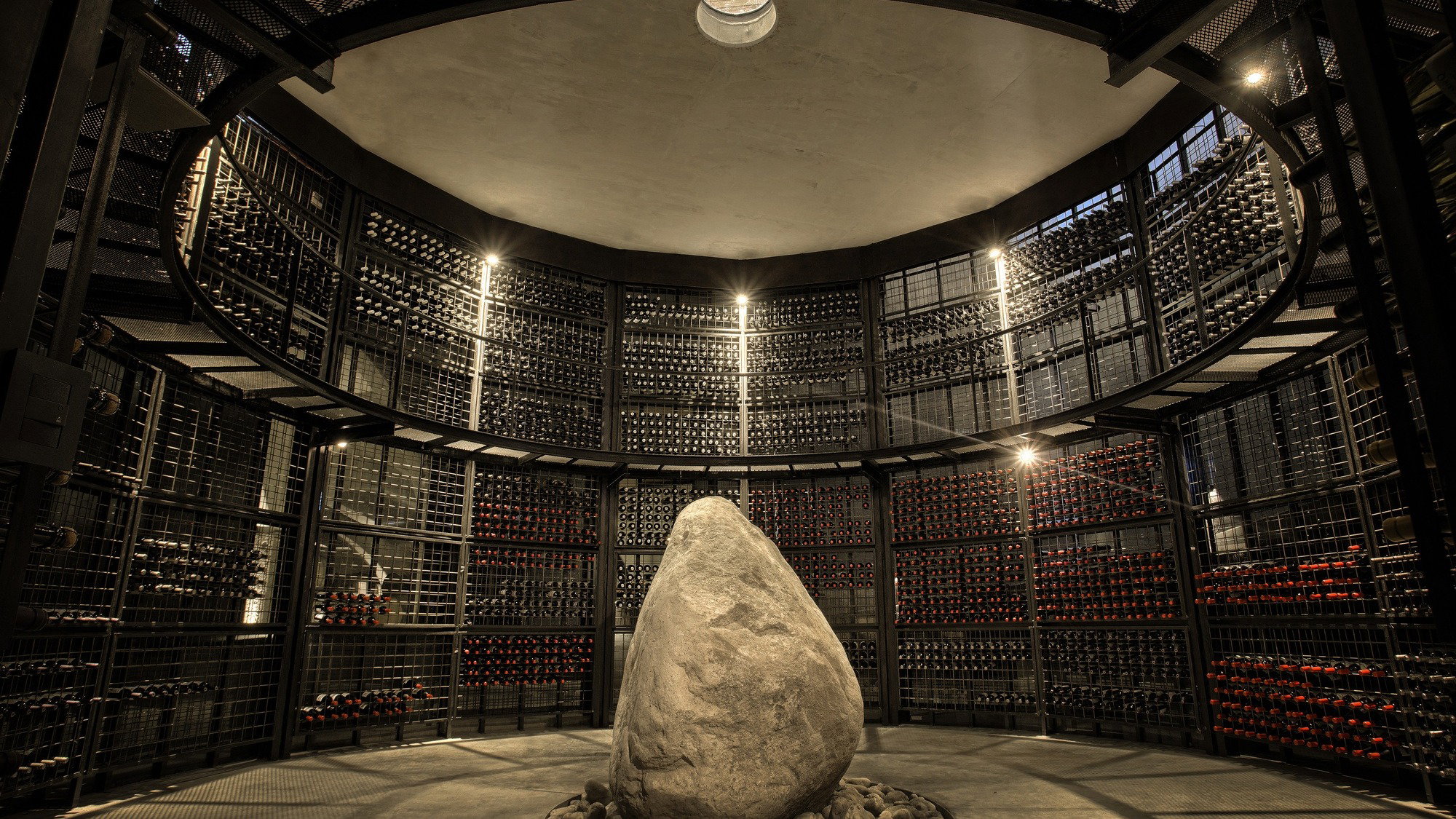
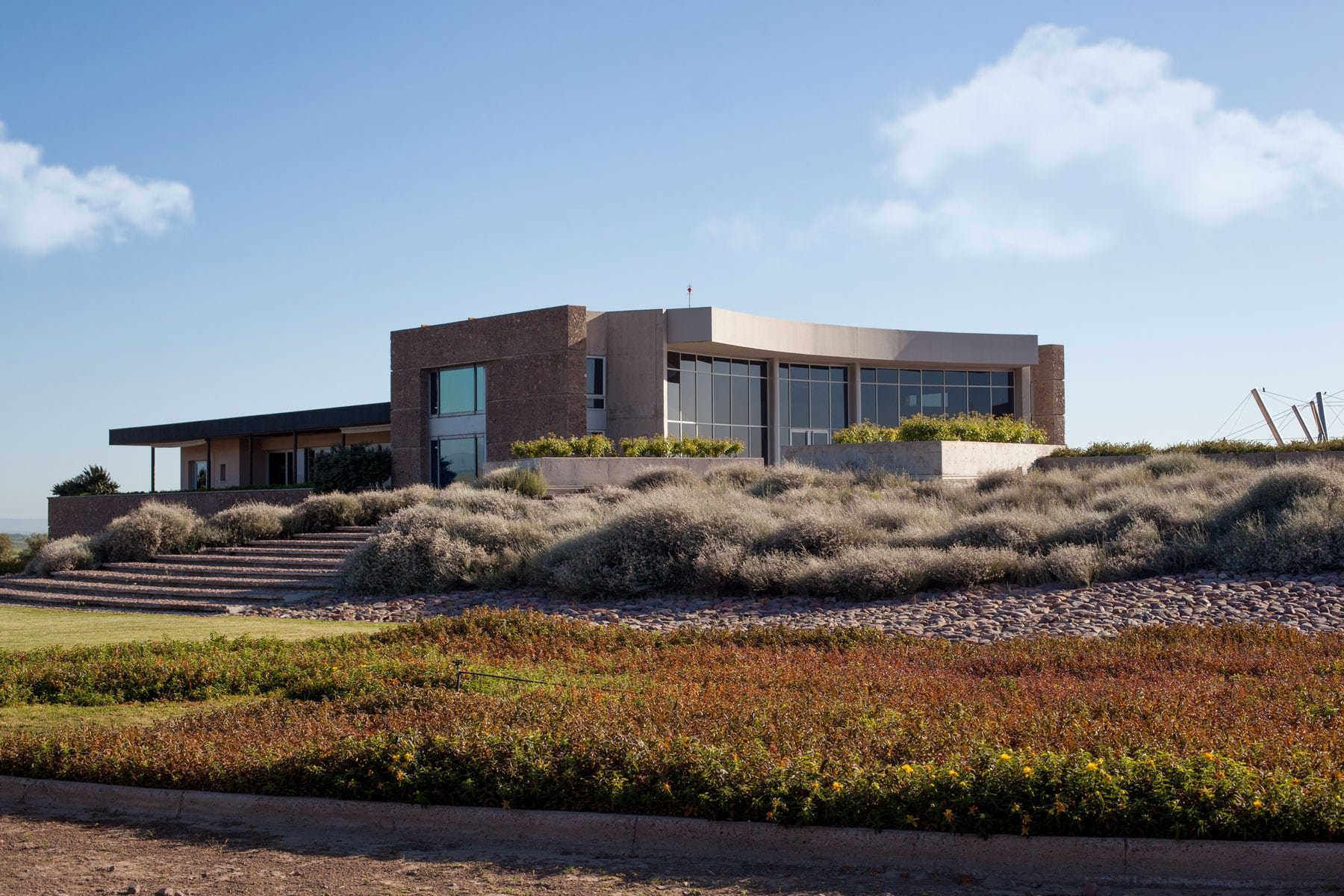
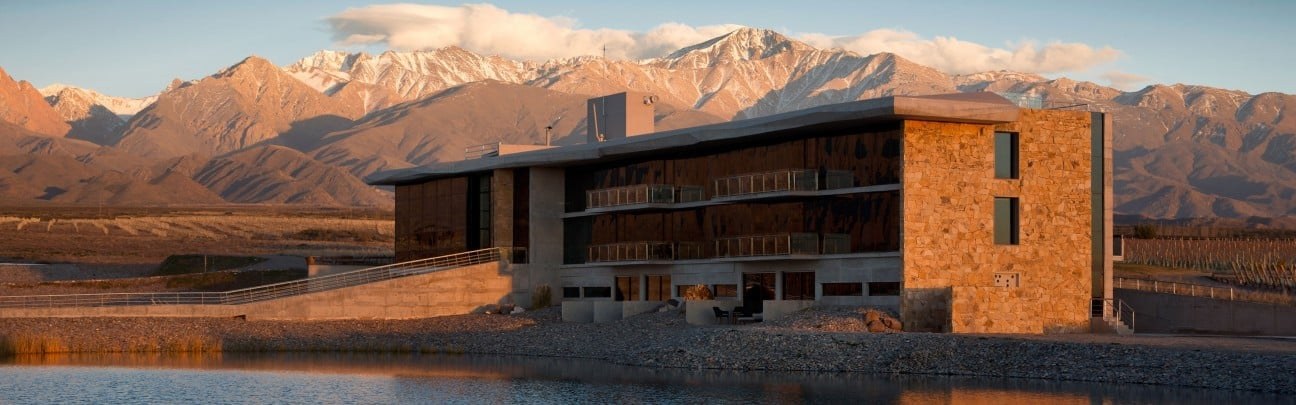
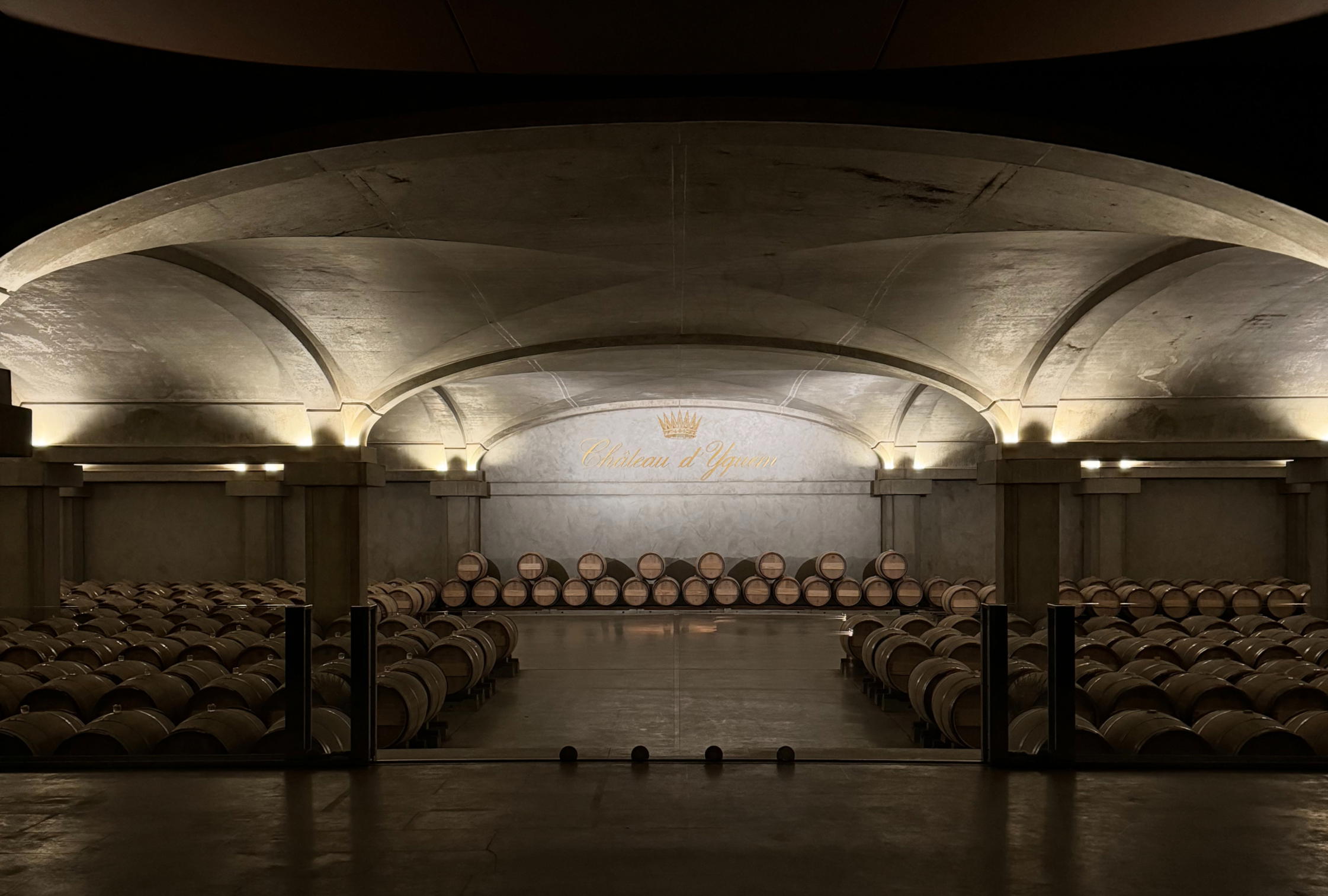
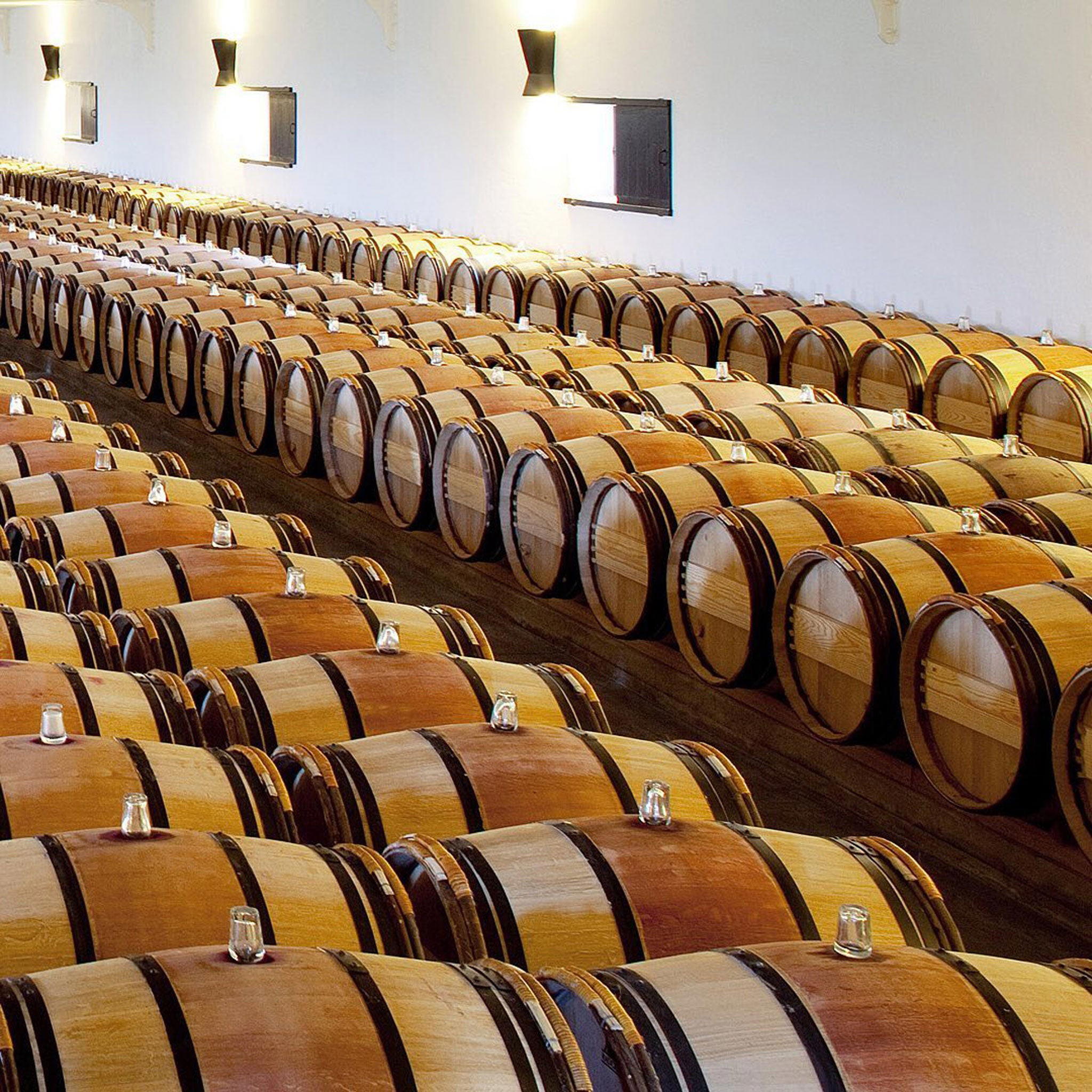
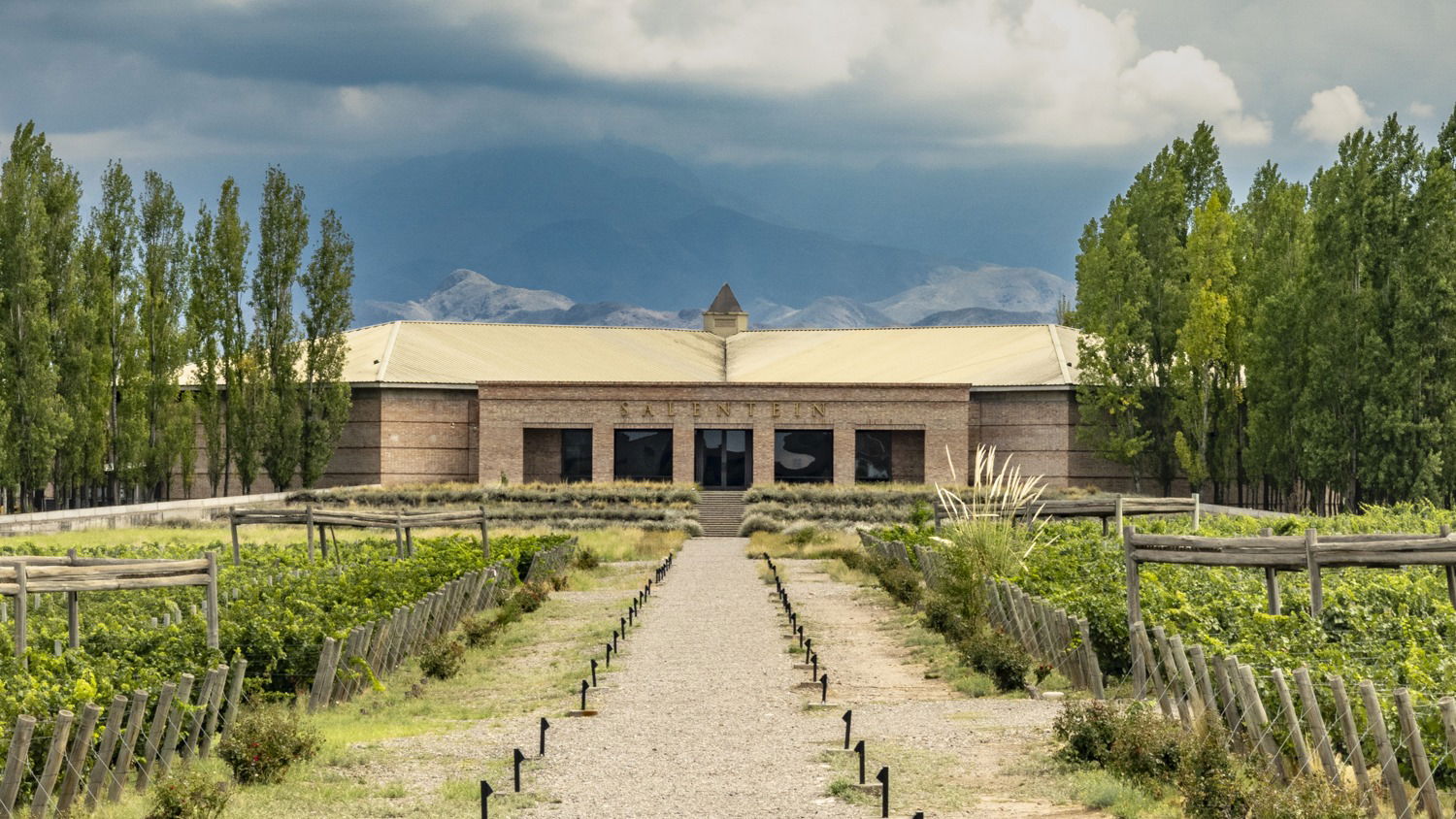
Salentein presents itself as a studied architectural statement in the Uco Valley: the cruciform building is deliberately sunk into the ground and centers on a circular underground chamber where barrels sit in concentric rings. The effect is modern and authoritative rather than picturesque — the design underscores a serious, internationally minded approach to winemaking. The setting, approached across high desert scrub and broad vineyard plantings, feels quietly expansive; arrival reads as an act of intention, where architecture and landscape combine to announce Mendoza’s evolving place on the global wine stage.
Best For
This is a winery that suits visitors seeking a focused look at Mendoza’s terroir and production scale. Salentein’s broad vineyard holdings and tiered portfolio — from the approachable Portillo line to single-vineyard expressions — make it a natural fit for wine education and comparative tasting. Its scale and architectural presence also work well for group outings or special-occasion visits where the setting matters as much as the bottles. The estate’s different-altitude blocks give context for conversations about site, climate and varietal expression.
Tasting Tips
When exploring Salentein’s offerings, move beyond a single bottle and sample across the estate’s tiers to understand its range: the Portillo labels provide an accessible entry point, while single-vineyard expressions showcase parcel-specific character. Pay attention to altitude-driven differences — the estate sources fruit from valley floors up to higher-elevation blocks — to hear how cooler nights affect acidity and spice. For a concise take, compare a Portillo wine with a single-vineyard bottling of the same variety to appreciate the impact of site and selection.
Venue details
Ambiance
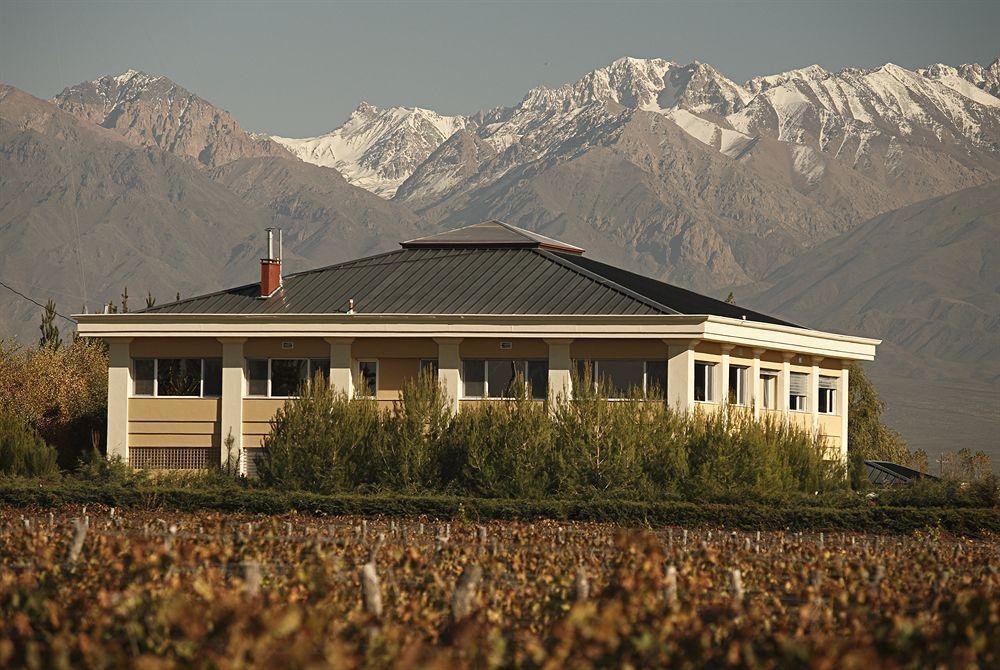
Sophisticated and serene with natural light in the cruciform winery, dramatic underground cellars hosting concerts, and breathtaking mountain and vineyard views.
Tags
Vibe
Best For
Experience
Sourcing
View
At the Vineyard
- Appellation
- Valle de Uco
- Varietals
- Malbec, Cabernet Sauvignon, Pinot Noir, Merlot, Chardonnay
- Tour Duration
- 60-90 minutes
- Visits
- By reservation
- Farming
- Sustainable
- Production
- Large producer
- Wine Styles
- Still Red, Still White, Still Rose, Sparkling
- Food Pairing
- Offered
- Wine Club
- Not available
Know before you go
Know Before You Go
- Getting there
- Ruta 89 s/n, km 14 Los Arboles de Villegas, M5563 Tunuyán, Mendoza
Planning details
Location
Ruta 89 s/n, km 14 Los Arboles de Villegas, M5563 Tunuyán, Mendoza · Directions
Recognition and awards


Also consider
If you cannot get in
Try Bodega La Azul for a more relaxed Tunuyán alternative, especially if the group wants less formality. If the itinerary can extend beyond Tunuyán, Andeluna Cellars is the better nearby-style cross-shop for another Uco Valley winery visit.
Winery context
How It Compares
Bodegas Salentein is the higher-commitment choice in this Tunuyán set: better for travellers who want a destination winery experience with recognised credentials than for those chasing the easiest casual stop. Bodega La Azul is the more relaxed alternative if value and a lighter schedule matter more than scale or polish.
Finca Sophenia and Andeluna Cellars make sense for readers comparing Uco Valley experiences outside central Tunuyán, especially if the day is already built around multiple appointments. Salentein is the stronger pick when ambiance and a complete winery visit are the priority; those peers are easier to slot into a broader tasting route.
Rutini Wines (La Rural) and Sitio La Estocada are better cross-shops if the decision is driven by itinerary geography rather than prestige. Choose Salentein when the winery itself is the main event; choose one of the others when the day needs less friction.
Explore Tunuyán
Around this place
Discover more on Pearl
Unlock the full Bodegas Salentein guide in Pearl, including awards, comparisons, FAQs, planning details, and nearby places.
Compare Bodegas Salentein
| Venue | Location | Awards |
|---|---|---|
| Bodegas Salentein | Tunuyán | 2026 Falstaff Winery Guide2025 World's 50 Best Vineyards · #122025 Decanter Winery Prestige2024 World's 50 Best Vineyards · #182023 World's 50 Best Vineyards · #92022 World's 50 Best Vineyards · #252020 World's 50 Best Vineyards · #232019 World's 50 Best Vineyards · #26 |
| Bodega La Azul | Tunuyán | 2026 Falstaff Winery Guide |
| Finca Sophenia | Tupungato | 2026 Falstaff Winery Guide |
| Andeluna Cellars | Tupungato | 2026 Falstaff Winery Guide |
| Rutini Wines (La Rural) | Tupungato | No published awards |
| Sitio La Estocada | Tupungato | 2025 World's 50 Best Vineyards · #91 |
How Bodegas Salentein Tunuyán compares with similar nearby venues.
FAQ
Frequently Asked Questions
Can Bodegas Salentein handle large groups?
Does Bodegas Salentein have a wine club?
Bodegas Salentein has recognition including World's 50 Best Vineyards #9 (2023). For any membership availability or terms, check directly with the venue.
What is the flagship wine at Bodegas Salentein?
How long should I plan for a visit to Bodegas Salentein?
Plan flexibly and confirm current visitor details with the venue before going to Tunuyán.