

Schloss Vollrads
Oestrich-Winkel
Winery in Oestrich-Winkel, Germany
 Book with Pearl
The Read
Eight-Century Riesling Provenance
Price
$20–30tasting
Why go
Schloss Vollrads is the Rheingau pick for a special-occasion winery visit where Riesling and setting both matter. Its Pearl 3 Star Prestige rating and World's 50 Best Vineyards recognition make it worth prioritizing for serious buyers, while nearby Oestrich-Winkel producers may suit easier, lower-pressure tastings.
About Schloss Vollrads
Schloss Vollrads is a guide venue in Oestrich-Winkel. The confirmed record is concise: the dress code is smart casual, the venue holds Pearl 3 Star Prestige recognition for 2025, and it was listed at #33 in World's 50 Best Vineyards in 2019. Those facts support treating it as a high-recognition stop, while leaving practical details to be confirmed directly with the venue.
The confirmed recognition matters here. A Pearl 3 Star Prestige rating in 2025 and a World's 50 Best Vineyards #33 placement in 2019 put Schloss Vollrads in a stronger consideration set than an ordinary stop.
Plan it as a deliberate visit
The practical verdict is simple: choose Schloss Vollrads when the occasion benefits from a recognized Oestrich-Winkel venue and a smart casual setting. For a broader comparison, Weingut Peter Jakob Kühn, Weingut Allendorf, and Weingut Josef Spreitzer can be considered as other options in the wider comparison set. The difference is intent. Schloss Vollrads is strongest when the venue's confirmed recognition is part of the value calculation.
For comparison planning, treat the visit as a venue assessment rather than relying on service assumptions. Its confirmed recognition signals that it belongs in a serious comparison set alongside Fürst von Metternich-Winneburg'sche Domäne Schloss Johannisberg, Schloss Johannisberg, and other established names.
How to cross-shop the decision
If Schloss Vollrads is not the right fit for the day, use Oestrich-Winkel as the base and compare venues by purpose. Weingut Allendorf, Weingut Josef Spreitzer, and Weingut Peter Jakob Kühn are useful comparison points for visitors weighing possible stops. Schloss Johannisberg and Fürst von Metternich-Winneburg'sche Domäne Schloss Johannisberg can also serve as broader comparison points.
For trip planning around Oestrich-Winkel, keep the Schloss Vollrads decision separate from dining and lodging decisions. Use the venue's official channels for current practical details, then plan meals, stays, and any additional stops separately.
The final call: prioritize Schloss Vollrads when the occasion benefits from a recognized Oestrich-Winkel venue and the visit itself matters. Save final practical decisions for the point when smart casual expectations, confirmed recognition, and current venue information all line up.
Planning details
- Location
- Schloss Vollrads 1, 65375 Oestrich-Winkel
- Website
- schlossvollrads.com
- Phone
- +49 6723 660
The take
The Take
The Vibe
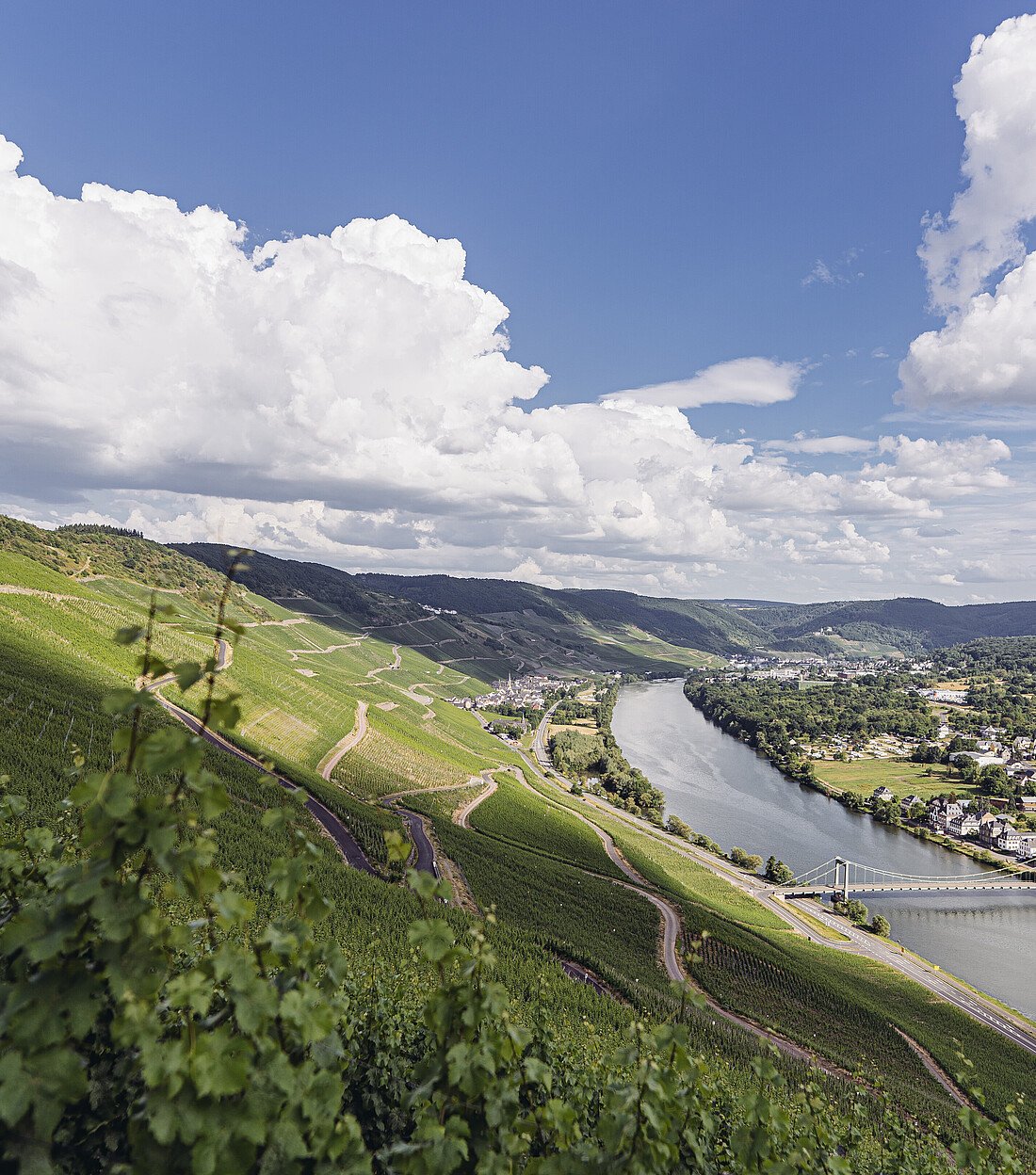
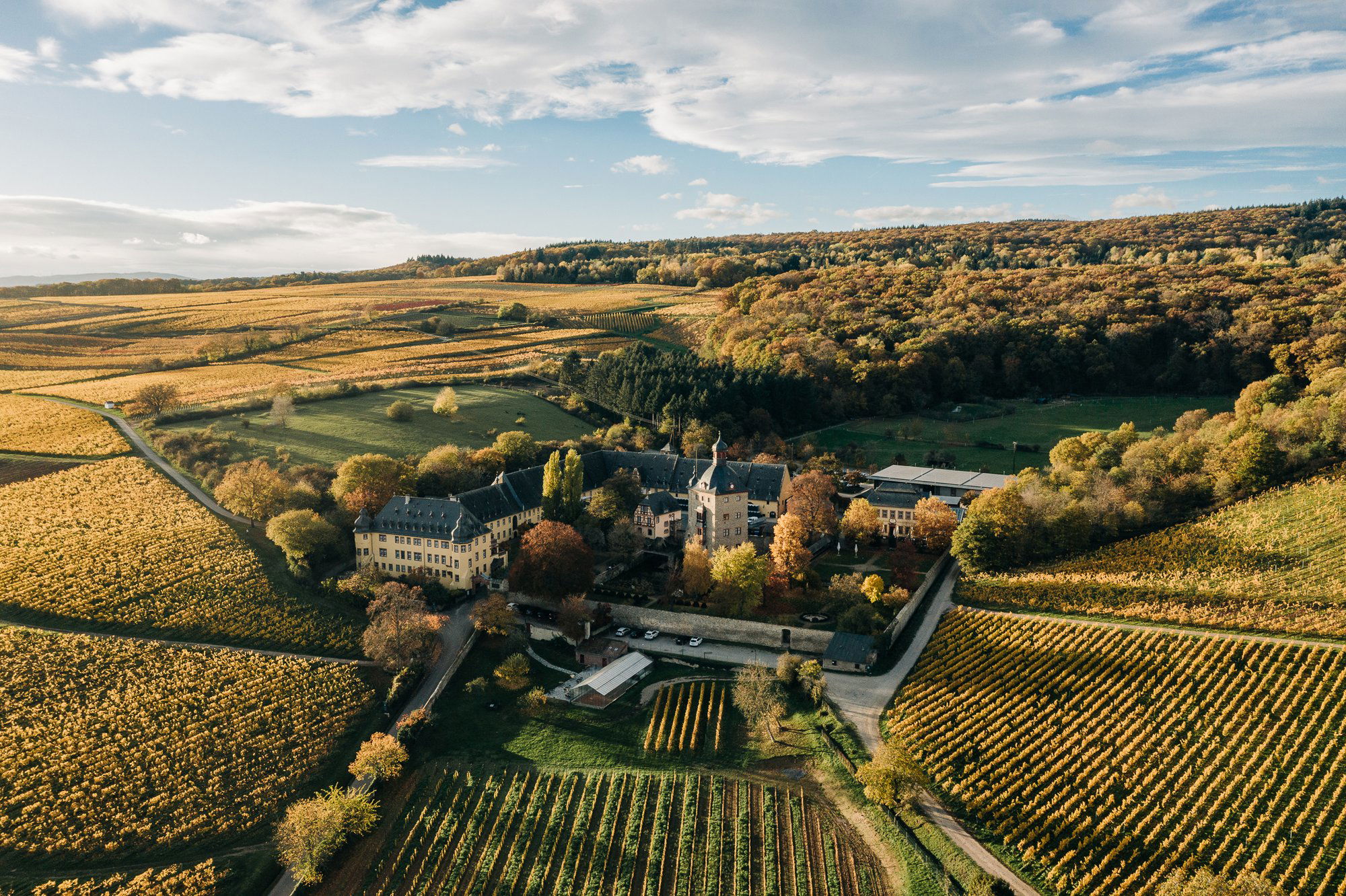
Schloss Vollrads presents as a quietly commanding historic estate where medieval architecture and long-cultivated slopes shape the visitor experience. The tower that announces the property from the valley road, the documented winemaking back to 1211, and the estate’s restrained use of its archive create a palpable sense of place without affecting arrogance. The writing emphasizes terroir — south-facing Rheingau slopes, slate and loess soils, and Rhine-reflected light — so the mood is simultaneously rooted and contemplative. It feels like a place that privileges craftsmanship and lineage, offering a measured, elegant encounter with Riesling and the landscape that produces it.
Best For
Schloss Vollrads is best for visitors who care about Riesling's terroir and history. The estate's emphasis on site expression and the German Prädikat hierarchy makes it especially rewarding for people seeking wine education and deeper context about ripeness levels and vineyard differences. Its prestige and historic setting also suit special occasions or a considered day visit in the Rheingau. While the text does not describe casual walk-in tasting bar scenes, it does position the property as a destination for purposeful tastings, learning, and appreciation rather than quick, incidental stops.
Tasting Tips
When tasting at Schloss Vollrads, prioritize vertical or horizontal comparisons that illustrate site and ripeness: ask to sample across Kabinett, Spätlese and Auslese expressions to hear how minerality and structural tension evolve. Inquire about wines from specific vineyard parcels and the estate's recent Pearl 3 Star Prestige evaluation (2025) to understand current quality benchmarks. Frame your questions around site-driven differences — soils, slope aspect, and ripeness gradations — because the estate foregrounds terroir and classification as central to its identity.
Venue details
Ambiance
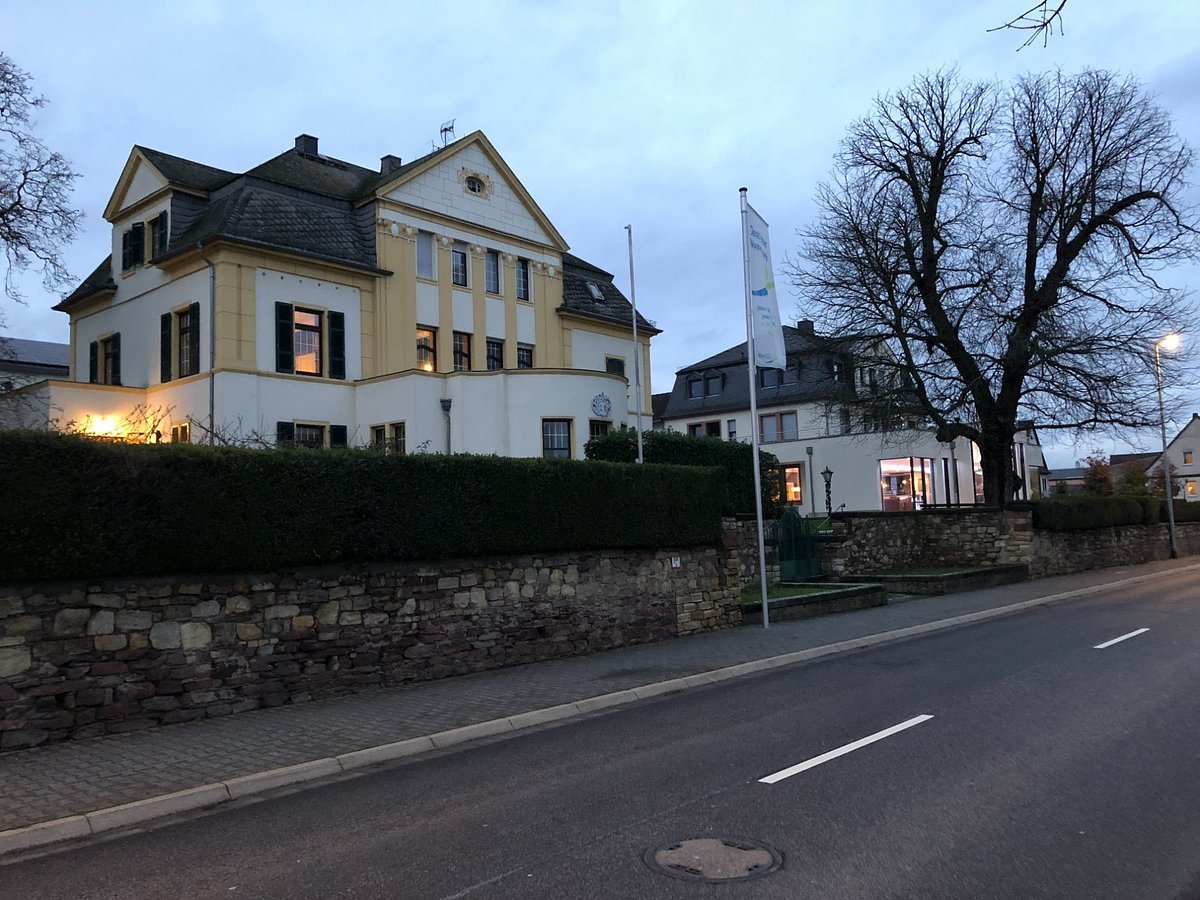
Historic castle setting with palatial orangery and elegant 17th-century squire’s house, offering a refined and culturally rich atmosphere amid vineyards.
Tags
Vibe
Best For
Experience
Sourcing
View
At the Vineyard
- Appellation
- Rheingau
- Varietals
- Riesling
- Tour Duration
- 60-90 minutes
- Tour Languages
- English, German
- Visits
- By reservation
- Farming
- Sustainable
- Wine Styles
- Still White, Sparkling
- Food Pairing
- Offered
- Wine Club
- Not available
Know before you go
Know Before You Go
- Getting there
- Schloss Vollrads 1, 65375 Oestrich-Winkel
Planning details
Location
Recognition and awards


Also consider
Also Consider
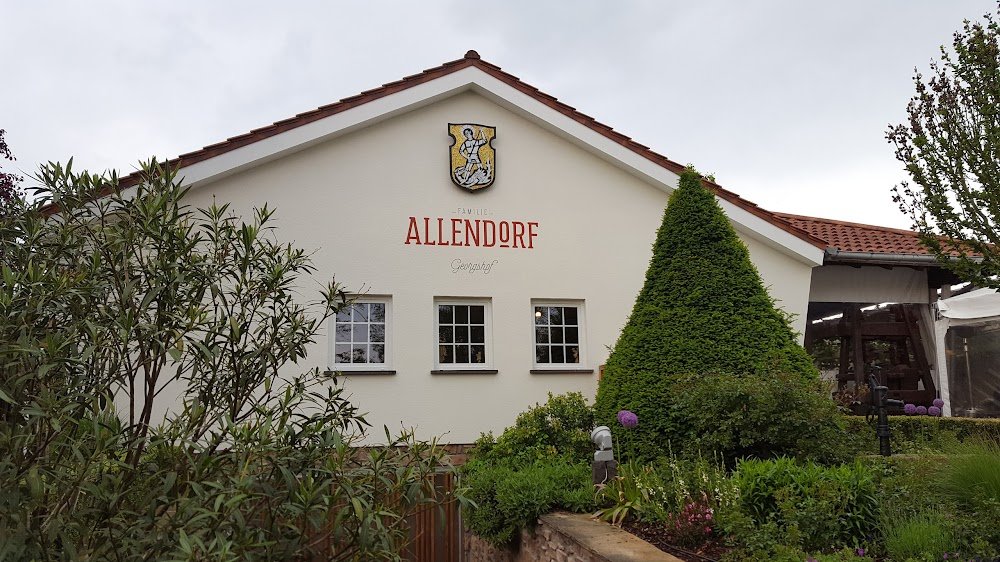
- Weingut Allendorf, Notable alternative
- Fürst von Metternich-Winneburg'sche Domäne Schloss Johannisberg, Notable alternative
- Schloss Johannisberg, Notable alternative
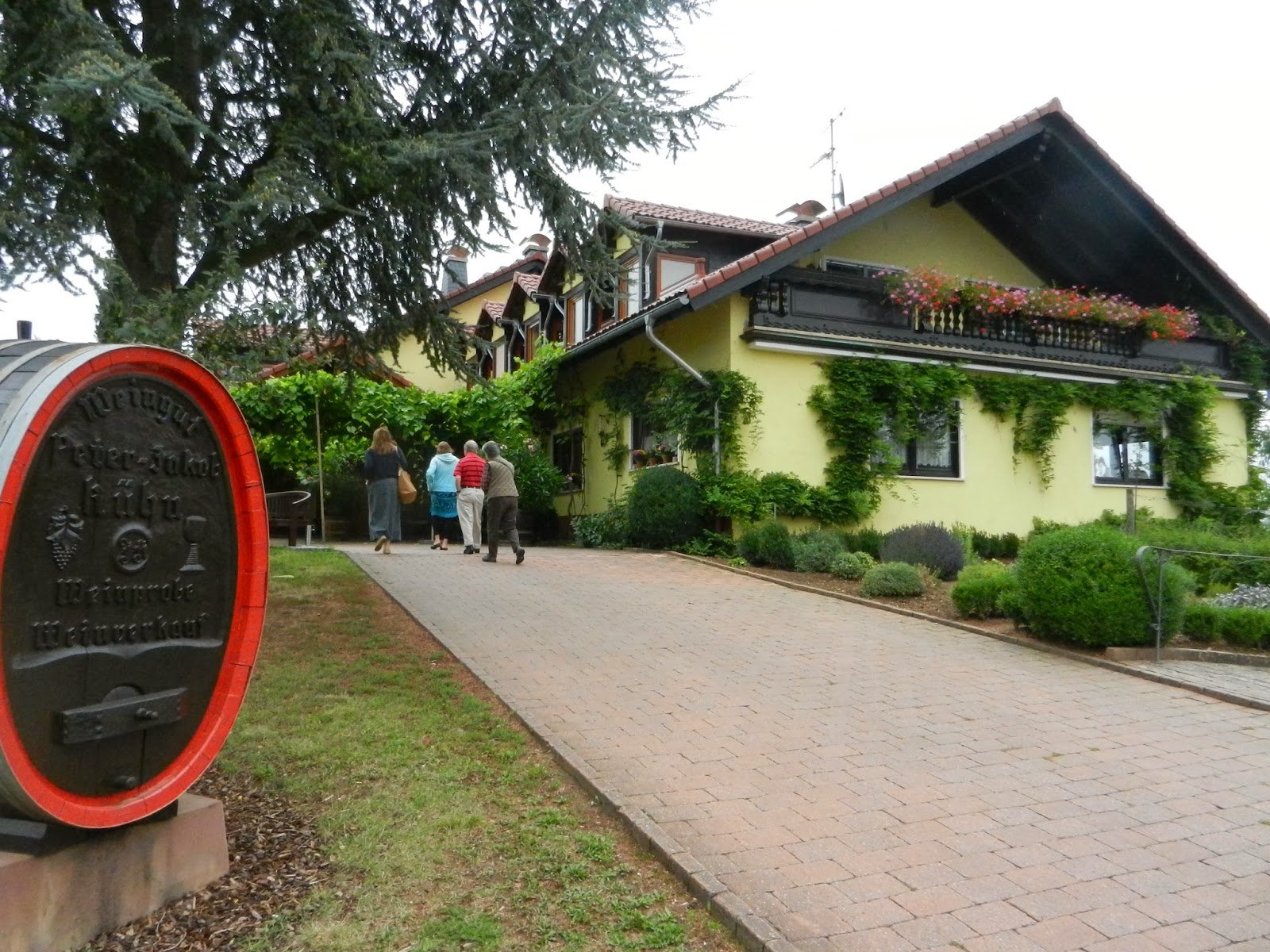
- Weingut Peter Jakob Kühn, Notable alternative
- Weingut Josef Spreitzer, Notable alternative
Winery context
How Schloss Vollrads compares in Oestrich-Winkel
Schloss Vollrads is the occasion-led choice in this: stronger for a celebratory Rheingau day than for a quick, value-first tasting. Weingut Allendorf is the easier cross-shop when the priority is a relaxed local stop, while Weingut Josef Spreitzer is a better fit for visitors who want a focused producer comparison without making the setting the main event.
For prestige-driven castle-winery ambience, compare it against Fürst von Metternich-Winneburg'sche Domäne Schloss Johannisberg and Schloss Johannisberg. Those are the more obvious cross-shops if the brief is Rheingau heritage and formal occasion energy; Schloss Vollrads makes more sense when staying around Oestrich-Winkel matters and the visit needs to balance recognition with local routing.
If the buying decision is the focus, Weingut Peter Jakob Kühn is the sharpest comparison. Choose Schloss Vollrads when the group values the estate experience as much as the bottles; choose Peter Jakob Kühn when the tasting itself is the main reason for the stop.
Explore Oestrich-Winkel
Around this place
Discover more on Pearl
Unlock the full Schloss Vollrads guide in Pearl, including awards, comparisons, FAQs, planning details, and nearby places.
Compare Schloss Vollrads
| Venue | Location | Awards |
|---|---|---|
| Schloss Vollrads | Oestrich-Winkel | 2026 Falstaff Winery Guide2019 World's 50 Best Vineyards · #33 |
| Weingut Allendorf | Oestrich-Winkel | 2026 Falstaff Winery Guide |
| Fürst von Metternich-Winneburg’sche Domäne Schloss Johannisberg | Rheingau | 2020 World's 50 Best Vineyards · #12 |
| Schloss Johannisberg | Geisenheim-Johannisberg | 2025 World's 50 Best Vineyards · #22024 World's 50 Best Vineyards · #52023 World's 50 Best Vineyards · #82022 World's 50 Best Vineyards · #52021 World's 50 Best Vineyards · #342019 World's 50 Best Vineyards · #21 |
| Weingut Peter Jakob Kühn | Oestrich-Winkel | 2026 Falstaff Winery Guide |
| Weingut Josef Spreitzer | Oestrich-Winkel | 2026 Falstaff Winery Guide |
How Schloss Vollrads Oestrich-Winkel compares with similar nearby venues.
FAQ
Frequently Asked Questions
When is the best time to visit Schloss Vollrads?
What other venues can I compare with Schloss Vollrads?
For a broader comparison, consider Weingut Allendorf, Weingut Peter Jakob Kühn, and Weingut Josef Spreitzer. Schloss Johannisberg and Fürst von Metternich-Winneburg'sche Domäne Schloss Johannisberg can also serve as broader comparison points.