

Bodega Colomé
Molinos
Winery in Molinos, Argentina
 Book with Pearl
The Read
Extreme-Altitude Viticulture
Why go
Bodega Colomé is worth targeting if the winery is the point of the day, not a casual add-on. Its international recognition gives serious wine travelers a clear reason to make the Molinos detour, but the rural location and difficult booking profile mean Cafayate alternatives may suit easier tasting itineraries better.
About Bodega Colomé
Bodega Colomé is a destination to consider when a Molinos itinerary is built around a recognized venue rather than a quick, convenience-led stop. The confirmed hooks are clear: Pearl 3 Star Prestige (2025) and World's 50 Best Vineyards #30 (2025). Those accolades make it a stronger fit for travelers who want Bodega Colomé itself to be the focus of the day.
Bodega Colomé is in Molinos, and the dress code is smart casual. For specific address details, opening hours, booking channels, restaurant format, menus, prices, group capacity, shipping, and visit formats, please confirm directly with the venue. For planning around town rather than Bodega Colomé alone, use our full Molinos guide resources, including our full Molinos hotels guide.
Book for recognized achievements
The strongest reason to go is Bodega Colomé's recognition: Pearl 3 Star Prestige (2025) and a World's 50 Best Vineyards #30 ranking (2025). Specific restaurant format, pairing menu, named dishes, bottle list, or visit structure details are not available, so it may not be a food-led reservation. Confirm current official information for your date.
That distinction matters. A guest choosing Bodega Colomé should be choosing it for the venue and its standing, not for assumptions about lunch, service style, or a particular menu. If food, timing, accessibility, or group logistics are central to the day, confirm those details directly before building the itinerary around the visit.
The decision: worth it for committed travelers
The case for Bodega Colomé is strongest when the goal is a Molinos visit with confirmed recognition. Walk-in policies, reservation requirements, contact details, visit length, or group capacity are not available, so careful planning is the safer approach.
For a broader regional itinerary, compare Bodega Colomé with names such as Bodega Amalaya, Bodega El Esteco, El Porvenir de Cafayate, Domingo Molina, and Piattelli Vineyards. Bodega Colomé is the Molinos option in this set; the others should be considered as regional alternatives rather than as Molinos dining or venue stops.
Planning details
- Location
- Ruta Prov. 53 Km 20, Molinos, Salta, 4419, Argentina
- Website
- bodegacolome.com
- Phone
- +543868494200
The take
The Take
The Vibe
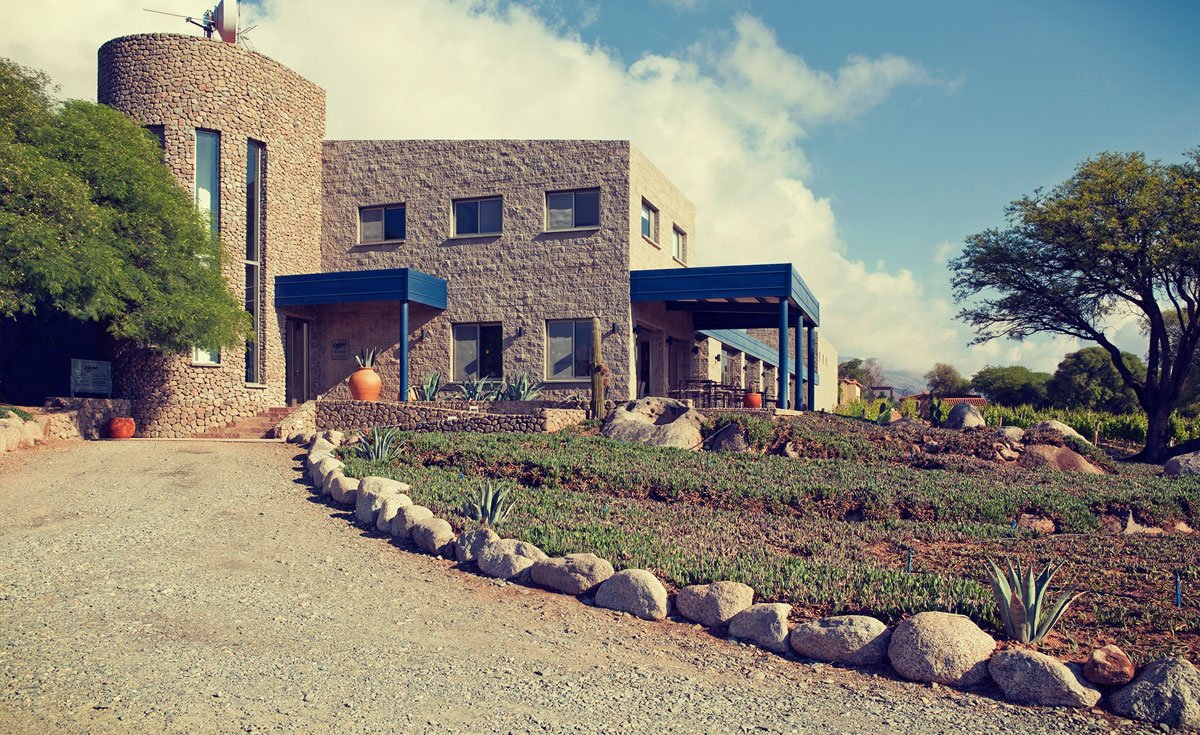
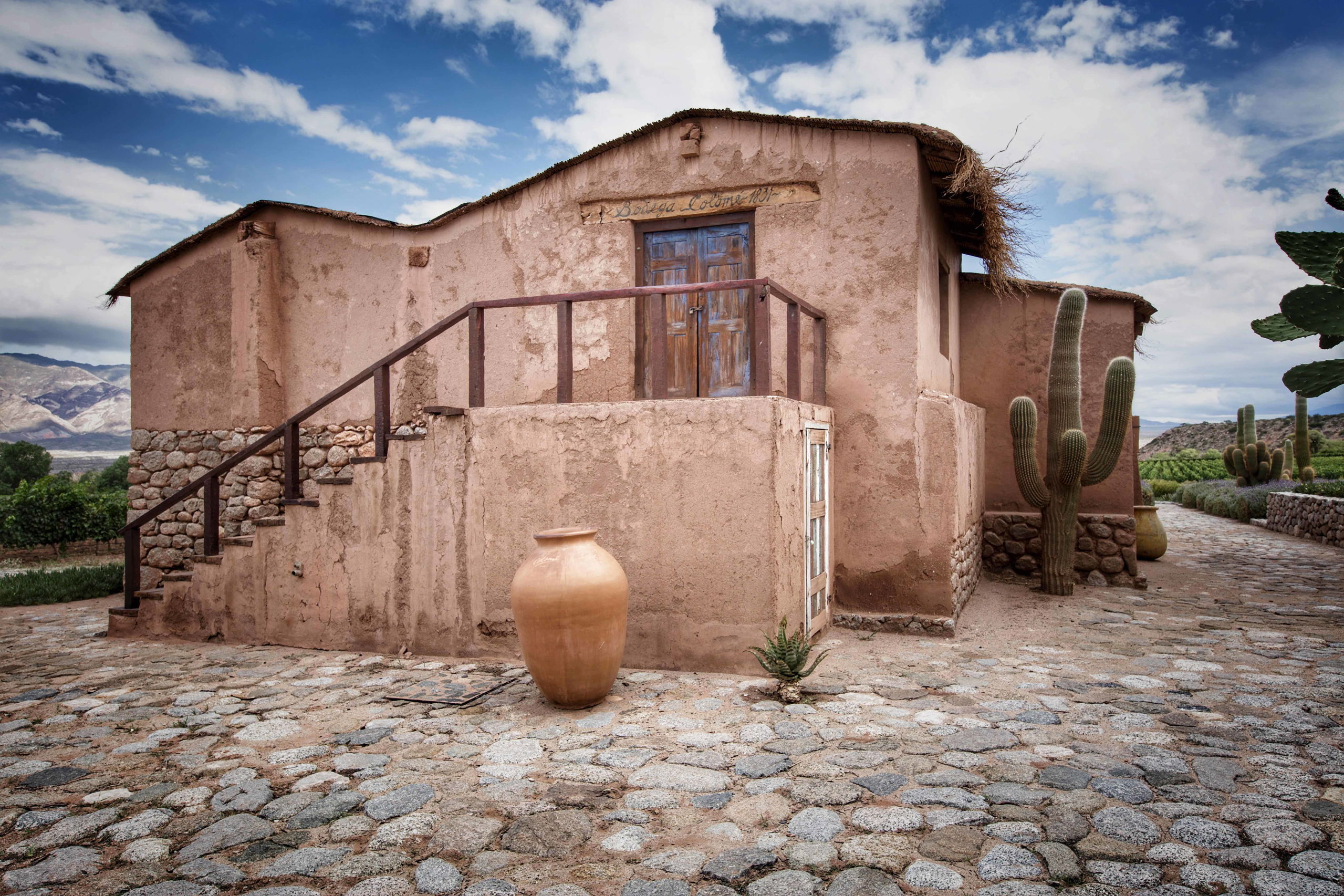
Bodega Colomé presents a high, clear kind of calm shaped by altitude and landscape. The winery sits in an arid, canyon-strewn corner of the Calchaquí Valleys where pre-Columbian terraces and sharp light give every view a pared-back clarity. Vine rows sit against steep slopes and a sky that reads as an active ingredient in the wines; the place feels remote, considered and quietly exacting rather than lush or bucolic. Expect an experience that foregrounds terroir and geology — thoughtful, composed and quietly powerful rather than flashy or convivial.
Best For
This is a destination for travelers who come to learn and to experience a singular site. The estate’s extreme-altitude vineyards make it especially rewarding for wine education and focused tasting — visitors who want to study how elevation shapes acidity and phenolic character will find rich material. Its isolation and dramatic setting also suit solo exploration or a deliberate weekend escape: reaching Colomé is part of the point, and the landscape encourages slow, attentive visits rather than hurried drop-ins.
Tasting Tips
When you visit, prioritize bottlings tied to the Altura Máxima vineyard and any vineyard-specific expressions: the prose in the tasting notes is often about elevation-driven acidity, skin phenolics and concentrated aromatics. Ask staff about the 3,111-metre site and how UV and diurnal shift influence each vintage. Practical tip: the copy emphasizes intense sunlight and thin air, so bring sun protection and allow time to acclimatize; approach tastings with a focus on comparison (lower- versus higher-altitude examples) to appreciate the terroir effects described in the vineyard notes.
Venue details
Ambiance
Magical quietness amid breathtaking high-altitude Andean landscapes with a sense of historic authenticity and natural serenity.
Tags
Vibe
Best For
Experience
Sourcing
View
At the Vineyard
- Appellation
- Calchaquí Valleys
- Varietals
- Malbec, Torrontés, Cabernet Sauvignon, Pinot Noir, Syrah
- Tour Duration
- 60-90 minutes
- Tour Languages
- English, Spanish
- Visits
- By reservation
- Farming
- Sustainable
- Wine Styles
- Still Red, Still White
- Wine Club
- Not available
Know before you go
Know Before You Go
- Getting there
- Ruta Prov. 53 Km 20, Molinos, Salta, 4419, Argentina
Planning details
Location


Also consider
Also Consider
- Domingo Molina, Notable alternative
- Piattelli Vineyards, Notable alternative
- Bodega Amalaya, Notable alternative
- Bodega El Esteco, Notable alternative
- El Porvenir de Cafayate, Notable alternative
Winery context
How it compares in the Salta winery set
Domingo Molina, Piattelli Vineyards, Bodega Amalaya, Bodega El Esteco, and El Porvenir de Cafayate are the practical cross-shops if the goal is a Salta wine day without committing the whole itinerary to Molinos. Choose Bodega Colomé when recognition and destination value matter more than convenience; choose the Cafayate group when timing, easier routing, and a simpler day are the priority.
For value for money, the decision turns on travel effort rather than listed price, since no confirmed tasting price is available here. Bodega Amalaya and El Porvenir de Cafayate make more sense for a lighter, town-based itinerary. Bodega El Esteco and Piattelli Vineyards are stronger cross-shops for guests who want a more polished winery stop without the same rural detour. Domingo Molina is the better comparison for travelers already building a broader Salta route rather than a single-property pilgrimage.
Booking difficulty is the clearest separator. Bodega Colomé is the harder target and should be treated as the anchor reservation. If that falls through, cross-shop Bodega El Esteco or Piattelli Vineyards first for a more structured-feeling alternative, then Bodega Amalaya or El Porvenir de Cafayate for a more flexible Cafayate day.
Explore Molinos
Around this place
Discover more on Pearl
Unlock the full Bodega Colomé guide in Pearl, including awards, comparisons, FAQs, planning details, and nearby places.
Compare Bodega Colomé
| Venue | Location | Awards |
|---|---|---|
| Bodega Colomé | Molinos | 2026 Falstaff Winery Guide2025 World's 50 Best Vineyards · #302024 World's 50 Best Vineyards · #402023 World's 50 Best Vineyards · #242021 World's 50 Best Vineyards · #352019 World's 50 Best Vineyards · #25 |
| Domingo Molina | Cafayate | No published awards |
| Piattelli Vineyards | Cafayate | No published awards |
| Bodega Amalaya | Cafayate | 2026 Falstaff Winery Guide2025 Decanter Winery Prestige |
| Bodega El Esteco | Cafayate | 2026 Falstaff Winery Guide |
| El Porvenir de Cafayate | Cafayate | 2026 Falstaff Winery Guide |

How Bodega Colomé Molinos compares with similar nearby venues.
FAQ
Frequently Asked Questions
What other venues can I compare with Bodega Colomé?
Regional comparison options include Domingo Molina, Piattelli Vineyards, Bodega Amalaya, Bodega El Esteco, and El Porvenir de Cafayate. Bodega Colomé is the Molinos venue in this group, and its confirmed recognition includes Pearl 3 Star Prestige (2025) and World's 50 Best Vineyards #30 (2025).
Do I need a reservation at Bodega Colomé?
Please confirm reservation requirements directly with the venue. Given Bodega Colomé's Pearl 3 Star Prestige (2025) and World's 50 Best Vineyards #30 ranking (2025), it is sensible to confirm current visit requirements before going.
Are membership details available for Bodega Colomé?
Membership details are not available. If membership matters to you, confirm the current terms directly with Bodega Colomé and compare your options with regional venues such as Bodega Amalaya or Bodega El Esteco.
Can Bodega Colomé handle large groups?
Group capacity is not available. If you are planning for a larger party, confirm arrangements directly with Bodega Colomé; for regional comparison, you may also look at Piattelli Vineyards.
How long should I plan for a visit to Bodega Colomé?
Visit length is not available. Bodega Colomé is in Molinos, and the dress code is smart casual, so confirm timing and format directly before you plan the rest of the day.
Are purchase or shipping details for Bodega Colomé?
Purchase and shipping details are not available. If those details matter, confirm them directly with Bodega Colomé and compare options with regional venues such as El Porvenir de Cafayate or Bodega Amalaya.