

Quinta do Crasto
Gouvinhas, Sabrosa
Winery in Sabrosa, Portugal
 Book with Pearl
The Read
Working-Estate Immersion
Why go
Quinta do Crasto is a wine estate in Portugal's Douro region near Sabrosa.
About Quinta do Crasto
Quinta do Crasto is a Sabrosa venue with two recognition points: Pearl 4 Star Prestige (2025) and World's 50 Best Vineyards #8 (2020). Travellers should confirm any visit format, availability, pricing, and service information directly before planning around it.
The most reliable planning note is simple: consider Quinta do Crasto as a recognition-led Sabrosa stop. The dress code is smart casual.
A recognised Sabrosa stop for travellers who want credentials
The case for considering Quinta do Crasto rests on its confirmed recognition: Pearl 4 Star Prestige for 2025 and World's 50 Best Vineyards #8 in 2020. Those are the grounded facts to use when deciding whether it belongs in a Sabrosa itinerary.
Do not assume specific visit formats, prices, schedules, booking rules, group capacity, food service, shipping, or membership terms. Confirm those details with the venue before committing the rest of the day around it.
How to use it in a Sabrosa itinerary
Use Quinta do Crasto as a recognition-led anchor in Sabrosa, then compare it with other relevant options where appropriate.
Other venues to compare naturally include Quinta Nova de Nossa Senhora do Carmo, Quinta do Infantado, Quinta do Noval, Quinta do Seixo (Sandeman), Douro Valley, and Quinta do Tedo. Use them as comparison points for your route, but confirm each venue's current access, format, and practical details directly.
Quick reference: choose Quinta do Crasto if confirmed recognition matters to your Sabrosa planning; confirm all operational details before treating it as the fixed centre of the day.
Planning details
- Location
- Quinta do Crasto, 5060-063
- Website
- quintadocrasto.pt
- Phone
- +351 254 920 020
The take
The Take
The Vibe
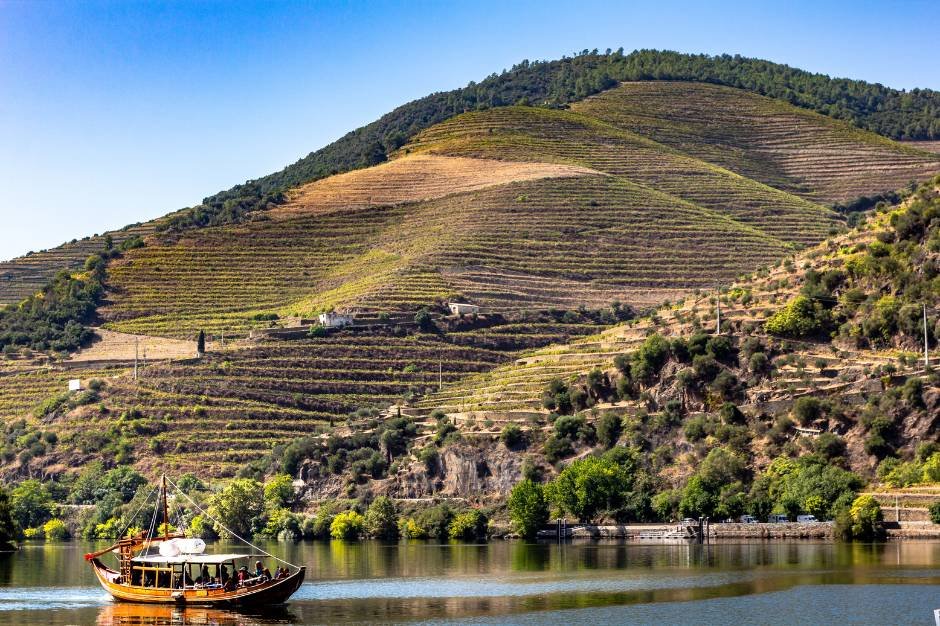
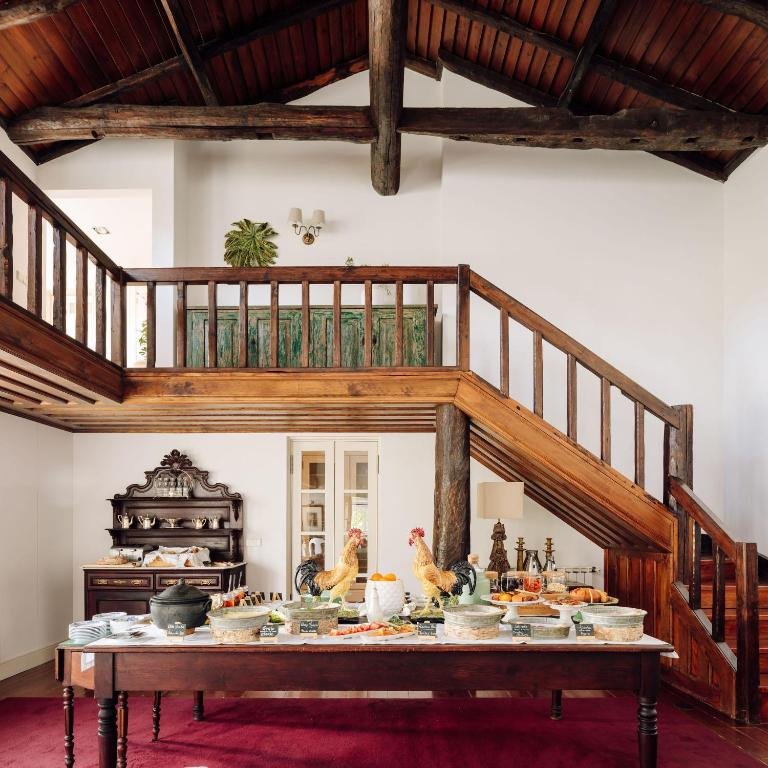
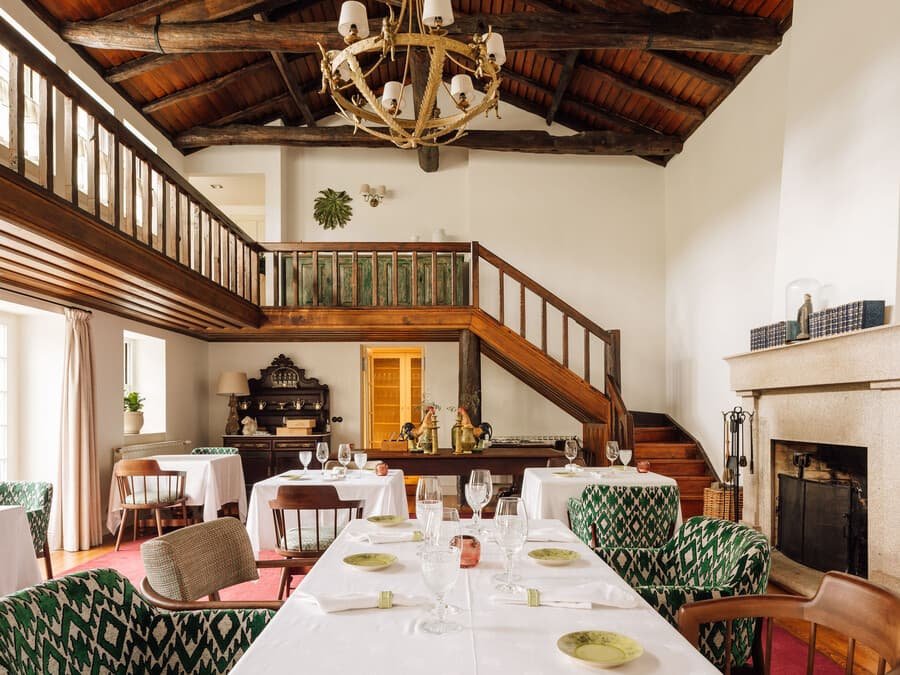
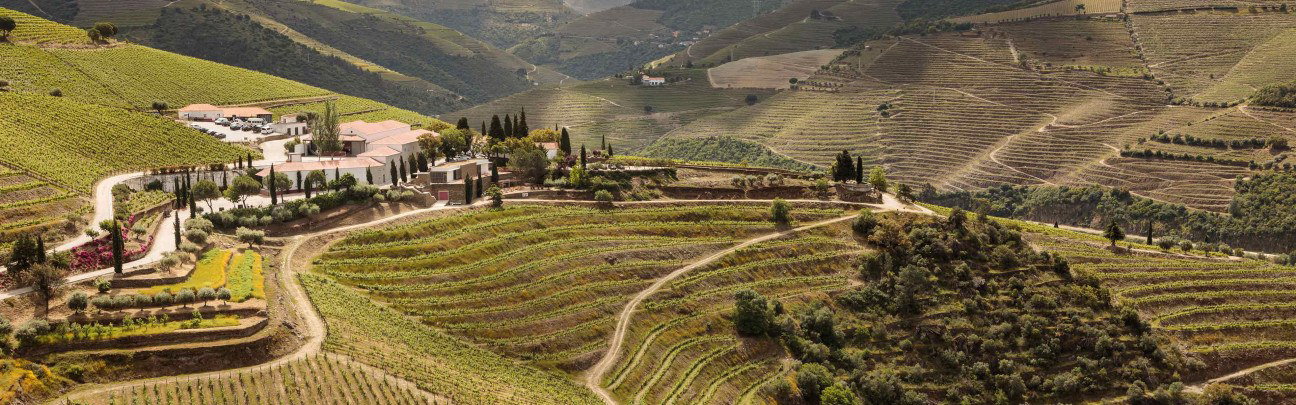
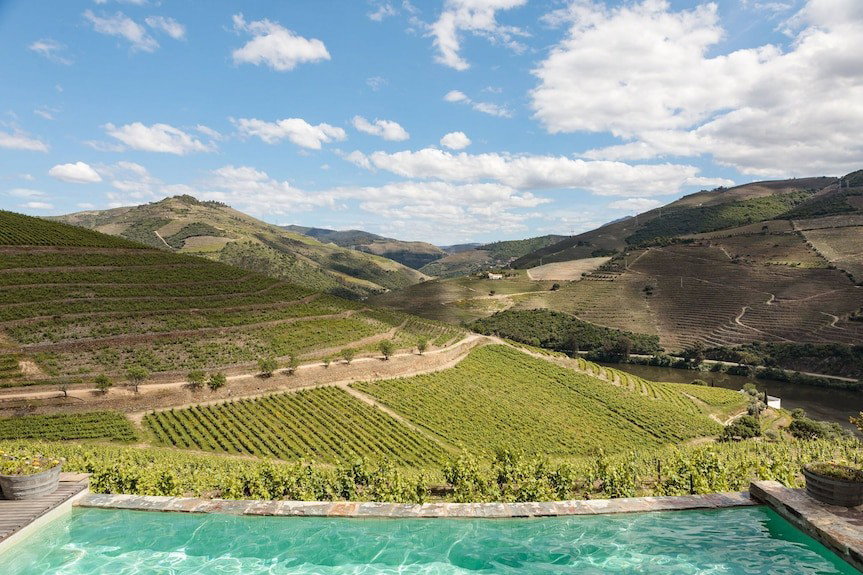
Quinta do Crasto reads like an intimate family quinta rather than a scaled-up resort. With just four guest suites perched above schist-terraced vineyards, the estate compresses production and hospitality so that morning views and evening wine come from the same hillside. The tone is quietly sophisticated: a Pearl 4 Star Prestige designation underscores consistency and quality without the bells and whistles of large hotel programming. Visitors encounter a charming, low-density atmosphere—terroir is literally visible from the breakfast table—and the property’s small scale keeps rhythms tied to the land and harvest rather than to conventional hospitality calendars.
Best For
This is a place for travelers who want to stay where the wine is made. Quinta do Crasto suits couples seeking an intimate, vineyard-side escape and travelers interested in immersive wine-focused stays; the compact, family-operated model also works well for special occasions that benefit from privacy and local character. The on-site relationship between guest rooms and winery makes short, immersive weekend escapes appealing, and guests who value tranquil mornings with direct vineyard views will find the estate especially rewarding. It’s less geared to large parties or resort-style programming.
Tasting Tips
Rooms and experiences at Quinta do Crasto are limited by design: the estate operates only four suites and keeps its calendar closely tied to harvest rhythms. Plan and reserve early, especially during harvest and peak seasons, because availability is intentionally constrained. Use the Pearl 4 Star Prestige designation as a shorthand for the property’s consistent quality when weighing dates; expect a quietly refined, terroir-forward stay rather than resort amenities. If your trip centers on vineyard access or seasonal events, align your visit with the season you want to experience—harvest months for winery activity, shoulder seasons for quieter views.
Venue details
Ambiance
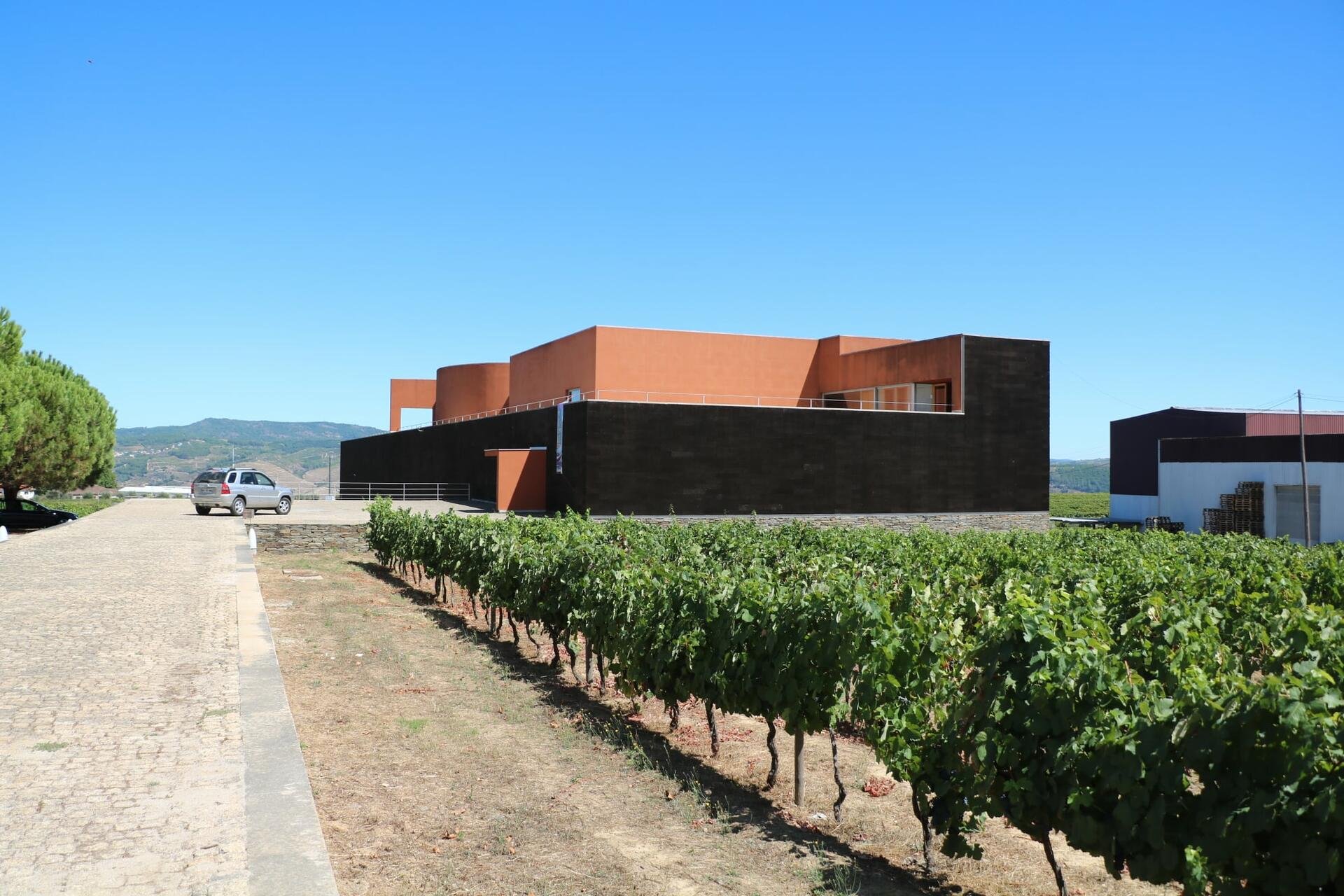
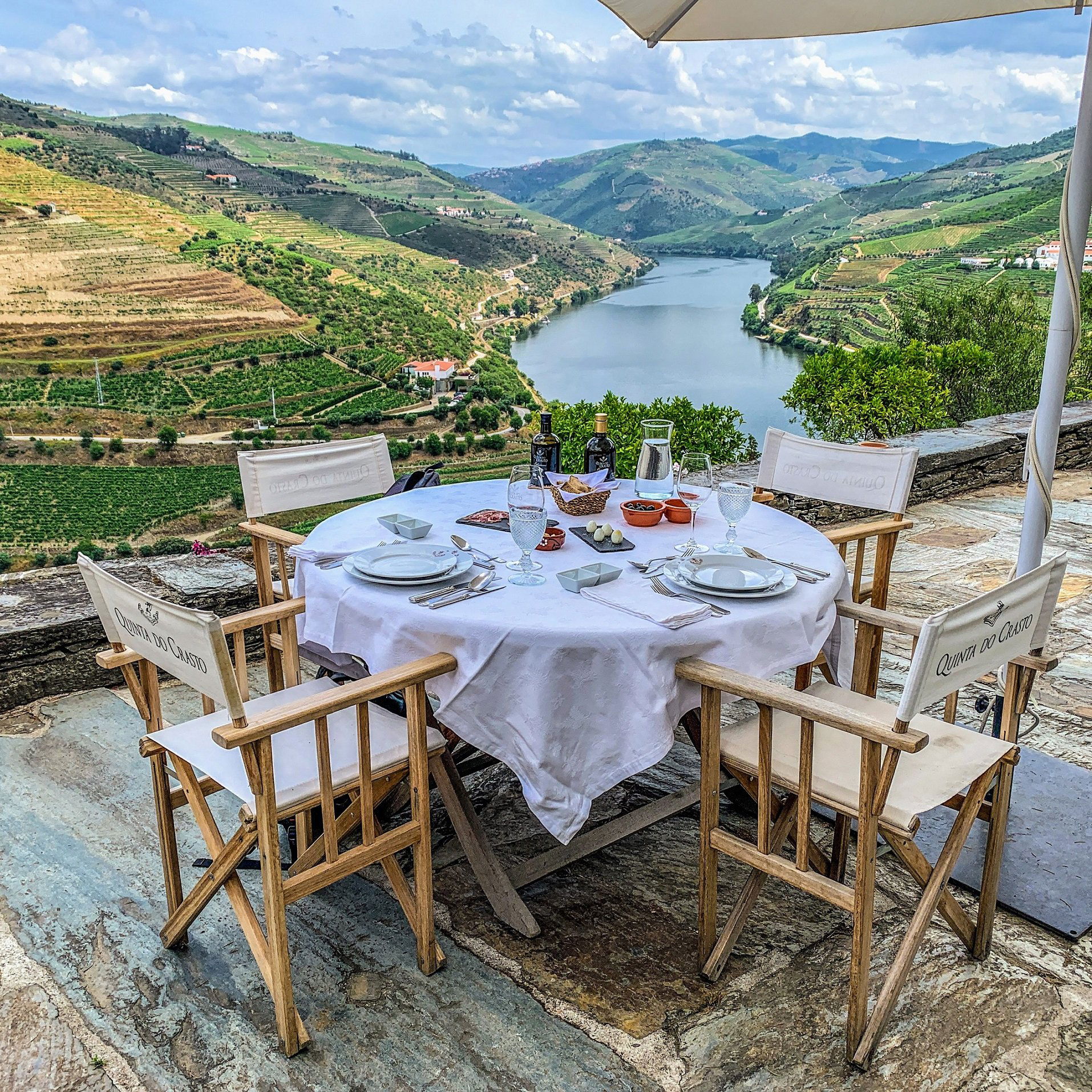
Idyllic riverside setting with panoramic Douro Valley views, blending historic architecture, traditional stone terraces, and modern winery facilities amid a serene, awe-inspiring landscape.
Tags
Vibe
Best For
Experience
Sourcing
View
At the Vineyard
- Appellation
- Douro DOC
- Varietals
- Touriga Nacional, Touriga Franca, Tinta Roriz, Tinta Barroca, Tinto Cão
- Tour Duration
- 60-90 minutes
- Tour Languages
- English, Portuguese
- Visits
- By reservation
- Farming
- Sustainable
- Wine Styles
- Still Red, Still White, Still Rose, Fortified
- Food Pairing
- Offered
- Wine Club
- Not available
Know before you go
Know Before You Go
- Getting there
- Quinta do Crasto, 5060-063
Planning details
Location
Recognition and awards


Also consider
Where to look if this is not available
Try Quinta do Infantado first if staying close to Sabrosa matters. It keeps the itinerary local and avoids turning the day into a long transfer puzzle.
If the plan can stretch beyond Sabrosa, compare Quinta do Tedo for a more relaxed Douro stop or Quinta do Seixo (Sandeman), Douro Valley for a more recognisable Port-house frame.
Winery context
How It Compares
Against Quinta do Tedo and Quinta Nova de Nossa Senhora do Carmo, Quinta do Crasto is the stronger choice when the visit needs to feel like the main event. Choose Tedo if the priority is a more relaxed Douro stop, and look at Quinta Nova if lodging or a slower estate-style day matters more than a single high-demand winery appointment.
Within the Sabrosa set, Quinta do Infantado is the more practical cross-shop if availability is the issue. Crasto is better for reputation-led travellers, while Infantado is the easier fallback for keeping the day local without losing Douro relevance.
Compared with Quinta do Seixo (Sandeman), Douro Valley and Quinta do Noval, Crasto sits in the serious-wine camp rather than the broad brand-recognition lane. Choose Seixo for a more immediately recognisable Port-house association; choose Noval if that name is the draw. Choose Crasto when the priority is a focused Sabrosa anchor with strong vineyard-tourism credentials.
Explore Sabrosa
Around this place
Discover more on Pearl
Unlock the full Quinta do Crasto guide in Pearl, including awards, comparisons, FAQs, planning details, and nearby places.
Compare Quinta do Crasto
| Venue | Location | Awards |
|---|---|---|
| Quinta do Crasto | Sabrosa | 2026 Falstaff Winery Guide2025 World's 50 Best Vineyards · #672024 World's 50 Best Vineyards · #152023 World's 50 Best Vineyards · #152022 World's 50 Best Vineyards · #82021 World's 50 Best Vineyards · #162020 World's 50 Best Vineyards · #82019 World's 50 Best Vineyards · #4 |
| Quinta do Tedo | Armamar | No published awards |
| Quinta Nova de Nossa Senhora do Carmo | Covas do Douro | 2026 Falstaff Winery Guide2025 World's 50 Best Vineyards · #742022 World's 50 Best Vineyards · #42 |
| Quinta do Infantado | Sabrosa | 2022 World's 50 Best Vineyards · #282021 World's 50 Best Vineyards · #50 |
| Quinta do Seixo (Sandeman), Douro Valley | Tabuaço | 2025 World's 50 Best Vineyards · #622023 World's 50 Best Vineyards · #42 |
| Quinta do Noval | Pinhão | 2026 Falstaff Winery Guide2025 World's 50 Best Vineyards · #732024 World's 50 Best Vineyards · #362023 World's 50 Best Vineyards · #162022 World's 50 Best Vineyards · #482021 World's 50 Best Vineyards · #292020 World's 50 Best Vineyards · #49 |
How Quinta do Crasto Sabrosa compares with similar nearby venues.
FAQ
Frequently Asked Questions
Does Quinta do Crasto offer shipping?
Details about shipping are not provided. Check directly with Quinta do Crasto before building any purchase or travel plan around delivery options. If shipping is essential, compare terms directly with venues such as Quinta Nova de Nossa Senhora do Carmo or Quinta do Noval.
Does Quinta do Crasto offer membership options?
Details about membership are not provided. The facts are that Quinta do Crasto is in Sabrosa, has Pearl 4 Star Prestige (2025), and was ranked World's 50 Best Vineyards #8 in 2020. For buying decisions, compare current terms directly with Quinta do Tedo or Quinta do Infantado.
Can Quinta do Crasto handle large groups?
Details about group capacity are not provided. Large parties should contact Quinta do Crasto directly before planning around it. If group logistics are important, also compare current arrangements with Quinta do Seixo (Sandeman), Douro Valley.
Do I need a reservation at Quinta do Crasto?
Details about reservation requirements are not provided. Confirm booking rules, availability, timing, and visit format directly with Quinta do Crasto before going. If you are comparing another high-profile option, Quinta do Noval is a natural point of reference.
What other venues can I compare with Quinta do Crasto?
Relevant comparison options include Quinta do Tedo, Quinta Nova de Nossa Senhora do Carmo, Quinta do Infantado, Quinta do Seixo (Sandeman), Douro Valley, and Quinta do Noval. Use them as a shortlist for wider planning, while confirming exact location and visit details directly with each venue.
When is the best time to visit Quinta do Crasto?
Details about the best time to visit are not provided. Check current availability, opening details, and any seasonal considerations directly with Quinta do Crasto. If you are pairing it with other venues, compare timing and route practicality with Quinta do Tedo or Quinta Nova de Nossa Senhora do Carmo.