




Domaine Leroy
Vosne-Romanée
Winery in Vosne-Romanée, France
 Book with Pearl
The Read
Allocation-Only Burgundy Precision
Why go
Domaine Leroy is a wine estate in Vosne-Romanée, Burgundy.
About Domaine Leroy
Domaine Leroy is a Pearl 5 Star Prestige (2025) venue in Vosne-Romanée led by Lalou Bize-Leroy. Visitors should confirm format, access, pricing, hours, or visit arrangements directly before planning.
For visitors comparing options, Domaine Leroy can be considered alongside Domaine Mongeard-Mugneret, Domaine Anne Gros, Domaine Michel Gros, Domaine Arnoux Lachaux, and Domaine Sylvain Cathiard. Those names are useful reference points for broader planning, but any visit details should be confirmed directly before making plans.
Recognition and Planning
Domaine Leroy holds Pearl 5 Star Prestige (2025) recognition. For specific prices, availability, visit formats, appointment rules, production details, or visitor services, visitors should confirm directly with the venue.
That makes comparison especially important. If the priority is to understand options around Domaine Leroy more broadly, it may be useful to look across several venues before centering a day on one name. Use Vosne-Romanée guide to map a wider route, then confirm current details directly with any venue you hope to visit.
How to place it in a Vosne-Romanée day
Domaine Leroy is located in Vosne-Romanée. Build any plan around that village context, and avoid assuming specific opening hours, visit availability, shipping options, or visitor services unless confirmed through current official channels.
If you are comparing other names, Domaine Arnoux Lachaux, Domaine Anne Gros, Domaine Michel Gros, Domaine Mongeard-Mugneret, and Domaine Sylvain Cathiard are natural reference points. If the trip includes more than Domaine Leroy, Vosne-Romanée restaurants, hotels, bars, and experiences can help shape the rest of the itinerary, but those plans should be checked separately.
Bottom line: Domaine Leroy is a Vosne-Romanée venue with Pearl 5 Star Prestige (2025) recognition, led by Lalou Bize-Leroy, and has a smart-casual dress code. For any further details, confirm directly before planning your visit.
Planning details
- Location
- 15 Rue de la Fontaine, 21700 Vosne-Romanée
- Website
- domaine-leroy.com
- Phone
- +33 3 80 61 10 82
The take
The Take
The Vibe
Domaine Leroy reads like a study in restraint. The approach is village-small and unshowy—a stone house and a vineyard wall rather than grand gates—so the experience feels ceremonious rather than performative. The tone is quiet and exacting: conversations about terroir, biodynamic conviction and provenance replace flash. The estate’s reputation and debated cellar give visits a weight that attracts serious collectors and students of Burgundian terroir. Meetings here are structured and disciplined; the setting is historic and understated, and the overall impression is of an iconic Burgundy domaine that requires attentive, respectful engagement rather than casual drop-in touring.
Best For
This domaine is best for committed wine collectors, serious students of Burgundy and anyone seeking a high-precision, appointment-driven tasting. The estate’s three-decade biodynamic practice and the 1988 benchmark make it especially relevant to those tracing stylistic continuity and provenance. It suits quiet, contemplative visits and special-occasion moments where you want an informed, formal engagement with the wines rather than a casual tasting. Walk-ins and casual groups should temper expectations; the property operates within the traditional allocation-and-appointment culture of the Côte de Nuits.
Tasting Tips
Treat visits as formal appointments: this is not a Napa-style cellar door and the text warns against expecting walk-in pours. If you’re researching bottles, note the 1988 vintage as a turning point under Lalou Bize-Leroy and ask about how that biodynamic conviction shapes subsequent vintages. Expect allocation-level availability and a collector-oriented approach to access. Prepare specific questions about provenance and vineyard sources, be patient with the social protocol of entry, and arrange meetings in advance rather than assuming casual entry.
Venue details
Ambiance
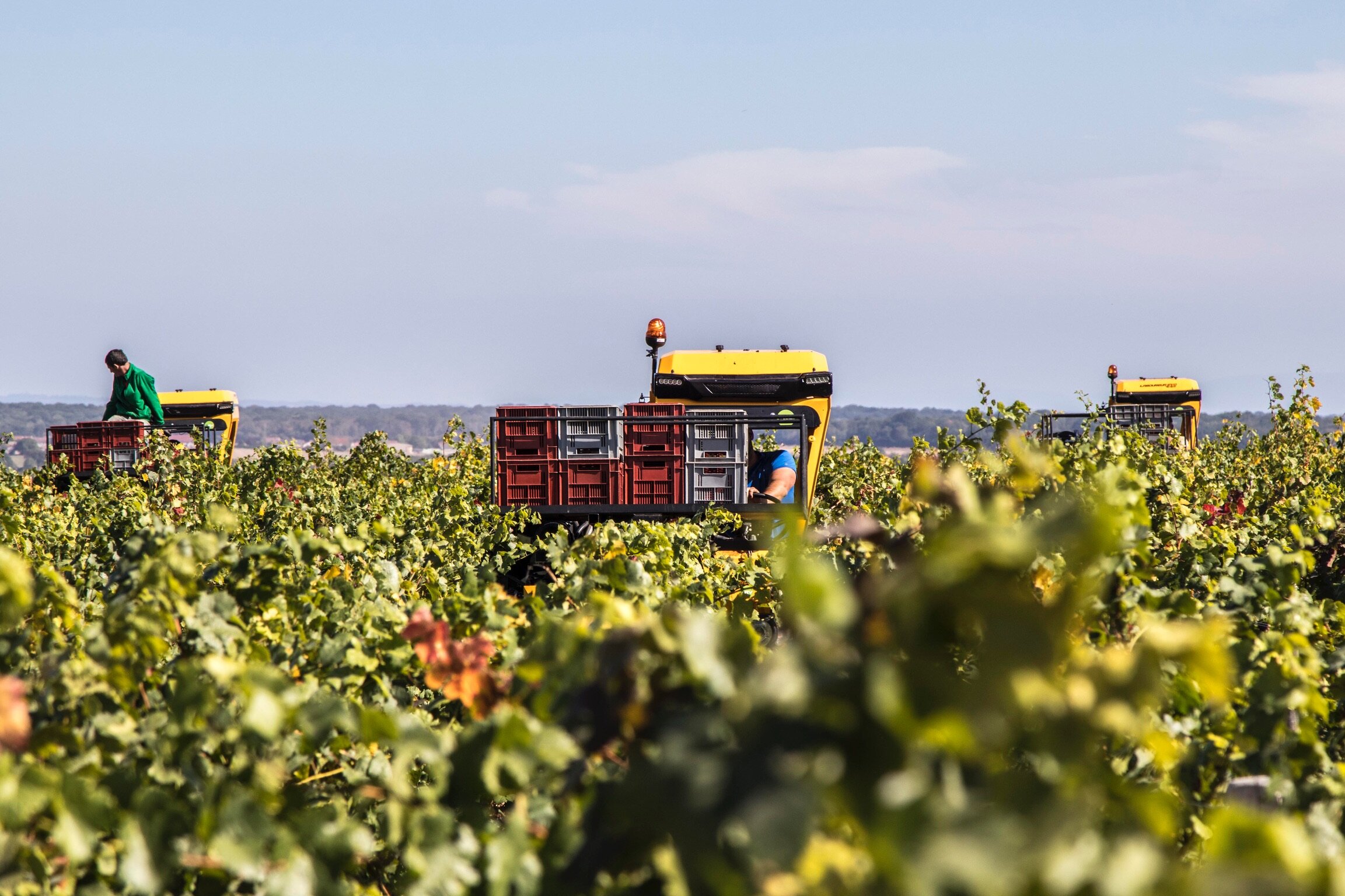
Elegant and serene atmosphere in historic cellars surrounded by immaculate biodynamic vineyards.
Tags
Vibe
Best For
Experience
Sourcing
View
At the Vineyard
- Appellation
- Vosne-Romanée AOC
- Varietals
- Pinot Noir, Chardonnay
- Tour Duration
- 60-90 minutes
- Tour Languages
- French, English
- Visits
- By appointment only
- Farming
- Biodynamic
- Wine Styles
- Still Red, Still White
- Wine Club
- Available
Know before you go
Know Before You Go
- Getting there
- 15 Rue de la Fontaine, 21700 Vosne-Romanée
Planning details
Location
Recognition and awards

Also consider
Also Consider
- Domaine Mongeard-Mugneret, Notable alternative
- Domaine Arnoux Lachaux, Notable alternative
- Domaine Anne Gros, Notable alternative
- Domaine Sylvain Cathiard, Notable alternative
- Domaine Michel Gros, Notable alternative
Winery context
How It Compares in Vosne-Romanée
Domaine Leroy is the splurge-minded choice in this set, best for travelers who care about collector status and are willing to let one address shape the day. Domaine Mongeard-Mugneret is the more practical first-timer comparison: it makes more sense if the priority is a clearer introduction to Vosne-Romanée without putting the whole trip's value equation on one producer.
Domaine Arnoux Lachaux and Domaine Sylvain Cathiard sit closer to the same serious-collector lane, so they are better cross-shops for readers who already know Burgundy and are choosing among high-demand names. If access is difficult, do not treat either as an easy fallback; plan several options from the start.
For a more balanced Vosne-Romanée day, Domaine Anne Gros and Domaine Michel Gros are stronger practical alternatives. They are better fits for visitors who want producer context, village comparison, and a less status-driven spend. Choose Domaine Leroy when prestige is the point; choose the others when learning the village matters more than chasing the hardest name.
Explore Vosne-Romanée
Around this place
Discover more on Pearl
Unlock the full Domaine Leroy guide in Pearl, including awards, comparisons, FAQs, planning details, and nearby places.
Compare Domaine Leroy
| Venue | Location | Awards |
|---|---|---|
| Domaine Leroy | Vosne-Romanée | 2026 Michelin 3 Grapes - Burgundy2026 Falstaff Winery Guide2025 Pearl 5 Star Prestige |
| Domaine Mongeard-Mugneret | Vosne-Romanée | 2025 Pearl 4 Star Prestige |
| Domaine Arnoux Lachaux | Vosne-Romanée | 2026 Michelin 1 Grape - Burgundy2025 Pearl 4 Star Prestige |
| Domaine Anne Gros | Vosne-Romanée | 2026 Falstaff Winery Guide2025 Pearl 4 Star Prestige |
| Domaine Sylvain Cathiard | Vosne-Romanée | 2026 Michelin 1 Grape - Burgundy |
| Domaine Michel Gros | Vosne-Romanée | 2026 Falstaff Winery Guide |

How Domaine Leroy Vosne-Romanée compares with similar nearby venues.
FAQ
Frequently Asked Questions
When is the best time to visit Domaine Leroy?
Domaine Leroy is located in Vosne-Romanée, and the venue has Pearl 5 Star Prestige (2025) recognition. For specific hours, appointment timing, and visit format, confirm current details directly before planning.
What other venues can I compare with Domaine Leroy?
Domaine Anne Gros, Domaine Sylvain Cathiard, Domaine Michel Gros, Domaine Arnoux Lachaux, and Domaine Mongeard-Mugneret are useful names to compare when planning around Domaine Leroy. Confirm current access and visit details with each venue.
Are shipping services for Domaine Leroy?
How long should I plan for a visit to Domaine Leroy?
For a specific visit length, confirm the current format and timing directly before scheduling. Domaine Leroy is located in Vosne-Romanée with Pearl 5 Star Prestige (2025) recognition and a smart-casual dress code.