

2026 Falstaff Winery Guide: The Ultimate Wine Authority
Falstaff's 2026 Wineries guide.

Venues on this list
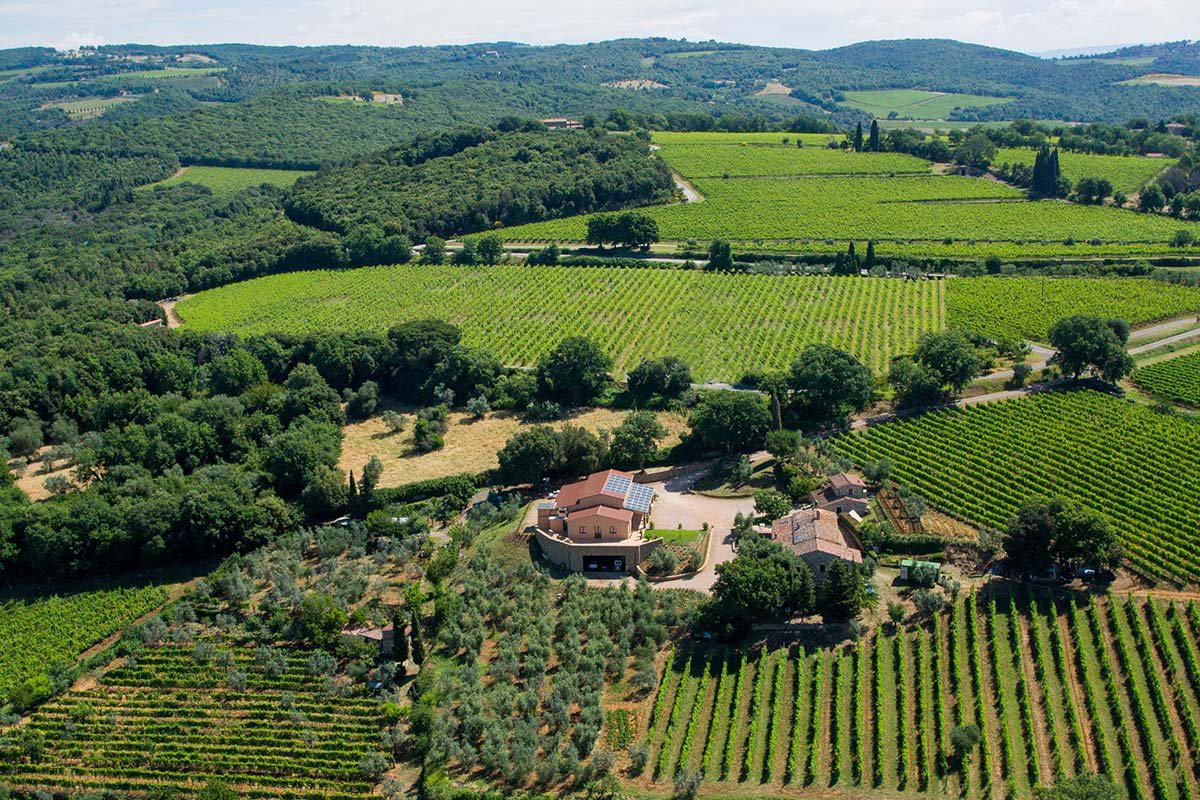
Collemattoni
Montalcino, Italy
Book Collemattoni if the goal is a traditional, appointment-led Brunello tasting with organic vineyard context and a quieter southern Montalcino setting. It is a stronger fit for Sangiovese-focused travellers than for visitors seeking a casual tasting-room crawl or published fixed-format hospitality experience.
Dominio de Queiron
Quel, Spain
Book Dominio de Queiron if you want a Rioja Oriental visit grounded in old vineyards, Quel’s historic winery quarter, and a portfolio that moves from classic Gran Reserva-style Rioja to experimental clay-jar and low-intervention releases. It is less compelling as a casual drop-in stop, since the strongest value comes from an appointment with real estate and wine context.
Domaine de Chambleau
Colombier, Switzerland
Domaine de Chambleau is worth prioritizing if a Neuchâtel-focused winery visit is already on the plan and external recognition matters to the buying decision. With no public price or flagship-wine detail supplied here, treat it as a quality-led appointment rather than an easy value play or casual walk-in stop.
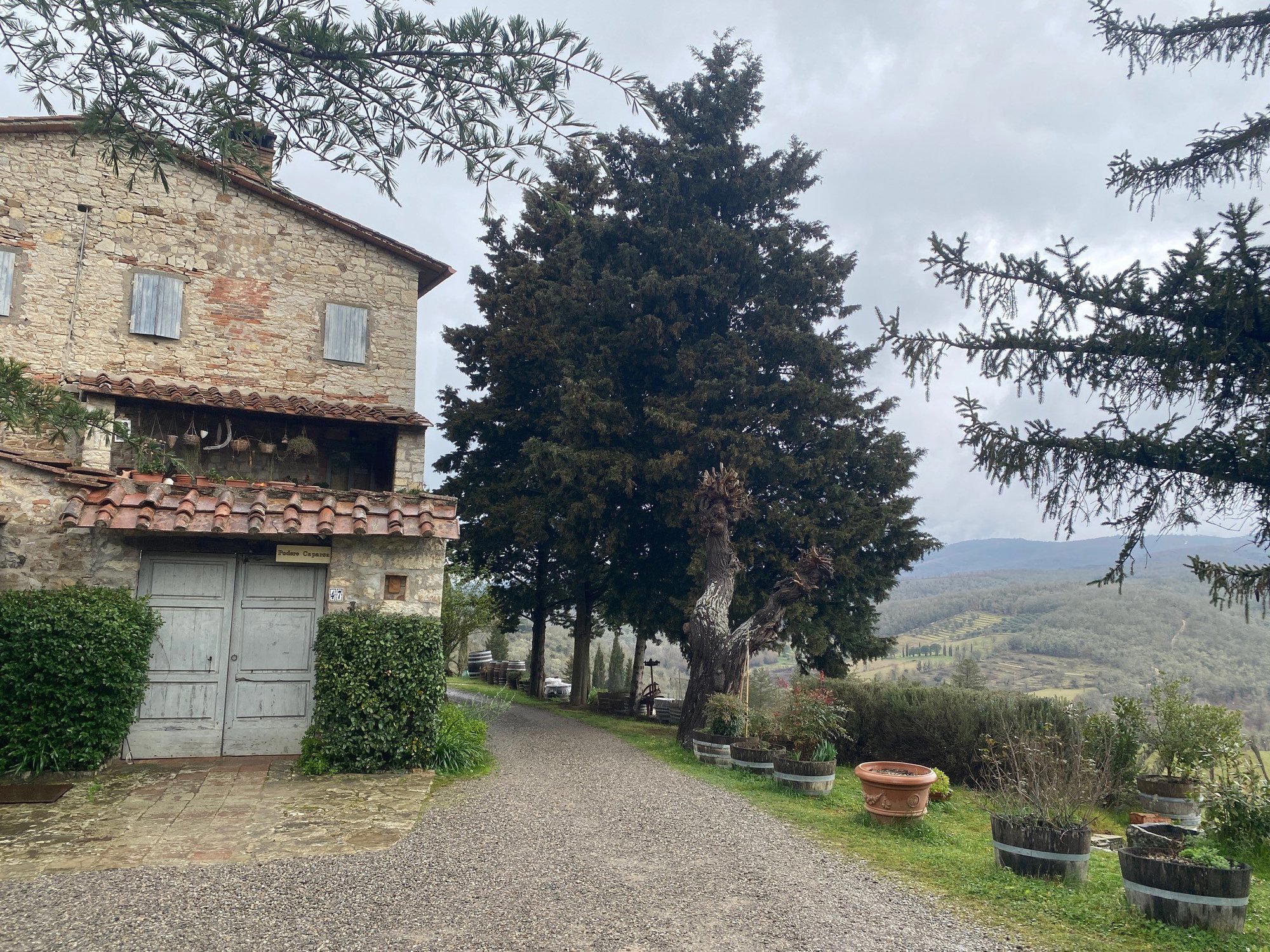
Caparsa
Radda in Chianti, Italy
Caparsa is worth shortlisting for a wine-first stop in Radda in Chianti, especially if the occasion calls for a quieter tasting rather than a full restaurant-style outing. Its Falstaff Listed 2026 recognition gives it a useful credibility signal; plan meals, hotels, and any larger itinerary separately.
Helenental Kellerei
Röschitz, Austria
A practical Röschitz wine pick for regional Austrian bottles rather than a formal food-pairing visit. Helenental Kellerei is strongest for value-minded drinkers interested in Zweigelt rosé, dry Riesling, and Grüner Veltliner, with Falstaff listing recognition adding credibility. Do not make it the anchor of a dining-led itinerary.
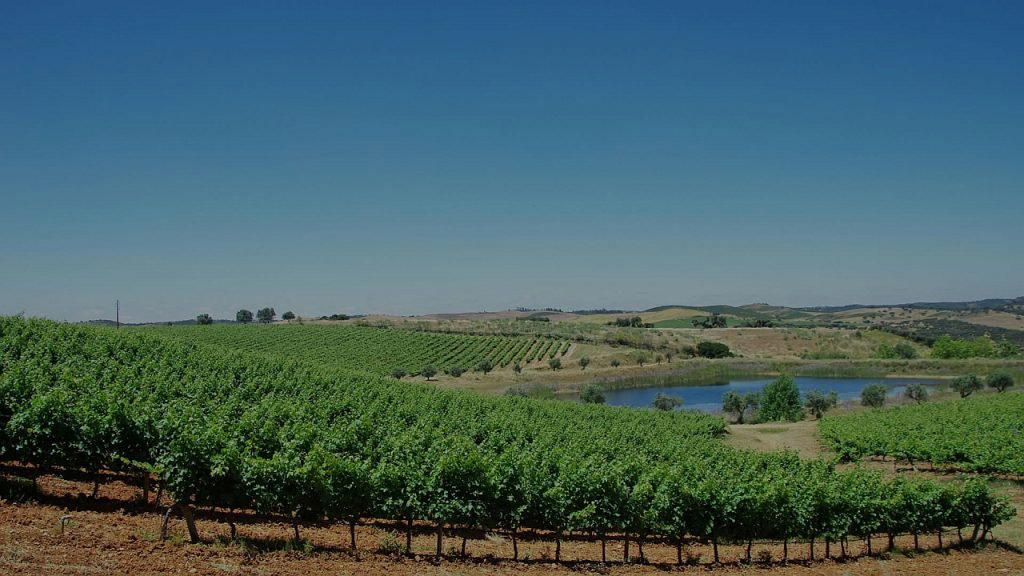
Herdade das Mouras de Arraiolos
Arraiolos, Portugal
A good fit for travellers who want a calm Alentejo estate visit with a clear vineyard-to-winery story. Herdade das Mouras de Arraiolos is better for regional context and quiet rural atmosphere than for a luxury tasting-room production, with appointment-led planning the right approach.
Fattoria di Rietine
Gaiole in Chianti, Italy
Book Fattoria di Rietine if you want a small, scenic Gaiole winery focused on Chianti Classico rather than a grand estate production. The draw is the farmhouse setting above the vineyards, the Sangiovese-led red wine, and an accessible $$ value profile backed by Falstaff recognition in 2026.
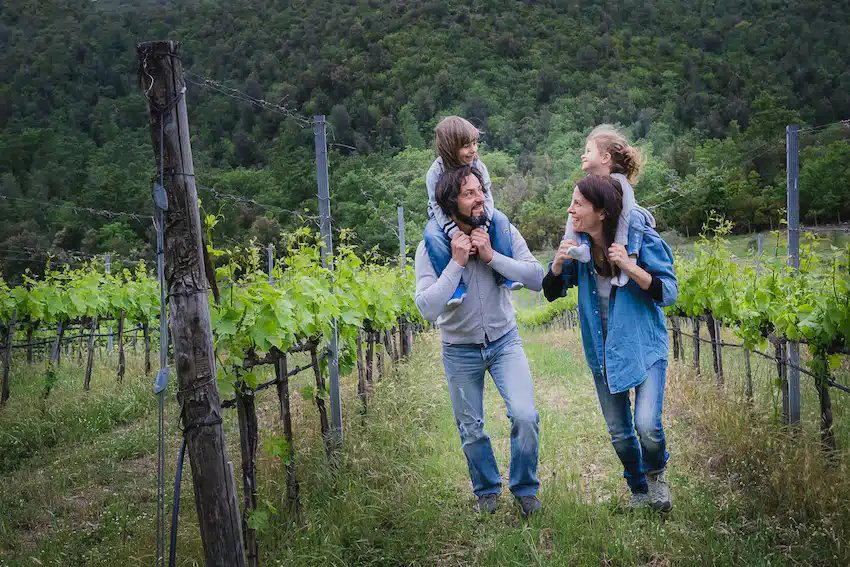
Cantina San Guglielmo
Montalcino, Italy
Cantina San Guglielmo is a practical Montalcino add for wine travellers who want regional depth rather than a fully packaged hospitality stop. Its 2026 Falstaff listing gives it a useful credibility signal, but the smarter plan is to pair it with other Montalcino winery research and keep dining or hotel decisions separate.
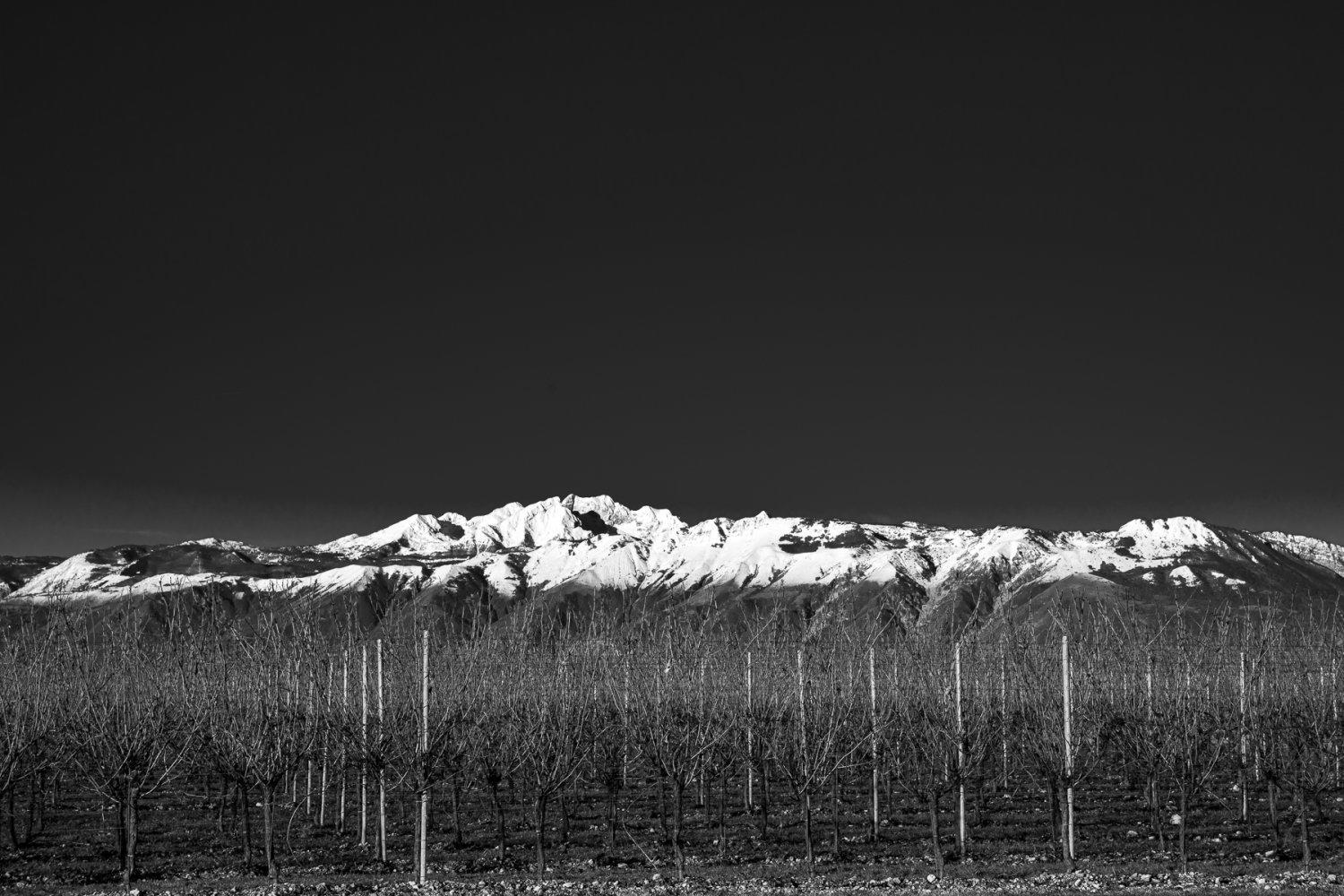
CASA VINICOLA ANTONUTTI
Pasian Di Prato, Italy
Antonutti works if you are already planning time around Pasian di Prato and want a Friuli wine stop with a 2026 Falstaff listing behind it. Do not make it the sole anchor of the day unless visit details are confirmed first; it works better as part of a wider local plan.
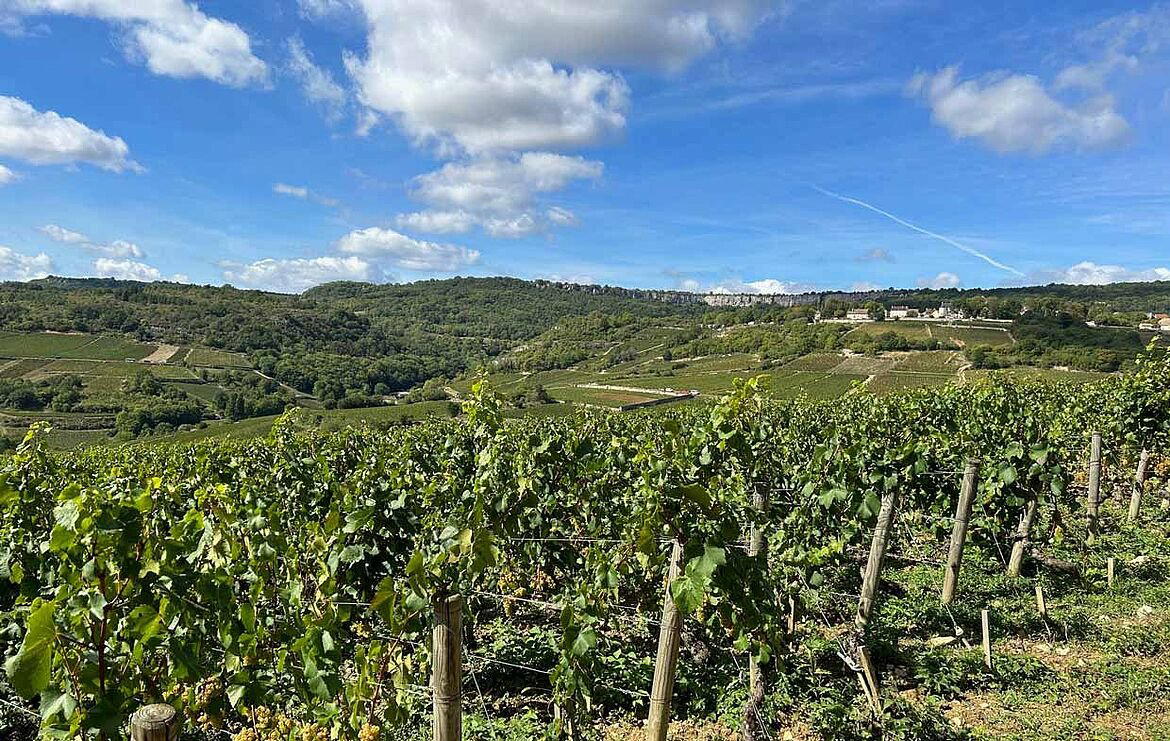
Domaine de Chassorney
Saint-Romain, France
Book Domaine de Chassorney if the goal is a quieter Saint-Romain wine stop with regional context rather than a polished tasting-room circuit. Its Falstaff Listed recognition for 2026 gives it a useful credibility signal, but travelers who need published visitor details, food service, or large-group planning should treat it as a focused winery stop and plan the rest of the day separately.
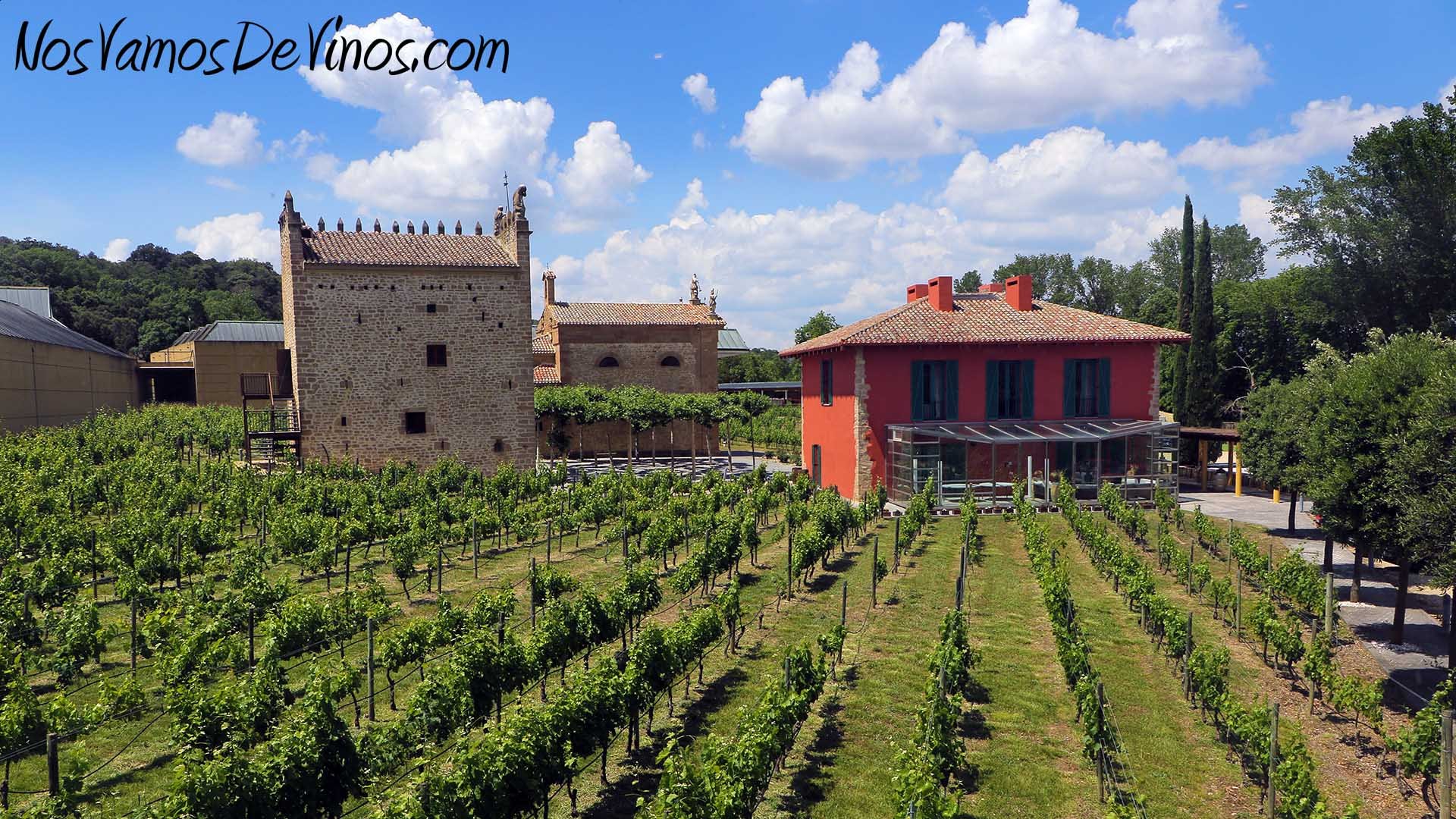
Bodega Jacques & Francois Lurton S.L.
Toro, Spain
A serious Toro shortlist pick for wine travellers who care more about producer credibility than built-out visitor amenities. Falstaff’s 2 Stars for 2026 gives it a useful trust signal, but plan carefully: public-facing practical details are thin, so it suits structured wine itineraries better than casual drop-in touring.
Gruppo Martellozzo
San Quirino, Italy
Gruppo Martellozzo is a better fit for a purposeful private winery appointment than a casual tasting stop. The San Quirino producer has a professional, production-led feel and Falstaff Listed 2026 recognition, making it strongest for business-minded visitors or wine-focused groups who value structure over hospitality theatre.
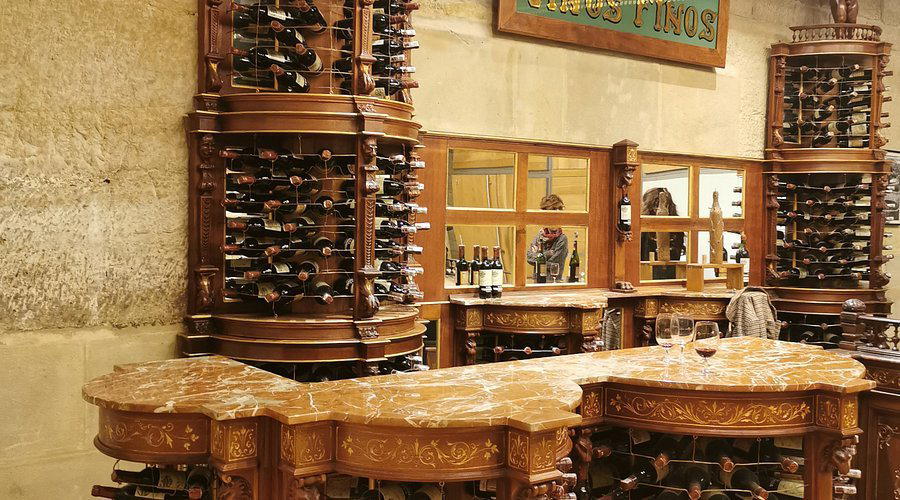
López de Heredia (Viña Tondonia)
Haro, Spain
Book López de Heredia (Viña Tondonia) if traditional Rioja is the point of the trip. It is the serious, high-effort Haro choice for wine travelers who value heritage, cellar depth, and benchmark producer context over easy logistics. For a more flexible day, compare it with nearby Haro wineries before anchoring the itinerary here.
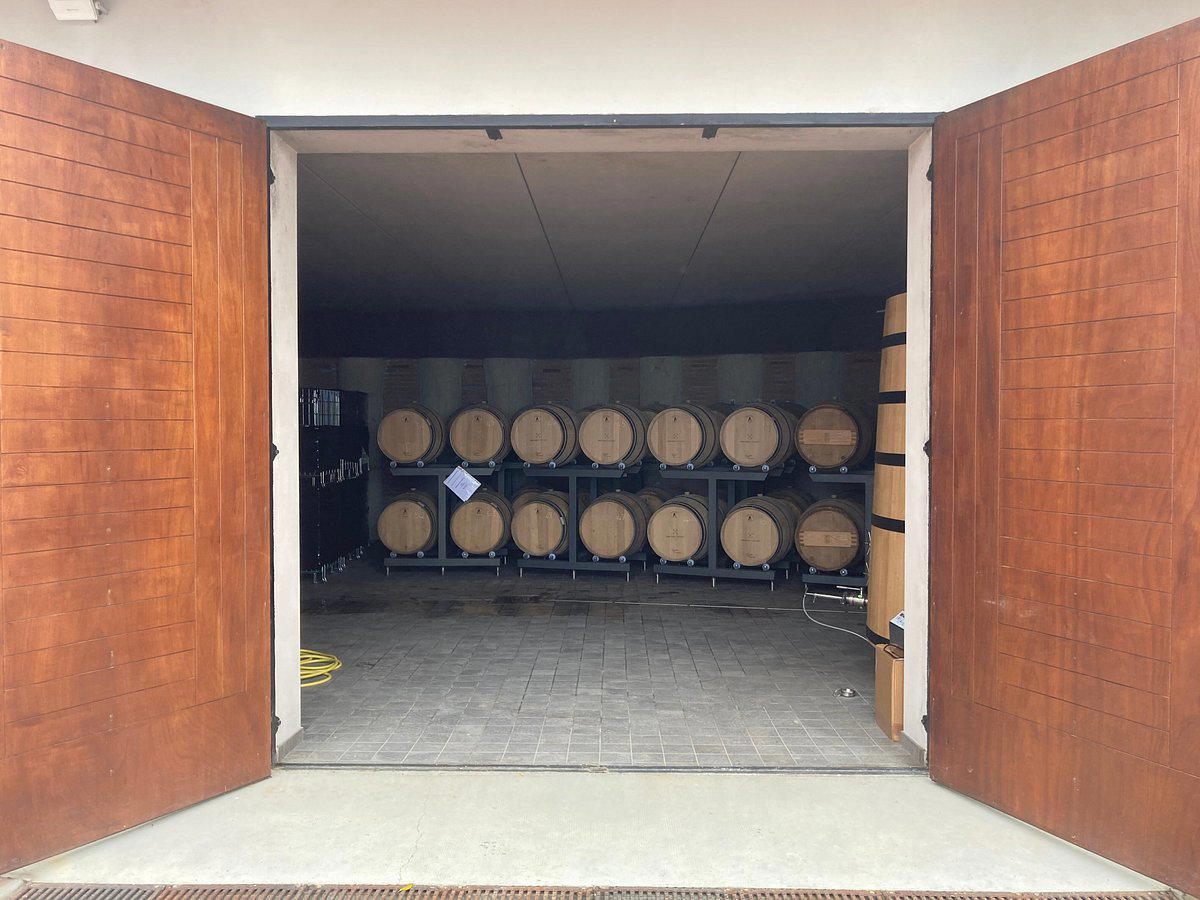
Carlo Giacosa
Barbaresco, Italy
Carlo Giacosa is worth booking if the goal is a serious, compact Barbaresco tasting centered on Nebbiolo and family-estate continuity. Expect a simple, rustic room and a wine-first visit rather than a polished hospitality production, which makes it stronger for couples or small wine-focused groups than for large celebrations.
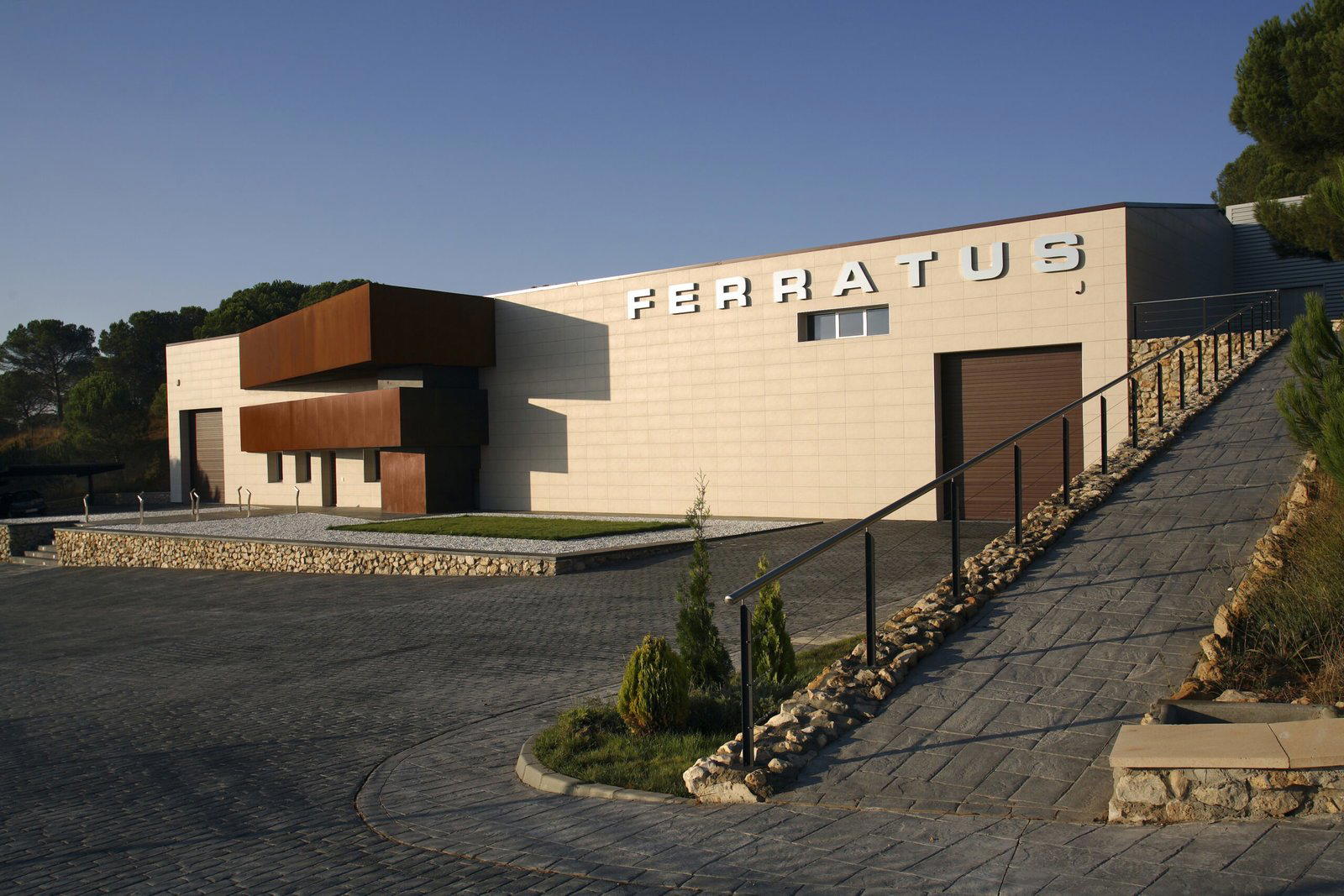
Bodega la Asunción
Gumiel De Izan, Spain
Choose Bodega la Asunción if the draw is a traditional Ribera del Duero cooperative with old-vine farming and a practical, production-led visit. The strongest reasons to go are its 1963 grower-founded model, 220 hectares in Gumiel de Izán, manual harvest, and classic local range rather than luxury hospitality or design-led architecture.
Château Cheval Noir
Bordeaux, France
Château Cheval Noir is worth booking for a focused Saint-Émilion appointment centered on old-vine Merlot, Bordeaux heritage, and a classic scenic setting. It suits couples, small groups, or business guests who care about appellation context more than flexible walk-in hospitality. The 2026 Falstaff listing adds a useful trust signal.
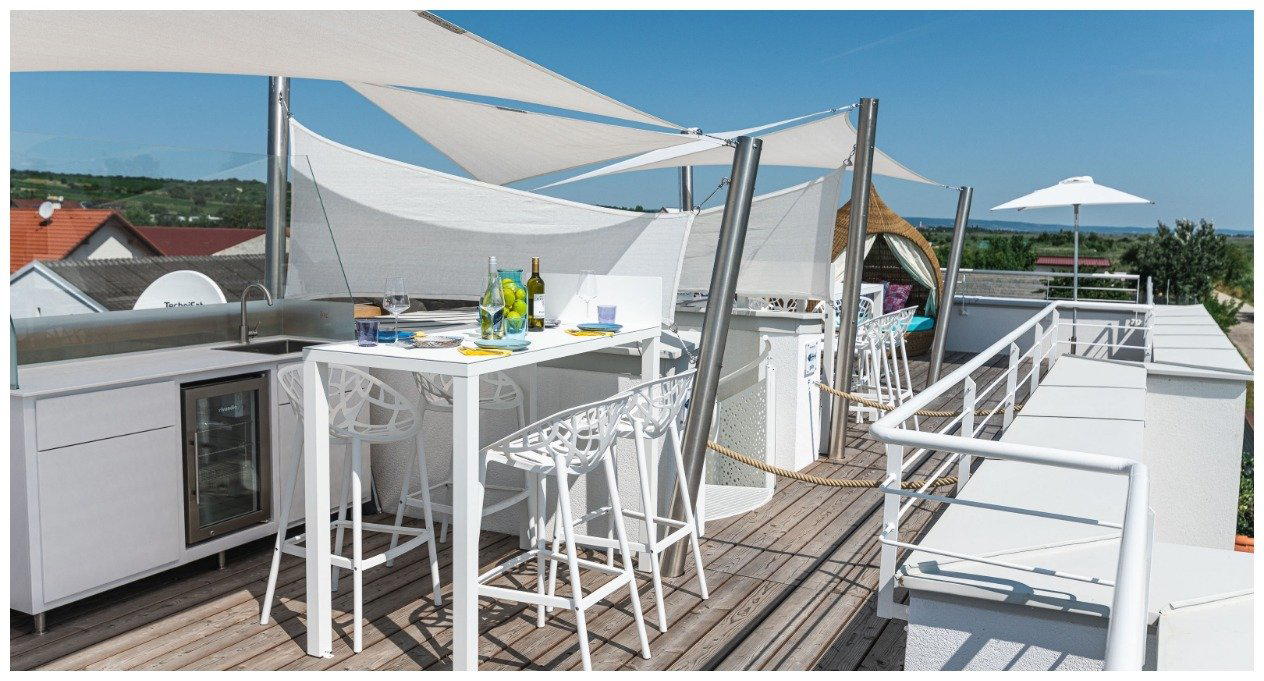
Bauer – Die Weinfamilie – Illmitz
Illmitz, Austria
A sensible $$ Illmitz winery choice if the goal is a quiet, family-run Burgenland tasting focused on still and sweet wines. Falstaff Listed (2026) gives it a credible recognition signal, but plan it as a wine stop rather than a food-led outing or large-group venue.
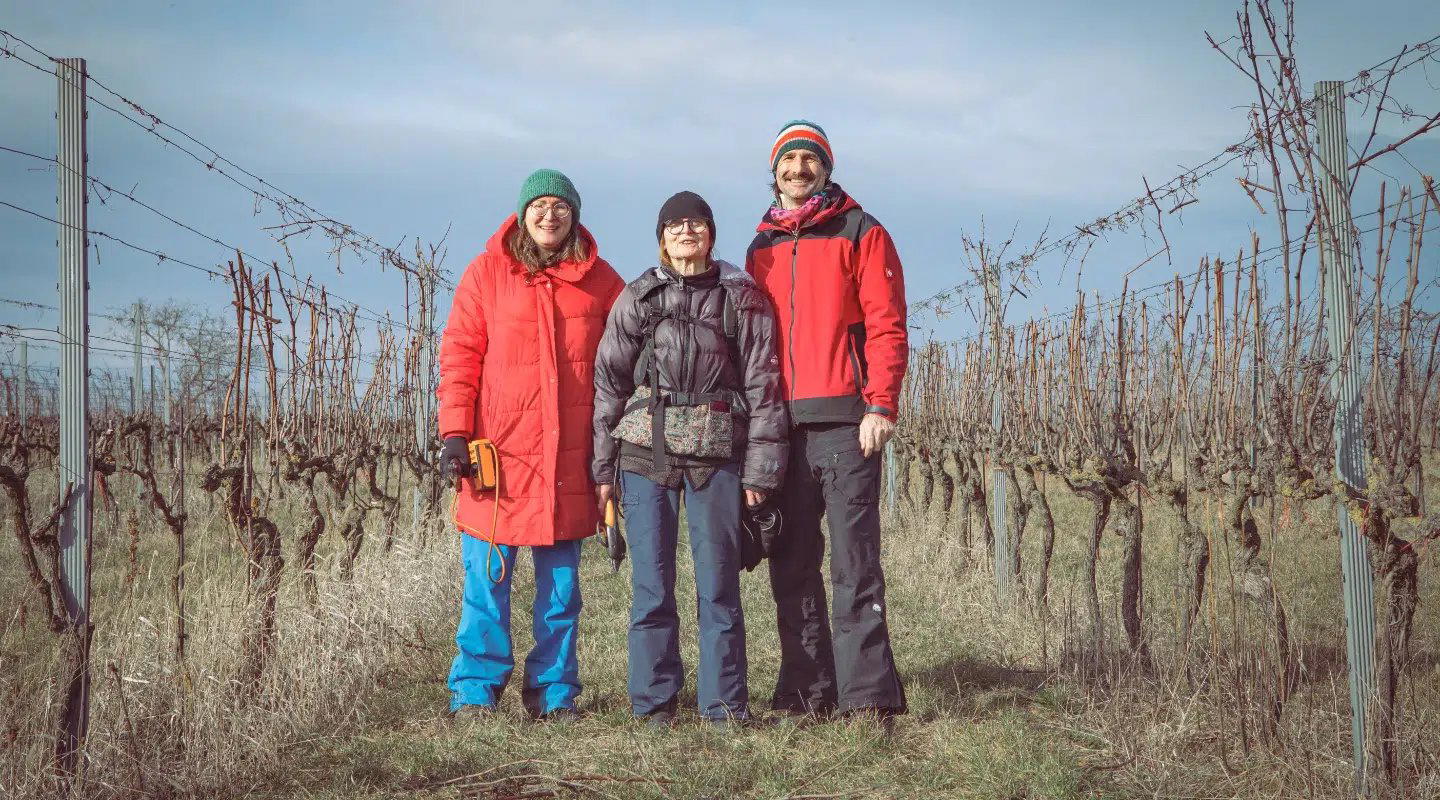
Hammer Wein Rust
Rust, Austria
Hammer Wein Rust is worth booking if the goal is a quiet, appointment-led cellar-door tasting with a small Leithaberg producer. The strongest buying case sits with Chardonnay and Sauvignon Blanc, backed by recent recognition and a focused 5-hectare estate profile. Skip it for spontaneous group tasting plans or a food-led winery visit.
Brokenwood
Hunter Valley, Australia
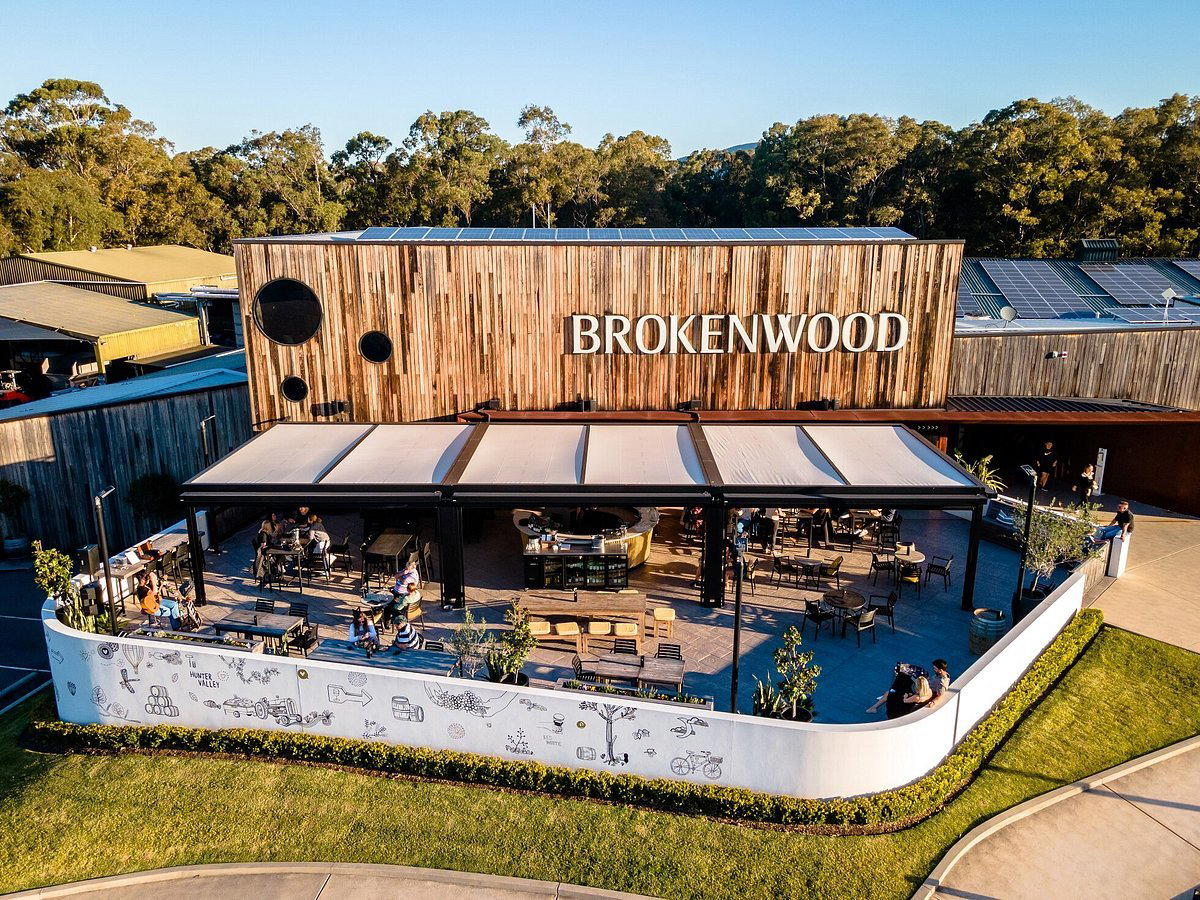
Brokenwood is worth prioritising as a wine-first Pokolbin anchor, especially if the Hunter Valley itinerary needs one recognised cellar-door booking before adding smaller or more view-led stops. Do not treat it as a guaranteed food-pairing destination from the information available; plan a separate restaurant booking if lunch is central to the day.
Bonvin
Sion, Switzerland
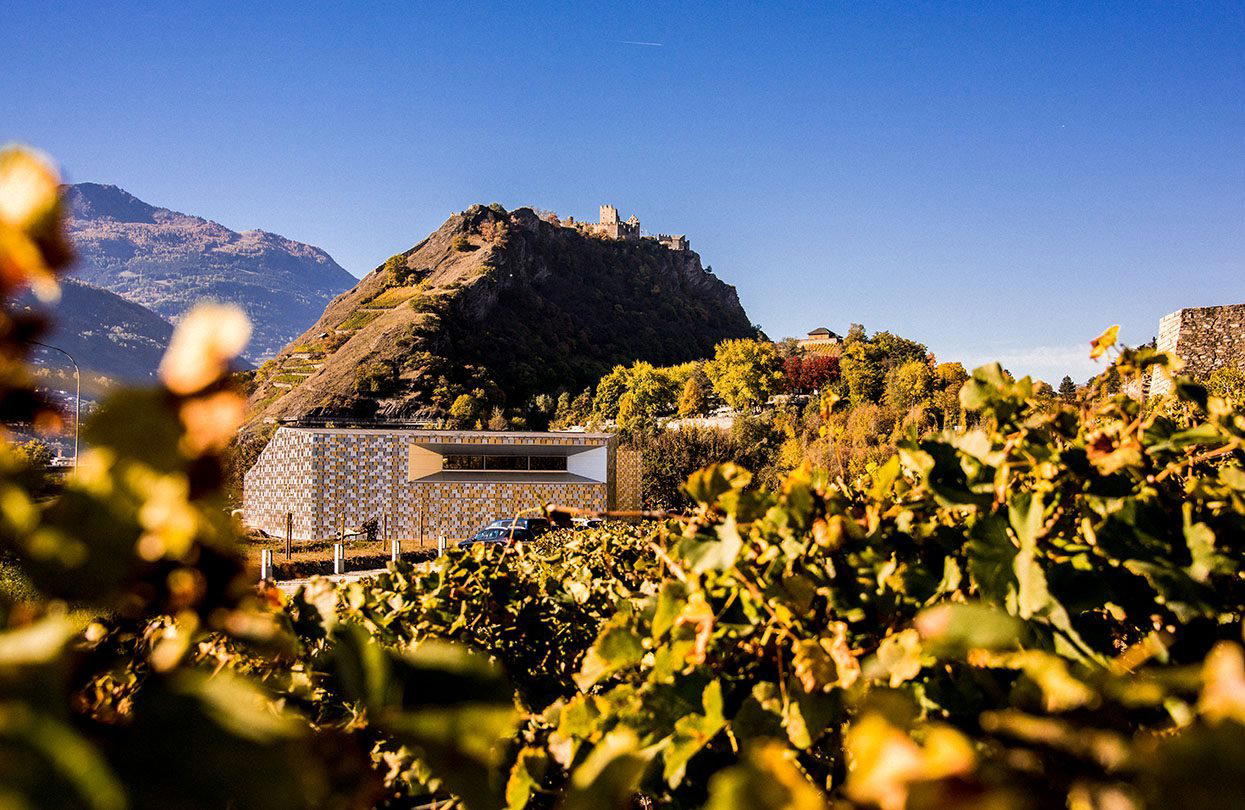
Bonvin is worth booking if the goal is a serious Valais wine stop with heritage, native grapes, and terraced-vineyard context. It suits visitors who want an education-led tasting in Sion more than a casual bar-style pour, with a stronger value case for drinkers already curious about Swiss regional varieties.
Domaine Ludovic Engelvin
Vic Le Fesq, France
Worth considering for a wine-focused Occitanie itinerary, especially for travelers using Falstaff recognition as a quality filter. Treat Domaine Ludovic Engelvin as a focused producer stop in Vic Le Fesq, not a full dining or hospitality plan, and confirm practical details before building the day around it.
Bisceglia
Lavello, Italy
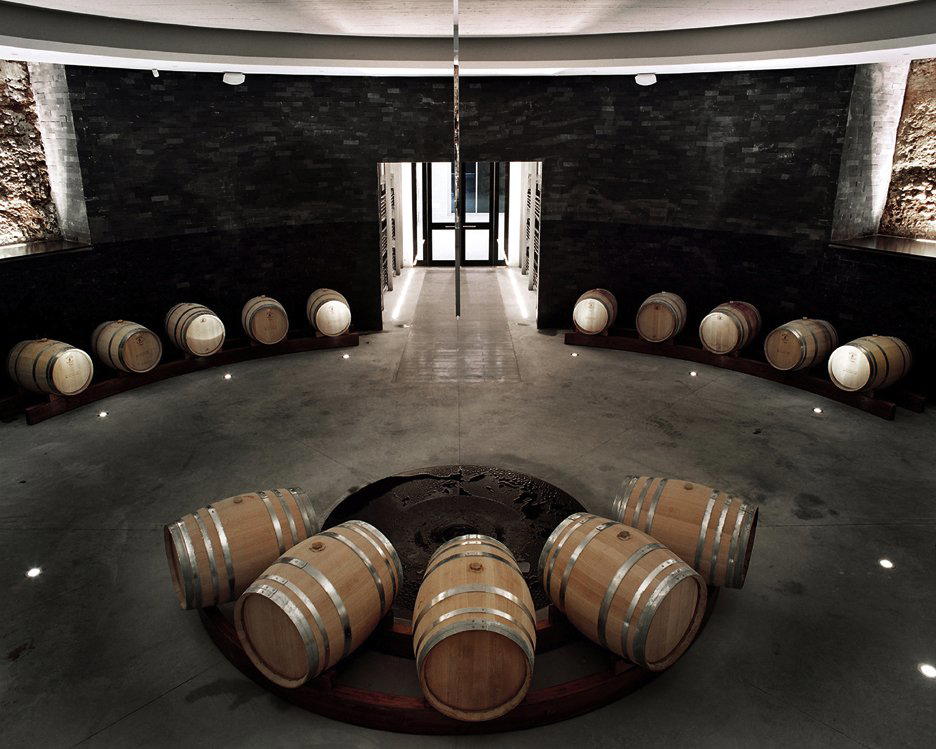
A modern Lavello winery for travelers who want a serious Aglianico del Vulture tasting rather than a rustic countryside stop. The $$ positioning keeps the visit approachable, while Falstaff Listed recognition in 2026 gives it a useful trust signal for wine-focused itineraries through Basilicata.
Domaine des Coteaux des Travers
Générac, France
A practical choice for a quiet, wine-focused stop in Générac, especially for a date, small celebration, or flexible weekend itinerary. Falstaff Listed (2026) gives it a useful recognition signal, but treat the visit as winery-led rather than food-led unless a pairing or dining format is confirmed in advance.
Boscaini Carlo
Sant'Ambrogio di Valpolicella, Italy
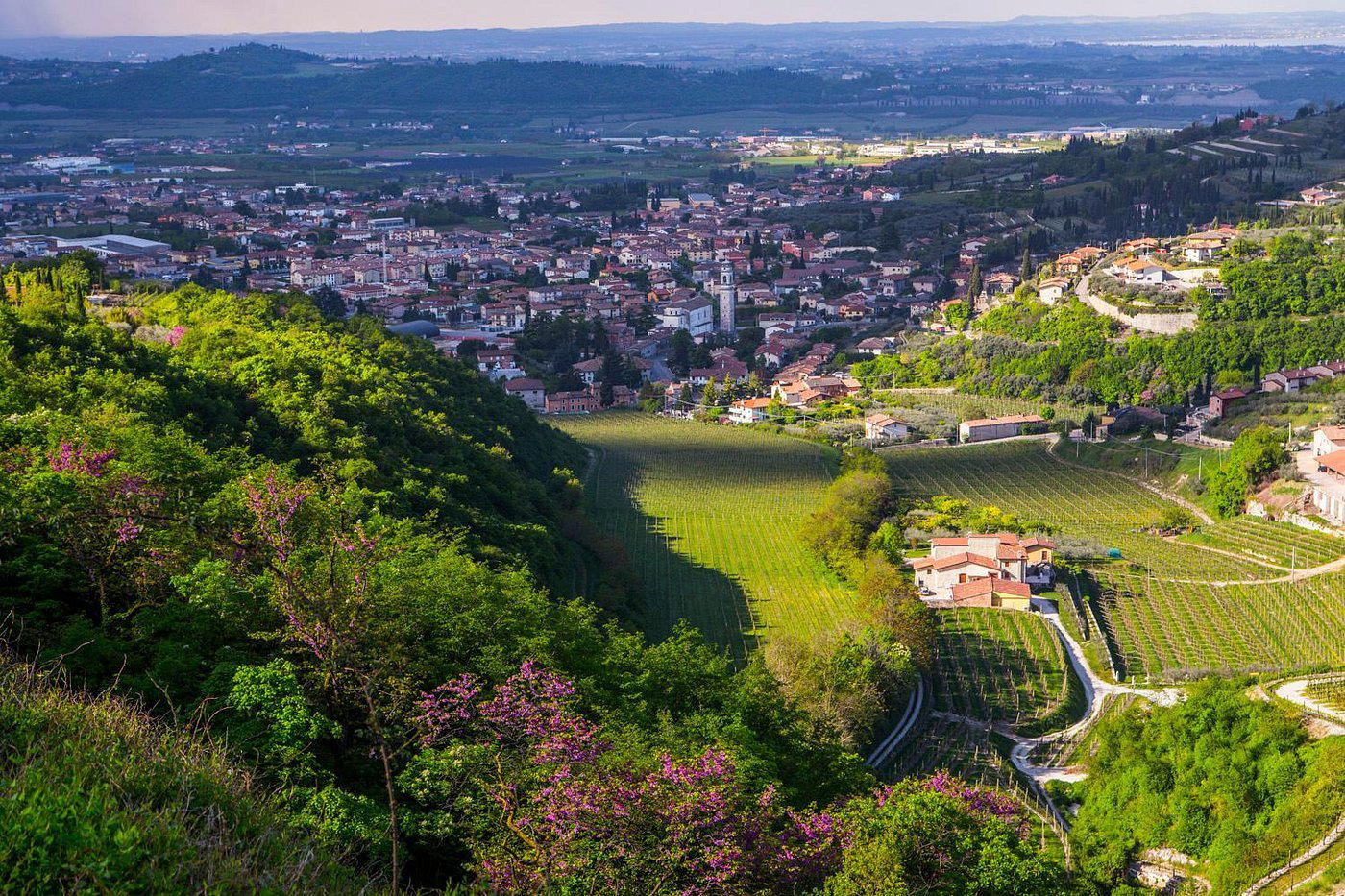
Compared with more polished Valpolicella tasting rooms, Boscaini Carlo is better for a personal, family-run cellar visit than a luxury wine-tour production. Go for estate-grown Valpolicella styles, direct buying, and an intimate tasting-room format; choose elsewhere if the occasion needs formal pairings, large-group hosting, or a membership-style allocation model.
Chateau Vessière
Saint Gilles, France
Chateau Vessière is a practical Saint Gilles winery stop for travelers who want a lighter Occitanie tasting day rather than a heavily programmed cellar visit. The main trust signal is its Falstaff Listed status for 2026; plan it as part of a local wine route, with meals and hotels chosen separately.
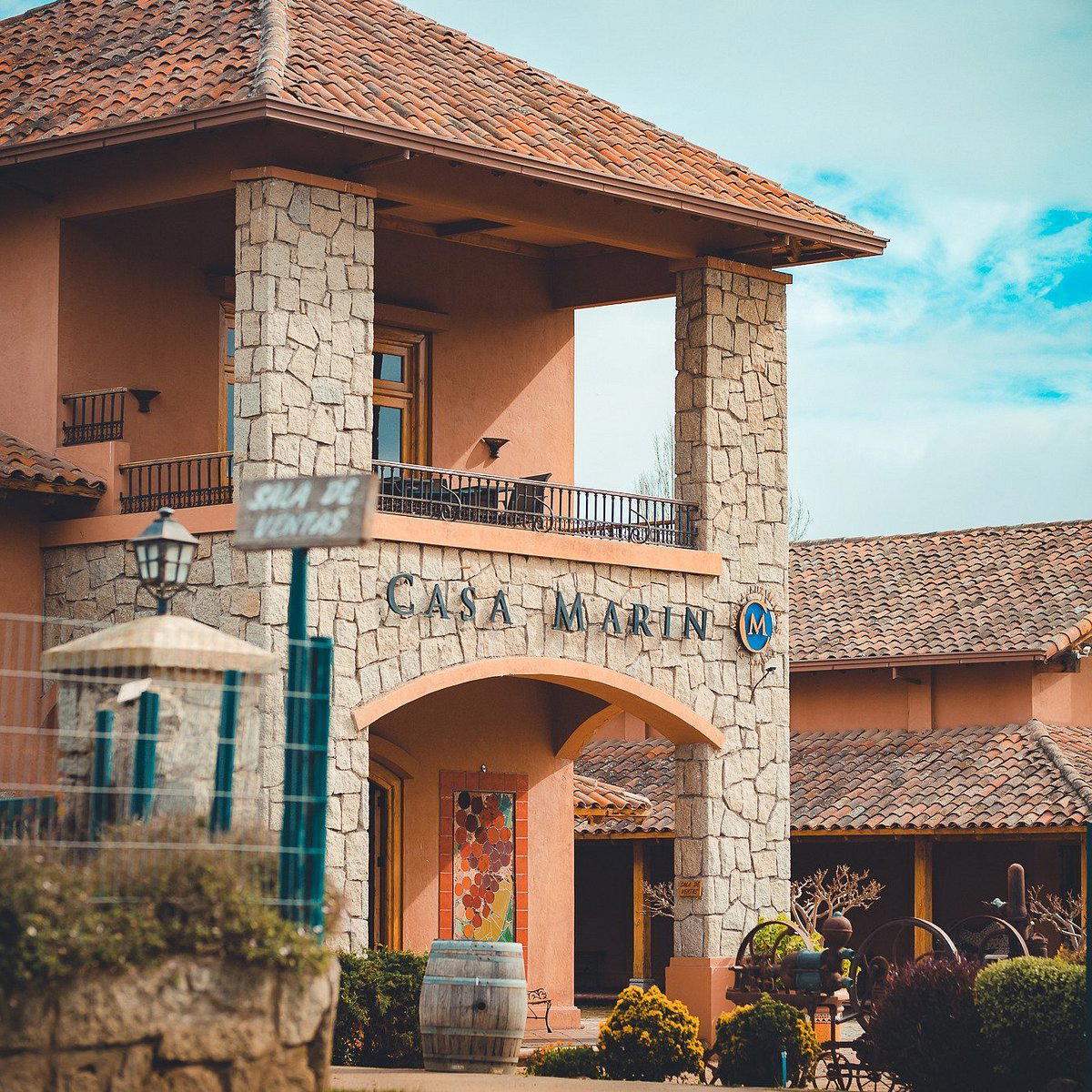
Casa Marín
Lo Abarca, Chile
Casa Marín is worth planning as the anchor stop for a Lo Abarca wine day, especially for couples or small groups treating the visit as a special occasion. It is less suitable for travelers who need drop-in certainty, published food details, or an easy multi-stop circuit without advance coordination.
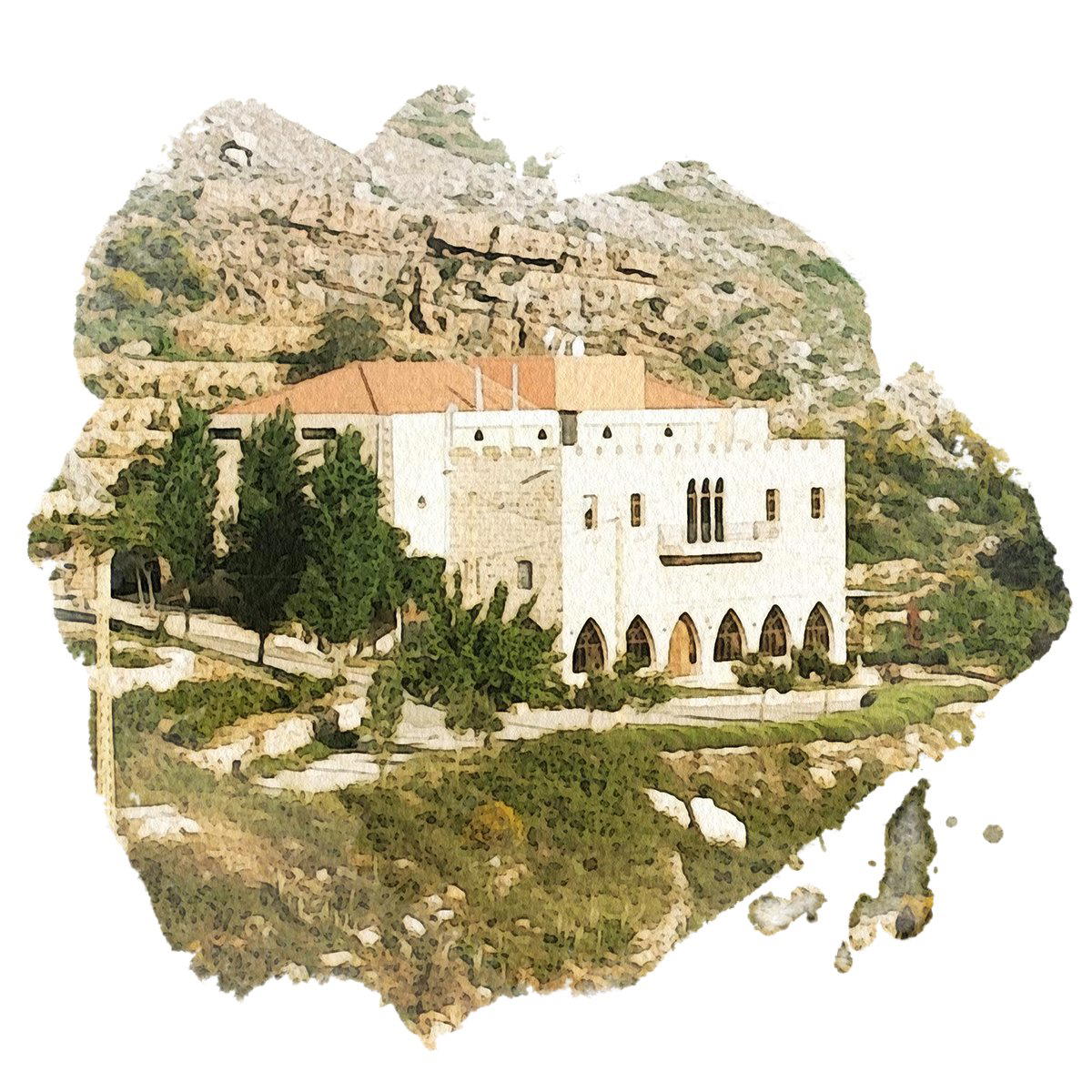
Château Cana
بحمدون, Lebanon
Château Cana is worth prioritizing for a serious Bhamdoun winery stop, especially if awards credibility matters more than a fully scripted hospitality day. Its World's 50 Best Vineyards #48 listing in 2021 gives it weight, but the practical play is to confirm logistics before building the day around it.
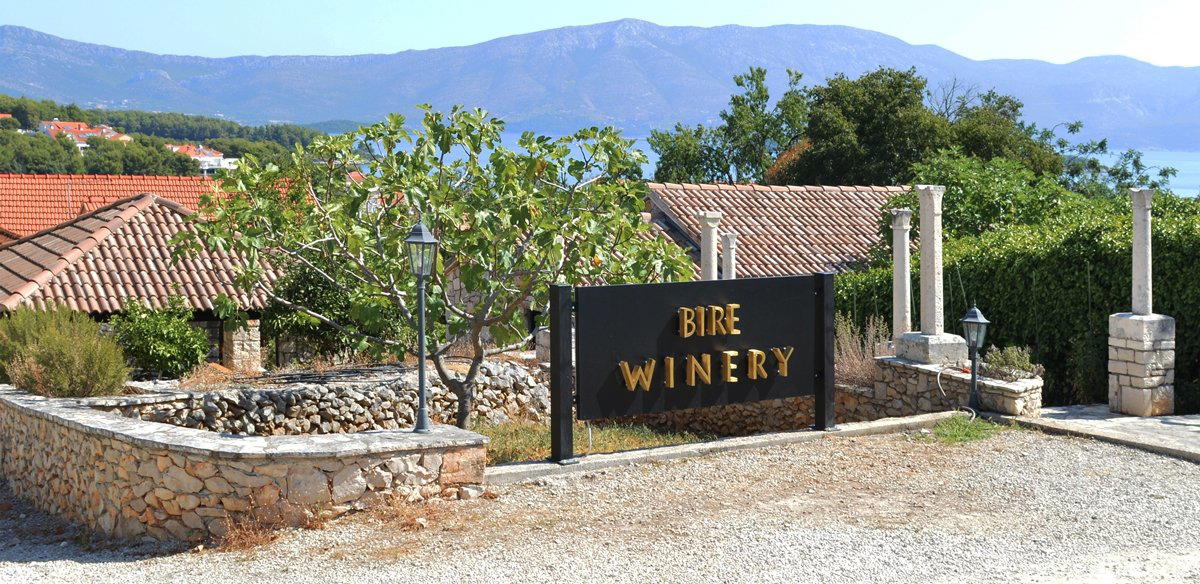
Bire Winery
Lumbarda, Croatia
Plan Bire Winery as an easy Lumbarda tasting stop when the setting is part of the draw. Falstaff listing in 2026 gives it a credible quality signal, but the smarter expectation is relaxed island wine time rather than a heavily structured, price-fixed cellar visit.
Forster Weinbau
Weinfelden, Switzerland
Forster Weinbau is worth booking if you want a relaxed, place-driven Thurgau cellar-door visit rather than a formal winery showcase. The draw is the hillside family-estate setting above Weinfelden, a broad range from Müller Thurgau and Pinot Noir to resistant varieties, and local credibility through its 2026 city-wine role.
Domaine de la Roche 1859
Dardagny, Switzerland
Domaine de la Roche 1859 works for a Dardagny wine-focused outing, especially if the goal is to taste before deciding what to buy. It is less useful for readers seeking a confirmed food program, published bottle hierarchy, or a fully specified tasting format before planning.
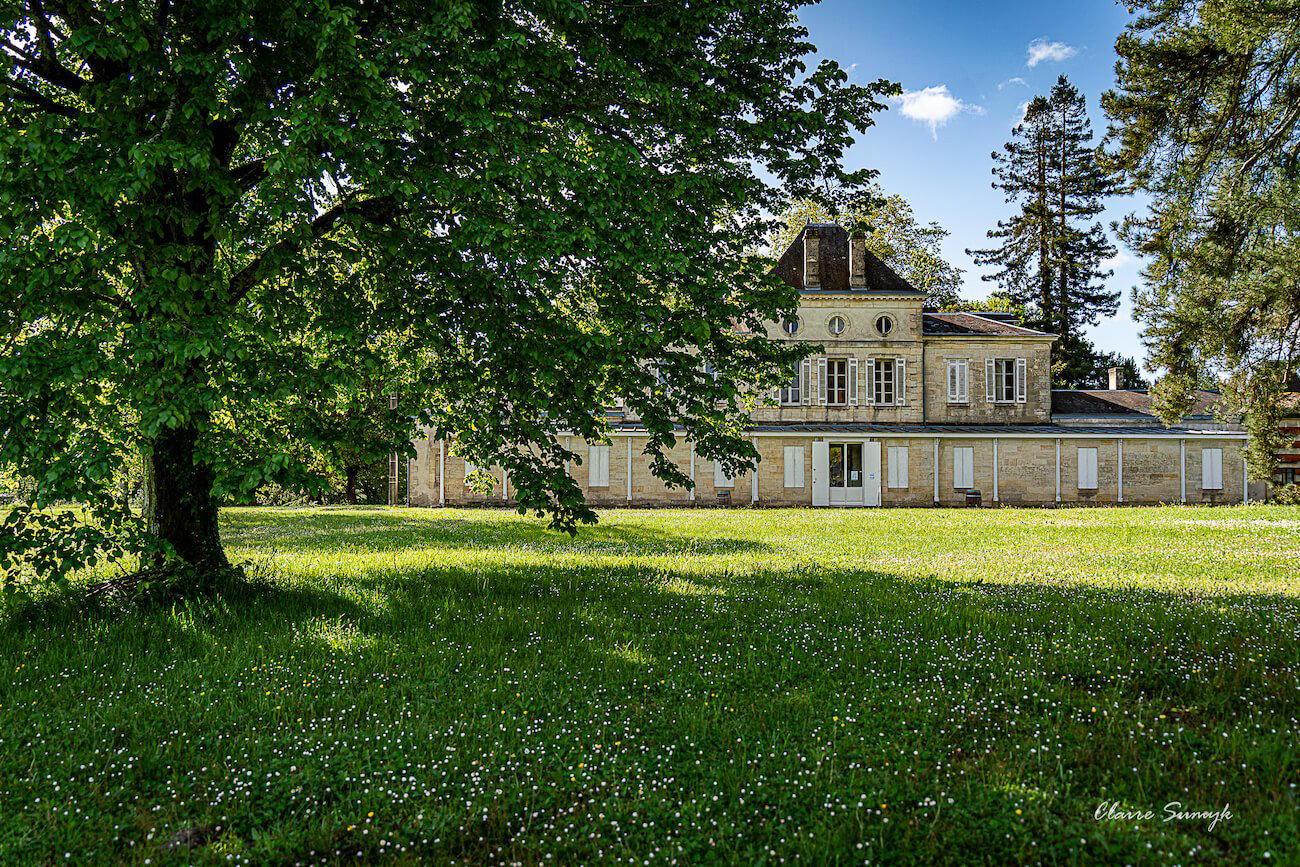
Château Haut Nouchet
Martillac, France
A quiet, nature-forward Pessac-Léognan estate that is strongest for return visitors who want a slower tasting with food pairings rather than a quick pour. Book it for the guided formats, sustainable farming context, and relaxed Martillac setting, especially if a picnic or pairing-led visit fits the day.
Domaine Angelrath
Le Landeron, Switzerland
Shortlist Domaine Angelrath if the goal is a focused Le Landeron winery stop with credible outside recognition rather than a destination tasting built around food or elaborate hospitality. Its Falstaff 2026 listing makes it more compelling than an unknown producer, but plan it as part of a wider regional wine day.
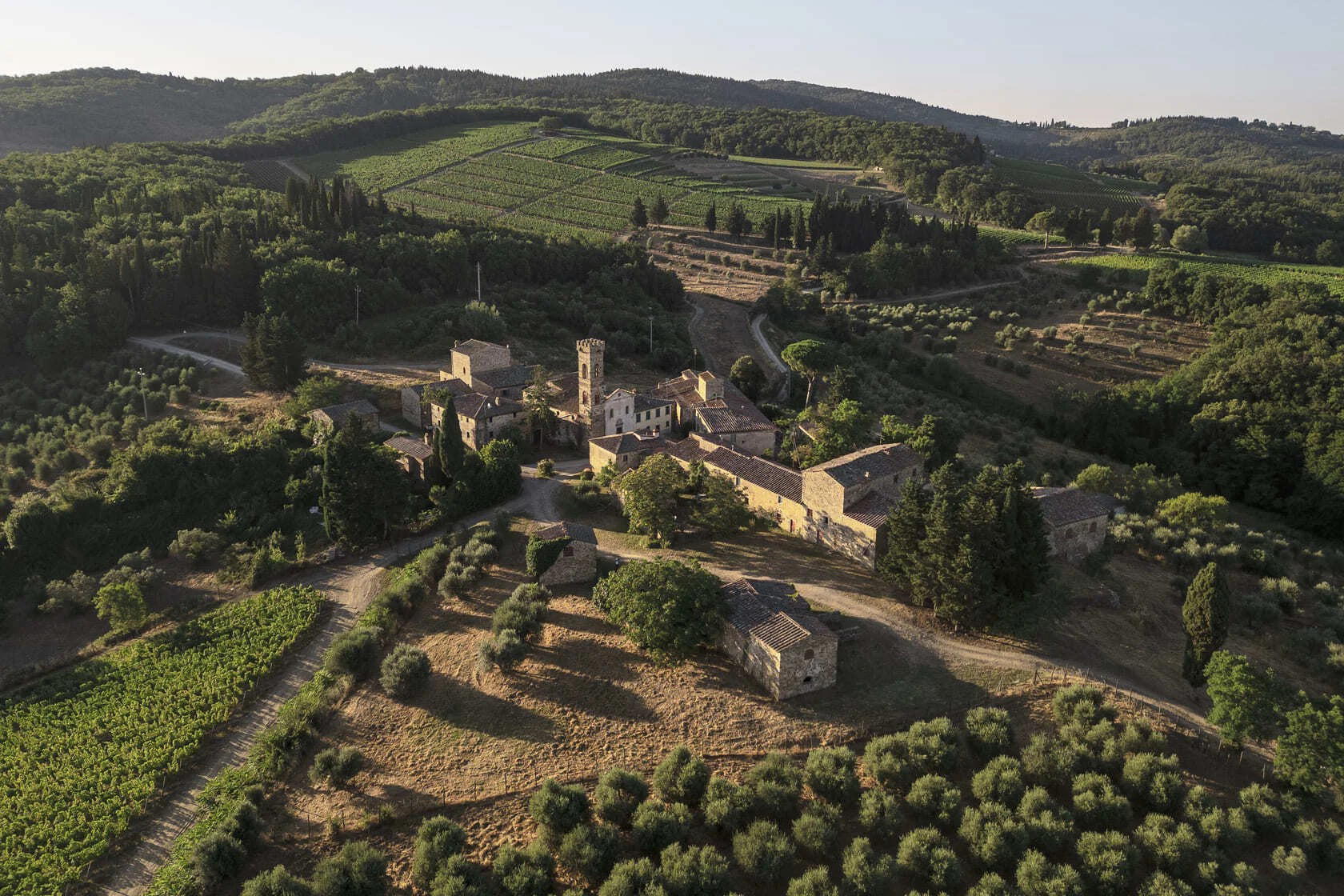
Isole e Olena
Barberino Tavarnelle, Italy
Isole e Olena is worth prioritizing if the purpose of the stop is serious wine assessment, not a casual tourism add-on. Booking difficulty is the main drawback, so it suits couples, collectors, and small special-occasion groups who can plan around availability.
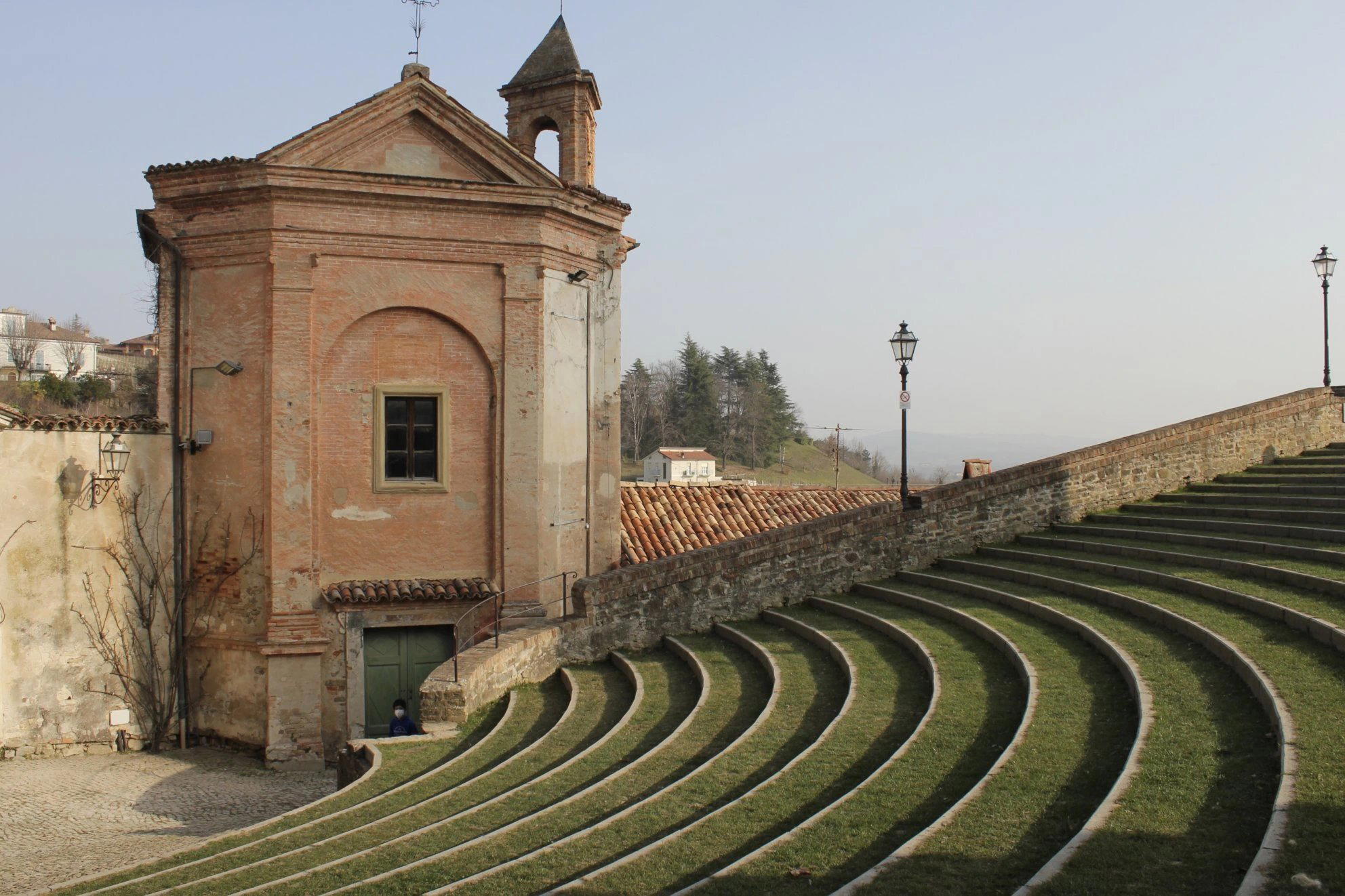
Azienda Agricola Giacomo Fenocchio
Monforte d'Alba, Italy
Azienda Agricola Giacomo Fenocchio is worth prioritizing if the trip is built around Monforte d’Alba wine producers rather than casual tasting-room hopping. It suits Barolo-focused travelers who want a quieter, cellar-led stop; plan meals, timing, and surrounding appointments separately.
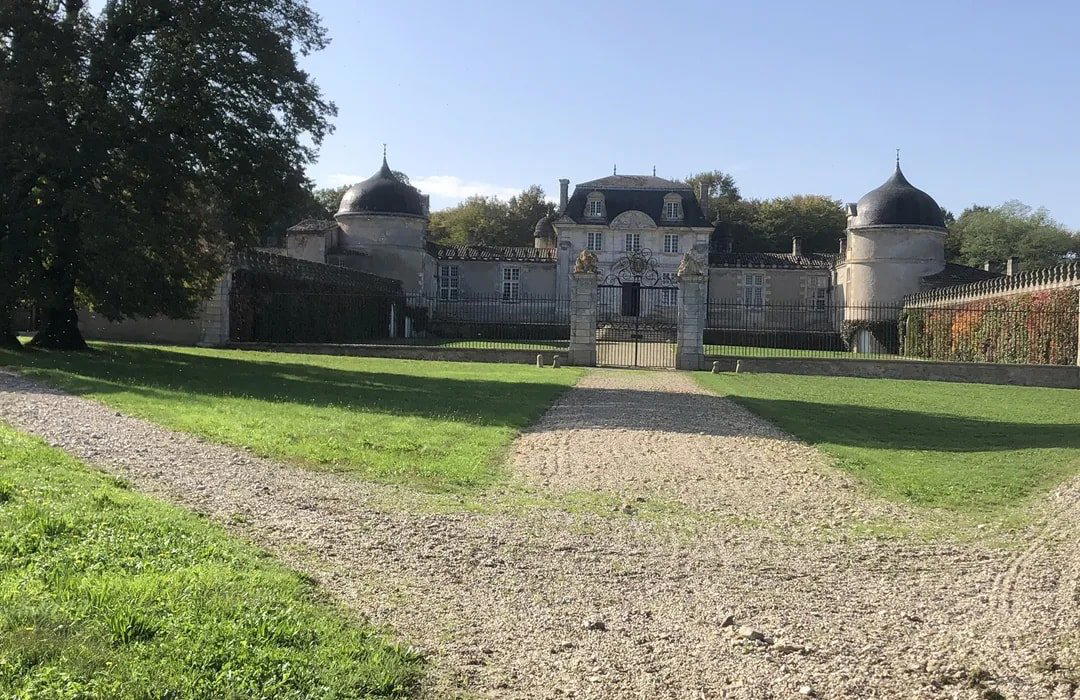
Château de Fargues
Fargues, France
Château de Fargues is a strong choice for serious Sauternes drinkers who want estate depth rather than a casual tasting stop. Prioritize it if the 1943 first vintage, Comte Alexandre de Lur Saluces connection, and cellar-buying context matter more than food, flexible hours, or an easy visitor format.
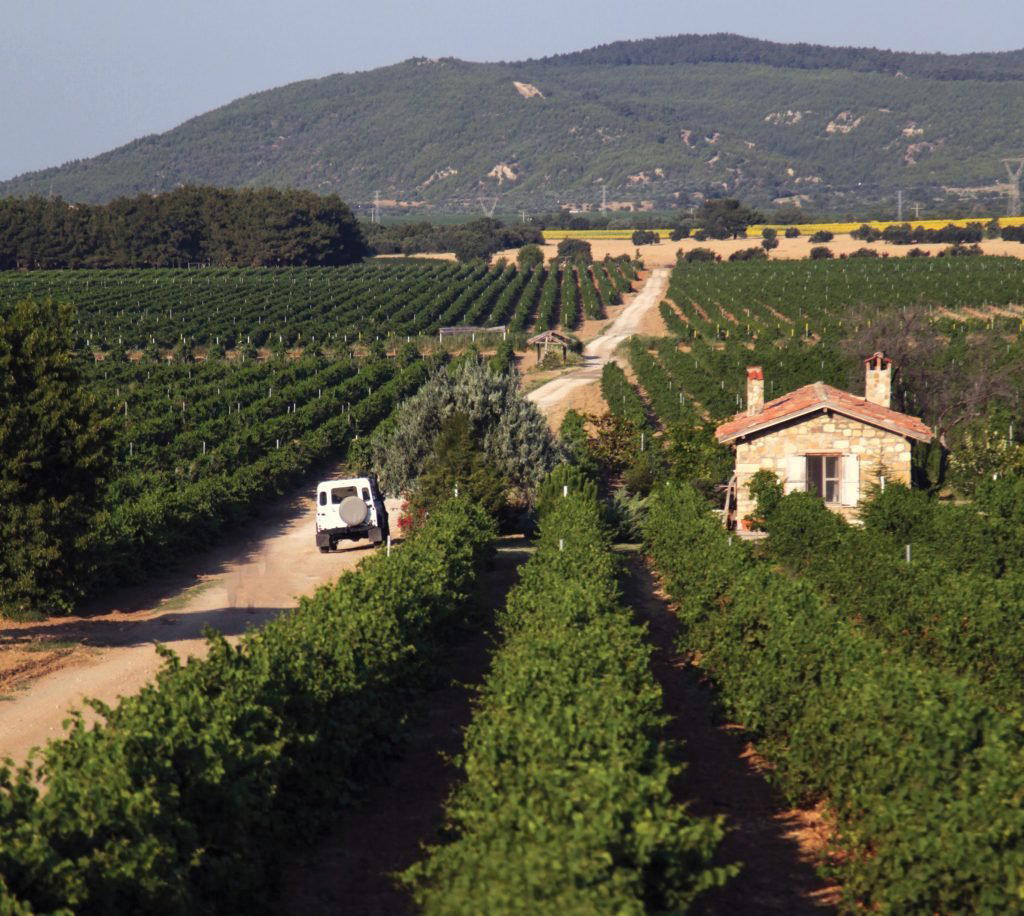
BÜYÜLÜBAĞ
Istanbul, Turkey
A sensible Istanbul wine stop for travelers who want Turkish-wine context without chasing a hard booking. BÜYÜLÜBAĞ has a 2026 Falstaff listing, which makes it worth considering, but join any club or allocation only after seeing clear pricing, shipping, and release terms.
Corteforte
Fumane, Italy
Corteforte is worth booking if you want a small-scale Valpolicella estate with Amarone at the centre of the visit and a historic countryside setting around it. The draw is the combination of 4.5 hectares, traditional appassimento production, agritourism rooms, and a quiet 15th-century fortified court rather than a large, fast-moving tasting operation.
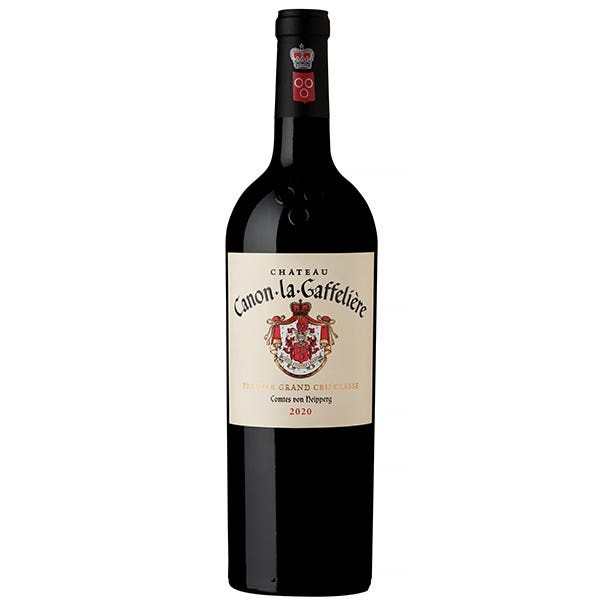
Château Canon La Gaffelière
Saint-Émilion, France
Book Château Canon-la-Gaffeliere if the goal is serious Saint-Emilion context rather than an easy tasting stop. It is a better fit for collectors and wine-focused travelers than casual groups, with access best treated as difficult and timing-led. Cross-shop Château La Gaffelière or Château Larcis Ducasse if convenience matters more.
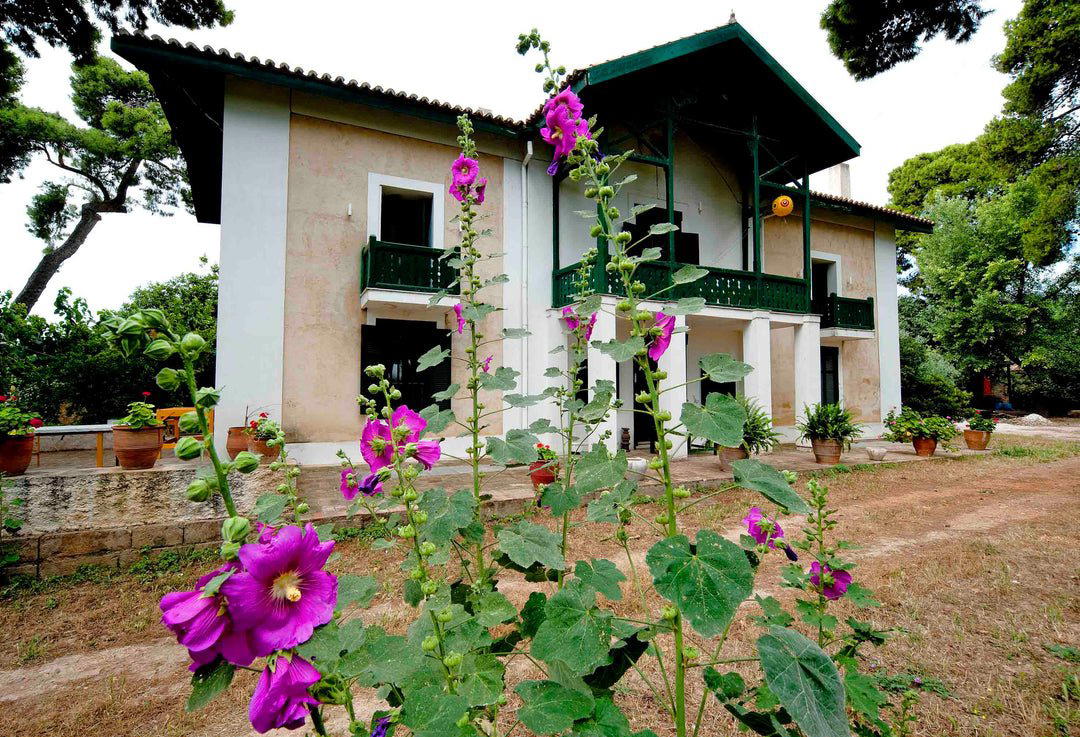
Boutari Wineries Roxani Matsa
Kantza, Greece
Book this for a quiet, heritage-led Attica winery visit centered on estate-grown Malagouzia. It suits small celebrations, dates, and wine-focused groups who want provenance and conversation more than a walk-in tasting bar or broad flight format. Appointment-only access means it rewards planning.

Blancjat
San Vito Al Tagliamento, Italy
Book Blancjat if the appeal is organic Friulian wine with a calm estate feel and enough range for both casual drinkers and natural-wine fans. The strongest value is in the spread from Prosecco DOC Bio and Ribolla Gialla to textured Pinot Grigio orange and ramato styles, especially for a date, small celebration, or thoughtful tasting stop.
Bioweingut Heideboden - Martin Kaintz
Frauenkirchen, Austria
A practical Frauenkirchen winery pick for visitors who want a focused Burgenland stop rather than a heavily produced tasting. The 2026 Falstaff listing is the main quality signal, but details such as pricing, hours, and visit format should be confirmed before making it the anchor of a day in the Heideboden area.
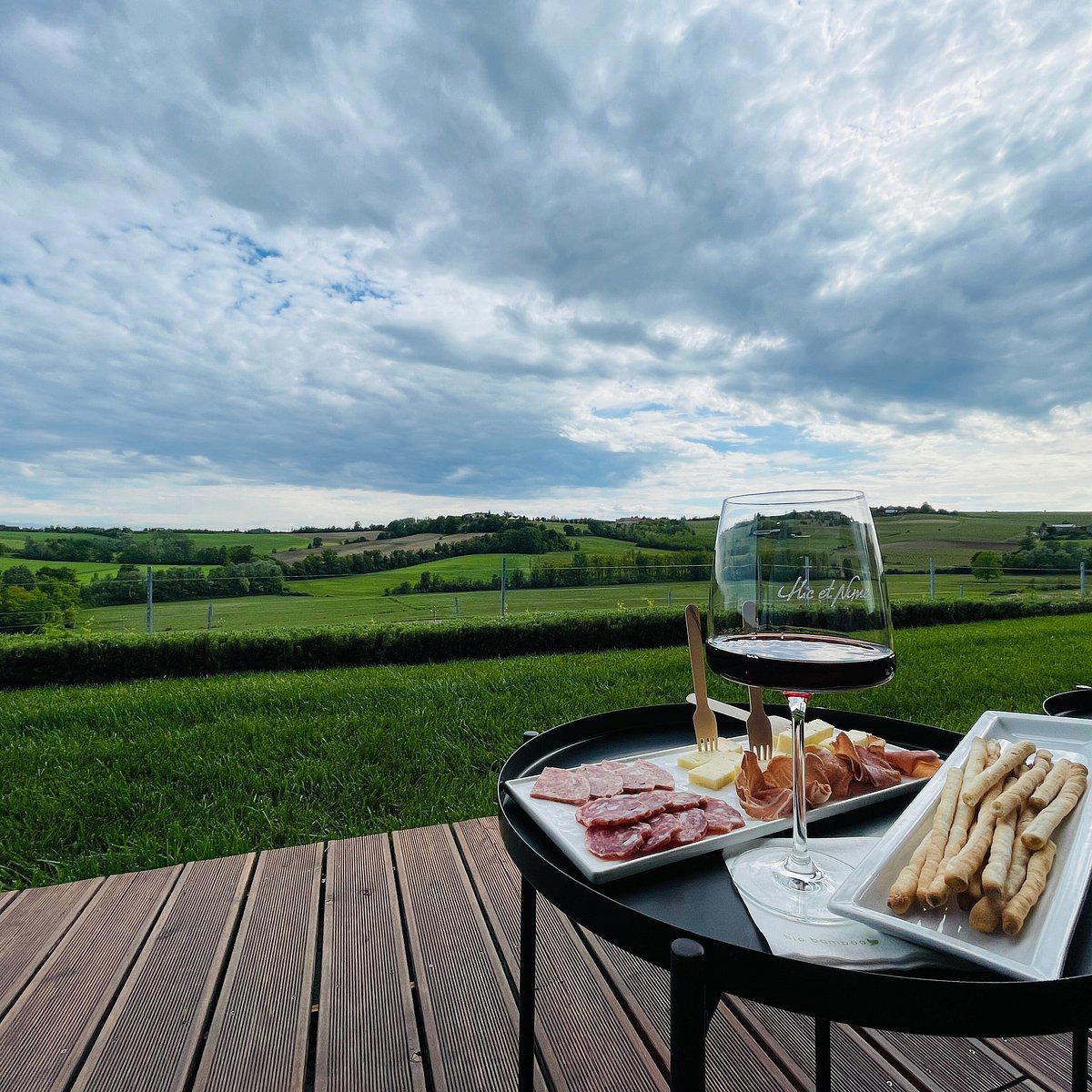
Cantina di Casorzo
Casorzo Monferrato, Italy
Cantina di Casorzo is a smart-value cooperative winery stop in Casorzo Monferrato, strongest for visitors who want range, local context, and a relaxed tasting room rather than luxury polish. Book it for Malvasia di Casorzo, Barbera, Ruchè, regional pairings, and a grounded look at Piedmontese cooperative winemaking.
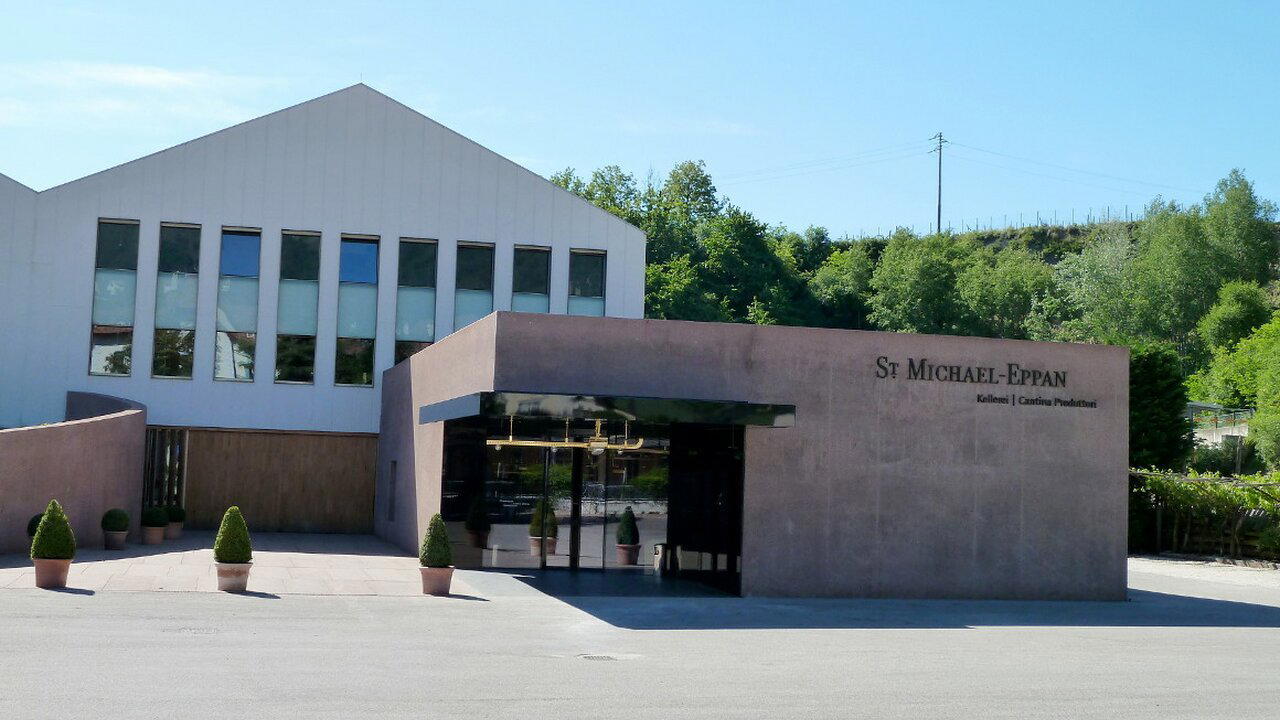
Bergmannhof
Eppan, Italy
Bergmannhof is worth booking for a quiet, family-run South Tyrolean winery visit with vineyard context rather than a large tasting-room production. The value is strongest for travellers who want to understand Eppan through estate-grown wines, family continuity, and an independent producer lens.
Eschenhof Holzer
Gro Riedenthal, Austria
Book Eschenhof Holzer if the plan is a wine-focused Wagram stop with more depth than a casual tasting room visit. Its Falstaff Listed recognition gives it a useful trust signal, but confirm tasting format, group size, food availability, and purchasing options before making it the anchor of the day.
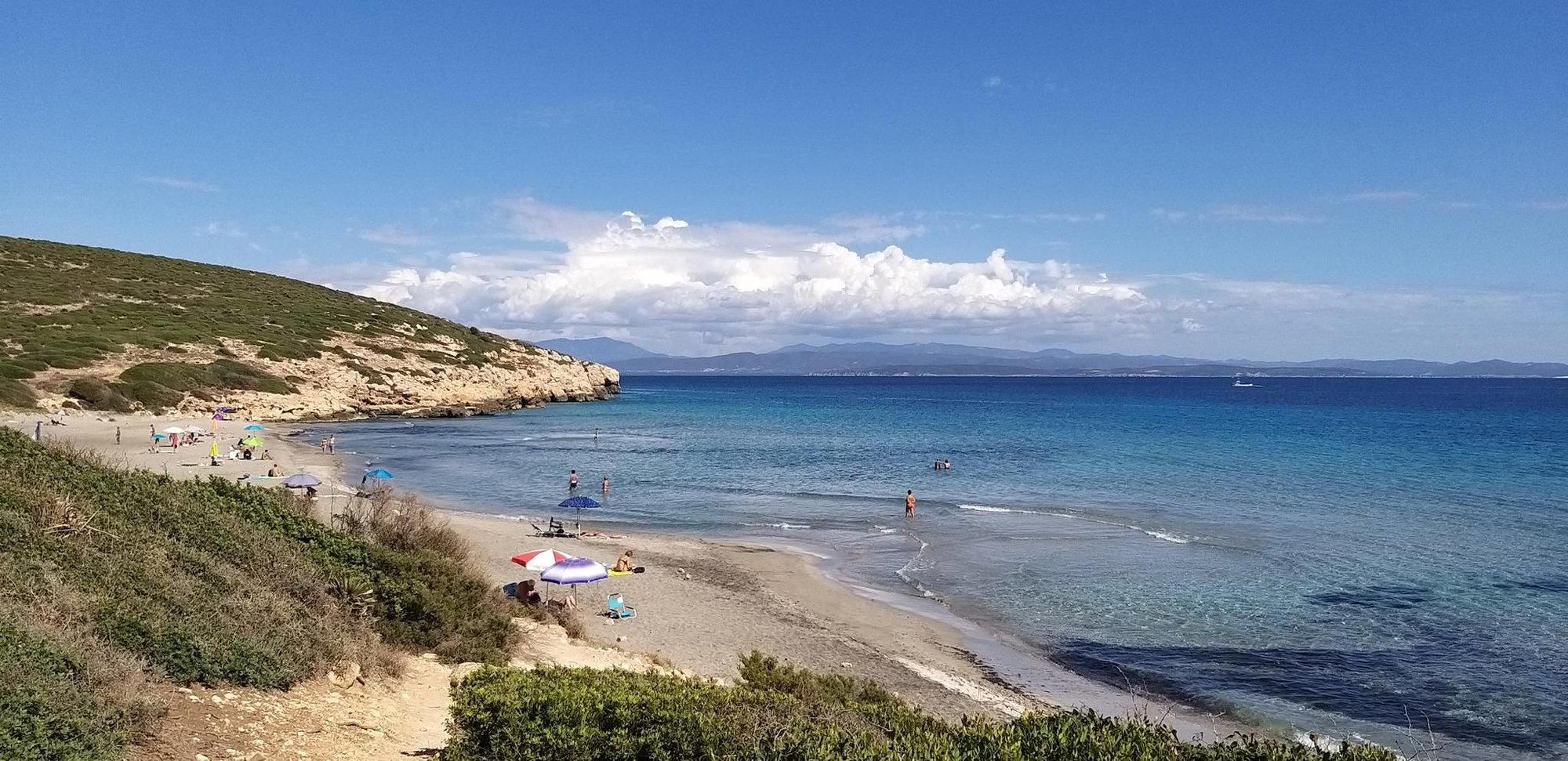
Cantina di Calasetta
Calasetta, Italy
Book Cantina di Calasetta for a practical, heritage-led look at Sulcis wine rather than a luxury tasting-room experience. The strongest reason to go is Carignano del Sulcis context, backed by a 1932 cooperative history, $$ pricing, casual dress, easy booking, and Falstaff recognition in 2026.
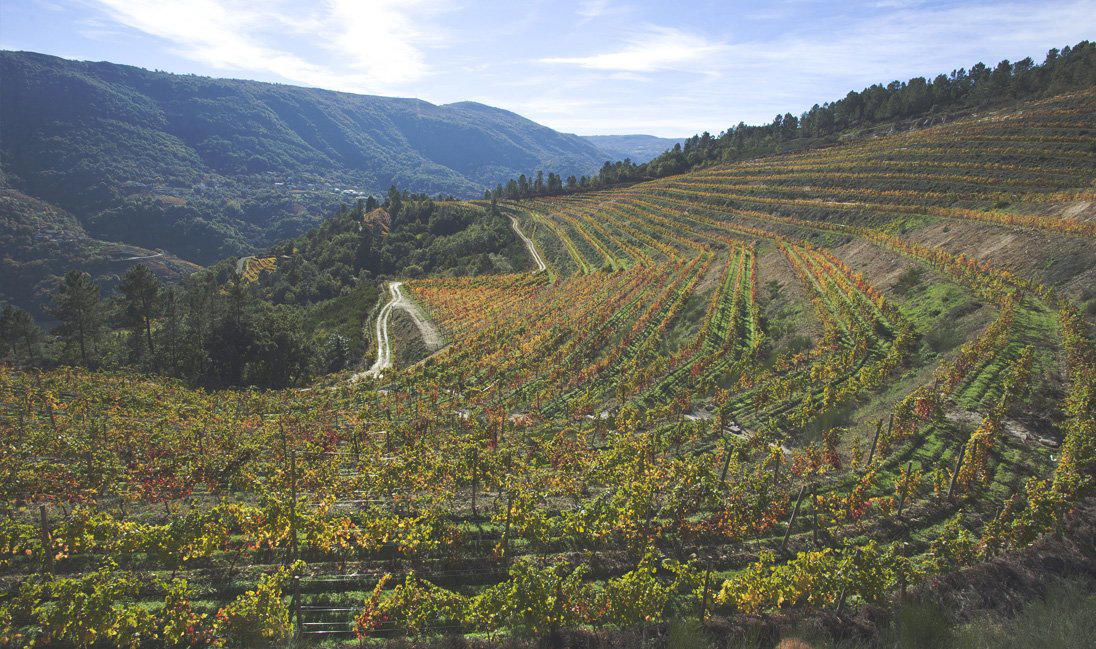
Bodegas Gallegas
Ourense, Spain
Book Bodegas Gallegas if you want a broad Galician wine overview from one family-run group rather than a tiny single-estate tasting. The value is in its reach across Rías Baixas, Ribeiro, and Ribeira Sacra, with native varieties like Albariño, Godello, Treixadura, and Mencía giving the visit real regional context.
Domaine de Mairan
Puisserguier, France
Domaine de Mairan is worth a stop if the plan is a relaxed, family-run Languedoc tasting rather than a high-production winery visit. Focus on the Chardonnay, the Cabernet-led red blend, and the Grenache Gris rosé to decide what earns suitcase space; the 2026 Falstaff listing and Hachette Wine Guide presence give the estate useful credibility at a modest price point.
Champagne Gonet-Médeville
Bisseuil, France
Book Champagne Gonet-Médeville if you want a focused Champagne stop in Bisseuil and are comfortable confirming the visit before planning around it. It is better suited to wine-focused travelers than to guests looking for a restaurant-style tasting room or a fully structured hospitality experience.
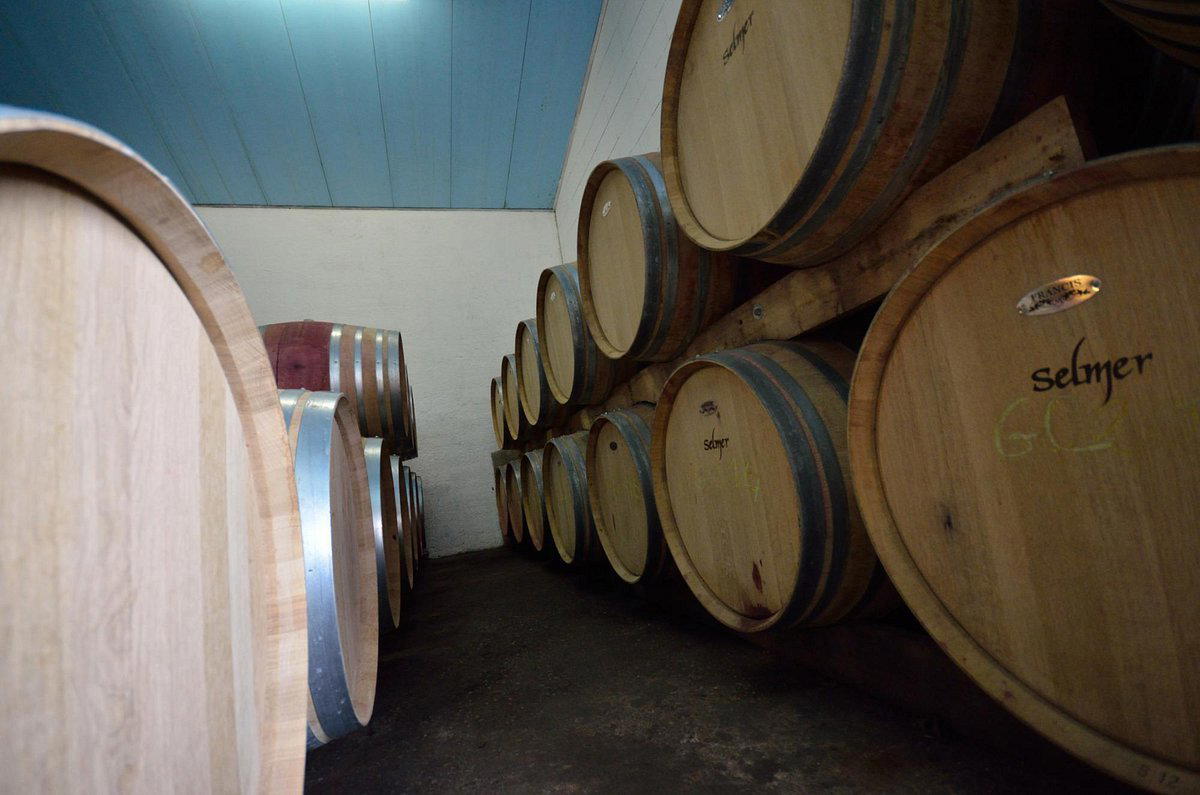
Château Clos St. Emilion Philippe
Saint-Émilion, France
A cautious yes for wine-focused Saint-Émilion planning, especially if the goal is to assess bottles rather than book a full hospitality experience. Confirm the estate’s main wine, shipping options, group suitability, food availability, and visit length before building a celebration around it.
Overview
The 2026 Falstaff Winery Guide is an authoritative global directory and ranking of 14,380 wineries, curated annually by Falstaff magazine. It highlights excellence in winemaking, regional diversity, and innovation, serving as a key resource for wine professionals, collectors, and enthusiasts worldwide.
Founded in 1997, the Falstaff Winery Guide has become an indispensable resource in the wine industry, renowned for its rigorous tasting protocols and expert evaluations. The 2026 edition expands its scope to include 14,380 wineries across all major wine-producing regions, reflecting evolving trends and emerging terroirs. This guide not only ranks wineries by quality but also provides in-depth profiles, making it essential for anyone seeking comprehensive insight into contemporary global viniculture.
For wine aficionados and industry insiders alike, the 2026 Falstaff Winery Guide represents the pinnacle of wine evaluation and discovery. Spanning thousands of wineries worldwide, this guide offers an unparalleled snapshot of the current winemaking landscape; highlighting both venerable estates and innovative newcomers. Pearl’s curated presentation of this extensive list empowers you to explore, compare, and plan your next wine journey with confidence and nuance.
Quick Facts
- Publisher
- Falstaff
- Year
- 2026
- Coverage
- Global – over 30 wine regions
- Items
- 14,380 wineries
- Frequency
- Annual
About This Edition
The 2026 edition of the Falstaff Winery Guide stands out for its unprecedented breadth and inclusivity, featuring 14,380 wineries; an all-time high. This reflects Falstaff’s commitment to embracing emerging wine regions and sustainable practices. New categories spotlight biodynamic and organic producers, while enhanced tasting methodologies ensure the guide remains the gold standard for accuracy and relevance in an ever-evolving industry.
Frequently Asked Questions
What is 2026 Falstaff Winery Guide?
How are honorees selected?
How often is this list updated?
How can I find these on Pearl?
How many of these have you visited?
Find out on Pearl and keep score across every place in 2026 Falstaff Winery Guide.