
Casa Marín
Lo Abarca
Winery in Lo Abarca, Chile
 Book with Pearl
The Read
Pacific-Driven Coastal Viticulture
Why go
Casa Marín is worth planning as the anchor stop for a Lo Abarca wine day, especially for couples or small groups treating the visit as a special occasion. It is less suitable for travelers who need drop-in certainty, published food details, or an easy multi-stop circuit without advance coordination.
About Casa Marín
Casa Marín is a Lo Abarca venue with a smart casual dress code and Pearl 2 Star Prestige recognition for 2025. Plan around the basics rather than assuming a specific format, service, menu, schedule, or visit style.
For a special-occasion plan, the safest approach is to treat Casa Marín as a deliberate Lo Abarca stop and confirm current arrangements directly before you travel. Do not rely on assumptions about hours, capacity, food, drinks, reservations, or group handling.
Plan this as the anchor stop, not around assumptions
The practical verdict is simple: if Casa Marín is the reason for visiting Lo Abarca, give the stop enough time and confirm details in advance. Casa Marín does not establish public hours, a specific service format, pricing, or walk-in access, so planning ahead is the more reliable move.
For celebration planning, the key aspects are the Lo Abarca setting, smart casual dress code, and Pearl 2 Star Prestige recognition for 2025. Beyond that, keep expectations flexible unless Casa Marín has confirmed the details directly.
Use Lo Abarca as the frame, then compare outward
If the goal is to decide whether Casa Marín belongs in a wider itinerary, use Lo Abarca as the starting point and compare based on basics. Casa Marín is the named Lo Abarca venue; other local dining or hospitality options should be checked separately for current details.
Cross-shopping can still help with planning style. Bodegas RE, Casas del Bosque, Viña Chocalán, Viña Tarapacá, and Viña Undurraga are other venues to consider when comparing possible stops, while Casa Marín remains the Lo Abarca focus.
Planning details
- Location
- Camino Lo Abarca s/n, Cartagena, Valparaíso
- Website
- casamarin.cl
- Phone
- +56 9 8777 6786
The take
The Take
The Vibe
Casa Marín reads like a coastal laboratory: Pacific fog and wind shape grapes that ripen slowly and develop tense, mineral-driven profiles. The writing emphasizes small-scale, precision-focused production rather than volume, and the estate’s placement in the cold, windy San Antonio Valley gives the wines a lean, chiselled edge. The vineyard setting, low-yield vines and critical recognition position Casa Marín as a thoughtful, terroir-forward producer. Visitors who value wines born of maritime influence and exacting farming will find the atmosphere quietly serious and strongly rooted in place.
Best For
This is a stop for people who care about terroir and technique—educators, curious solo tasters and anyone marking a special occasion with something distinctively Chilean. The copy highlights the winery’s Pearl Prestige recognition and the coastal argument in Chilean wine, signaling a tasting experience that rewards attention to nuance and vintage variation. It’s well suited to deliberate tastings where the conversation centers on maritime influence, mineral texture and structural tension rather than flashy fruit or high-volume branding.
Tasting Tips
Focus your tasting on expressions that showcase the Pacific influence: look for wines described with mineral sharpness, tension and slow ripening. The text specifically cites the estate’s 2025 Pearl 2 Star Prestige recognition—ask staff about those prestige-designated bottlings or recent vintages that illustrate consistency across years. When discussing bottles, bring attention to the effect of afternoon fog and thermal amplitude; those details are central to how Casa Marín frames its wines and will guide any recommended pours.
Venue details
Ambiance
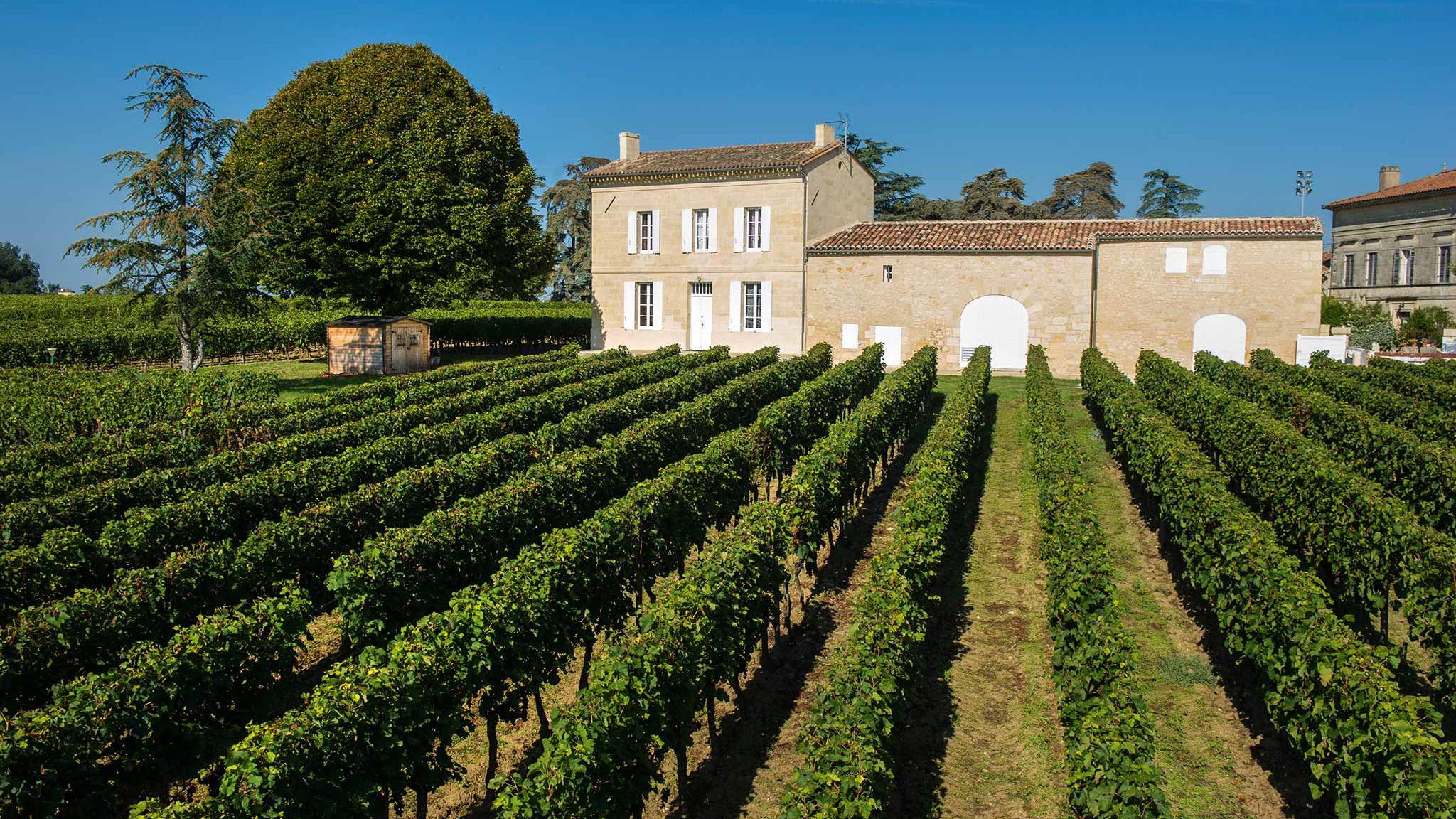
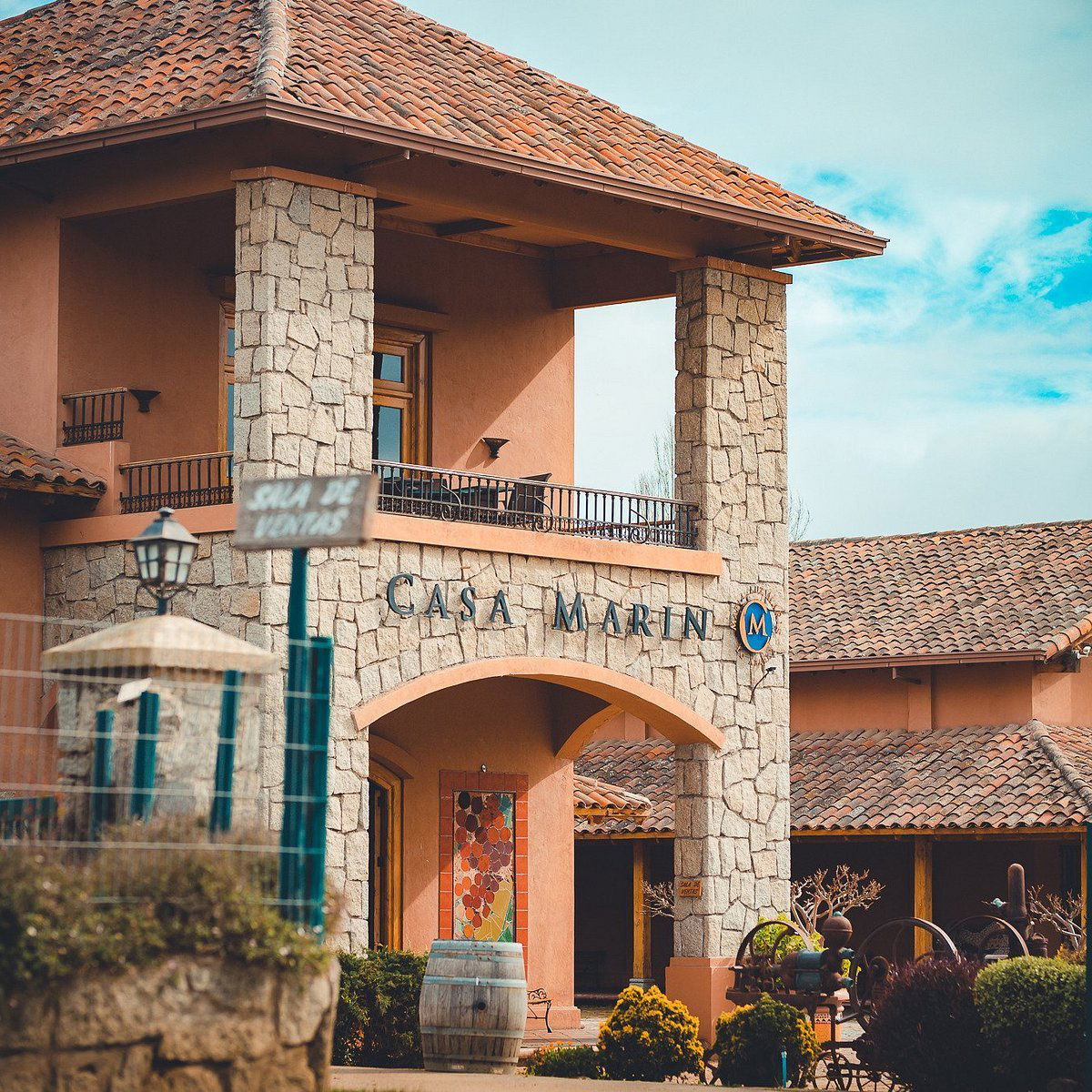
Colonial-style facility with Chilean clay tiles and mosaics, offering a tranquil, elegant atmosphere amidst hillside vineyards with ocean-influenced cool microclimate.
Tags
Vibe
Best For
Experience
Sourcing
View
At the Vineyard
- Appellation
- D.O. Lo Abarca
- Varietals
- Sauvignon Blanc, Pinot Noir, Sauvignon Gris, Syrah, Riesling
- Tour Duration
- 60-90 minutes
- Tour Languages
- Spanish, English
- Visits
- By reservation
- Farming
- Sustainable
- Production
- Boutique
- Wine Styles
- Still White, Still Red, Still Rose, Sparkling
- Food Pairing
- Offered
- Wine Club
- Not available
Know before you go
Know Before You Go
- Getting there
- Camino Lo Abarca s/n, Cartagena, Valparaíso
Planning details
Location
Recognition and awards

Also consider
Also Consider
- Casas del Bosque, Notable alternative
- Bodegas RE, Notable alternative
- Viña Chocalán, Notable alternative
- Viña Undurraga, Notable alternative
- Viña Tarapacá, Notable alternative
Winery context
How it compares with nearby winery choices
Choose Casa Marín when the priority is a more deliberate Lo Abarca-focused visit rather than a broad, easy wine-route day. Casas del Bosque is the safer cross-shop for travelers who want a more established visitor circuit, while Casa Marín makes more sense when the occasion benefits from a quieter, destination-led feel.
Bodegas RE is the better alternative if the group wants a Casablanca-oriented day with a more familiar regional frame. Viña Chocalán, Viña Undurraga, and Viña Tarapacá are easier to justify for larger parties that need simpler logistics, clearer visitor infrastructure, or a more conventional winery-day format.
For value, the decision is less about a posted price and more about planning risk. Casa Marín is worth the extra coordination for a celebration or focused wine stop; pick Casas del Bosque or Bodegas RE if the day needs to run smoothly with less dependence on custom arrangements.
Explore Lo Abarca
Around this place
Discover more on Pearl
Unlock the full Casa Marín guide in Pearl, including awards, comparisons, FAQs, planning details, and nearby places.
Compare Casa Marín
| Venue | Location | Awards |
|---|---|---|
| Casa Marín | Lo Abarca | 2026 Falstaff Winery Guide |
| Casas del Bosque | Casablanca | 2025 World's 50 Best Vineyards · #422024 World's 50 Best Vineyards · #492023 World's 50 Best Vineyards · #372022 World's 50 Best Vineyards · #302021 World's 50 Best Vineyards · #412020 World's 50 Best Vineyards · #402019 World's 50 Best Vineyards · #30 |
| Bodegas RE | Casablanca | 2021 World's 50 Best Vineyards · #432020 World's 50 Best Vineyards · #322019 World's 50 Best Vineyards · #32 |
| Viña Chocalán | Maipo | 2026 Falstaff Winery Guide |
| Viña Undurraga | Talagante | No published awards |
| Viña Tarapacá | Isla de Maipo | No published awards |

How Casa Marín Lo Abarca compares with similar nearby venues.
FAQ
Frequently Asked Questions
Can Casa Marín handle large groups?
Group handling details are not available. Casa Marín is in Lo Abarca and has Pearl 2 Star Prestige recognition for 2025, but capacity and group handling should be confirmed directly with the venue.
When is the best time to visit Casa Marín?
Hours or seasonal timing are not provided. Visit planning should be based on current information from Casa Marín, and the location should be treated simply as Lo Abarca.
How long should I plan for a visit to Casa Marín?
Visit length or service format is not provided. If Casa Marín is a priority in Lo Abarca, allow enough flexibility and confirm timing directly before finalizing plans.
Are membership or special-program details for Casa Marín?
Do I need a reservation at Casa Marín?
Reservation requirements are not specified. Because no hours or access format are provided, contact Casa Marín directly before traveling to Lo Abarca.
What is Casa Marín best known for?
No menu, drink, or service specialty is listed. Key aspects include Casa Marín's Lo Abarca location, smart casual dress code, and Pearl 2 Star Prestige recognition for 2025.
Does Casa Marín serve food?
Food service details are not available. Do not plan around a meal unless Casa Marín confirms current service directly.