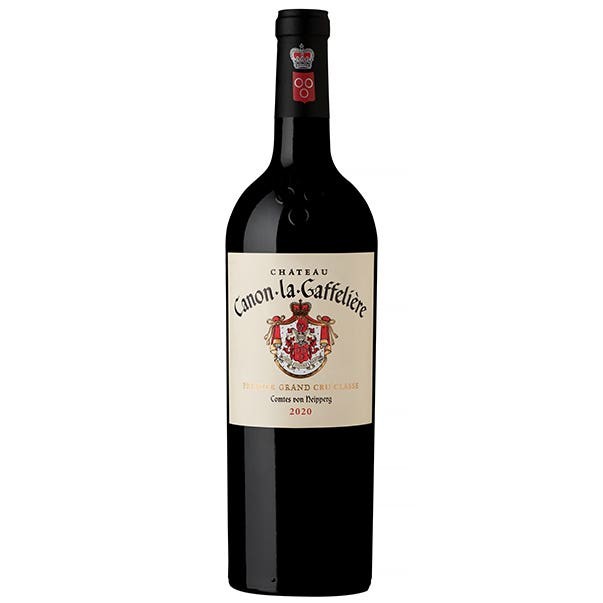



Château Canon La Gaffelière
Saint-Émilion
Winery in Saint-Émilion, France
 Book with Pearl
The Read
Slope-Driven Right Bank Precision
Price
$50–100tasting
Why go
Book Château Canon-la-Gaffeliere if the goal is serious Saint-Emilion context rather than an easy tasting stop. It is a better fit for collectors and wine-focused travelers than casual groups, with access best treated as difficult and timing-led. Cross-shop Château La Gaffelière or Château Larcis Ducasse if convenience matters more.
About Château Canon La Gaffelière
Château Canon-la-Gaffeliere is a Saint-Emilion venue with Stephan von Neipperg listed as chef/owner and Pearl 3 Star Prestige recognition for 2025. For travelers comparing it with names such as Chateau Ausone and Château Pavie, it is best approached as a distinctive Saint-Emilion option with a smart casual dress code.
The essentials are limited: the venue is in Saint-Emilion, the chef/owner is Stephan von Neipperg, the dress code is smart casual, and the Pearl 3 Star Prestige recognition applies for 2025. Details such as hours, pricing, visit format, menus, seat counts, and booking process should be confirmed directly before you go.
Choose this for Saint-Emilion context, not assumed convenience
This is a relevant option for visitors who want to include Château Canon-la-Gaffeliere in a Saint-Emilion itinerary alongside other named venues. It should not be treated as a simple walk-up stop or as a venue with confirmed timing, pricing, or service format.
For a visitor deciding among named options, the comparison can remain broad. Château La Gaffelière is a natural name to consider alongside it, while Château Bélair-Monange, Chateau Ausone, Château Larcis Ducasse, and Château Pavie may also be part of a Saint-Emilion-focused plan depending on access and individual priorities.
Who should prioritise it over other named options
Prioritise Château Canon-la-Gaffeliere if the facts matter to your trip: a Saint-Emilion setting, Stephan von Neipperg as chef/owner, a smart casual dress code, and Pearl 3 Star Prestige recognition for 2025. Those are the grounded reasons to keep it on a shortlist.
Consider another Saint-Emilion option first if your day depends on practical details such as published hours, prices, contact specifics, or a defined visit format. For a lower-uncertainty plan, compare information for Château Larcis Ducasse or Château La Gaffelière, then decide whether Château Canon-la-Gaffeliere still fits your schedule.
Know Before You Go
- Best for: Travelers considering a Pearl-recognised Saint-Emilion venue.
- Plan around: Details confirmed directly with the venue.
- Location: Saint-Emilion.
- Dress code: Smart casual.
- Recognition: Pearl 3 Star Prestige, 2025.
- Decision rule: Choose it for its Saint-Emilion setting, Stephan von Neipperg as chef/owner, and recognition; choose another option if you need more planning detail in advance.
Planning details
- Location
- 1166 Route de la Gare, 33330 Saint-Émilion
- Website
- neipperg.com
- Phone
- +33 5 57 24 71 33
The take
The Take
The Vibe
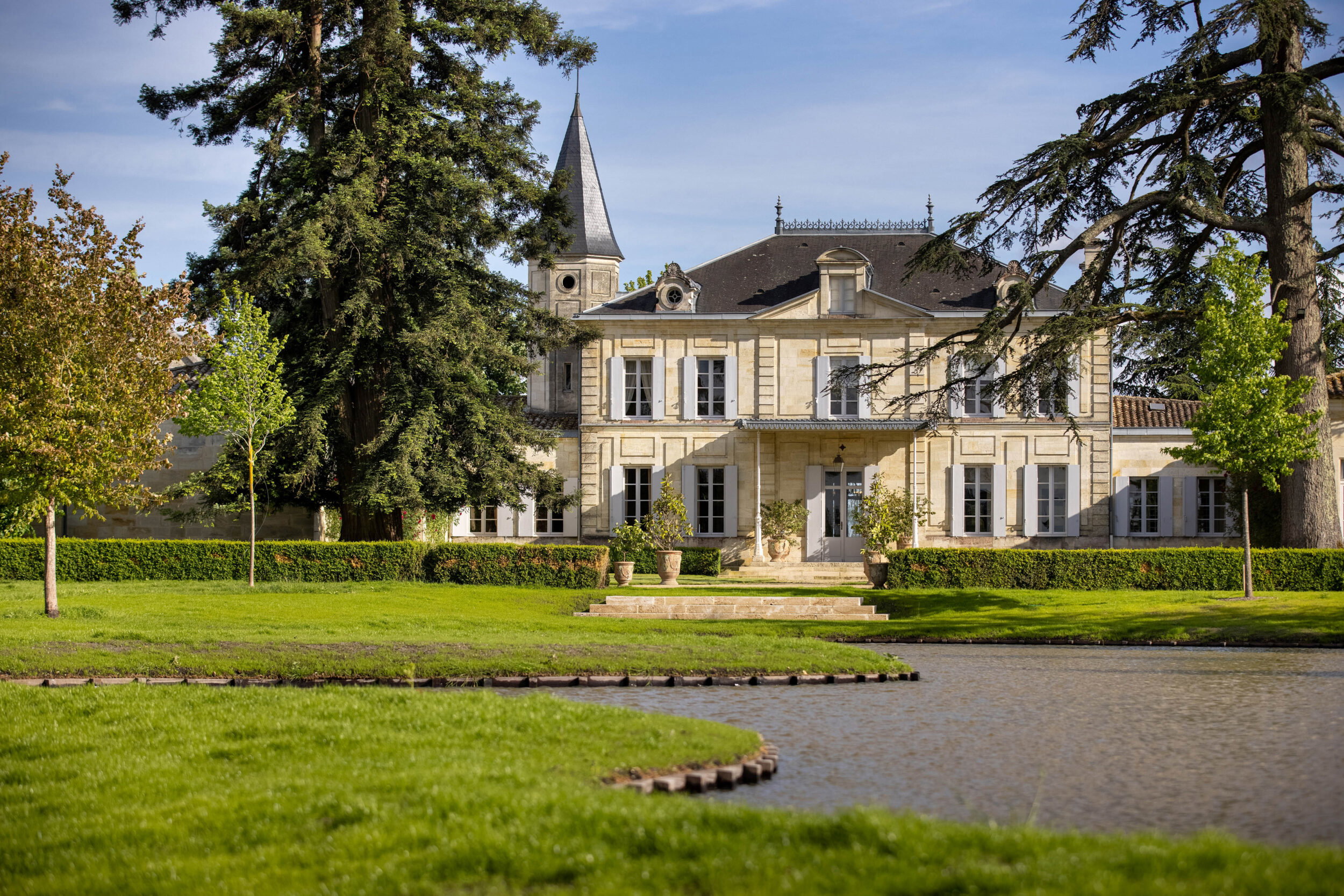
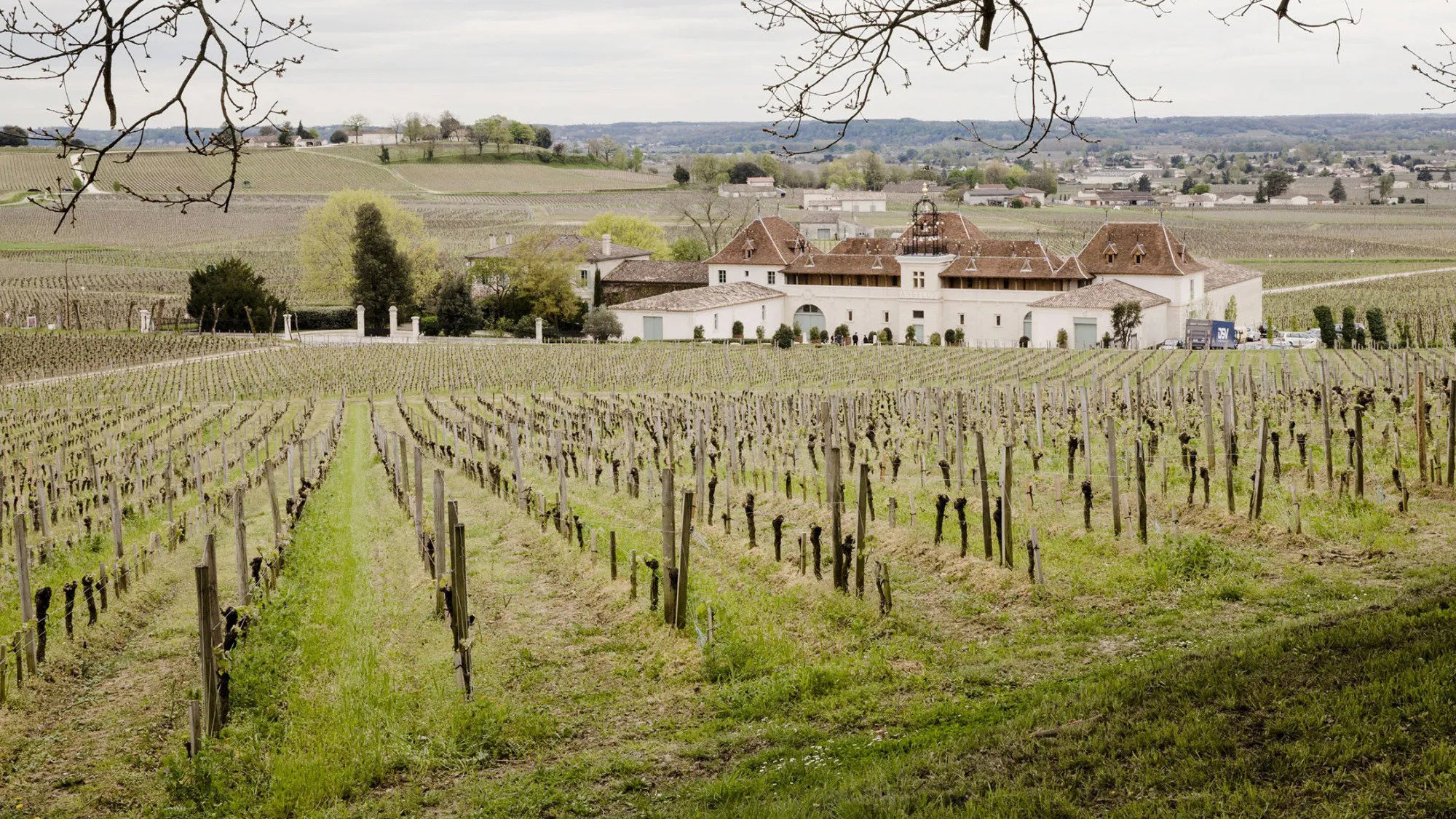
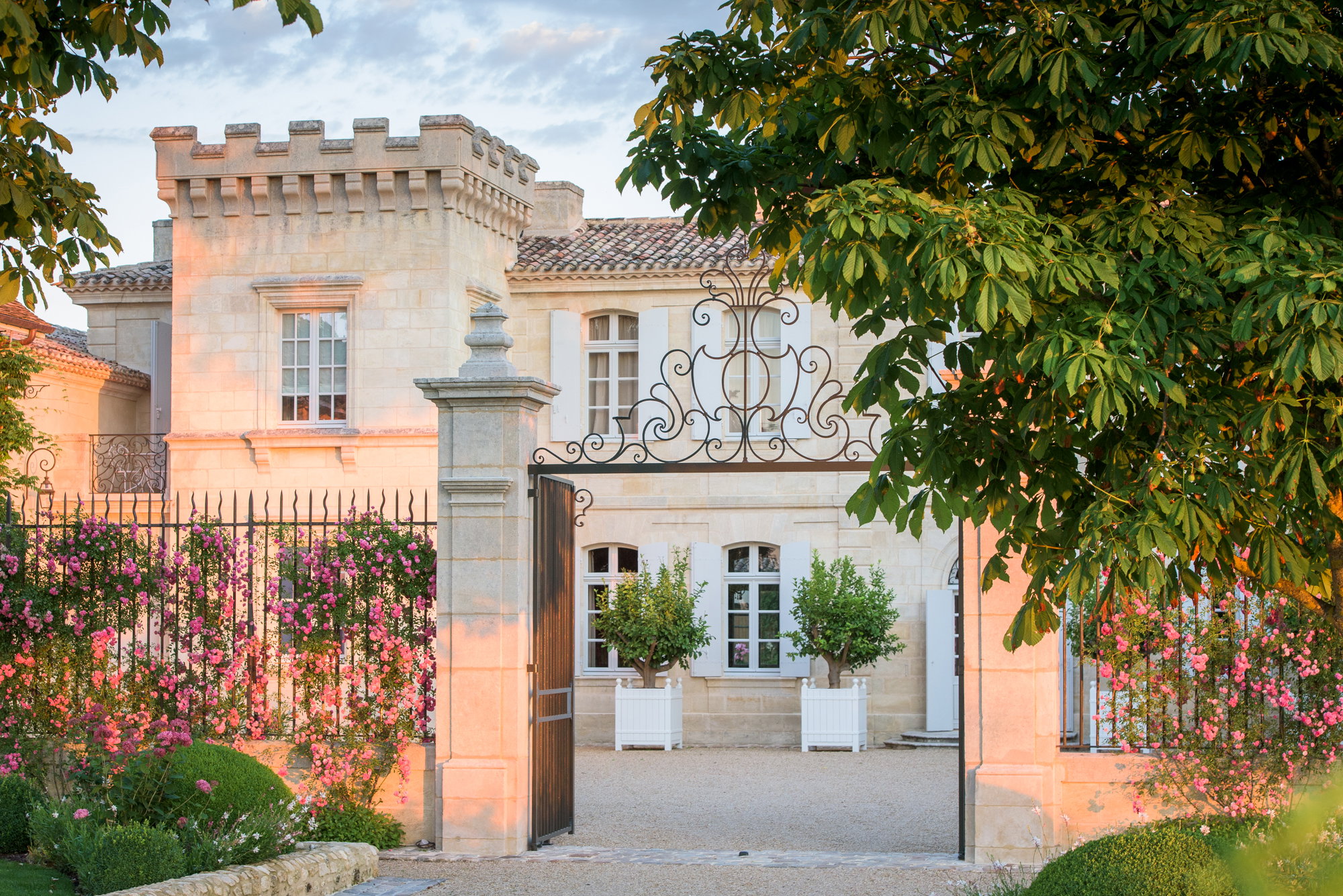
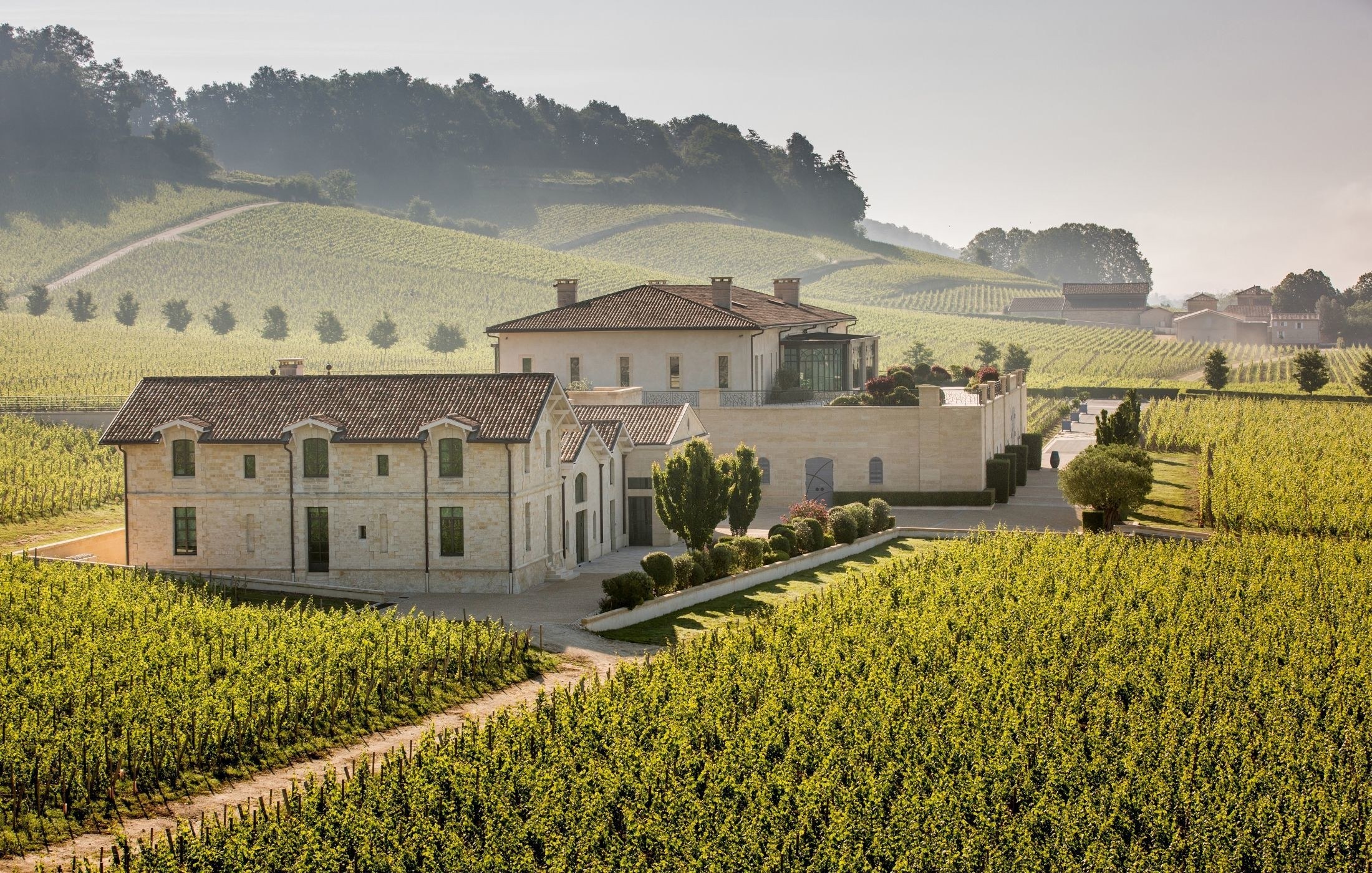
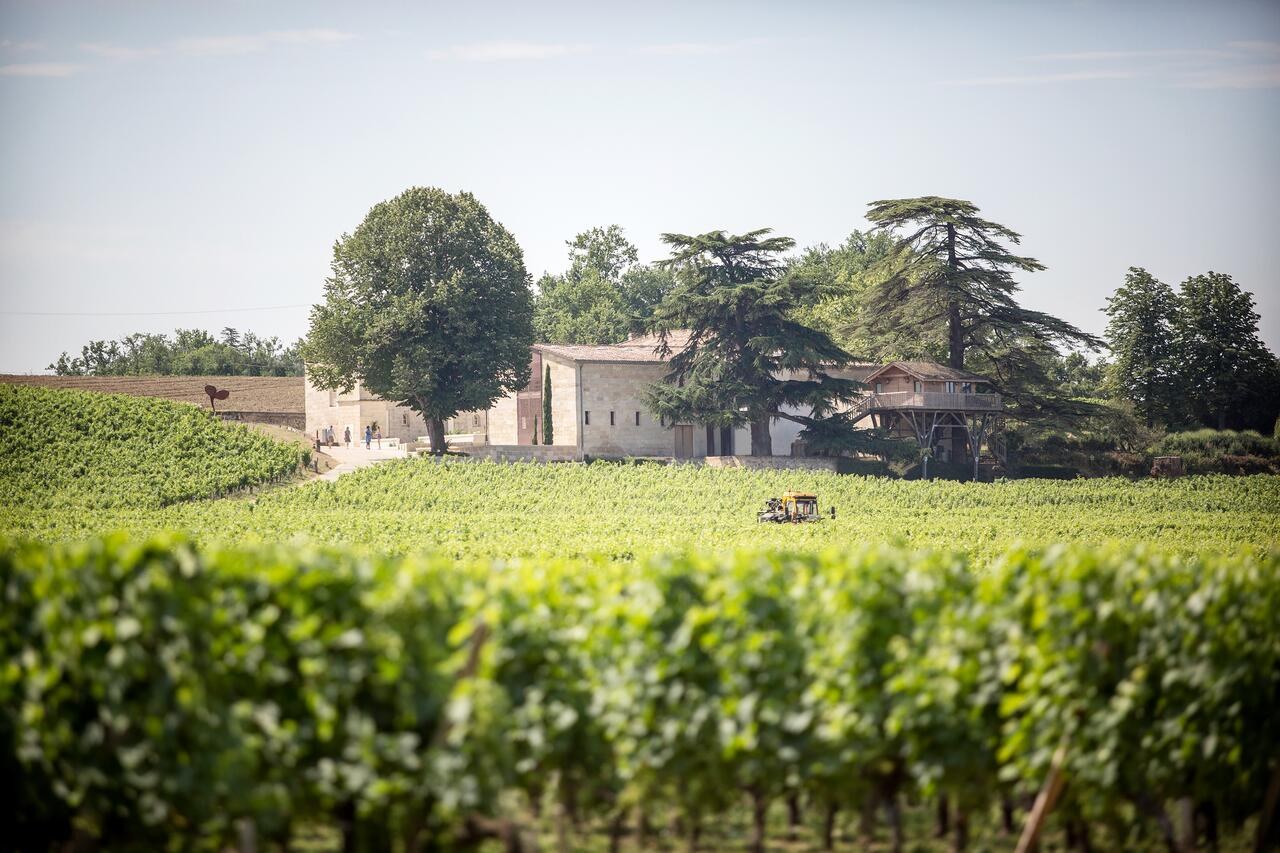
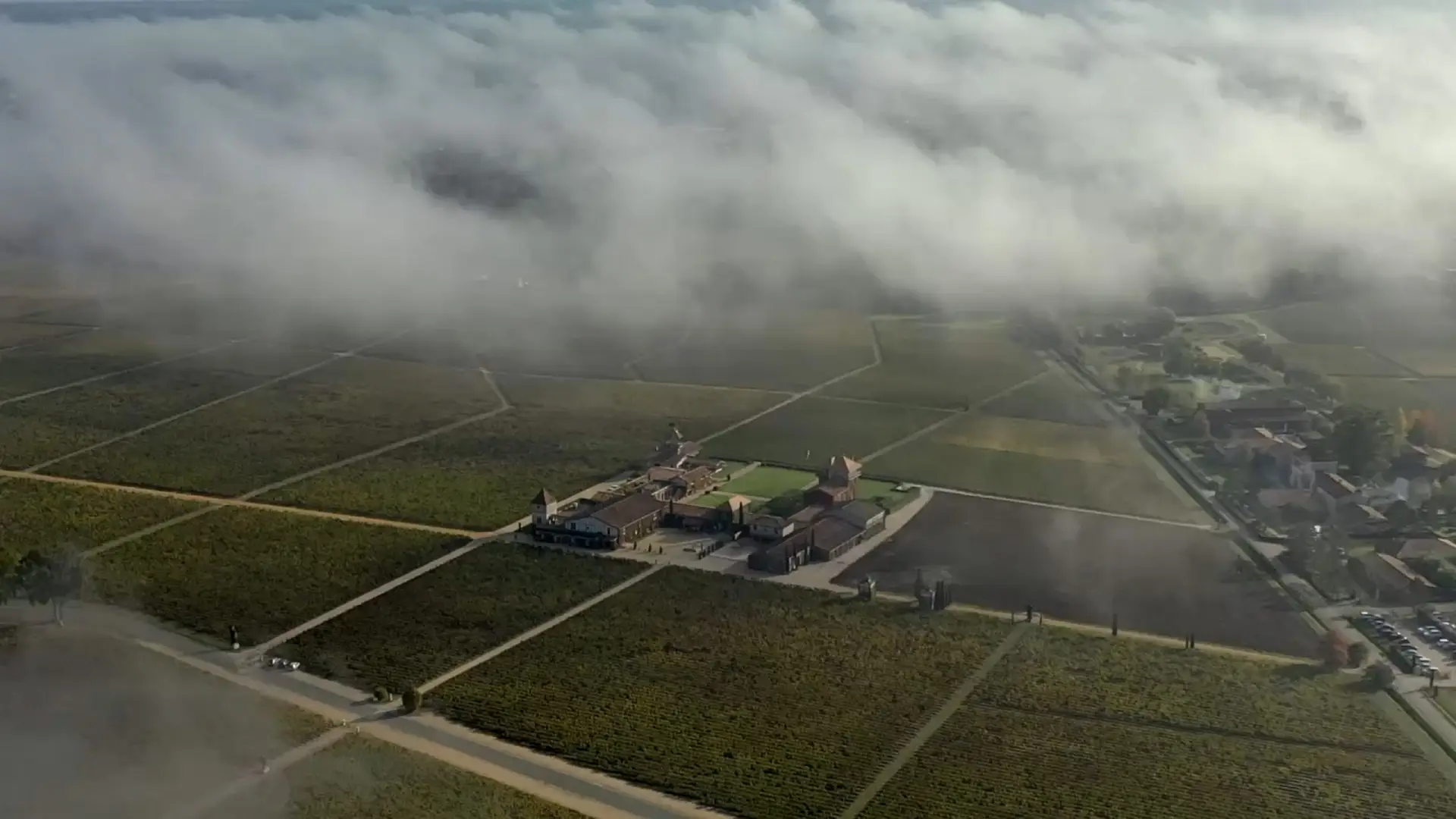
Château Canon-la-Gaffelière reads like a classic Saint-Émilion estate anchored in place and history. The write-up emphasizes geology and site — the transition from the limestone plateau down to clay-limestone foothills — so the property feels rooted in terroir rather than trend. The editorial frame highlights meticulous cellar work: barrel decisions and blending trials are treated as part of the estate’s signature. That combination of medieval context, site specificity and disciplined cellar practice conveys a quietly authoritative, historically grounded personality rather than flash, delivering an impression of measured refinement and agronomic seriousness.
Best For
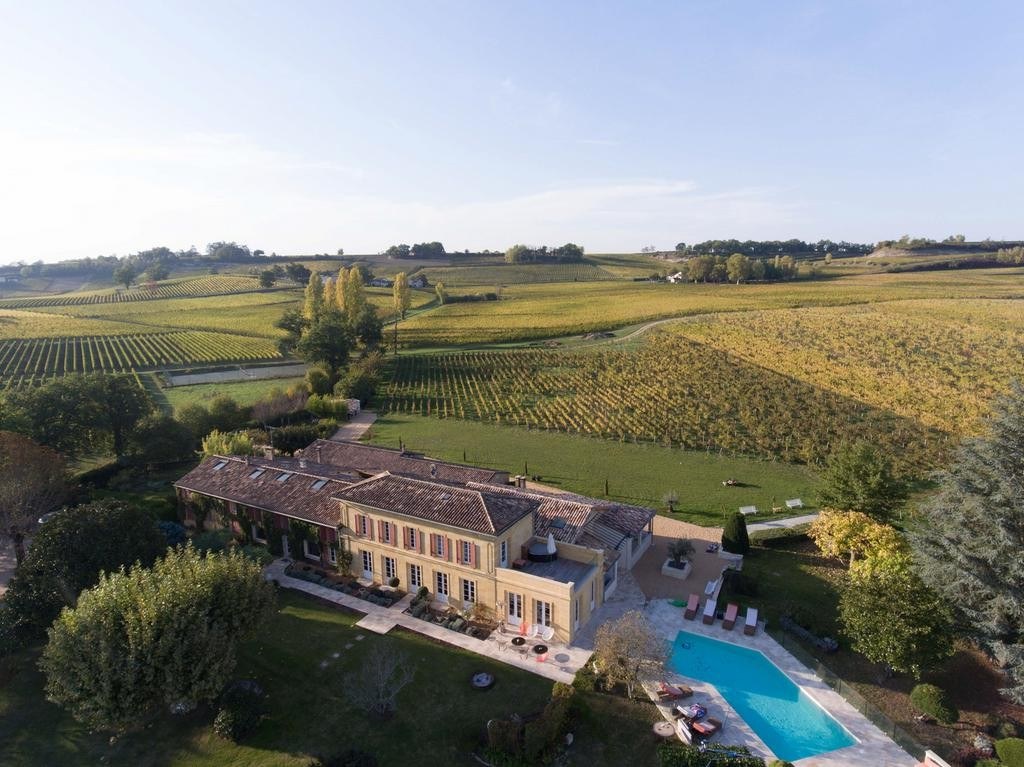
This estate is best for visitors interested in serious wine study, romantic escapes into the vineyards of Saint-Émilion and elevated special occasions. The copy centers on terroir and cellar technique, so learning-minded guests who want to hear about limestone soils, drainage dynamics and oak regimens will find plenty to engage them. At the same time, the setting below the medieval town and the estate’s assured stylistic profile make it a fitting backdrop for thoughtful, memorable outings — whether a couple seeking a scenic wine-country pause or a small celebratory visit tied to the region’s iconic character.
Tasting Tips
When engaging with Canon-la-Gaffelière, focus conversation on provenance and cellar choices rather than broad, generic descriptors. Ask about the specific parcels on the foothills, how clay and limestone interplay in each plot, and the estate’s approach to oak: time in barrel, percentage of new wood and how blending trials influence the final cuvée. Those topics are explicitly foregrounded in the description and reveal the decisions that shape the wine. Framing questions around terroir and barrel regimen yields the clearest insight into the estate’s style and consistency.
Venue details
Ambiance
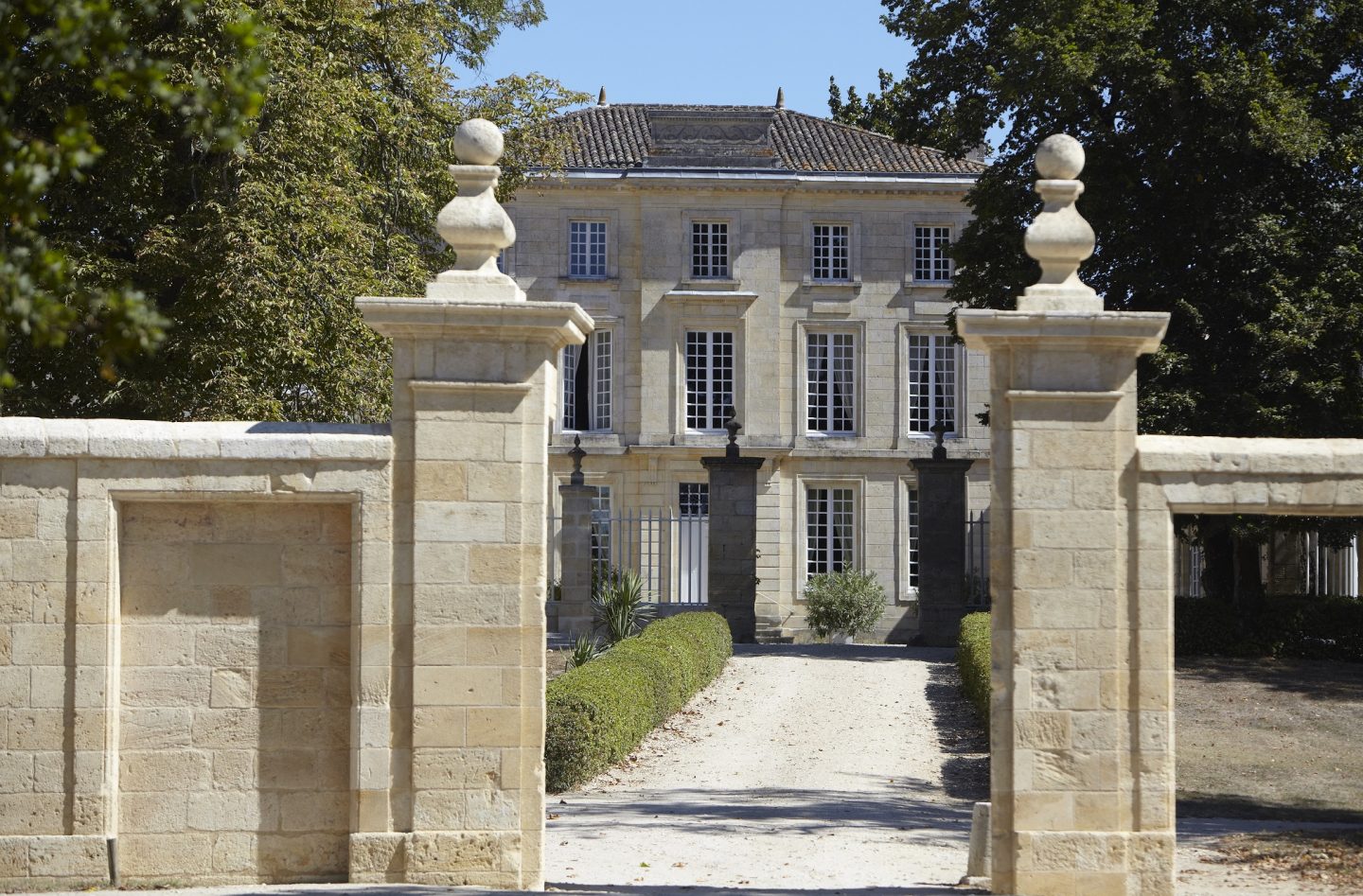
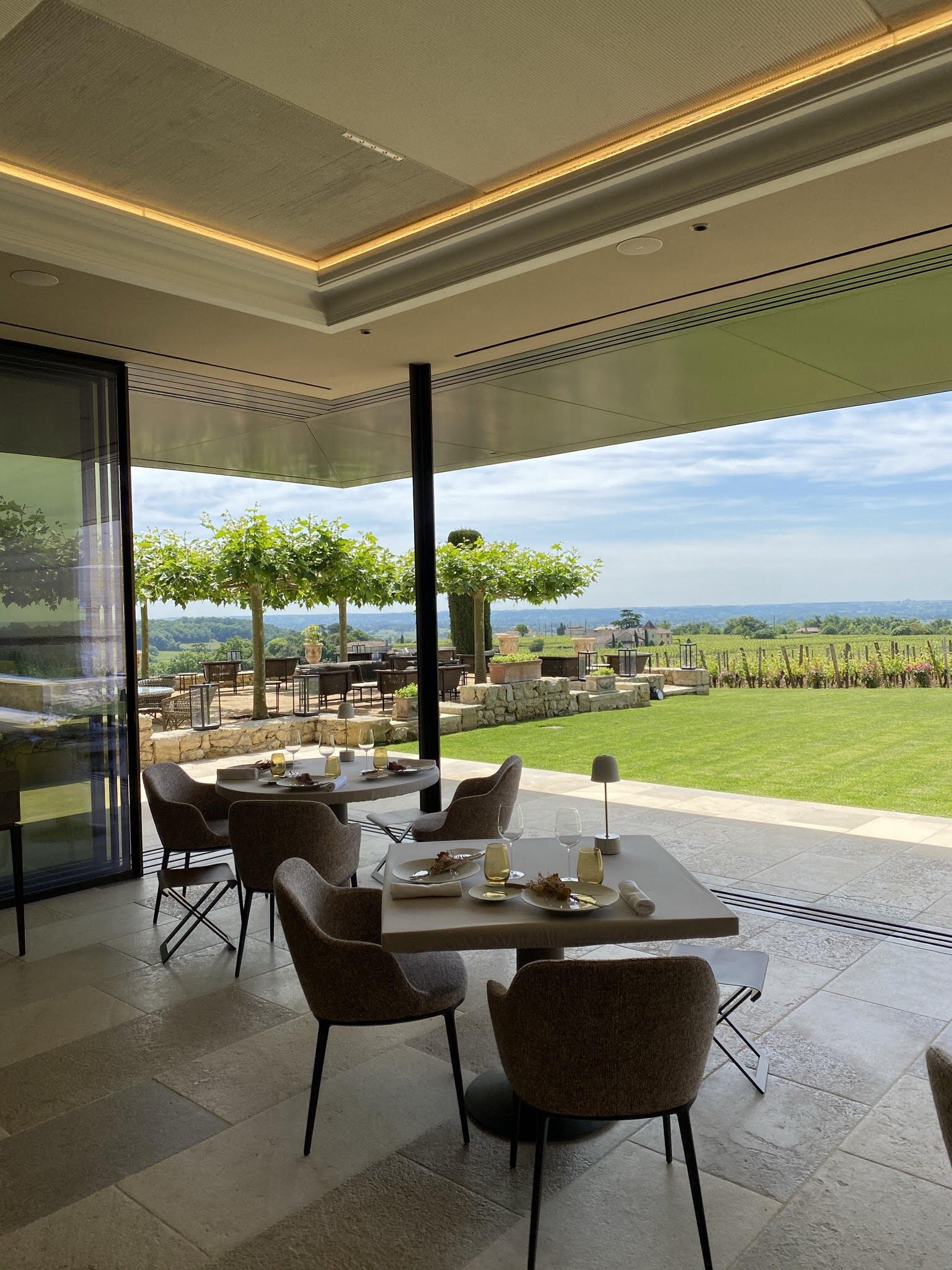
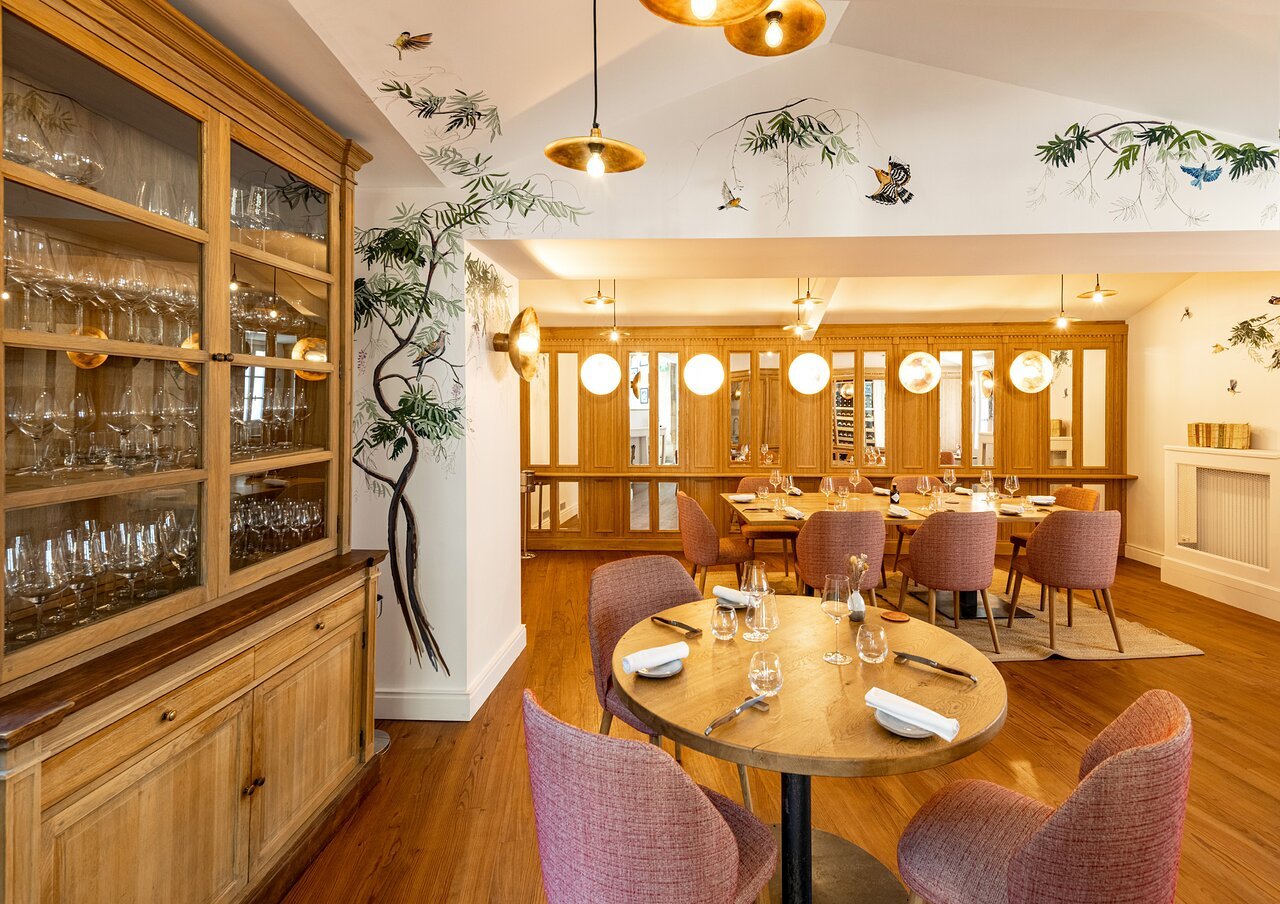
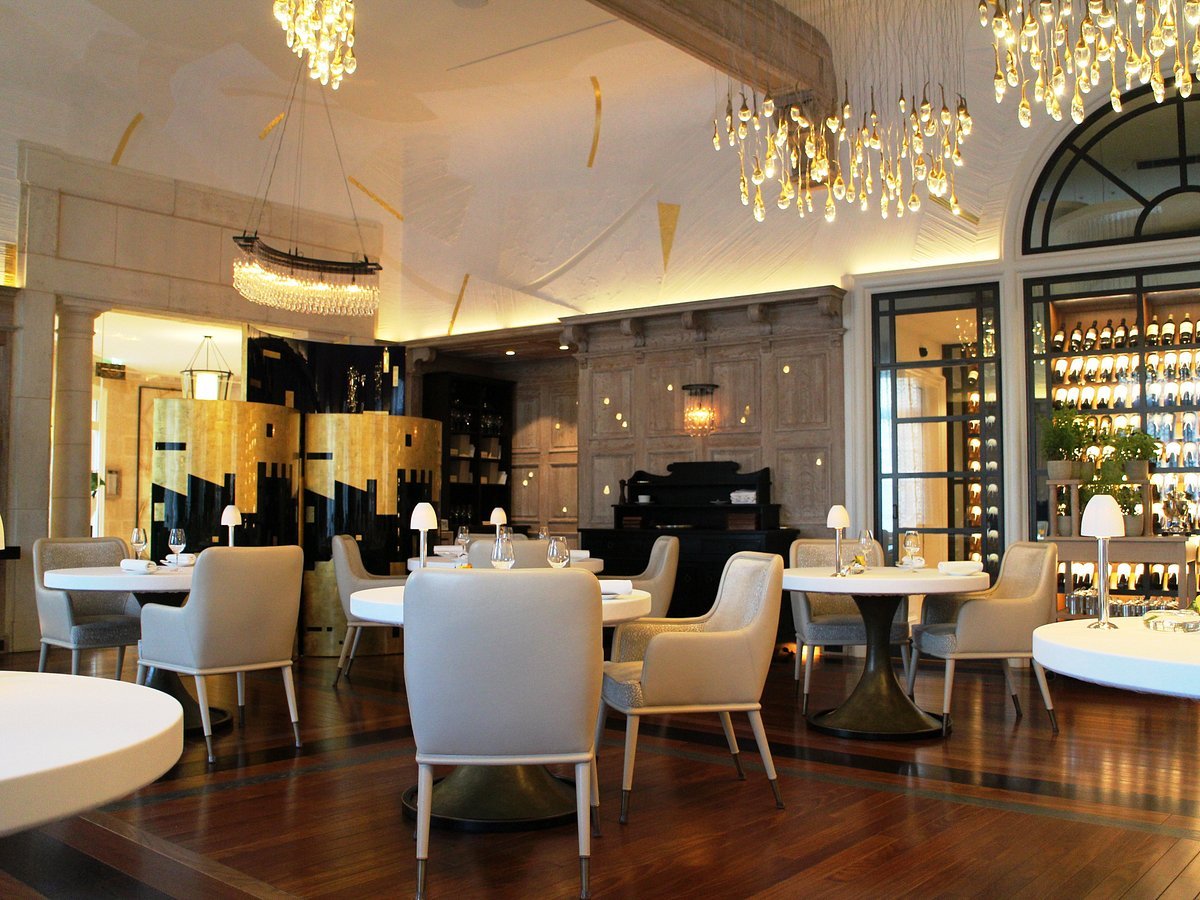
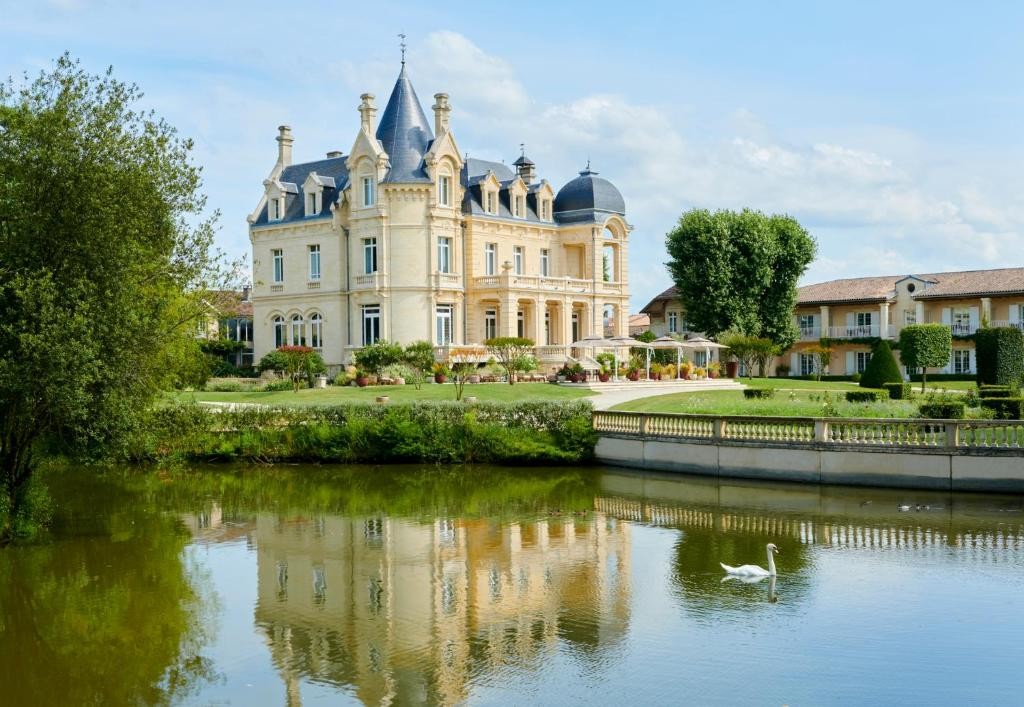
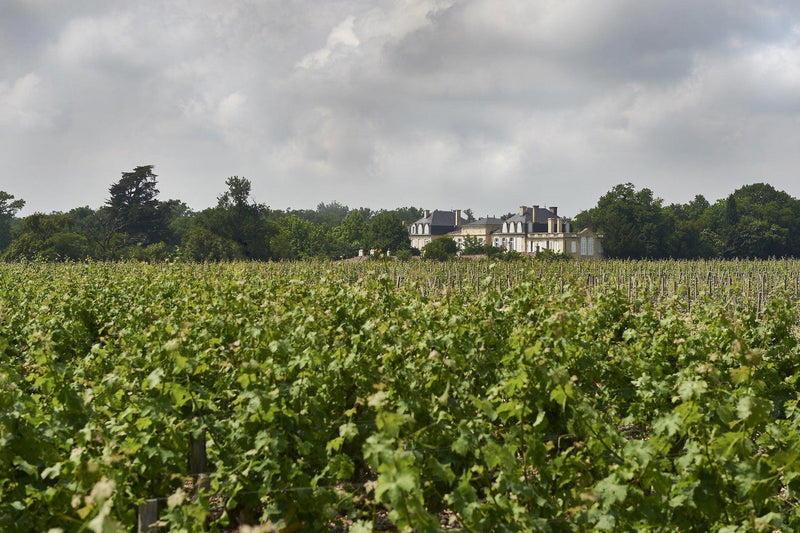
Historic château with a beautiful tasting room located in the former vat house, featuring tall glass vases displaying soil composition from different terroir plots, set at the foot of the Saint-Émilion plateau with views of the medieval village.
Tags
Vibe
Best For
Experience
Sourcing
View
At the Vineyard
- Appellation
- Saint-Émilion
- Varietals
- Merlot, Cabernet Franc, Cabernet Sauvignon
- Tour Duration
- 90-120 minutes
- Tour Languages
- French, English
- Visits
- By appointment only
- Farming
- Organic
- Wine Styles
- Still Red
- Wine Club
- Not available
Know before you go
Know Before You Go
- Getting there
- 1166 Route de la Gare, 33330 Saint-Émilion
Planning details
Location
Recognition and awards

Also consider
Where to Look If This Is Full
If access does not line up, try Château La Gaffelière first for the closest Saint-Emilion comparison. For a second option, Château Larcis Ducasse is the better choice when the schedule needs more flexibility.
Winery context
How It Compares in Saint-Emilion
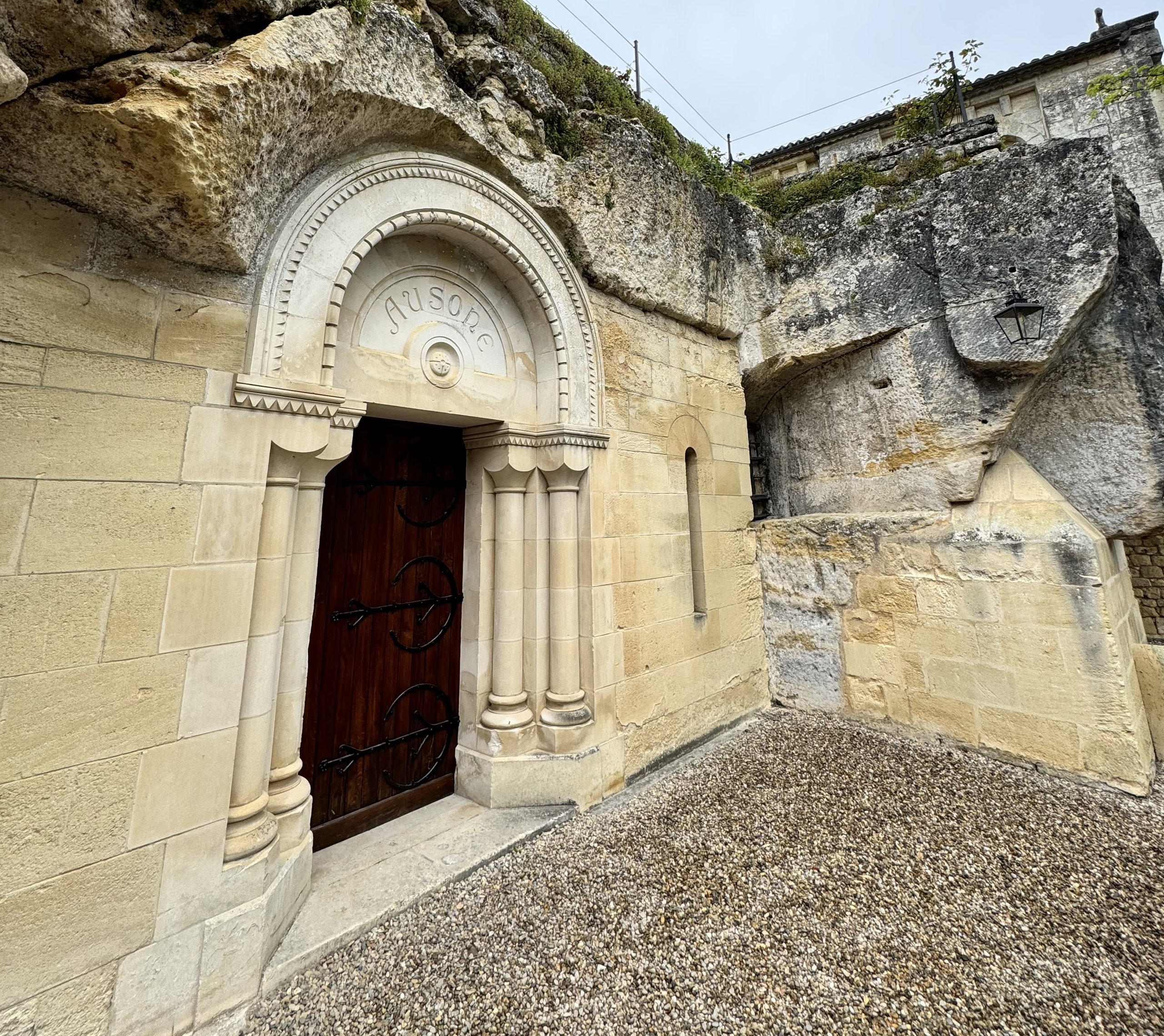
Château Canon-la-Gaffeliere is the practical choice for travelers who want a serious Saint-Emilion estate with strong producer identity, but it is not the easy fallback. Compared with Château Pavie and Chateau Ausone, it feels like the better fit for visitors seeking appellation depth over trophy-name confirmation. Pavie and Ausone are the higher-recognition targets, so expect them to pull attention from collectors planning a prestige-led route.
Château La Gaffelière is the closest natural cross-shop by name association and Saint-Emilion relevance. Choose La Gaffelière first if the itinerary needs a more direct, classic Saint-Emilion comparison; choose Château Canon-la-Gaffeliere if the priority is a more specific producer lens under Stephan von Neipperg. Château Bélair-Monange is the more polished prestige alternative for travelers focused on the limestone plateau conversation.
Château Larcis Ducasse is the smarter backup if access becomes the issue. For value of time, not bottle price, Canon-la-Gaffeliere makes sense when confirmed early; otherwise, Larcis Ducasse or La Gaffelière are easier to slot into a Saint-Emilion day without letting one appointment control the whole schedule.
Explore Saint-Émilion
Around this place
Discover more on Pearl
Unlock the full Château Canon La Gaffelière guide in Pearl, including awards, comparisons, FAQs, planning details, and nearby places.
Compare Château Canon La Gaffelière
| Venue | Location | Awards |
|---|---|---|
| Château Canon-la-Gaffeliere | Saint-Emilion | No published awards |
| Château La Gaffelière | Talence | 2026 Falstaff Winery Guide2025 Pearl 4 Star Prestige |
| Château Pavie | Saint-Emilion | 2025 Pearl 4 Star Prestige |
| Château Bélair-Monange | Saint-Emilion | 2026 Falstaff Winery Guide2026 Michelin 1 Grape - Bordeaux |
| Chateau Ausone | Saint-Emilion | 2026 Michelin 2 Grapes - Bordeaux2025 Pearl 5 Star Prestige |
| Château Larcis Ducasse | Saint-Emilion | 2026 Michelin 1 Grape - Bordeaux |

How Château Canon-la-Gaffeliere Saint-Emilion Guide compares with similar nearby venues.
FAQ
Frequently Asked Questions
How long should I plan for a visit to Château Canon-la-Gaffeliere?
No specific visit length is available. Château Canon-la-Gaffeliere is in Saint-Emilion and has Pearl 3 Star Prestige recognition for 2025, but timing, hours, pricing, and visit format should be confirmed directly before you plan around it.
What is Château Canon-la-Gaffeliere known for?
Château Canon-la-Gaffeliere is a Saint-Emilion venue with Stephan von Neipperg listed as chef/owner and recognised with Pearl 3 Star Prestige in 2025.
Where is Château Canon-la-Gaffeliere located?
Château Canon-la-Gaffeliere is located in Saint-Emilion.
How can I contact Château Canon-la-Gaffeliere?
Use the venue's official channels to confirm current contact details, hours, pricing, and any visit requirements.