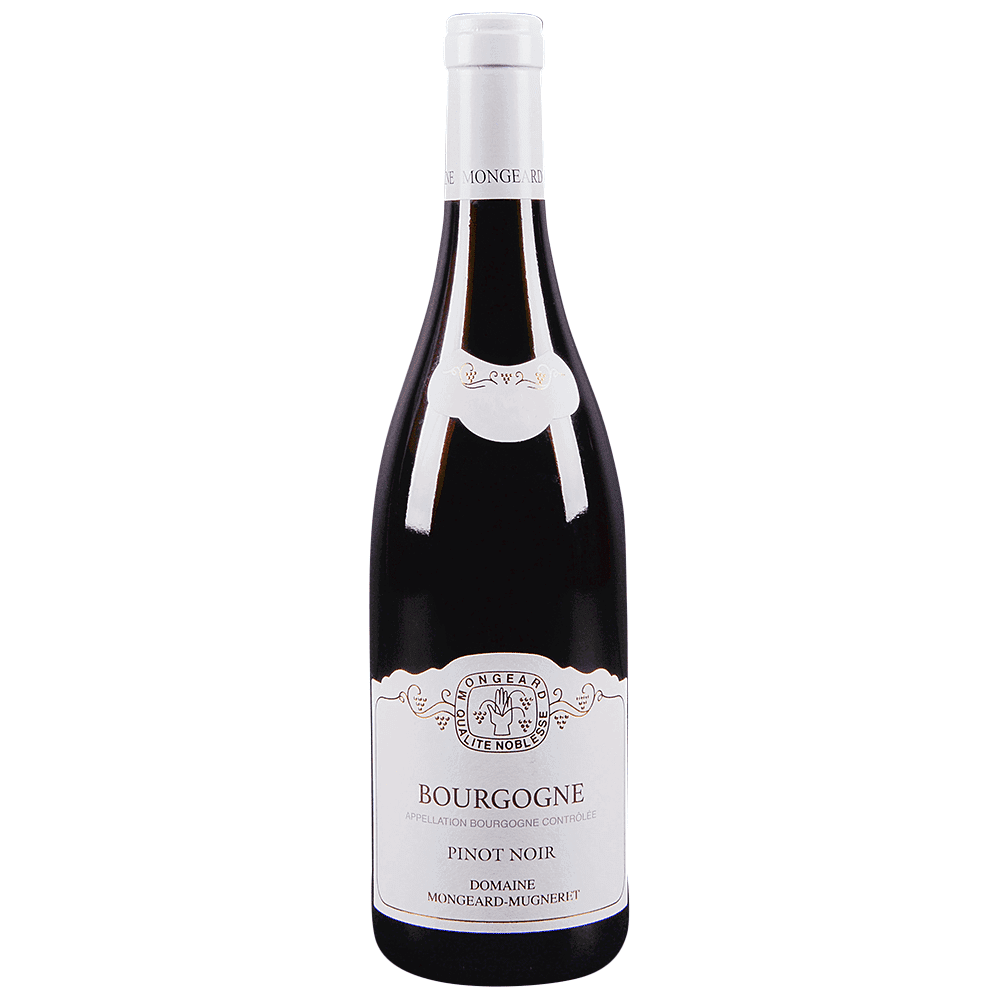

Domaine Mongeard-Mugneret
Vosne-Romanée
Winery in Vosne-Romanée, France
 Book with Pearl
The Read
Côte de Nuits Generational Viticulture
Why go
Domaine Mongeard-Mugneret is worth targeting for serious Burgundy travelers who want Vosne-Romanée depth and producer context, not a casual tasting-room stop. The first vintage is listed as 1945, with Vincent Mongeard as winemaker, so the appeal is lineage and wine focus rather than food service or flexible visitor logistics.
About Domaine Mongeard-Mugneret
In Vosne-Romanée, Domaine Mongeard-Mugneret is a premium venue guide entry with Vincent Mongeard listed as chef/owner and a smart casual dress code. It is recognized with Pearl 4 Star Prestige (2025), making it a notable name to consider when planning time in the village.
For travelers building a broader day around the area, use local planning resources first, then layer in meals or stays through Our full Vosne-Romanée restaurants guide. That approach keeps the planning sequence practical and helps you identify what remains to be confirmed before building a full itinerary.
A focused Vosne-Romanée reference, not a full service brief
The strongest reasons to keep Domaine Mongeard-Mugneret on a shortlist are its Vosne-Romanée location, Vincent Mongeard's association with the venue, its smart casual dress code, and Pearl 4 Star Prestige (2025) recognition. Taken together, those points give the listing clear relevance for visitors who are already concentrating on the village and want to understand which names merit closer attention. Beyond those points, avoid assuming a particular hospitality format. A premium guide entry can be useful without answering every practical question, and in this case the distinction matters.
Because cuisine, menu, beverage program, and food service are not listed here, plan any meals separately and confirm all visit details directly with the venue before building an itinerary around it. That is especially important in Vosne-Romanée, where a compact map does not by itself confirm availability, access, or service style. A place may be geographically convenient and still require separate confirmation before it becomes workable in a real schedule. Treat the smart casual dress code as one confirmed planning cue, but do not let it substitute for direct information about what guests can actually book, attend, or expect on a given day.
How to use it in a Vosne-Romanée itinerary
For a comparison-minded route, consider Domaine Mongeard-Mugneret alongside Domaine Arnoux Lachaux, Domaine Anne Gros, Domaine Michel Gros, Domaine Leroy, and Domaine Sylvain Cathiard without assuming that each venue offers the same type of visit or hospitality setup. The value of grouping these names is orientation, not equivalence: it helps frame the wider landscape while leaving room for the individual policies, access points, and practical arrangements that must be checked separately. If the trip includes companions with broader interests, keep the day flexible and avoid depending on unconfirmed services. A flexible plan also makes it easier to separate confirmed anchors from possibilities.
The practical verdict: Domaine Mongeard-Mugneret is worth noting for travelers focused on Vosne-Romanée and recognized venues, but the available details are limited. Its relevance comes from the few details that are clearly stated, not from assumptions about dining, tastings, or visitor operations. Confirm directly before committing plans, preserve time for a proper meal elsewhere, and keep the itinerary grounded in details the venue can verify. Used this way, the entry does exactly what a concise planning reference should do: it identifies a name to investigate further while keeping expectations disciplined, accurate, and ready to adjust once direct confirmation is available.
Planning details
- Location
- 16 Rue de la Fontaine, 21700 Vosne-Romanée
- Website
- mongeard.com/fr
- Phone
- +33 3 80 61 11 95
The take
The Take
The Vibe
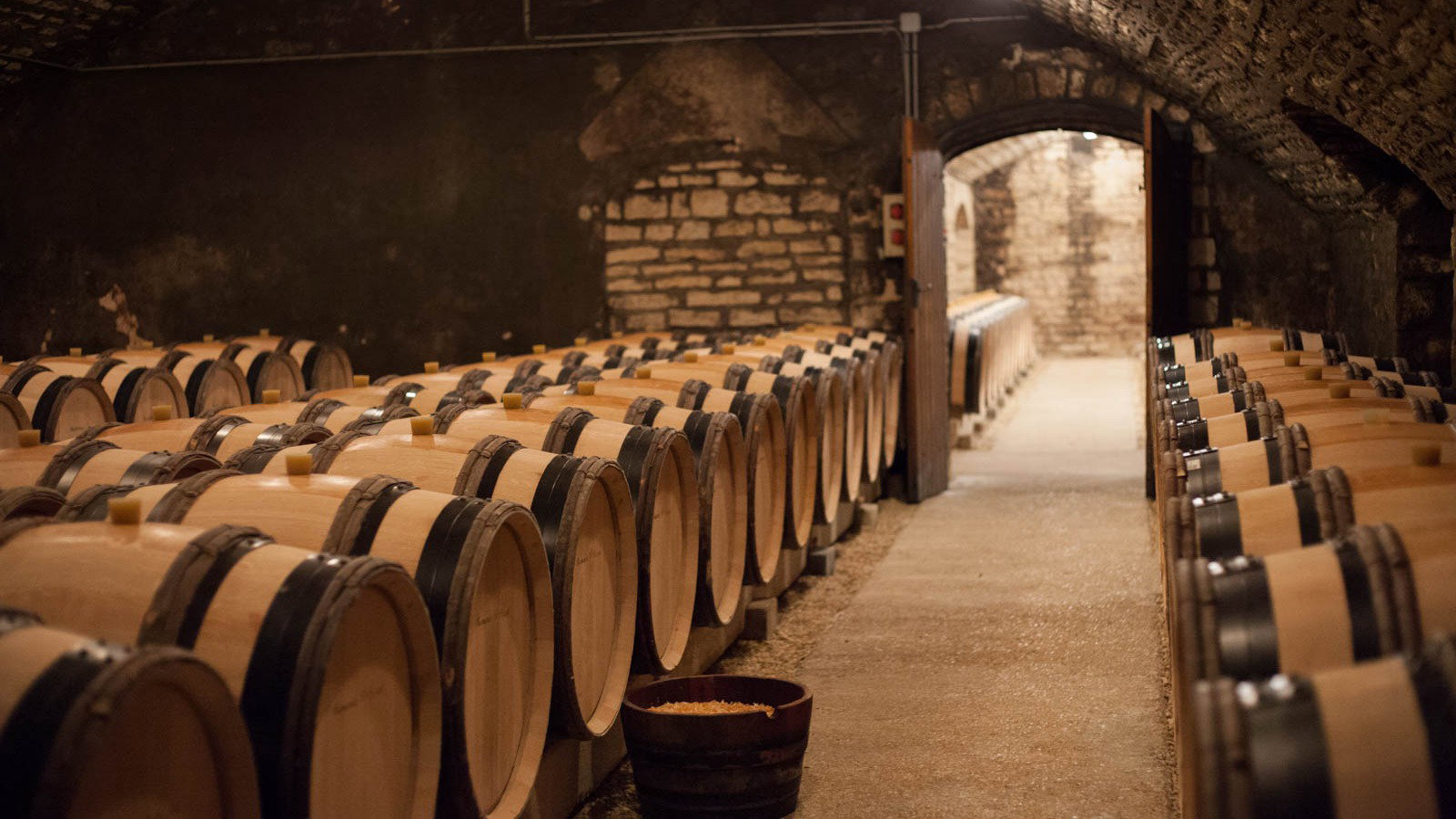
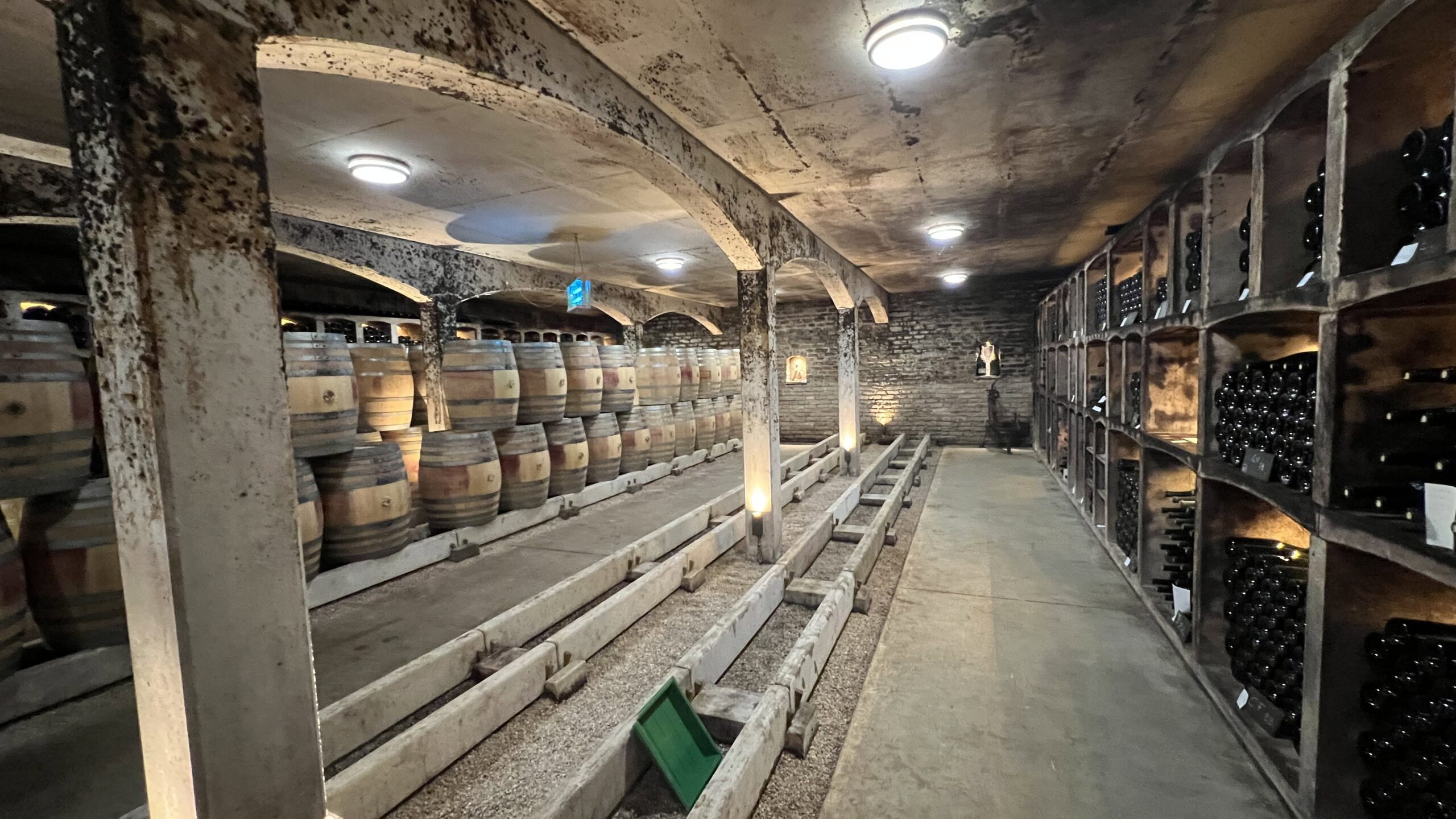
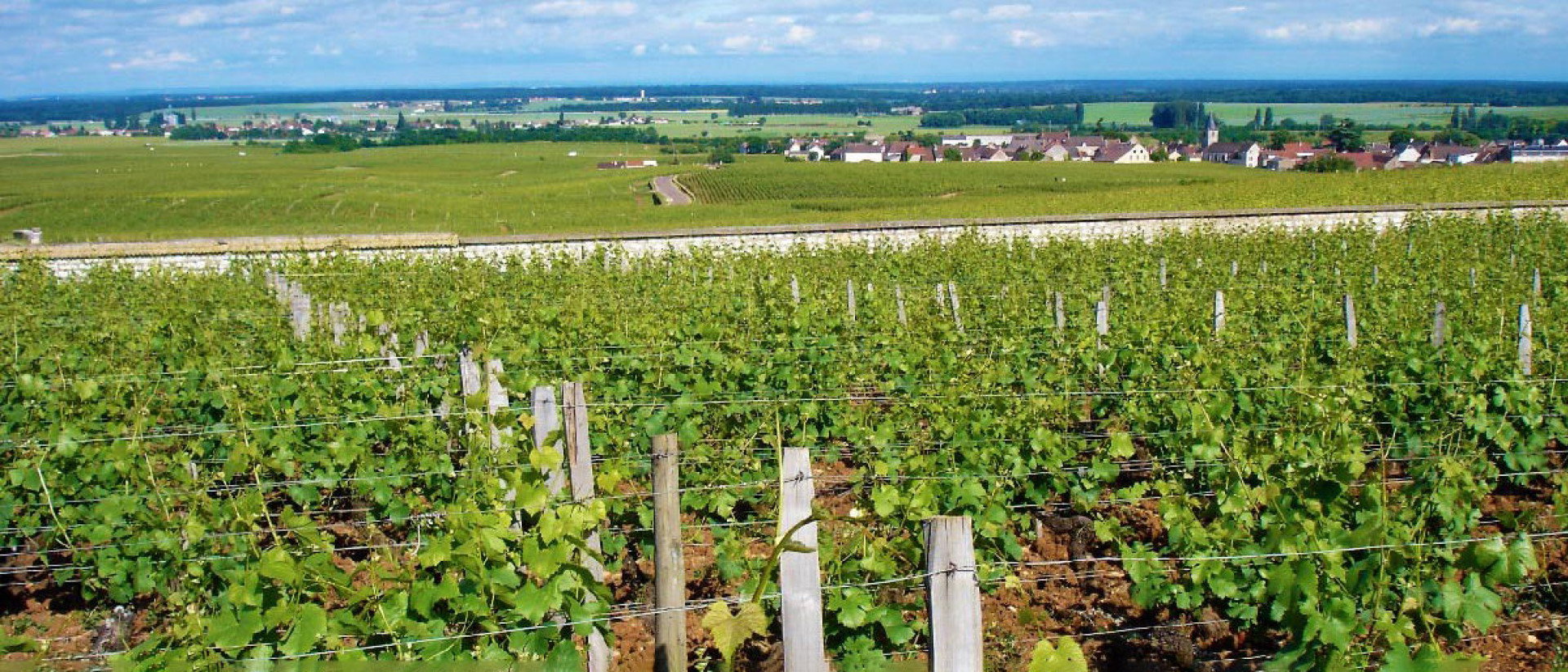
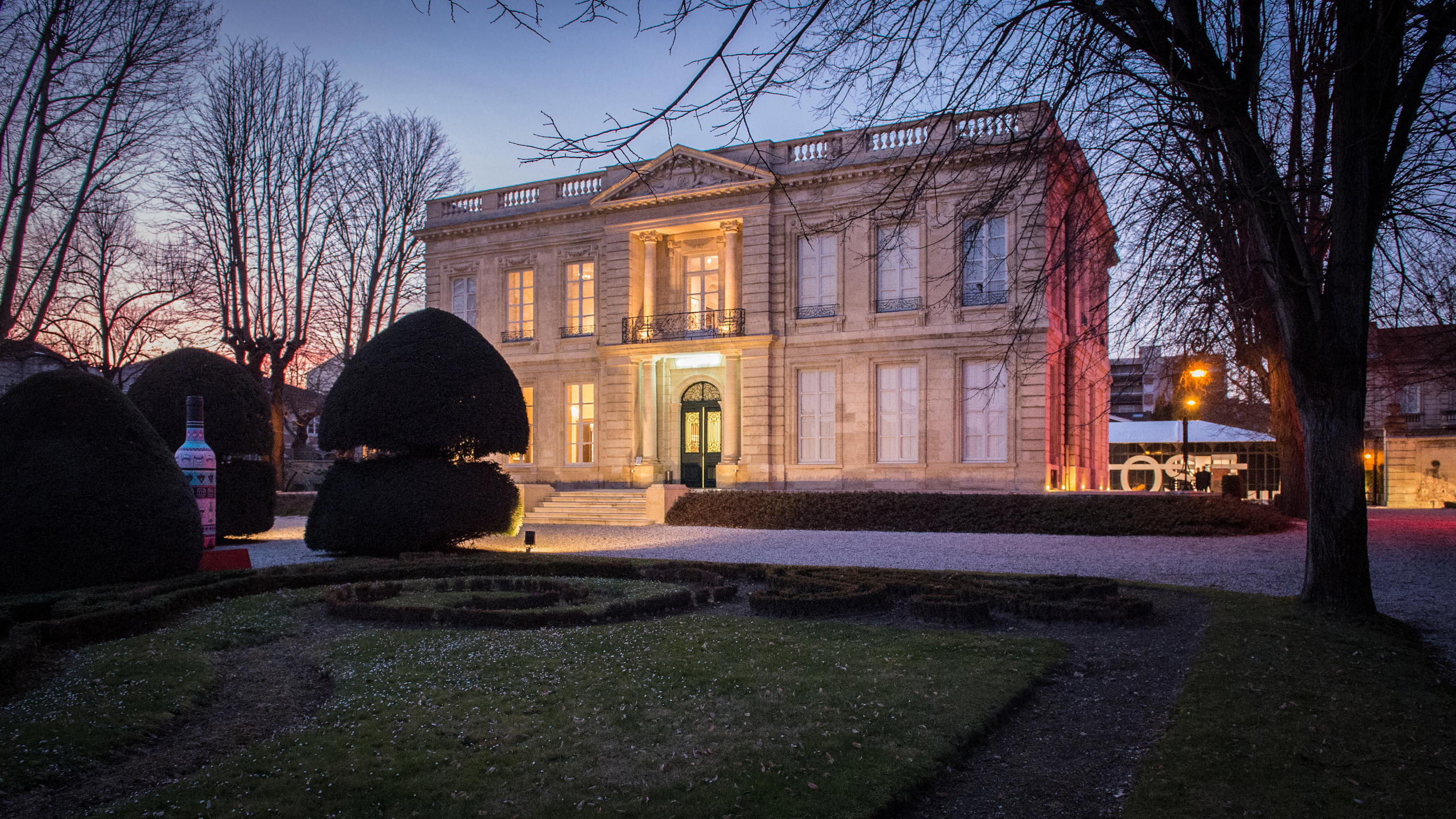
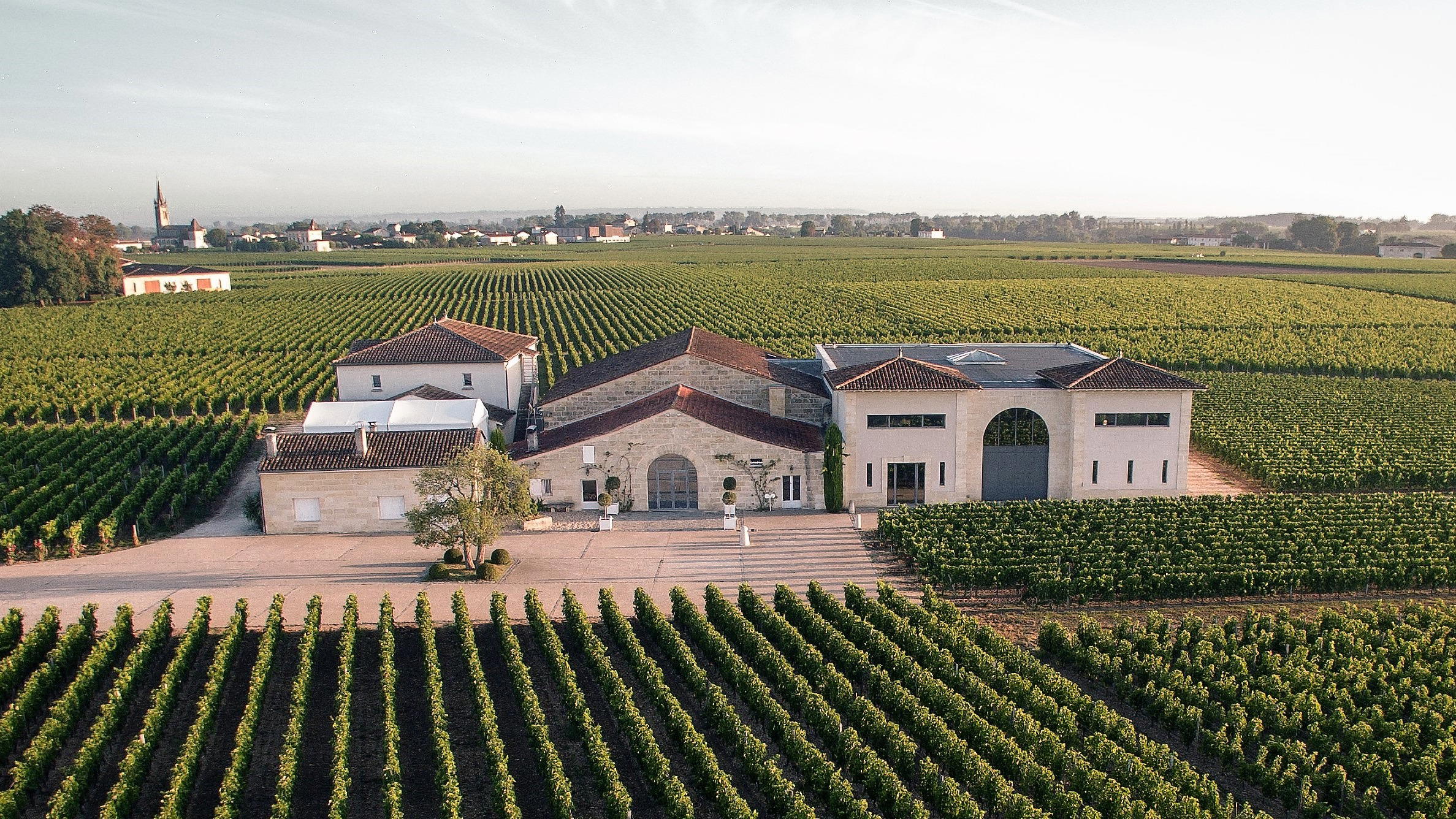
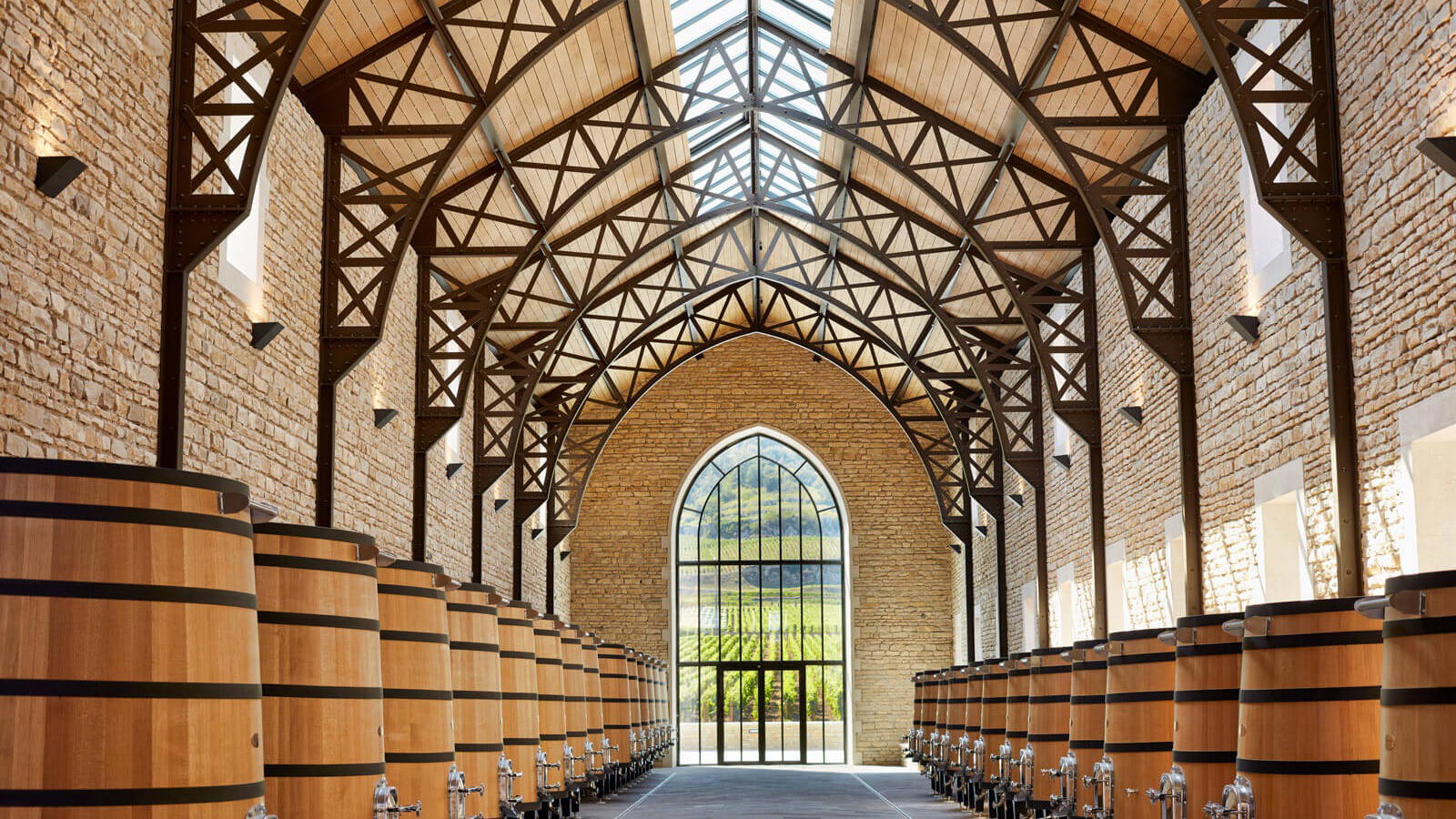
Domaine Mongeard-Mugneret presents itself with the low-key, historic restraint of Vosne-Romanée. The approach through stone walls and low-roofed cellars that predate the automobile sets a tone of understatement: nothing here is staged for spectacle. Instead, the domaine’s personality is formed by decades of cellar work and vineyard holdings across the Côte de Nuits. Readers can expect a composed, quietly confident setting where the drama is contained underground in barrels and bottles rather than in flashy hospitality. It feels like a place for serious Burgundy appreciation, steeped in local history and traditional craft.
Best For
This domaine is best suited to visitors who come for focused Burgundy study or for a memorable, elevated occasion. The estate’s long history, holdings across notable Côte de Nuits appellations and a Pearl 4 Star Prestige rating mark it as a producer that matters to collectors and students of Pinot Noir. Tastings here serve those who want to learn about benchmark expressions of Vosne-Romanée and nearby grands and premiers crus, or who are treating a special milestone to well-regarded bottles that attract allocation interest.
Tasting Tips
When engaging with Mongeard-Mugneret, center the conversation on provenance and holdings: ask which Vosne-Romanée parcels and premier or grand cru sites the domaine currently bottles. The profile emphasizes cellar-focused winemaking and long-term credibility, so inquire about allocation constraints and current release formats—this producer draws 'serious allocation interest.' Mention the domaine’s recent Pearl 4 Star Prestige rating when discussing availability, and be prepared to reserve bottles early if you are sourcing cellar-worthy wines for a special occasion or a focused tasting.
Venue details
Ambiance
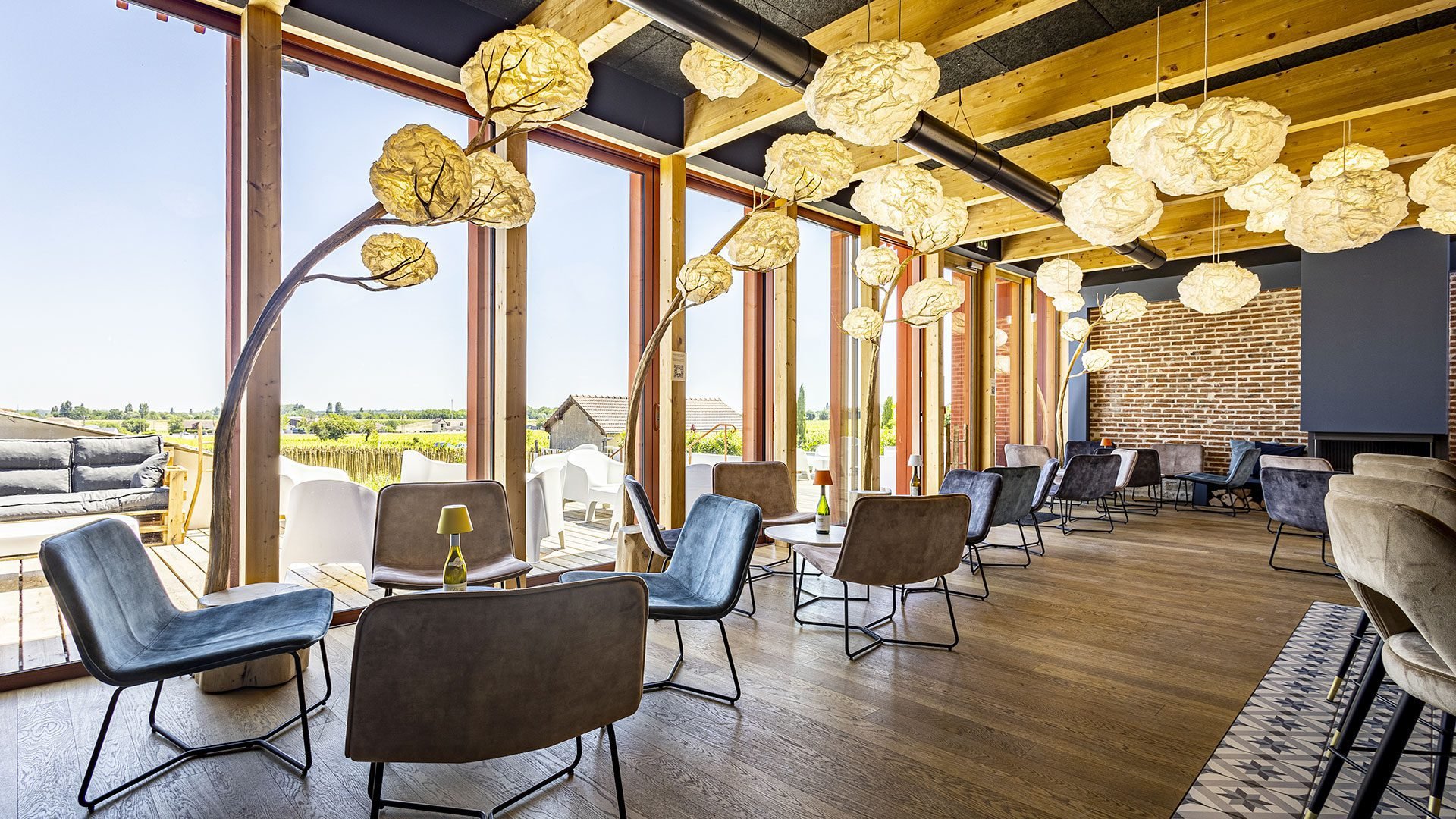
Classic and elegant Burgundy winery atmosphere centered on tradition and mid-slope vineyard heritage.
Tags
Vibe
Best For
Experience
Sourcing
View
At the Vineyard
- Appellation
- Vosne-Romanée
- Varietals
- Pinot Noir, Chardonnay, Aligoté
- Tour Duration
- 60-90 minutes
- Wine Club
- Not available
Know before you go
Know Before You Go
- Getting there
- 16 Rue de la Fontaine, 21700 Vosne-Romanée
Planning details
Location
Recognition and awards
Also consider
Also Consider
- Domaine Arnoux Lachaux, Notable alternative
- Domaine Leroy, Notable alternative
- Domaine Anne Gros, Notable alternative
- Domaine Sylvain Cathiard, Notable alternative
- Domaine Michel Gros, Notable alternative
Winery context
How It Compares in Vosne-Romanée
Against Domaine Arnoux Lachaux and Domaine Leroy, Domaine Mongeard-Mugneret is the more practical target if the reader wants a serious Vosne-Romanée name without building the entire trip around trophy-access pressure. Arnoux Lachaux and Leroy are better treated as collector-led long shots; Mongeard-Mugneret is the better fit for travelers who want depth but also need the itinerary to survive if one request falls through.
Compared with Domaine Anne Gros, Domaine Sylvain Cathiard, and Domaine Michel Gros, the decision comes down to what kind of Burgundy day the reader wants. Choose Mongeard-Mugneret for family-lineage context and a wine-first focus; choose Anne Gros or Michel Gros when the goal is to compare neighboring Vosne-Romanée producers across a broader itinerary. Sylvain Cathiard belongs in the same serious-access category, so treat it as a parallel inquiry rather than an easy fallback.
For value, avoid thinking in tasting-room terms. The value here is not a long hospitality format or food pairing; it is the chance to anchor a Vosne-Romanée route around a domaine with a first vintage listed as 1945. If the trip needs easier logistics, build a wider shortlist across the linked peers rather than waiting on one difficult appointment.
Explore Vosne-Romanée
Around this place
Discover more on Pearl
Unlock the full Domaine Mongeard-Mugneret guide in Pearl, including awards, comparisons, FAQs, planning details, and nearby places.
Compare Domaine Mongeard-Mugneret
| Venue | Location | Awards |
|---|---|---|
| Domaine Mongeard-Mugneret | Vosne-Romanée | 2025 Pearl 4 Star Prestige |
| Domaine Arnoux Lachaux | Vosne-Romanée | 2026 Michelin 1 Grape - Burgundy2025 Pearl 4 Star Prestige |
| Domaine Leroy | Vosne-Romanée | 2026 Michelin 3 Grapes - Burgundy2026 Falstaff Winery Guide2025 Pearl 5 Star Prestige |
| Domaine Anne Gros | Vosne-Romanée | 2026 Falstaff Winery Guide2025 Pearl 4 Star Prestige |
| Domaine Sylvain Cathiard | Vosne-Romanée | 2026 Michelin 1 Grape - Burgundy |
| Domaine Michel Gros | Vosne-Romanée | 2026 Falstaff Winery Guide |



How Domaine Mongeard-Mugneret Vosne-Romanée Guide compares with similar nearby venues.
FAQ
Frequently Asked Questions
Do I need a reservation at Domaine Mongeard-Mugneret?
Reservation requirements should be confirmed directly with the venue before making plans. Domaine Mongeard-Mugneret is in Vosne-Romanée and is recognized with Pearl 4 Star Prestige (2025), so check current visit and booking details before you go.
What other venues are useful comparisons for Domaine Mongeard-Mugneret?
Domaine Anne Gros, Domaine Michel Gros, Domaine Leroy, Domaine Arnoux Lachaux, and Domaine Sylvain Cathiard are useful reference points when comparing Domaine Mongeard-Mugneret with other notable names. Confirm each venue's current access, format, and visitor details independently.
Is the dress code at Domaine Mongeard-Mugneret formal?
The dress code is smart casual. If you are visiting Domaine Mongeard-Mugneret in Vosne-Romanée, choose polished, comfortable clothing and confirm any event-specific expectations directly with the venue.
Can Domaine Mongeard-Mugneret handle large groups?
Group capacity should be confirmed directly with the venue. If you are planning for a group, contact Domaine Mongeard-Mugneret directly and compare logistics with other options such as Domaine Michel Gros or Domaine Anne Gros only after confirming current details.