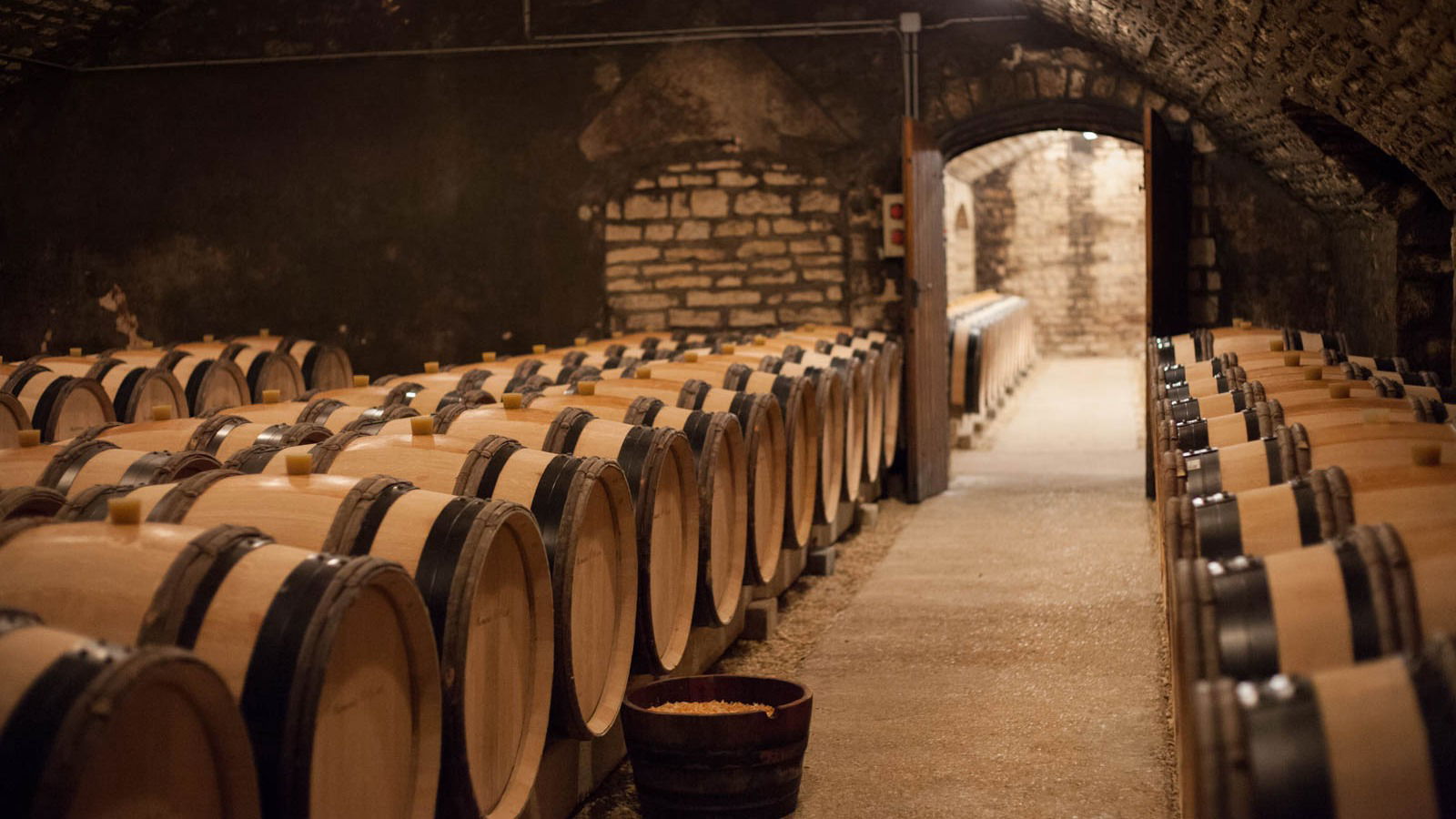




Domaine de la Romanée-Conti
Vosne-Romanée
Winery in Vosne-Romanée, France
 Book with Pearl
The Read
Grand Cru Allocation Tier
Why go
Domaine de la Romanée-Conti is a wine estate in Vosne-Romanée, Burgundy.
About Domaine de la Romanée-Conti
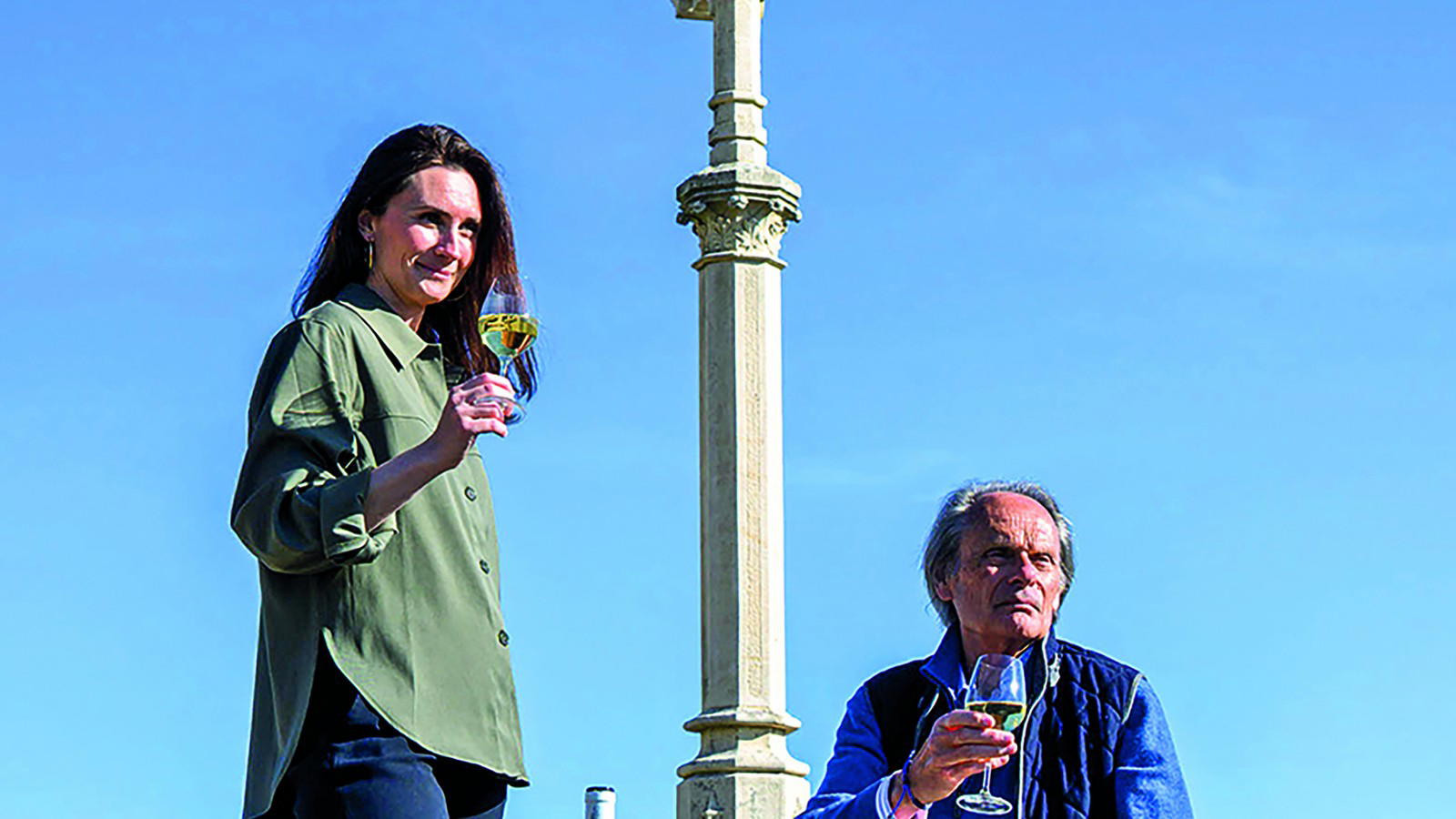
Domaine de la Romanée-Conti is a Vosne-Romanée venue with a limited set of essentials: the named chef/owners are Aubert de Villaine and Bertrand de Villaine, the dress code is smart casual, and the venue is recognized with Pearl 5 Star Prestige (2025). Beyond those points, Pearl does not have public details for a dining format, menu, tasting structure, hours, pricing, or visitor services.
Use this page as a careful planning note rather than a promise of a specific experience. If you are considering Domaine de la Romanée-Conti, confirm any access, appointment, or hospitality details directly before building an itinerary around it. The grounded reasons to note the venue are its Vosne-Romanée identity, its named de Villaine ownership, and its confirmed Pearl recognition.
Choose it for confirmed prestige, not assumed hospitality details
The practical verdict is simple: do not treat Domaine de la Romanée-Conti as a restaurant listing, a guaranteed tasting stop, or a food-pairing venue unless you have confirmed those details directly.
Plan conservatively. Smart casual is the dress code, and Pearl 5 Star Prestige (2025) is the confirmed recognition. Everything else that affects a visit, availability, timing, purchasing, tasting, food, group size, or special arrangements should be checked with the venue rather than inferred from reputation.
How to decide if the effort makes sense
For travelers focused on Vosne-Romanée, Domaine de la Romanée-Conti may be important to know because of its confirmed identity and recognition. Still, the available data is intentionally narrow here, so the right decision depends on whether you can confirm the practical details you need before going.
If you are comparing other venues, consider Domaine Jean Grivot, Domaine du Comte Liger-Belair, Domaine Rene Engel, Domaine Gros Frère et Sœur, and Domaine Francois Raveneau as separate options to research alongside Domaine de la Romanée-Conti. Keep comparisons practical: confirm each venue's access, service, and visit details directly rather than assuming a shared format.
Planning details
- Location
- 1 Pl. de l'Église, 21700 Vosne-Romanée
- Website
- romanee-conti.fr
- Phone
- +33 3 80 62 48 80
The take
The Take
The Vibe
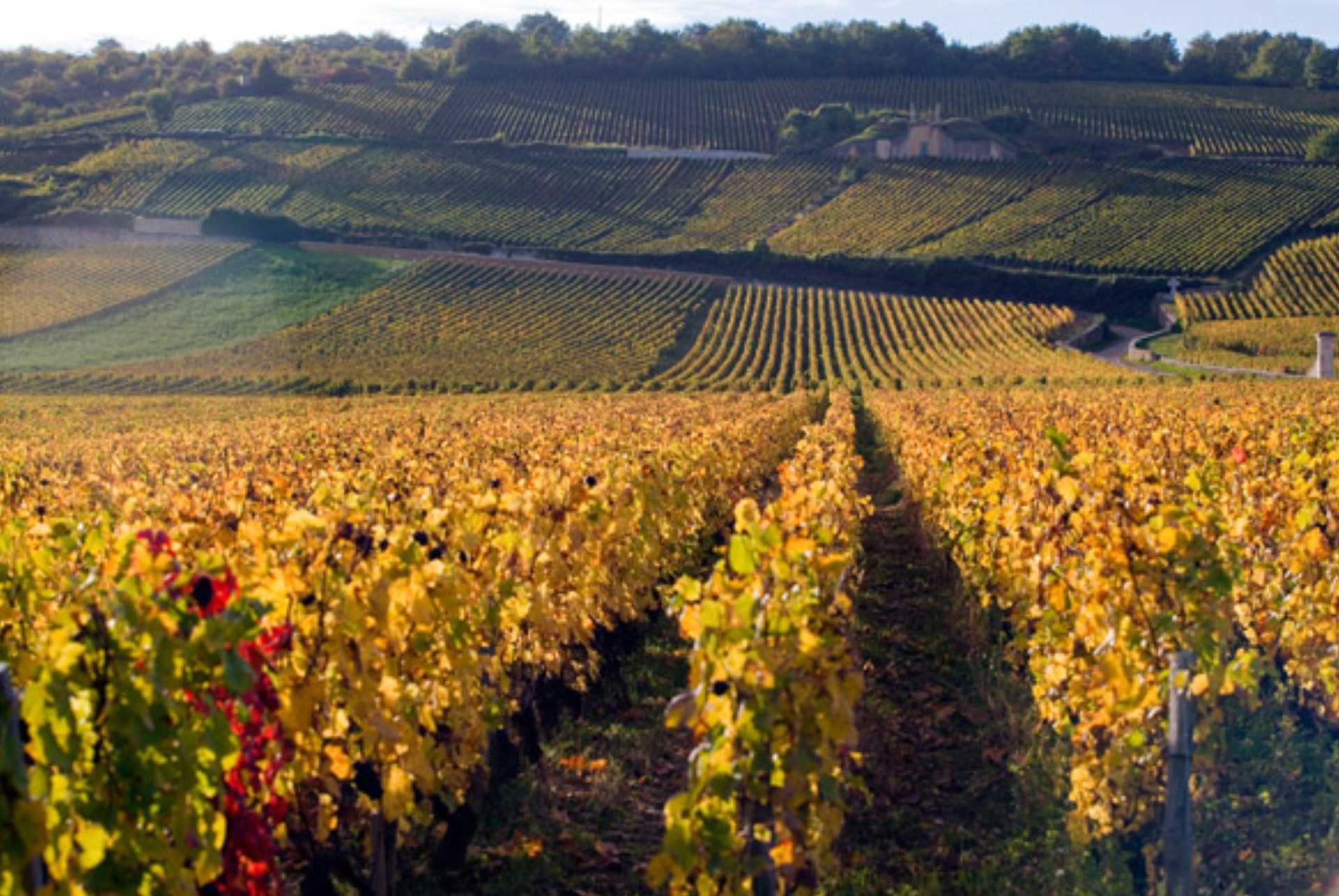
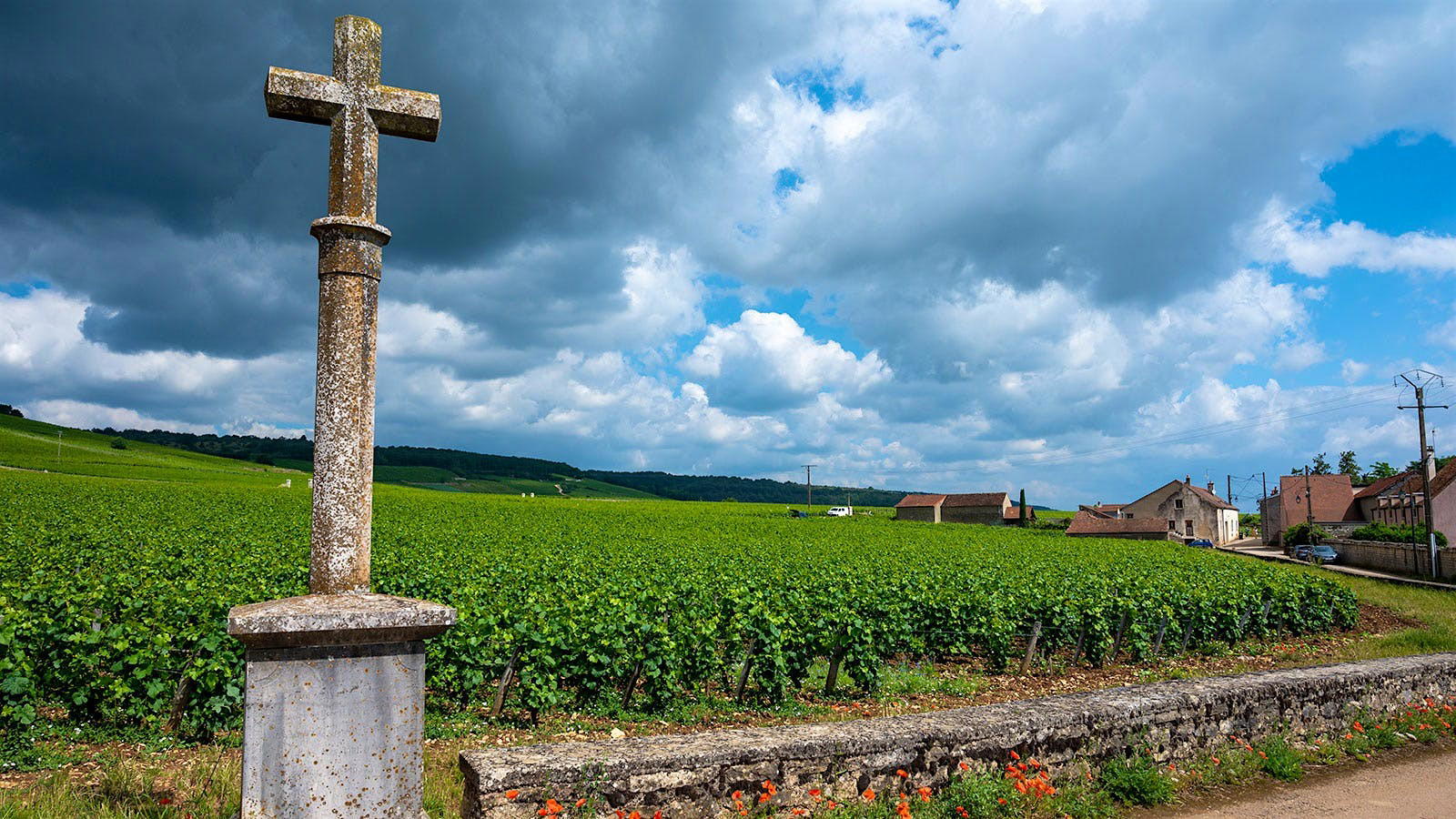
Domaine de la Romanée-Conti reads as quietly monumental rather than showy. The writing favors sobriety: a stone cross, old vines and a slim parcel that needs no theatrical exposition. That restraint and the domaine’s multi-century pedigree create a solemn, reverent atmosphere—more a place of measured attention than convivial bustle. Visitors and readers encounter a site where history, geology and stewardship dominate the story; the mood is contemplative and exacting, with prestige conveyed through provenance and practice rather than ornament.
Best For
This domaine is best for those approaching Burgundy with seriousness—collectors, advanced enthusiasts and anyone marking a consequential celebration. Its status in the grand cru hierarchy, elite ratings and tightly managed allocation system mean bottles are prized and scarce; tastings or visits are principally of interest to people who want to study terroir, cellar philosophy and vintage variation. In short, it suits special occasions and focused wine-education experiences rather than casual drop-ins.
Tasting Tips
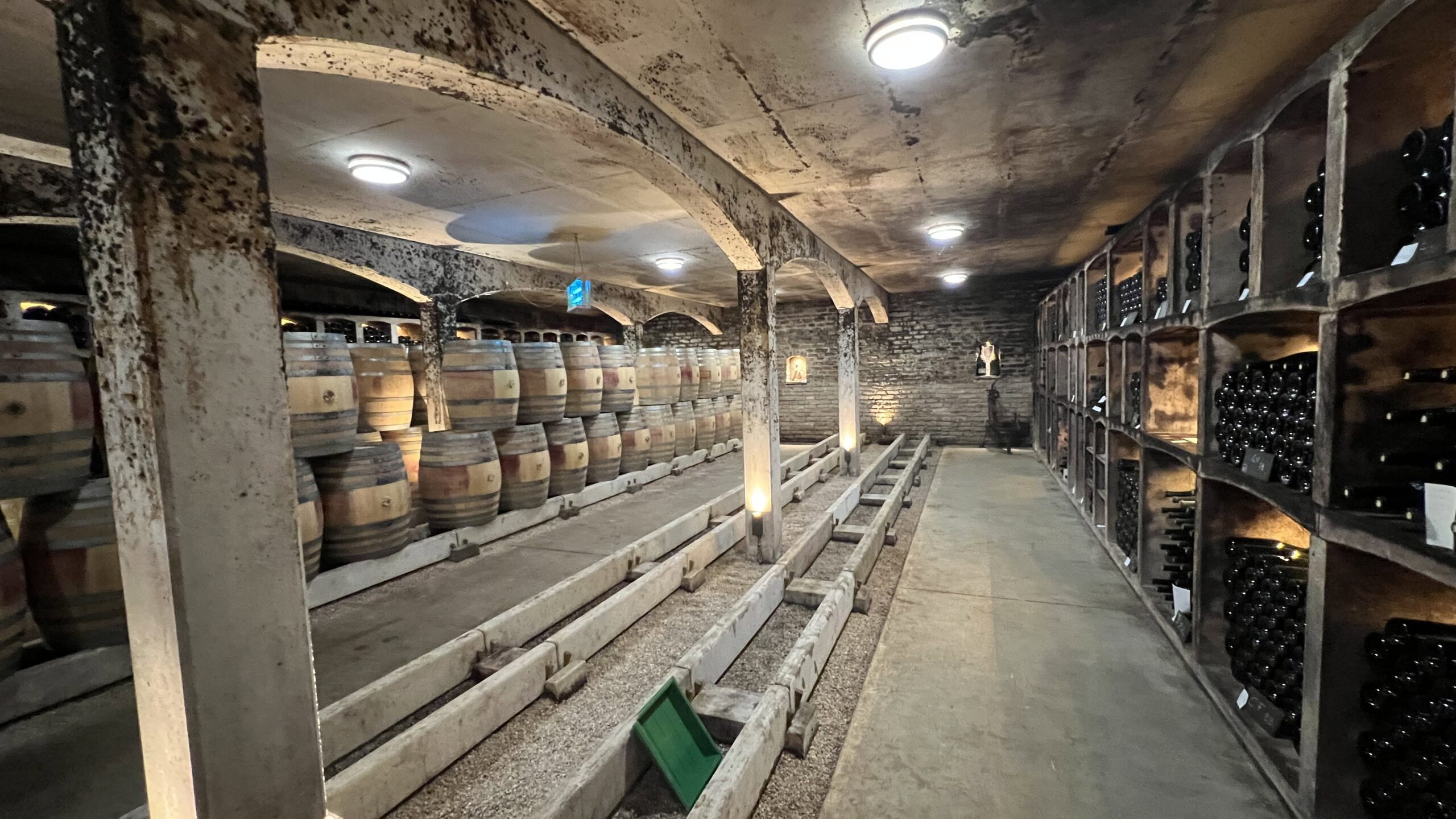
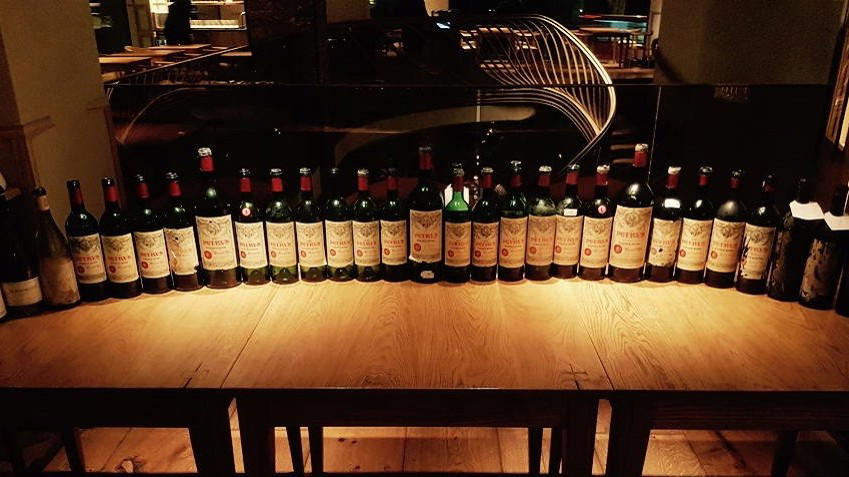
Expect scarcity and discipline: DRC operates through a strict allocation system and its wines are collector commodities. If you’re pursuing bottles, engage established allocation channels and respected trade contacts rather than relying on retail discovery. When evaluating recent releases, ask about the cellar’s vintage-specific choices—notes here highlight minimal intervention and variable whole-cluster proportions—because those decisions materially affect style year to year. For learning, pair bottles with provenance information and cellar notes to understand how terroir and cellar work combine at this domaine.
Venue details
Ambiance
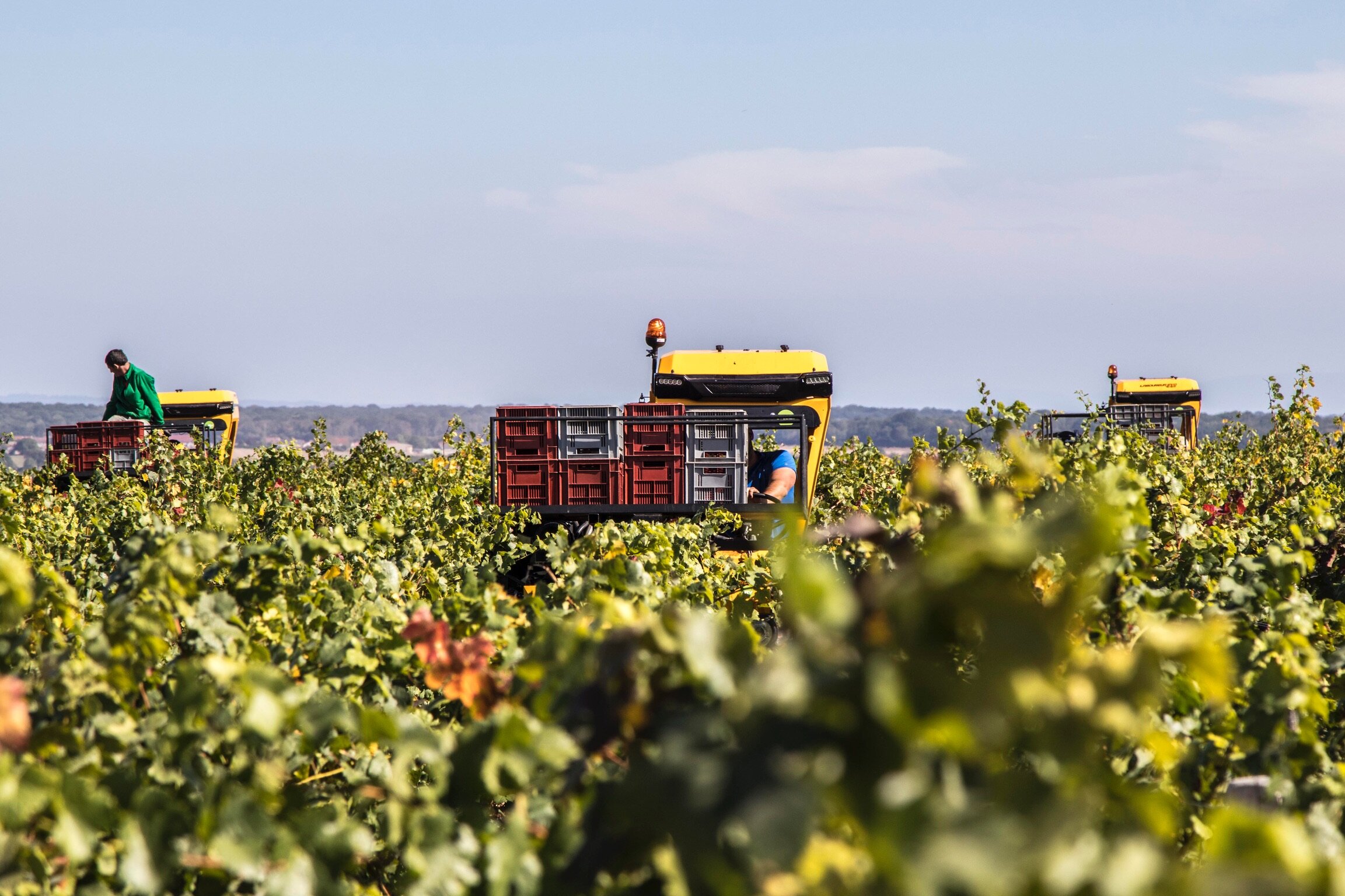
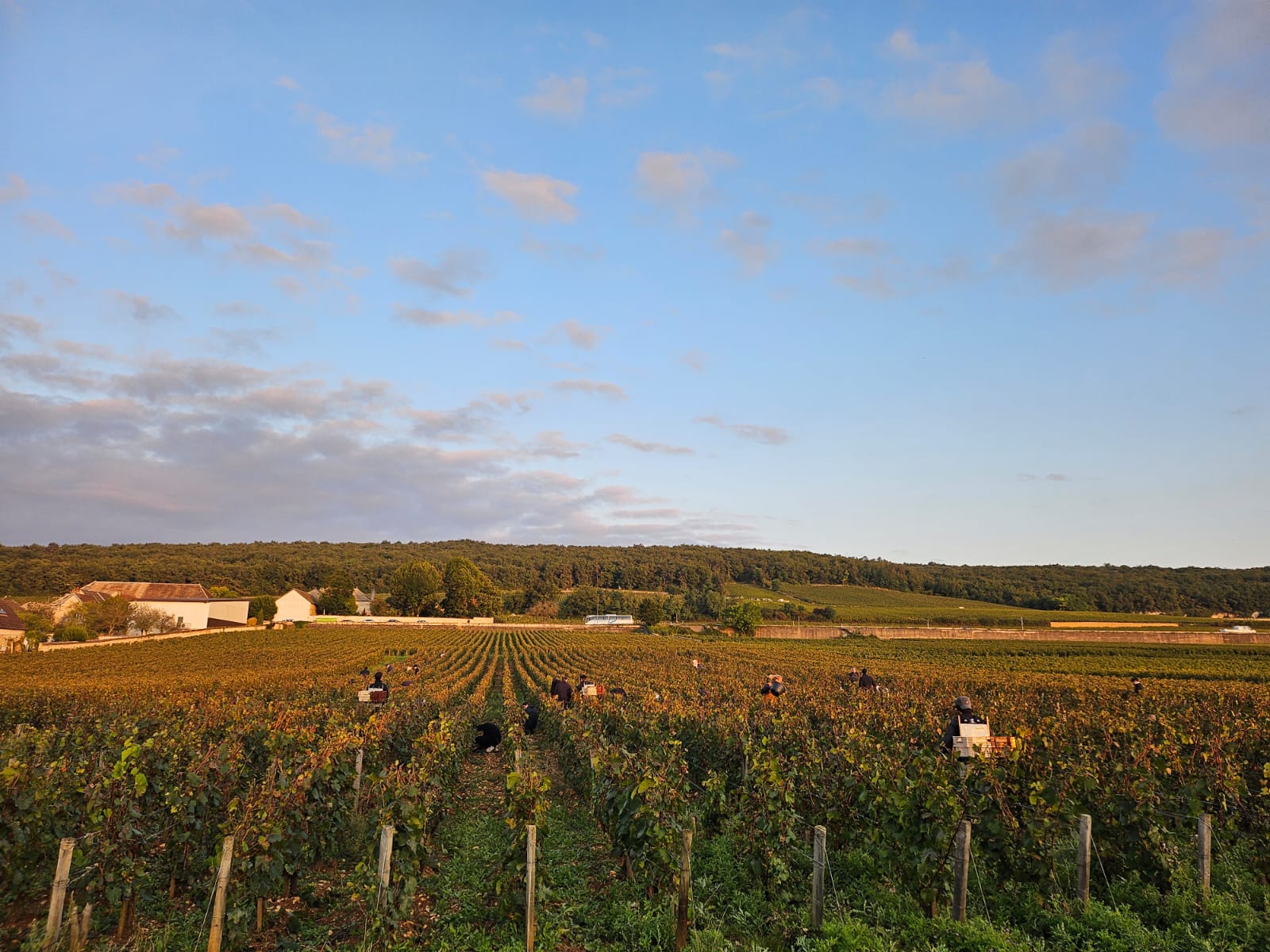
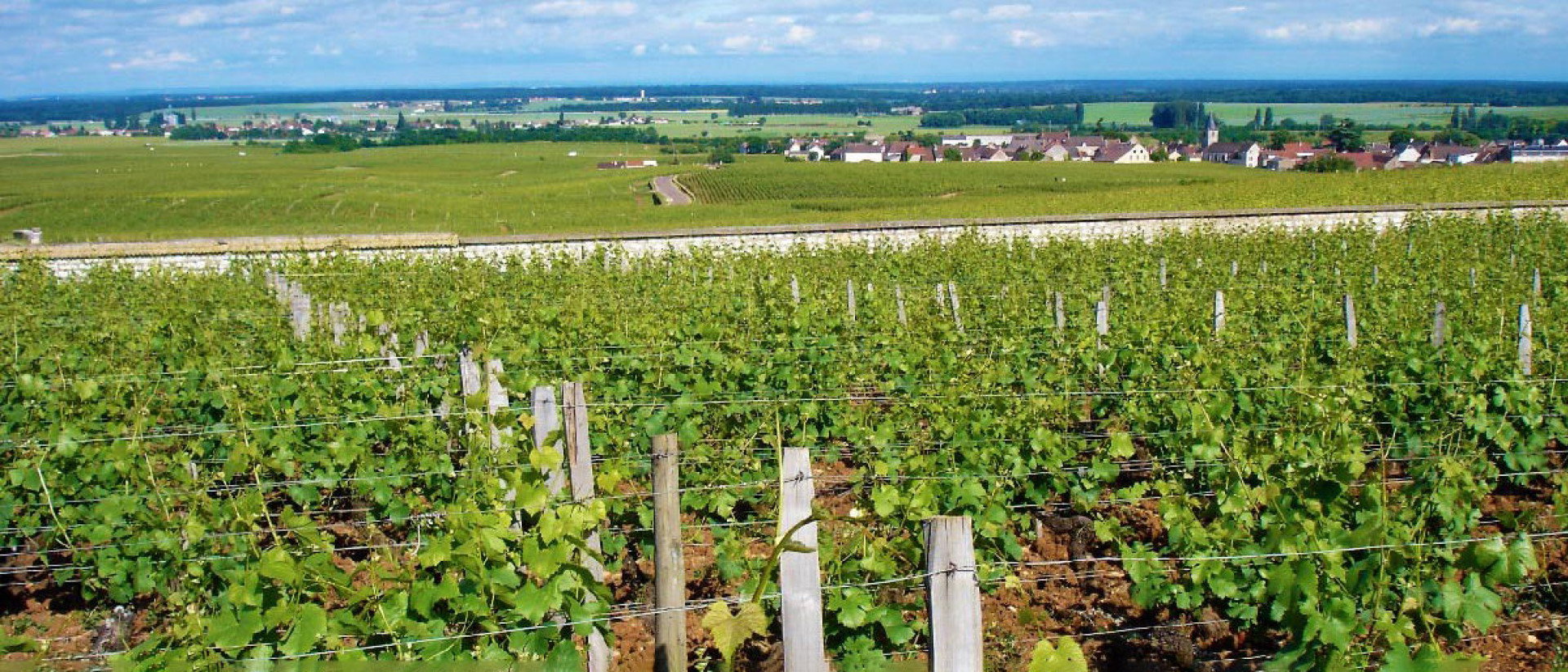
Discreet and unostentatious historic estate with meticulously tended vineyards.
Tags
Vibe
Best For
Experience
View
At the Vineyard
- Appellation
- Vosne-Romanée AOC
- Varietals
- Pinot Noir, Chardonnay
- Tour Duration
- 60-90 minutes
- Wine Club
- Available
Know before you go
Know Before You Go
- Getting there
- 1 Pl. de l'Église, 21700 Vosne-Romanée
Planning details
Location
Recognition and awards


Also consider
Where to look if access does not work
Start with Domaine Jean Grivot if the goal is a Vosne-Romanée-focused wine day with less reliance on one difficult target. For a more collector-coded alternative in the same village, cross-shop Domaine du Comte Liger-Belair.
Winery context
How it compares in Vosne-Romanée
Domaine de la Romanée-Conti is the splurge-and-scarcity reference point: choose it only if prestige and Burgundy context outweigh convenience. Domaine Jean Grivot is the more practical Vosne-Romanée comparison for travelers who want the village connection without making the entire trip depend on a single hard-to-access name.
Domaine du Comte Liger-Belair is the closest peer for readers who care about high-demand Burgundy positioning and a serious, collector-facing feel. Domaine Gros Frère et Sœur is the better cross-shop if the priority is staying within Vosne-Romanée while avoiding a plan built only around scarcity.
Domaine Rene Engel belongs in the conversation for Burgundy depth inside the village, while Domaine Francois Raveneau is the out-of-metro comparison for travelers willing to widen the Burgundy itinerary beyond Vosne-Romanée. If the decision is emotional prestige, stay focused here; if it is logistics and a fuller day, cross-shop the village peers first.
Explore Vosne-Romanée
Around this place
Discover more on Pearl
Unlock the full Domaine de la Romanée-Conti guide in Pearl, including awards, comparisons, FAQs, planning details, and nearby places.
Compare Domaine de la Romanée-Conti
| Venue | Location | Awards |
|---|---|---|
| Domaine de la Romanée-Conti | Vosne-Romanée | 2026 Falstaff Winery Guide2026 Michelin 3 Grapes - Burgundy2025 World's 50 Best Vineyards · #462025 Pearl 5 Star Prestige |
| Domaine Francois Raveneau | Chablis | 2025 Pearl 5 Star Prestige |
| Domaine Jean Grivot | Vosne-Romanée | 2026 Falstaff Winery Guide2025 Pearl 3 Star Prestige |
| Domaine Rene Engel | Vosne-Romanée | 2025 Pearl 3 Star Prestige |
| Domaine du Comte Liger-Belair | Vosne-Romanée | 2026 Falstaff Winery Guide2025 Pearl 5 Star Prestige |
| Domaine Gros Frère et Sœur | Vosne-Romanée | No published awards |
How Domaine de la Romanée-Conti compares with similar nearby venues.
FAQ
Frequently Asked Questions
What is Domaine de la Romanée-Conti known for?
Pearl's listing identifies Domaine de la Romanée-Conti as a Vosne-Romanée venue led by Aubert de Villaine and Bertrand de Villaine, with smart casual dress and Pearl 5 Star Prestige (2025) recognition.
Can Domaine de la Romanée-Conti handle large groups?
When is the best time to visit Domaine de la Romanée-Conti?
Pearl does not have hours or visit timing for Domaine de la Romanée-Conti. If you are planning to go to Vosne-Romanée, confirm timing and access directly before finalizing your itinerary.
Is Domaine de la Romanée-Conti recognized by Pearl?
Yes. Domaine de la Romanée-Conti has Pearl 5 Star Prestige (2025) recognition. The listing also notes Aubert de Villaine and Bertrand de Villaine, plus a smart casual dress code.
Does Domaine de la Romanée-Conti serve food?
Pearl does not have information showing a food service, menu, lunch, snacks, or pairing format. Do not plan it as a meal stop unless you have confirmed current details directly.
How long should I plan for a visit to Domaine de la Romanée-Conti?
Pearl does not have visit-duration details. Before setting aside time in Vosne-Romanée, confirm whether a visit is possible and what format, if any, is available.