

Domaine Bruno Clair
Marsannay-la-Côte
Winery in Marsannay-la-Côte, France
 Book with Pearl
The Read
Côte de Nuits Restraint
Why go
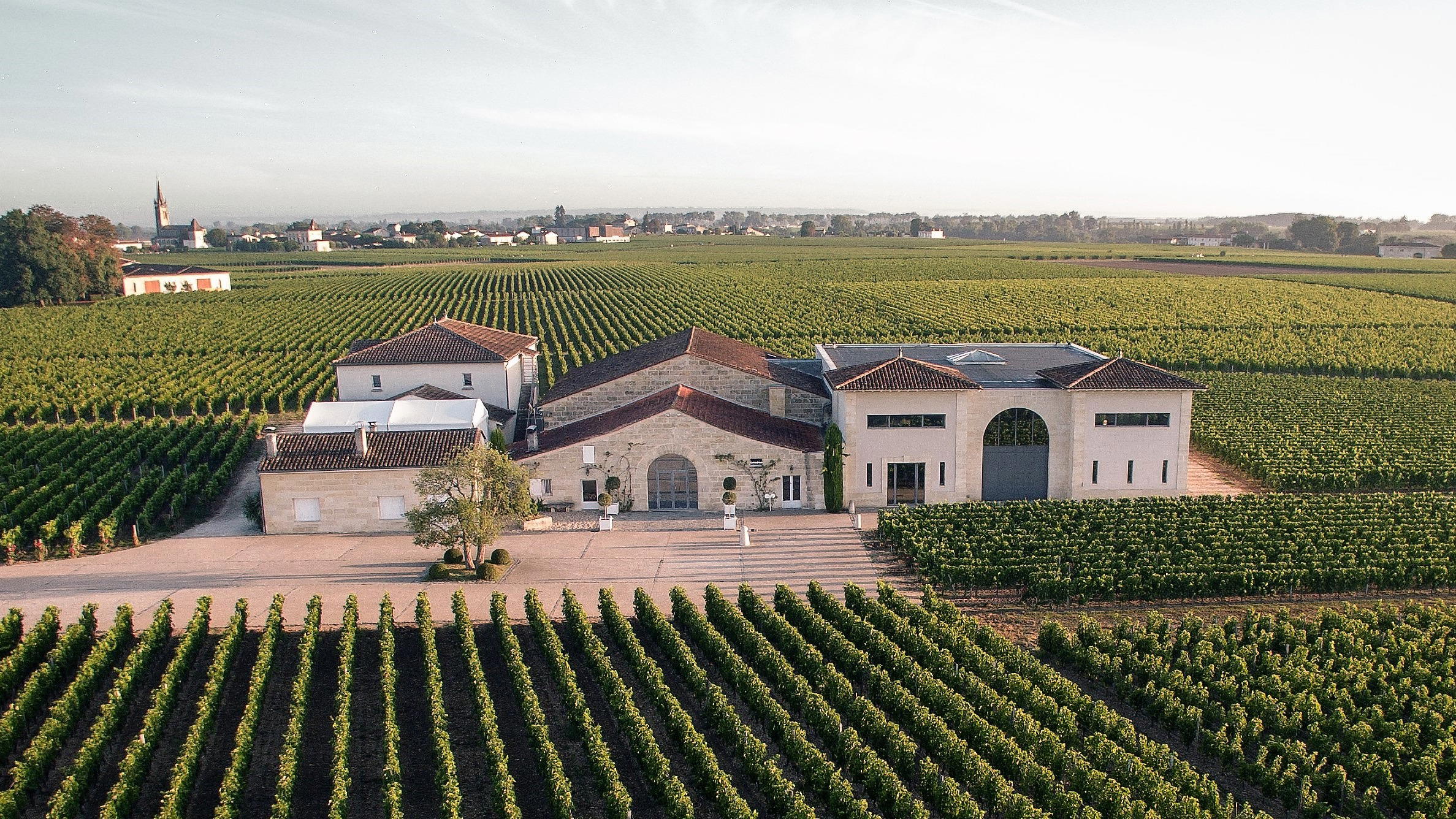
Domaine Bruno Clair is a winery on Rue du Vieux Collège in Marsannay-la-Côte.
About Domaine Bruno Clair
Domaine Bruno Clair is a Marsannay-la-Côte venue with Philippe Brun as cellar master and a smart casual dress code. It has Pearl 4 Star Prestige (2025) recognition, making that distinction the strongest reason to consider it.
Plan with care and check practical arrangements directly before building a day around the visit. If you need dining or other backup plans nearby, use the Marsannay-la-Côte restaurants guide and other Marsannay-la-Côte resources.
A serious Marsannay-la-Côte name with confirmed recognition
The clearest signal for Domaine Bruno Clair is Pearl 4 Star Prestige (2025). For specific offerings, tasting formats, menus, prices, opening hours, or services, check directly with the venue.
That makes this a better fit for travelers who are comfortable planning flexibly. Keep the day adaptable and check arrangements in advance when comparing it with other options.
Who should prioritize it, and who should cross-shop
Prioritize Domaine Bruno Clair if a Pearl 4 Star Prestige (2025) venue in Marsannay-la-Côte is the main draw. Cross-shop if you need more information about visit format, timing, group handling, food, or other services before committing.
Natural comparison names include Domaine Sylvain Pataille, Domaine René Bouvier, Maison Gautheron d'Anost, Domaine Fourrier, and Domaine Rossignol-Trapet. Treat each as a separate option and check current details directly before planning around it.
Quick reference: consider Domaine Bruno Clair for its Marsannay-la-Côte location, Philippe Brun, smart casual dress code, and Pearl 4 Star Prestige (2025) recognition.
Planning details
- Location
- 5 Rue du Vieux Collège, 21160 Marsannay-la-Côte
- Website
- brunoclair.com
- Phone
- +33 3 80 52 28 95
The take
The Take
The Vibe
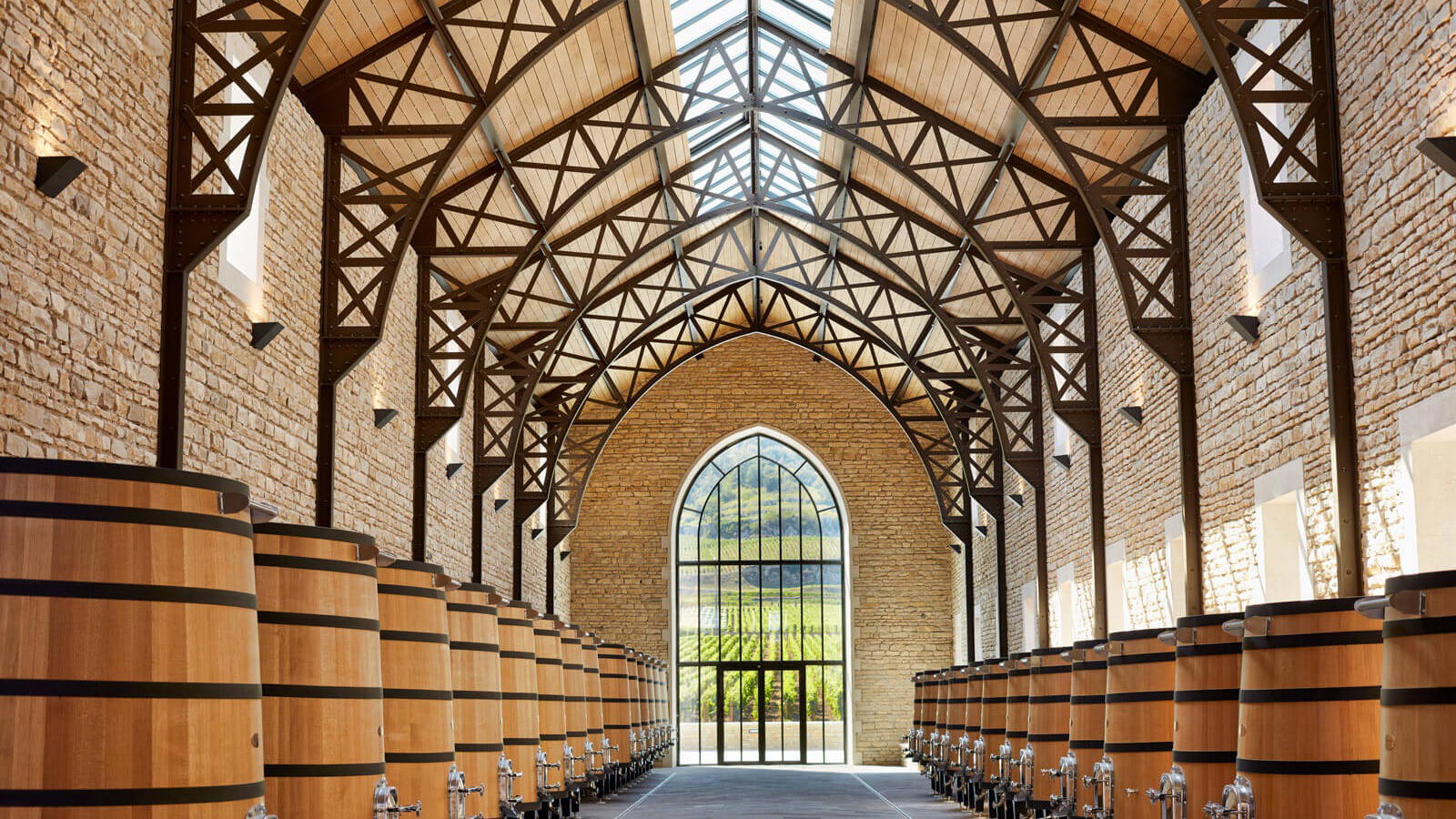
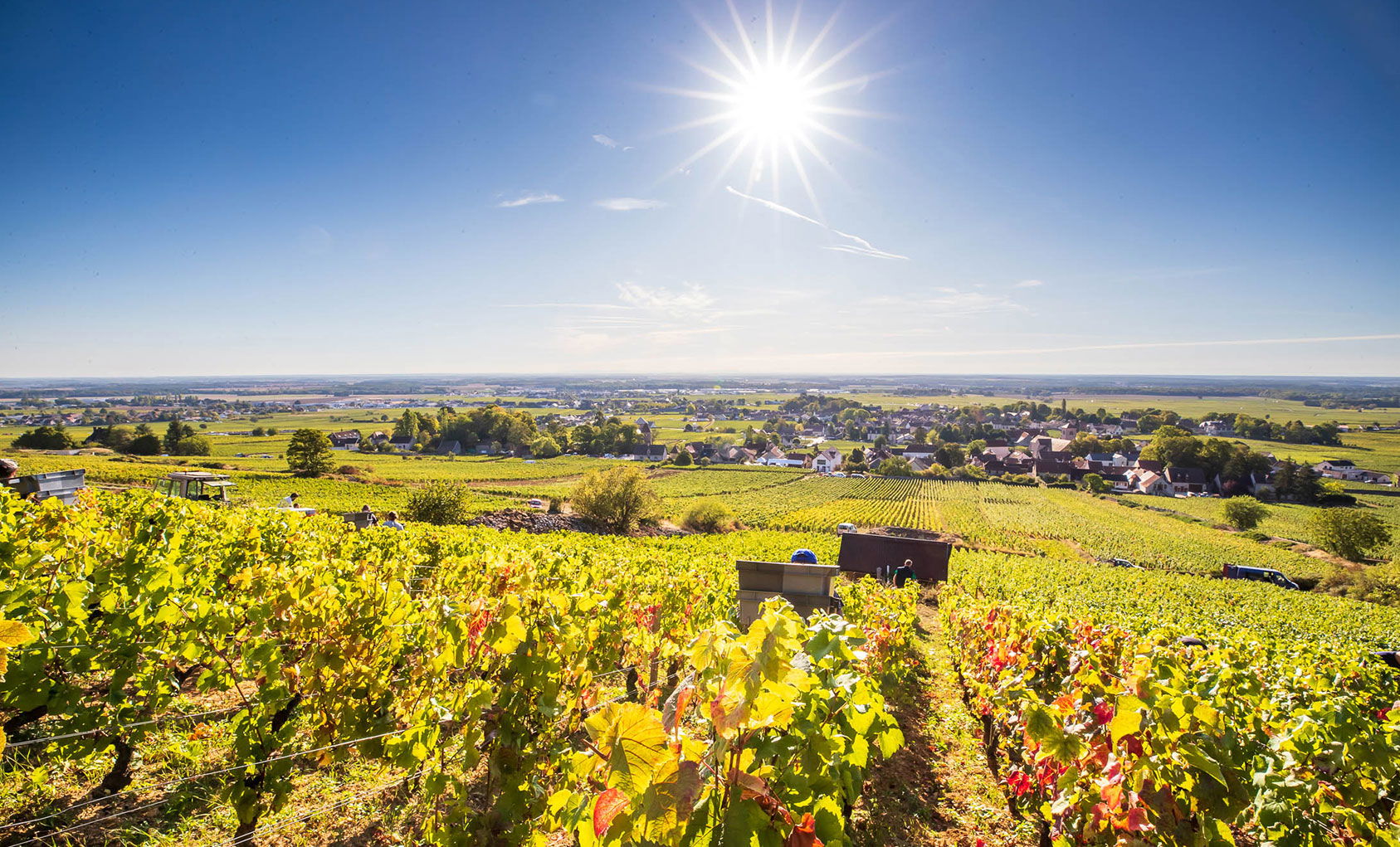
Domaine Bruno Clair presents a terroir-forward, intellectually engaged profile rooted at the northern edge of the Côte de Nuits. Founded with its first vintage in 1979, the domaine anchors a reassessment of Marsannay-la-Côte — an area long seen as transitional but now argued to offer distinct structural clarity. The prose emphasises limestone-and-clay geology and a cooler microclimate, and the writing positions the wines as measured, slower-developing expressions rather than immediate showpieces. The overall impression is refined and study-worthy, appealing to readers who appreciate methodical, place-driven Burgundies rather than flashy, high-octane bottlings.
Best For
This domaine is best for visitors focused on wine study and terroir-driven exploration. The description speaks directly to readers planning visits to the northern Côte and to anyone curious about parcel-level distinctions — making it a fit for wine-education outings, collectors assessing structure and ageworthiness, and intimate special-occasion visits centered on serious tasting. It is less about casual drinking and more about understanding how Marsannay’s compressed variety of soils influences Pinot Noir and Chardonnay; the venue reads as a destination for people who want to compare parcel expressions within a single producer’s portfolio.
Tasting Tips
When engaging with Domaine Bruno Clair’s wines, prioritise parcels and vineyard-designated bottlings: the text stresses parcel-level attention and the diversity of soils across the short north–south corridor. Expect wines that show firmer structure and slower development rather than immediate flamboyance, so consider vintages with some bottle age or plan for cellar potential. Read labels for terroir specifics (soil type, parcel) and focus on Pinot Noir and Chardonnay expressions that reflect Marsannay’s limestone-clay mix. Avoid assuming these wines are diluted versions of southern neighbors; approach them as distinct, place-driven wines to compare and study.
Venue details
Ambiance
Refined and elegant with emphasis on finesse, minerality, and balance reflecting Burgundian terroir purity.
Tags
Vibe
Best For
Experience
Sourcing
View
At the Vineyard
- Appellation
- Marsannay AOC
- Varietals
- Pinot Noir, Chardonnay
- Visits
- By appointment only
- Farming
- Sustainable
- Wine Styles
- Still Red, Still White
- Wine Club
- Not available
Know before you go
Know Before You Go
- Getting there
- 5 Rue du Vieux Collège, 21160 Marsannay-la-Côte
Planning details
Location
Recognition and awards

Also consider
Also Consider
- Domaine Sylvain Pataille, Notable alternative
- Domaine René Bouvier, Notable alternative
- Maison Gautheron d'Anost, Notable alternative
- Domaine Fourrier, Notable alternative
- Domaine Rossignol-Trapet, Notable alternative
Winery context
How it compares in and around Marsannay
Domaine Sylvain Pataille is the closest comparison for visitors who want a Marsannay-first decision: both make sense for travelers focused on producer identity rather than a generic tasting-room circuit. Domaine Bruno Clair is the stronger priority if the trip is built around collector seriousness and long-term Burgundy context; Pataille is the cross-shop when the goal is to stay tightly focused on Marsannay's local profile.
Domaine René Bouvier and Maison Gautheron d'Anost are better fallback names for travelers who need a more workable day plan in the same area. Choose Bruno Clair when the appointment itself is the point. Choose one of these when the group includes people who want Burgundy context without making the whole day revolve around a difficult-to-secure producer stop.
Domaine Fourrier and Domaine Rossignol-Trapet belong in the comparison only if the itinerary extends beyond Marsannay into a broader Côte de Nuits run. Fourrier is the higher-pressure collector cross-shop; Rossignol-Trapet is the more useful alternative if the trip is centered on serious Burgundy but not fixed to Marsannay-la-Côte.
Explore Marsannay-la-Côte
Around this place
Discover more on Pearl
Unlock the full Domaine Bruno Clair guide in Pearl, including awards, comparisons, FAQs, planning details, and nearby places.
Compare Domaine Bruno Clair
| Venue | Location | Awards |
|---|---|---|
| Domaine Bruno Clair | Marsannay-la-Côte | 2026 Falstaff Winery Guide2026 Michelin 2 Grapes - Burgundy2025 Pearl 4 Star Prestige |
| Domaine Sylvain Pataille | Marsannay | 2026 Falstaff Winery Guide2026 Michelin Grape Main Selection - Burgundy |
| Domaine René Bouvier | Gevrey-Chambertin | No published awards |
| Maison Gautheron d'Anost | Dijon | No published awards |
| Domaine Fourrier | Gevrey-Chambertin | 2026 Falstaff Winery Guide2026 Michelin Grape Main Selection - Burgundy2025 Pearl 4 Star Prestige |
| Domaine Rossignol-Trapet | Gevrey-Chambertin | 2025 Pearl 4 Star Prestige |

How Domaine Bruno Clair Marsannay-la-Côte compares with similar nearby venues.
FAQ
Frequently Asked Questions
Does Domaine Bruno Clair serve food?
Does Domaine Bruno Clair offer memberships or ongoing access options?
If memberships or ongoing access options are important, ask Domaine Bruno Clair directly for current information.
When is the best time to visit Domaine Bruno Clair?
Do I need a reservation at Domaine Bruno Clair?
Contact Domaine Bruno Clair directly before visiting Marsannay-la-Côte.
What other venues can I compare with Domaine Bruno Clair?
Other comparison names to consider include Domaine Sylvain Pataille, Domaine René Bouvier, Maison Gautheron d'Anost, Domaine Fourrier, and Domaine Rossignol-Trapet. Check each venue's current location details and visit policies directly before planning.
What are the key details for Domaine Bruno Clair?
Domaine Bruno Clair is in Marsannay-la-Côte. Philippe Brun is chef/owner, the dress code is smart casual, and the venue has Pearl 4 Star Prestige (2025) recognition.